"Pocket watches"... out with 'em! Come on, lets see them!

Posts
1,317
Likes
9,080
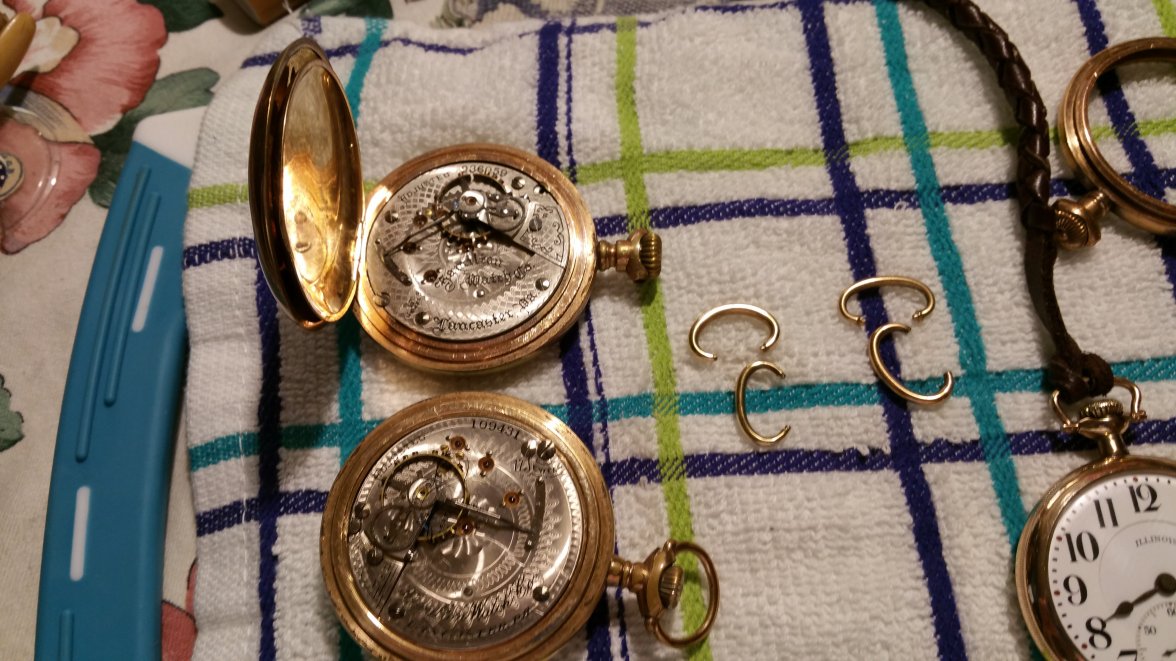
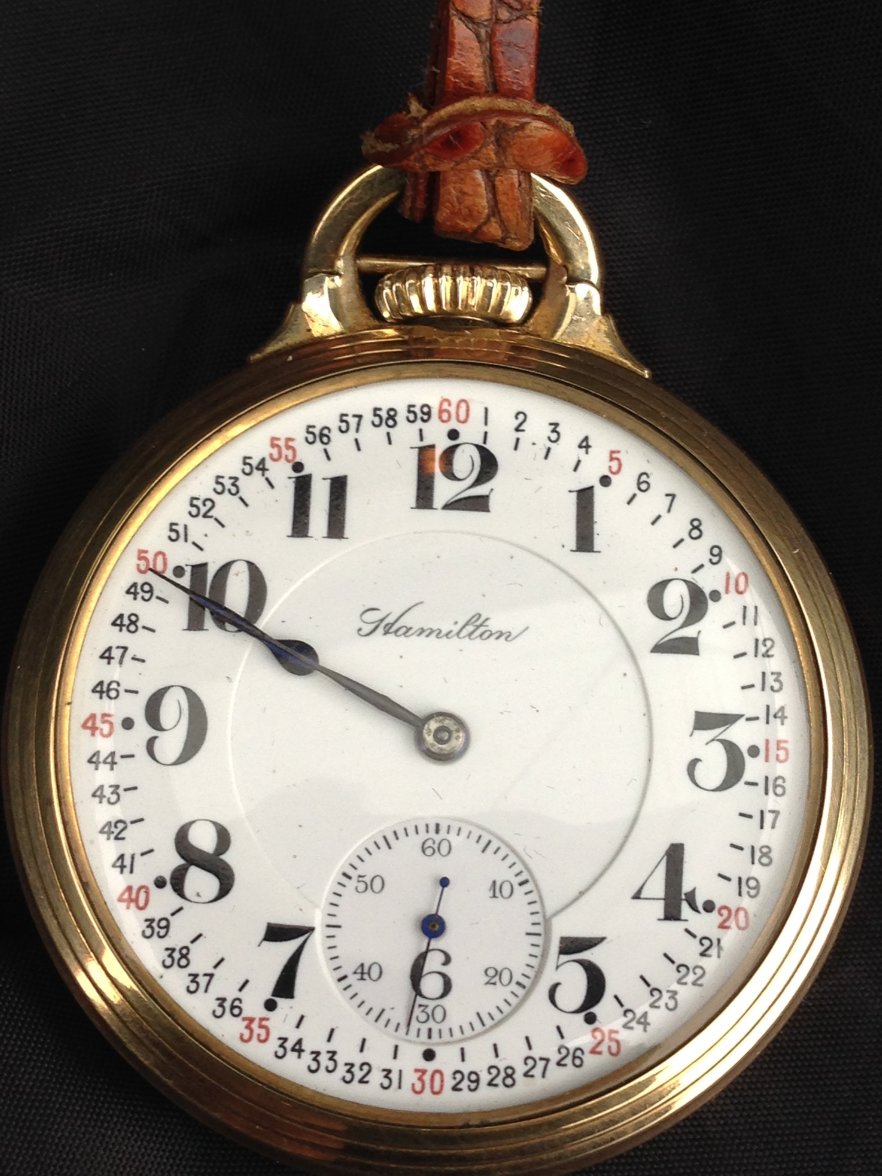
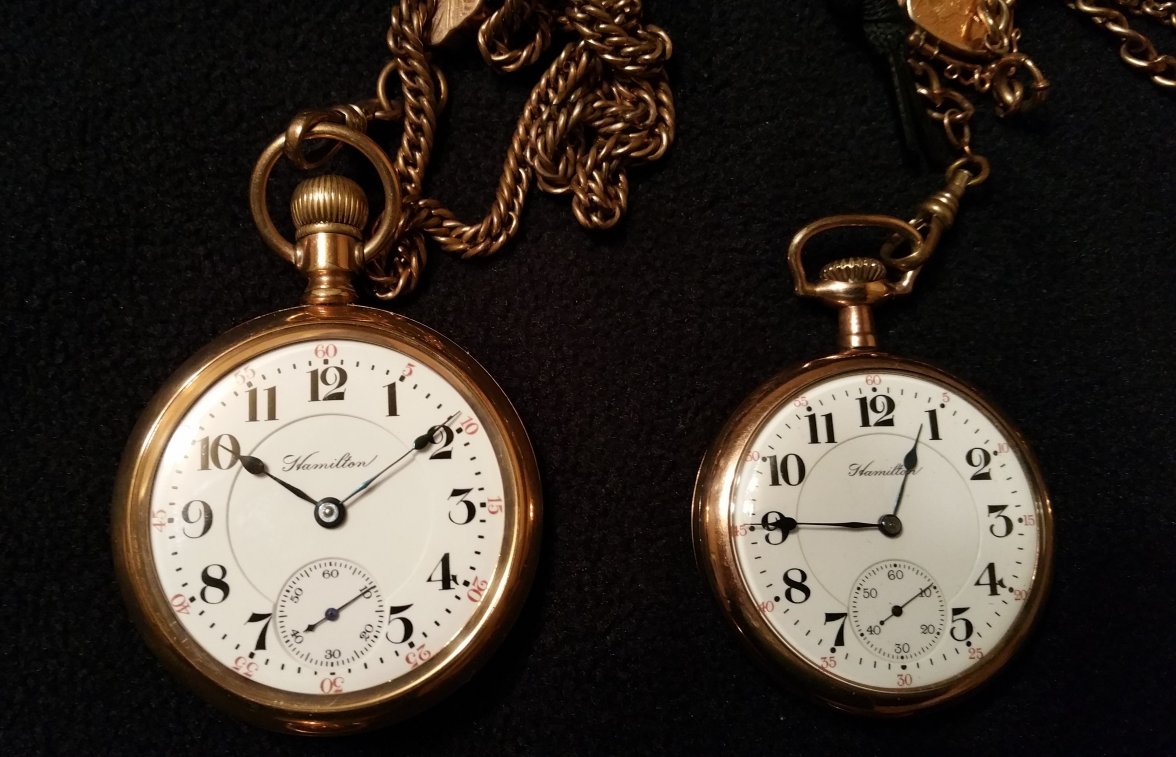
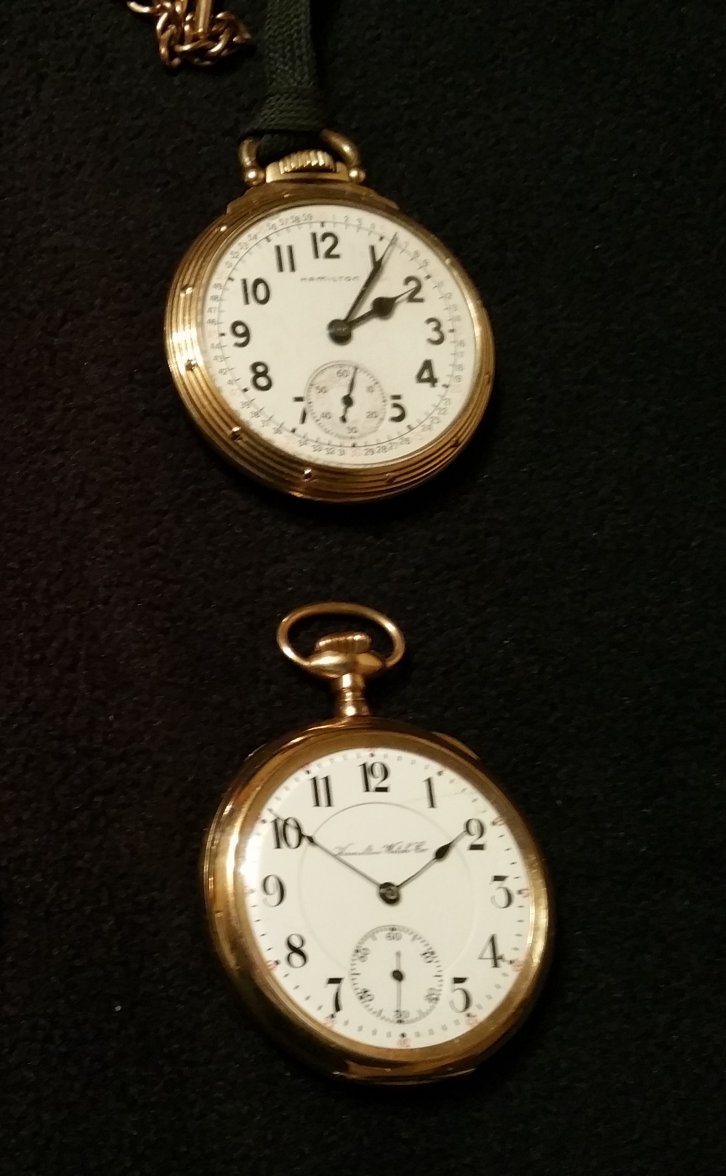
My next insomnia project bring back to life the pocket watch "Hamilton grade 936" on the top left of the picture. On nights that I have a hard time sleeping. I tinker around with watches. I have enough parts to restore the 936. One day I may tackle the grade 927 on the bottom left. These type pocket watches I use these type watches as parts buckets. They are a great source for original parts. These old beaters have bailed me out many times.
 
Posts
558
Likes
1,047
This is a Model 1872, "American" Grade Waltham with a non-magnetic hairspring and and balance, including a platinum pallet fork. I think it may be the prettiest watch I have ever owned both inside and out.

JohnCote

PS: Just saw the typo (71) on the first/dial photot...it is a model '72.

72AM-Dial-3.JPG

72AM-Case-3.JPG

72AM-Mvt-3.JPG

72AM-Inside-1.jpg

72AM-Inside-2.jpg
 
Posts
1,386
Likes
23,149
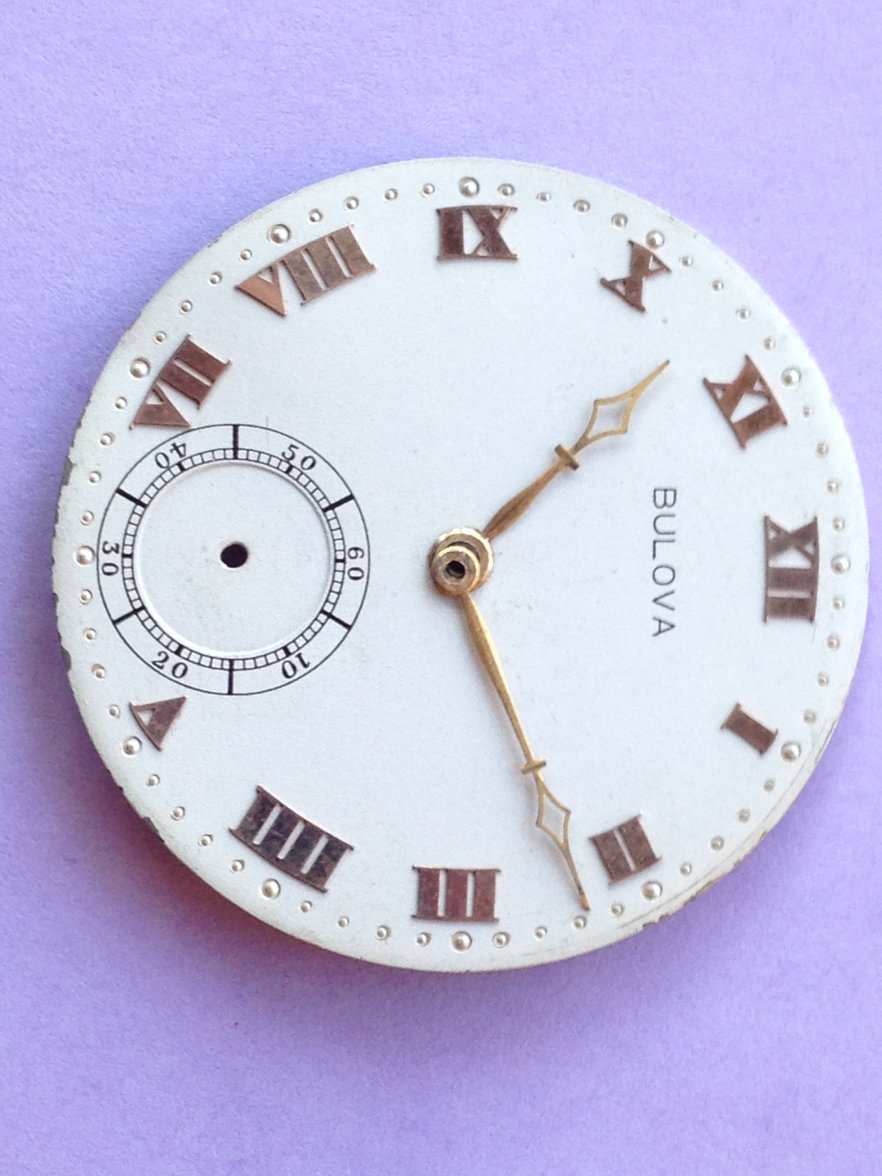
All RR grade except the Bulova Phantom adj. 8 positions. Still looking for parts.🙁
 
Posts
8,347
Likes
59,698
From a recent newsletter sent by Nick Hacko, an Aussie watchmaker. I found it rather interesting that he was impressed by a 90 year old pocket watch, but then again, so am I.

***What do watchmakers do on a rainy Tuesday morning?

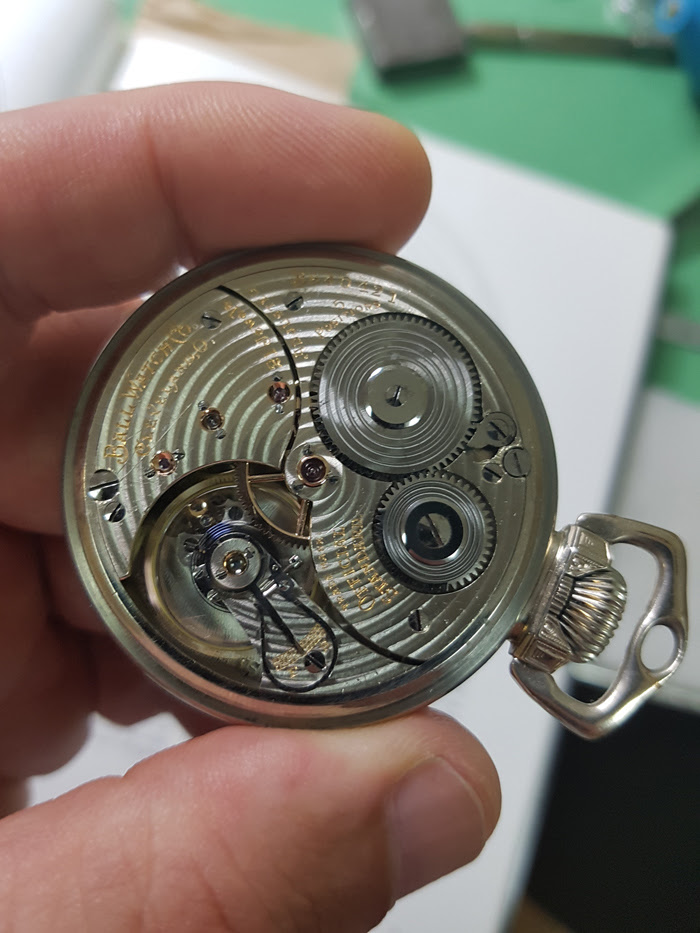
A couple of things. First, we admired one of the most beautifully executed bridge layout movements of all times: a 1930’s Ball pocket watch. This one was made for architects! Superbly inspirational.


Great Ball, thanks for posting
 
Posts
2,219
Likes
4,946
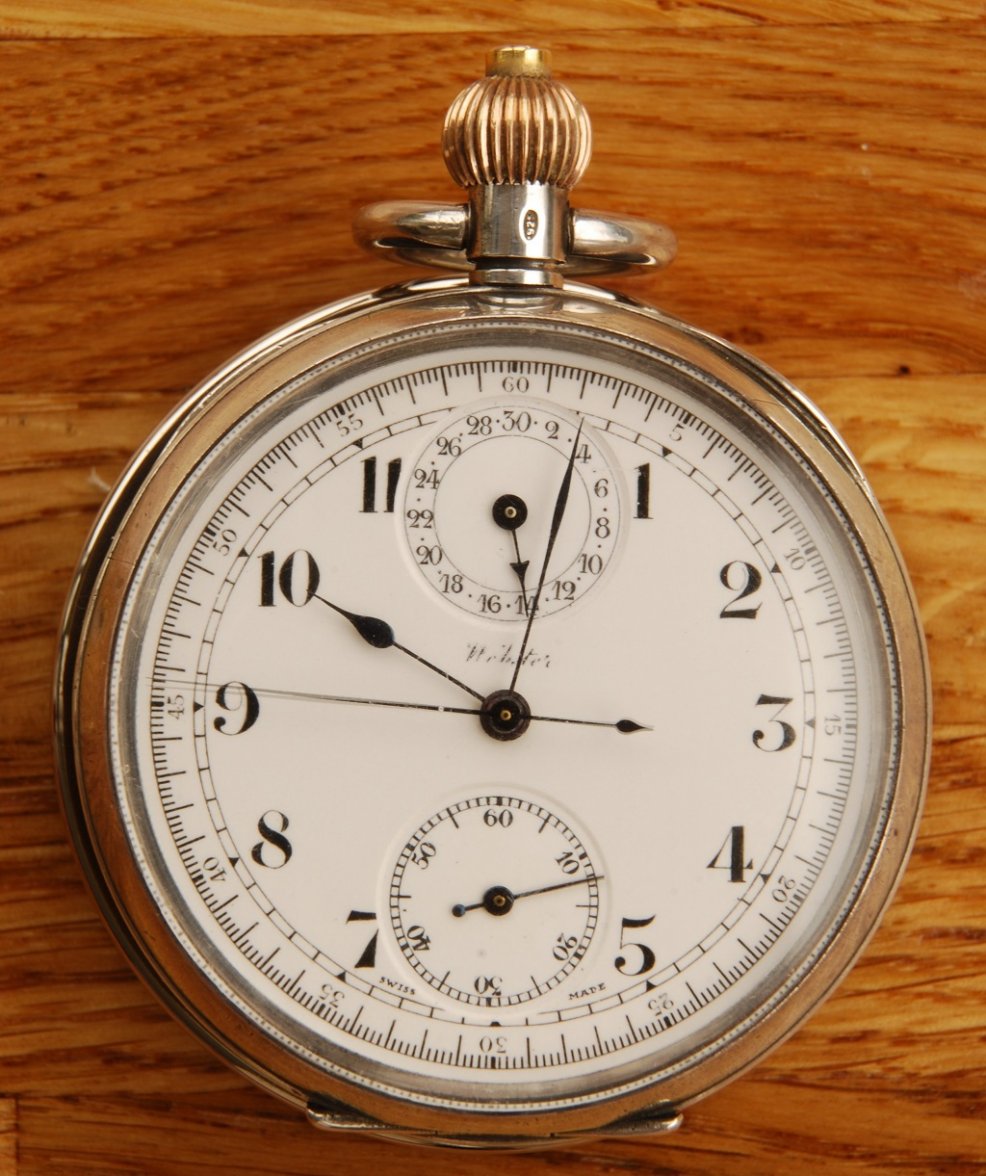
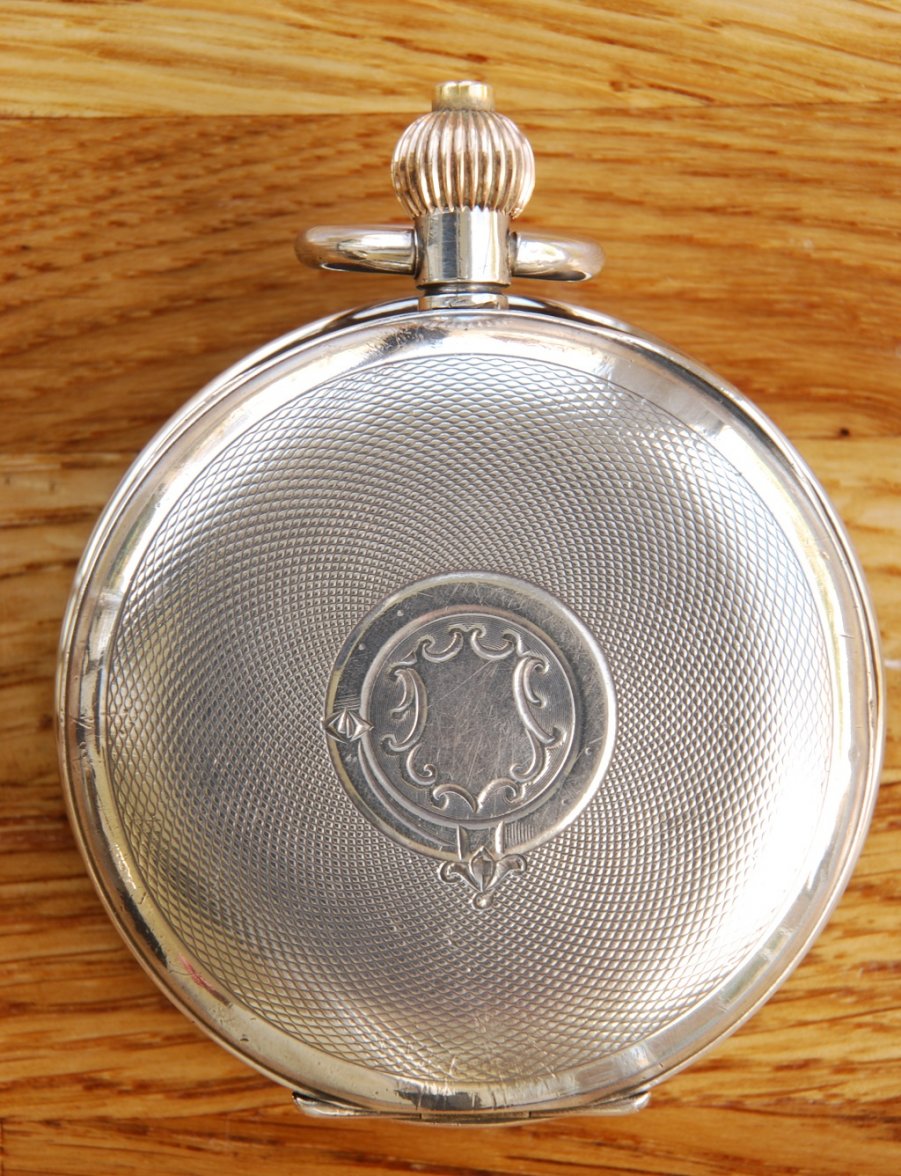
I did mention this a few pages ago but I've serviced it now for a local in my village. He's kindly allowed me to put it on my website as it's a bit different to my usual work so thought it would be nice to show a few photos here. It's a mono-pusher chronograph marked Webster (an English jewellers) in a 925 silver case. Some of the dial text is a little faded but, still looks nice to me.

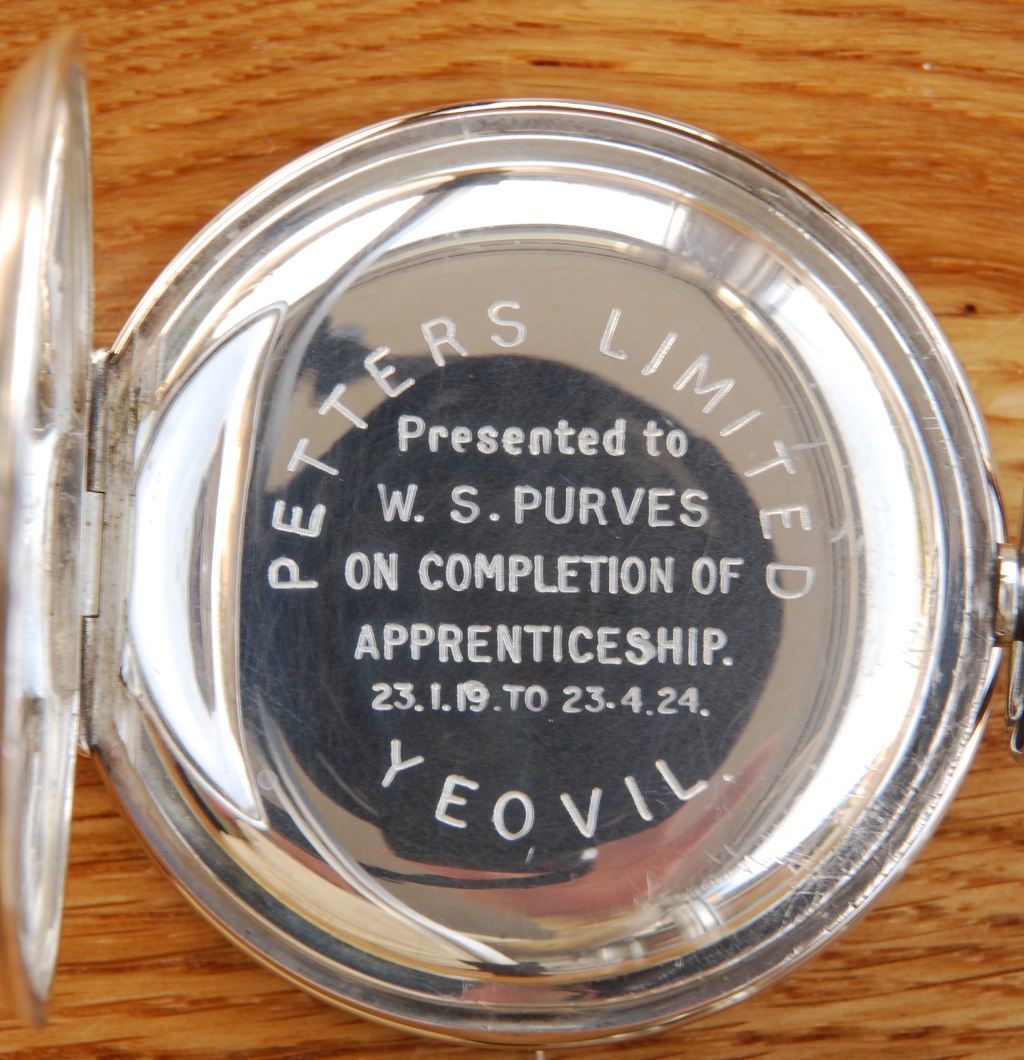
Back of the case is nice too and in fair condition:

This was a presentation watch for completion of an apprenticeship nearly 100 years ago although not related to my friend. Petters is a local firm and later became part of Westlands (helicopters). I think I got a handshake when I finished my apprenticeship at Hawker Siddeley...

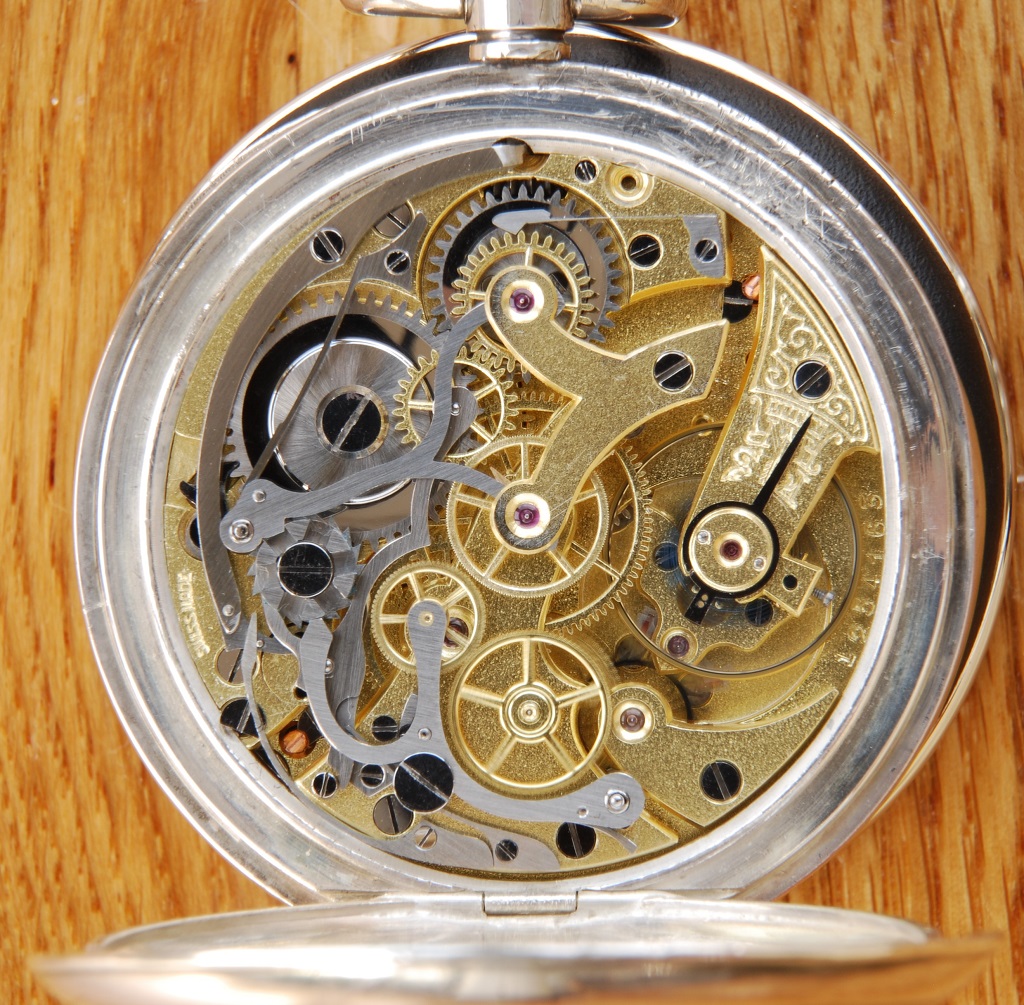
Calibre is a Minerva 19/9CH Swiss, lever escapement, Breguet hairspring and very nicely designed. It's now averaging +8 seconds/day over all six positions which is excellent. I like this so much, I'm discussing Omega chronograph pocket watches with one of our members😉.

Cheers, Chris
 
Posts
212
Likes
1,883
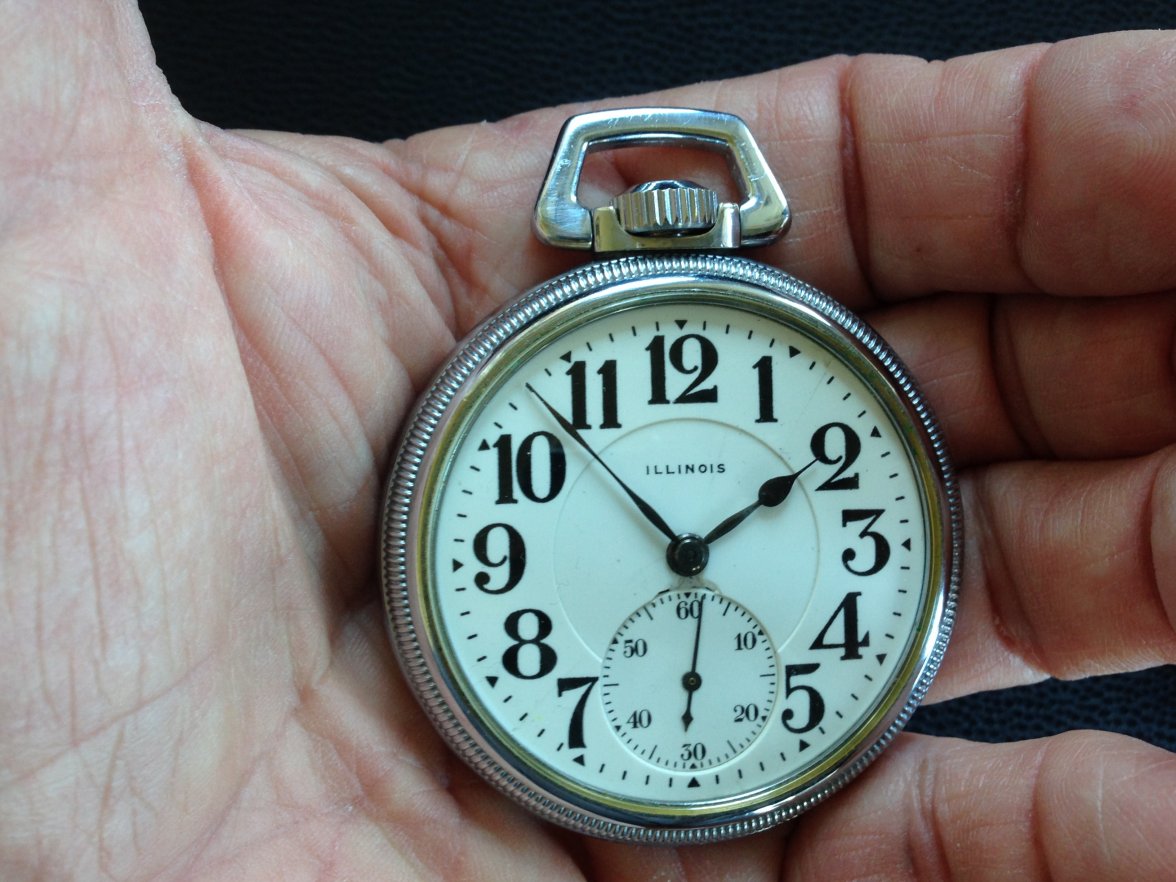
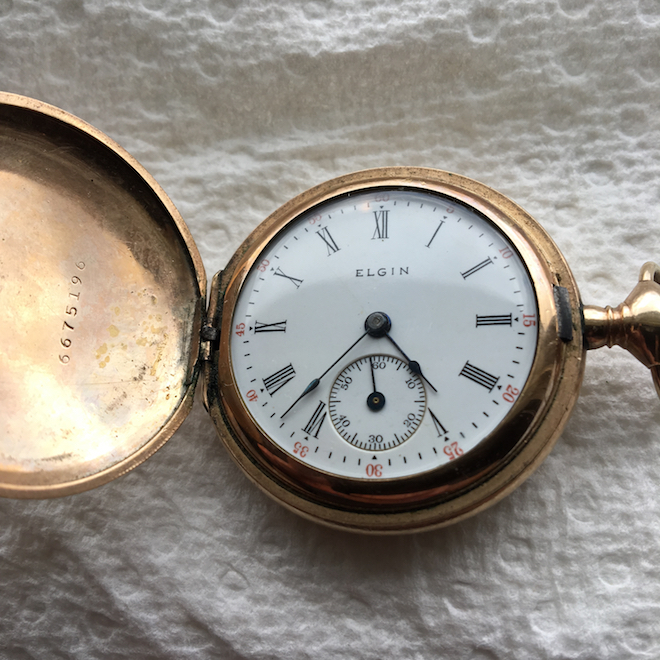
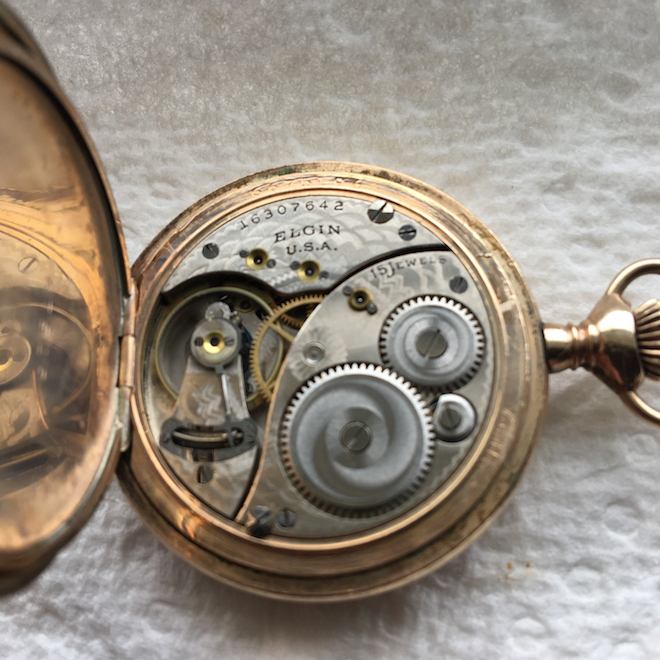
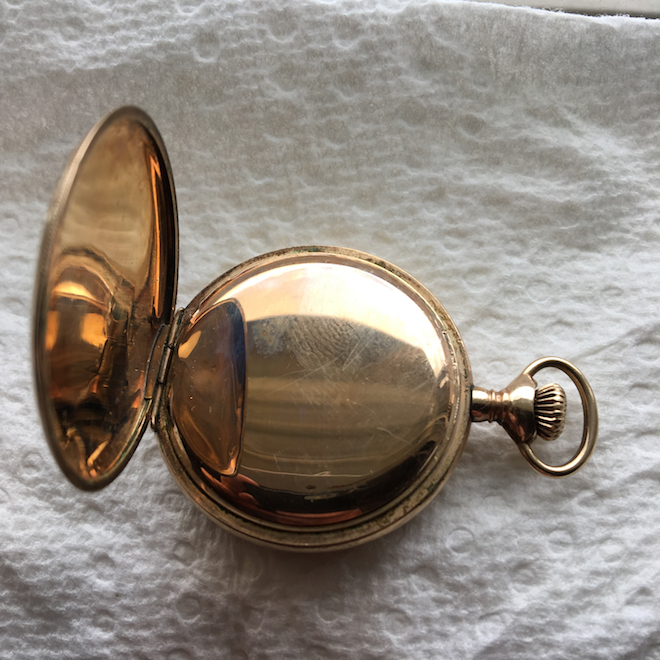
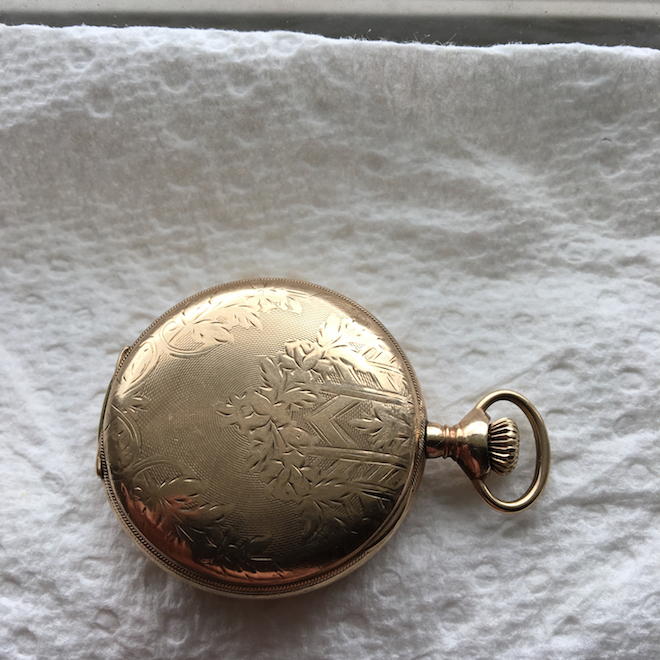
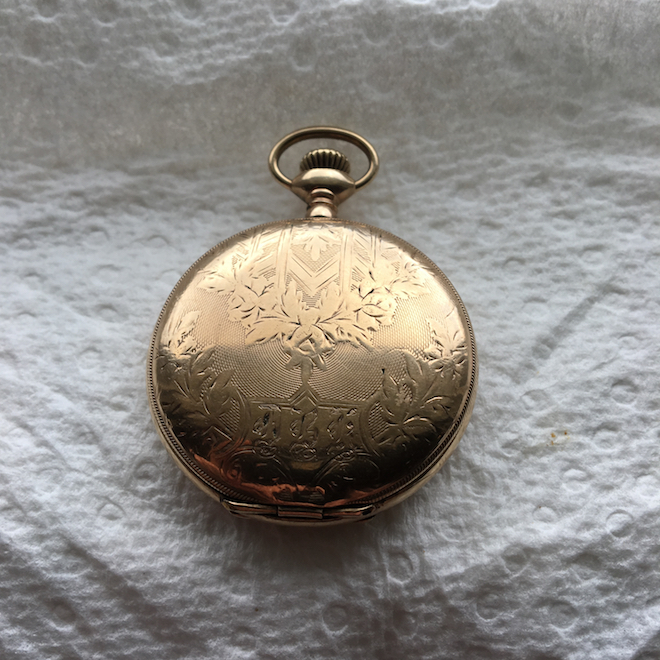
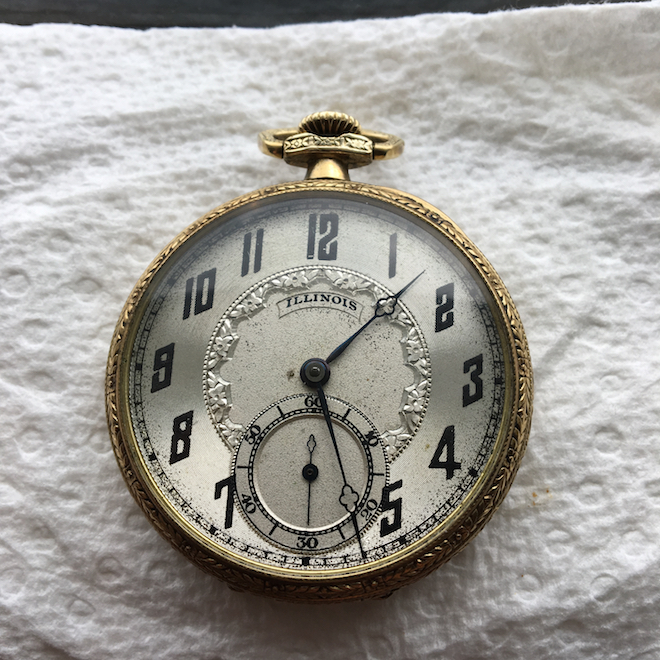
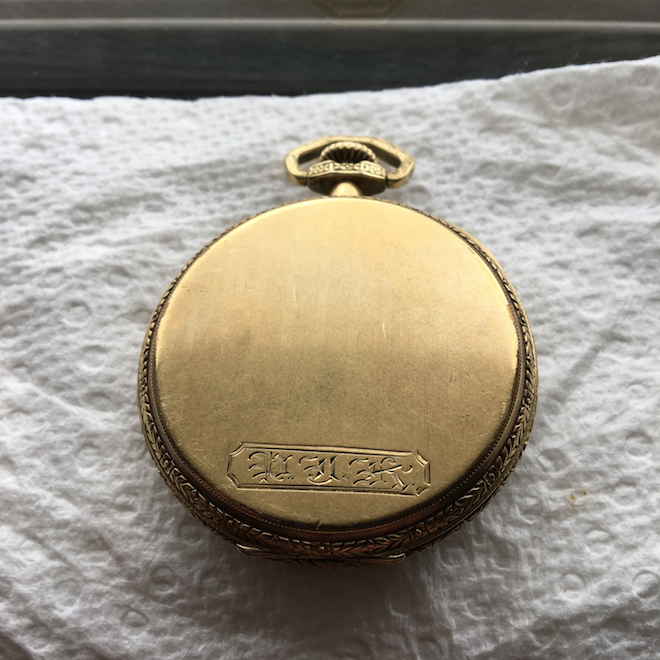
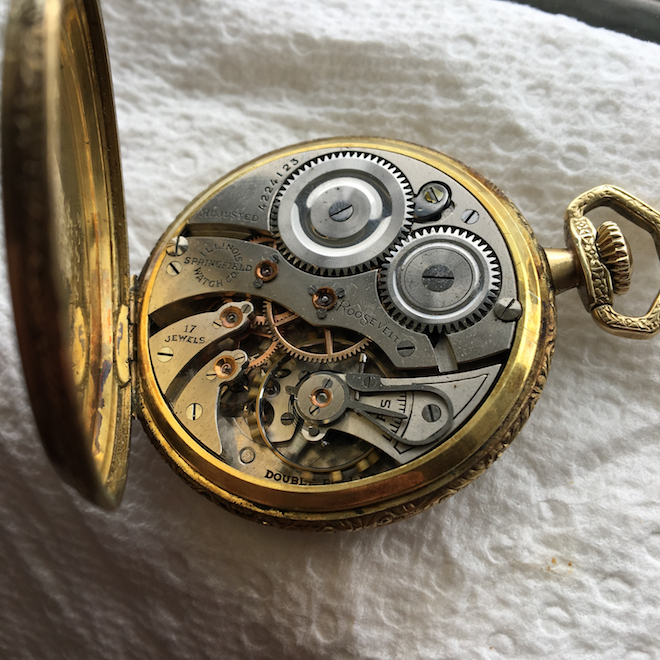
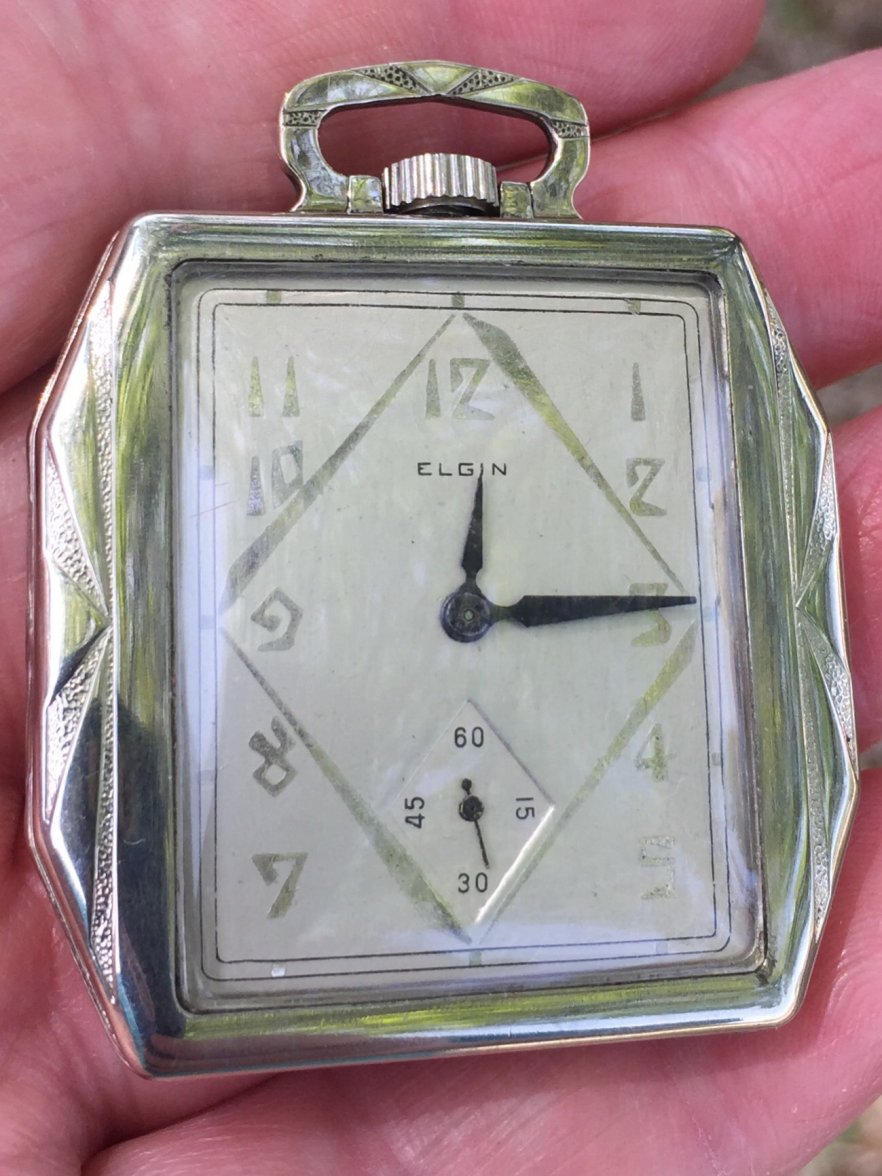
I mentioned this thread to my wife, and magically 2 pocket watches appeared on my desk. I think she had inherited these over the years. The Elgin "sort of works" and the Illinois seems to be working and keeping adequate time. Interesting find.....
 
Posts
3,781
Likes
10,300
I mentioned this thread to my wife, and magically 2 pocket watches appeared on my desk. I think she had inherited these over the years. The Elgin "sort of works" and the Illinois seems to be working and keeping adequate time. Interesting find.....
That Illinois is a great find.
 
Posts
212
Likes
1,883
That Illinois is a great find.

so, a bit of internet sleuthing on "Illinois Watch Company" and I found a database of year vs. serial number. Dates it to production year of 1923; there is an inscription on the inside of "Dec 24, 1924", so that makes sense. Another site concluded it was not "railroad quality". Further looking at the initials on the back and my wife concludes it must have belonged to her Great-Great Grandfather, timing is about right. Not sure how much $$ value it has, but I think the face and art deco numbers are really cool.

I just hope I'm still ticking when I'm 95 years old!!
 
Posts
3,781
Likes
10,300
This one is not a railroad chronometer but it's a very nice watch all the same. Illinois was one of the better US watch makers around and they built some very high grade watches.
Believe it or not US railroad specs were just as rigourous as the COSC, to be considered a railroad grade movement it could not have a variation of greater than thirty seconds in a week, which is a tad over four a day, and they had to be adjusted to five positions and temp. The movement had to have a micrometer regulator assignment, double roller escapement, and a Breguet balance spring. So don't feel bad that yours isn't railroad grade.
 
Posts
8,347
Likes
59,698
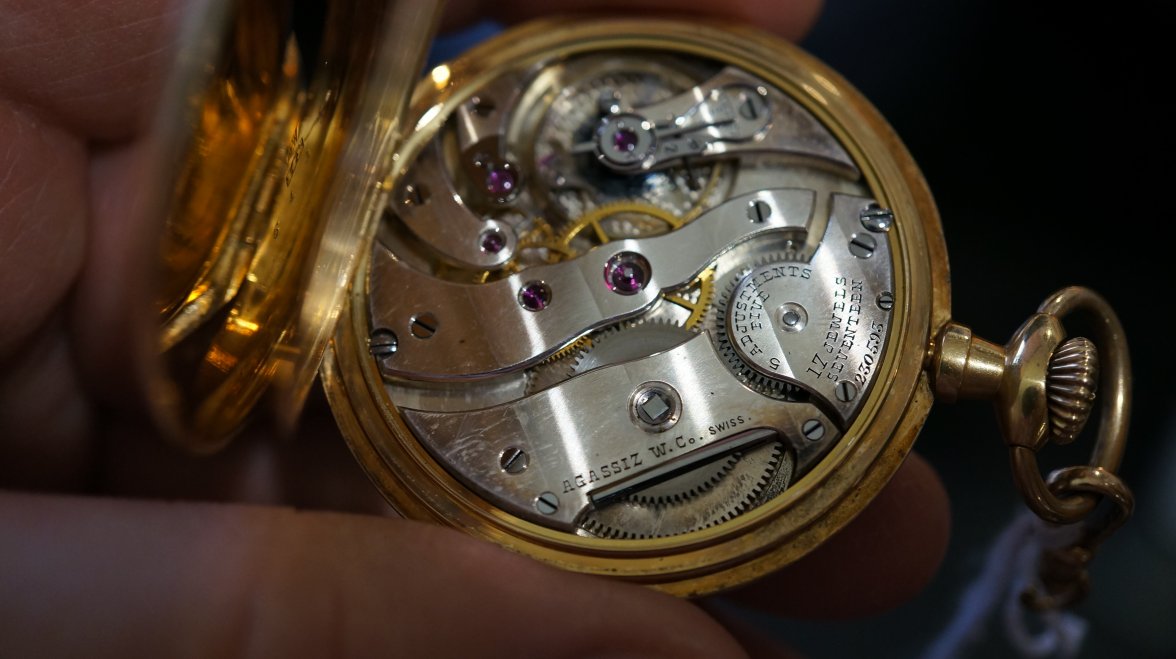
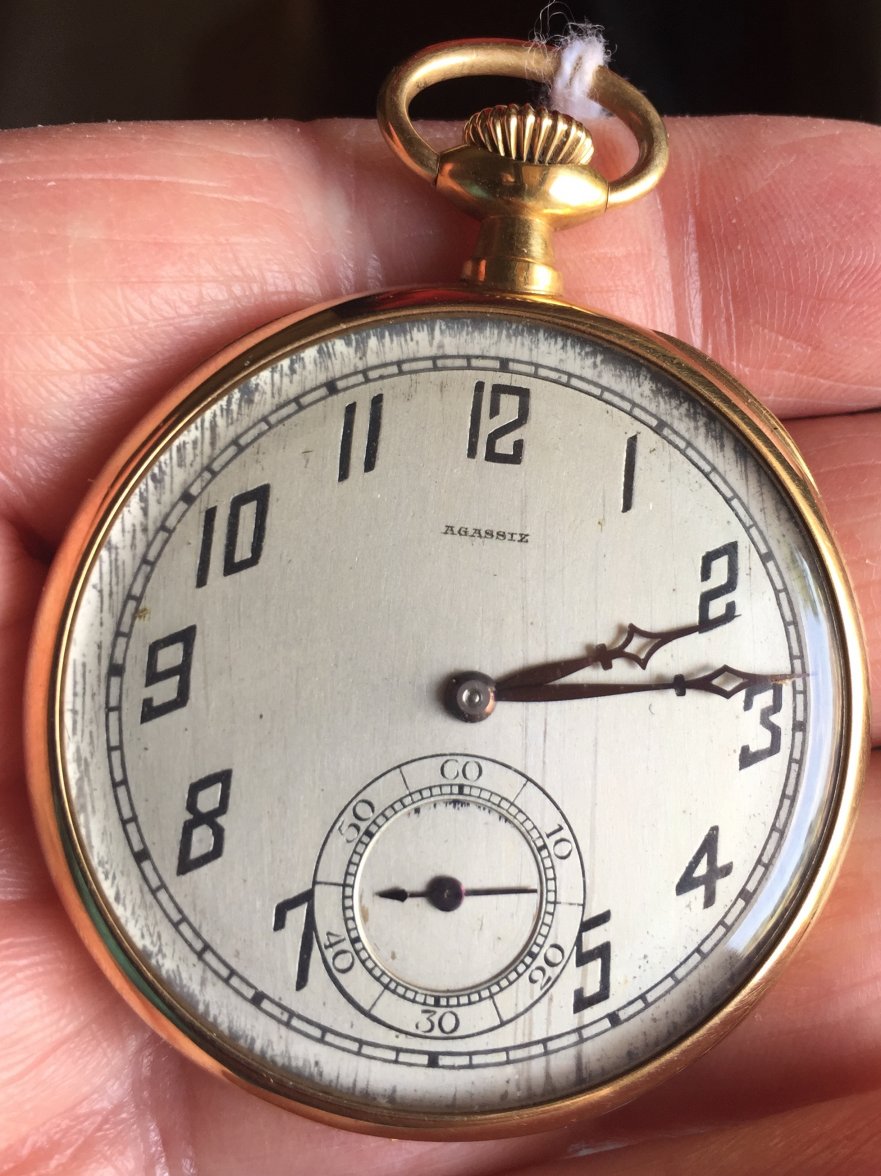
Two of my “gentlemen’s” sized pocket watches


The Agassiz has plumb colored hands and a very high grade movement.


The Elgin has the classic Art Deco look.
 
Posts
15,221
Likes
44,697
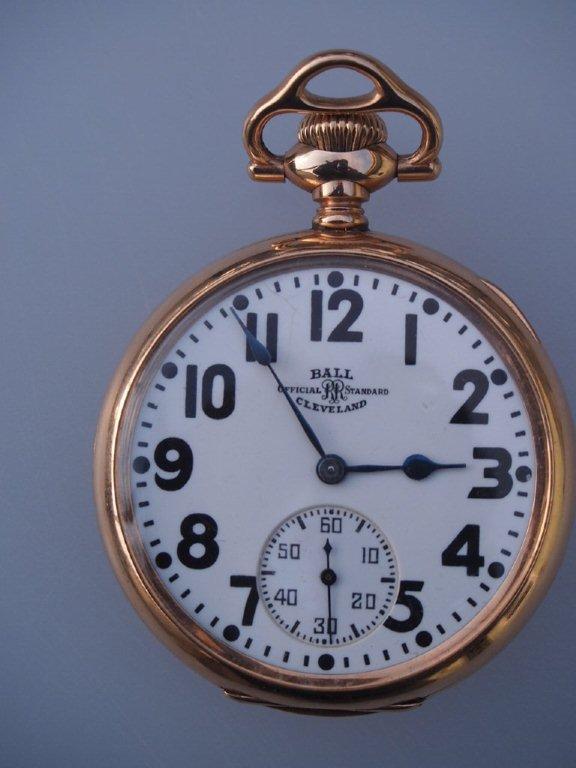
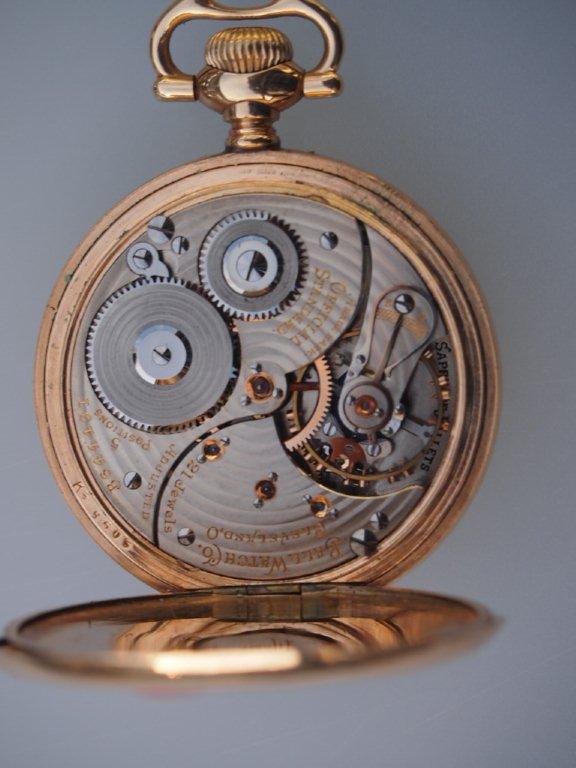
Ball Official Railroad Standard, 16-size, 21-jewels, movement produced for Ball Watch Co. of Cleveland, Ohio, by the Hamilton Watch Co., Lancaster Pa. Basically, it’s a Hamilton 992 produced to Ball specs, shipped to Ball where final adjusting and testing was completed. This case is a Ball “20th Century” case with the patented stirrup safety bow. The 20th century model was a 23-jewel model. So while this movement is in a Ball case, the case is not original to the movement.

 
Posts
560
Likes
1,440
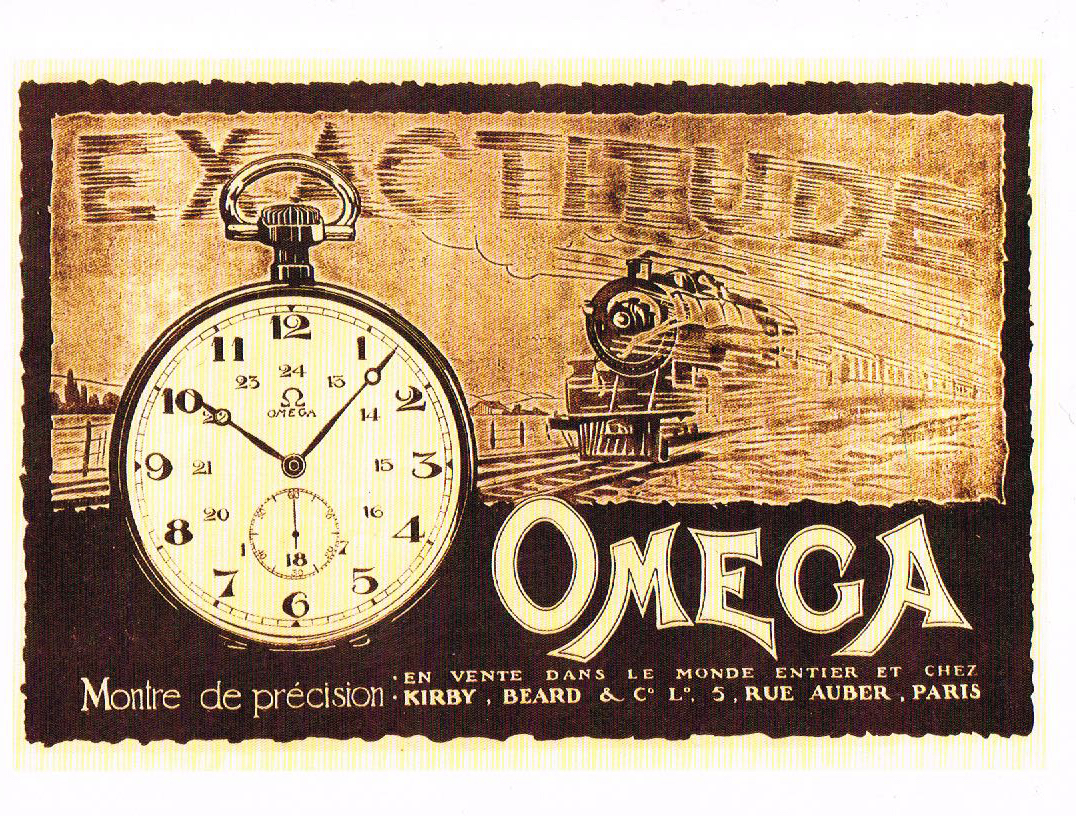
A thread about pocket watches on Omega Forums - and after five pages, I can see only 3 Omegas!
Here’s my attempt to balance things up (just a little):

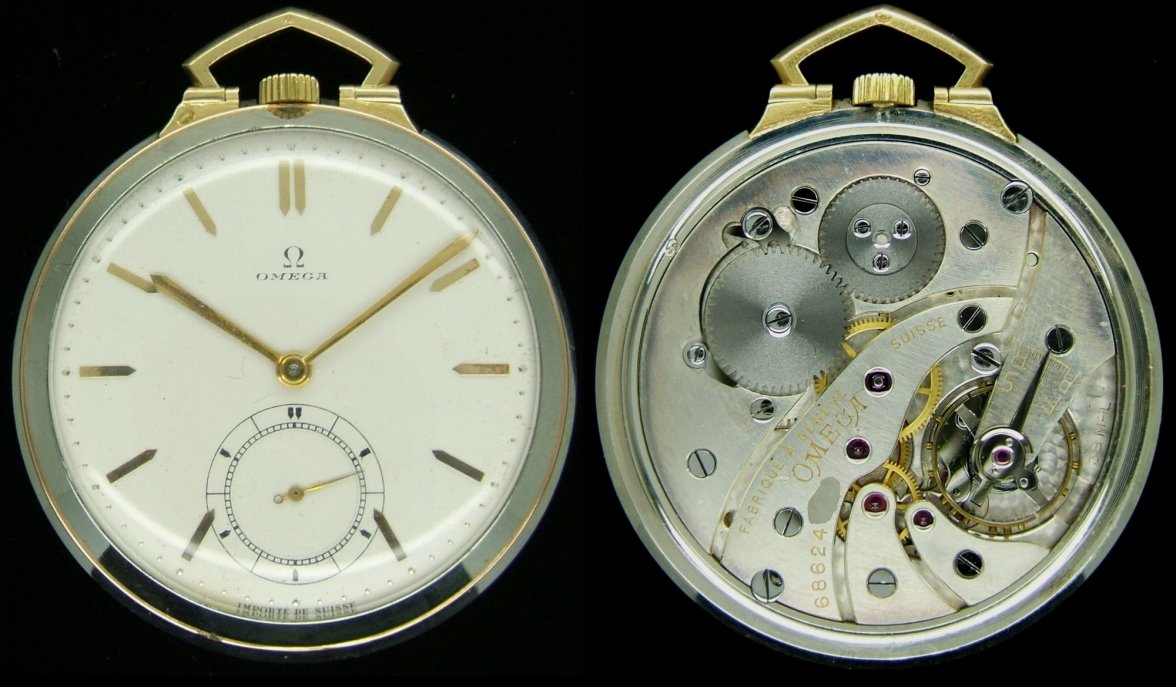
Omega 38M L, Ref. RT550. 1925 (in white and yellow gold).

Together with the 35M, at 3.15mm the thinnest pocket watch movement that Omega made.

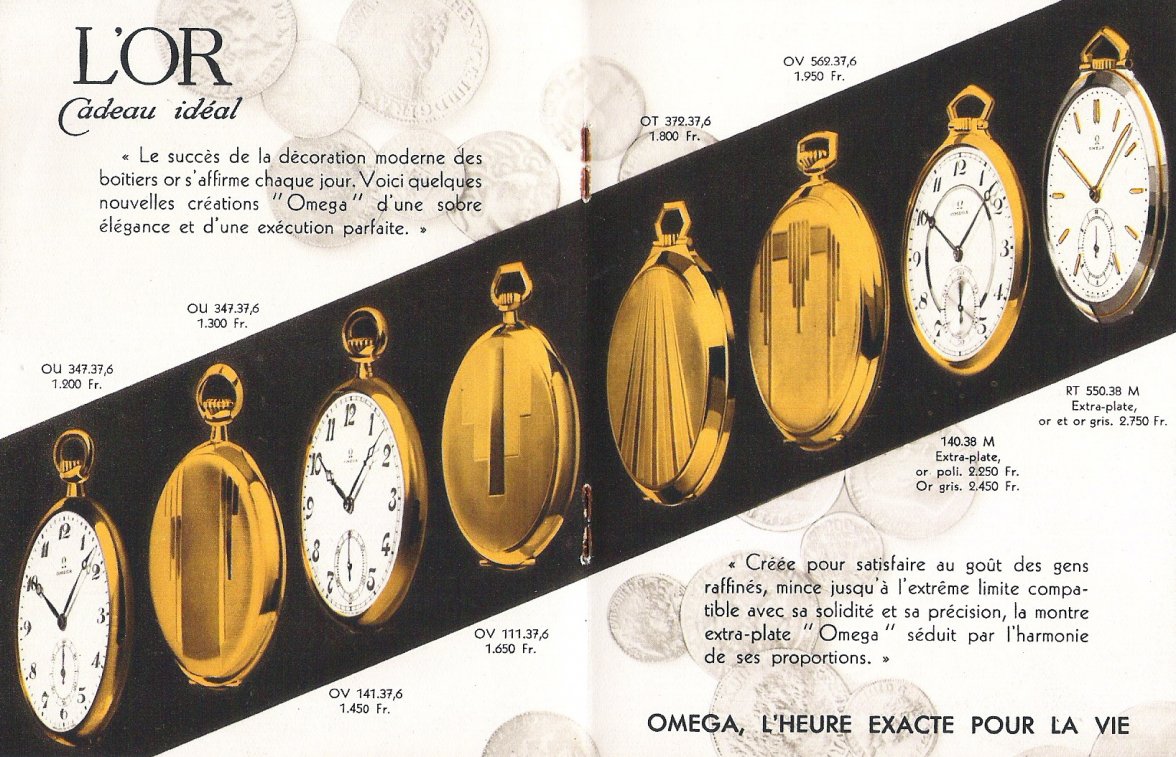
And the following is an extract from catalogue F370 (thanks to my good friend Ronnie) which I understand dates about 1934 and shows ‘L’OR - Cadeau idéal’ (Gold - the ideal present). The RT550 is far right.


Most of the watches shown here are calibre 37.6 - which had a movement thickness of 4.95mm. This was later replaced by the (otherwise similar) 37.5 which had a thickness of 3.75. In the catalogue page, the two watches on the right are both 38M and are marked as ‘extra-plate’ - meaning ‘extra thin’ - which in comparison they certainly were!
 
Posts
212
Likes
1,883
This one is not a railroad chronometer but it's a very nice watch all the same. Illinois was one of the better US watch makers around and they built some very high grade watches.
Believe it or not US railroad specs were just as rigourous as the COSC, to be considered a railroad grade movement it could not have a variation of greater than thirty seconds in a week, which is a tad over four a day, and they had to be adjusted to five positions and temp. The movement had to have a micrometer regulator assignment, double roller escapement, and a Breguet balance spring. So don't feel bad that yours isn't railroad grade.

thanks for the info; we'll keep it wound for a while and see how it does!!
 
Posts
15,221
Likes
44,697
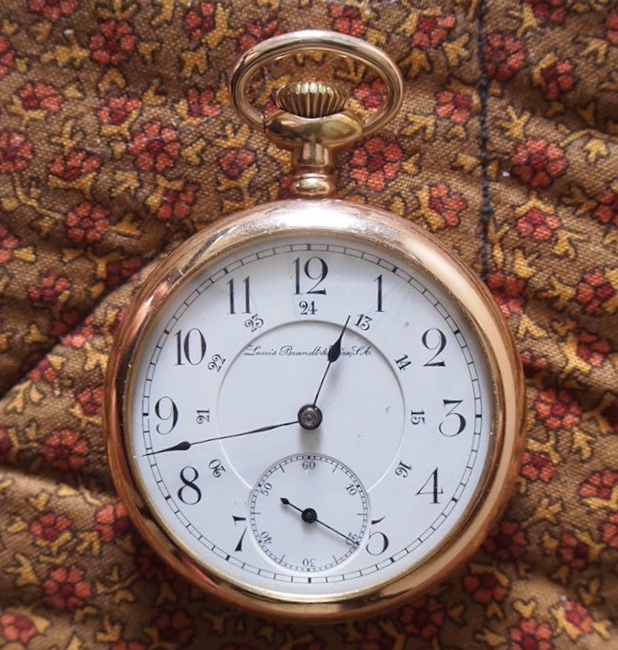
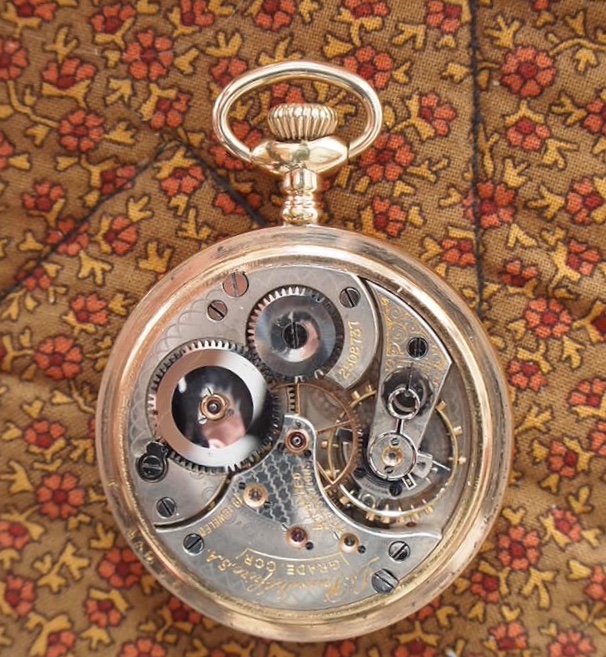
In answer to OMTOM’s post about the scarcity of Omegas in this pocket watch thread, here’s one. The dial is marked Louis Brandt & freres which was the name of Omega before the name was changed to Omega. This watch is a 19-jewel grade CCR which was railroad approved in Canada. I have a suspicion that the Brandt name was used for these watches so they could be sold to railroad watch inspectors who weren’t Omega dealers. Omega produced 16 and 18 size railroad watches for railroad use, perhaps some of the 18 size ones having been produced before the name change to Omega. So it could be the Brandt name was also used on all the railroad grade models of both sizes, to continue the tradition. The 16-size, 19-jewel version was the CCR grade, and the 23-jewel version was the CCCR. The 19-jewel version of the 18-size models was DR, and the 23-jewel version was the DDR. I have two of these CCRs, this one being the nicer of the two. The other CCR that I have is a private label for A. Logan & Co., a jeweller and railroad watch inspector in Greenwood, B. C., just e few miles north of the 49th parallel.
 
Posts
558
Likes
1,047
Ball Official Railroad Standard, 16-size, 21-jewels, movement produced for Ball Watch Co. of Cleveland, Ohio, by the Hamilton Watch Co., Lancaster Pa. Basically, it’s a Hamilton 992 produced to Ball specs, shipped to Ball where final adjusting and testing was completed. This case is a Ball “20th Century” case with the patented stirrup safety bow. The 20th century model was a 23-jewel model. So while this movement is in a Ball case, the case is not original to the movement.

Canuck,

Nice watch. Here is what the 23j version looks like.

Ball23-D-Mvt.jpg

Ball23-Dial.jpg

Ball23-Cuv.jpg
 
Posts
15,221
Likes
44,697
Canuck,

Nice watch. Here is what the 23j version looks like.

Ball23-D-Mvt.jpg

Ball23-Dial.jpg

Ball23-Cuv.jpg

I can only wish! My Ball Hamilton came to me in a Waltham Vanguard case. At home, I had a Waltham Vanguard movement in the 20th Century Ball case. A quick switch, and I had the Waltham in a correct case, and the Ball in a Ball case, albeit not the right one for the 21-jewel movement. I like your Ball 20th Century!
 
Posts
4,510
Likes
9,329
In answer to OMTOM’s post about the scarcity of Omegas in this pocket watch thread, here’s one. The dial is marked Louis Brandt & freres which was the name of Omega before the name was changed to Omega. This watch is a 19-jewel grade CCR which was railroad approved in Canada. I have a suspicion that the Brandt name was used for these watches so they could be sold to railroad watch inspectors who weren’t Omega dealers. Omega produced 16 and 18 size railroad watches for railroad use, perhaps some of the 18 size ones having been produced before the name change to Omega. So it could be the Brandt name was also used on all the railroad grade models of both sizes, to continue the tradition. The 16-size, 19-jewel version was the CCR grade, and the 23-jewel version was the CCCR. The 19-jewel version of the 18-size models was DR, and the 23-jewel version was the DDR. I have two of these CCRs, this one being the nicer of the two. The other CCR that I have is a private label for A. Logan & Co., a jeweller and railroad watch inspector in Greenwood, B. C., just e few miles north of the 49th parallel.
Hi @Canuck

Nice CCR .. Well your pretty close on use of Louis Brandt & freres from what i can tell over the years it was a around exclusive distribution agreements so they could sell railroad grade pockets to the channel that sold and supported the railroads...
I have an early DDR , first run 1904/5 in a 14k sold gold hunting case... 18size... I bought when I was in Guelph visiting my inlaws like 20 years go... Since then I have at lest one of every grade... CCR CCCR DR and DDR and even the " Super DDR" grade VERY BEST..... will have to assemble a new article as the old one is all be done from the internet ...( like 18 years old...).....

Getting back to the watches.... All four railroad grade Omega pockets CCR CCCR DR and DDR were made in both 16 and 18 size american. it very hard to tell by a laymen if your looking at a photo of a 16 or 18 size movement ... Omega just scaled the movements bigger... I can tell by loo,ing at the screwhead postion of the balance cock in ref to the regulator... ( BIG Secret ! )

And Omega even made some DDR with pendent set as oppose to lever set....

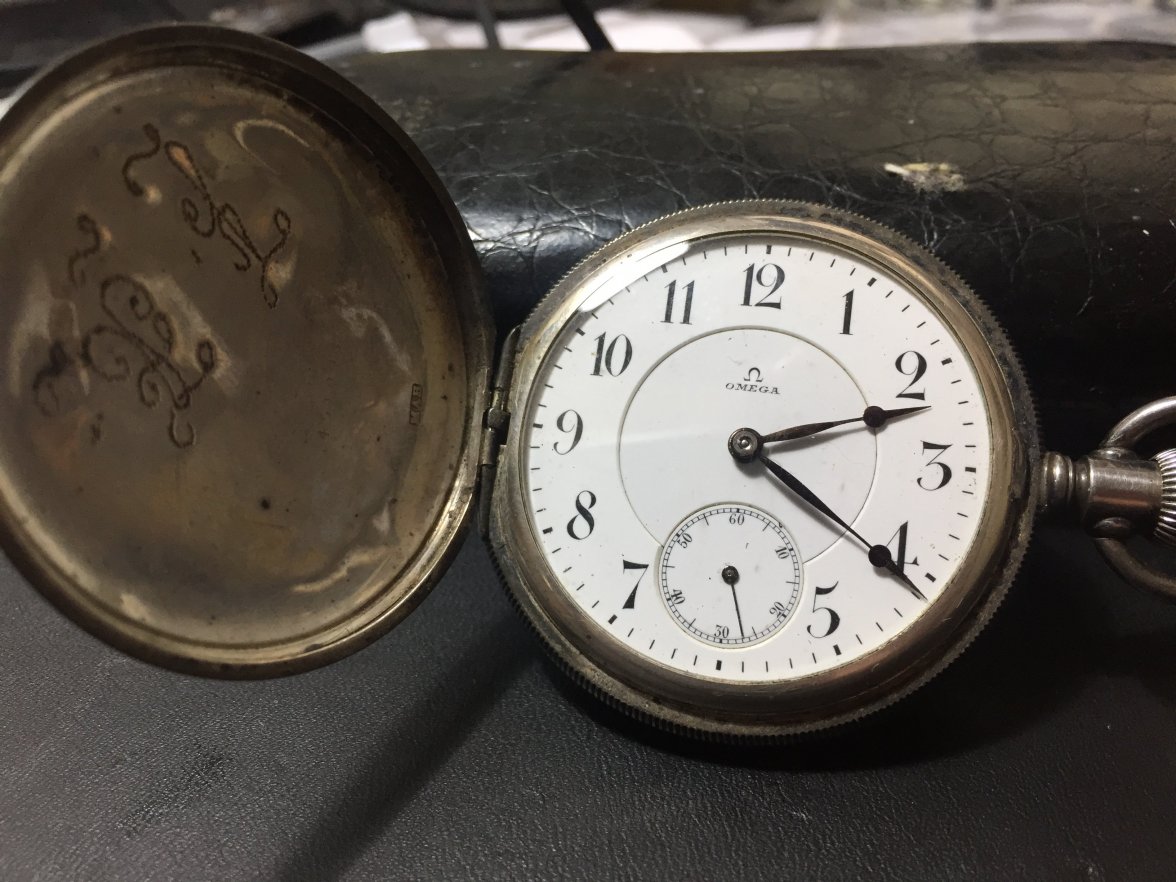
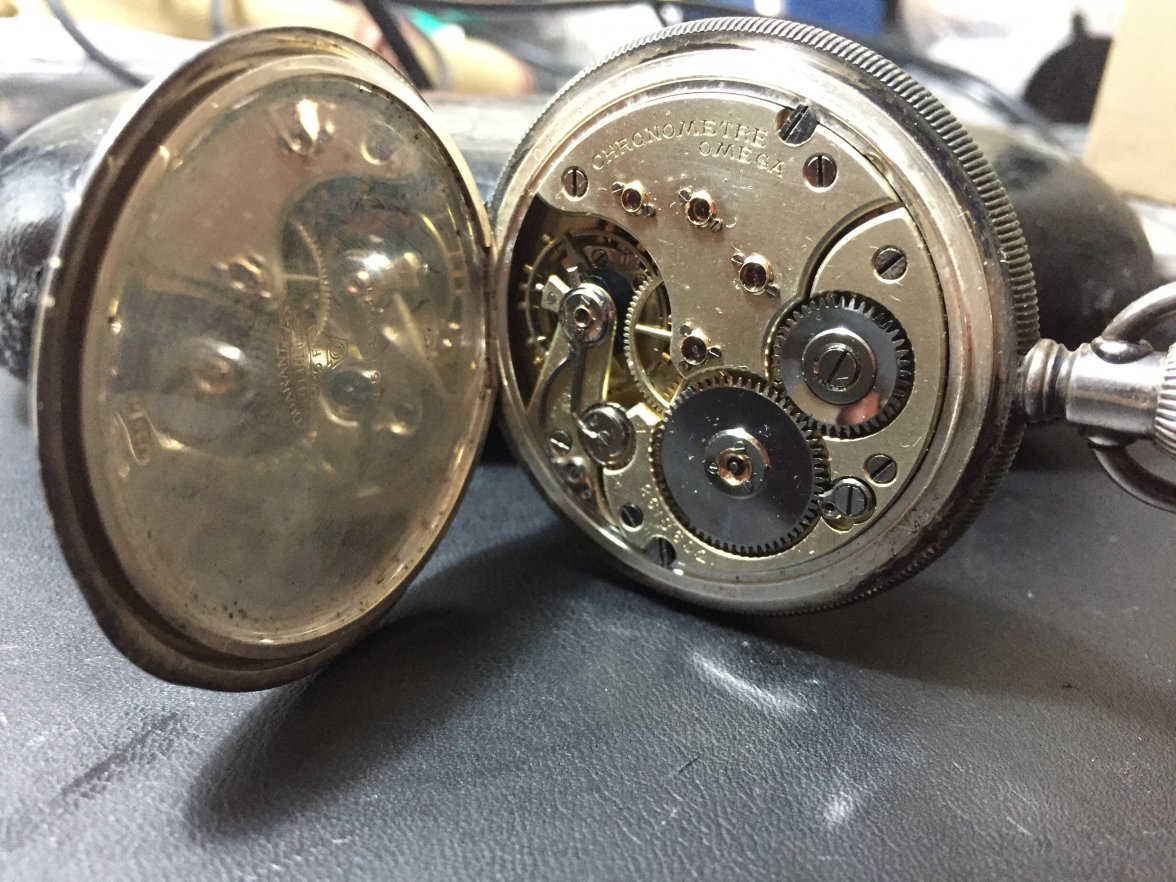
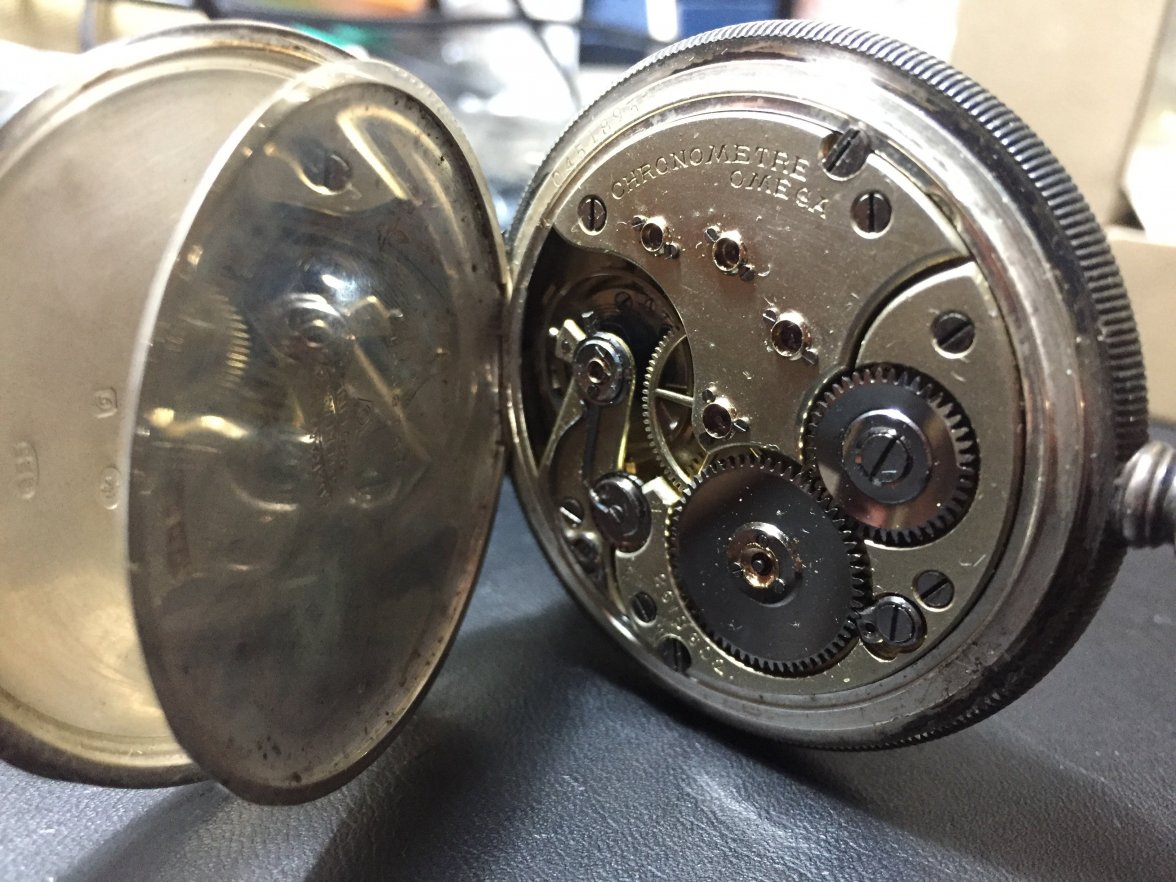
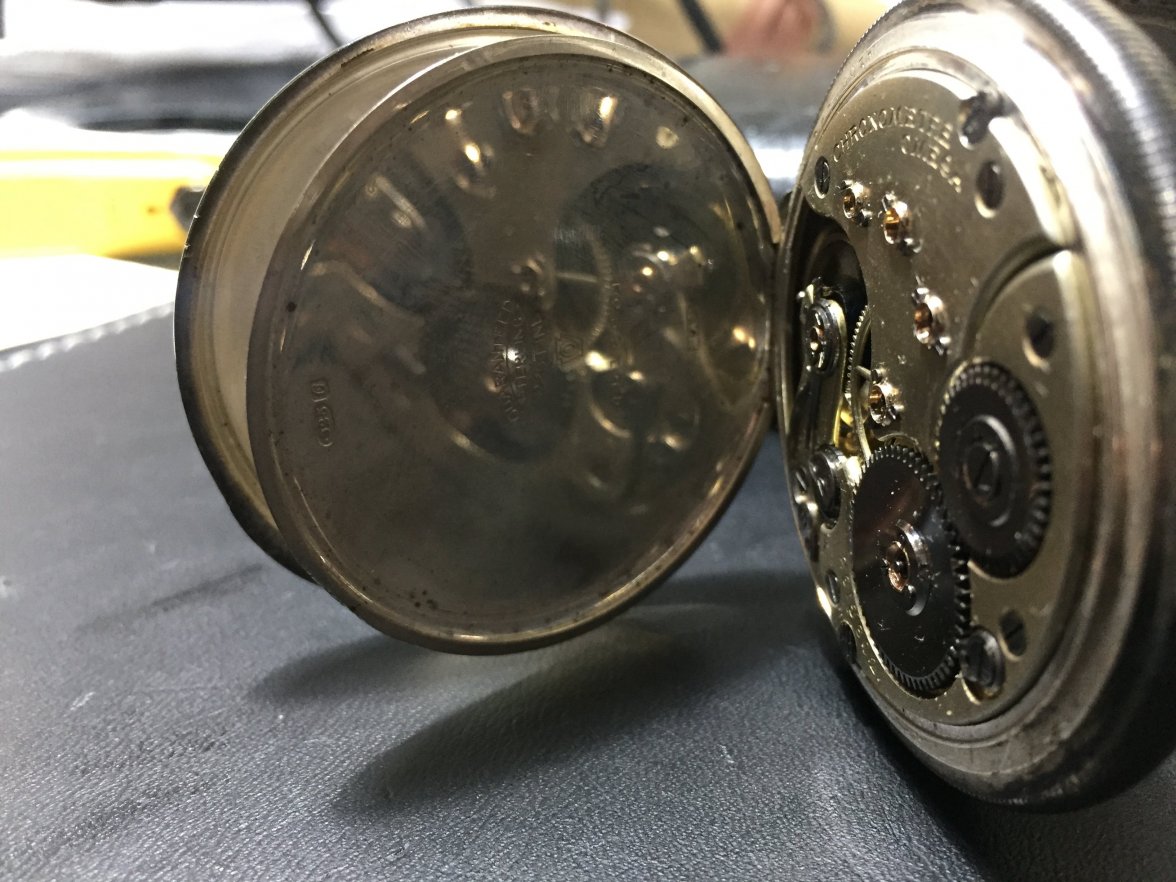
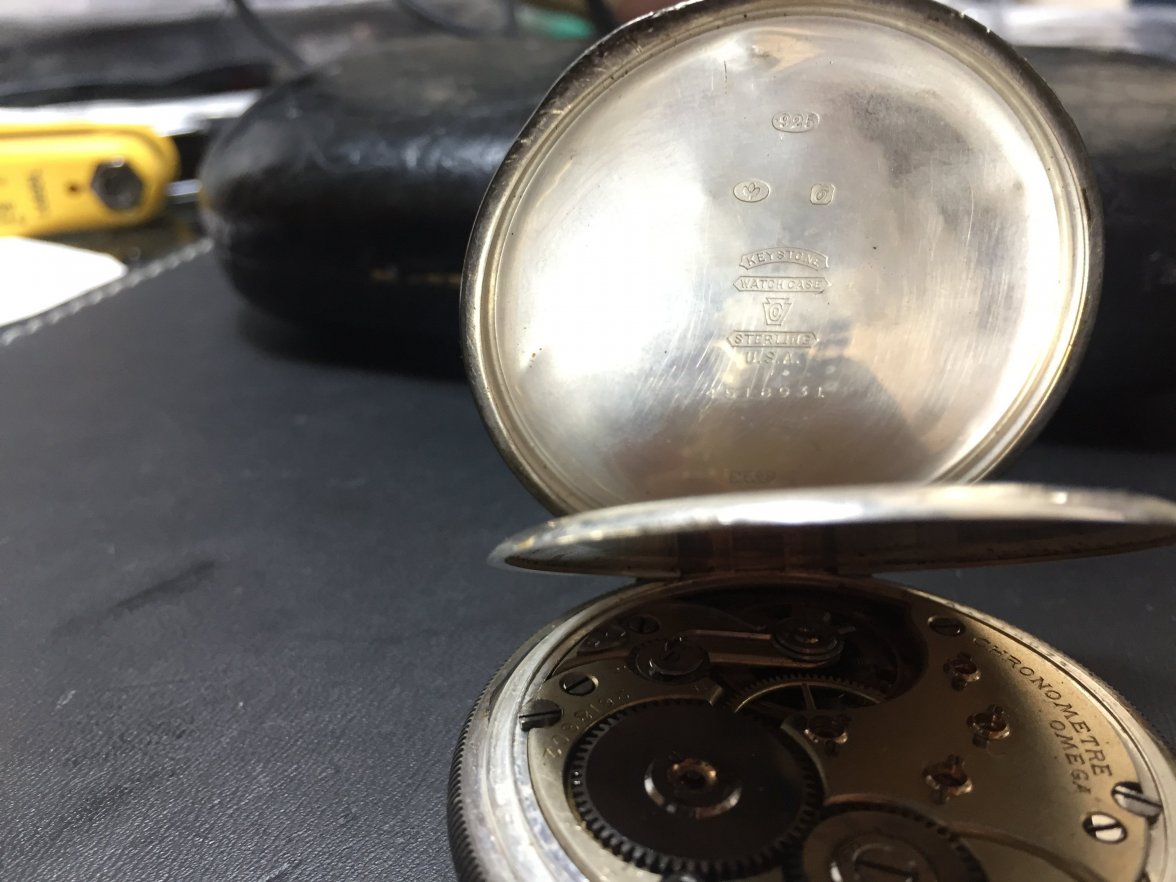
Here is an example of a 16 Size American ( 18"') DDR that is simply marked on the plate " Chronometre Omega' no jewel count .... nothing more... except Sn that matches up to Omega Saga s/n run for 16 size DDR.... and has the diamond end stone....

The case this watch came it was falling apart.... I had this Keystone Sterling Silver hunting case with crazy patina that I was saving for such a moment....


Keep in mind the DDR was the highest grade Omega produced at the beginning of the 20th Century accuracy to I think 60 seconds a month.
and was issued a rating certificate...


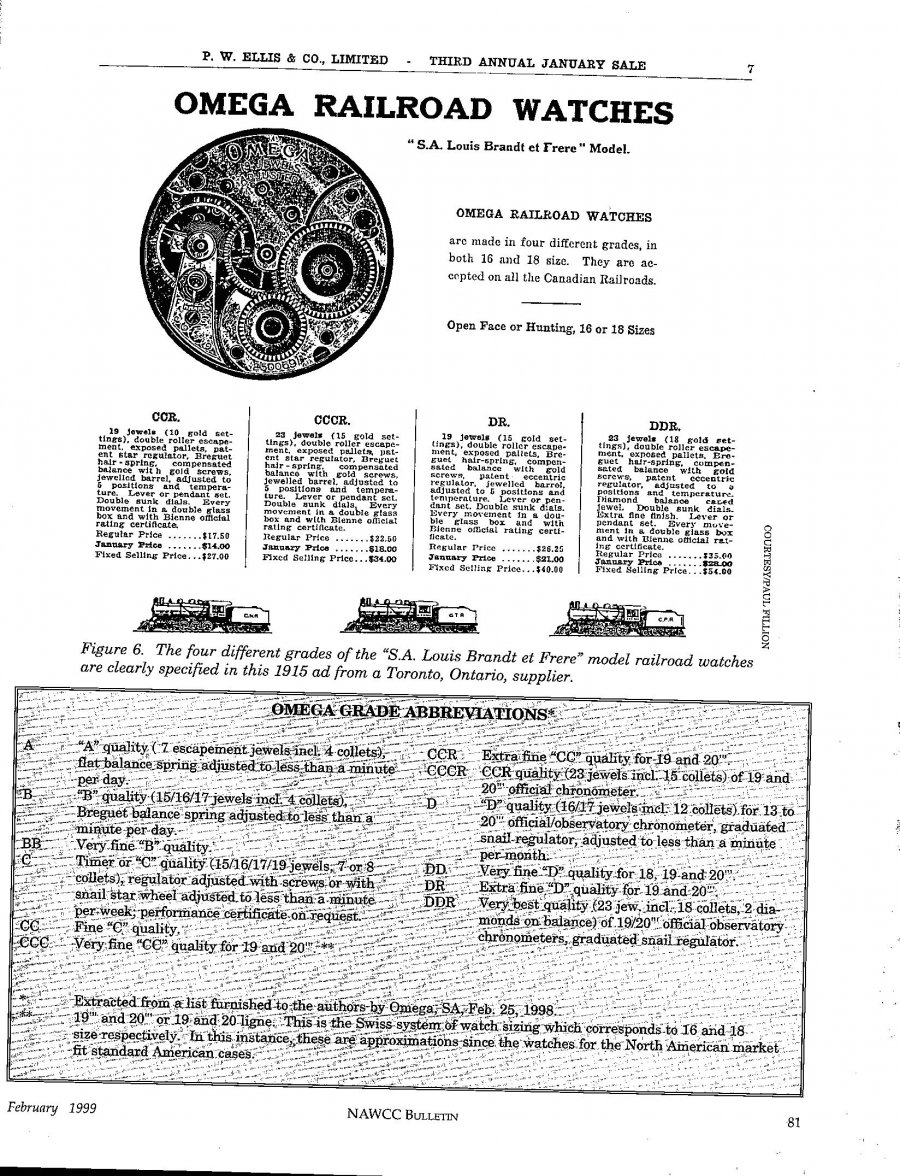
In the Issue Feb 1999 issue of the NAWCC Bulletin Ed Ueberall and Kent ( Maybe Ken) Singer... wrote an article on Brandt/ Omega Standard watches.... They collected data from NAWCC members.... I was not included at the time.... as they did not know me but as soon as I head that it went to press..I reached out to them and I still chat with Ed to this day...... they got alot of it right ..... Not sure I can just scan and post the entire article ..... but for info purposes here is an ad for all 4 grades and a list of definitions that seem to be good to go as well...


Good Hunting

Bill Sohne