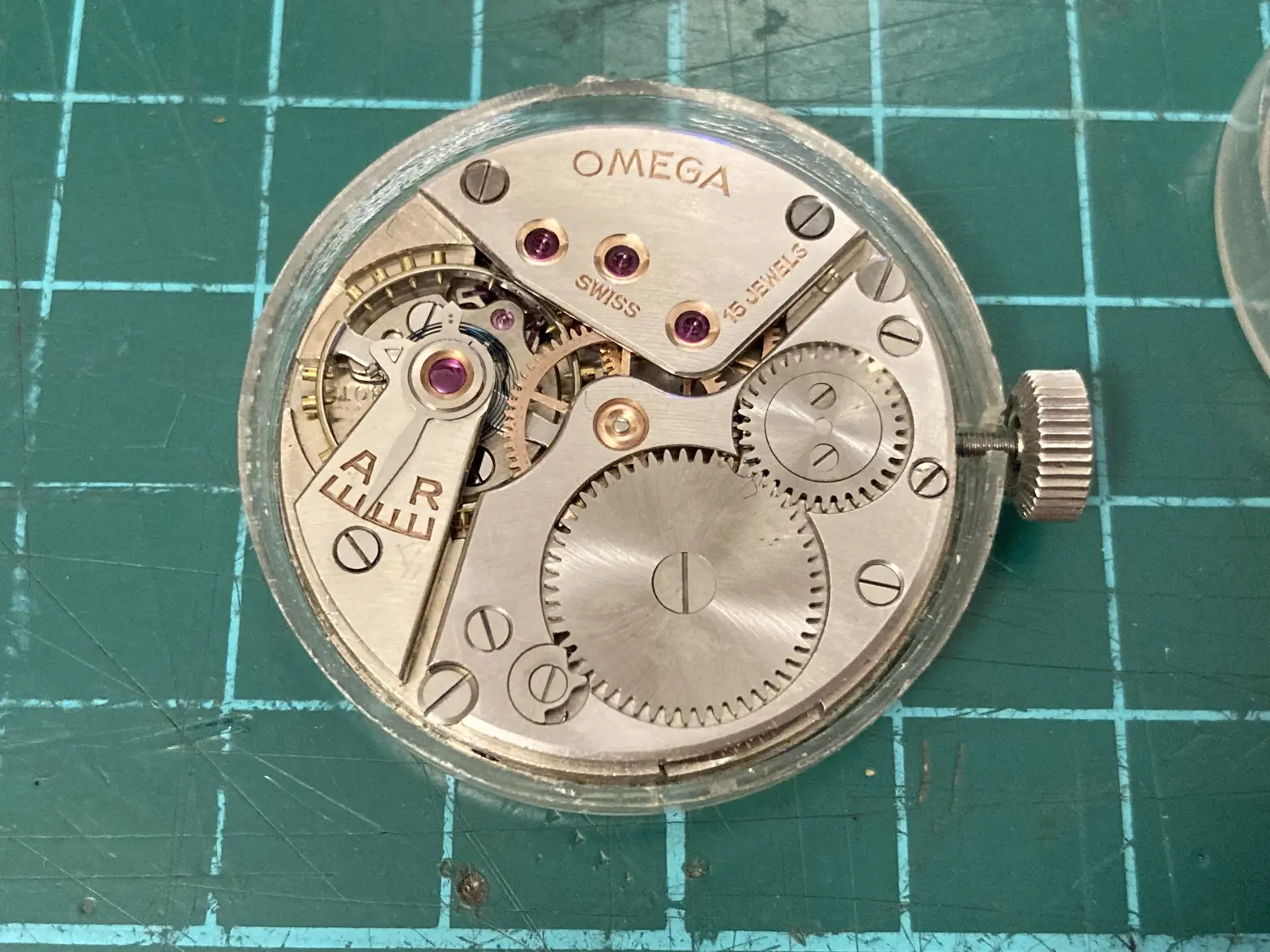
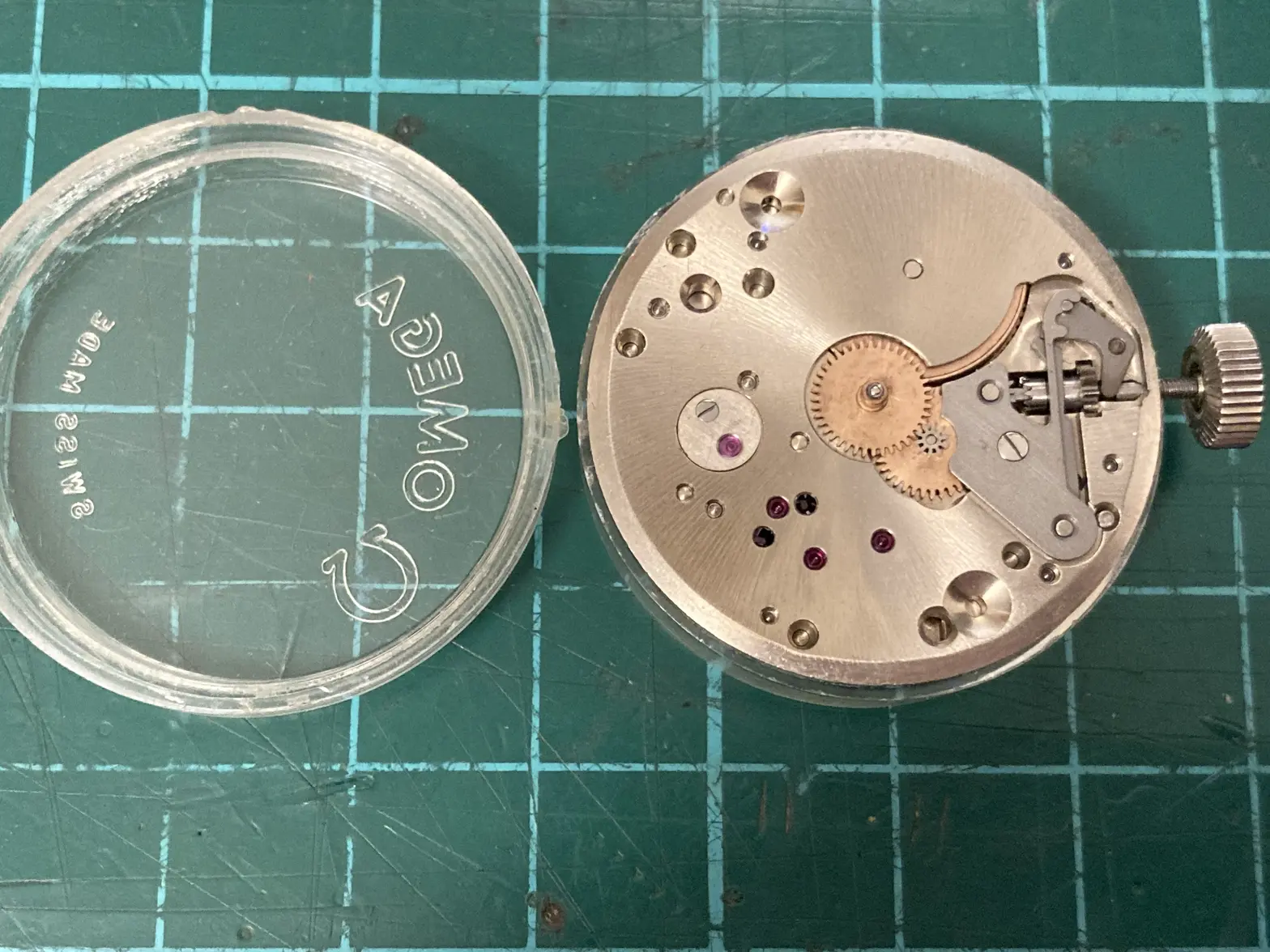
A very nice find indeed! IMHO it is a spare movement (unfinished with lacking the serial#).
The most reasonable explanation: Employees were allowed to take superfluous parts (including entire movements) home with them when their production had been discontinued. It was not uncommon for employees to take movements and spare parts with them when they retired. This is the only way to understand why even observatory chronometers that were never intended for sale appeared on the market.
Let us not assume that the movement left the factory by dishonest means.
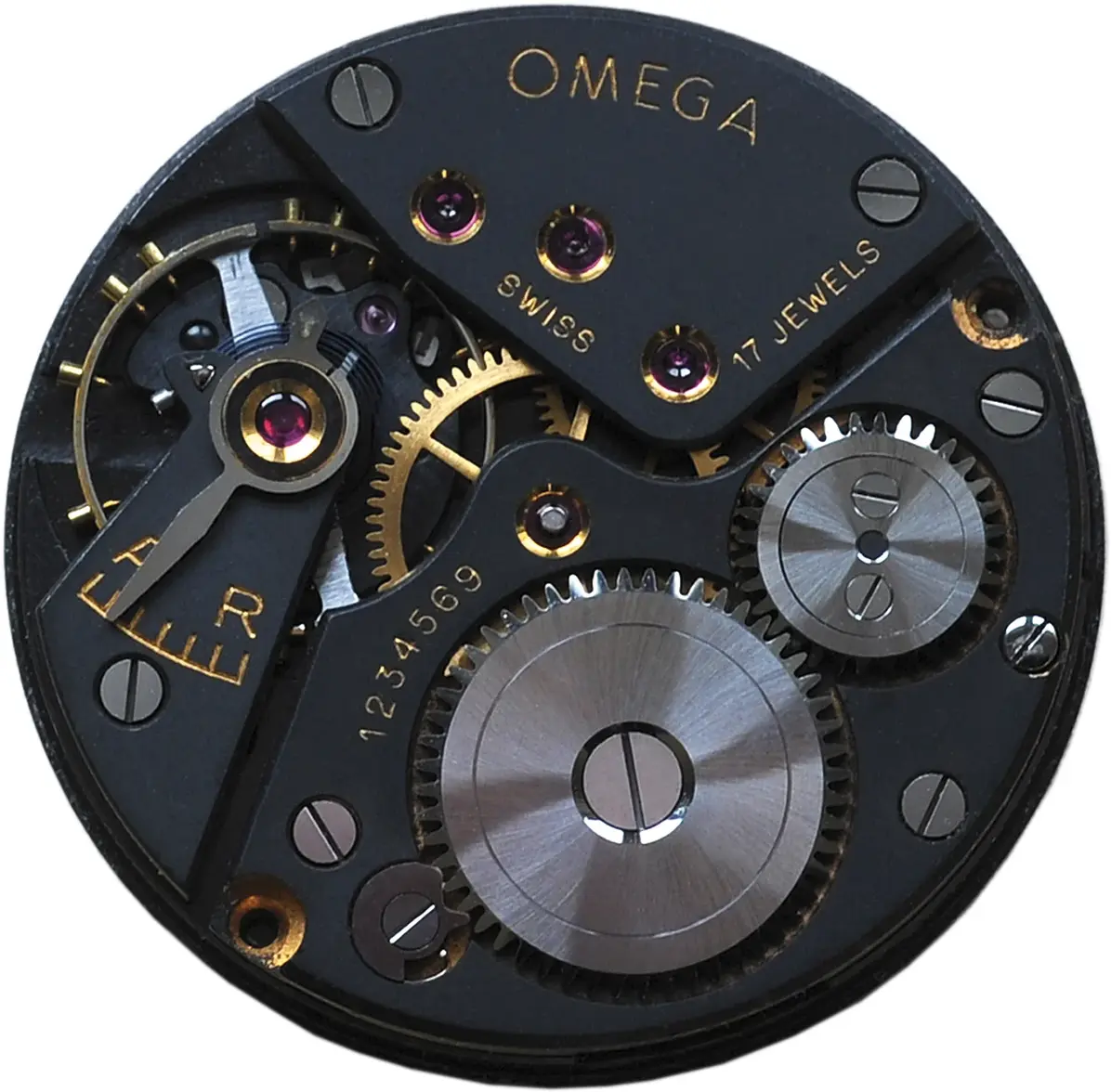
I don´t think that this movement was sold to the MOD unnumbered. Even clearly marked replacement movements are known which often had a shorter serial number or the added letter "R". Even the prototype movements (trials with different galvanic coatings had serial numbers albeit sometimes quite strange like "1234569" (see photo below). the "sister movement" had 1234568 and another 1234567, etc. (a consecutively numbered batch of prototype movements from the vast Omega museum´s archive).
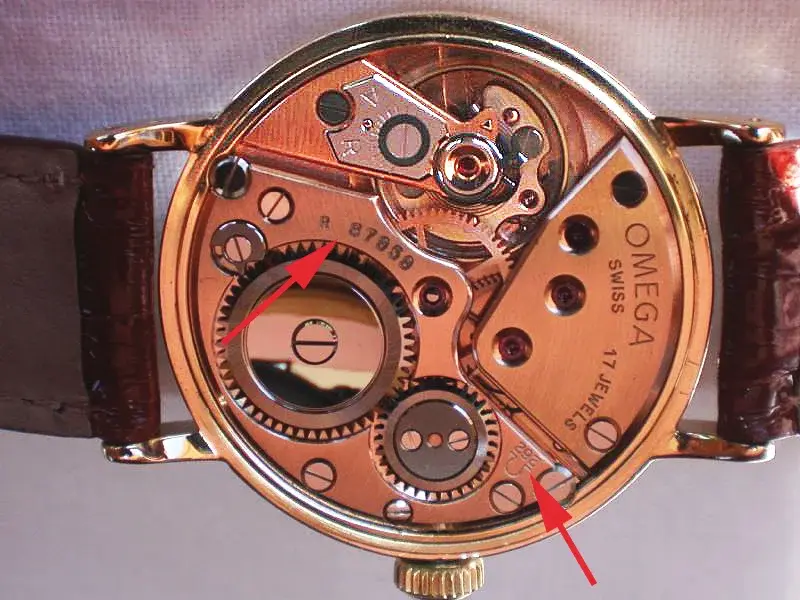
Below a replacement movement:
This photo (courtesy Bill Sohne) from my book shows a cal. 262 with shorter serial# and the letter "R" obviously for "replacement".
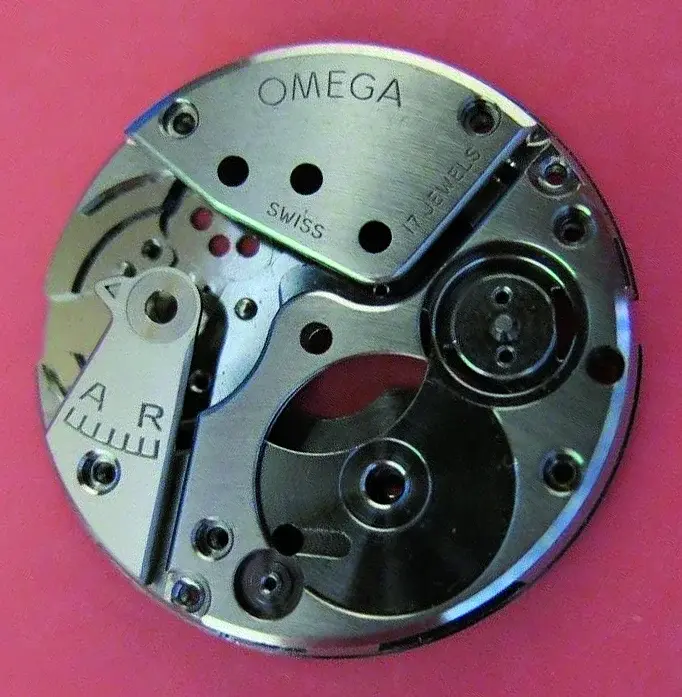
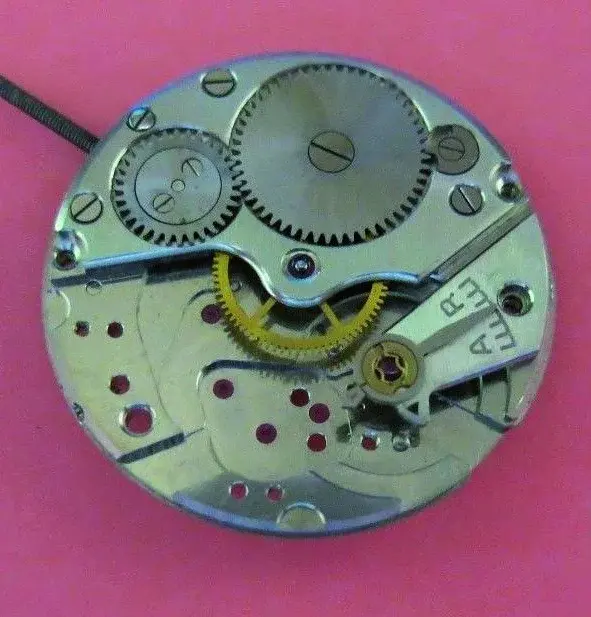
And finally 2 movements which were sold by former watchco who are known for having bought up old watchmaking stocks worldwide.
Unfinished movements which obviously also have been taken from the factory. One of them even lacks the calibre designation (besides the serial number, the gears and steel parts and all the jewels).
Photos courtesy watchco.
IMO Omega did not deliver unnumbered movements. All that show up might derive from those taken home by employees.
Wanted to add:
@Dan S I think the subsecond pinion is there but hard to be seen in the photo...