- Posts
- 6,358
- Likes
- 21,693
pdxleaf
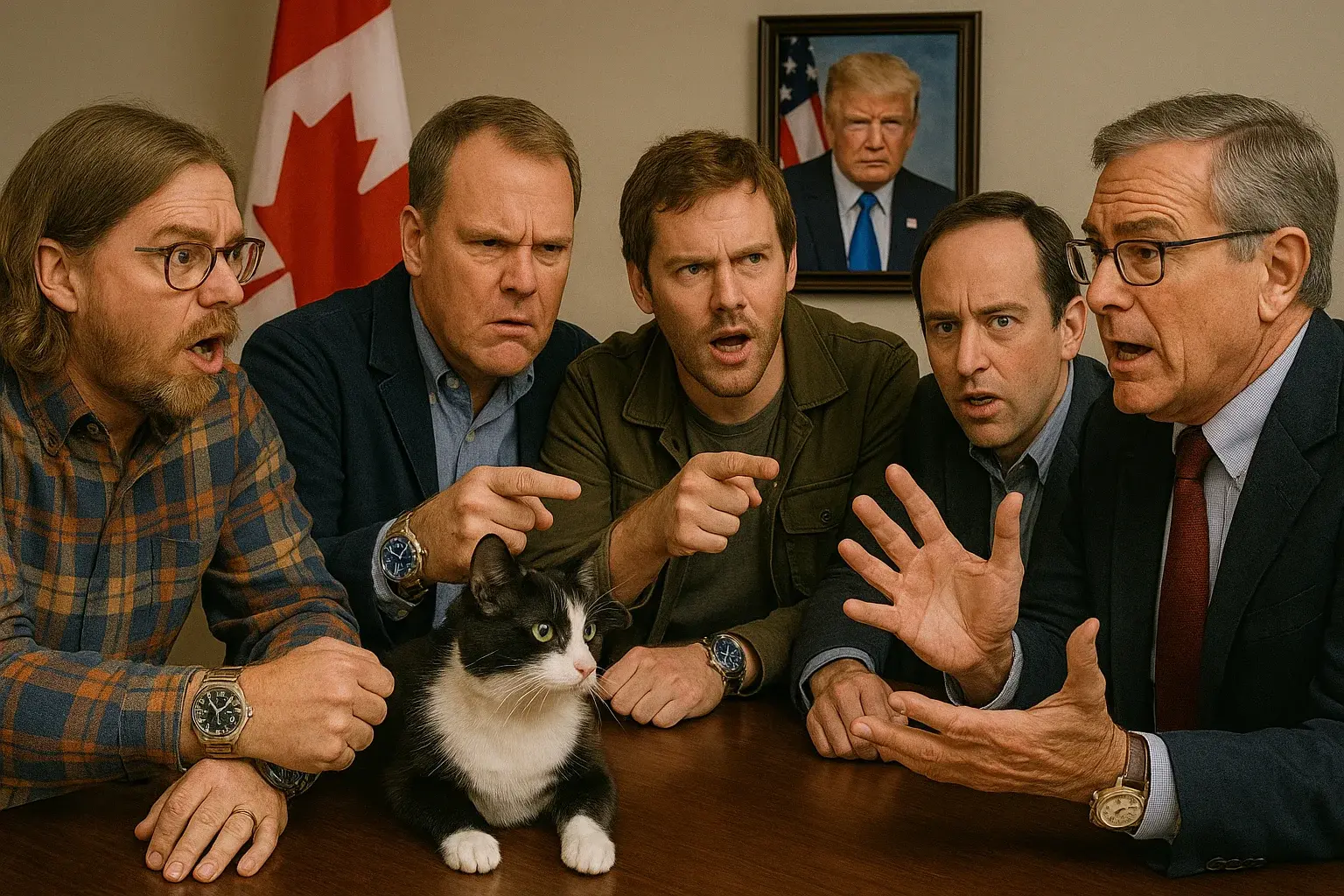
··"I cut it TWICE and it's still short!"Another perspective on tariffs:
TLDR: Remember when Japan's economy was strong? No economy is guaranteed to last and the loss of trust in the USD will lead to the destruction of the US economy, which has been accelerated by Trump's fascination with tariffs.
A brief summary that relates to our discussion
1. It's been argued that not all tariffs are bad, it's the amount of tariffs and indiscriminant application that is the problem. A smaller and more discrete application would have been better. This is false and a distraction. Even just a flat 10% is too much. Tariffs prop up failing industries and discourage innovation.
2. Many previous politicians including democrats were in favor of tariffs, not just Trump. True, but a distraction. Tariffs are popular and appealing, but this doesn't make them good policy. Why argue if a democrat agrees with a bad policy?
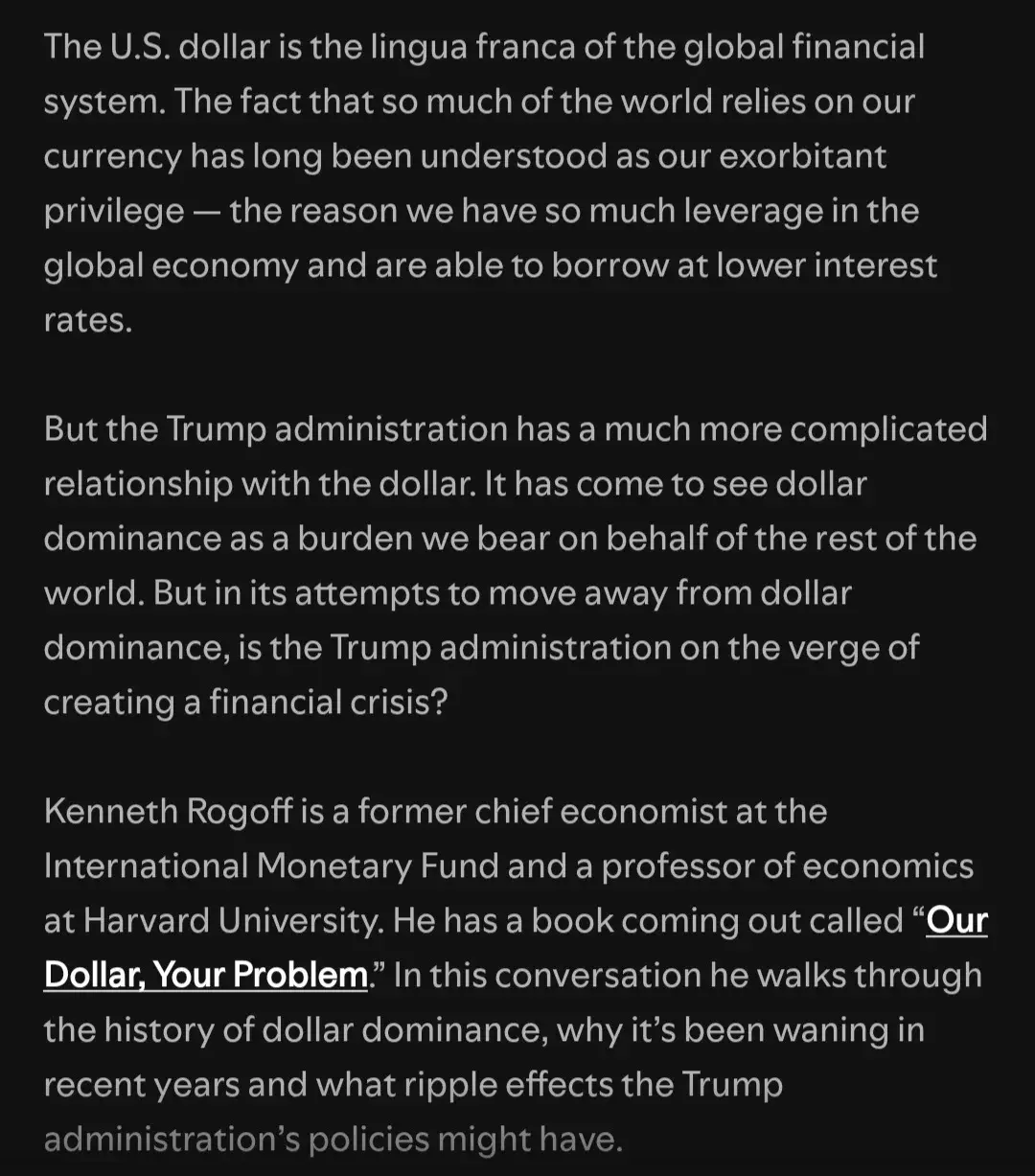
3. Trump doesn't really want high tariffs. It's just a tool to get people to negotiate. Not only is this not true, but it is the worst aspect of his policies. Trump has been fixated on tariffs for decades and it isn't clear that he isn't enamored with tariffs. Most importantly, his aribitrary imposition of large tariffs and sudden reversal makes the USA unreliable. Worse than a tariff is not knowing how to plan. It also means that any agreement Trump makes is not trustworthy, as the USA could rip it all up again. This gets to the important part of the interview, that the world is getting away from using the US dollar, which will have a greater negative impact than tariffs.
TLDR: Remember when Japan's economy was strong? No economy is guaranteed to last and the loss of trust in the USD will lead to the destruction of the US economy, which has been accelerated by Trump's fascination with tariffs.
A brief summary that relates to our discussion
1. It's been argued that not all tariffs are bad, it's the amount of tariffs and indiscriminant application that is the problem. A smaller and more discrete application would have been better. This is false and a distraction. Even just a flat 10% is too much. Tariffs prop up failing industries and discourage innovation.
2. Many previous politicians including democrats were in favor of tariffs, not just Trump. True, but a distraction. Tariffs are popular and appealing, but this doesn't make them good policy. Why argue if a democrat agrees with a bad policy?
3. Trump doesn't really want high tariffs. It's just a tool to get people to negotiate. Not only is this not true, but it is the worst aspect of his policies. Trump has been fixated on tariffs for decades and it isn't clear that he isn't enamored with tariffs. Most importantly, his aribitrary imposition of large tariffs and sudden reversal makes the USA unreliable. Worse than a tariff is not knowing how to plan. It also means that any agreement Trump makes is not trustworthy, as the USA could rip it all up again. This gets to the important part of the interview, that the world is getting away from using the US dollar, which will have a greater negative impact than tariffs.