- Posts
- 21
- Likes
- 22
davidavid6
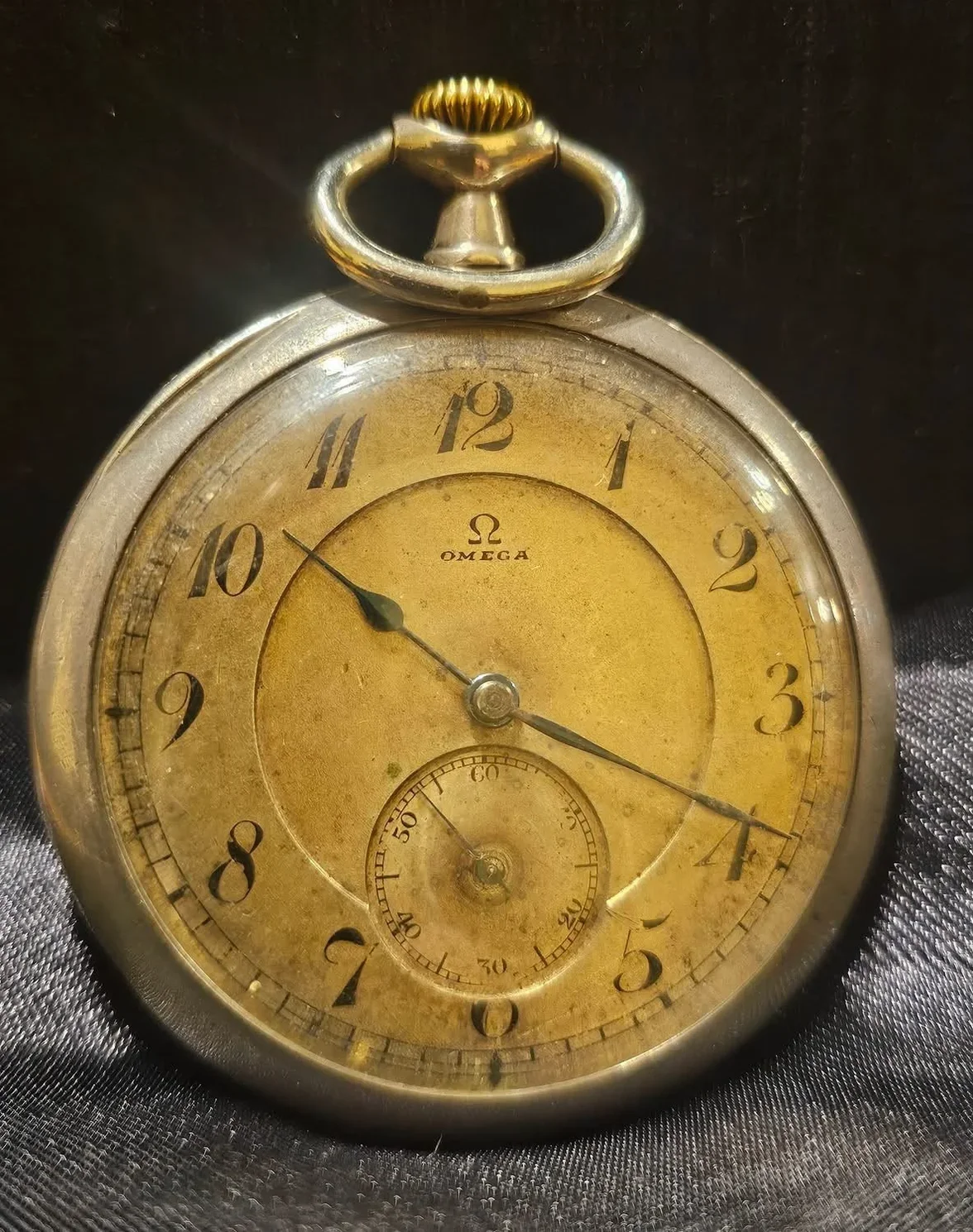
·hello! any info would be highly appreciated - is it all original (including movement), exact production year (case also, maybe?), value, exact model name (movement / dial) etc.
movement serial number is 4574796 (so 1912, i guess?). it looks almost too new. the "omega" and engravings are looking good and correct to the era though.
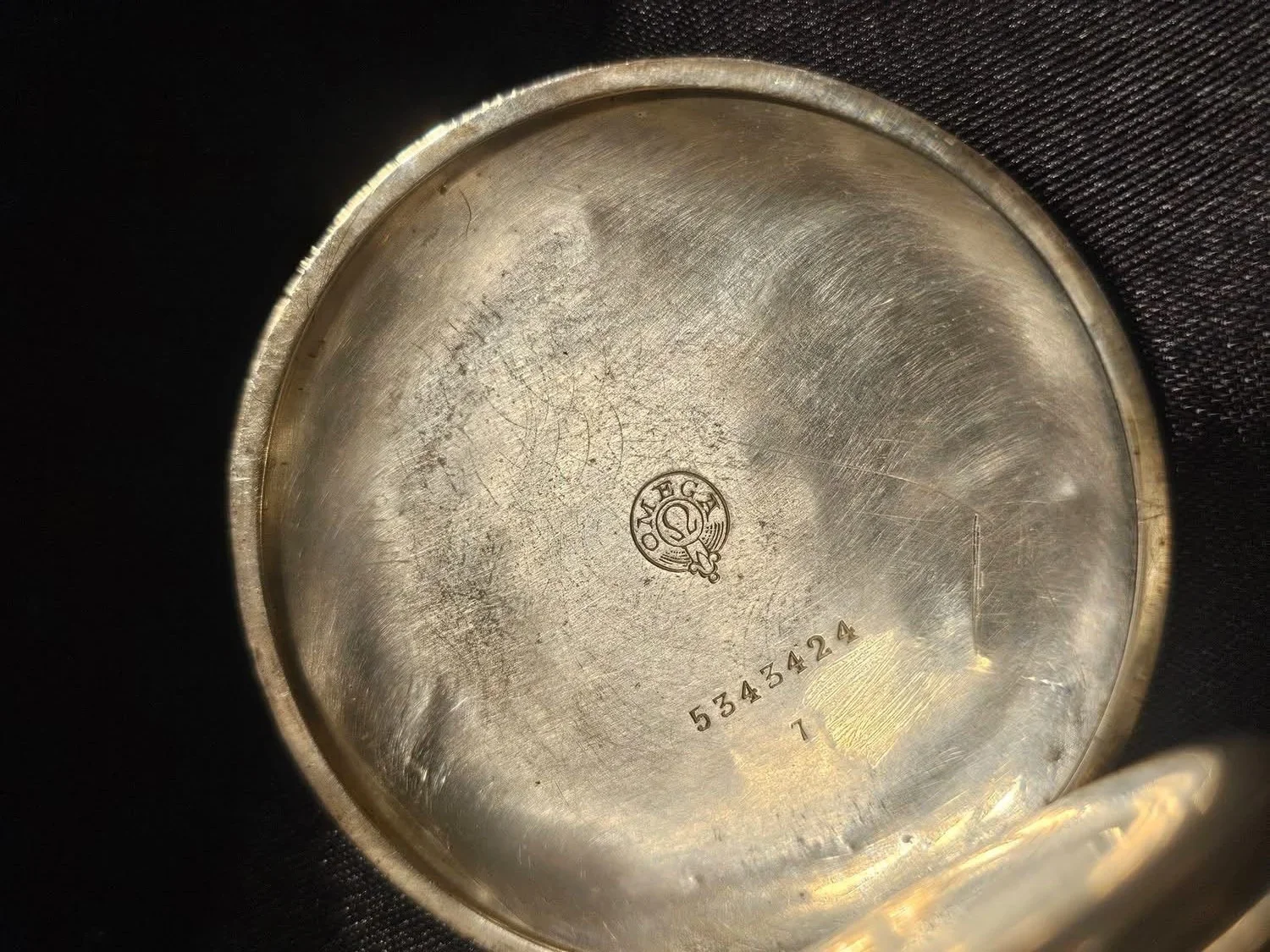
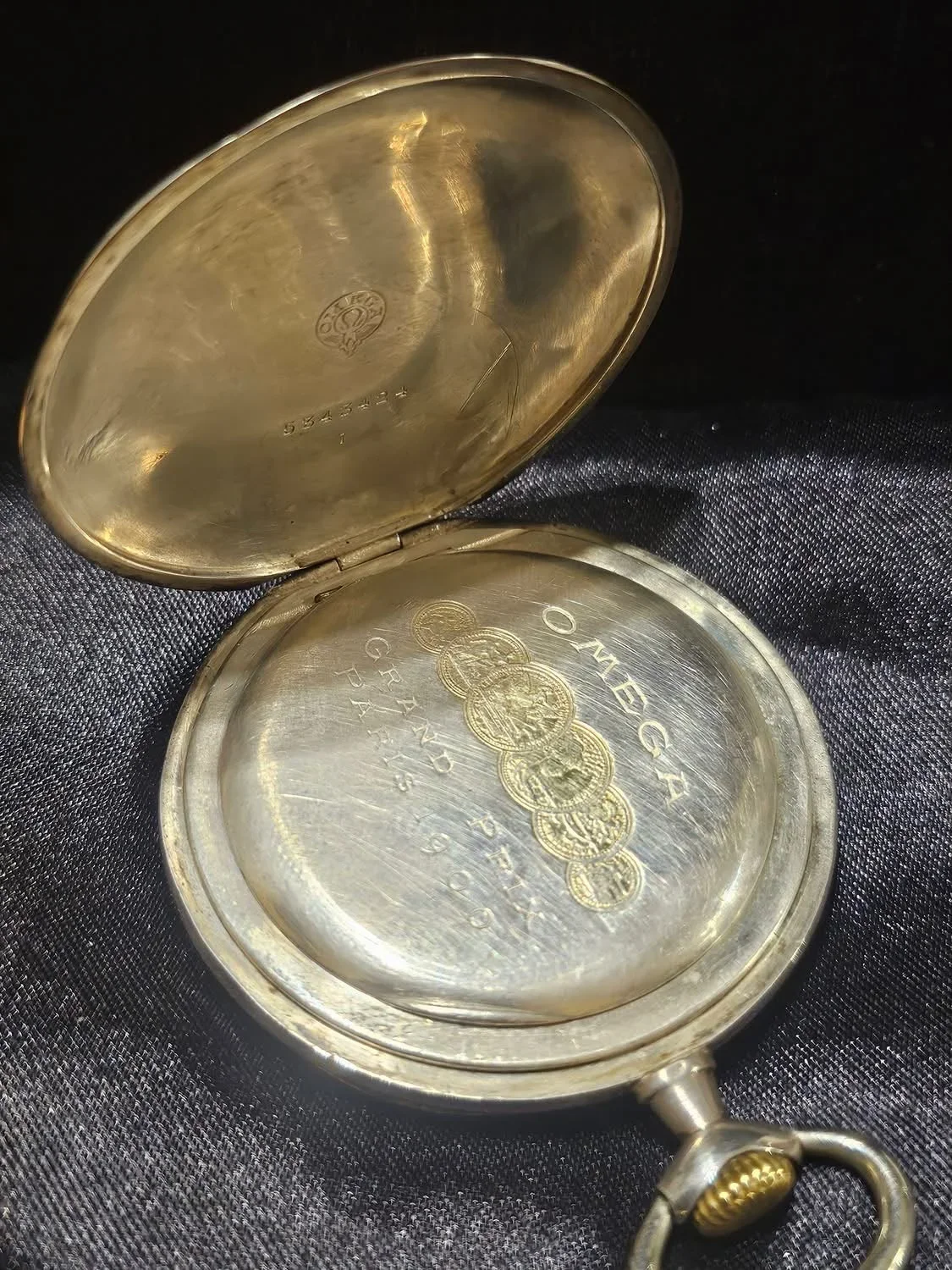
case serial number is 5343424.
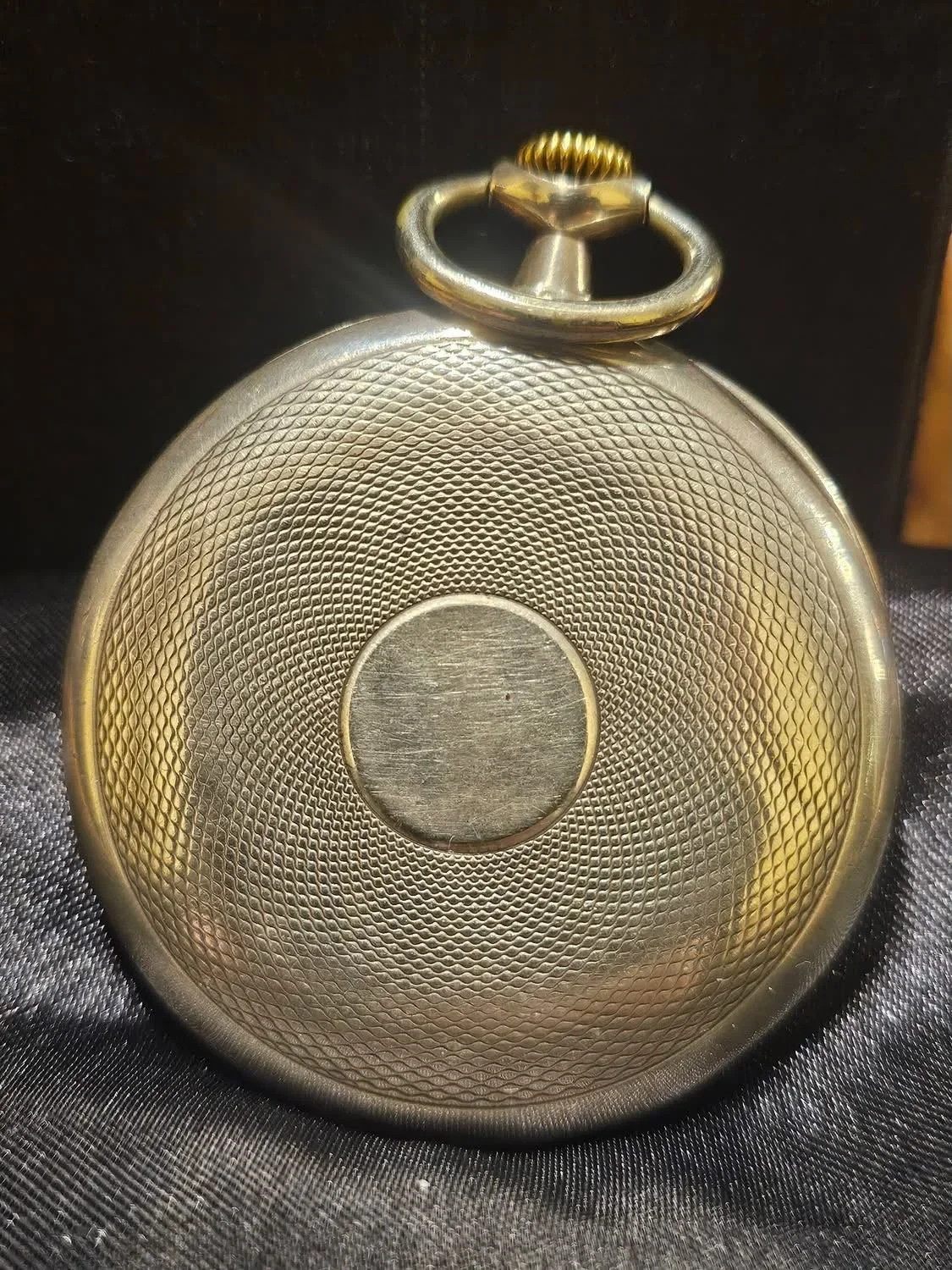
also - case marked omega, serialized, grand prix 1900, and engraved in typical way- but UNSTAMPED with silver markings although passes acid test; why would they not stamp it in [800] stamp though? is that a common practice among those years?
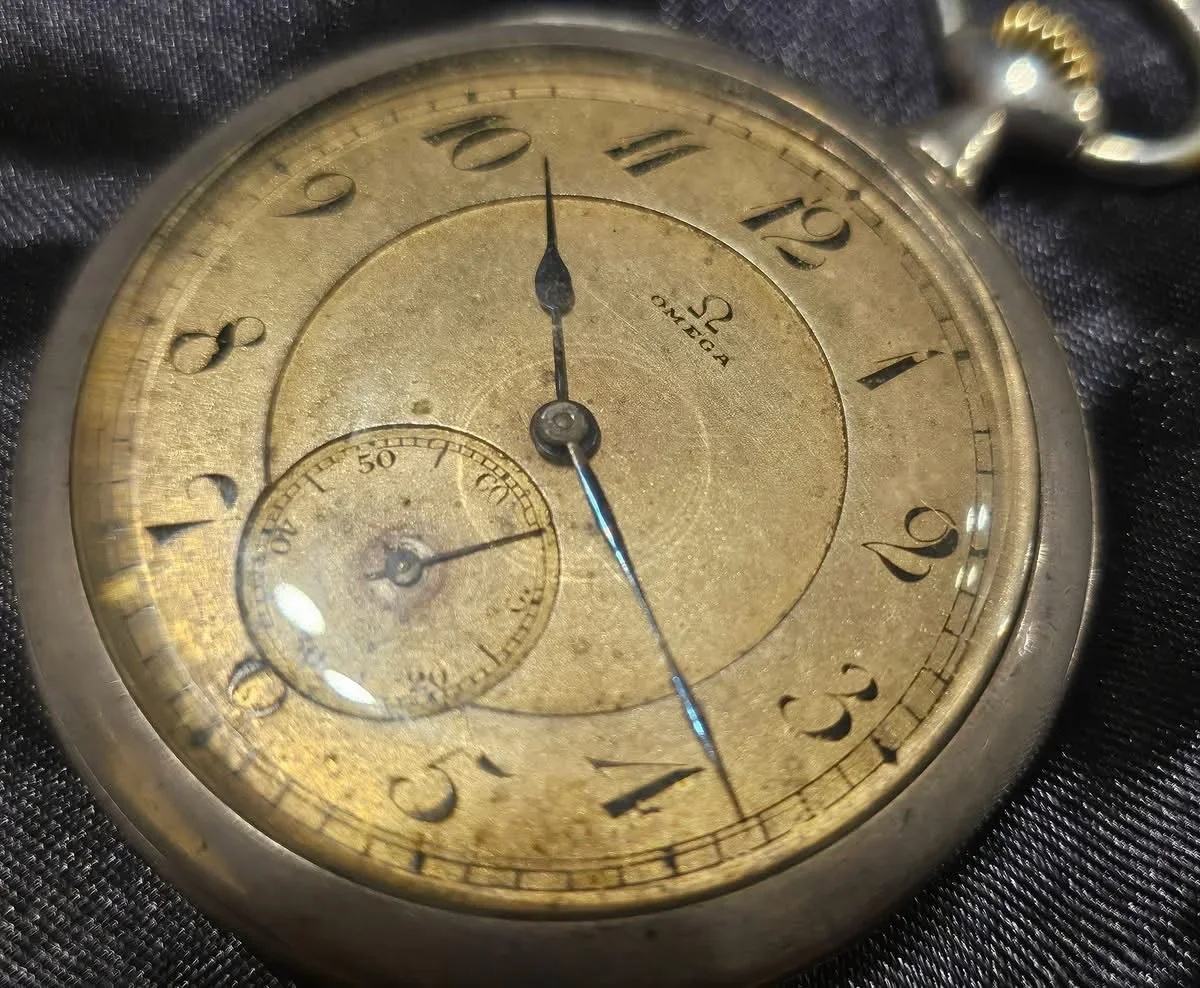
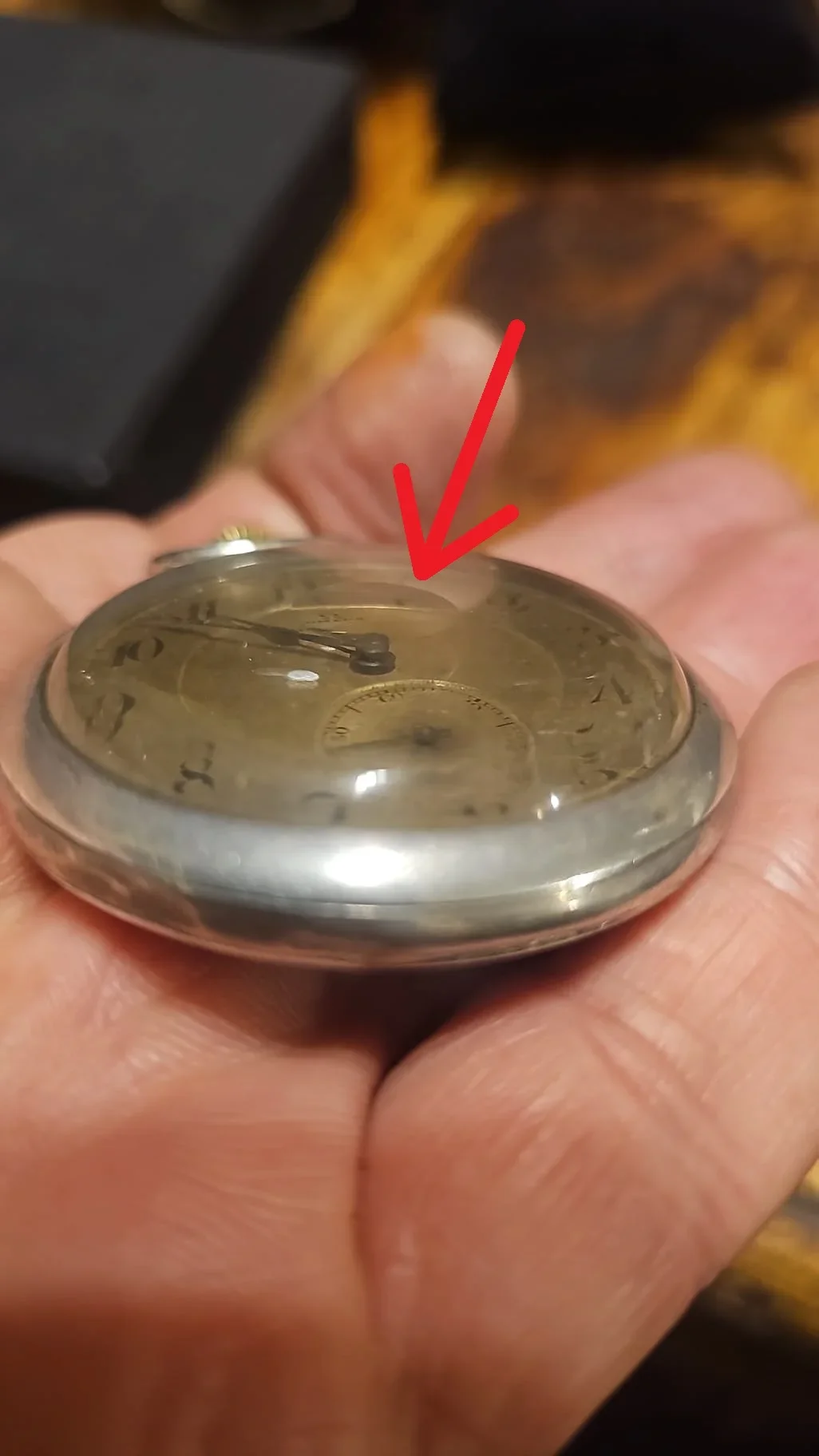
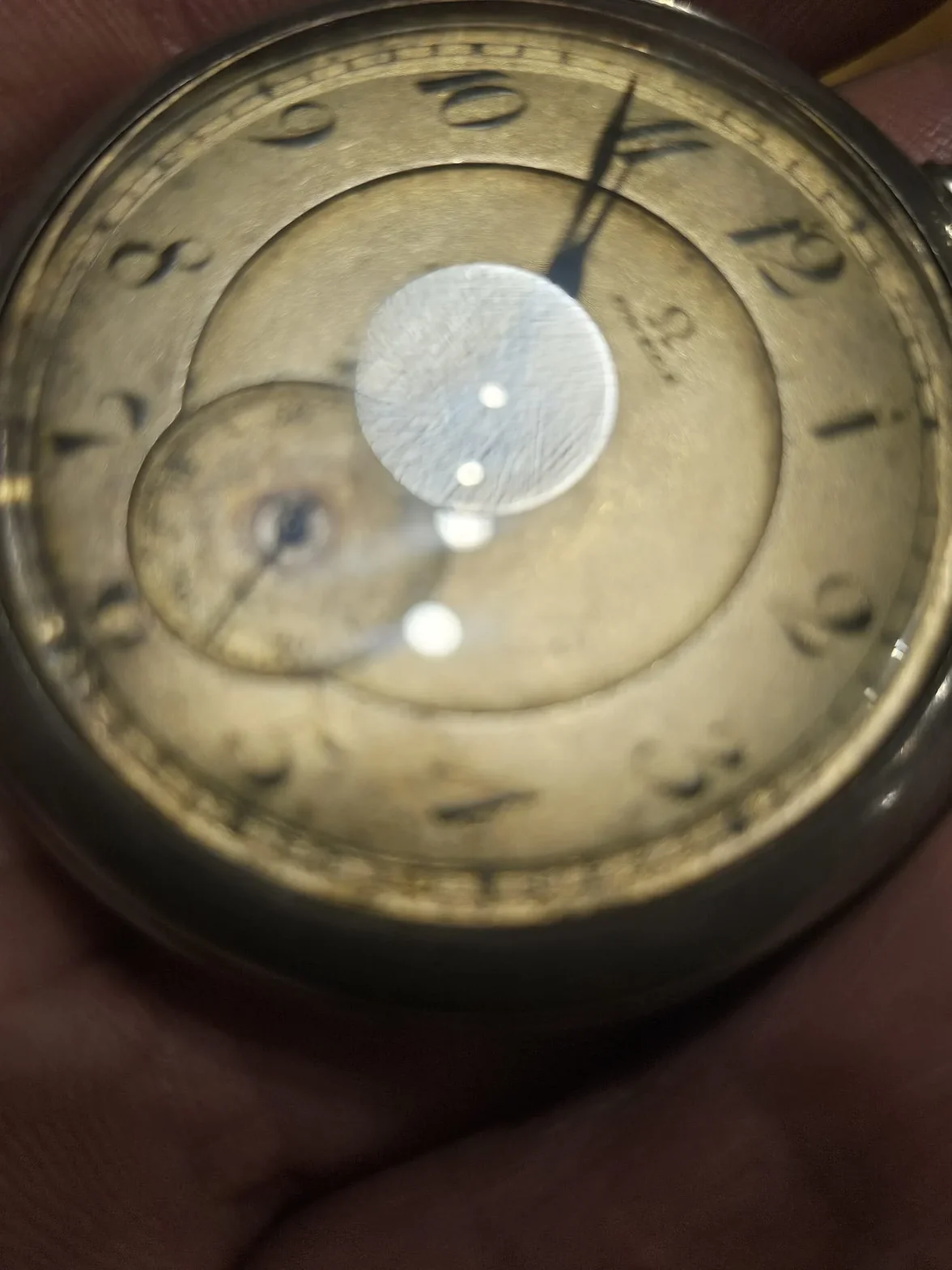
as for the glass (is it really glass? it feels like it, also not scratched as you would expect from an acryllic) has some flat phase onthe center. you can catch it on camera only in a very certain angle. what would be the reason for this phase, and does this glass looks original to the watch or a replacement?
thank you!
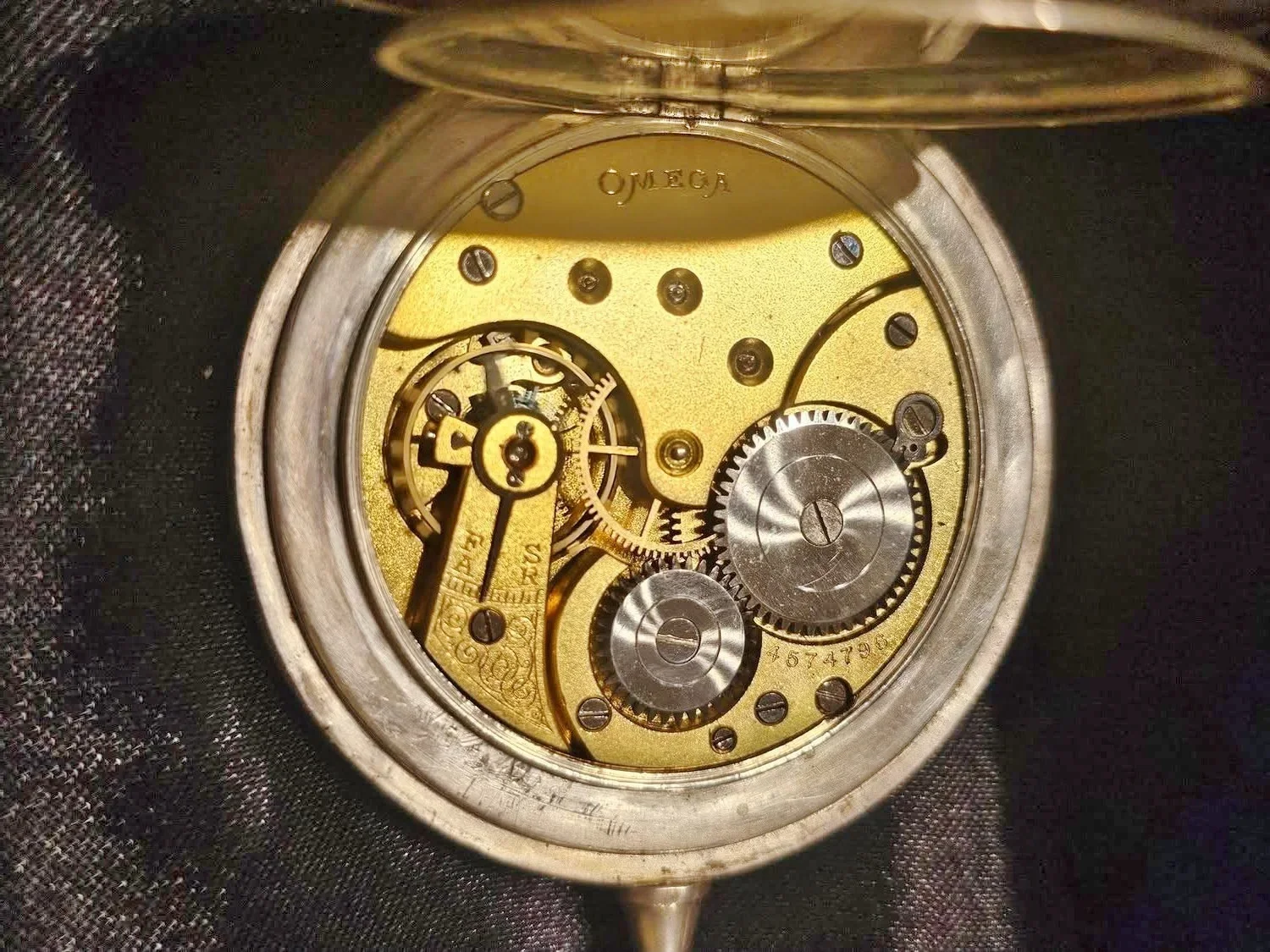
movement serial number is 4574796 (so 1912, i guess?). it looks almost too new. the "omega" and engravings are looking good and correct to the era though.
case serial number is 5343424.
also - case marked omega, serialized, grand prix 1900, and engraved in typical way- but UNSTAMPED with silver markings although passes acid test; why would they not stamp it in [800] stamp though? is that a common practice among those years?
as for the glass (is it really glass? it feels like it, also not scratched as you would expect from an acryllic) has some flat phase onthe center. you can catch it on camera only in a very certain angle. what would be the reason for this phase, and does this glass looks original to the watch or a replacement?
thank you!