- Posts
- 1,113
- Likes
- 1,721
flqt-9000
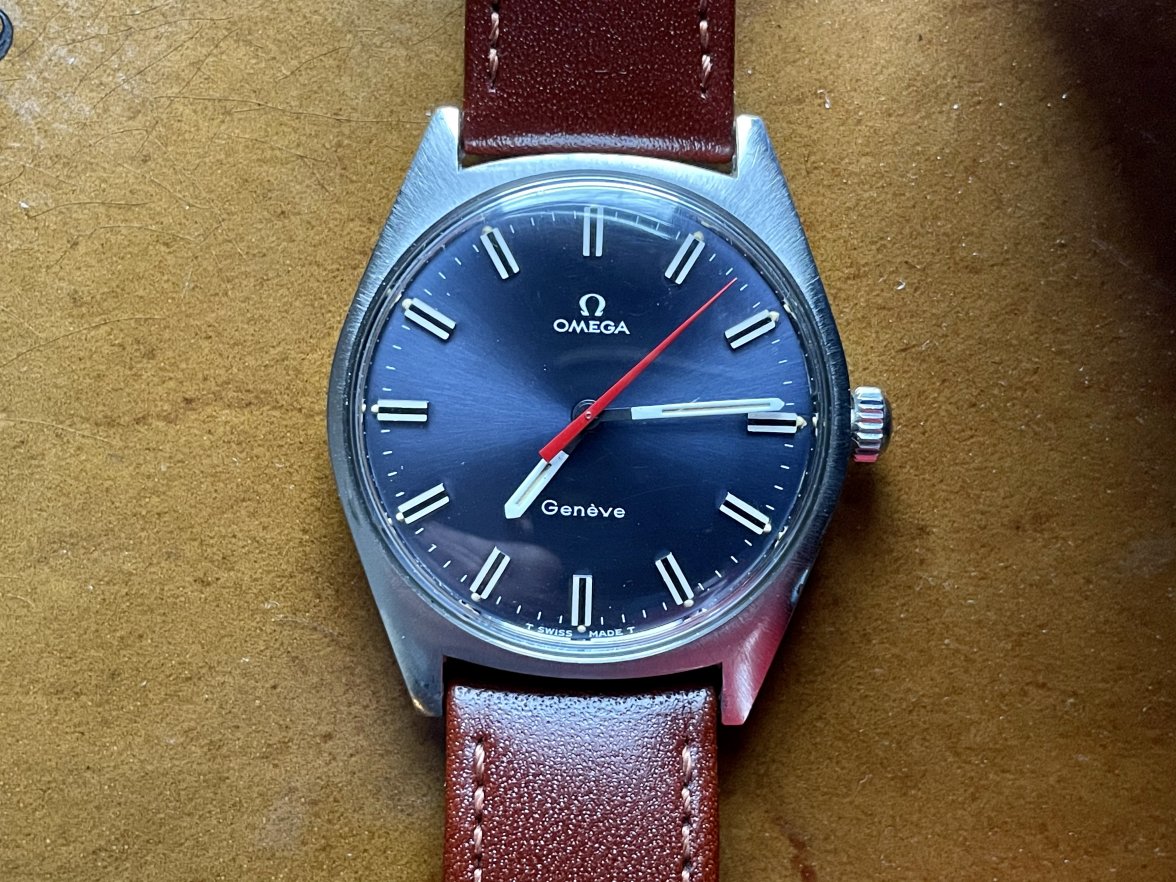
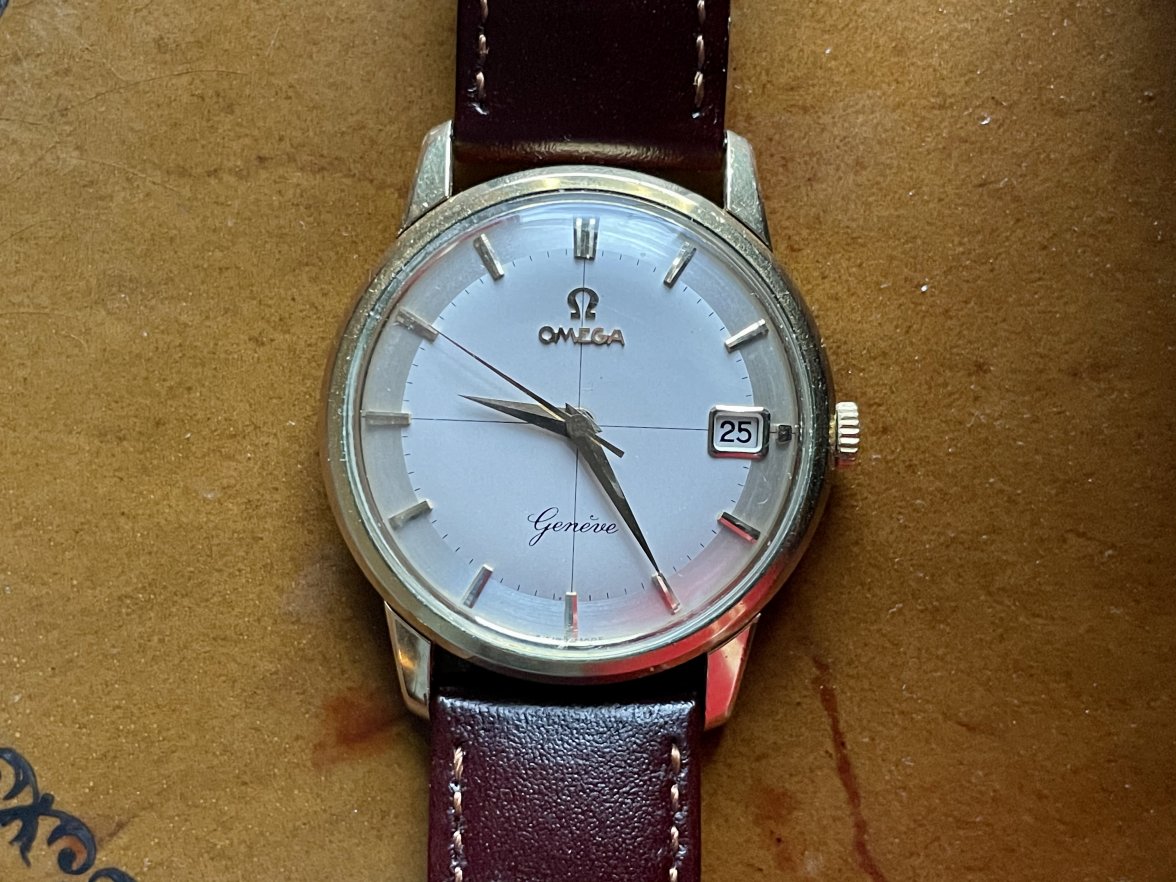
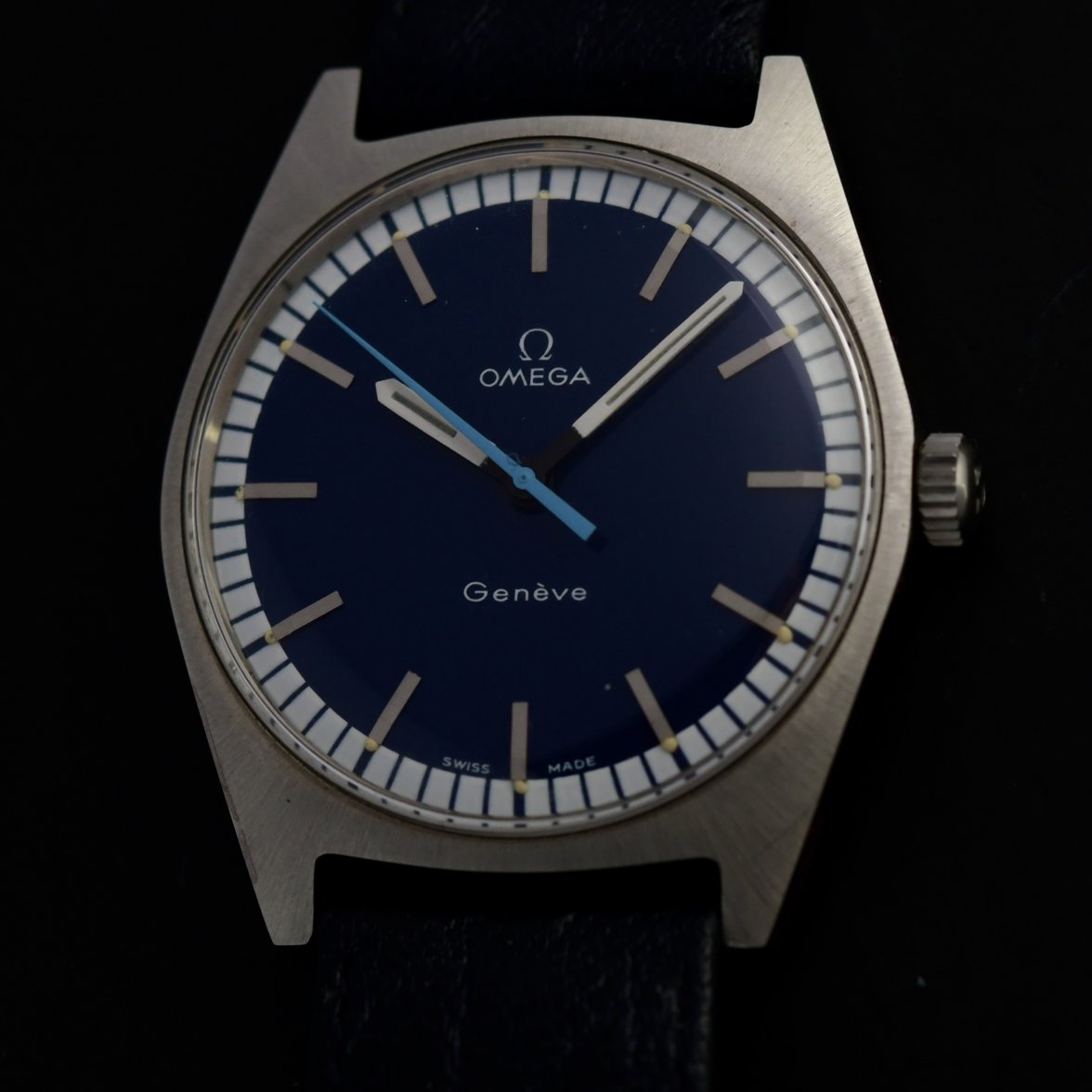
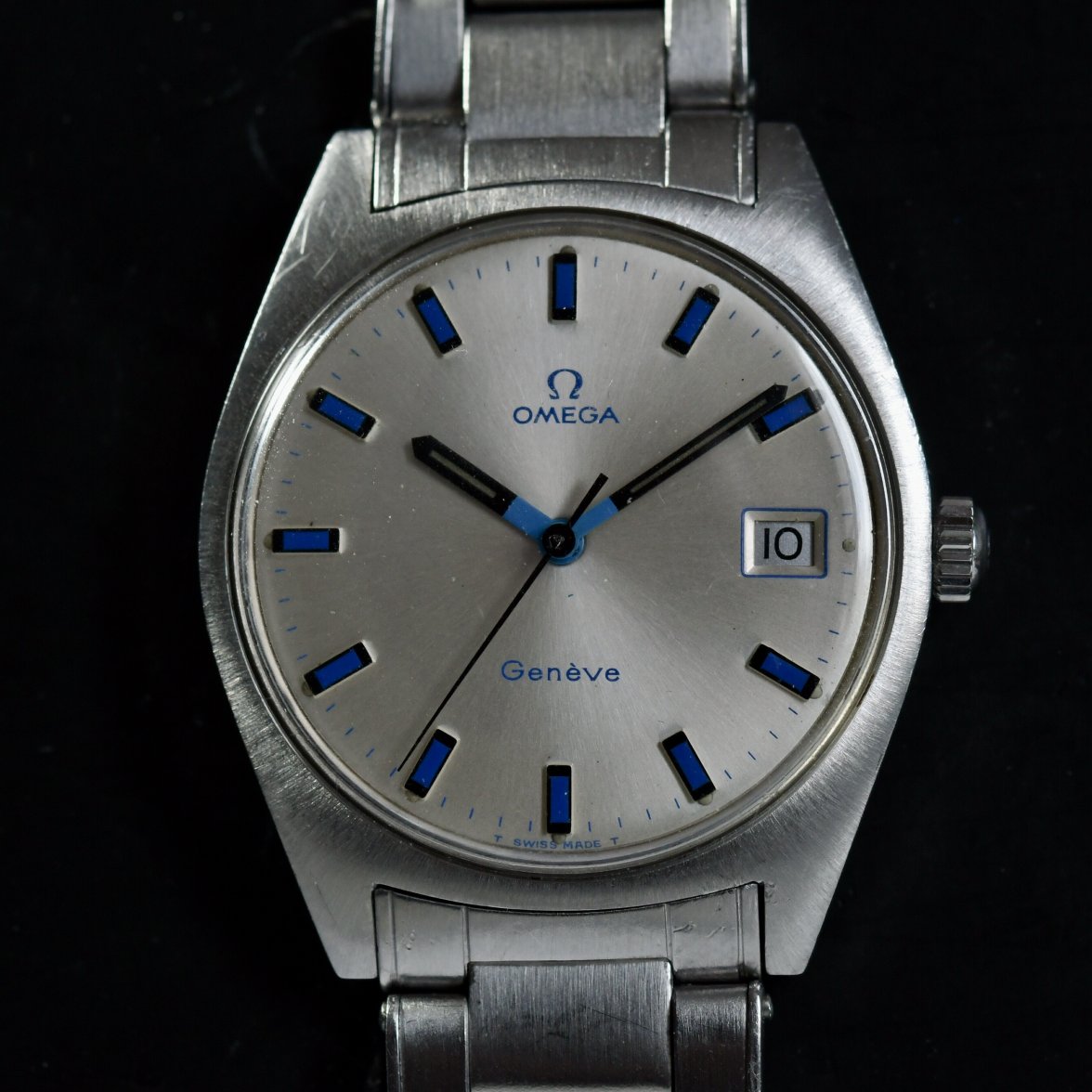
·Here some examples from my collection.
Please consider donating to help offset our high running costs.

The Genève line was introduced in 1952 (some say '53), and, with the exception of the very low production Chronometres, sat at the top of OMEGA's model line of hand-wind watches throughout the 1950s. The cases featured elegantly chamfered lugs, and the indexes were made of gold. The 30mm movements, while no different from those used in other models of the period, had achieved notable success in the Geneva Observatory Trials (along with Neuchâtel, and others). In 1945 an early version won first prize, which was followed by other awards and records set during the 1950s. So, Omega chose to use Genève as a reference to those successes, and obviously applied to name to a high-end model.
They are, to my mind, a quintessentially understated yet elegant model, reflecting both the quality of Omega and ethos of the period very well.

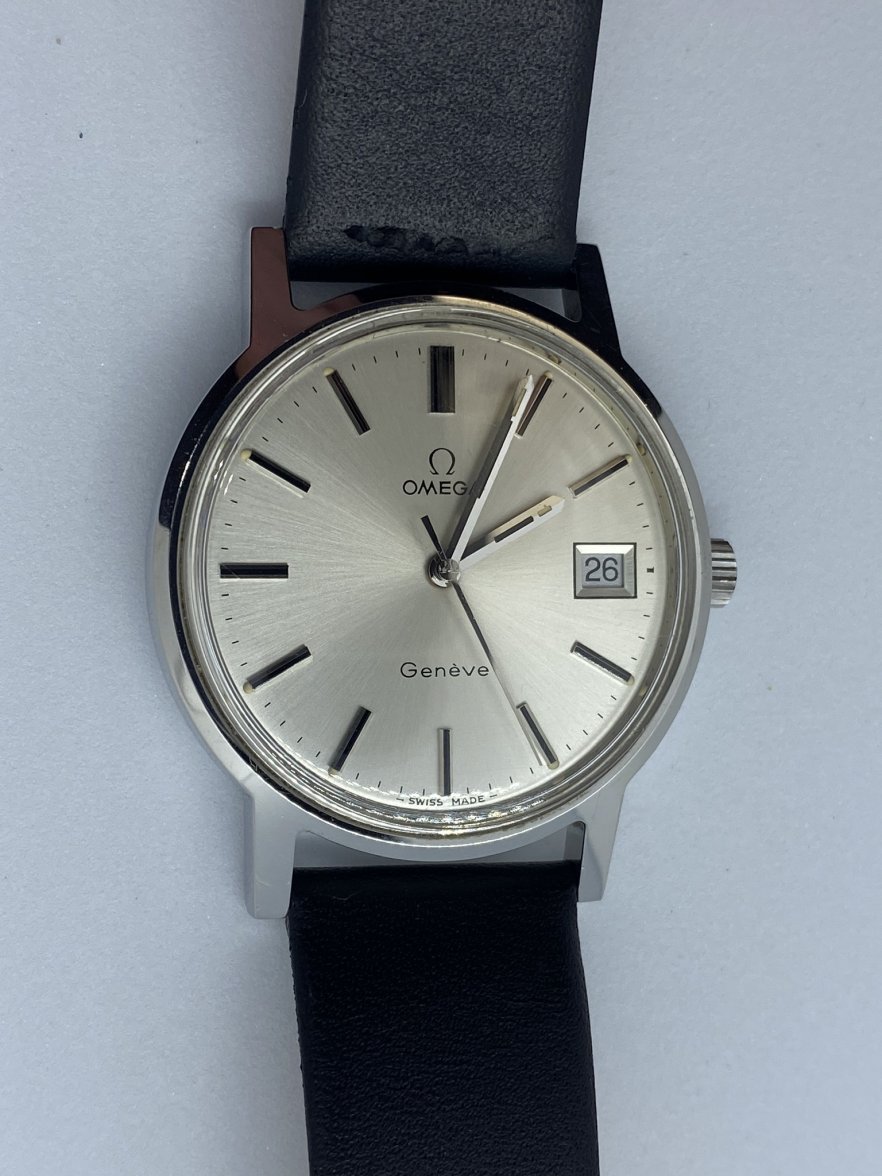

Would you happen to know when, and perhaps why, they stopped writing Genève in italics? Looked much nicer in my opinion
Sometime in the early '60s, though I can't be more precise. For the first time, during that late period, the script was also used on automatic versions. Presumably it was dropped when Omega decided to lower the cost, and make the model line more of an 'entry-level' line. I'm glad that they did that, otherwise it would have caused even more confusion amongst vintage collectors. 😁

The Genève line was introduced in 1952 (some say '53), and, with the exception of the very low production Chronometres, sat at the top of OMEGA's model line of hand-wind watches throughout the 1950s. The cases featured elegantly chamfered lugs, and the indexes were made of gold. The 30mm movements, while no different from those used in other models of the period, had achieved notable success in the Geneva Observatory Trials (along with Neuchâtel, and others). In 1945 an early version won first prize, which was followed by other awards and records set during the 1950s. So, Omega chose to use Genève as a reference to those successes, and obviously applied to name to a high-end model.
They are, to my mind, a quintessentially understated yet elegant model, reflecting both the quality of Omega and ethos of the period very well.
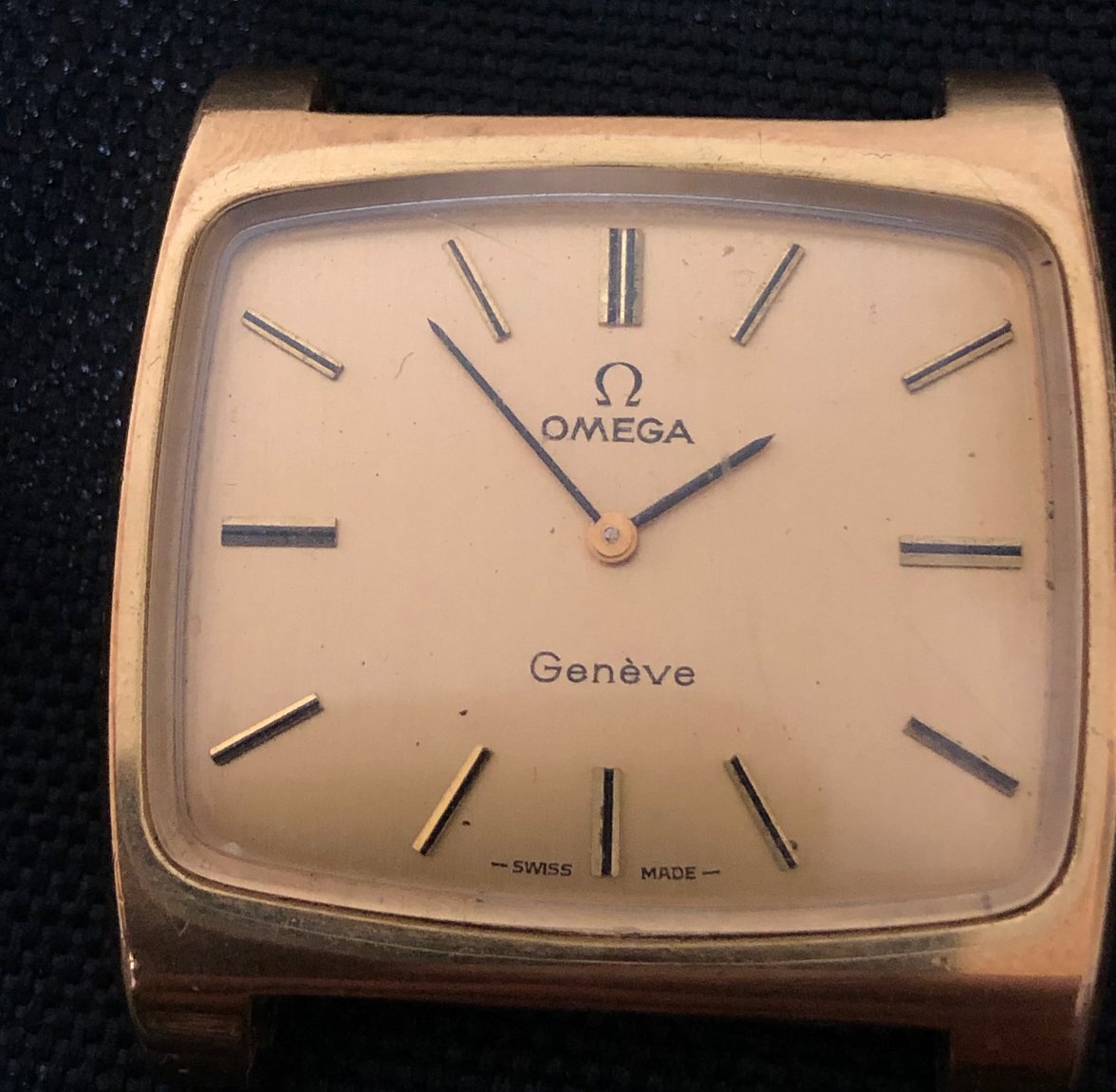
Even though most people here seem to prefer the older style of Genèves, I do like the 70s versions as well. Classy, simple, and a very affordable way into vintage Omegas, I think.
(Please ignore the strap)

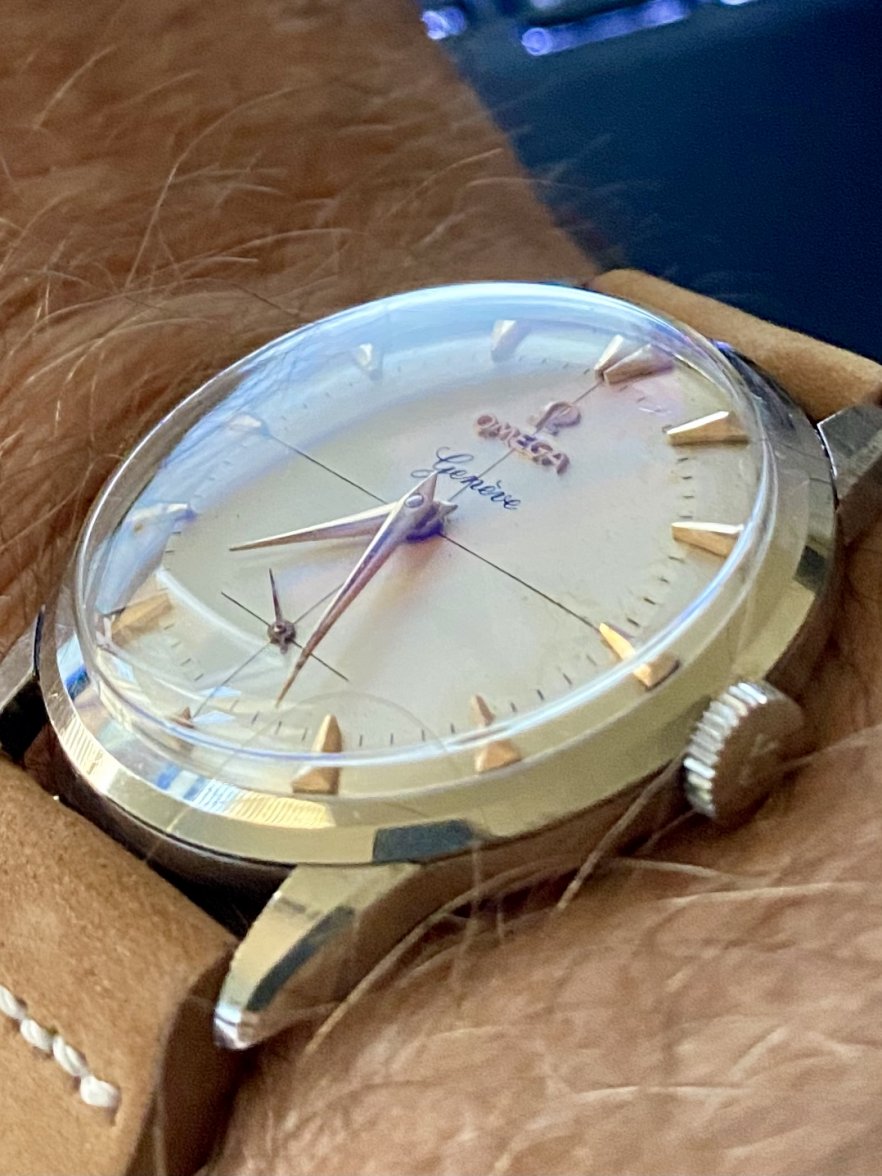
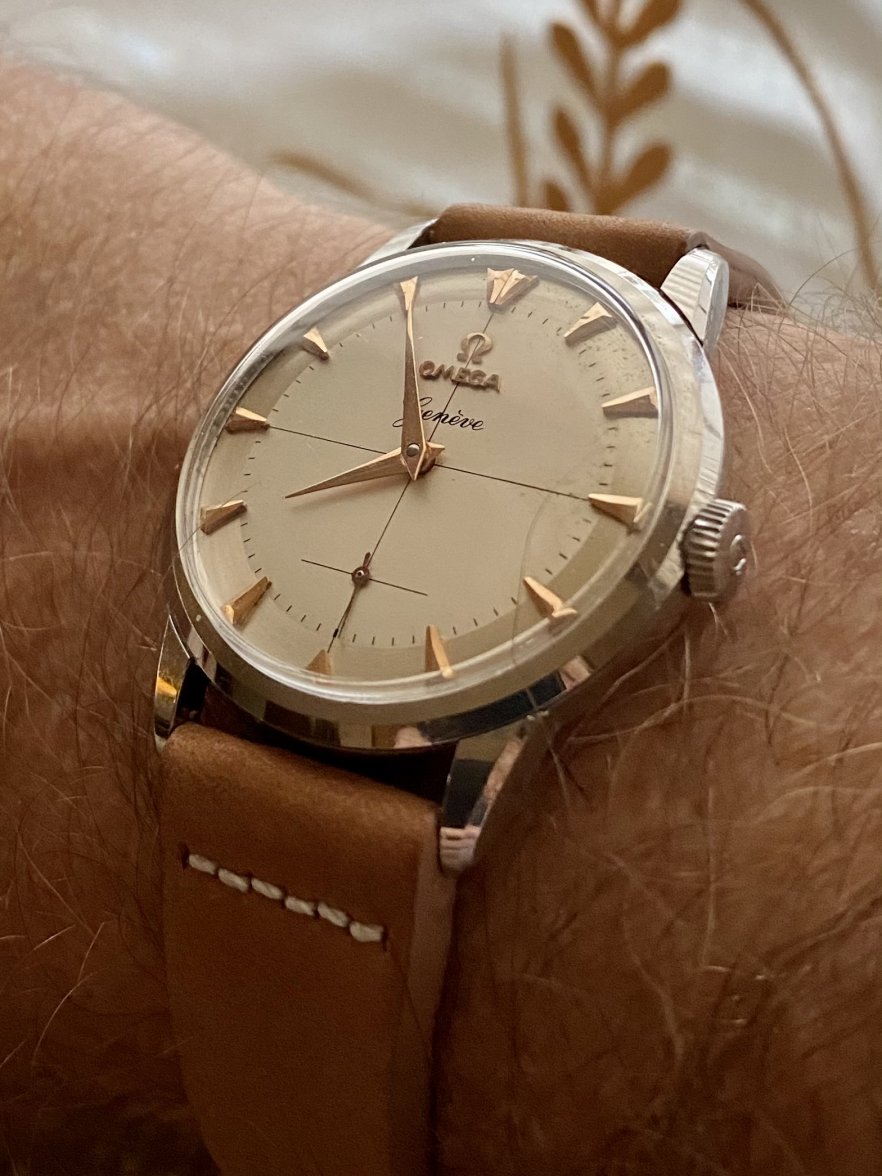
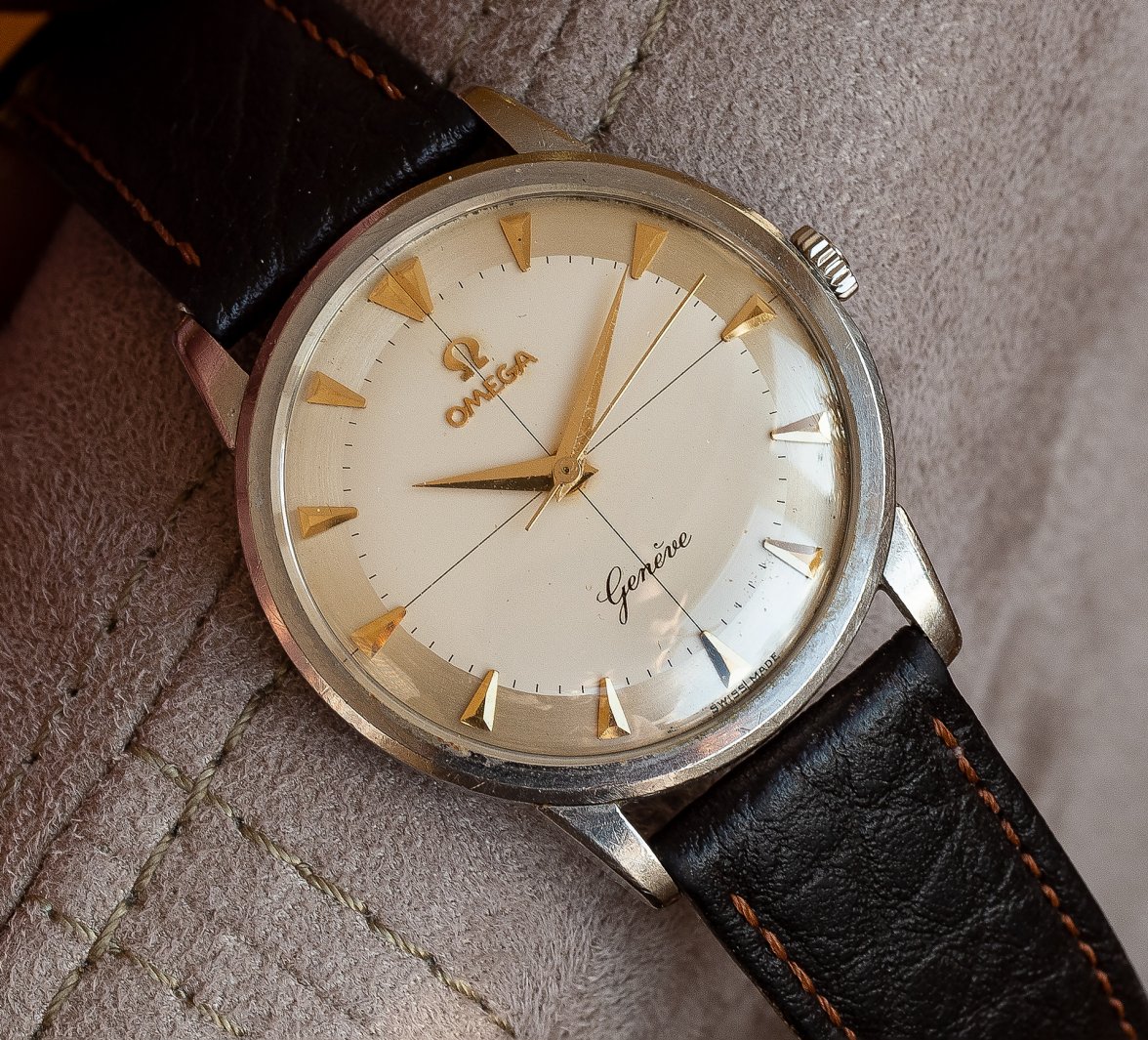
The older Genèves, particularly those from the 1950s and early 1960s, are beautiful classic watches and very collectible in my opinion. I also think that it’s more difficult to find a Genève from this period in excellent condition than it is to find nice examples of Seamasters or Constellations of similar age. Here’s my 1959 Genève reference 2903, with a stainless steel case, rose gold dial markers, and a manual wind caliber 267 movement. Definitely one of my favorites from my collection.
View attachment 1101115View attachment 1101117 View attachment 1101118

Does anyone know if the Genève collection was an apart line within Omega line up (i.e. like Seamaster / Speedmaster / De Ville / Constellation)?
Yes, it was, but the Genève line is no longer manufactured. If I remember correctly, the line was introduced in 1953. At that time, it was second only to the Constellation line in Omega's stable of dress watches.
To parse it out a bit more pedantically, the Constellation sat atop the line of automatic watches, and, as automatics were all the rage in the '50s, it was promoted very heavily, and produced in vastly greater numbers than the Genève. The latter sat atop the manual-wind heirarchy, with the exception of the very low-production 30T2rg Chronometres.

Yes, it was, but the Genève line is no longer manufactured. If I remember correctly, the line was introduced in 1953. At that time, it was second only to the Constellation line in Omega's stable of dress watches. From 1965 to 1967, Omega sold watches with "Seamaster Genève" on the dial. After that they went back to "Genève," the line moved more toward an entry level watch in Omega's hierarchy, and the line was ultimately discontinued in 1979.