Omega Constellation Electroquartz f8192 - who works on them?

Posts
39
Likes
4
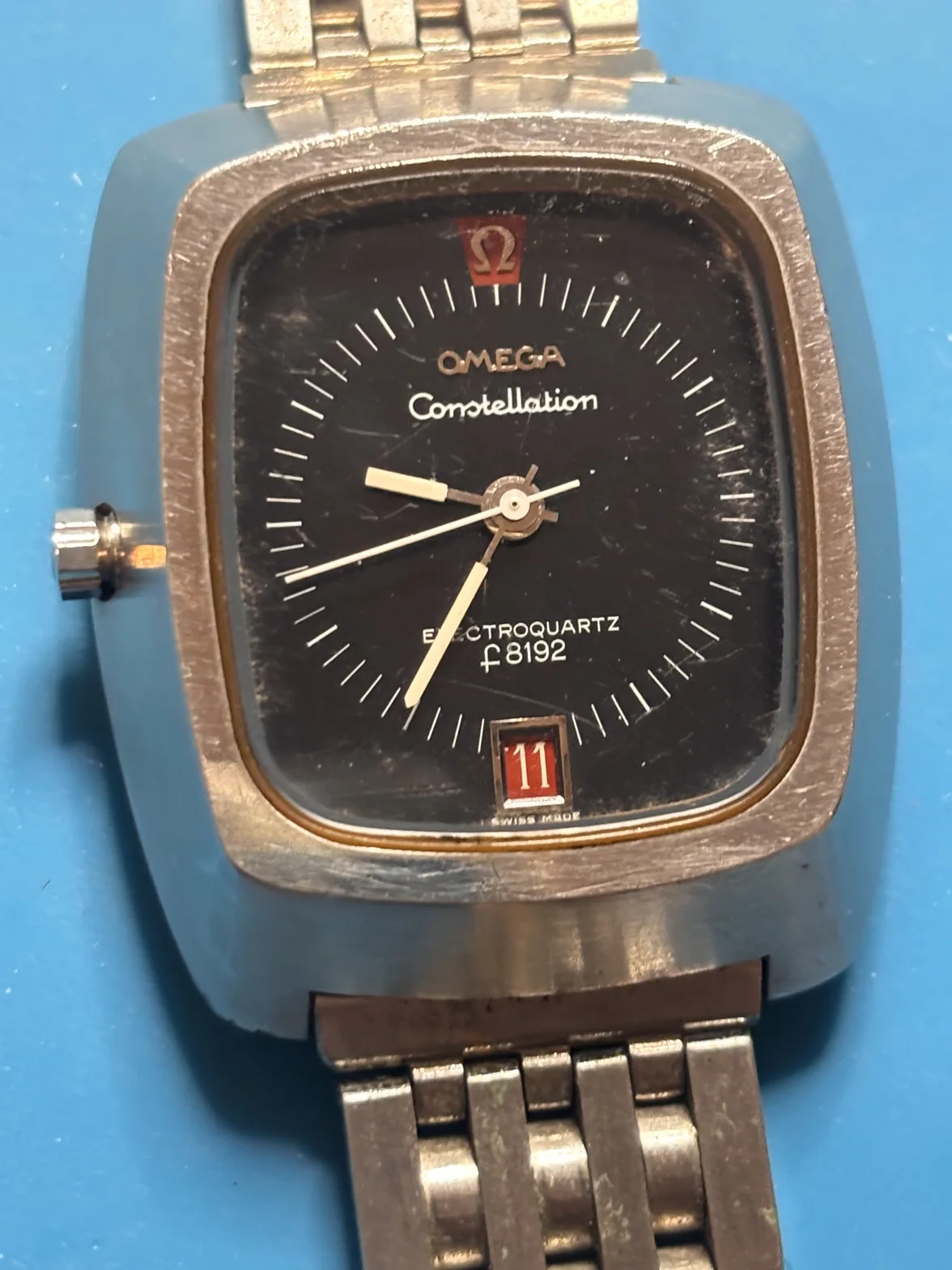
On a lark, or call it an addiction related to my f300 quest, I recently picked up an electroquart f8192.

Dial, case and glass all look to be in decent shape.

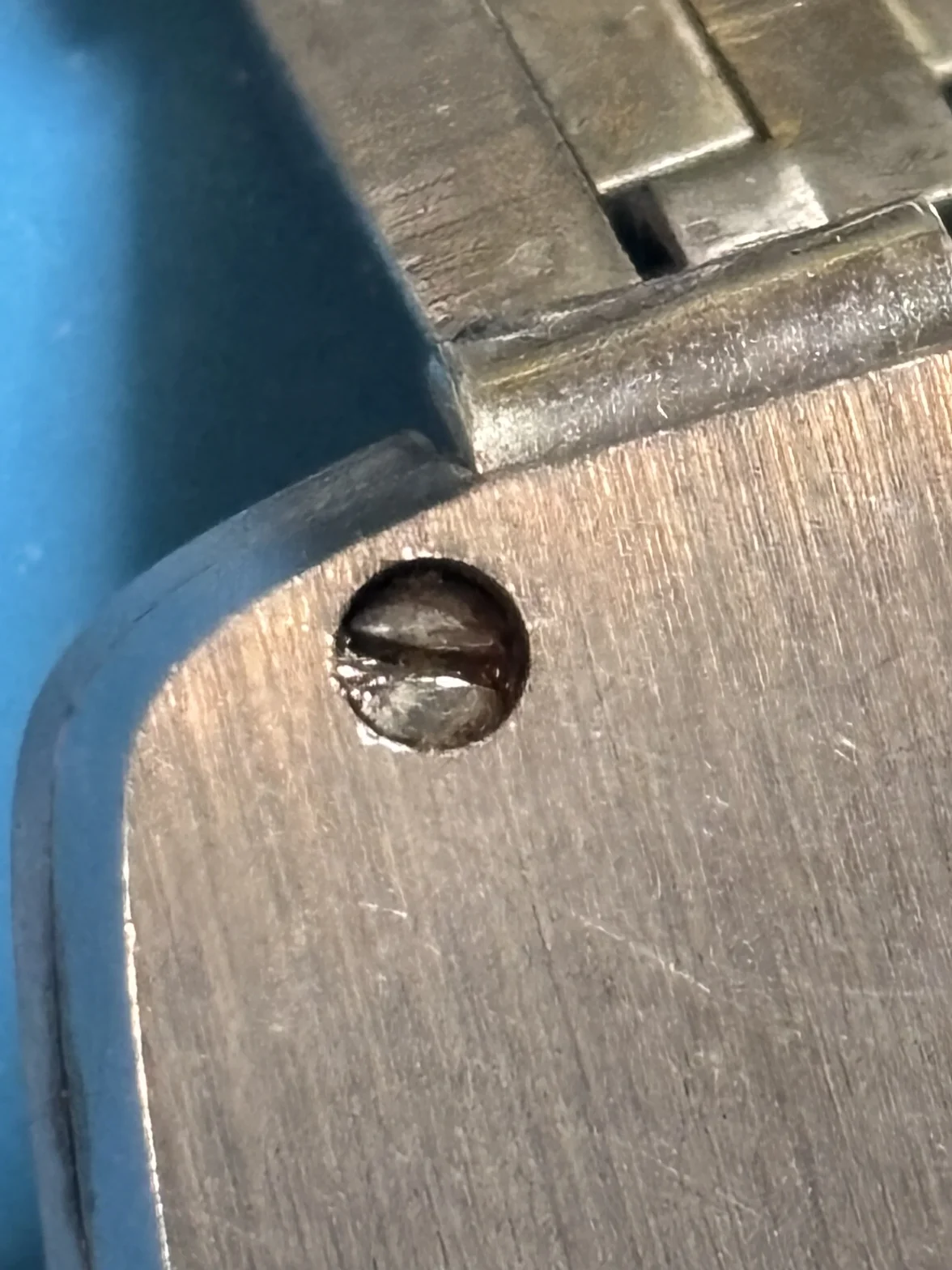
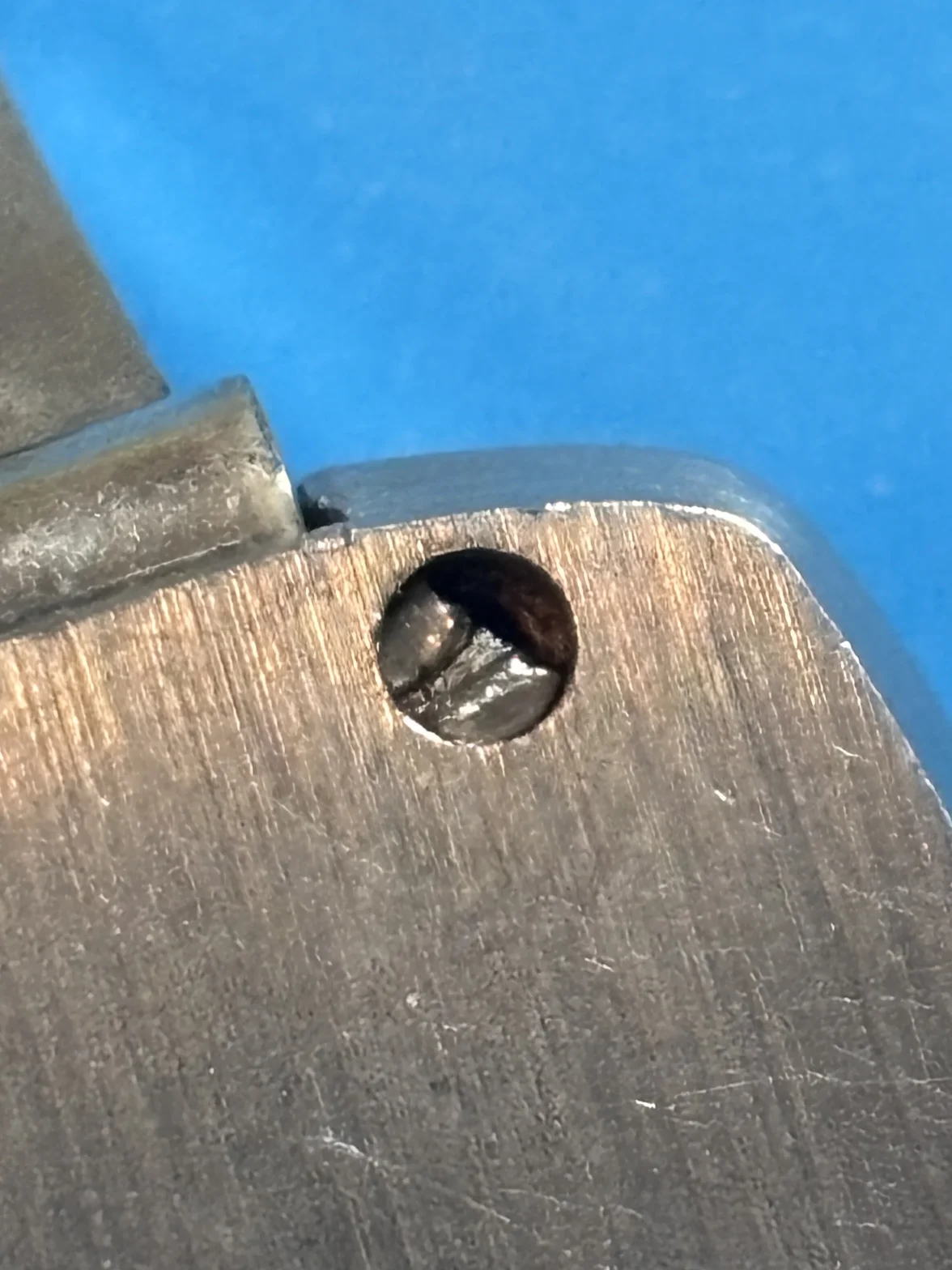
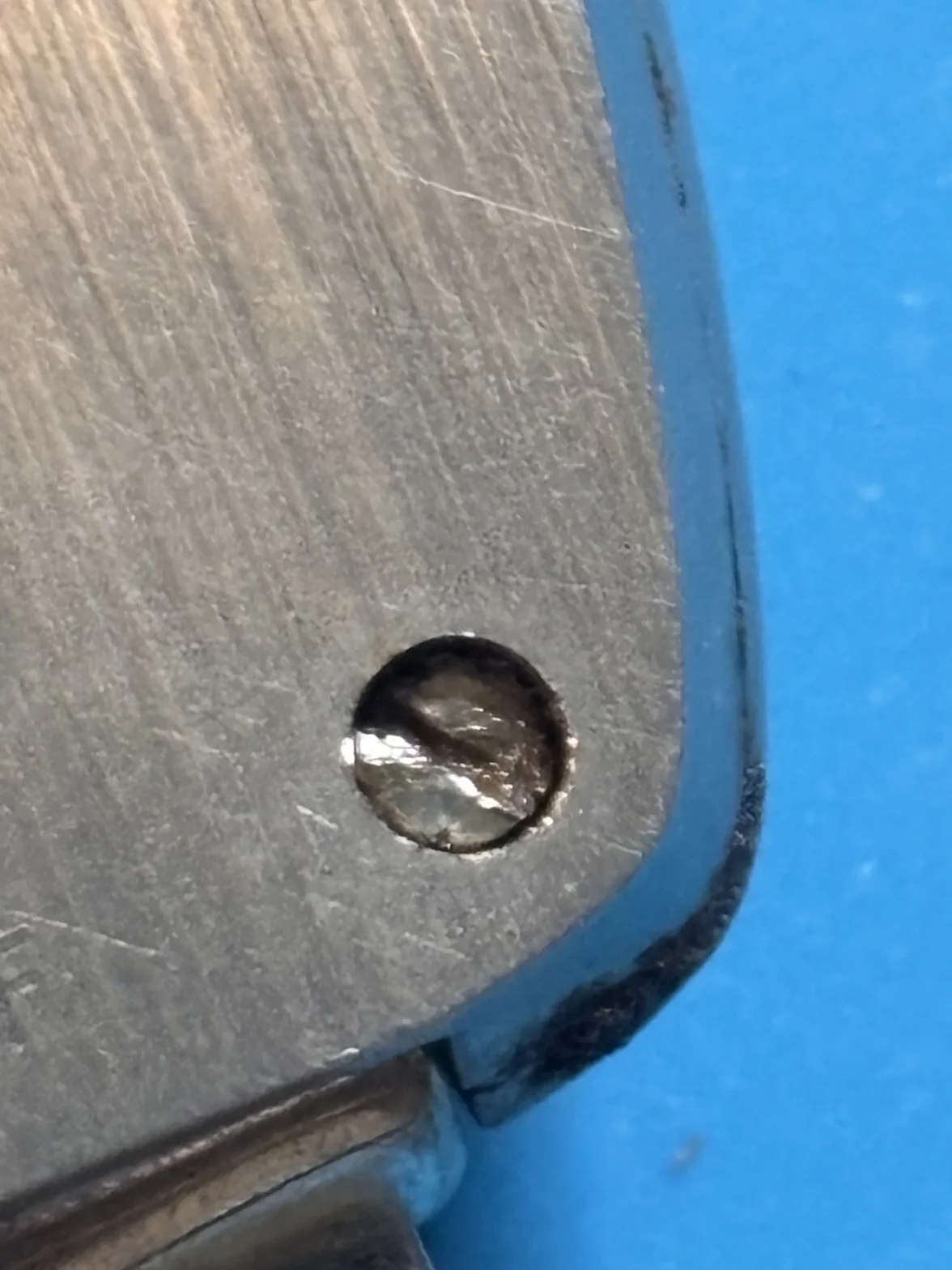
Watch was inoperable, so I knew this was a gamble going in. Turns out three of the four caseback screws don’t turn so I have not been able to start with the basics of a new battery. Taking a closer look it appears there is some damage to the screw heads. While I’m capable of some basic repairs and certainly swapping out a battery, these stuck screws are beyond my current skill set and I don’t want to damage it further.

Is there a trusted repair shop that is familiar with and can restore this watch?

I have had Rob B work on some of my f300’s. Not looking for the closest source but rather someone who can get the watch back to working as it should and works on this cal. with some regularity.

Any recommendations?

Photos below

Thanks for the input
 
Posts
5
Likes
0
Morning.

I'm in a similar boat restoring a 196.005

I'd have thought that a horologist with the correct tools could release the 4 screws. Whether they come free or need drilling out you'll probably need new ones which have become unobtainable. I have a single screw and need to find someone to knock me up a set on a lathe.

Once in, you have the circuit board and the mechanicals and trying to work out where the fault lies.

I'd ideally like to find someone who could service the mechanicals, as in, take apart, clean, lubricate and put back together but haven't yet found someone as all the usual suspects just work on a junk and replace solution to servicing.

For the electronic board, it's just a case of attacking with a multimeter and hoping that you discover something really simple. Beyond that the only solution appears to be trying to make contact with Chris Raddek in the U.S. who from what I can establish is the only person who works in these but he appears to be hard to contact.

Tim.

PS I am looking for a non running 196.005 so if you do decide to give up then please let me know.
 
Posts
39
Likes
4
Thanks.
I’m in the process of letting a small amount of oil soak into the screw threads to see if that bc a loosen up the apparent corrosion. I plan on letting it sit for several weeks and will try the screws again with a screw head milled for a perfect fit.
If that doesn’t work, it may be on to plan B. If I opt to sell I’ll circle back to you, but I would really like to get this watch working again (and on my wrist)
 
Posts
5
Likes
0
They're fantastic things. They sit extremely well on the wrist and look small against today's watches. Back in 1970 they must have been utterly in your face.

Good luck with the screws, I think you're doing the right thing giving it a few weeks for some penetrating oil to seep down.

If you have a pillar drill then setting the case up under it and just hand turning the chuck with a well profiled screwdriver blade might be advantageous as trying to apply force via a hand held watchmaker's screw driver while keeping it vertical etc isn't easy.
 
Posts
3,007
Likes
4,770
I have a number of threads here in these forums on the more common 134x quartz.

Early quartz are closer in a lot of way to the mechanical watches of the era.

Electronics can be worked with or emulated. Test equipment can be made from simple the simple microcontrollers targeted to the DIY and arts and crafts users. Coils can be rewound.

Mostly it is economics of scale, what makes it hard for service providers to support these. There are not enough to make it worth while.

On the screws, I concur that penetrating oil is the first option. If the case is not steel, then they could be etched out with alum. A problem with drilling is that the screw is usually harder than the material that surrounds it. So the drill often enlarges the hole. I have had some luck with carbide printed circuit board drills. The trick is to find one that is significantly smaller than the screw.

More recently I have experimented with a fiber laser. The alignment spot is quite a bit larger than the actual cutting spot.

@Archer has also suggested a tiny drop of epoxy on the end of a sharpened piece of peg wood.

No luck with the U shaped screw extractors. Those only seem to work on the larger clock and pocket watch screws.