Omega bumper dial doubts

Posts
27
Likes
5
Hello everyone,

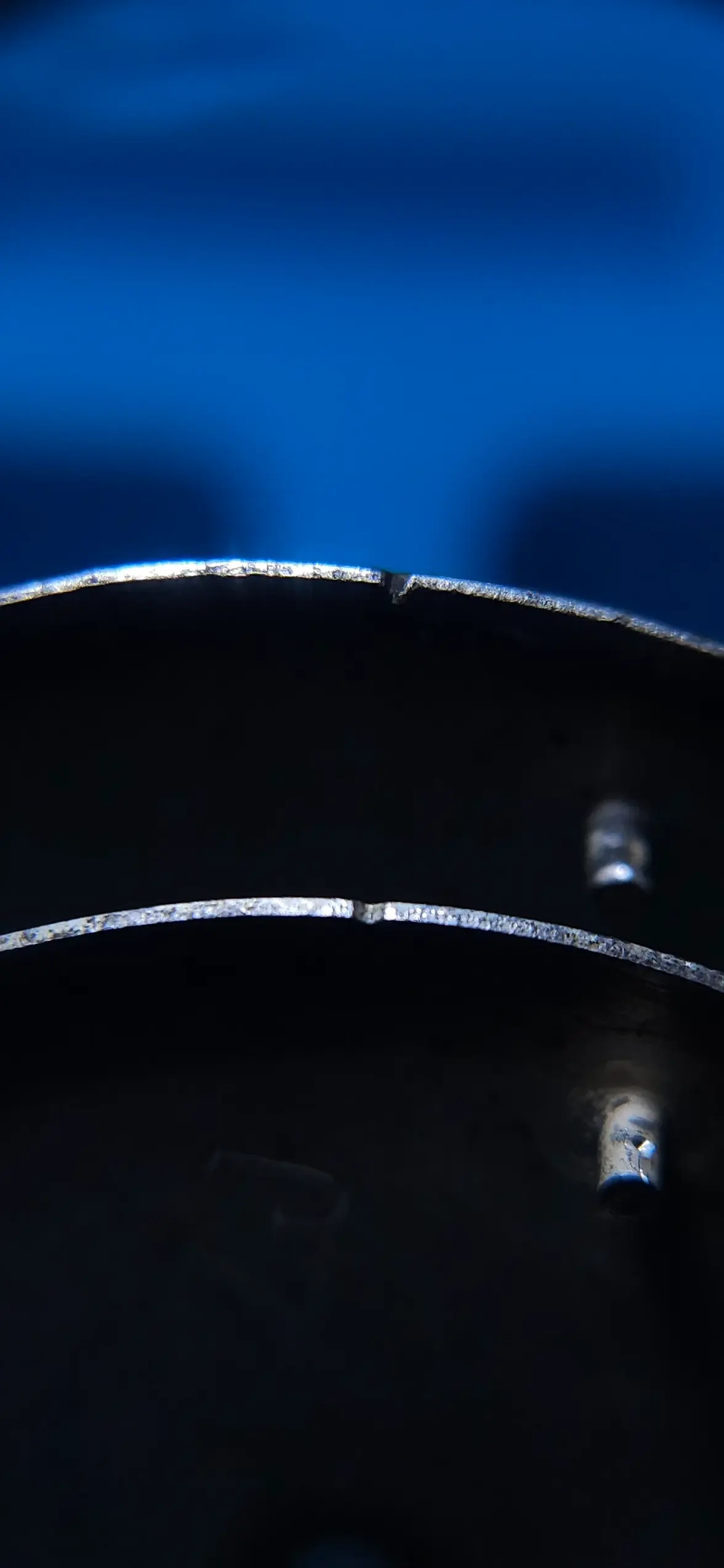
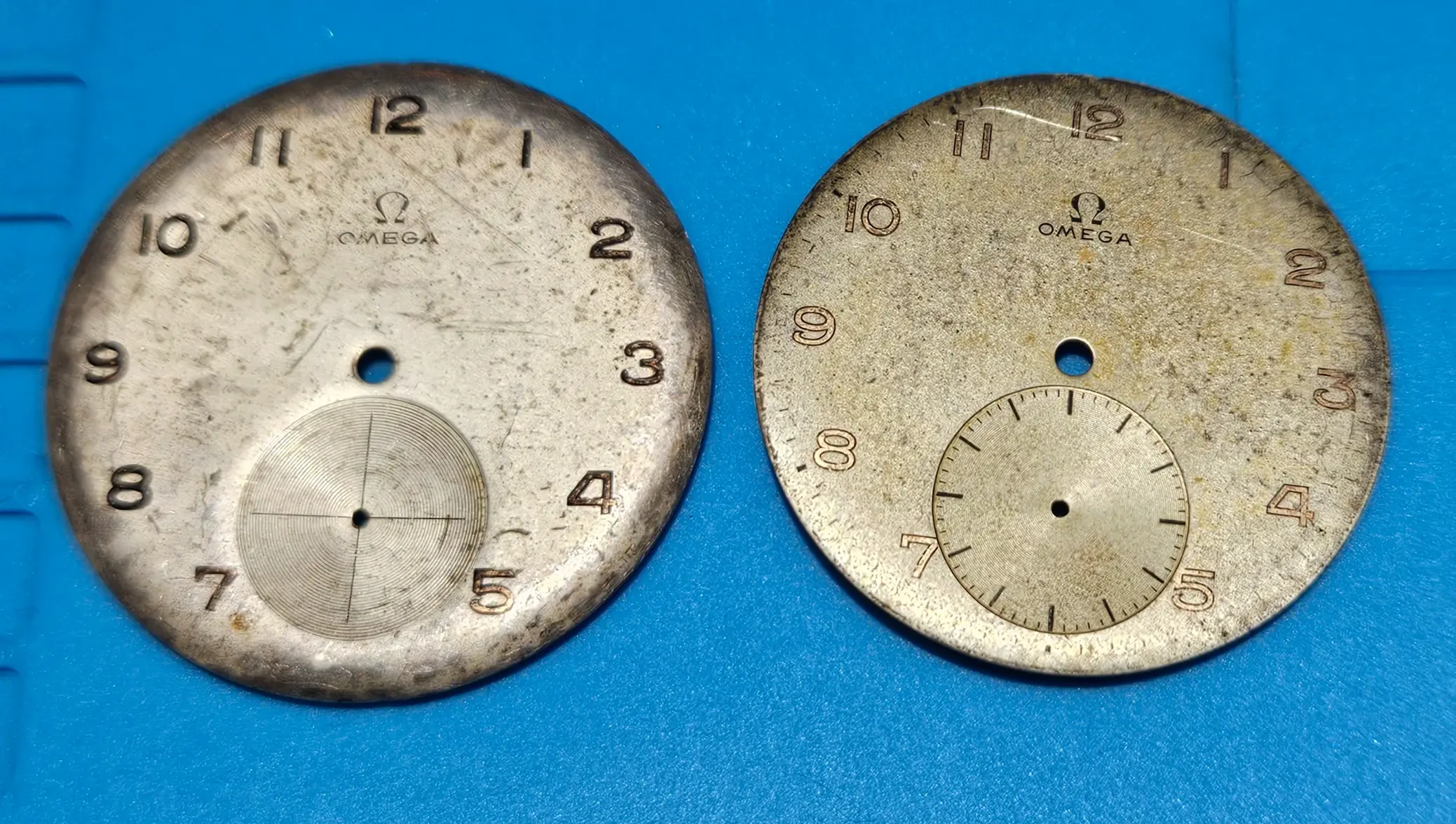
I am posting photos of two dials.

One was refinished a long time ago, while the other is believed to be original.

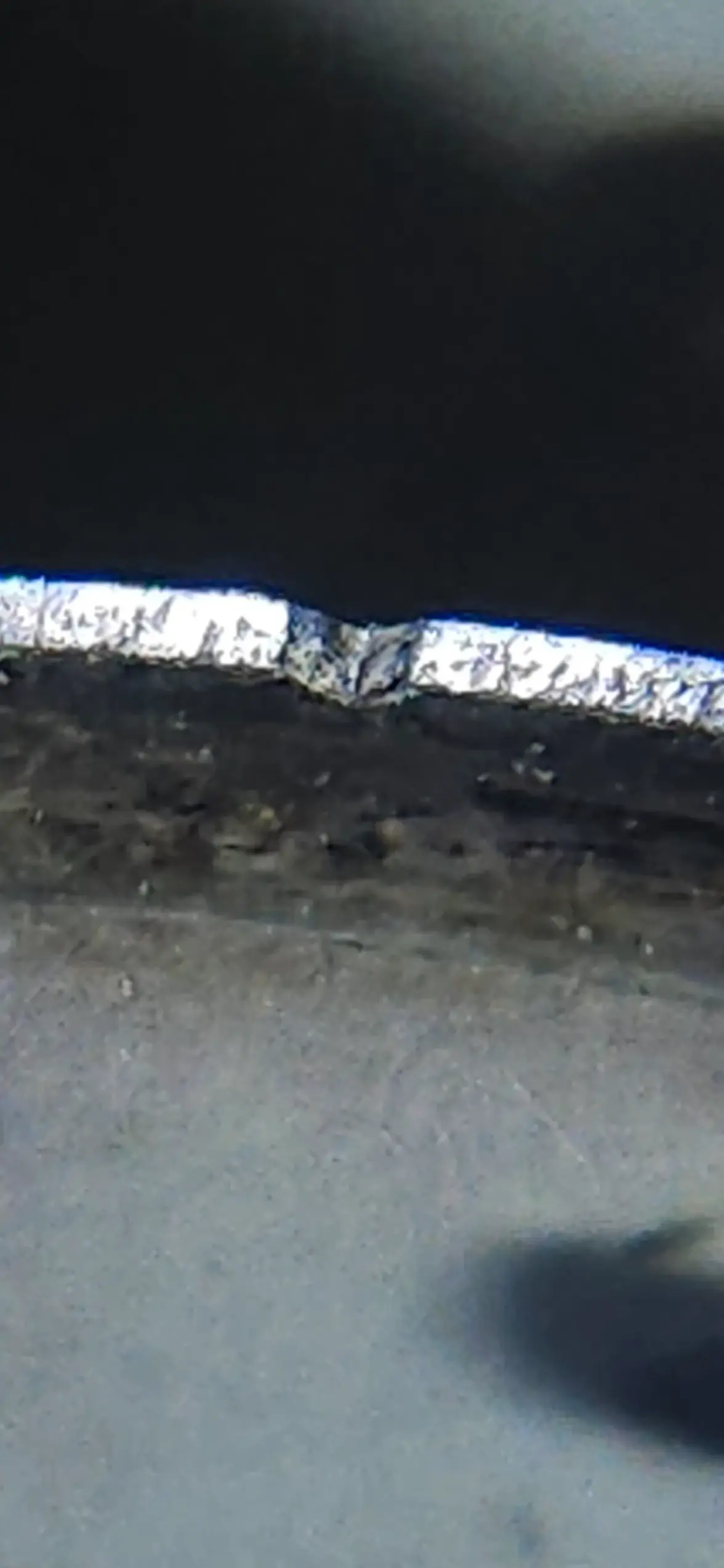
Please excuse the quality of the photos. It is very difficult to photograph these details at high magnification, and sometimes the images can be hard to interpret.

The dial on the right is the "original" one; the dial on the left is not.

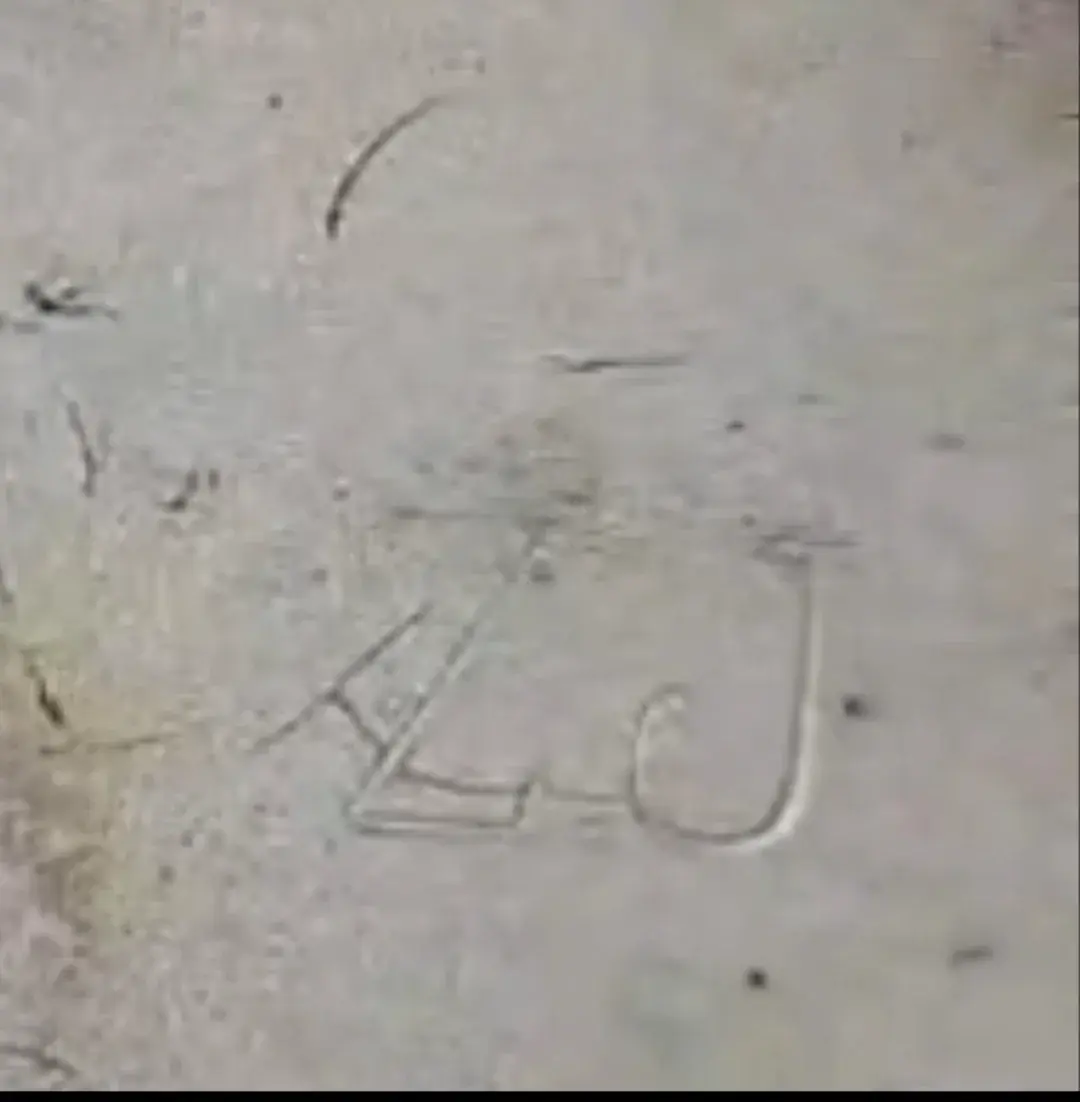
Some important details: dials with handwritten markings on the back are, in my experience, refinished 99% of the time. Why? Because the company that refinished these dials many years ago was not concerned with today's level of collecting and originality. Those markings were most likely used for internal control purposes, whether for tracking issues or for some other reason.

Also note that these are two dials from the same period but from different suppliers.

I could not find the manufacturer's mark on the refinished dial.

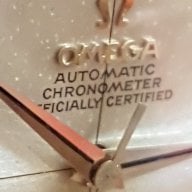
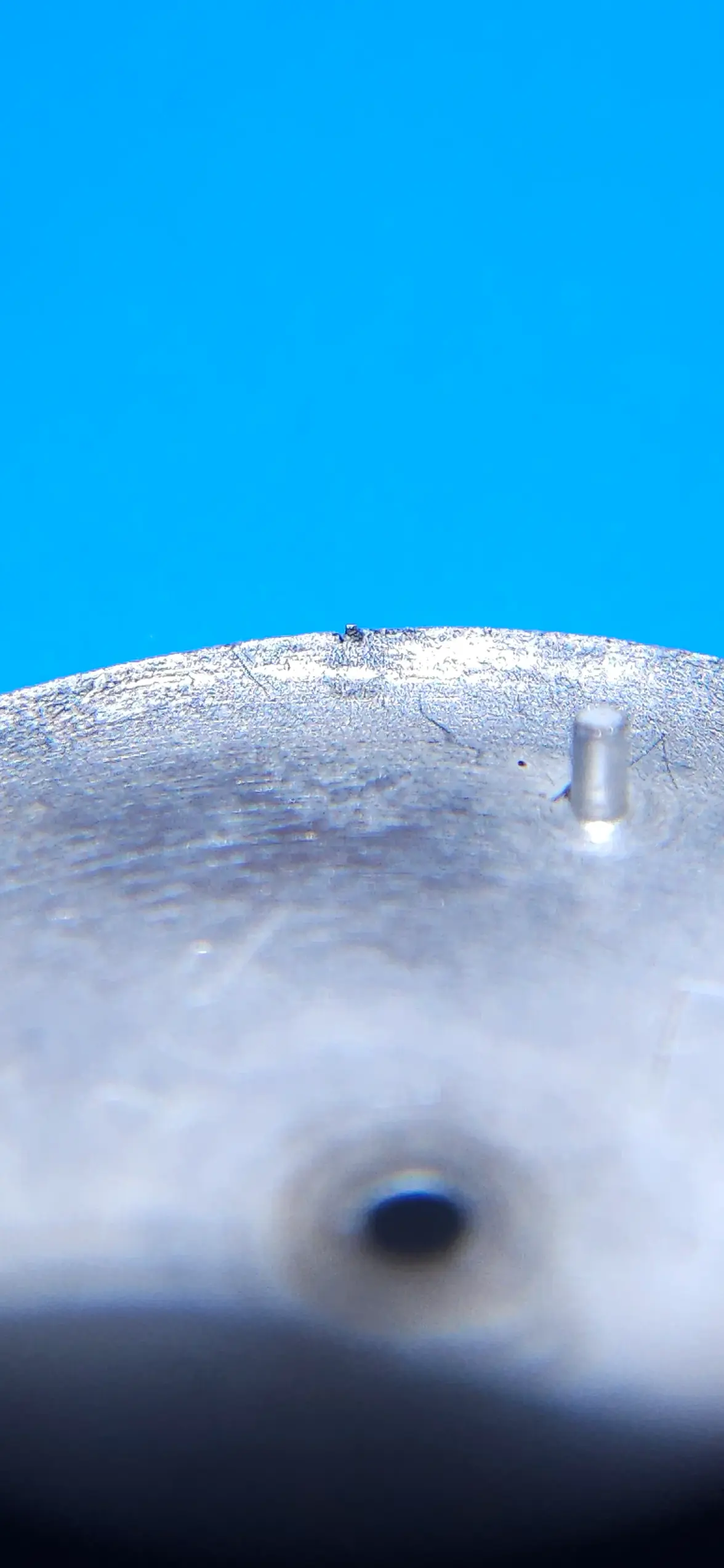
We can see that the mark at 12 o'clock is asymmetrical, with one side larger than the other, and it has an internal burr, suggesting that it was made with a file.

On the original dial manufactured by Z.J., this mark is rounded. Unlike the triangular shape produced by a file, it has rounded corners rather than sharp ones, and the surface of the groove is parallel to the surface of the bezel edge, indicating the same cutting angle.

I will leave the photos here for everyone's analysis and opinions.

The photos 2,3,4,5 are the refurbished dial.
Photo 6 the lower is the "original "
The others the original.

Note: None of my SINGER dials have this mark at the 12 o'clock position.
 
Posts
2,233
Likes
1,400
Really not sure on the the first dial you posted, but notch at 12 looked sort of rounded. Other dials pointed V notch. RG dial notched at 3. Companies tend to be consistent if notching a dial.

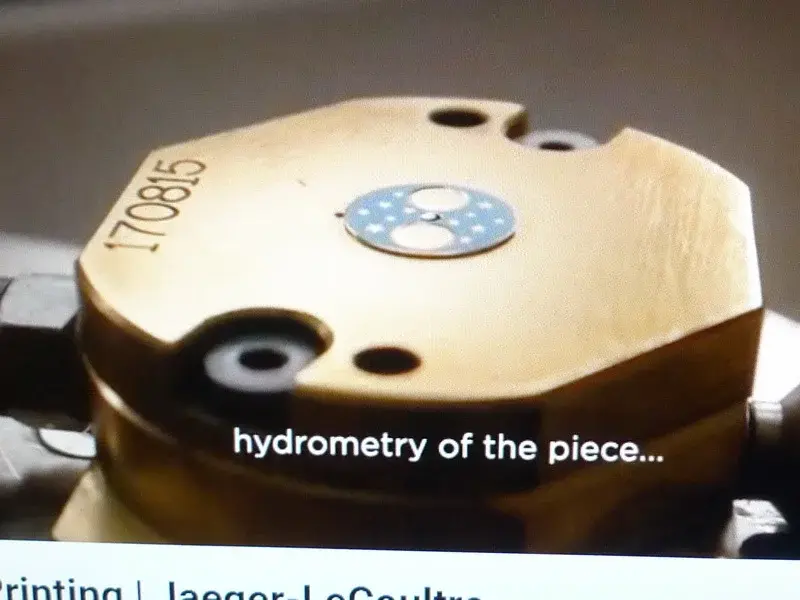
I watched a video on JLC pad printing and what I noticed was they used a jig to hold the moon phase dial. Numbered and heavy brass. Scoped and lined up. Pad printed. Removed and next dial placed.


Who ever did Omega dials. Would most likely also use a jig. They can't spend the time setting and resetting for each dial. Time consuming and a poor use of time

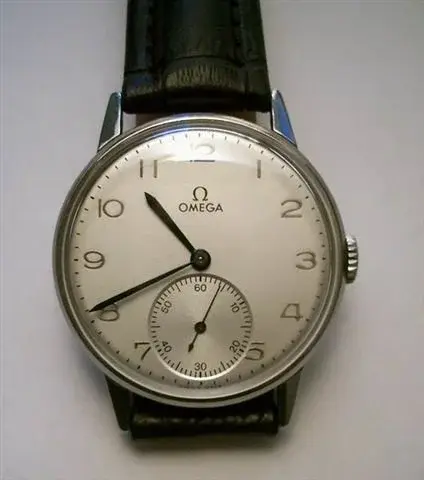
This was restored by refinisher back in 2003. 1MP camera.

Probably restored about 300 dials. Various companies as needed

Satin silver. Raised silver numbers. Blued steel pocket watch hands


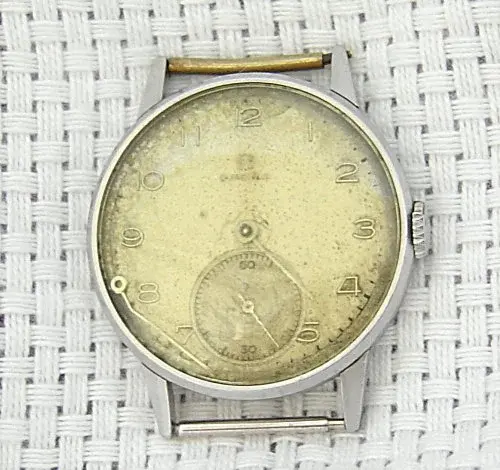
What it looked like when I got it.


DON
 
Posts
27
Likes
5
Really not sure on the the first dial you posted, but notch at 12 looked sort of rounded. Other dials pointed V notch. RG dial notched at 3. Companies tend to be consistent if notching a dial.

I watched a video on JLC pad printing and what I noticed was they used a jig to hold the moon phase dial. Numbered and heavy brass. Scoped and lined up. Pad printed. Removed and next dial placed.


Who ever did Omega dials. Would most likely also use a jig. They can't spend the time setting and resetting for each dial. Time consuming and a poor use of time

This was restored by refinisher back in 2003. 1MP camera.

Probably restored about 300 dials. Various companies as needed

Satin silver. Raised silver numbers. Blued steel pocket watch hands


What it looked like when I got it.


DON
Dear Mr. Don,

I didn't have time to remove the 1⁰ dial today, but I will do it tomorrow.

I believe the notch is rounded, just like the one on the 30T2 dial that I posted.

I am very curious about this subject because I had never really taken these marks into consideration when analyzing dials.

here, 99% of refinished dials have handwritten inscriptions on the back, so it is usually quite easy to identify them.

The restoration work on your watch is very good. Congratulations. Who made it?

Could you clarify something for me? It is difficult for me to tell from the photos.

Are the numerals bright silver with a black outline around them?
 
Posts
126
Likes
755
Hello everyone,

I am posting photos of two dials.

One was refinished a long time ago, while the other is believed to be original.

Please excuse the quality of the photos. It is very difficult to photograph these details at high magnification, and sometimes the images can be hard to interpret.

The dial on the right is the "original" one; the dial on the left is not.

Some important details: dials with handwritten markings on the back are, in my experience, refinished 99% of the time. Why? Because the company that refinished these dials many years ago was not concerned with today's level of collecting and originality. Those markings were most likely used for internal control purposes, whether for tracking issues or for some other reason.

Also note that these are two dials from the same period but from different suppliers.

I could not find the manufacturer's mark on the refinished dial.

We can see that the mark at 12 o'clock is asymmetrical, with one side larger than the other, and it has an internal burr, suggesting that it was made with a file.

On the original dial manufactured by Z.J., this mark is rounded. Unlike the triangular shape produced by a file, it has rounded corners rather than sharp ones, and the surface of the groove is parallel to the surface of the bezel edge, indicating the same cutting angle.

I will leave the photos here for everyone's analysis and opinions.

The photos 2,3,4,5 are the refurbished dial.
Photo 6 the lower is the "original "
The others the original.

Note: None of my SINGER dials have this mark at the 12 o'clock position.
I believe the font and logo on the left dial are original.
 
Posts
2,233
Likes
1,400
Dear Mr. Don,

I didn't have time to remove the 1⁰ dial today, but I will do it tomorrow.

I believe the notch is rounded, just like the one on the 30T2 dial that I posted.

I am very curious about this subject because I had never really taken these marks into consideration when analyzing dials.

here, 99% of refinished dials have handwritten inscriptions on the back, so it is usually quite easy to identify them.

The restoration work on your watch is very good. Congratulations. Who made it?

Could you clarify something for me? It is difficult for me to tell from the photos.

Are the numerals bright silver with a black outline around them?

This dial was done by the original owner of a company called DialCraft in Ontario. When both my watchmakers passed away in 2008. He retired and sold the business. I also stop restoring watches that same year.

Numbers are embossed on the dial. Not separate indexes. No outline. Just age through a eBay image.

The added services of the refinisher included refinishing and replacing of hands and all types of indexes (embossed, applied and engraved in dial minute dots.

Of the refinishers I used. I never checked to see if they marked the backs. Wasn’t anything of concern. Who was even going to pay attention once the watch was finished

DON
 
Posts
2,454
Likes
9,968
Hello, this thread was brought to my attention with the picture of my watch. Who is to say Omega didnt redo the dial or that a watchmaker notched it? Looks completely factory to me, just a moisture and radium cocktail.

I have a watch with a notched dial that, if redone, was surely done by Omega, it’s simply too perfect and with galvanic numerals to boot.

I’ll post a picture when I get a chance.
 
Posts
2,233
Likes
1,400
Hello, this thread was brought to my attention with the picture of my watch. Who is to say Omega didnt redo the dial or that a watchmaker notched it? Looks completely factory to me, just a moisture and radium cocktail.

I have a watch with a notched dial that, if redone, was surely done by Omega, it’s simply too perfect and with galvanic numerals to boot.

I’ll post a picture when I get a chance.
You do understand that even if Omega did refinish the dial. It's still a refinished dial
 
Posts
27
Likes
5
You do understand that even if Omega did refinish the dial. It's still a refinished dial
Now we are entering an almost philosophical discussion.

If we have a product (a watch) that requires parts to be replaced or components to be restored in order to function properly, should we consider that depreciative to the watch, even if original factory parts are used?

Therefore, even a dial refinished by the watch manufacturer itself, using the same techniques, the same printing plates, and the same processes—would it no longer be considered original simply because it was done at a later date?

Does it then become something inferior because it can never be "original"?

We are not talking about a historical museum piece. We are not talking about an artifact from the Roman Empire or an archaeological discovery.

We are talking about a mechanical instrument produced by a company that still exists and continues to provide parts and services.

If the manufacturer changes the fonts, graphics, colors, or other details, then of course it is no longer identical to the original.
 
Posts
6,535
Likes
10,080
There’s nothing philosophical about the discussion.
If the manufacturer replaces the dial it is a ‘service dial’. (Later service dials are usually slightly different to the originals)
If the manufacturer has the dial refinished it is a redial (they generally don’t have the same pads for printing and send them out for the work and they are never the same as the original)

Either way, the watch is no longer original and ( no matter how good a job) will be deemed ‘lesser’ in the watch collecting community.
 
Posts
2,233
Likes
1,400
Now we are entering an almost philosophical discussion.

If we have a product (a watch) that requires parts to be replaced or components to be restored in order to function properly, should we consider that depreciative to the watch, even if original factory parts are used?

Therefore, even a dial refinished by the watch manufacturer itself, using the same techniques, the same printing plates, and the same processes—would it no longer be considered original simply because it was done at a later date?

Does it then become something inferior because it can never be "original"?

We are not talking about a historical museum piece. We are not talking about an artifact from the Roman Empire or an archaeological discovery.

We are talking about a mechanical instrument produced by a company that still exists and continues to provide parts and services.

If the manufacturer changes the fonts, graphics, colors, or other details, then of course it is no longer identical to the original.
If you replace a bridge with an identical bridge. That is not a problem as nothing in the part has changed.

However. If you replace a bridge with a serial number with the same bridge, but different serial number. Then that is not original.

This is why in rare cars. They talk about an all numbers matching car.

If your watch goes back for restoration and they refinish the dial. It’s no longer original. Even if they use the same die and paint colour. The original has been removed.

Would a watch maker send older 1940’s or 50’s dials to Omega during that period of use someone local?
 
Posts
27
Likes
5
If you replace a bridge with an identical bridge. That is not a problem as nothing in the part has changed.

However. If you replace a bridge with a serial number with the same bridge, but different serial number. Then that is not original.

This is why in rare cars. They talk about an all numbers matching car.

If your watch goes back for restoration and they refinish the dial. It’s no longer original. Even if they use the same die and paint colour. The original has been removed.

Would a watch maker send older 1940’s or 50’s dials to Omega during that period of use someone local?
Let's agree regarding the replacement of parts. I do believe that numbered parts should not be replaced.

As for the dials, let's keep the discussion on a technical level.

Let us assume that the manufacturer still has the original printing plates and that the manufacturing materials would essentially be the same: silver or gold plating, brushed finishes, paints, and varnishes.

In that case, the dial would come out exactly as it did on the day it was originally manufactured.

And since the work would be performed by the manufacturer itself, I do not see an authenticity issue if it is done by the factory.

However, it would have to be done using the original printing plates and specifications.

On the other hand, if an external supplier refinishes the dial, even if the result is extremely well executed and visually perfect, I agree that it is no longer original.
 
Posts
27
Likes
5
Really not sure on the the first dial you posted, but notch at 12 looked sort of rounded. Other dials pointed V notch. RG dial notched at 3. Companies tend to be consistent if notching a dial.

I watched a video on JLC pad printing and what I noticed was they used a jig to hold the moon phase dial. Numbered and heavy brass. Scoped and lined up. Pad printed. Removed and next dial placed.


Who ever did Omega dials. Would most likely also use a jig. They can't spend the time setting and resetting for each dial. Time consuming and a poor use of time

This was restored by refinisher back in 2003. 1MP camera.

Probably restored about 300 dials. Various companies as needed

Satin silver. Raised silver numbers. Blued steel pocket watch hands


What it looked like when I got it.


DON
Dear Mr. Don,


Would you happen to have an idea of how much a service like the one performed on your watch cost?

I found the result spectacular.

I took the two images that you posted and, using an imaging application, overlaid them to check the accuracy of the work.


The level of precision is remarkably good.

Fúlvio
 
Posts
6,535
Likes
10,080
As for the dials, let's keep the discussion on a technical level.

Let us assume that the manufacturer still has the original printing plates and that the manufacturing materials would essentially be the same: silver or gold plating, brushed finishes, paints, and varnishes.

In that case, the dial would come out exactly as it did on the day it was originally manufactured.
That is what we are saying - they don't - and in fact they never did, as Omega outsourced the dial manufacturing in the first place.

Omega stocked replacement dials - from their suppliers.
In the short term they would have been identical to the originals.
However, in the medium to long term, they stocked replacement dials that were 'a bit like' the originals - i.e. no longer indistinguishable from the original.

On the other hand, if an external supplier refinishes the dial, even if the result is extremely well executed and visually perfect, I agree that it is no longer original.
This is it in a nutshell - but they are never (ever) visually perfect - although some of the Vietnamese offerings are becoming pretty damned close nowadays.
 
Posts
29,951
Likes
77,435
In that case, the dial would come out exactly as it did on the day it was originally manufactured.

And since the work would be performed by the manufacturer itself, I do not see an authenticity issue if it is done by the factory.
That is never the case, but even if it was the dial is not original anymore.

Is it authentic? I guess so depending on what you mean by that, but it is certainly no longer original.
 
Posts
2,935
Likes
4,672
Back in the 1990s I was unhappy with a refinished dial.

I thought I could do it myself. Took jewelry classes, was able to visit Switzerland and talk to people there, see the setups. At the time I was working for Apple, testing laser writer fonts. So I had access to a lot of resources. Matching even then was beyond difficult.

That was in the 1990s. Now it is the late 2020s. I still have not made a decent dial.

The main issue is that copying a dial is counterfeiting. Plain and simple. The process is similar to that which is used to create currency.

For dials made after say 1992 or 1993 a different process has been used. Probably as a result of the quartz crisis. Quartz watches and similar cased mechanicals from the 1980s also have this different type of dial, which was probably the result of an automated production line.

I also notice outside of some watches like speedmaster and say rolex, No two dials are exactly the same. Look at all the threads on identifying seamaster and constellation fonts.

My guess is that the system at the time had to account for the high attrition rates the hand processes entailed. I saw the bone piles in the back of some of the manufactures I visited.

By the early 1990s much of this was automated. There was also a shift to a consistency in branding which follows the western ideas of intellectual property rights.
 
Posts
2,233
Likes
1,400
Dear Mr. Don,


Would you happen to have an idea of how much a service like the one performed on your watch cost?

I found the result spectacular.

I took the two images that you posted and, using an imaging application, overlaid them to check the accuracy of the work.


The level of precision is remarkably good.

Fúlvio

He was probably the best in North America. He was from Germany. Maybe that’s where he learned.

Cost to do the dial and insured s/h back. About $67.00 Canadian, but that was 2005.
 
Posts
27
Likes
5
He was probably the best in North America. He was from Germany. Maybe that’s where he learned.

Cost to do the dial and insured s/h back. About $67.00 Canadian, but that was 2005.
Unfortunately, the best craftsmen are disappearing. There used to be a very good company here. The owner passed away, and his children ran the business into the ground and eventually closed it. Another company emerged, formed by former employees. However, without the original mastermind behind it, they are simply not capable of producing high-quality work. They make some truly glaring mistakes. Once, I sent them a inner ring from a Seiko Belmatic to have the scales engraved. They got the fonts wrong, the centering was incorrect, and they even got the number of divisions wrong. Terrible. Is there anyone good in the United States or Canada?
 
Posts
2,233
Likes
1,400
Unfortunately, the best craftsmen are disappearing. There used to be a very good company here. The owner passed away, and his children ran the business into the ground and eventually closed it. Another company emerged, formed by former employees. However, without the original mastermind behind it, they are simply not capable of producing high-quality work. They make some truly glaring mistakes. Once, I sent them an inner ring from a Seiko Belmatic to have the scales engraved. They got the fonts wrong, the centering was incorrect, and they even got the number of divisions wrong. Terrible. Is there anyone good in the United States or Canada?
My guy sold the business and vintage dealers are using the new guy. Not sure on price as I stop restoring when my watch makers passed away, dial refinisher retired, prices of omegas went way up and other watch makers charged a lot more than mine.

In Ontario it’s Dialcraft. They have a site

I used two finishes mainly. Satin sliver and satin silver old. Second has a tinge to make it look a touch aged. If he uses those same names

DON