
- Posts
- 1,449
- Likes
- 1,323
tomvox1
·Indeed. I have always suspected an OMEGA with a flat-top A to be a sign of a redial.

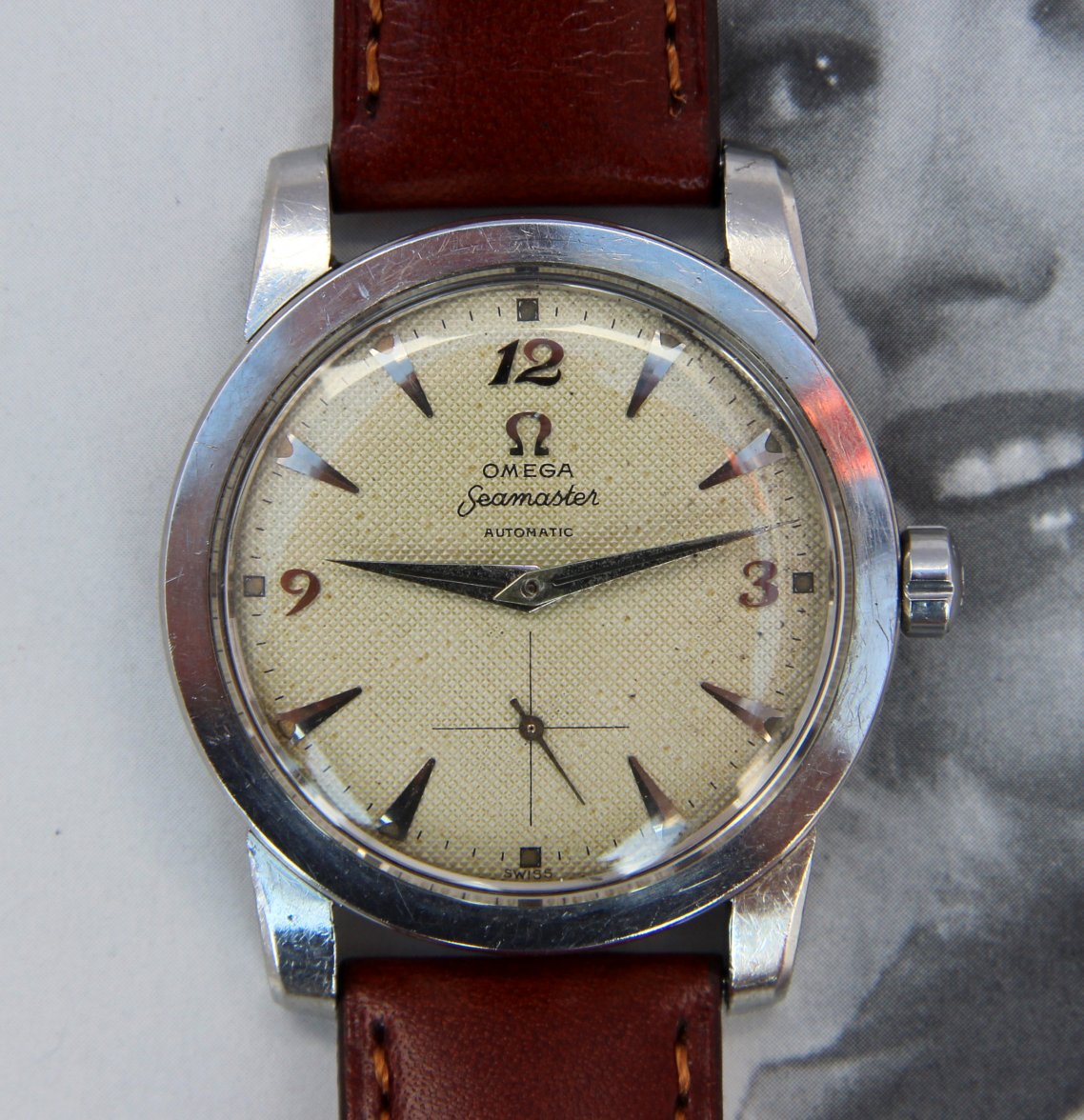
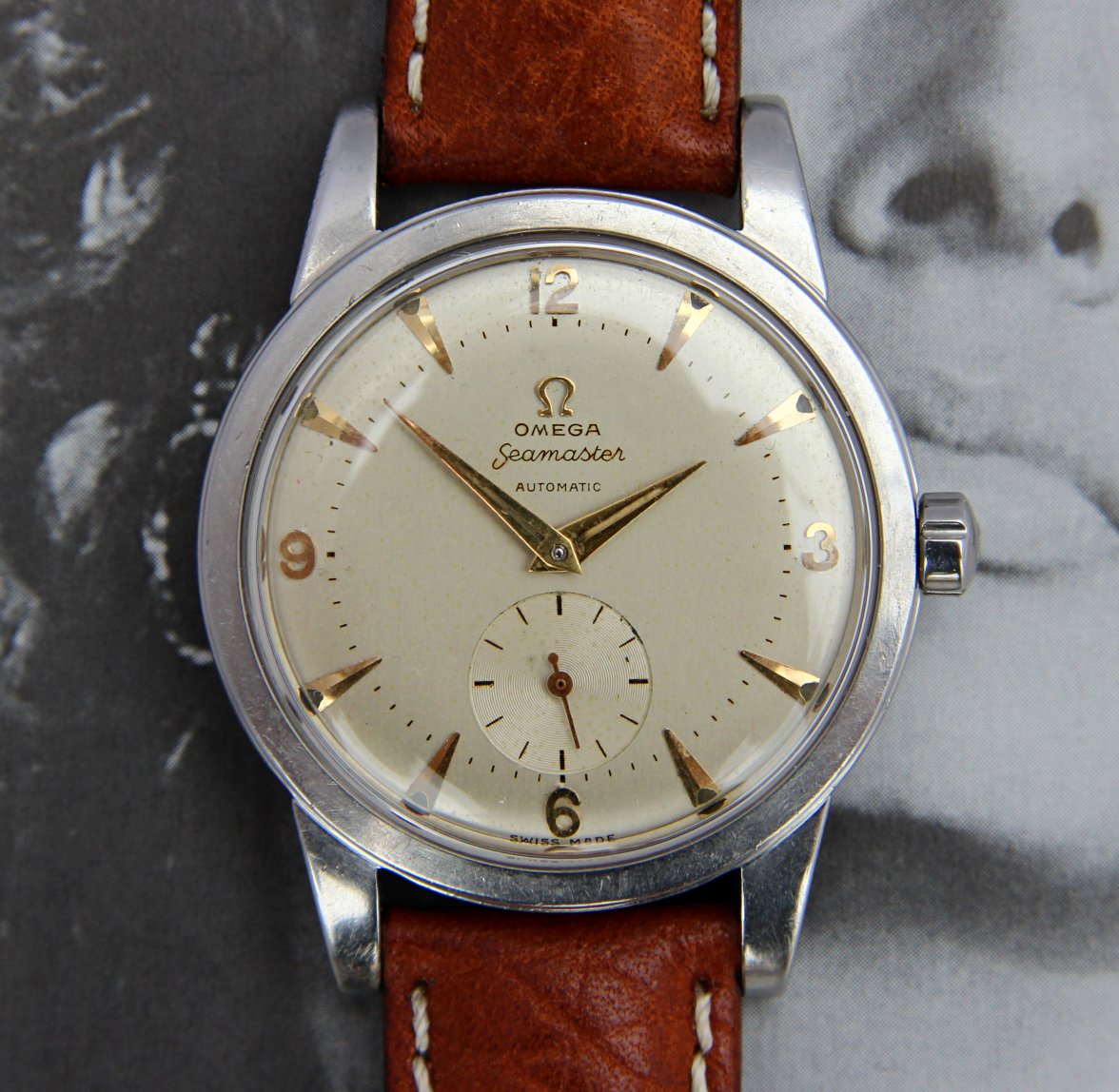
😉
Best,
T.
Please consider donating to help offset our high running costs.
Indeed. I have always suspected an OMEGA with a flat-top A to be a sign of a redial.

Sometimes it's hard if you can see or spot some things and are hated for this. Better to pretend being blind and don't worry? No.
Don't be so suspicious. 😉

I feel sad you feel so.
A live comment is not always taking the easy way and telling the truth hurts sometimes.

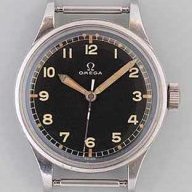
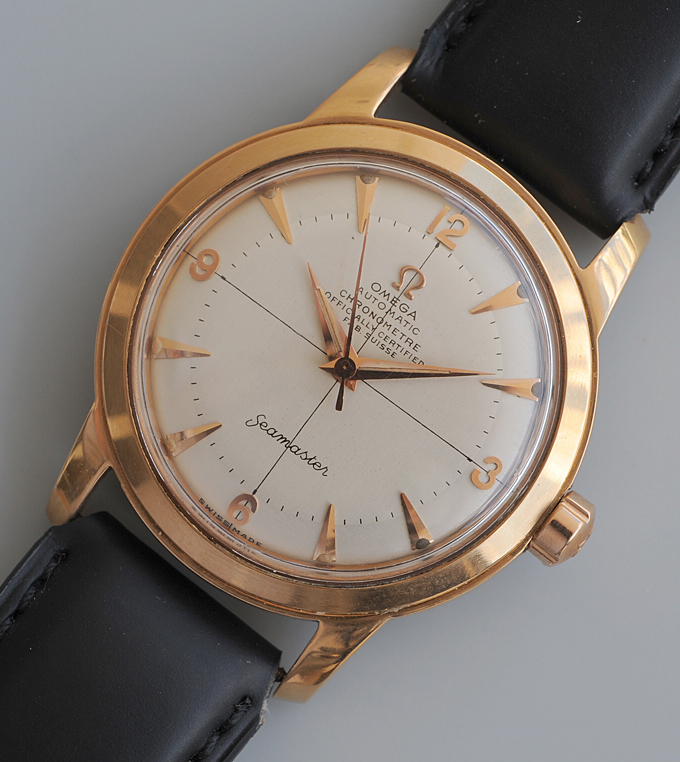
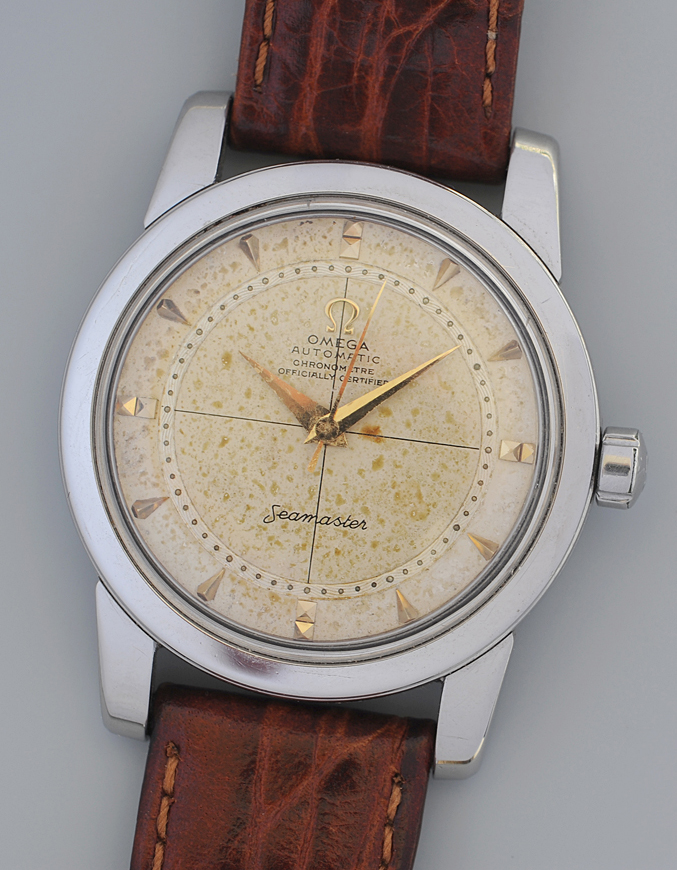
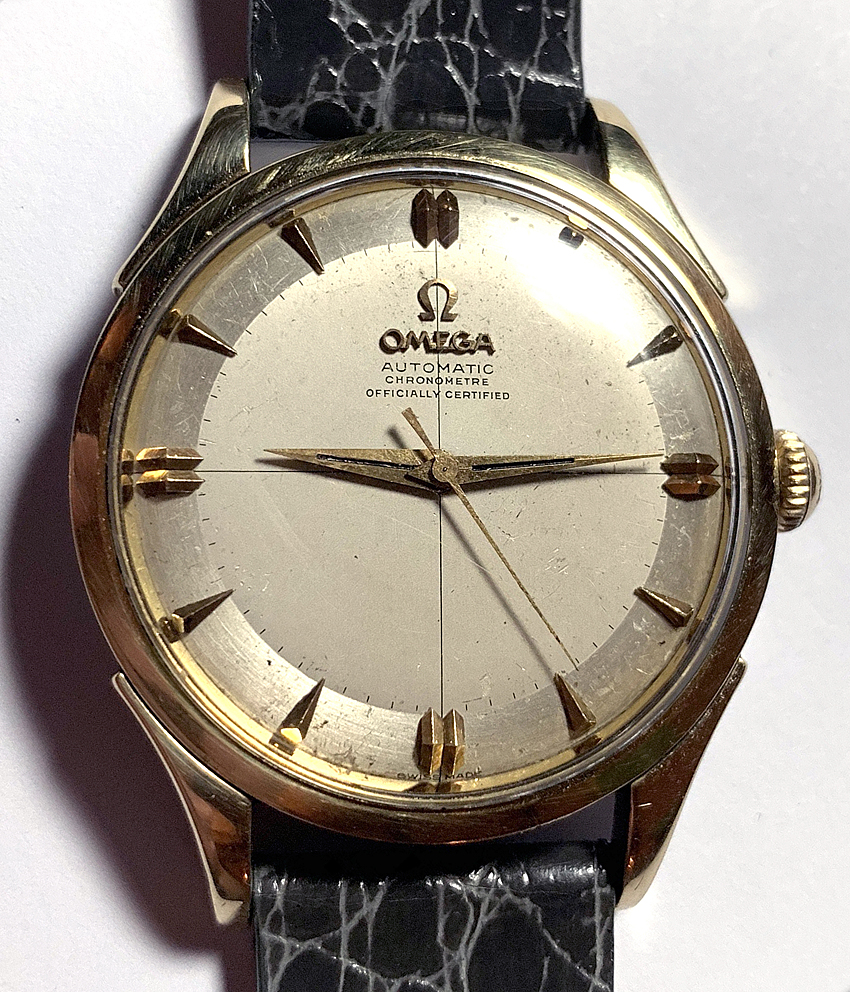
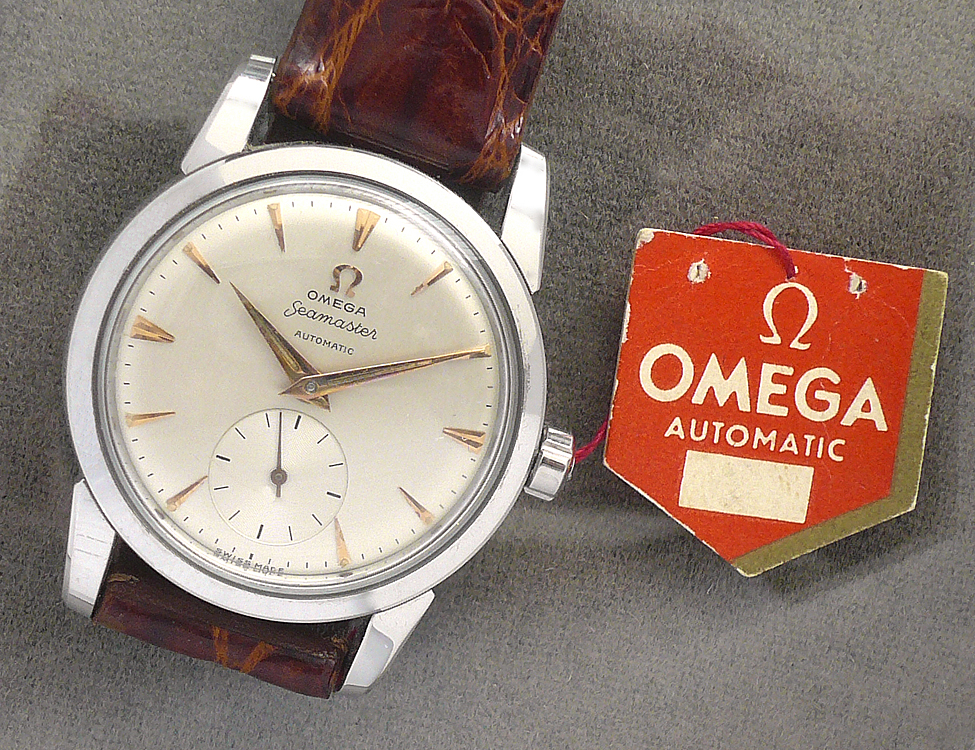
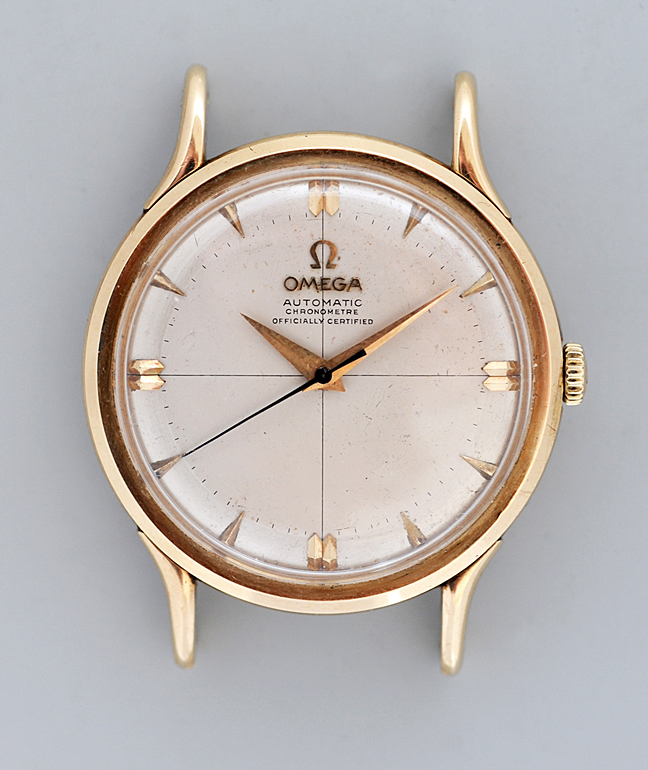

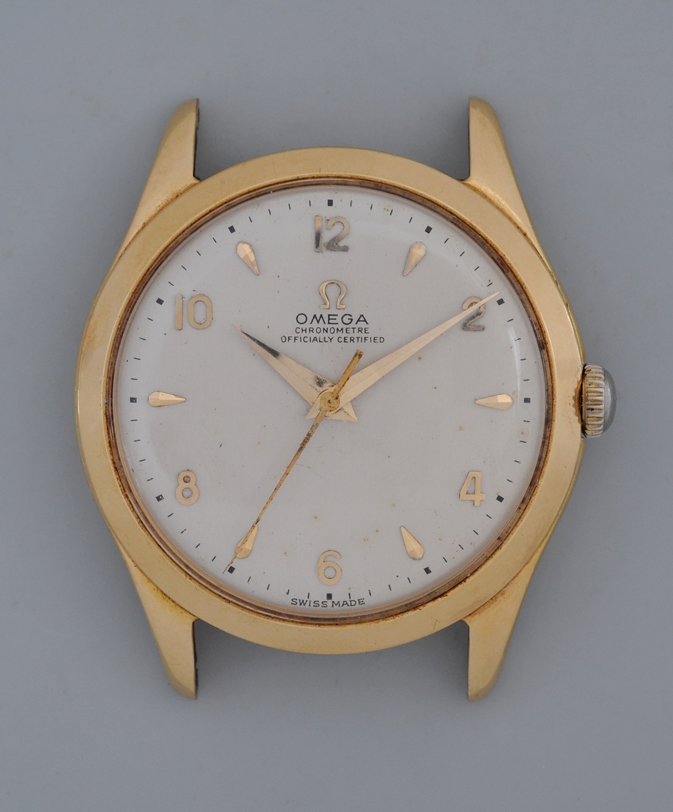
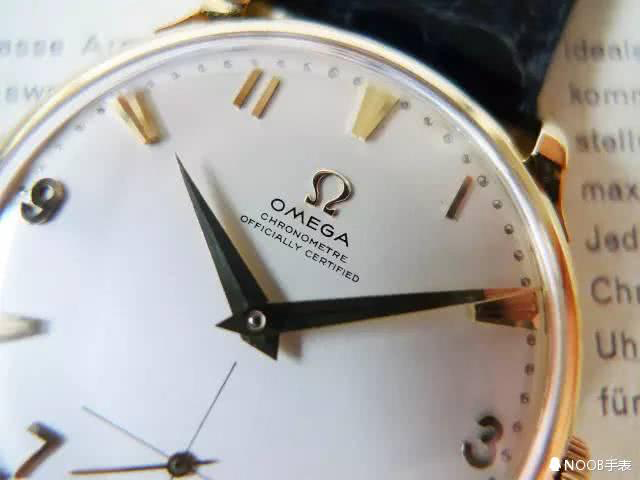
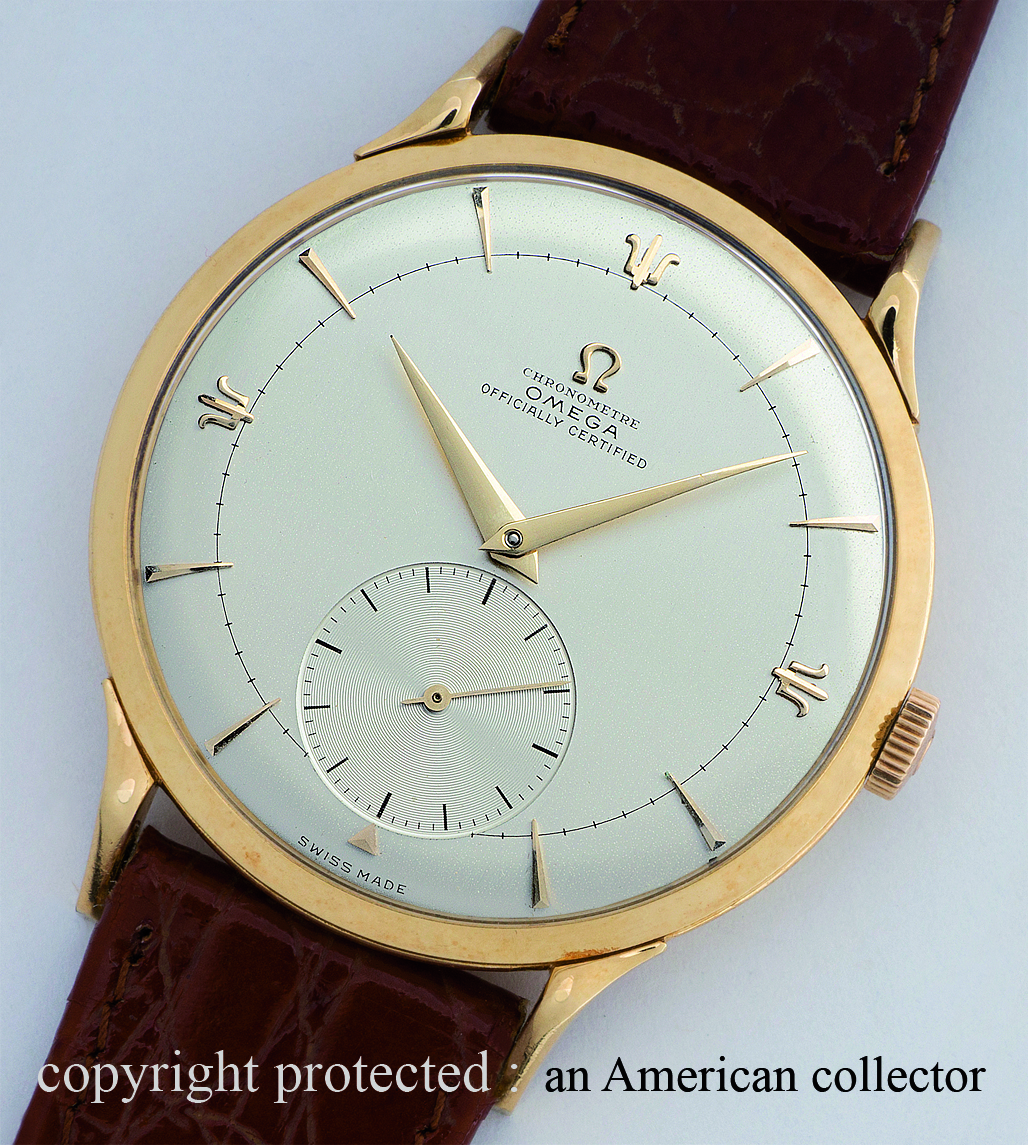

Hello fellow experts 😎
I am a bit late to the party as usual (time difference and lazy during shut down...)
..................................................
I have the feeling that there is a lot of nitpicking when it comes to assess vintage dials............................................etc etc.
I hope you all keep safe and I wish you relaxing Easter holidays
Erich

@ChrisN @KingCrouchy @efauser
Thank you for your open words.
I'll try to be more careful with my statements, while looking forward to Teerapat's next dial sensations.

@mac_omega Amazingly good info -- thank you very much.
One final (maybe?) point:
Omega's fine after sales service in Bienne has always kept a remarkably large stock of NOS dials, or at least the capacity to manufacture them upon demand, for many of the models they made in case of client needs and/or when they determined a dial needed to be replaced. So out of sequence fonts (if that's what the experts think they are) or anomalous surface finish could be attributable to the watch getting a service at some later date and Omega popping a new dial in the watch (for example, a 1950s watch potentially getting serviced in the '70s or '80s).
Again, examining the rear of the dial in question would be valuable in this regard, as well, as someone (certainly not me! 😉) might actually know the chronology of Omega dial suppliers and be able to make a determination about chronology from the signature/hallmarks on the back of the dial plate.
Cheers & stay safe,
T.
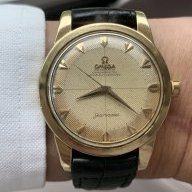
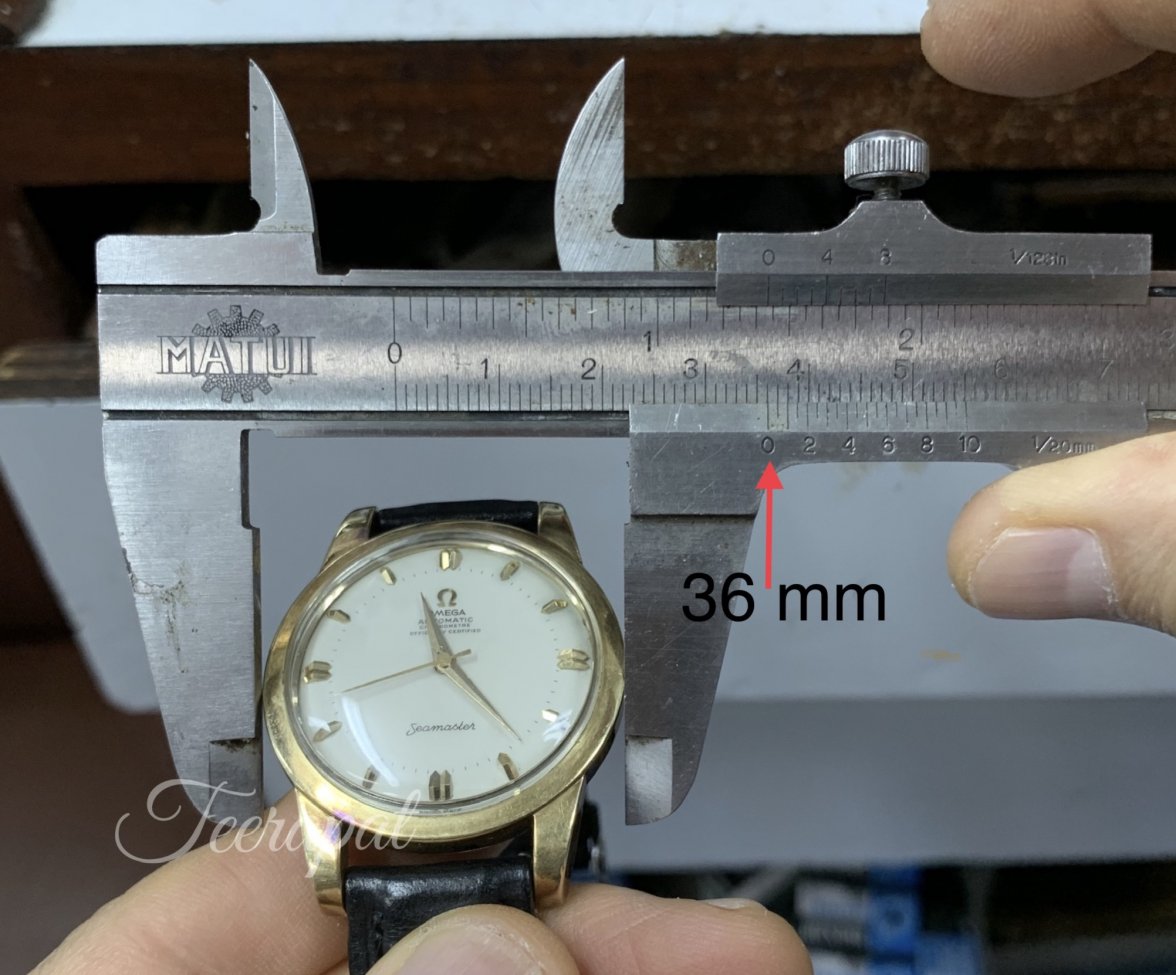

Hi,
Original ?
I think it 1) is a replacement Dial due to the fact that the Omega sign has a newer style and/or 2) the Dial has been refinished (the Hour marks are not nicely installed and it is also too clean) and/or 3) it is from a later era (number is almost 15.000.000). The word Chronometre should line-up between 'Automatic' and 'Officially certified', but: I have seen it once or twice (newer bumpers).
Rare ?
Normal movement for a 2521 case should be a 352 movement, but I also see a lot of 354 chronometres in other cases were a 352 should have its place. All Seamaster Chronometre version are rarer than the non-chronometre versions and this is also a matter of the later Chronometer-version.This is different for the constellations they all are chronometres. A 2521 case is also rarer and bigger than a 2577 chronometre version.
Issues ?
Is your locking plate installed properly? There is a gap between the Dial and ring (picture 1+3).
Is your caseback original? It says: the entire case is made of Stainless steel, but your case isn't.
Kind regards,
Eric
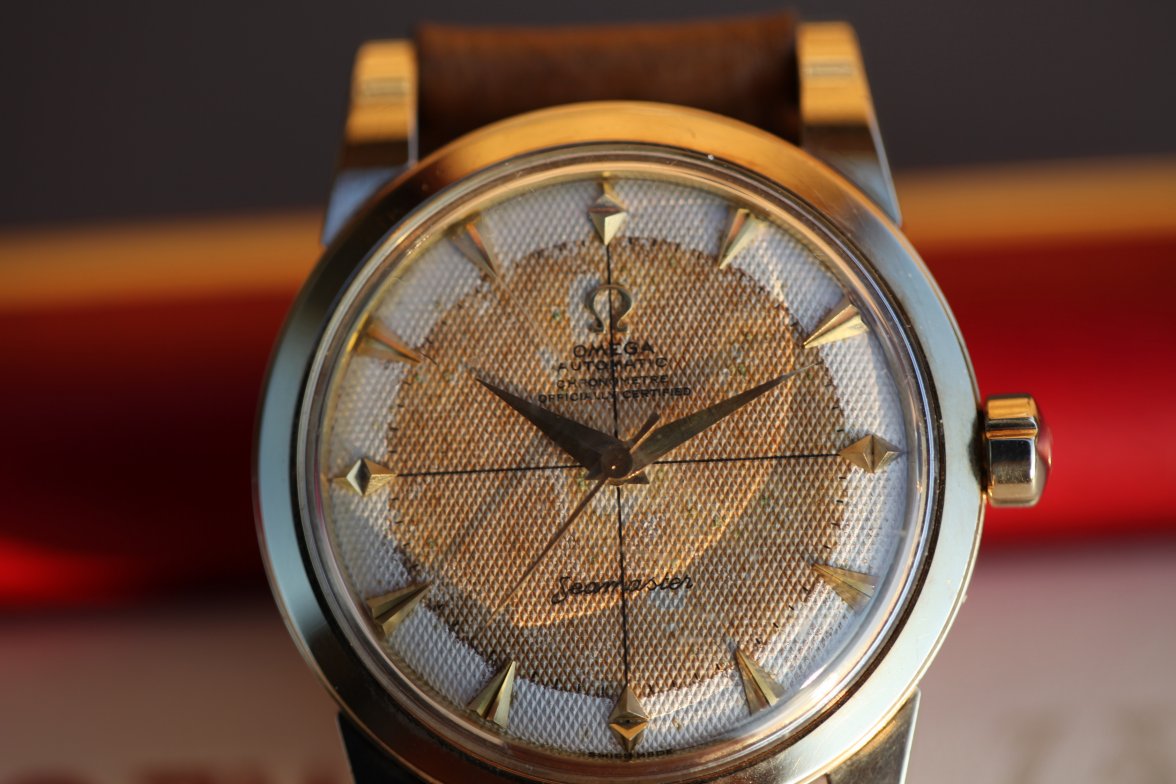
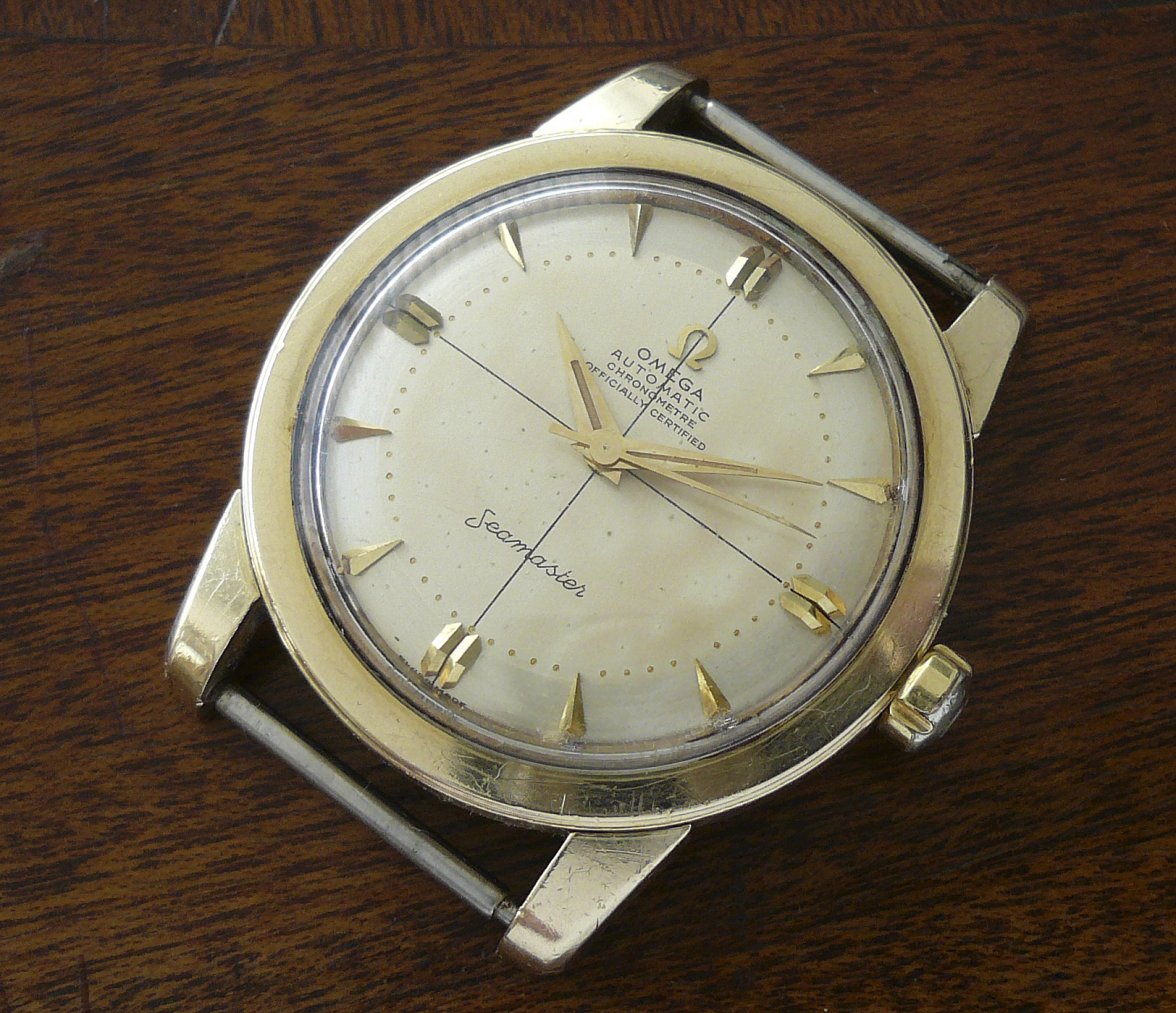
In reply to your question on Tuesday, I have found a Seamaster with the same Chronometremetre style (354 in 2577 14K.) in my collection 😬:
Kind regards,
Eric
Exactly the same?
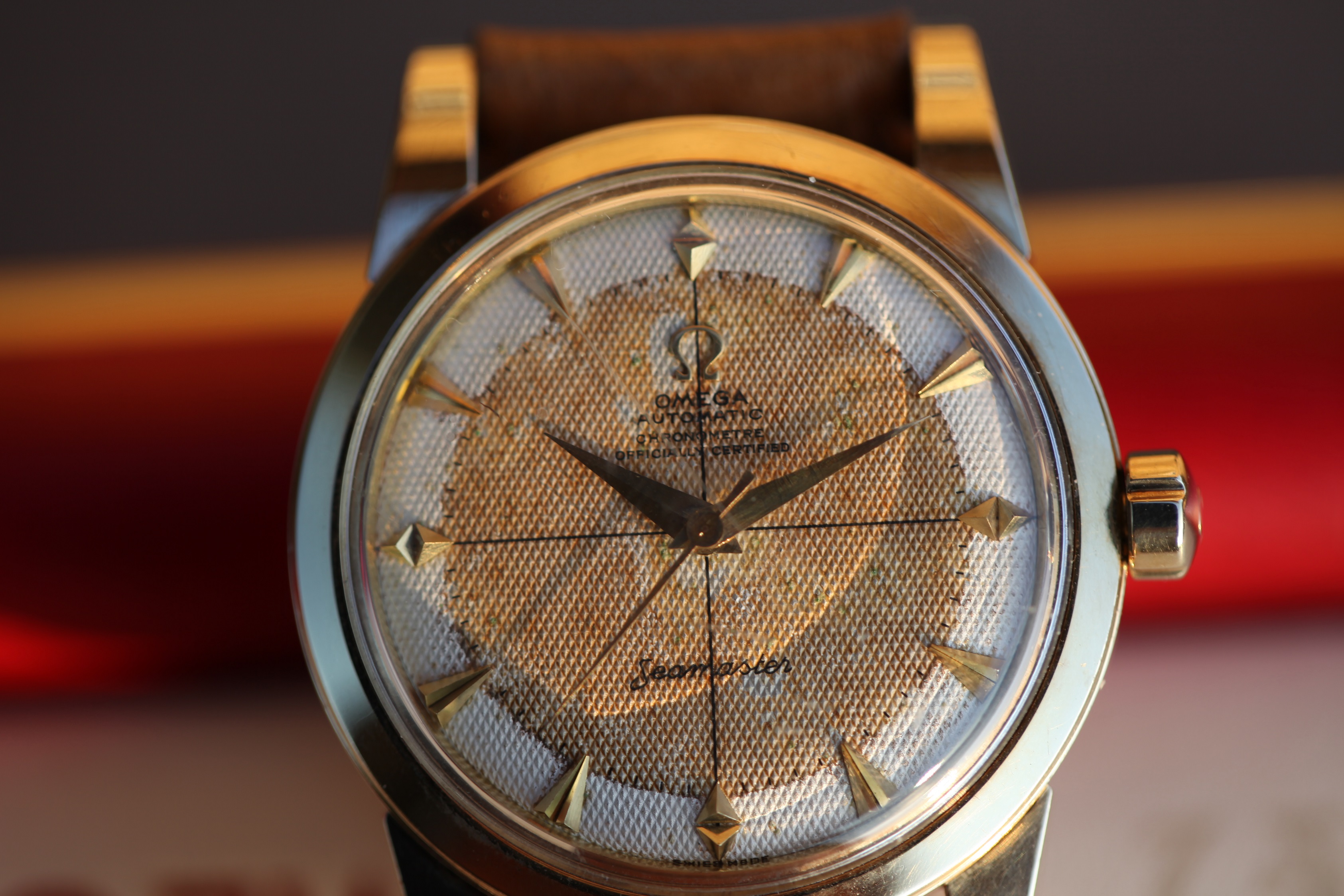
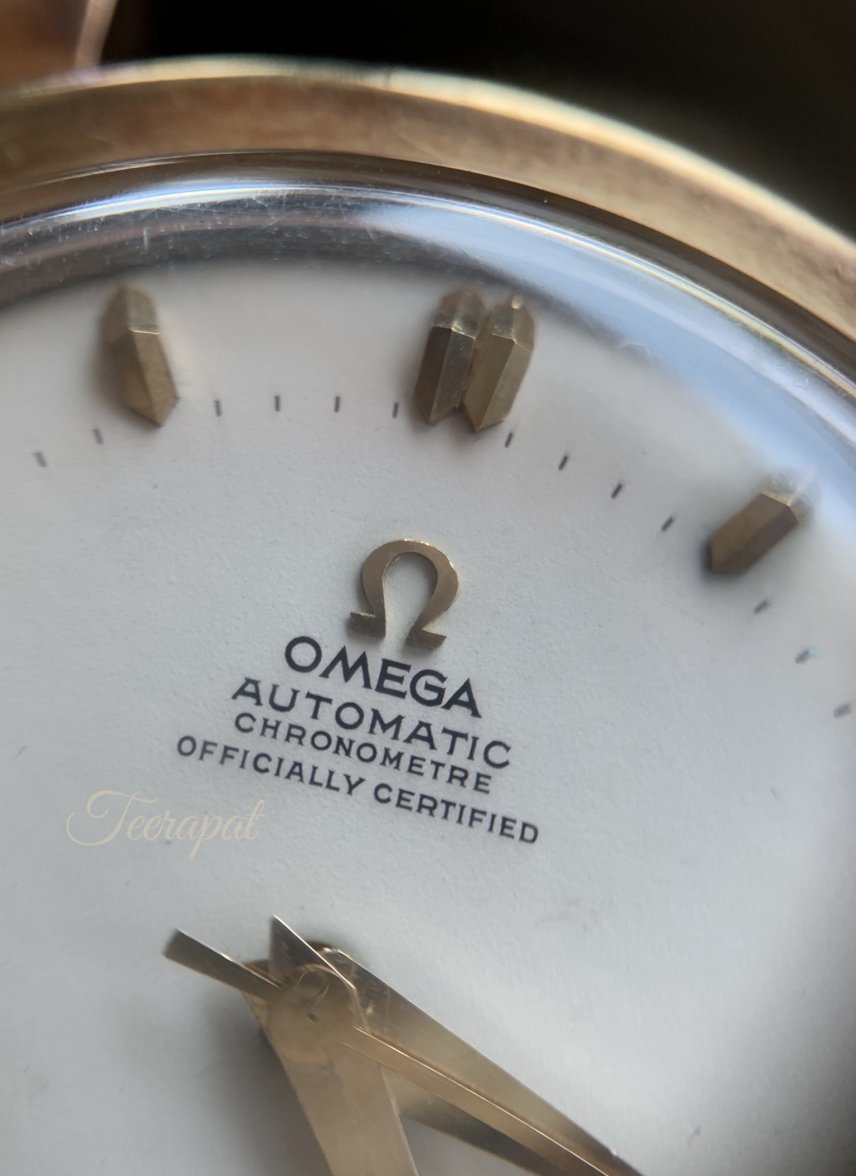
P.S.: I'm not sure if I like the alignment of the 12 o'clock markers in Teerapat's picture...


I stopped reading this for a few days but, I couldn't have put it better than Erich anyway.
Unblocking my "ignore user" list temporarily, I see that the misalignment of the 12 markers has been pointed out - one is higher than the other. I can say that I noticed this immediately as it is a feature I've seen a few times on dials in this style of this era. I specifically do not point this out to my customers once seen as "once seen etc". I checked these dials and they showed no indication of the markers having been removed and reapplied plus the dials showed as original under a 40x microscope. With the dial removed, it's obvious why the markers appeared misaligned and I've only seen it on these double marker dials - you don't see it in normal use, in my opinion.
Cheers, Chris


