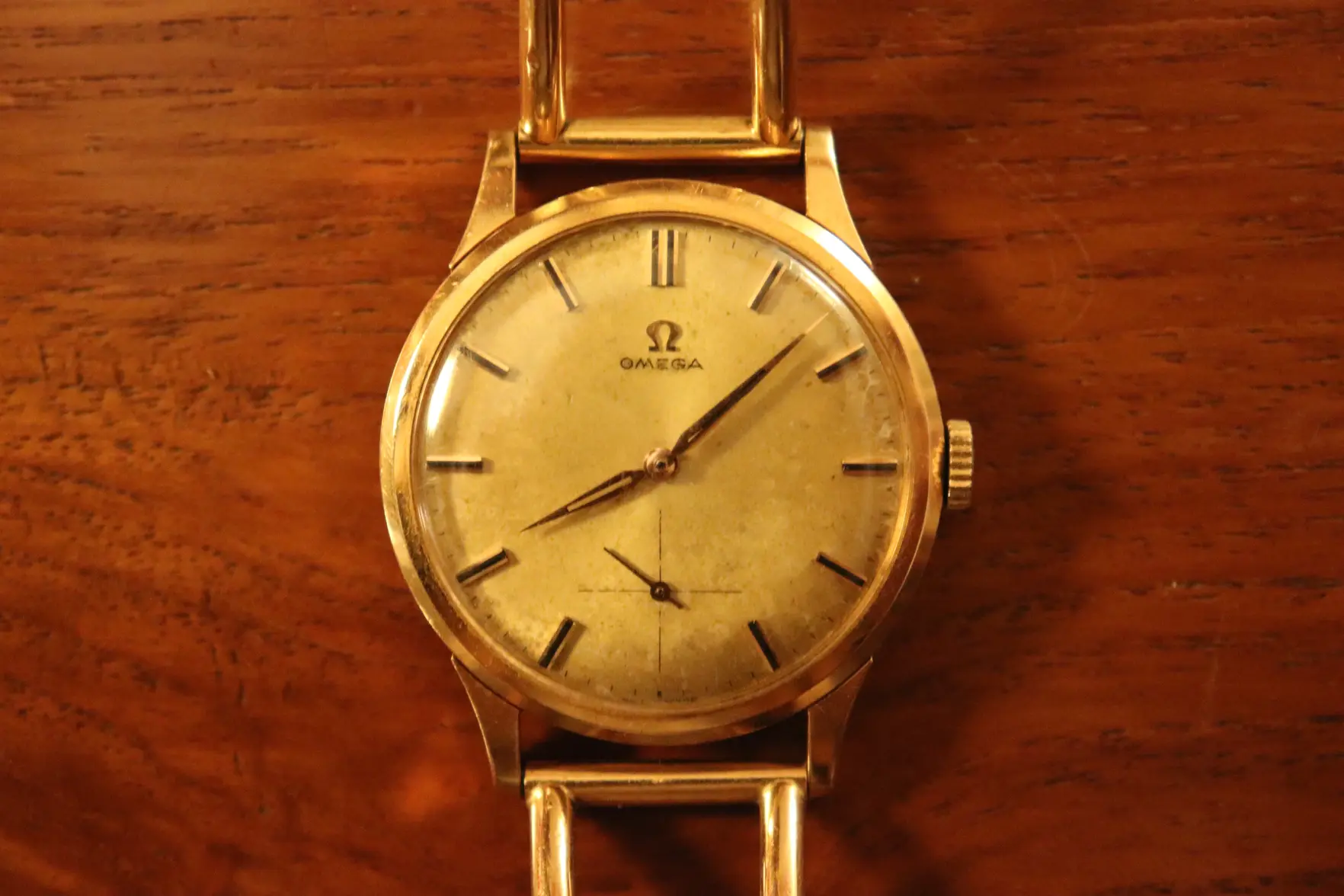
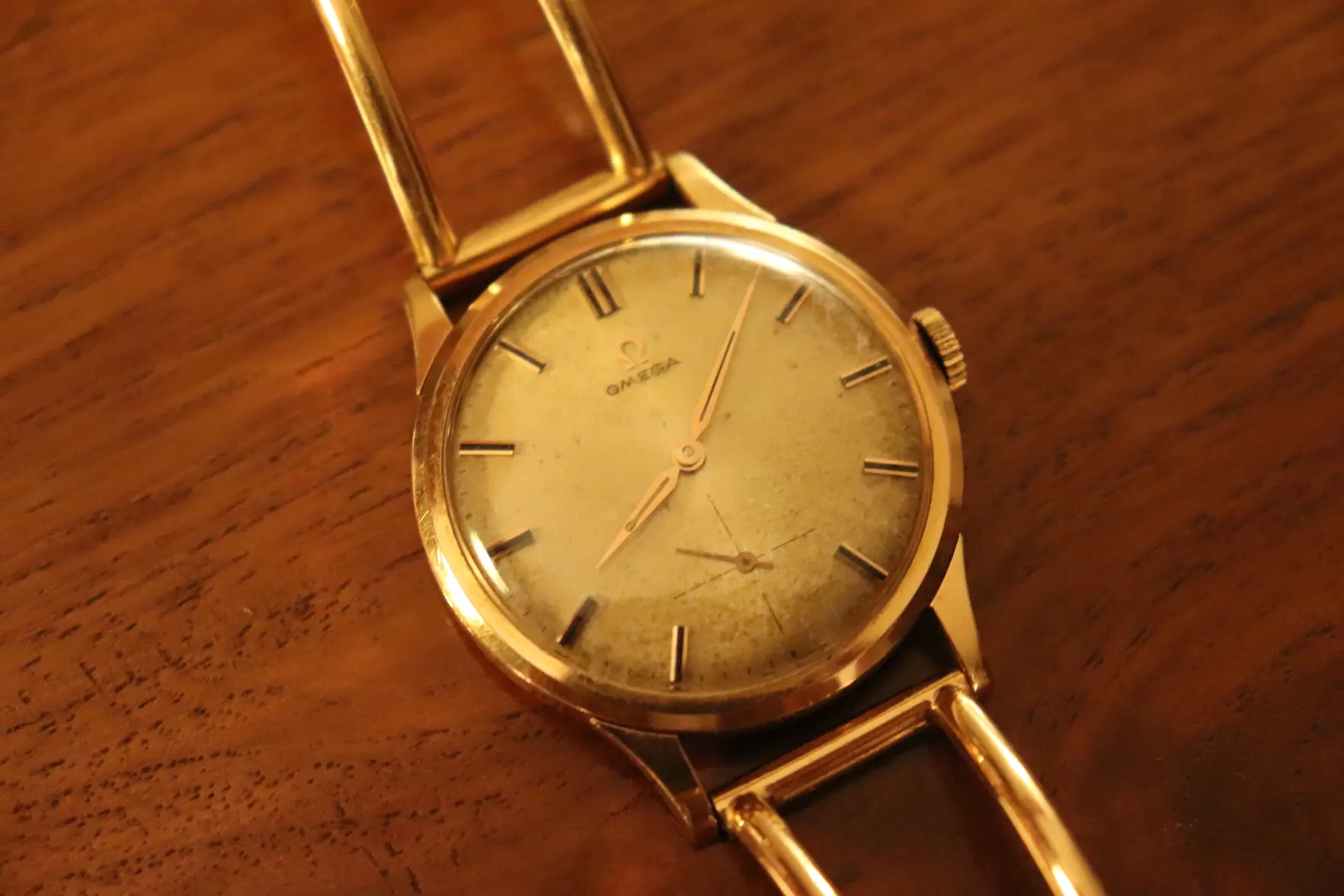
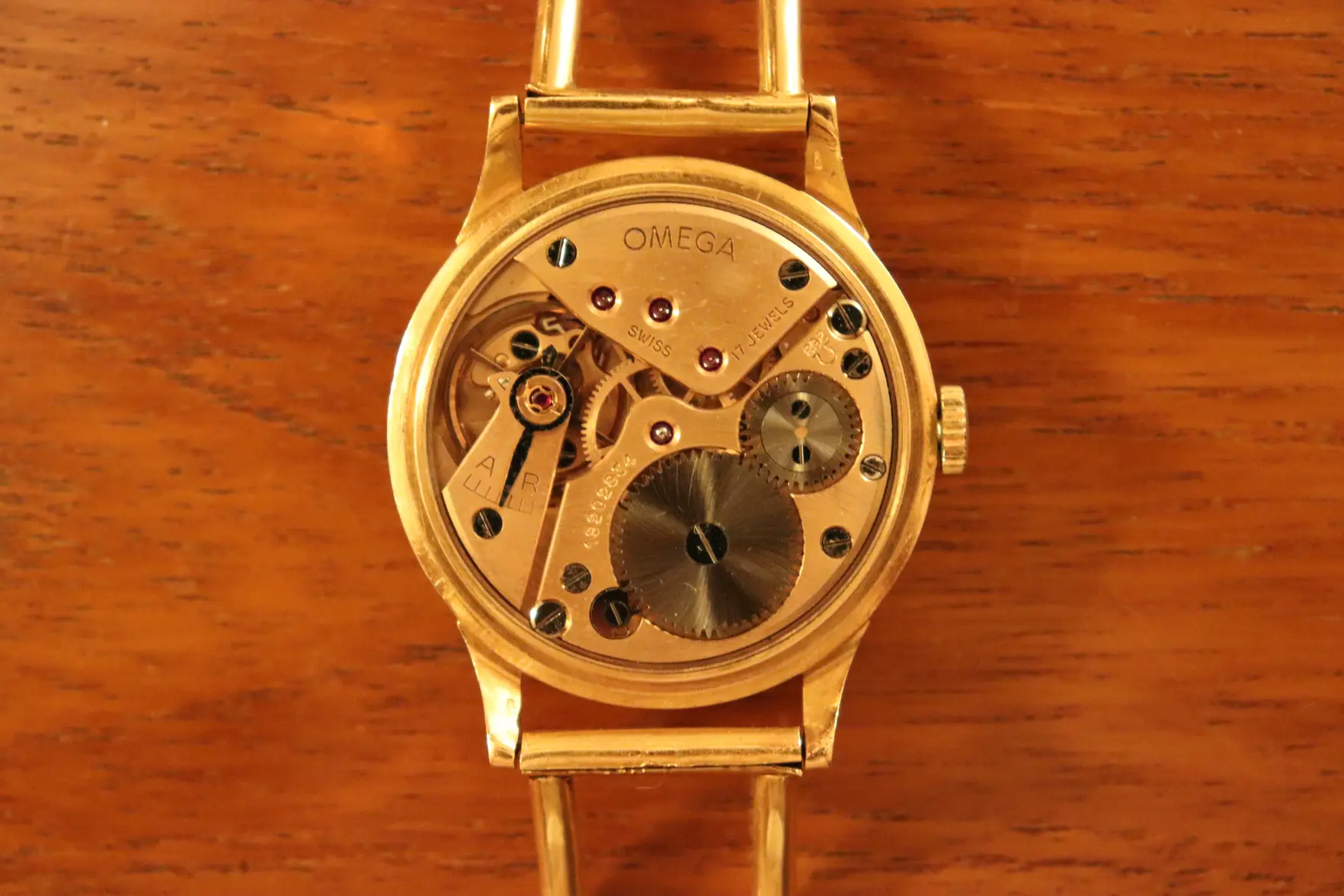
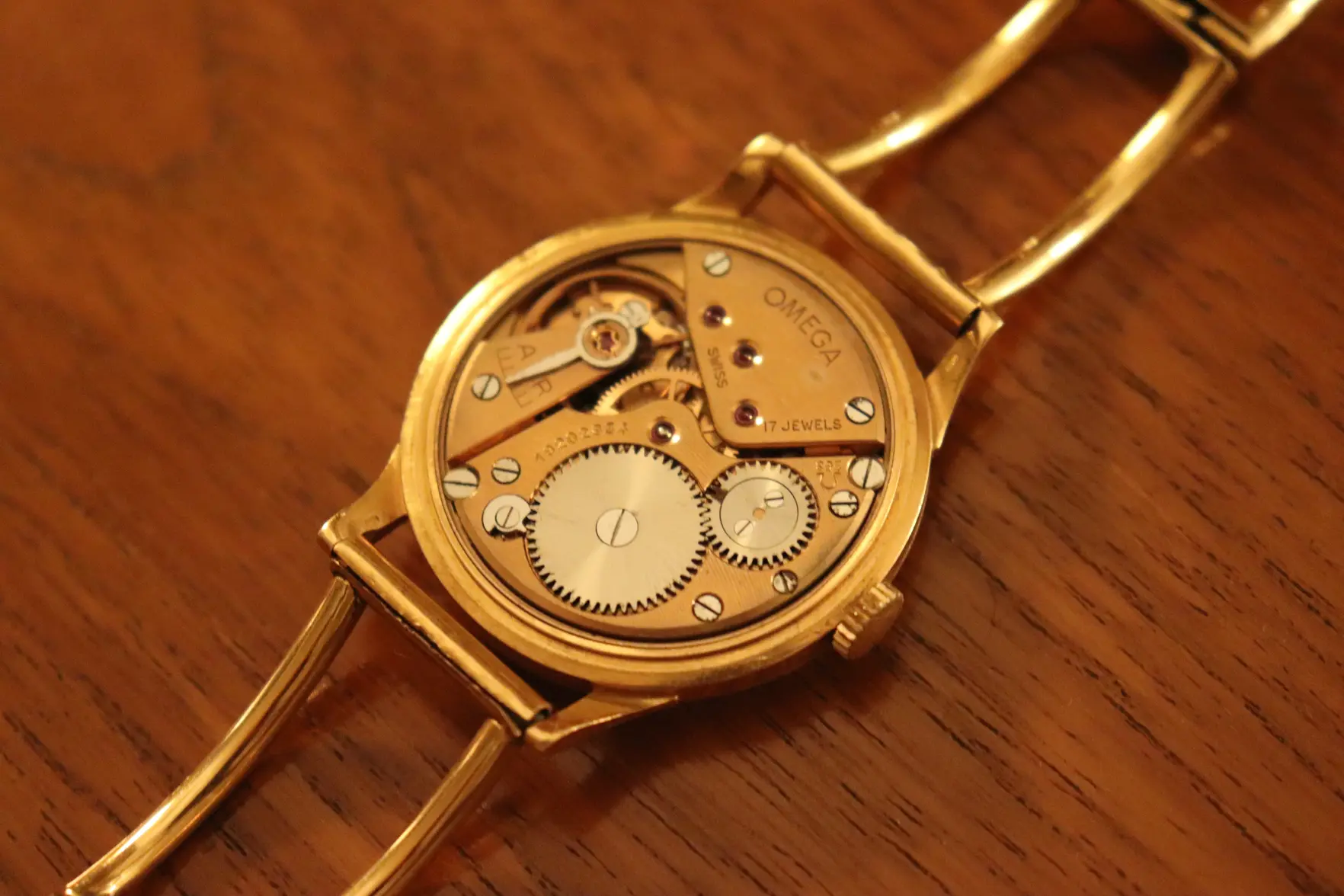
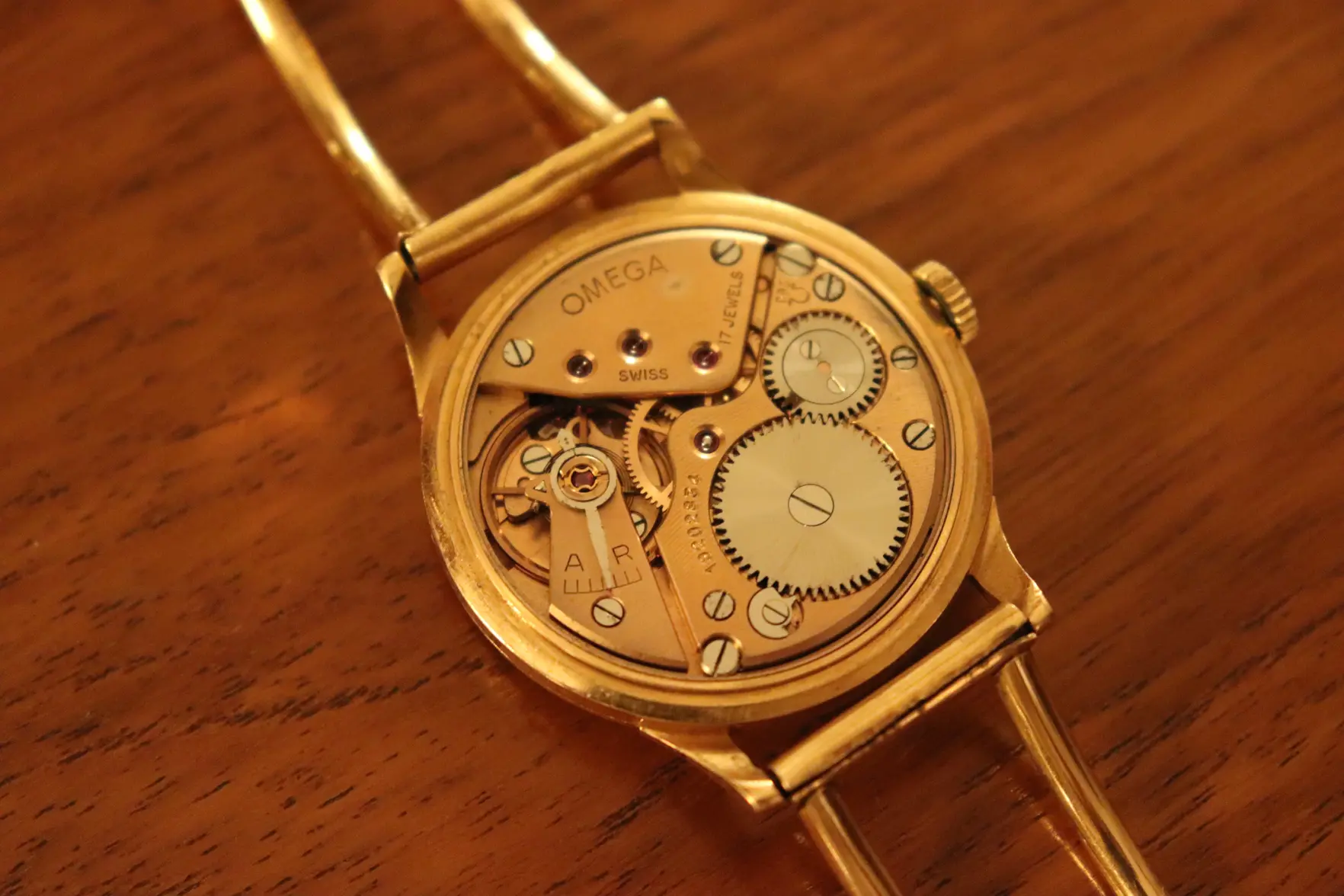
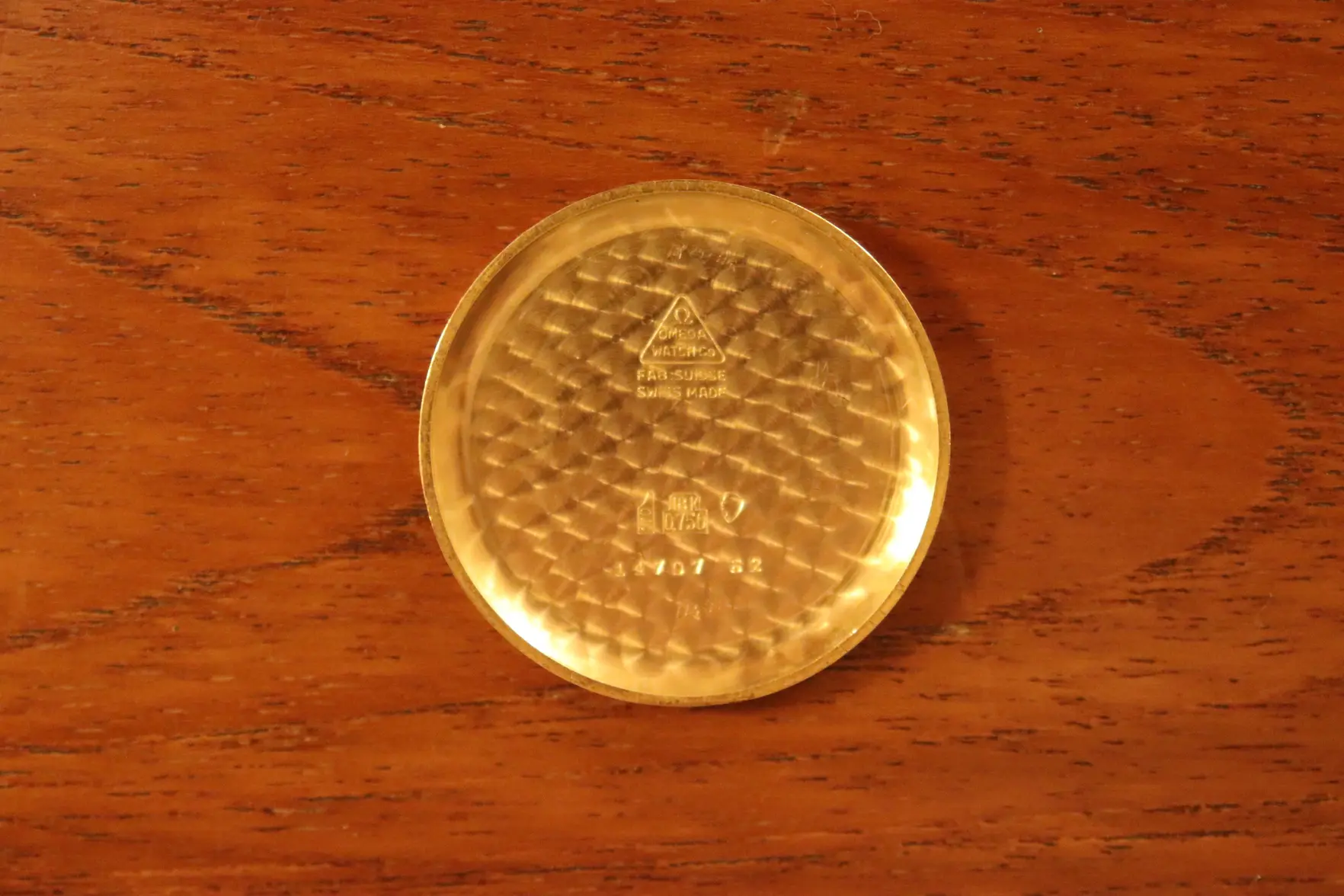
I need your advice on an inherited Omega OT 14707 Cal. 268

Posts
4
Likes
1
Hello everyone,

I’m new to the forum and this is my first post, although I’ve been visiting regularly without registering to see what’s going on around here. Congratulations to you all—you have very high-quality content and I’m proud to now be part of this small family.

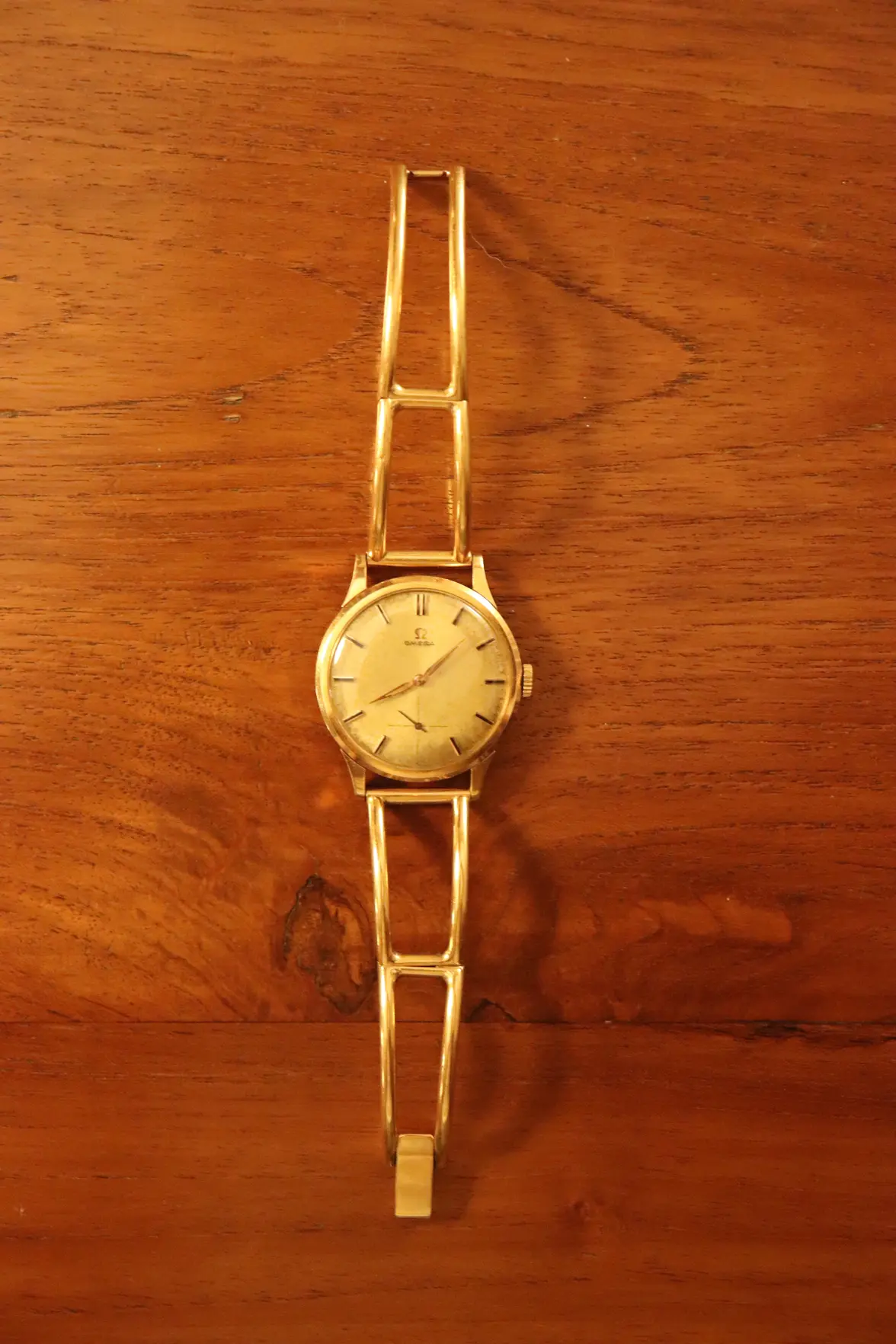
This Christmas I inherited this Omega OT 14707 Cal. 268, which belonged to my great-grandfather, then to my father, and now to me. As you can imagine, it carries a great sentimental value for me and will one day be passed on to my son. That said, I have quite a few questions and I’d really appreciate your help and opinions so I can better understand its history, put it in the best possible condition, enjoy it, and eventually pass it on to the next generation. Below I’ve listed my questions, and even if you can clarify only some of them, it would be a huge help. I’ll also post some photos further down so you can see the watch and have all the relevant information. Let’s get started!

Questions related to identifying the watch:

1. The first question—and the one that intrigues me the most—came up while trying to research as much information as possible. The watch has the reference 14707.62; I don’t know what the “.62” refers to, since every watch I’ve seen online has a different “.XX”, and even when those match, the configuration (dial and hands) sometimes changes. The watch was purchased in 1963—could that be the reason? And what does “OT” mean?

2. I understand that the watch doesn’t belong to any specific line (such as Seamaster, Speedmaster, etc.), which I assume was common at a time when things weren’t as standardized as they are today. So, is it correct to say that this is simply a men’s Omega watch, with no specific line or series—just the reference?

3. Another thing that really catches my attention is the huge number of 14707 references that exist, all with different dials and hands: some dials have Roman numerals and others don’t (like mine), and the hands vary greatly. Is this normal? Why is there so much variety within the same model? Shouldn’t all watches with the same reference be identical?

4. Is there any way to obtain more information about the model? Perhaps some kind of Omega database if I send it to HQ in Switzerland or something similar? I’d love to know as much information as possible about the watch.

5. Is the Caliber 268 a good movement? What is its expected daily gain or loss once serviced? Is it a fully in-house Omega manufacture movement, not derived from another brand?

6. Is the case yellow gold or rose gold? I tend to see it as more rose gold, but sometimes I’m not entirely sure.

7. Regarding the original box, papers, and strap: none of these came with the watch. I’d appreciate it if someone could show me what the original box, papers, strap, and buckle for this model look like.

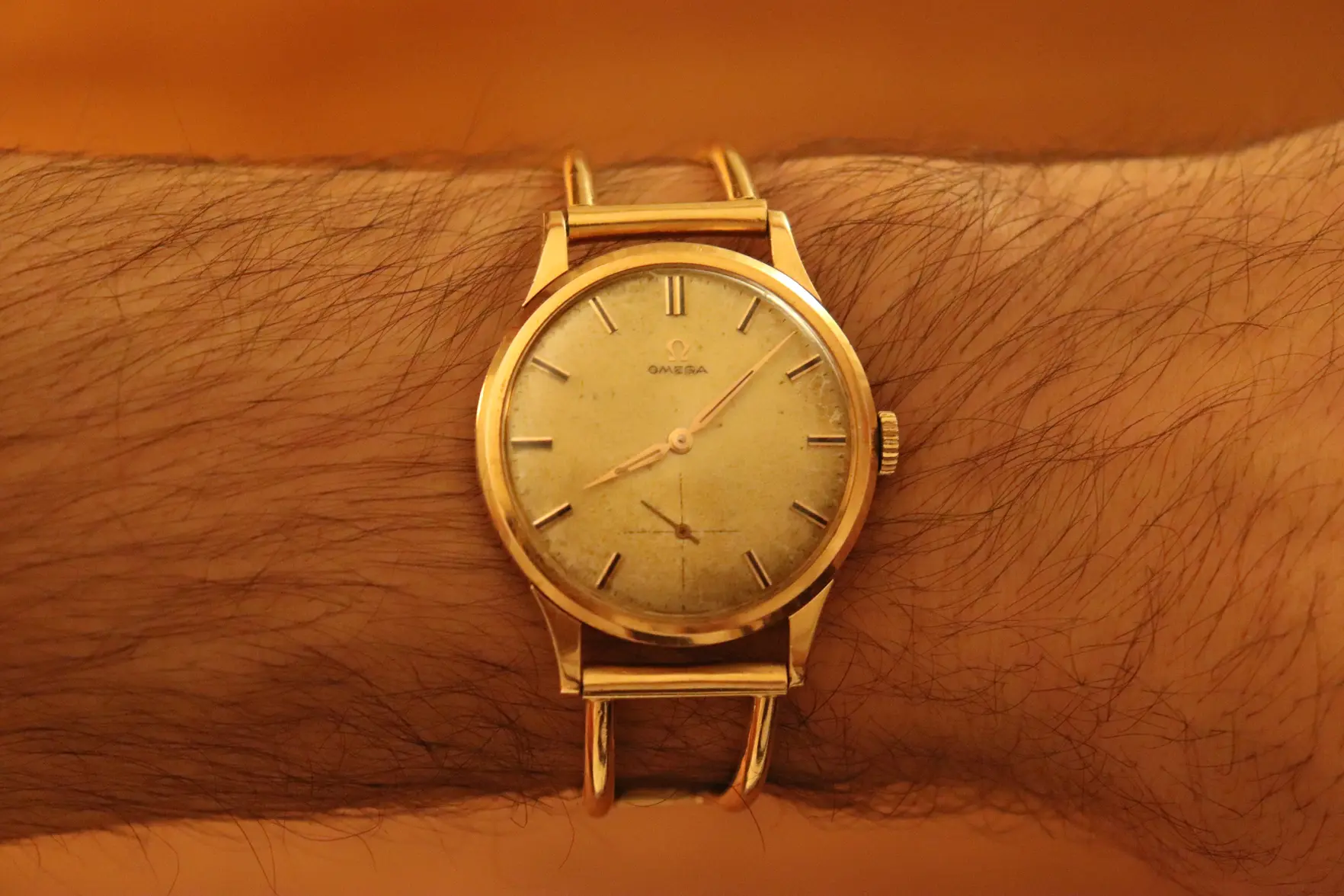
8. The current strap is aftermarket, very 1970s-style gold. I’ll replace it, although I’m not sure I’ll be able to find an original buckle. Does anyone have a reference or know how to obtain one identical to the original for this model? If I’m buying one, I’d like it to be exactly correct for this watch.

Questions related to servicing and restoration:

9. Should I take it to official Omega service or to an independent master watchmaker specialized in Omega? I live in Spain. The main advantage I see in the Official Service is that they’ll be able to source any original parts needed, offer a warranty, and possibly provide more information. What I don’t like about official service is that I’m not sure to what extent they’ll respect the requirements I describe below.

10. The dial is aged; I understand it was originally white. I like this, as it gives the watch character, although I think it may be dirty. Would you ask for the dial to be cleaned (just cleaned), or would you leave it as is? What I do NOT want is for it to be restored, refinished, or repainted in any way.

11. The indices have some kind of black “onyx.” I don’t know exactly what material it is. Do you think the indices are in good condition? The hands also have this onyx-like material in the center, but part of it has fallen out. Can it be reapplied? Or is it perhaps painted? What’s clear is that it’s not any type of lume, since it doesn’t glow. I’d really appreciate your opinions on this point.

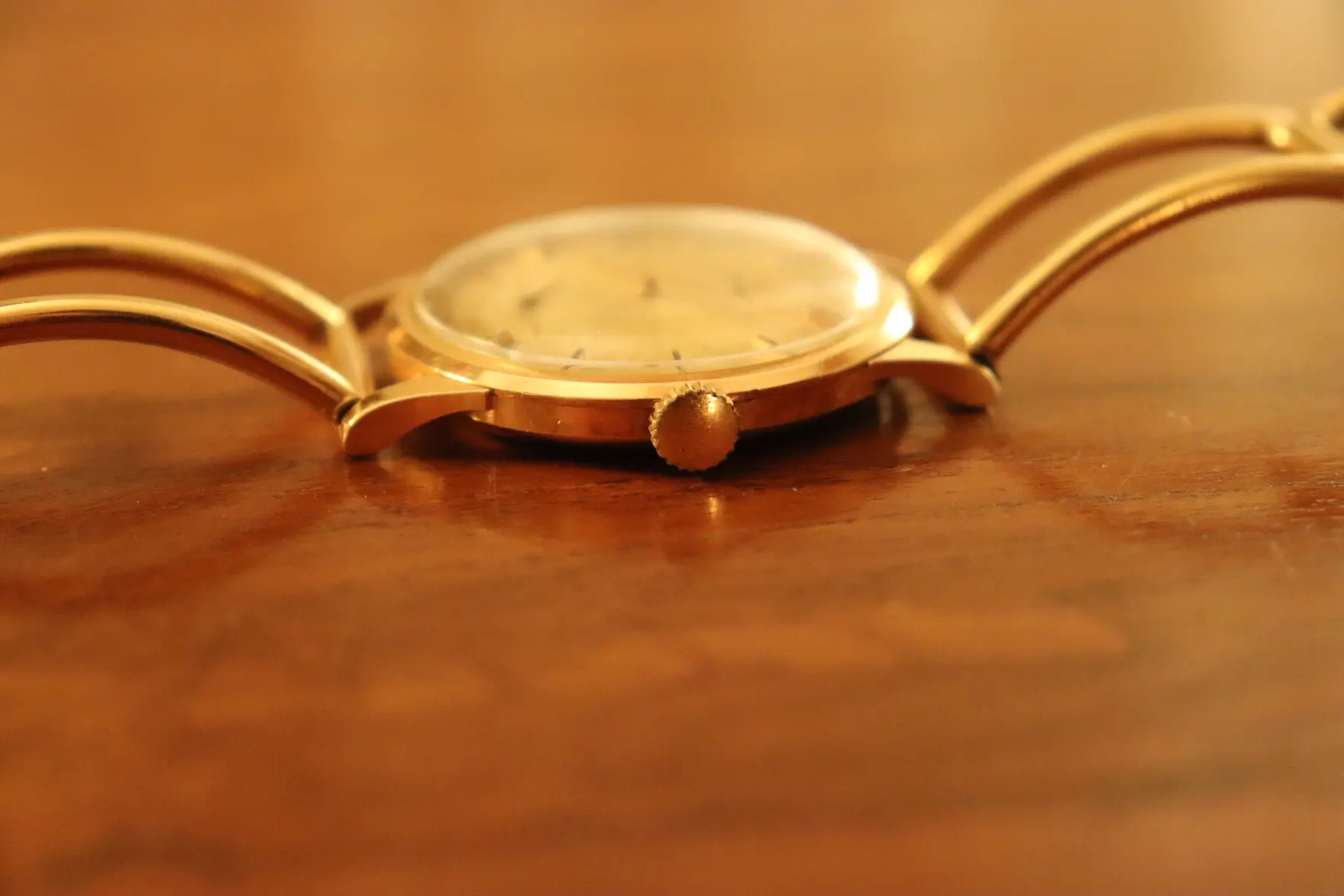
12. The crown—this is driving me crazy: it’s unsigned, and I no longer know whether this is normal given all the variants mentioned above, or if it’s a fake aftermarket crown. I’ve seen some models online that also have unsigned crowns, which is why I’m so unsure. This point is important.

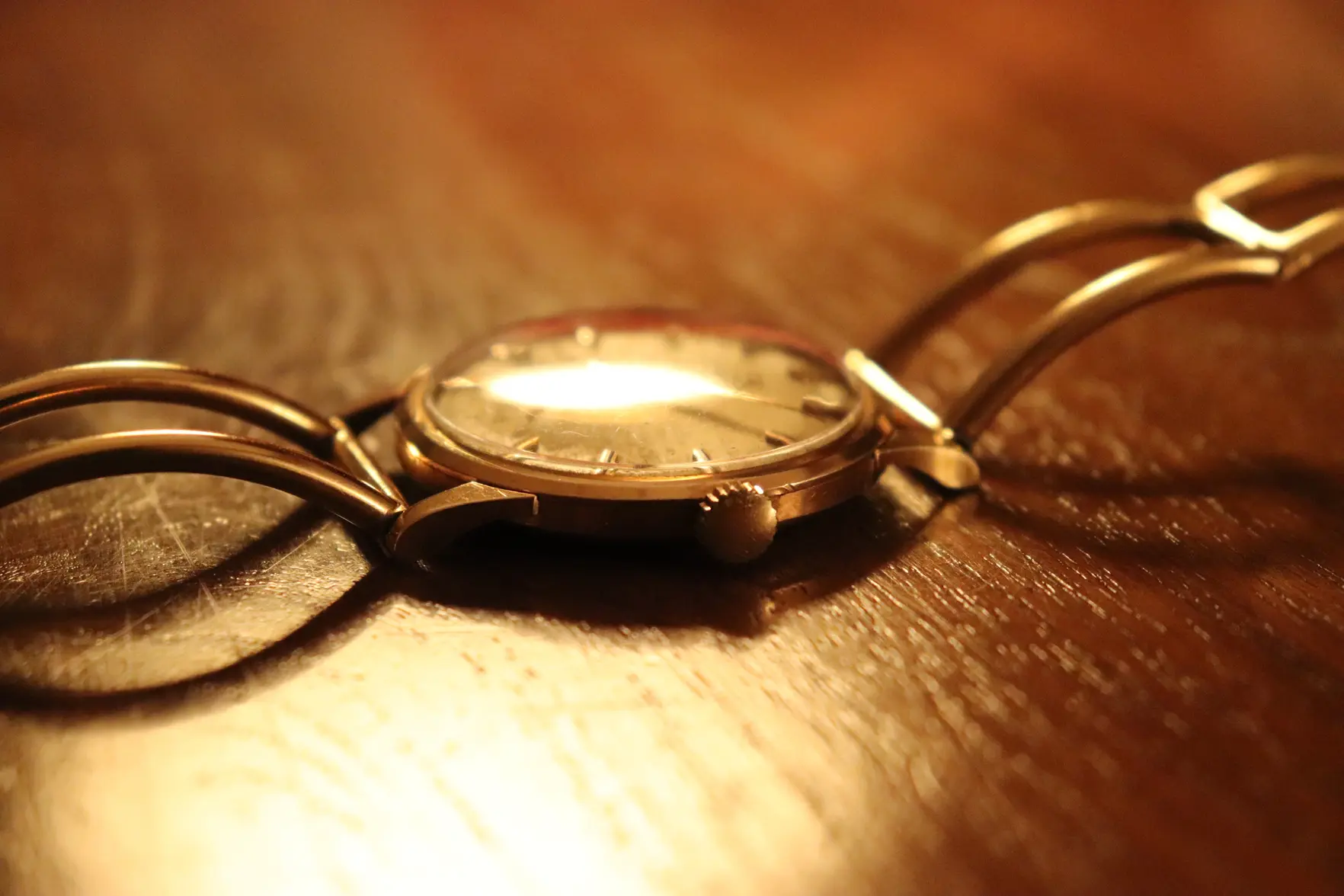
13. I do NOT want to polish the case in any way; the watch isn’t new and I don’t think it’s right to do so, as I feel it would lose its essence. However, I’m open to discussion regarding the plexiglass. Do you think it’s in good condition? Would you ask for it to be replaced outright?

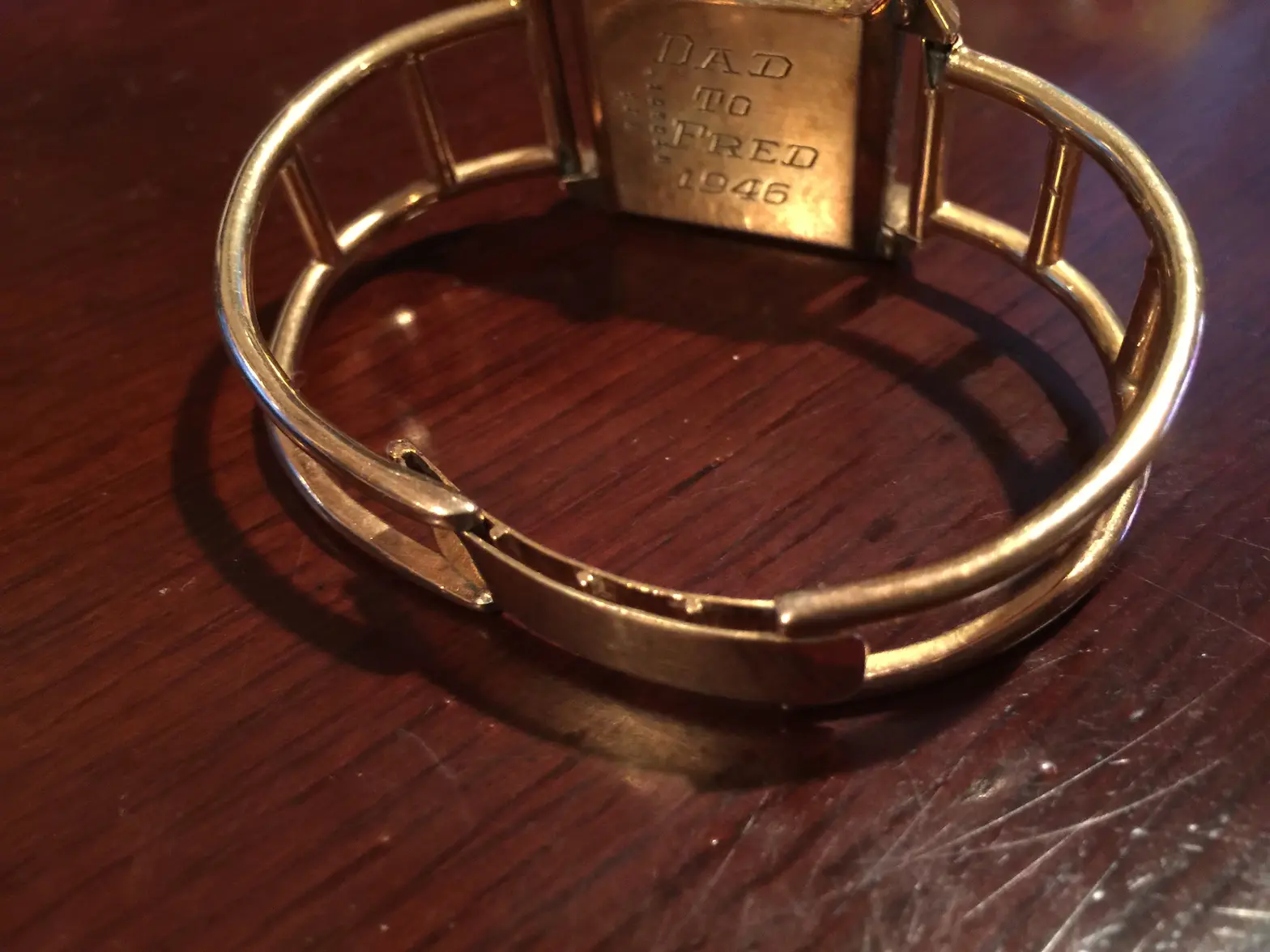
14.The inside of the caseback is signed with dates. I assume this was done every time the watch was serviced by a non-official workshop—is that correct?

Thank you a lot! Any given information will be welcome!
 
Posts
29,344
Likes
75,903
3. Another thing that really catches my attention is the huge number of 14707 references that exist, all with different dials and hands: some dials have Roman numerals and others don’t (like mine), and the hands vary greatly. Is this normal? Why is there so much variety within the same model? Shouldn’t all watches with the same reference be identical?
No - this is a partial case number, which only defines the case style (not even the material), not the dial or hands. A specific case number can have many different dials or hands.

5. Is the Caliber 268 a good movement? What is its expected daily gain or loss once serviced? Is it a fully in-house Omega manufacture movement, not derived from another brand?
It's a pretty standard for the day manual winding movement. The timing requirement for all 26X movements are the same.

Measured over 3 positions, at full wind the watch must have an average daily rate (average of those 3 positions) that falls between 0 and +18 seconds per day. The positional variation measured at full wind must be no more than 30 seconds, and 24 hours after full wind can be as much as 40 seconds. It is an Omega movement - not something from another brand.

6. Is the case yellow gold or rose gold? I tend to see it as more rose gold, but sometimes I’m not entirely sure.
The lighting in your photos makes it impossible to say for sure - if you take a photo of it on a pore white background, that would help.

Questions related to servicing and restoration
You will get differing opinions, but for most vintage collectors, Omega is the last place they would send a vintage watch. The reason is that as you suggest, you will lose control over some aspects of the work done. Now people will likely tell you that if you ask Omega not to do this or that, they will do what you ask, and they will cite their own experience doing that as proof. What I'll tell you as a certified Omega watchmaker is that there are very specific and rigid procedures that Omega follows, and no matter what you ask them not to do, they will do anyway if their procedures tell them to.

So if the finish on the dial is flaking, they will not honor a request to keep the dial as is - the only options are replacement or complete stripping and refinishing of the dial. No exceptions. So answers to some specific things you mentioned:

I live in Spain. The main advantage I see in the Official Service is that they’ll be able to source any original parts needed, offer a warranty, and possibly provide more information.
Independent watchmakers will offer a warranty also, and if they are Omega certified they can also access parts from Omega. Omega will not provide you any additional information on the watch as part of a standard service.

Would you ask for the dial to be cleaned (just cleaned), or would you leave it as is? What I do NOT want is for it to be restored, refinished, or repainted in any way.
Asking for a dial to be cleaned is asking for it to be stripped and refinished. As I have said here for years, only clean a dial if you are prepared to ruin it. Certainly loose debris will be removed, but anything else is very risky with a vintage dial.

11. The indices have some kind of black “onyx.” I don’t know exactly what material it is. Do you think the indices are in good condition? The hands also have this onyx-like material in the center, but part of it has fallen out. Can it be reapplied? Or is it perhaps painted? What’s clear is that it’s not any type of lume, since it doesn’t glow. I’d really appreciate your opinions on this point.
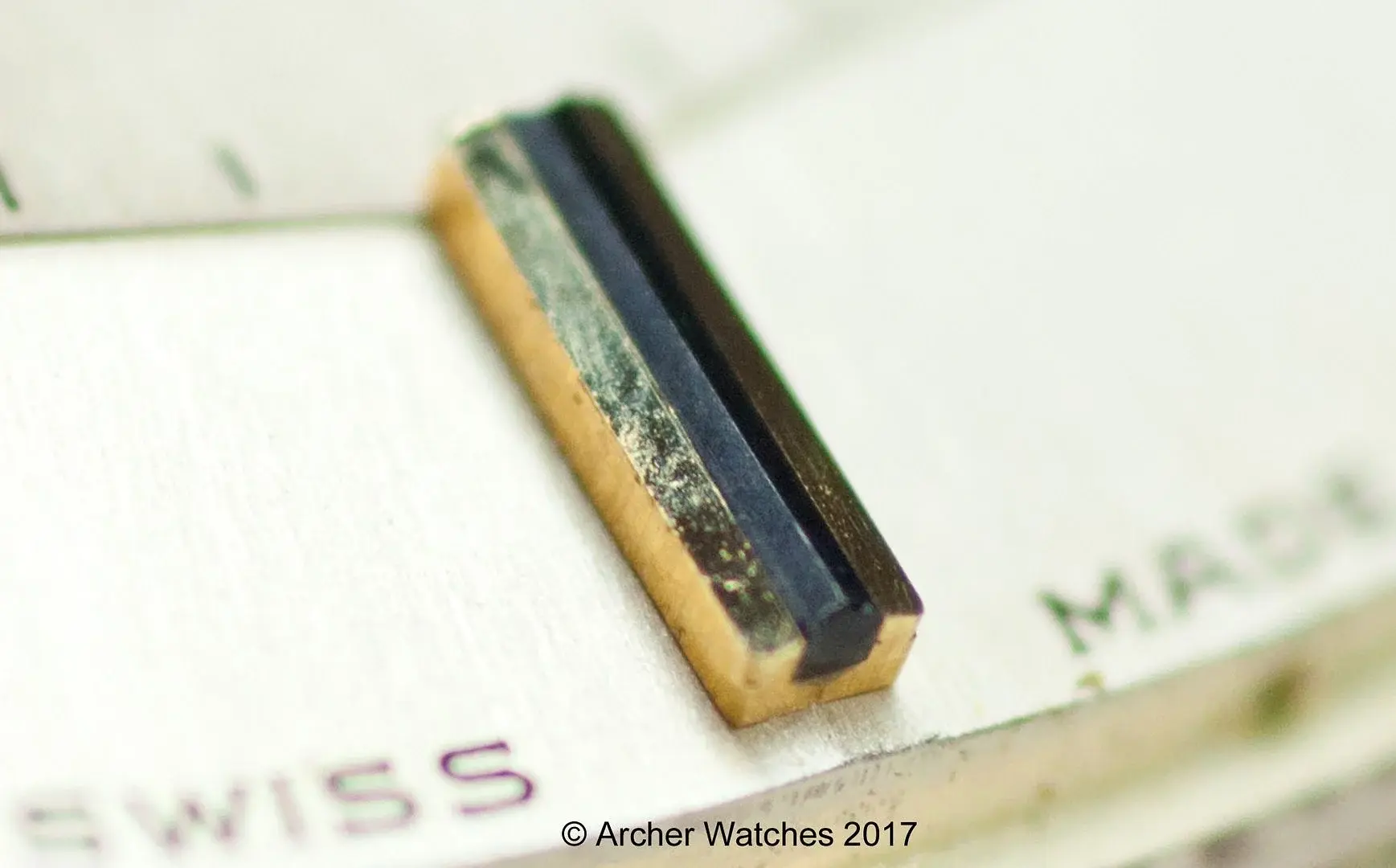
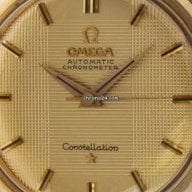
The indices could be onyx or could be some other filler material. Onyx is usually found on later watches than this, and is often on models like Constellations. They are often very 3 dimensional in appearance, like this:


The hands are not onyx - likely this is aged luminous material that has fallen out. Some hands do have a black filler, but this to me looks like old lume.

14.The inside of the caseback is signed with dates. I assume this was done every time the watch was serviced by a non-official workshop—is that correct?
Yes, those are service marks from a watchmaker - this sort of marking is largely frowned upon now as intentional damage.
 
Posts
2,824
Likes
5,792
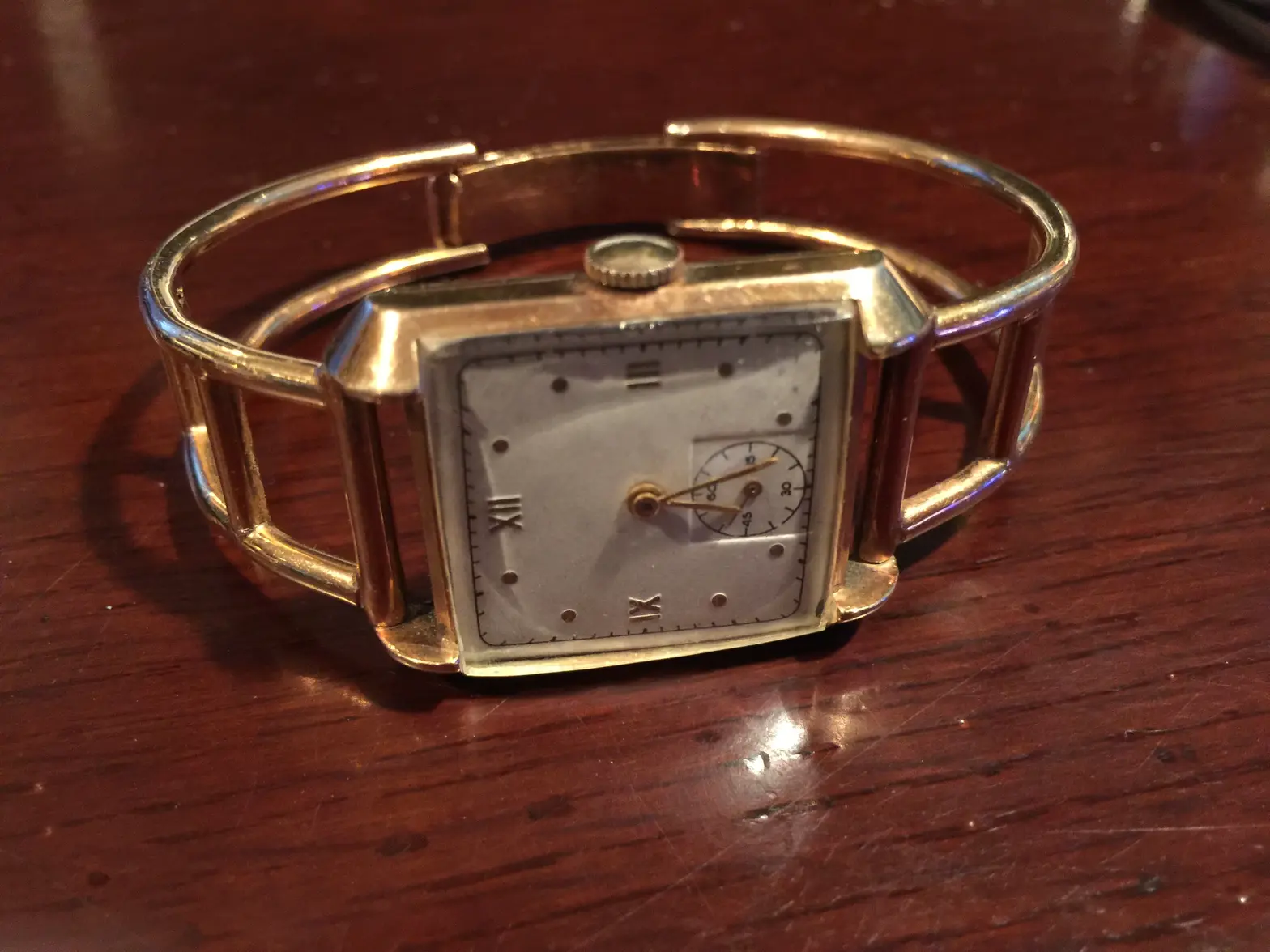
Regarding the gold bracelet this looks like an earlier style from 40s your watch likely came on a leather strap.
I inherited a similar gold bracelet from my father


Posts
1,506
Likes
1,537
Hello everyone,

I’m new to the forum and this is my first post, although I’ve been visiting regularly without registering to see what’s going on around here. Congratulations to you all—you have very high-quality content and I’m proud to now be part of this small family.

This Christmas I inherited this Omega OT 14707 Cal. 268, which belonged to my great-grandfather, then to my father, and now to me. As you can imagine, it carries a great sentimental value for me and will one day be passed on to my son. That said, I have quite a few questions and I’d really appreciate your help and opinions so I can better understand its history, put it in the best possible condition, enjoy it, and eventually pass it on to the next generation. Below I’ve listed my questions, and even if you can clarify only some of them, it would be a huge help. I’ll also post some photos further down so you can see the watch and have all the relevant information. Let’s get started!

Questions related to identifying the watch:

1. The first question—and the one that intrigues me the most—came up while trying to research as much information as possible. The watch has the reference 14707.62; I don’t know what the “.62” refers to, since every watch I’ve seen online has a different “.XX”, and even when those match, the configuration (dial and hands) sometimes changes. The watch was purchased in 1963—could that be the reason? And what does “OT” mean?

As Archer says, this is a 'case number'. Omega didn't really put full 'gets to identical' reference numbers on everything back then, so it is completely common for there to be an unknown number of variations of each. the .62, I believe, means 1962 (not necessarily the manufacture year, so much as the 'model' year as far as I know?). No idea about the OT.

2. I understand that the watch doesn’t belong to any specific line (such as Seamaster, Speedmaster, etc.), which I assume was common at a time when things weren’t as standardized as they are today. So, is it correct to say that this is simply a men’s Omega watch, with no specific line or series—just the reference?
Yep, reference/case number or "Mens Omega"
3. Another thing that really catches my attention is the huge number of 14707 references that exist, all with different dials and hands: some dials have Roman numerals and others don’t (like mine), and the hands vary greatly. Is this normal? Why is there so much variety within the same model? Shouldn’t all watches with the same reference be identical?

See above, reference numbers/case numbers were way less specific back then. No one knew anyone would care 😀

4. Is there any way to obtain more information about the model? Perhaps some kind of Omega database if I send it to HQ in Switzerland or something similar? I’d love to know as much information as possible about the watch.

Unfortunately no, the best way to do it (Omega Extract Service) is no longer available. I don't now if the Extranet has info that old, but a Omega certified watchmaker MIGHT be able to give you info based on the serial number.

5. Is the Caliber 268 a good movement? What is its expected daily gain or loss once serviced? Is it a fully in-house Omega manufacture movement, not derived from another brand?

Archer gave better details above on accuracy, but the 268 is a robust, well designed and build movement, everything done in house.
6. Is the case yellow gold or rose gold? I tend to see it as more rose gold, but sometimes I’m not entirely sure.

Looks yellow to me, but pictures are not easy to tell.
7. Regarding the original box, papers, and strap: none of these came with the watch. I’d appreciate it if someone could show me what the original box, papers, strap, and buckle for this model look like.


8. The current strap is aftermarket, very 1970s-style gold. I’ll replace it, although I’m not sure I’ll be able to find an original buckle. Does anyone have a reference or know how to obtain one identical to the original for this model? If I’m buying one, I’d like it to be exactly correct for this watch.
There is a video by @dsio on youtube, but the jist is: Modern Omega buckles are better in just about every way (besides being new of course!), and come in similar styles. You may wish to browse the ones Omega has available.

Questions related to servicing and restoration:

9. Should I take it to official Omega service or to an independent master watchmaker specialized in Omega? I live in Spain. The main advantage I see in the Official Service is that they’ll be able to source any original parts needed, offer a warranty, and possibly provide more information. What I don’t like about official service is that I’m not sure to what extent they’ll respect the requirements I describe below.

Mailing it to Omega themselves is going to get it made 'as new' as possible (assuming they still service this model). You'll lose the dial, hands, and get a polished/softer case back. Omega certified private watchmakers however, ALSO have the parts availability that Omega does, provide a warranty, and an get you the same info, while respecting the history.

10. The dial is aged; I understand it was originally white. I like this, as it gives the watch character, although I think it may be dirty. Would you ask for the dial to be cleaned (just cleaned), or would you leave it as is? What I do NOT want is for it to be restored, refinished, or repainted in any way.
I wouldn't have the dial touched. Maybe 'brushed' off to make sure there is nothing loose on it, but don't touch it.

11. The indices have some kind of black “onyx.” I don’t know exactly what material it is. Do you think the indices are in good condition? The hands also have this onyx-like material in the center, but part of it has fallen out. Can it be reapplied? Or is it perhaps painted? What’s clear is that it’s not any type of lume, since it doesn’t glow. I’d really appreciate your opinions on this point.

Pictures aren't great to validate the indices, but they look attractive to me. No idea what the material is (others might have a better idea), but they look lovely to me. As archer says, the hands are filled with a paint of some sort, any watchmaker can re-do this. I don't really see evidence that this watch had lume, usually there would be spots on teh dial for it too.
12. The crown—this is driving me crazy: it’s unsigned, and I no longer know whether this is normal given all the variants mentioned above, or if it’s a fake aftermarket crown. I’ve seen some models online that also have unsigned crowns, which is why I’m so unsure. This point is important.

Likely aftermarket, they are a commonly swapped item during service, so a previous private-watchmaker just installed a generic one. This used to happen a lot.
13. I do NOT want to polish the case in any way; the watch isn’t new and I don’t think it’s right to do so, as I feel it would lose its essence. However, I’m open to discussion regarding the plexiglass. Do you think it’s in good condition? Would you ask for it to be replaced outright?

The crystal is almost definitely not original, another thing that got swapped often. IF you like it, it is an acrylic crystal that can be polished to look pretty perfect. That said, replacement aftermarket crystals are cheap (like $10), and you might have the ability to get an Omega one from a watchmaker.

14.The inside of the caseback is signed with dates. I assume this was done every time the watch was serviced by a non-official workshop—is that correct?

Yep, this is a bit of a 'not-done-anymore' thing, but signing/dating/etc the case back on a service used to be common place.

Thank you a lot! Any given information will be welcome!
 
Posts
23,674
Likes
52,613
The 268 is a variation of the "30mm" line of Omega calibers, used for roughly 20 years. They were used in an enormous range of watches as can be seen in this thread.

 
Posts
2,127
Likes
1,316
Without all the posting.

Leave dial as is. Get the movement clean (very nice condition for the age)

Replace crystal - generic or OEM

If hands missing luminous. I would use black paint to match the index inserts (applied from the underside). Using new luminous. I don't think it would match up well with the age of the dial.

Jewelers rouge cloth for a little case polish

Strap - I liked to use lizard skin. Can use croc or alligator. Semi matte finish

Crown is not original. If you want a match. You will need to find an actual vintage gold filled/capped. Avoid sellers stating new old stock as Omega stopped doing gold filled/capped in the 60's. After that. Gold plate

Use the reference number 14707 to Google search on the model and see what sort of crown it uses

Small point on crown. 30 mm movements use thicker winding stems, so make sure (if you buy one) and it fits the stem (will also need a new winding stem)
 
Posts
17,709
Likes
37,028
And what does “OT” mean?
OT was an early Omega metal code for a solid gold case.
 
Posts
4
Likes
1
Thank you A LOT! For all your comments, this give me very good info about the whole watch. So do you really think the crown and the crystal are aftermarket? Why a watchmaker would change the crown? And if so whats the best possible outcome to this should I keep it or change it? Maybe is a little bit difficult to find an original crown these days? Also if the crystal is aftermarket as well, what makes you to think that? Did the original crystal came in plexi or shappire?

Thanks again, this helps me a lot!
 
Posts
4
Likes
1
OT was an early Omega metal code for a solid gold case.
Without all the posting.

Leave dial as is. Get the movement clean (very nice condition for the age)

Replace crystal - generic or OEM

If hands missing luminous. I would use black paint to match the index inserts (applied from the underside). Using new luminous. I don't think it would match up well with the age of the dial.

Jewelers rouge cloth for a little case polish

Strap - I liked to use lizard skin. Can use croc or alligator. Semi matte finish

Crown is not original. If you want a match. You will need to find an actual vintage gold filled/capped. Avoid sellers stating new old stock as Omega stopped doing gold filled/capped in the 60's. After that. Gold plate

Use the reference number 14707 to Google search on the model and see what sort of crown it uses

Small point on crown. 30 mm movements use thicker winding stems, so make sure (if you buy one) and it fits the stem (will also need a new winding stem)
The 268 is a variation of the "30mm" line of Omega calibers, used for roughly 20 years. They were used in an enormous range of watches as can be seen in this thread.

As Archer says, this is a 'case number'. Omega didn't really put full 'gets to identical' reference numbers on everything back then, so it is completely common for there to be an unknown number of variations of each. the .62, I believe, means 1962 (not necessarily the manufacture year, so much as the 'model' year as far as I know?). No idea about the OT.


Yep, reference/case number or "Mens Omega"


See above, reference numbers/case numbers were way less specific back then. No one knew anyone would care 😀


Unfortunately no, the best way to do it (Omega Extract Service) is no longer available. I don't now if the Extranet has info that old, but a Omega certified watchmaker MIGHT be able to give you info based on the serial number.


Archer gave better details above on accuracy, but the 268 is a robust, well designed and build movement, everything done in house.


Looks yellow to me, but pictures are not easy to tell.


There is a video by @dsio on youtube, but the jist is: Modern Omega buckles are better in just about every way (besides being new of course!), and come in similar styles. You may wish to browse the ones Omega has available.


Mailing it to Omega themselves is going to get it made 'as new' as possible (assuming they still service this model). You'll lose the dial, hands, and get a polished/softer case back. Omega certified private watchmakers however, ALSO have the parts availability that Omega does, provide a warranty, and an get you the same info, while respecting the history.


I wouldn't have the dial touched. Maybe 'brushed' off to make sure there is nothing loose on it, but don't touch it.


Pictures aren't great to validate the indices, but they look attractive to me. No idea what the material is (others might have a better idea), but they look lovely to me. As archer says, the hands are filled with a paint of some sort, any watchmaker can re-do this. I don't really see evidence that this watch had lume, usually there would be spots on teh dial for it too.


Likely aftermarket, they are a commonly swapped item during service, so a previous private-watchmaker just installed a generic one. This used to happen a lot.


The crystal is almost definitely not original, another thing that got swapped often. IF you like it, it is an acrylic crystal that can be polished to look pretty perfect. That said, replacement aftermarket crystals are cheap (like $10), and you might have the ability to get an Omega one from a watchmaker.


Yep, this is a bit of a 'not-done-anymore' thing, but signing/dating/etc the case back on a service used to be common place.
Regarding the gold bracelet this looks like an earlier style from 40s your watch likely came on a leather strap.
I inherited a similar gold bracelet from my father


No - this is a partial case number, which only defines the case style (not even the material), not the dial or hands. A specific case number can have many different dials or hands.


It's a pretty standard for the day manual winding movement. The timing requirement for all 26X movements are the same.

Measured over 3 positions, at full wind the watch must have an average daily rate (average of those 3 positions) that falls between 0 and +18 seconds per day. The positional variation measured at full wind must be no more than 30 seconds, and 24 hours after full wind can be as much as 40 seconds. It is an Omega movement - not something from another brand.


The lighting in your photos makes it impossible to say for sure - if you take a photo of it on a pore white background, that would help.


You will get differing opinions, but for most vintage collectors, Omega is the last place they would send a vintage watch. The reason is that as you suggest, you will lose control over some aspects of the work done. Now people will likely tell you that if you ask Omega not to do this or that, they will do what you ask, and they will cite their own experience doing that as proof. What I'll tell you as a certified Omega watchmaker is that there are very specific and rigid procedures that Omega follows, and no matter what you ask them not to do, they will do anyway if their procedures tell them to.

So if the finish on the dial is flaking, they will not honor a request to keep the dial as is - the only options are replacement or complete stripping and refinishing of the dial. No exceptions. So answers to some specific things you mentioned:


Independent watchmakers will offer a warranty also, and if they are Omega certified they can also access parts from Omega. Omega will not provide you any additional information on the watch as part of a standard service.


Asking for a dial to be cleaned is asking for it to be stripped and refinished. As I have said here for years, only clean a dial if you are prepared to ruin it. Certainly loose debris will be removed, but anything else is very risky with a vintage dial.


The indices could be onyx or could be some other filler material. Onyx is usually found on later watches than this, and is often on models like Constellations. They are often very 3 dimensional in appearance, like this:


The hands are not onyx - likely this is aged luminous material that has fallen out. Some hands do have a black filler, but this to me looks like old lume.


Yes, those are service marks from a watchmaker - this sort of marking is largely frowned upon now as intentional damage.

As I’ve just mentioned, thank you all very much for your help - truly. This watch means a great deal to me, and I want it to be in the best possible condition. The questions that keep coming up for me are the following:

1. I believe the case is yellow gold, although it could also be that, due to age, it has lost the typical coloration of rose gold (which is quite common with rose gold), and that it may originally have been rose gold. The hands appear to be rose gold, but I’m not entirely sure.

2. Based on your replies, I’m going to take it to a private watchmaker; I just need to decide which one. I’ll look either in Spain or elsewhere in Europe. However, I’d like to speak with them beforehand so they can give me confidence and guarantees, especially considering the emotional value of the watch.

3. As for the crown and the crystal, as I mentioned before, I’m not sure what to think. I’ve seen reference 14707 without a signed crown, so I don’t really understand why you believe it is aftermarket - I’d appreciate it if you could expand on this point. The same applies to the crystal, and I’m also not sure whether the original came with plexiglass or sapphire crystal. Why a watchmaker would change the crown in the past? And if so whats the best possible outcome to this should I keep it or change it? Maybe is a little bit difficult to find an original crown these days? Same with the crystal.

4. I don’t want to polish the case, but as some of you mentioned using a jeweler’s cloth, I’m not sure whether that would be the best option or if I should just leave it as it is.

5. I’ll leave the papers, box, strap, and original buckle as they are. I only asked about the box and papers to understand what they would have originally been like, but I understand it would have been a generic Omega box from the period. As for the strap and buckle, I’ll commission them from a leather craftsman as you suggested; I’ll have a buckle made in gold, even if it isn’t an official Omega one.


Once again, sorry if I’m being repetitive, and thank you all very much for your help.
 
Posts
1,506
Likes
1,537
As I’ve just mentioned, thank you all very much for your help - truly. This watch means a great deal to me, and I want it to be in the best possible condition. The questions that keep coming up for me are the following:

1. I believe the case is yellow gold, although it could also be that, due to age, it has lost the typical coloration of rose gold (which is quite common with rose gold), and that it may originally have been rose gold. The hands appear to be rose gold, but I’m not entirely sure.

2. Based on your replies, I’m going to take it to a private watchmaker; I just need to decide which one. I’ll look either in Spain or elsewhere in Europe. However, I’d like to speak with them beforehand so they can give me confidence and guarantees, especially considering the emotional value of the watch.\

There are likely quite a few threads around here with suggestions. Good luck!

3. As for the crown and the crystal, as I mentioned before, I’m not sure what to think. I’ve seen reference 14707 without a signed crown, so I don’t really understand why you believe it is aftermarket - I’d appreciate it if you could expand on this point. The same applies to the crystal, and I’m also not sure whether the original came with plexiglass or sapphire crystal. Why a watchmaker would change the crown in the past? And if so whats the best possible outcome to this should I keep it or change it? Maybe is a little bit difficult to find an original crown these days? Same with the crystal.

Omega ALWAYS (perhaps with a very rare exception, but effectively always) signed their crowns. The others online you're seeing: Also have been replaced. This came with a plexiglass crystal, I believe it is from a time before sapphire crystals really became a 'thing' outside of some lines. As to why a watchmaker would change it in the past: They are a common service item. They wear a lot (since that is what you're touching!) particularly with hand-winders. I JUST worked on one on my desk that had a VERY worn looking original crown, but an otherwise great looking case.

Also, they typically have a gasket inside of them that is either hard or impossible to replace. So if you want ANY water resistance at all, they are a part that needs replacing. To the point that most watchmakers did (and now will, though now are better about replacing with factory ones instead of generic ones!) just replace them any time they came in the door. Finding a crown shouldn't be difficult, Ebay is filled with them.

Crystal is basically the same thing: The acrylic crystals get scratched up, and refinishing them is somewhat labor intensive/error prone, and replacing them is cheap and easy. So watchmakeres would just swap them.

4. I don’t want to polish the case, but as some of you mentioned using a jeweler’s cloth, I’m not sure whether that would be the best option or if I should just leave it as it is.

Depends on preference. If you like the look as is, leave it. If you want it a little shinier/some of the scratches taken out, the Cape Cod cloths are great for it.

5. I’ll leave the papers, box, strap, and original buckle as they are. I only asked about the box and papers to understand what they would have originally been like, but I understand it would have been a generic Omega box from the period. As for the strap and buckle, I’ll commission them from a leather craftsman as you suggested; I’ll have a buckle made in gold, even if it isn’t an official Omega one.


Once again, sorry if I’m being repetitive, and thank you all very much for your help.
 
Posts
2,127
Likes
1,316
Ignore the crown. Could be original or a replacement. Back then. May not have been signed, so use it as is
 
Posts
1,506
Likes
1,537
Ignore the crown. Could be original or a replacement. Back then. May not have been signed, so use it as is
Oh? That is news to me? All of the watches of that age I've had on my bench also have signed crowns? Good to know!
 
Posts
23,674
Likes
52,613
AFAIK, 60s Omega watches would generally have a signed crown from the factory. I'm having a hard time thinking of an exception to that. However, crowns are expendable items and often swapped during a service to improve water resistance. Some watchmakers would just use whatever crown they had on hand instead of sourcing an authentic crown. So the OP is probably seeing a lot of watches with replacement crowns on the internet.

With a little effort, an appropriate signed crown could be sourced if it's important to the OP, but maybe not worth worrying about, as @DON mentioned.
 
Posts
29,344
Likes
75,903
Current crown for this case would be 069SX35002 assuming yellow gold.