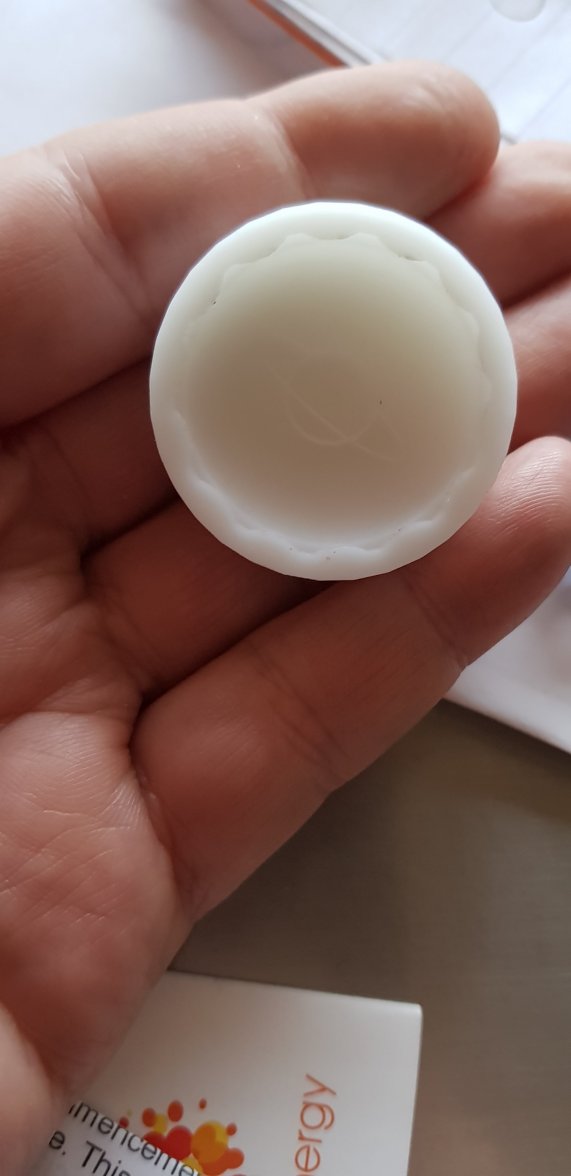
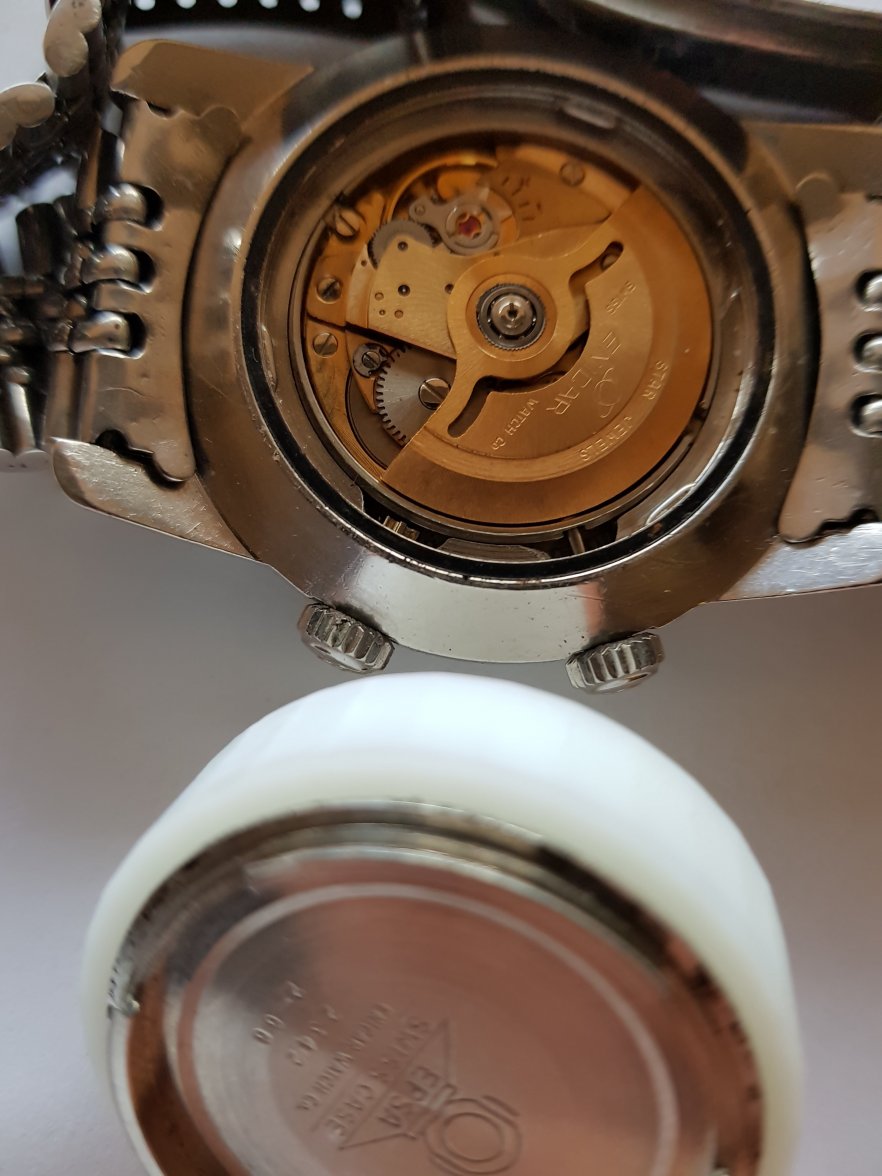
How to remove this type of caseback?

Posts
24,231
Likes
53,963
So I should glue the socket right to the case back? Is there something you are forgetting to include in this nutty idea? 馃槈

I see what you did there.
 
Posts
9,596
Likes
27,705
So I should glue the socket right to the case back? Is there something you are forgetting to include in this nutty idea? 馃槈

Yep, that's what I do. Unless my English skills are failing me and I've written something weird, of course 馃榿

I glue the socket on the caseback and let the glue harden. Then I click the socket on the wrench and turn... No need for a nut as that would only give more risk of slipping and have the metal scratch the case - this way the caseback is glued to the socket and the socket locked onto the wrench.

 
Posts
29,664
Likes
76,817
Yep, that's what I do. Unless my English skills are failing me and I've written something weird, of course 馃榿

I glue the socket on the caseback and let the glue harden. Then I click the socket on the wrench and turn... No need for a nut as that would only give more risk of slipping and have the metal scratch the case - this way the caseback is glued to the socket and the socket locked onto the wrench.

Well I think the plus sign isn't necessarily English, and "Afterwards" was written in perfect English, so your English on that post was spot on. 馃榾

I've never seen anyone suggest gluing the socket to the case back - most people glue a nut to the case back, then use a wrench of some kind on the nut. With a nut, you are gluing the entire surface area of the nut to the case back, so I would have thought it would have less chance of breaking away compared to just gluing the thinner cross section of the end of a socket on. I can't see how it would create more risk using a nut than a socket. But if what you do works, it works.

For the instances I've glued a nut on the case back, I'm not sure the socket would hold, as it's required a lot of force...

Cheers, Al
 
Posts
9,596
Likes
27,705
True, there is a lot more surface area on a nut than on the edge of the socket - will upgrade to the nut if the socket alone should fail! 馃榾
 
Posts
1,319
Likes
6,017
Dang! Well I'll be dawg-gone down.

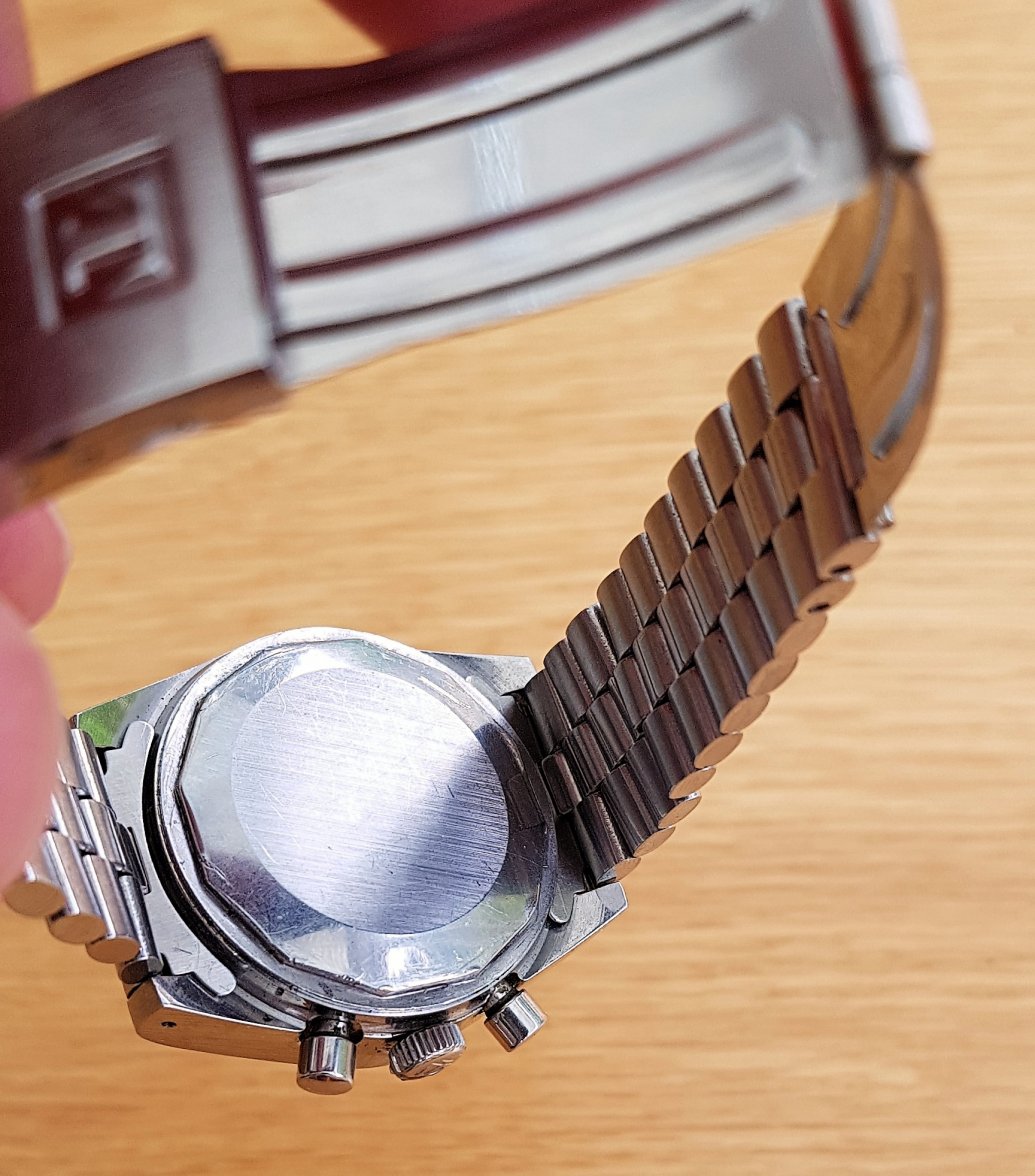
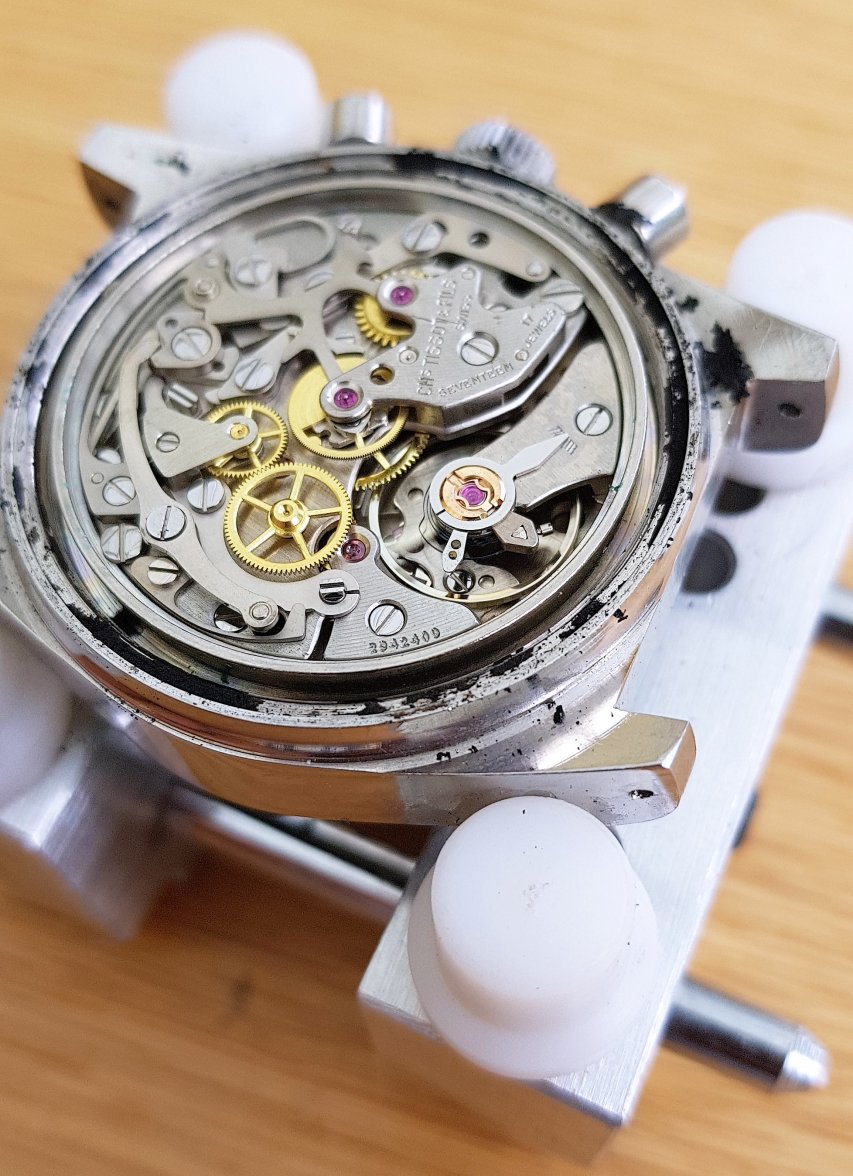
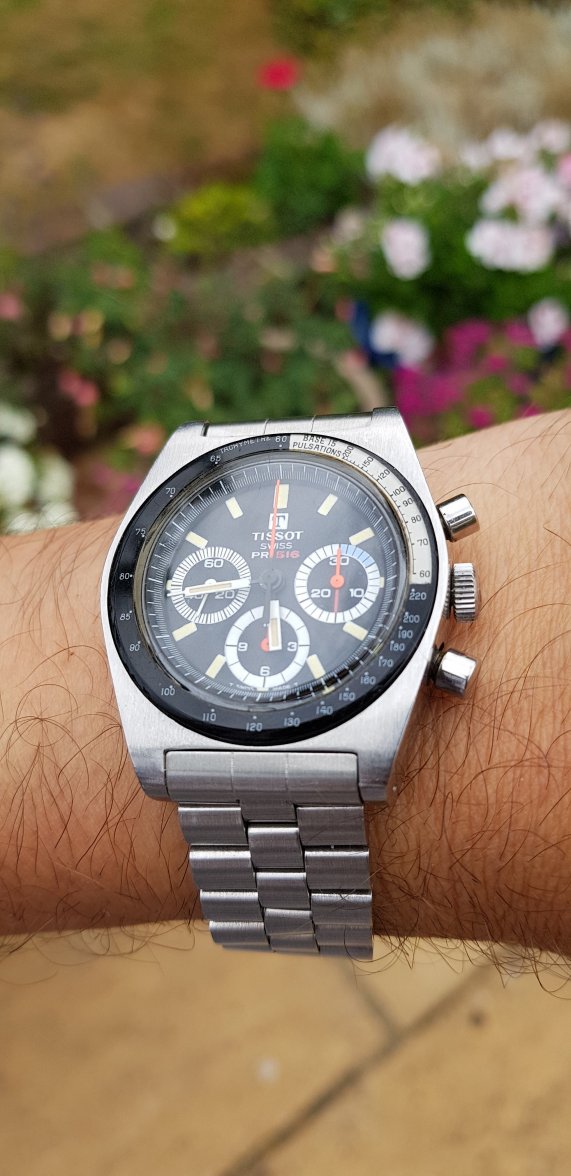
I have an old Tissot PR516 / Lemania 873 chrono with a dodecagonal case back with no notches or anything to turn it with, and the back was absolutely immovable. I tried the sticky-rubber ball, tried duck tape, even tried gluing a 14mm nut onto the back and trying to wrench it off with a socket, but the nut just came off. I gave it to a local watchmaker and he said he had several people try a number of tricks and nothing would move it.


Reading @ConElPueblo's story above I figured it's worth another try - after another go with the 14mm nut and letting it set for a good hour or more, but that came off again after just a bit of force. Cleaned up the back of the watch with acetone, applied just a thin bead of cheapo superglue along the flat edge of a 17mm socket and pressed it firmly in place. Left it for about 30 minutes, the last 10 or so being in the fridge to make sure it was good and set (it being 35 degrees C at home today).

BINGO. Sustained but gentle pressure with a large socket wrench, and it came away. Looking at the state of the gasket, it's no wonder it was welded so tight.


I've carefully cleaned the worst of the gunk from the remains of the gasket, put the case back on and will get it in for a service before too long 馃榾
Edited:
 
Posts
9,596
Likes
27,705
That movement looks great! No doubt protected from the environments by the liquified gasket - well worth a service 馃憤
 
Posts
356
Likes
414
I think that鈥檚 going to be my next option as I鈥檝e tried the ball and the 3-jaw with no success.
 
Posts
1,727
Likes
5,960
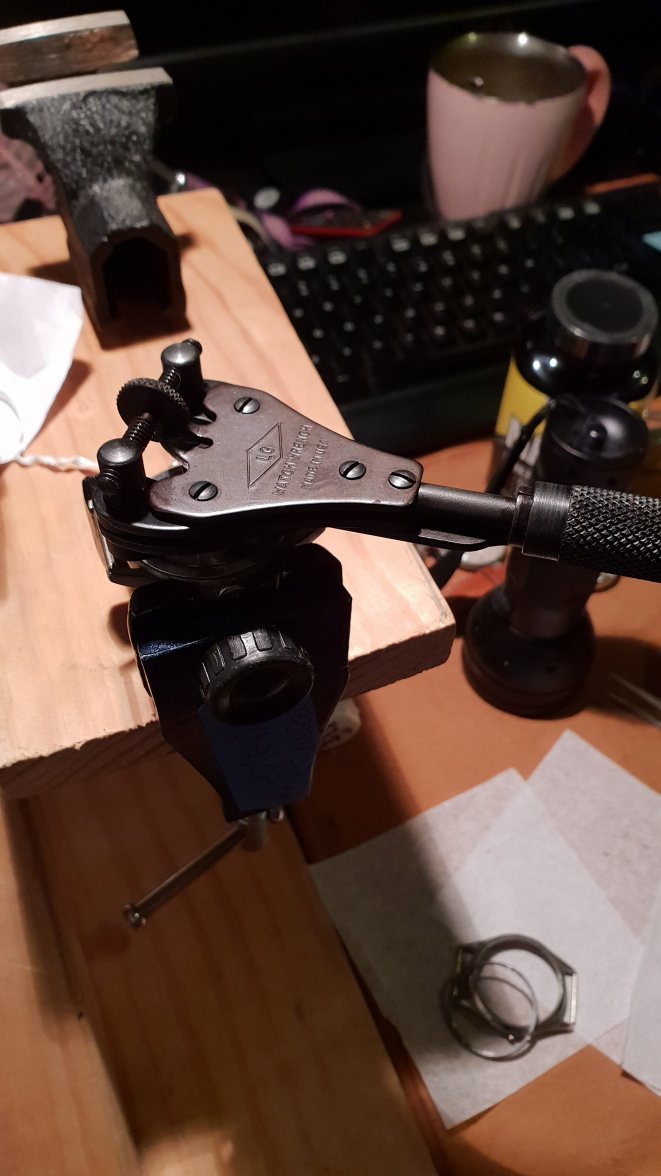
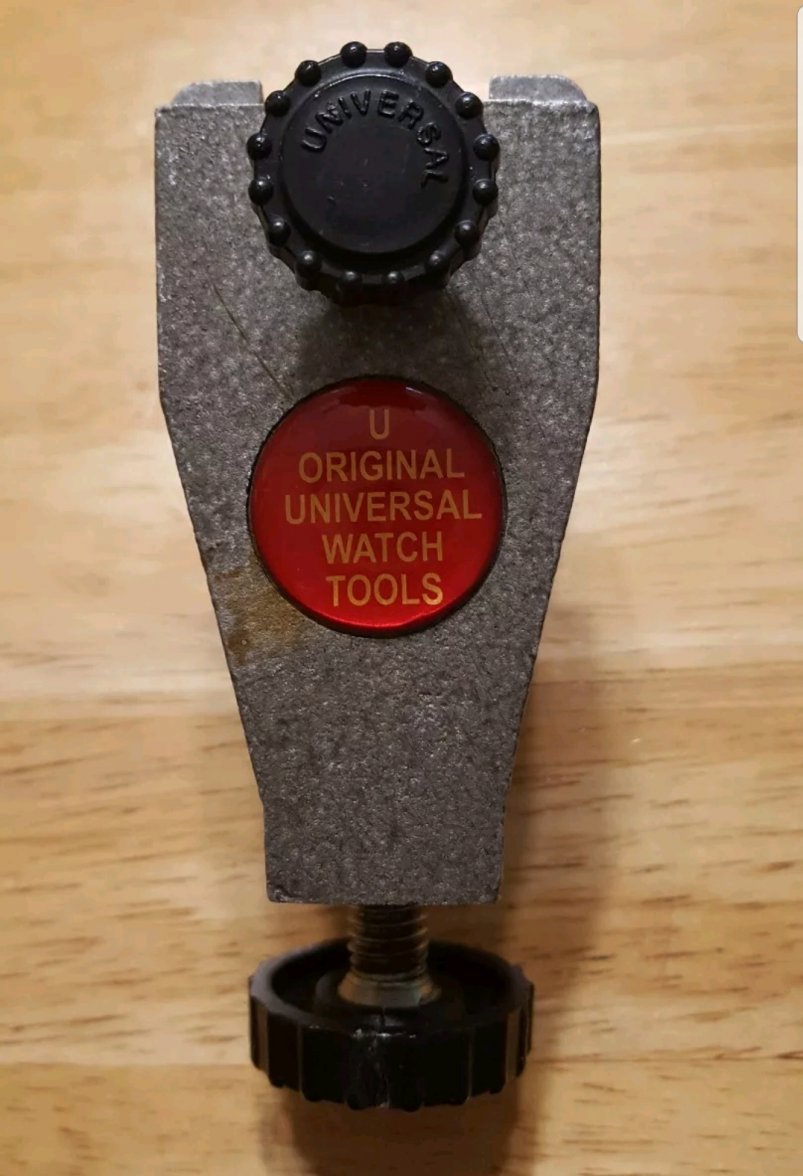
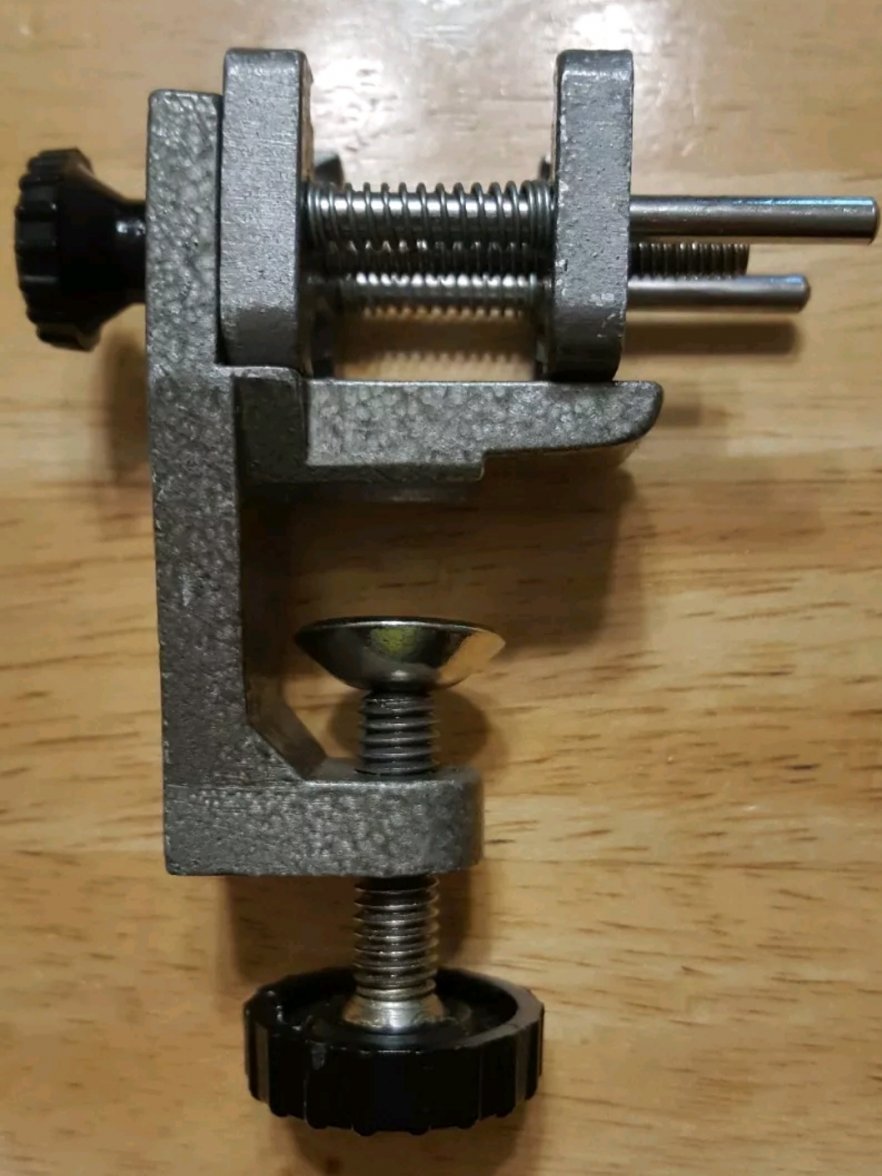
I echo @Dan S's in the use of a LG tool. While a new one is a fair few times more costly than a cheap Jaxa-type (the typical three jaw) it is ridiculously good for most casebacks. If you combine it with the Openall holder it becomes a stationary tool, though you will need a bench vise.

Another tip is to look for used tools on eBay, and you can find some excellent deals with some patience. Just don't go overboard buying everything in sight!

My improvised setup involves a case holder mounted to a homemade mincing platform...


I would also suggest placing a sheet of plastic (parts/coin bags work well) over the back to ensure scratches are minimised. Once loosened you can continue to use the tool, switch to a friction ball or use your fingers (just remember to clean up afterwards!)
 
Posts
139
Likes
701
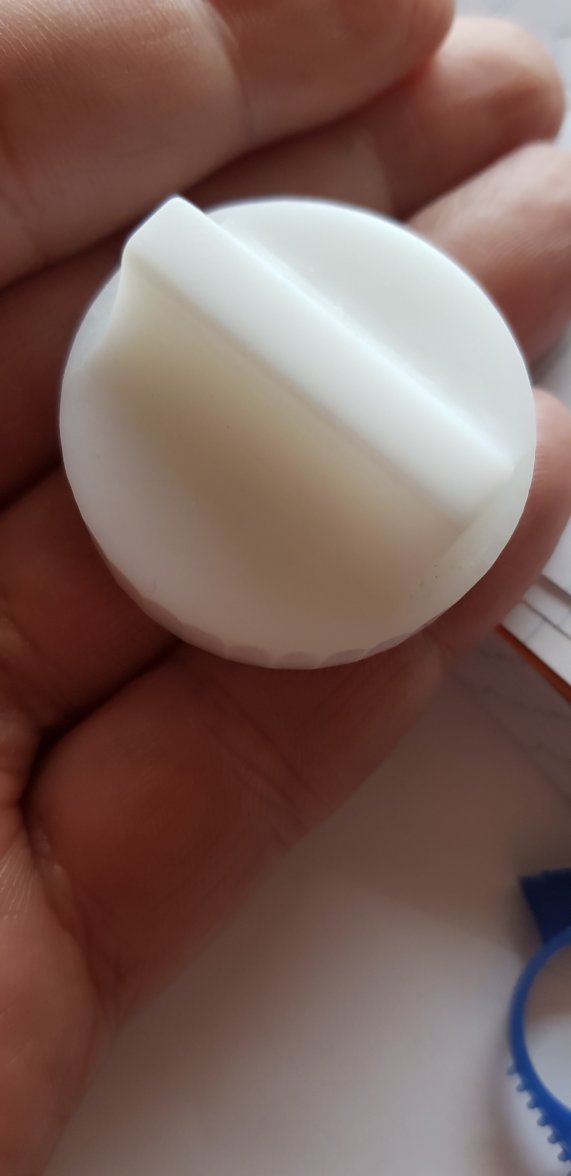
there's no link actually. a few of us had it 3d scanned and then created to fit the Enicar Shrepas!

once you have it for your caseback it's never a problem!

Works like magic every time and doesn't leave a mark!
 
Posts
1,727
Likes
5,960
there's no link actually. a few of us had it 3d scanned and then created to fit the Enicar Shrepas!

once you have it for your caseback it's never a problem!

Works like magic every time and doesn't leave a mark!

Very neat 馃榾

I believe @Pahawi's Speedy Case homemade opening tool is also excellent for it's one main purpose 馃榿
 
Posts
24,231
Likes
53,963
These custom openers are great tools if you have a very focused collection, which does not describe mine at all. 馃榾
 
Posts
139
Likes
701
Mine's verrrrrrrrrrrry focussed! lol

but they're very inexpensive even for one offs
 
Posts
1,727
Likes
5,960
These custom openers are great tools if you have a very focused collection, which does not describe mine at all. 馃榾

As long as you don't go down the road of watch-branded tools...do you collect them or use them?

If this were mine it'd replace my current case vice pretty much ASAP 馃槣

 
Posts
24,231
Likes
53,963
As long as you don't go down the road of watch-branded tools...do you collect them or use them?

Hah ... don't give me any ideas!
 
Posts
25,980
Likes
27,706
I like this super glue / ratchet thing. I think I'll glue an impact socket to the back of my Conquest and fire up the compressor.

@ConElPueblo - are you sure I won't ruin the fish medallion and all the green enamel on it?