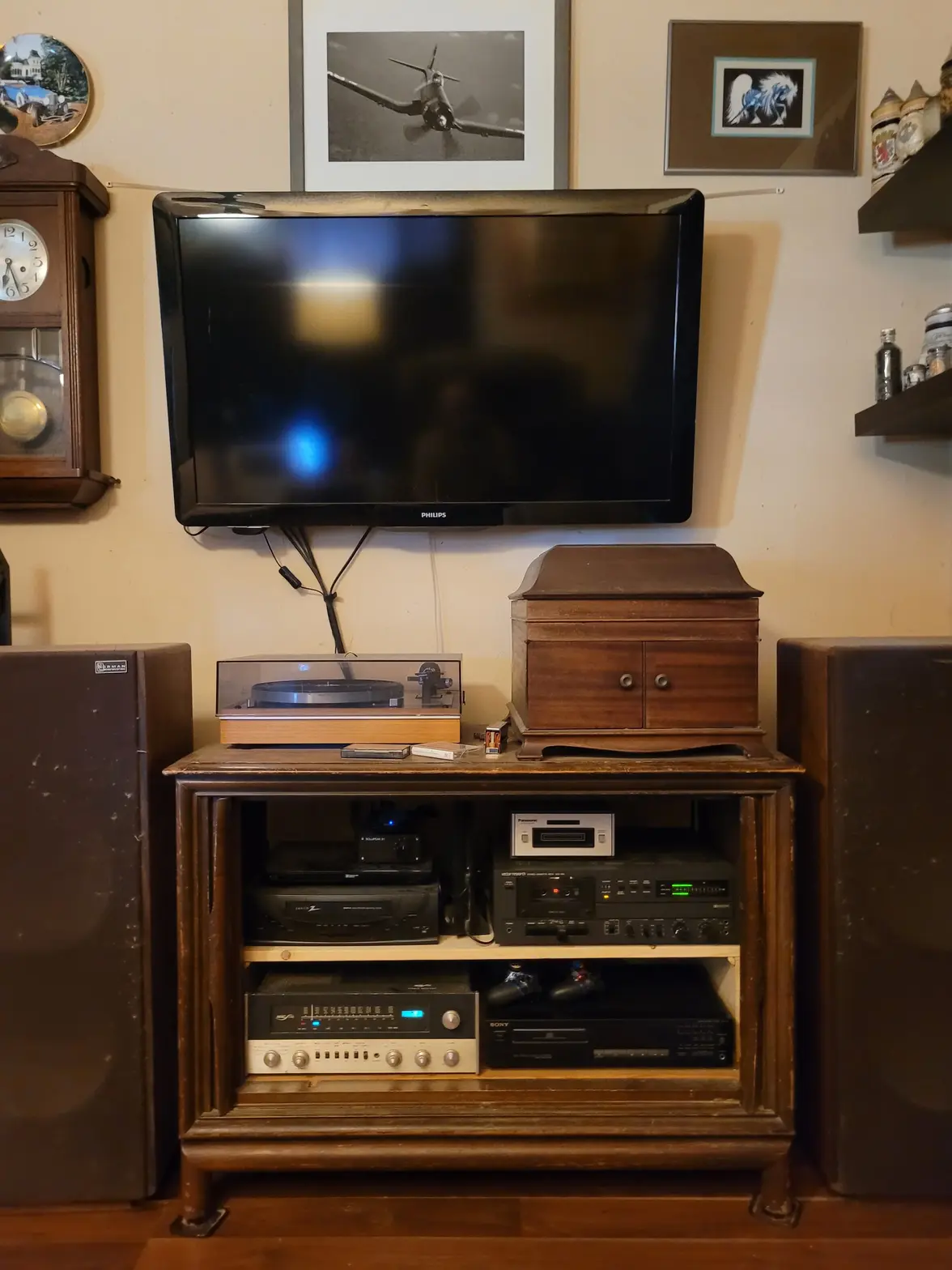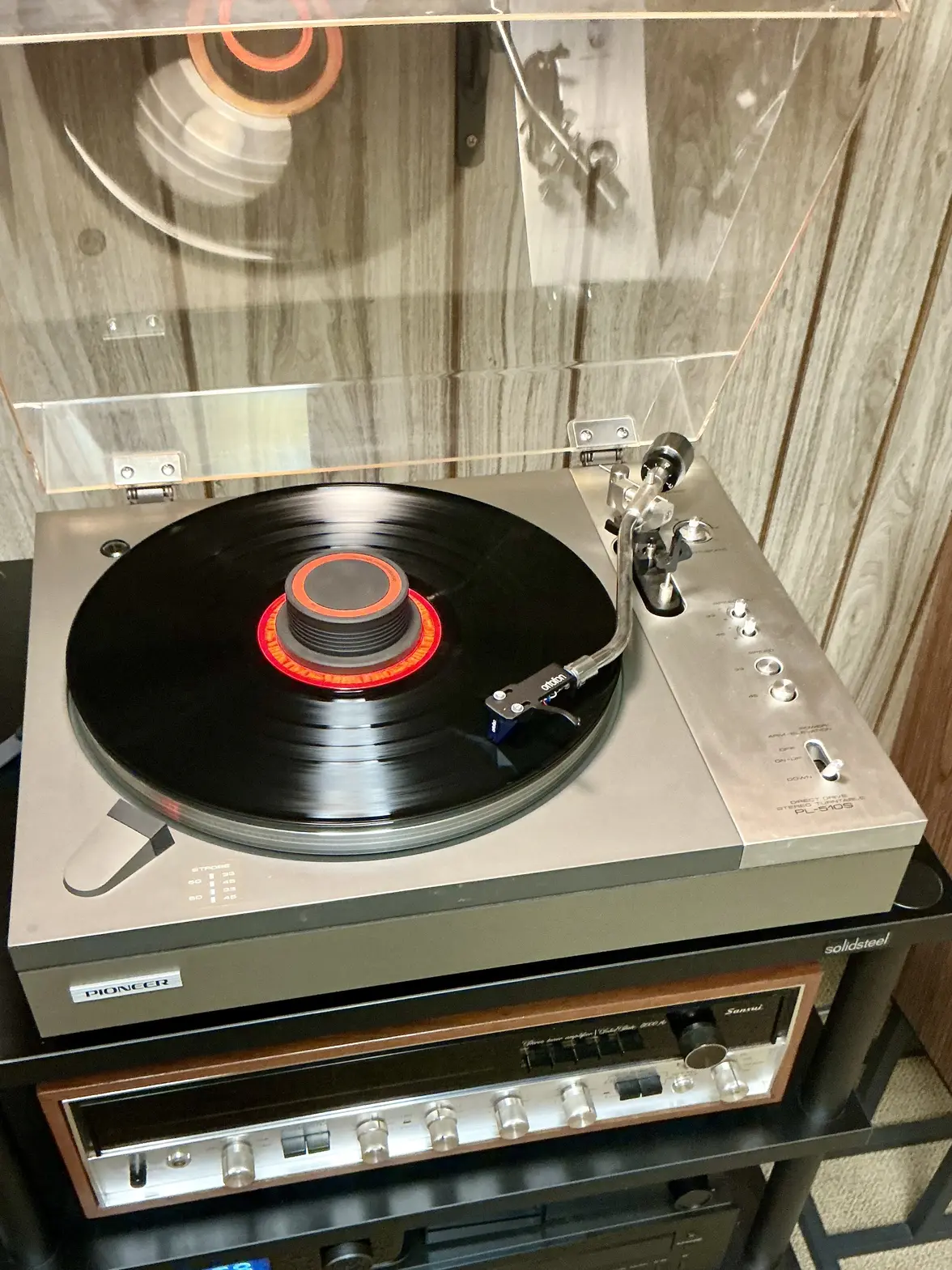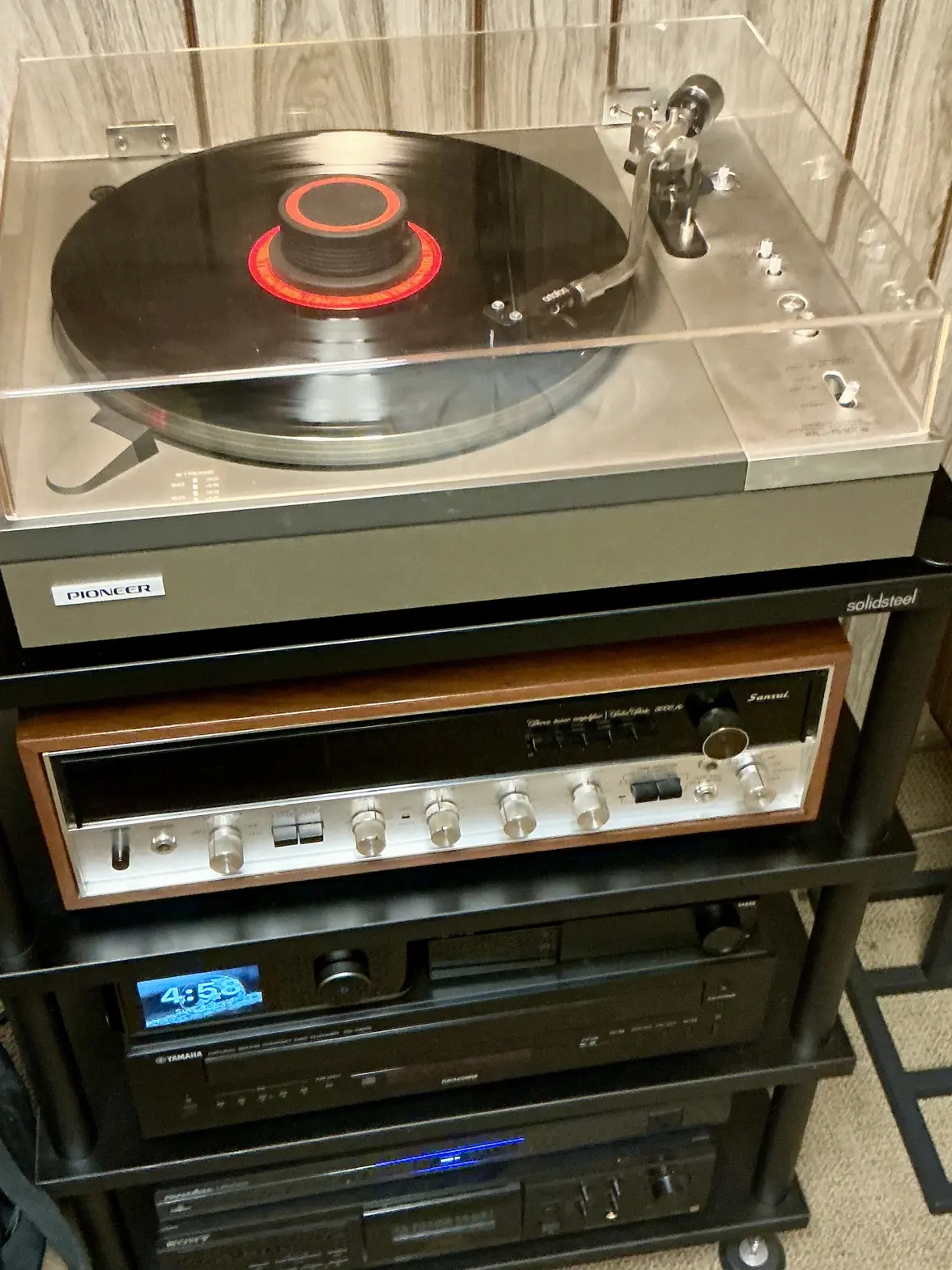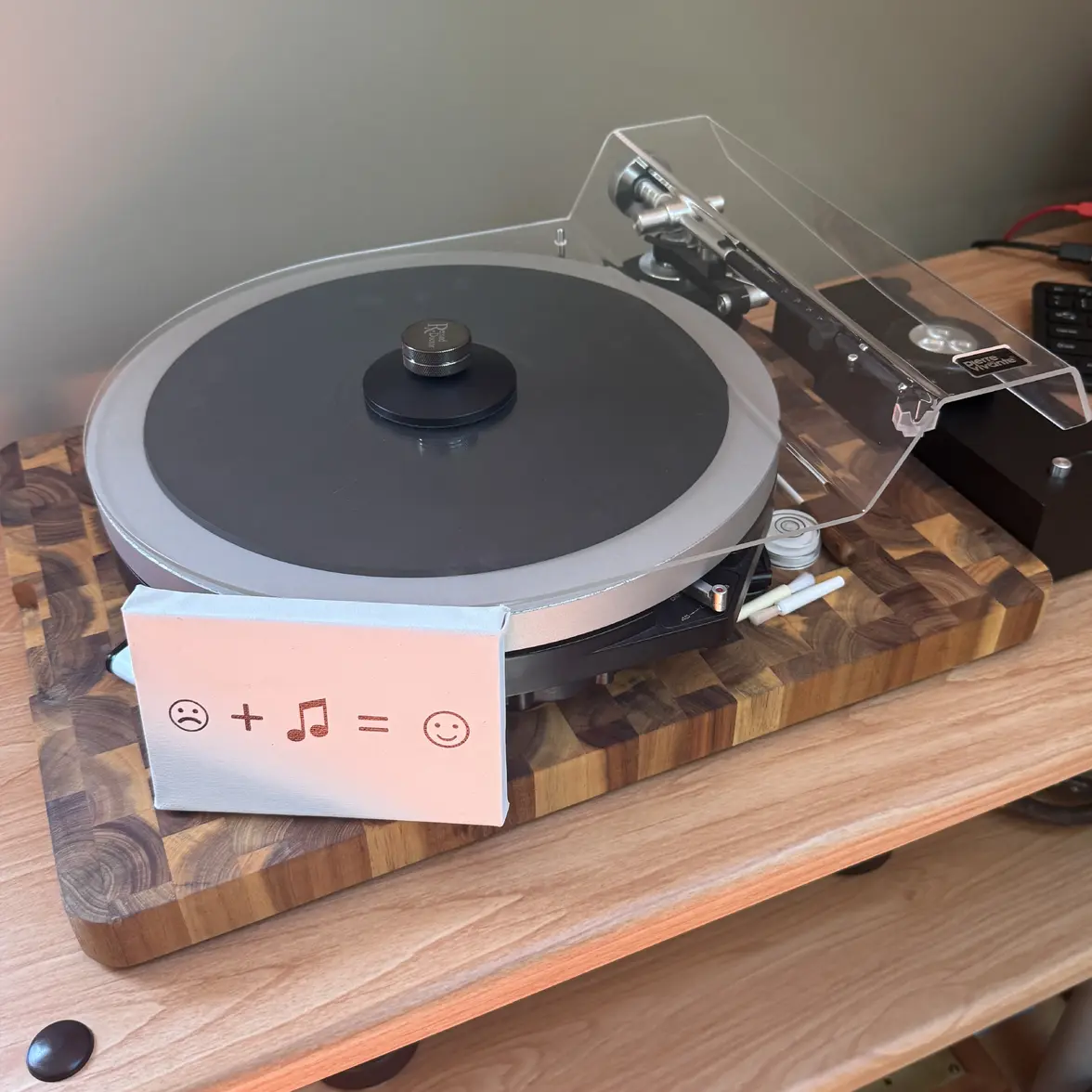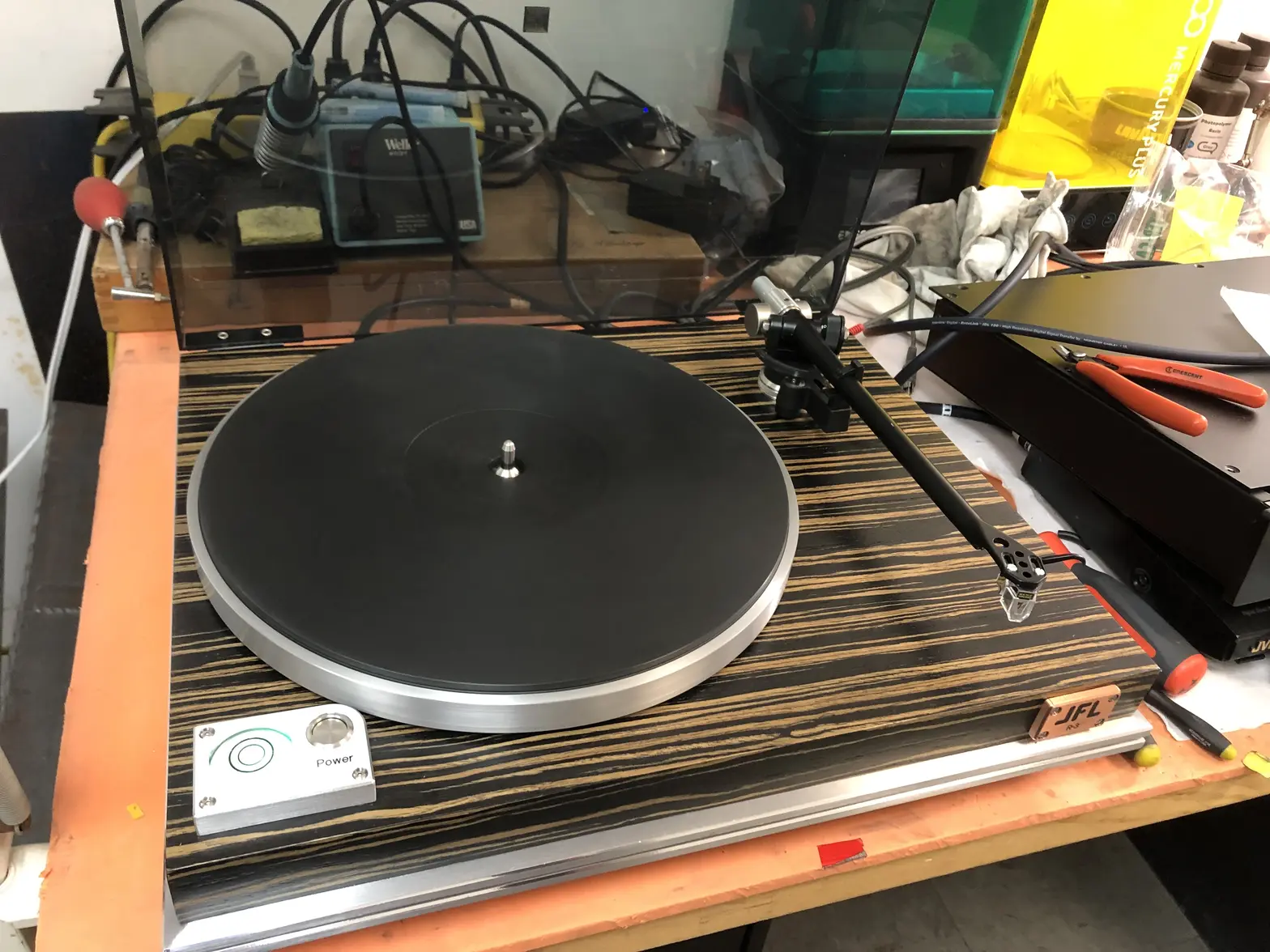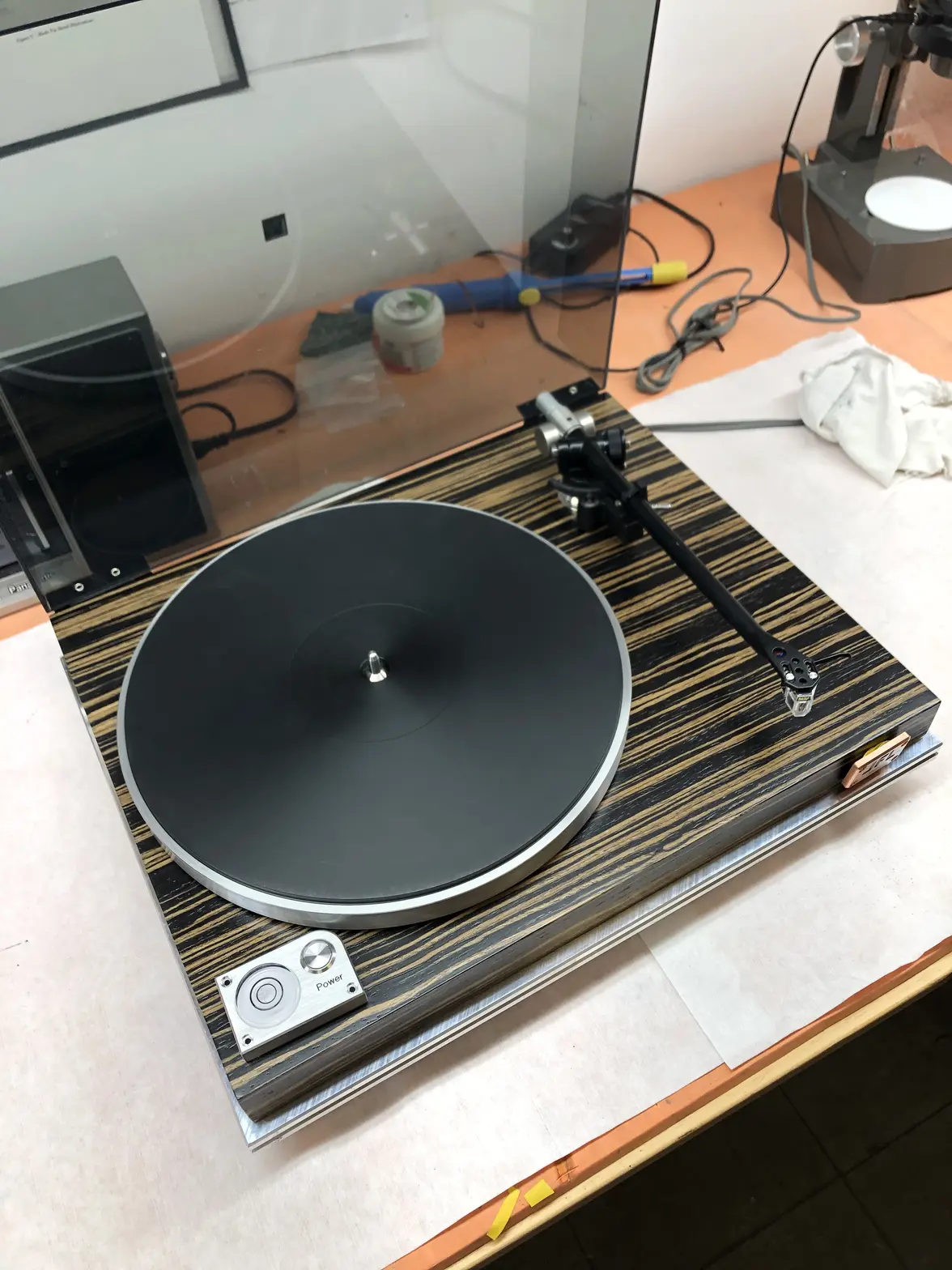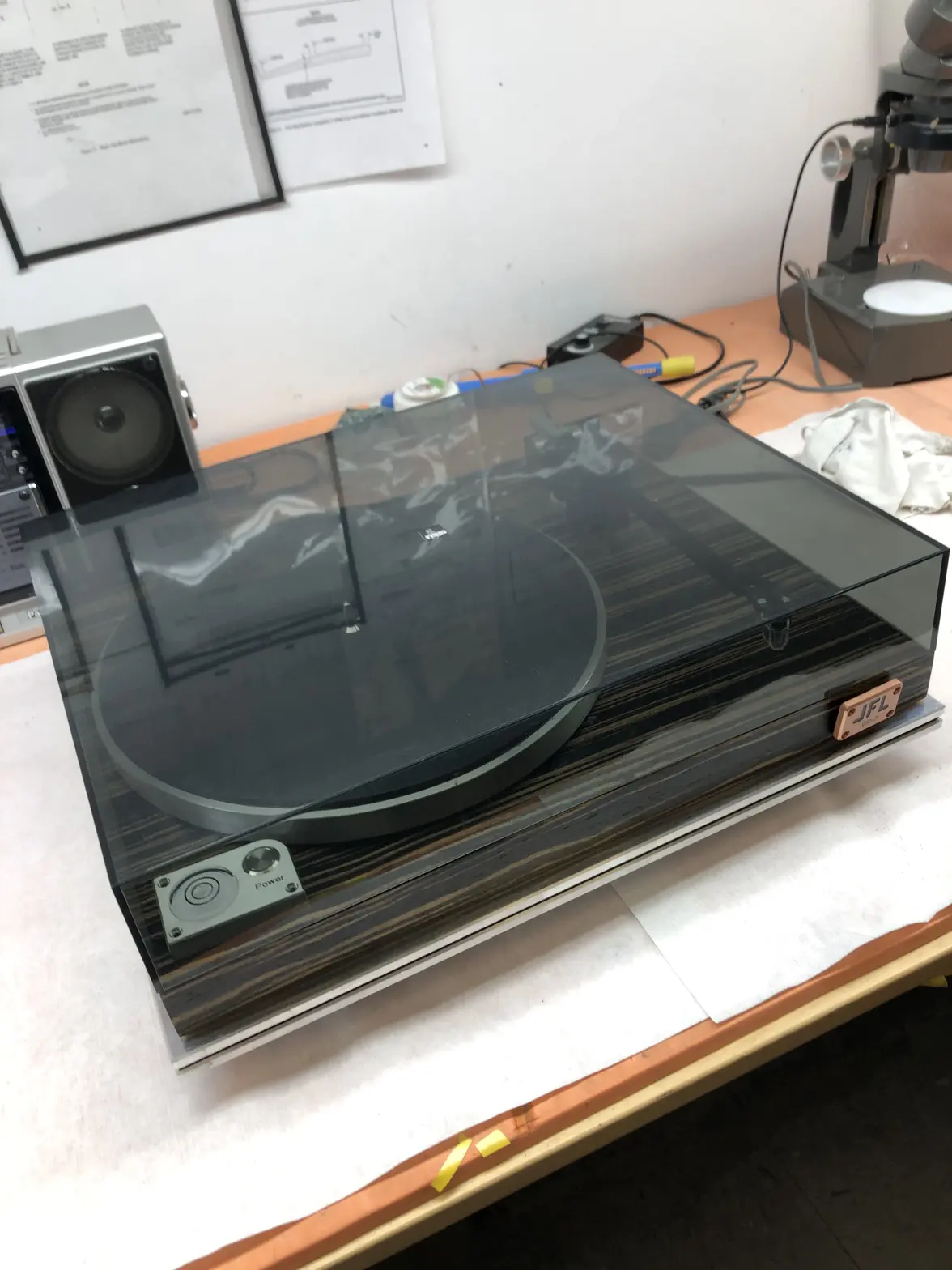
For the Hi-Fi enthusiasts among us...

Posts
725
Likes
1,709
digitizing at any point in the process produces distortions (breaks/imperfections) through the digital "fragmenting" of the continuous analogue signal.

No it doesn't. Research the Nyquist-Shannon sampling theorem. You can capture the analog signal and convert it to digital information and then back to analog flawlessly, so long as you have sufficient sample rate. Music really isn't very difficult to do this with, as humans can only perceive music in a certain frequency range.

 
Posts
238
Likes
391
It's "good enough" (I listen to it myself) but it is not without flaws.

Mathematically, the sample rate is double the frequency to remain "intact", but the rate is a step, and an audio frequency change from step to step is still recorded as two discrete samples, rather than an uninterrupted signal. That break is the issue. Nyquist indicated the necessary bandwidth to record 22kHz is 44kHz sample rate, and that is correct/accurate/sufficient, but it does not address the discontinuities of the conversion process itself- Fitting a series of 90-degree angles to a curve.

I didn't really explain these breaks well in my last post, and I think it is better said as fitting a series of 90-degree angles to a curve.
 
Posts
2,463
Likes
7,062
Mathematically, the sample rate is double the frequency to remain "intact", but the rate is a step, and an audio frequency change from step to step is still recorded as two discrete samples, rather than an uninterrupted signal. That break is the issue. Nyquist indicated the necessary bandwidth to record 22kHz is 44kHz sample rate, and that is correct/accurate/sufficient, but it does not address the discontinuities of the conversion process itself-
Nope. I'm with Jackeys above:
Research the Nyquist-Shannon sampling theorem.
The signal reconstitution is fine at 44kHz. Some designers use oversampling to push up the sampling frequency, but has mostly to do of using a less abrupt anti-aliasing filter (which is used before sampling).
 
Posts
725
Likes
1,709
It's "good enough" (I listen to it myself) but it is not without flaws.

Mathematically, the sample rate is double the frequency to remain "intact", but the rate is a step, and an audio frequency change from step to step is still recorded as two discrete samples, rather than an uninterrupted signal. That break is the issue. Nyquist indicated the necessary bandwidth to record 22kHz is 44kHz sample rate, and that is correct/accurate/sufficient, but it does not address the discontinuities of the conversion process itself- Fitting a series of 90-degree angles to a curve.

I didn't really explain these breaks well in my last post, and I think it is better said as fitting a series of 90-degree angles to a curve.

No, there is no stepping in the analog realm. As long as sufficient sample rate is used, which as Deafboy mentioned is 44.1 for music (can be higher for high res, though you won't hear it) the original waveform can be recreated perfectly. The "fitting a series of 90-degree angles to a curve" is exactly what the theorem is talking about solving with a high enough sample rate. If the sample rate is high enough, the original curve is perfectly recreated.

This has all been proven and demonstrated ad nauseum.
 
Posts
5,051
Likes
51,454
No, there is no stepping in the analog realm. As long as sufficient sample rate is used, which as Deafboy mentioned is 44.1 for music (can be higher for high res, though you won't hear it) the original waveform can be recreated perfectly. The "fitting a series of 90-degree angles to a curve" is exactly what the theorem is talking about solving with a high enough sample rate. If the sample rate is high enough, the original curve is perfectly recreated.

This has all been proven and demonstrated ad nauseum.
Put in a well specced low pass filter and it would be like "what 90 degree angles ?"
 
Posts
30,034
Likes
77,547
This video may be of interest.

Excellent video! I literally laughed out loud when he did this...

 
Posts
22
Likes
56
Trà ngon.
Điều ấn tượng không kém là chiếc loa đặt cạnh đó, với loa siêu cao tần và quạt tản nhiệt. Có vẻ như nó có khả năng tái tạo âm thanh từ 0 đến 24 kHz!
tannoy Arden hdp 385 supe treb fortex
 
Posts
238
Likes
391
Stepping away from the "argument".

The fact remains that digital is not analogue and decomposing and reconstructing a single sine wave doesn't prove (or disprove) that digitizing alters the signal, or not (it does illustrate Nyquist's theory well). Music is comprised of thousands, probably millions of sine waves occurring simultaneously. Between actual "notes" (pitch) and the plethora of harmonics and dissonances produced when a band, never mind an orchestra, performs.

There is fatigue provided to the listener by the process, not unlike fatigue provided via distortion. That fatigue source has not been positively identified (unless another researcher corroborates the paper from Mark), but it is there. It is real.

I still like my digital; just interested in what technology can make it better.

I'll get cozy back under my rock.