For the Hi-Fi enthusiasts among us...

Posts
13,805
Likes
53,817
My Yamaha from 1998 RX-v992 still works fine. Cleaned the volume a couple of times. It however has transitor amps and no hdmi.
A got a low end Pioneer in a out 2005. It somehow gets weaker as time goes by and required tuning up the volume more and more. The remote volume has died but works manually.
I bought a Yamaha A-730, pre on board wifi. The main board died about 4 years in and I got it fixed for about 60% of its price new. It's still working fine. I was disappointed by its failure since it was a "premium" Aventage.
I also have the grand pappy Yamaha R-9 from 1984 that was the first av receiver by Yamaha, but still two channel @125 watts @. It works well except that the fm memory supercapacitor has worn out and sometimes the fm chip conks out, and it's volume needs cleaning annually.
My conclusion is that modern chip based AVRs have much shorter lives caused by the limits of the chips.

An AVR is an appliance with a useful life of 8-10 years tied to rapid evolution of media. Just like a dishwasher, microwave or sadly, a fridge. They are complex and full of vulnerable boards and processors. I once paid north of $3k for a monster 7.1 Rotel AVR which had a killer amp section, no phono pre, no zone 2 amp ( both of which I also purchased) . It failed after 13 years of almost daily which was ok because it was obsolete media wise. I replaced it with an x series 7.1 Denon which sounds fine and was half the price. I’m still using the high power Rotel amp that I bought for zone 2 though. It’s now paired with a modern Rotel Pre Amp for 2 ch only.
 
Posts
4,175
Likes
12,053
Y'all are making me happy I haven't "upgraded" over the years, my newest bit of audio kit is thirty some years old and my oldest is sixty some years old. All this newer stuff seems like it was built with obsolescence foremost in mind.
 
Posts
13,805
Likes
53,817
Y'all are making me happy I haven't "upgraded" over the years, my newest bit of audio kit is thirty some years old and my oldest is sixty some years old. All this newer stuff seems like it was built with obsolescence foremost in mind.
Better get it serviced before all these techs retire. The good to excellent modern 2 ch stuff is still worth buying.
 
Posts
1,948
Likes
4,980
Seems audio is just as addictive as horology
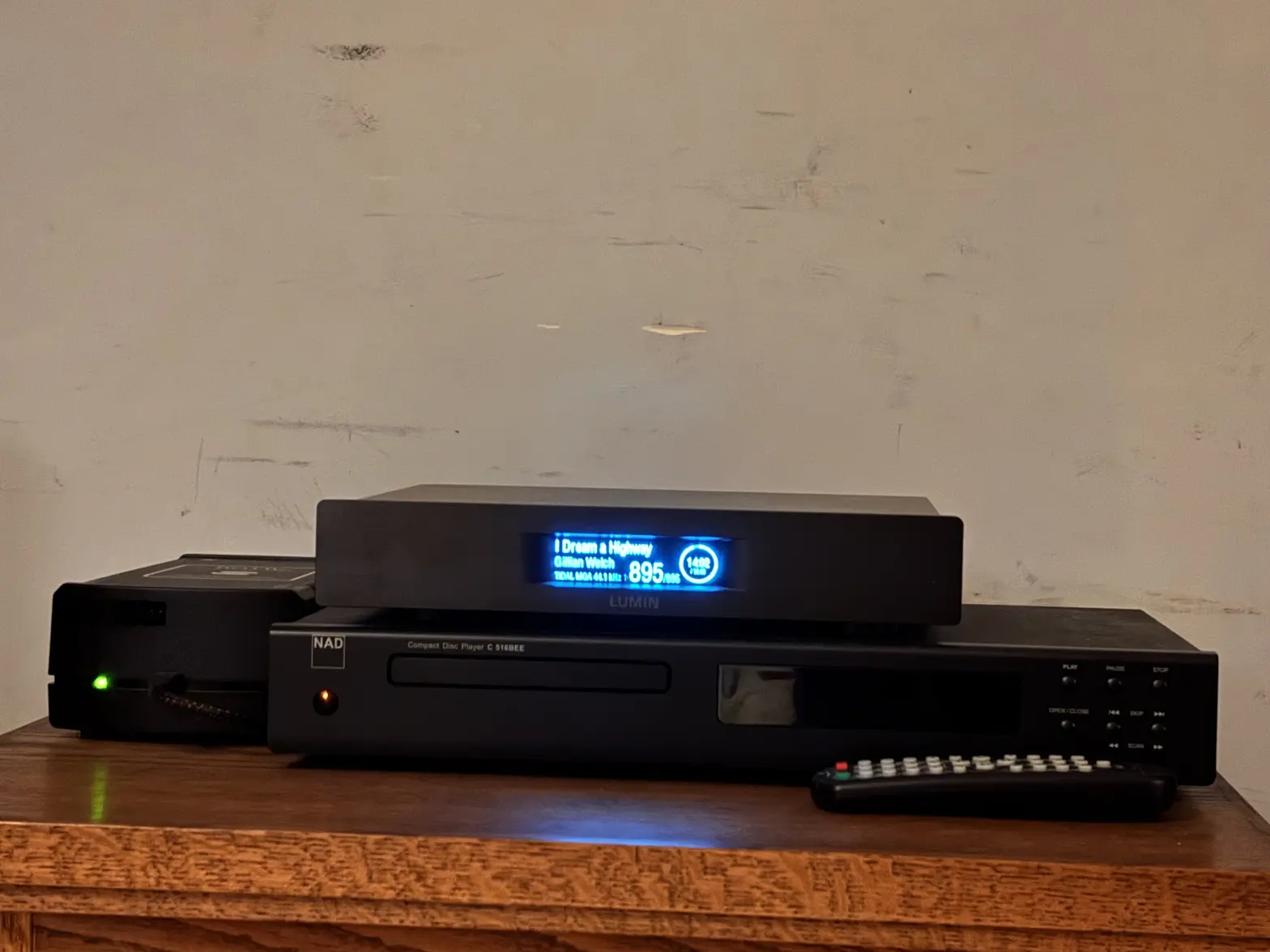
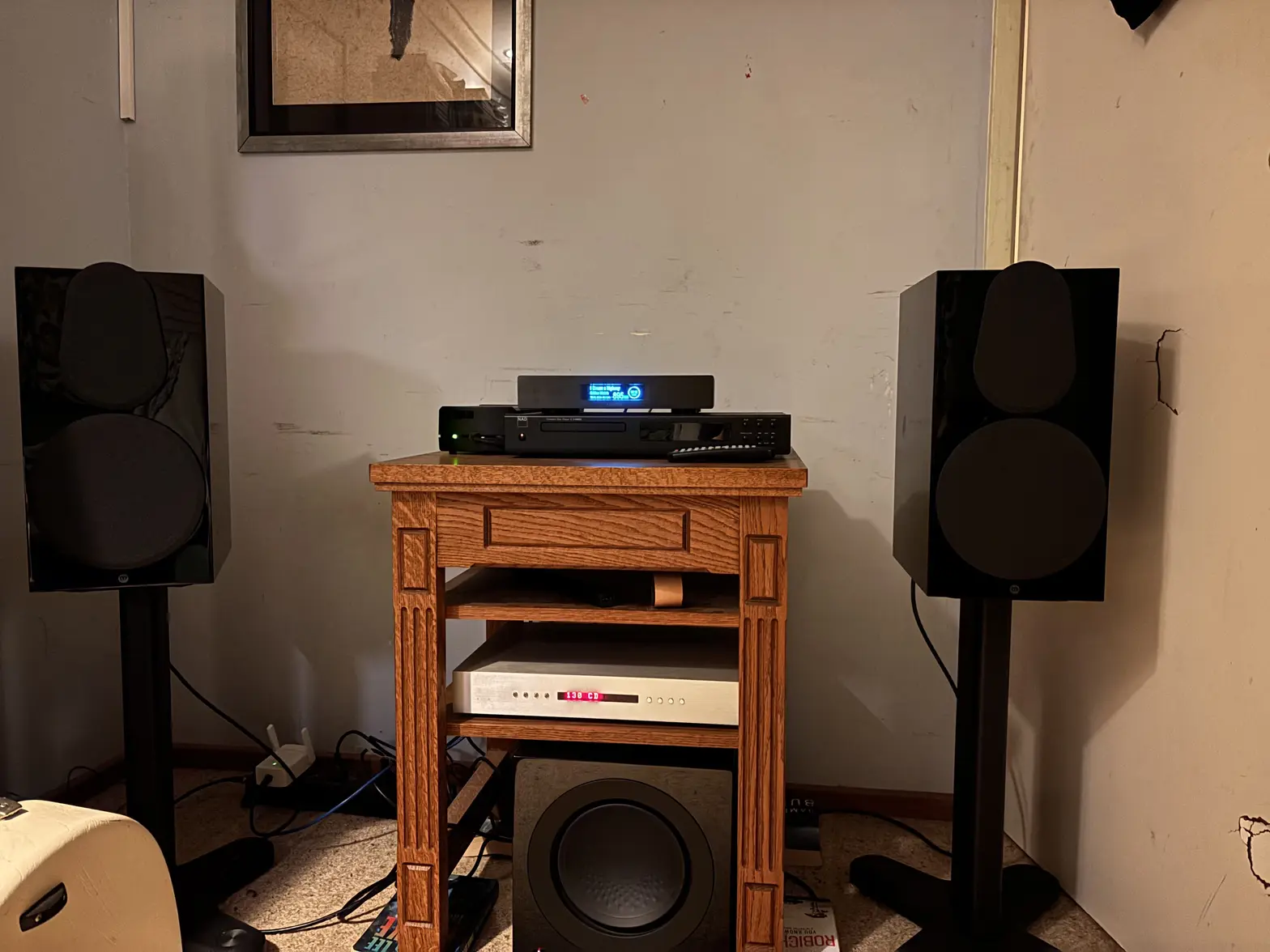
I’ve just replaced an eversolo dmpa6 master streamer with a Lumin d2 with an external power supply.

Out with monitor audio Studio 89 speakers
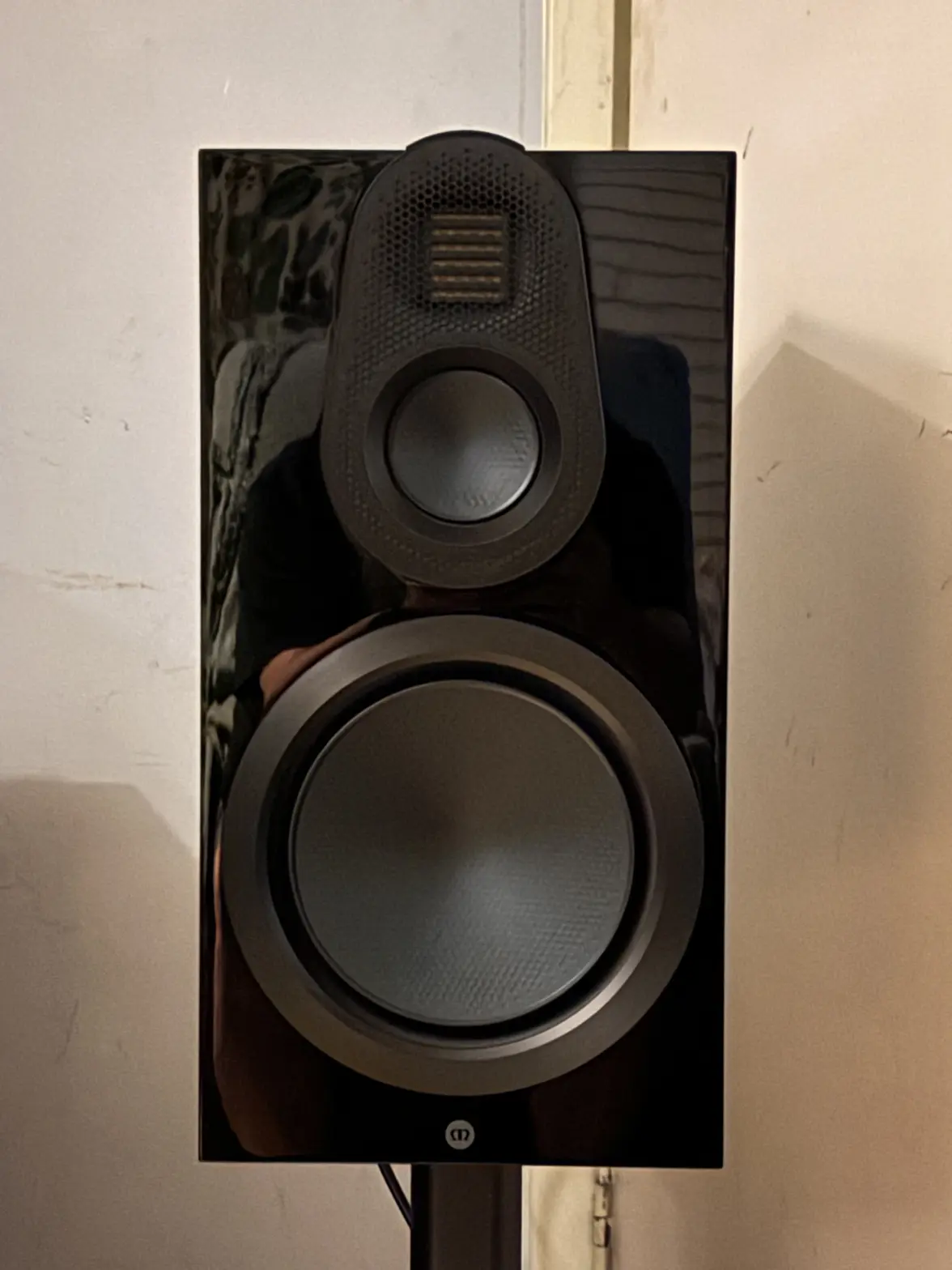
In with the more capable monitor audio gold 1006g 3 way speakers

Retained a MA antra sub and the Densen b130xs amp

Already considering an external dac and possibly looking at swapping the amp


Posts
5,637
Likes
9,474
Why on Earth would you want streaming ? Why not go the Original ; like Vinyl or somehow even CD's ? Streaming will never achieve the Original ; only costs a Lot More ...
 
Posts
1,948
Likes
4,980
Why on Earth would you want streaming ? Why not go the Original ; like Vinyl or somehow even CD's ? Streaming will never achieve the Original ; only costs a Lot More ...
Watchyouwant

I’m a vintage format kinda guy when it comes to watches but quite the opposite when it comes to music, at least the source. With amps it’s a bit different- class a or high end a/b work for me.

Whe it comes to the source, I’m not a vinyl fan- I think you have to spend more here to maximise quality but end up with a noticeably lesser outcome than is possible with cd or streaming.

I love cd- and have a decent collection

The clear winner for me is streaming… the Densen d2 only set me back about $800 used (including an excellent external power supply) and it is better than the cd format for me and orders of magnitude better than vinyl.

What I love about this particular streamer…
Minimal digital glare- a quite analogue sound, excellent soundstage and separation… etc etc

That’s enough for streaming to be a clear winner for me… as an added, not insubstantial bonus, the ability to listen to all of my faves (apart from bootleg jazz which the cd player covers) and expose myself also to a heap of new music on a daily basis… is absolutely magnificent

All said, I totally respect your right to have your ears disagree with mine… and if other formats are your jam, cheers to that!
Edited:
 
Posts
13,805
Likes
53,817
Why on Earth would you want streaming ? Why not go the Original ; like Vinyl or somehow even CD's ? Streaming will never achieve the Original ; only costs a Lot More ...
I have a thousands of CDs, hundreds of LP. I still enjoy them but I’m running out of space ( and years) . I’m a WiiM fan and Amazon HD subscriber. What’s great about streaming is the opportunity to conveniently check out new music in high quality from massive on line libraries without having to buy more physical media. Libraries used to serve that purpose somewhat but most have drastically reduced their collections. It is true unfortunately that the services hold some re masters that are questionable, and the what actually happens with the files is somewhat opaque. WiiM, Eversolo, Blue Sound streamers and a decent DAC. No need IMO for massive cash on this.
Edited:
 
Posts
1,948
Likes
4,980
I have a thousands of CDs, hundreds of LP. I still enjoy them but I’m running out of space ( and years) . I’m a WiiM fan and Amazon HD subscriber. What’s great about streaming is the opportunity to conveniently check out new music in high quality from massive on line libraries without having to buy more physical media. Libraries used to serve that purpose somewhat but most have drastically reduced their collections. It is true unfortunately that the services contain a lot of re masters that are questionable, and the what actually happens with the files is somewhat opaque. WiiM, Eversolo, Blue Sound streamers and a decent DAC. No need IMO for massive cash on this.
True, you can certainly drop 10-20k on a streamer and dac- but I don’t really see the need- I just wanted a streamer/dac all in one e that I could hear out performing my CD player.

Part of the joy of the Lumin D2 is that I can, if I want to at some point, route it via an even higher quality dac (and the d2 is already excellent) maybe I’m a year or 2
Pleasingly Lumin continue to support product for a long time after they have been superseded
 
Posts
13,805
Likes
53,817
The DAC in your Lumin is excellent. You are already well past the diminishing returns point with that box. WiiM Pro, Cat 8 Ethernet into Rotel RC 1950 MKII pre amp; WiiM Ultra, WiFi into Topping D70 Pro. Both sound fantastic. The Ultra was darned good on its own but I’m also running a CD player through the Topping.
 
Posts
238
Likes
391
I think streaming front ends are very good- even a lot of the "no name" China offerings.

But you have no control over the backend, and the trip from there to your front end. Poor remasters are the rule, not the exception. Trying to "fix" the shortcomings of analogue tape... the studies done my Mark Levinson (https://danielhertz.com/) indicating the actual brain effects of digital recordings. Analogue tape to analogue storage is the most realistic representation of live performance. And that is the goal. The goal of an audiophile anyway.

I am content with my old digital front end for CD playback. It's good and my listening sessions were short enough to never have fatigue issues. (Theta Data to an Aragon D2A)

Then the ever present discussion (which came up recently again) about (in that recent case) movies that were "bought" via a game console I think it was, for streaming that are no longer available, and no refunds are to be issued.

Always best to own the physical media, or at least own (be able to hold in your hands) hard drives with the music. Don't trust the cloud.

Nothing beats the convenience of streaming- I use Pandora occasionally. But I own thousands of pieces of media as well. (which reminds me I need to organize it better...) Most of my current purchases are old Jazz (hard bop specifically) records that were never digitized.
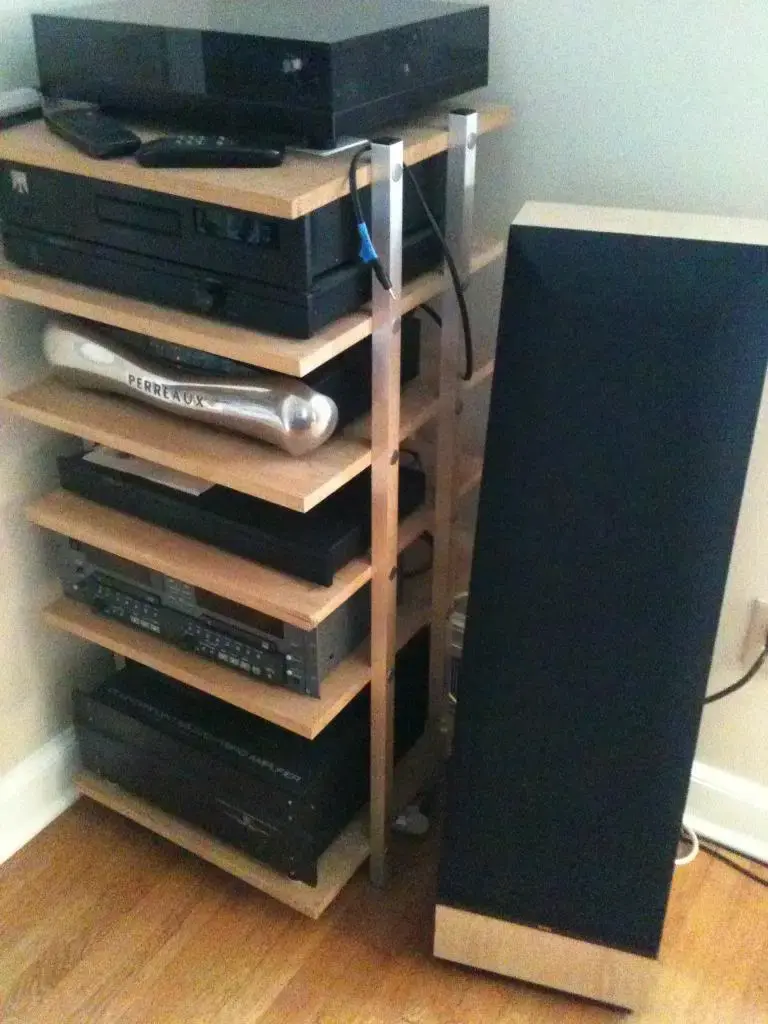
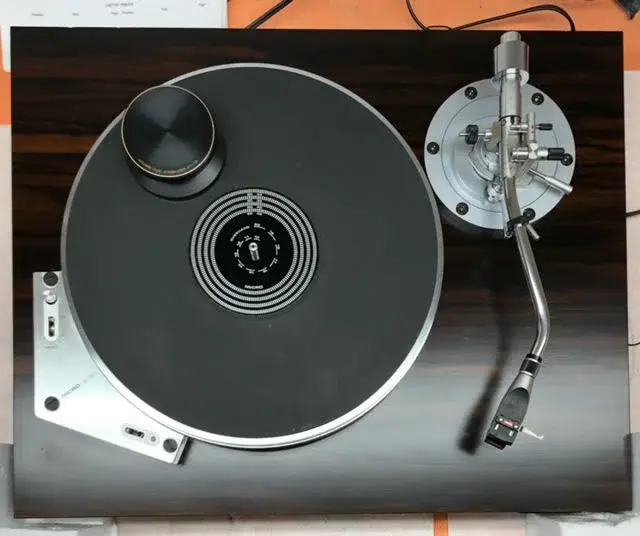
(Very old photo of the rig- turntable is now a Micro BL-91)

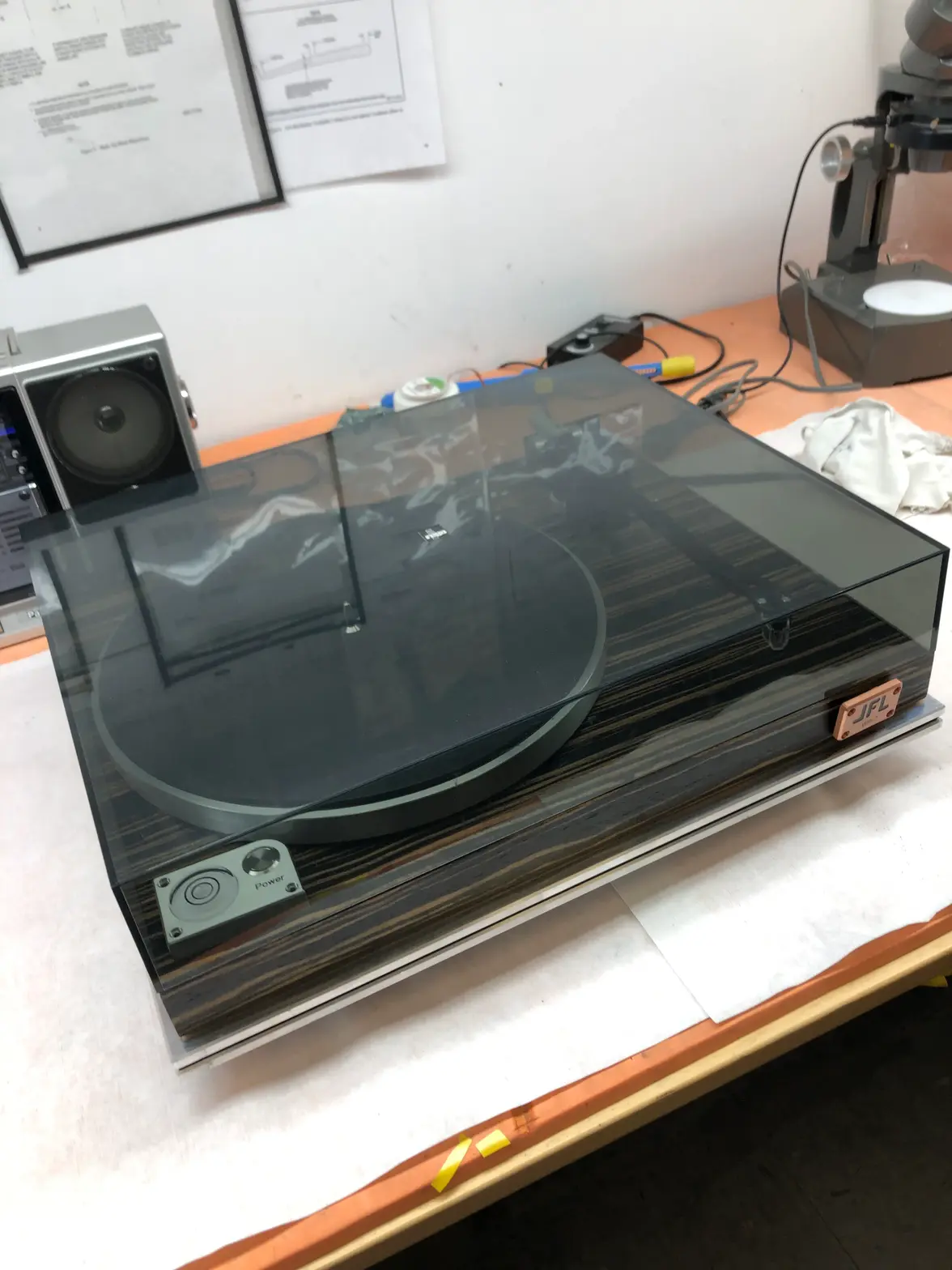
The old Rega was re-engineered from the ground up:

And I made my own phono pre, using the incredible Wyn Palmer design:
 
Posts
30,034
Likes
77,547
Unless you go way back, most recordings have some digital in their processing, even if they are on vinyl. I think far too much is made of analogue v digital, when how it's produced is far more important to the end product. The way the recordings are mastered is the key.
 
Posts
238
Likes
391
It all matters; but digitizing at any point in the process produces distortions (breaks/imperfections) through the digital "fragmenting" of the continuous analogue signal.

This was always the problem, but not until recently it was actually identified and documented. It was always just "I prefer analogue" but there wasn't really a scientific basis for why.

(I do prefer the "cleanliness" of CD over typical vinyl. I have invested in an ultrasonic cleaner, and that is worth every penny if you care about your records and the listening experience)

A great example is the cheap LED headlights, that appear to shake and/or flicker at a high rate when they are driving on the highway behind you. Bright and clear without any glare, but this odd flicker. Almost like a low refresh rate on a CRT (remember those?) Really annoys me anyway, and I think that is the same sort of condition the audio suffers during conversion.
 
Posts
238
Likes
391
(I didn't read the article yet) An analogue recording that is then digitally mastered will show the artifacts, yes.

However, a digital recording that is analogue mastered will also show it.

Point being, it is not limited to mastering as the sole reason.

That said, any modern remasters will be done in the box and not analogue, even if the original 2" 24-track master tapes are used as a source.

And I'm not buying anything from Mark, nor am I suggesting anyone else do so.

But like his original recordings at the source in New Haven to then be used as basis of comparison to evaluate his equipment's ability to accurately reproduce the source, he is an innovator.

PS: if anyone is happy streaming, or using digital source, such as CD, like I do, that's fine. I'm merely pointing out that there really IS something to it, and it has finally been identified and quantified.
 
Posts
30,034
Likes
77,547
I'm merely pointing out that there really IS something to it, and it has finally been identified and quantified.
Yeah - I read both the white paper and the study on that site.

It never identifies with any real clarity what the actual trigger for these physiological changes is, other than a somewhat vague claim that the regularity with which the sound is segmented in a digital recording is somehow responsible - but why and how? What level of regularity is enough to trigger this physiological response? Where is the baseline research behind this? Their technology adds "reverb to fill the gaps." Okay.

At best it's interesting, but I personally don't see it as some defining answer, at least not without more detailed information and some sort of peer review of the underlying assumptions, and maybe testing on more than 6 people...
 
Posts
1,948
Likes
4,980
Surely analogue processing also introduces non musical artefacts in addition to being compounding?

A single, well-executed A/D conversion doesnt compound: once the audio is in the digital domain, copying, editing, and further processing are bit-perfect (lossless). The “damage,” if any, happens once at conversion - not per stage- with modern converters pushing noise and aliasing artifacts down around -100 to -120dB, (below audible thresholds) when proper anti-aliasing/reconstruction filtering is used.

So a chain that’s “higher % analogue” - say, multiple tape generations, analogue mixing desk, analogue mastering, then a vinyl cut - is actually accumulating far more real, audible distortion sources than a signal digitized once cleanly and processed in the box.
Edited:
 
Posts
1,948
Likes
4,980
I don’t think “warm and alive” have much to do with analogue vs digital as a format, they’re about capture and production/mastering decisions.

Sure, tape’s harmonic saturation adds a type of pleasant distortion - that clean digital won’t add but good digital recording with real instruments, no pitch rider/ timing correction employed which pick up the sounds of the room (and natural decay) should be able to take the best things about an analogue performance without reducing clarity…

Where digital recording captures the sound of the the room, the reverb and natural decay with No or light pitch/time correction- preserving human timing and intonation imperfections, it has to be better than analogue, With high sample rate/bit depth capture- digital has plenty of headroom and low enough noise floor that none of the above needs to be stripped and you’re not battling with tape hiss or dynamic range limitations.

Sure primarily analogue recordings can sound amazing and digital, especially loudness wars/ pitch and timing corrected digital can be hideous but overall digital wins for me
Edited:
 
Posts
238
Likes
391
I agree the initial paper is lacking; however now there is something to build on. Maybe this opens that door…

I also agree digital bit perfect is as good (or bad) as the original digital source and that analogue “copies” present loss and distortion at every step.

Just trying to get to the point where the musicians are in the room performing. Seems easy enough but it is challenging to suspend disbelief.
 
Posts
2,463
Likes
7,062
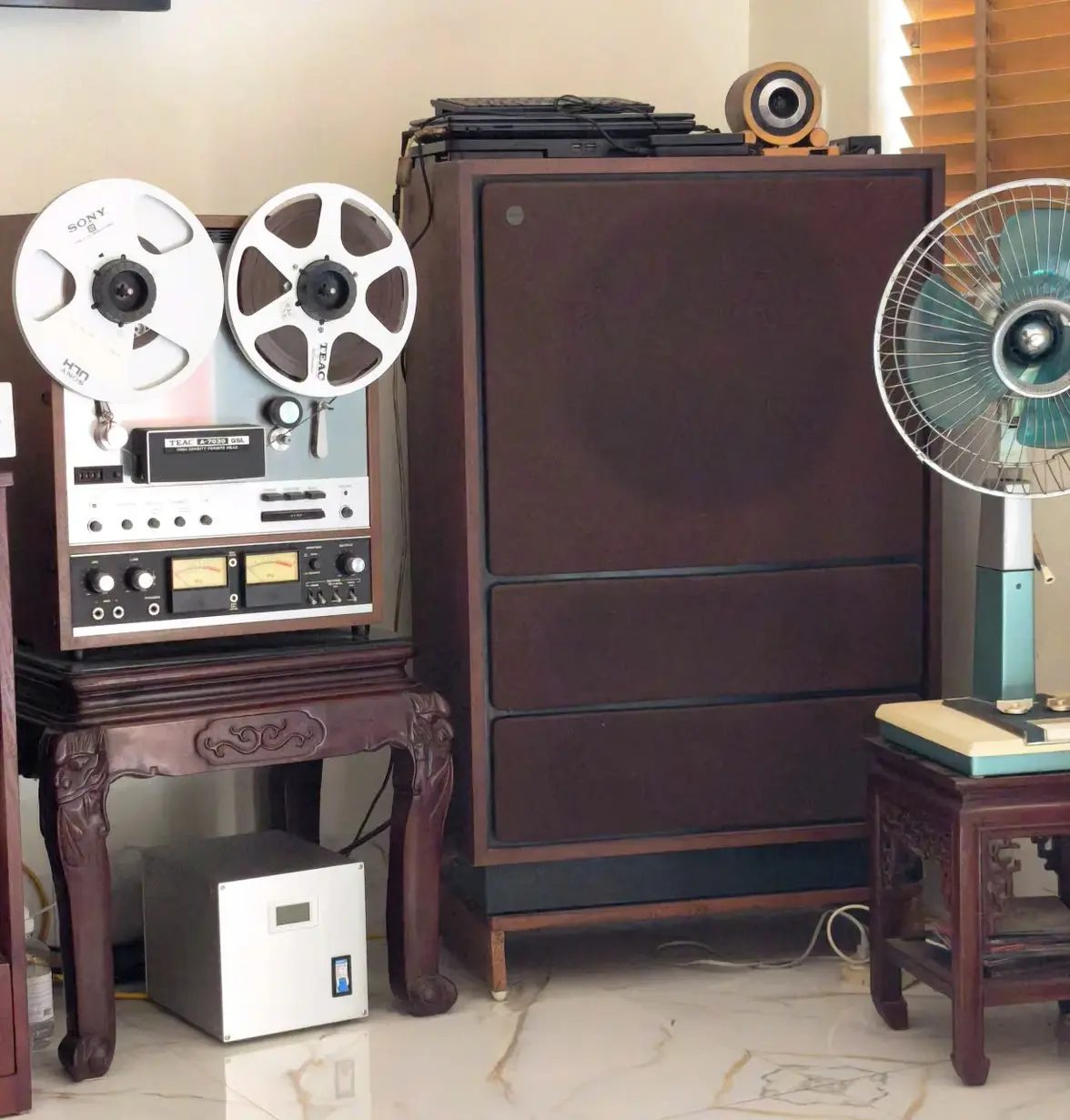
Teac 7030GSL

Nice Teac.
Also impressive is the loudspeaker next to it, with its super tweeter and fan. Looks it's capable from 0 to 24 kHz!
Edited: