- Posts
- 2,922
- Likes
- 4,654
sheepdoll
·This topic is all over the place. Given that quartz analog dial watches need a motor to move the hands.
For the last month or so I wanted to put all this into one place. Some of this gets burrieds deep inside other threads. I have also grabbed some screenshots of useful information as well. This way I can link to this thread when answering questions about vintage quartz repair.
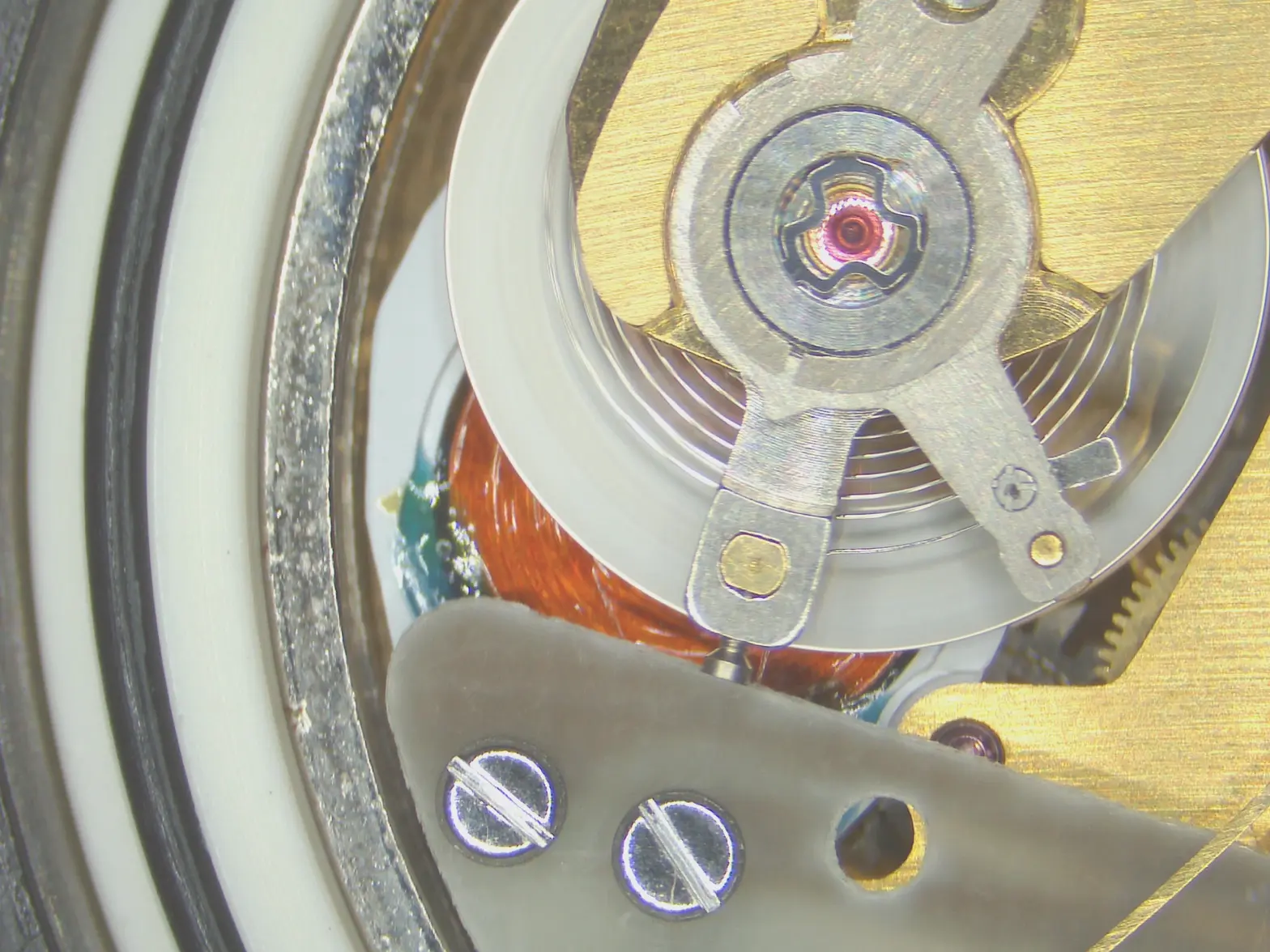
There seem to be two types of motors used. They tend to be a linear motor which is called a lavete motor.
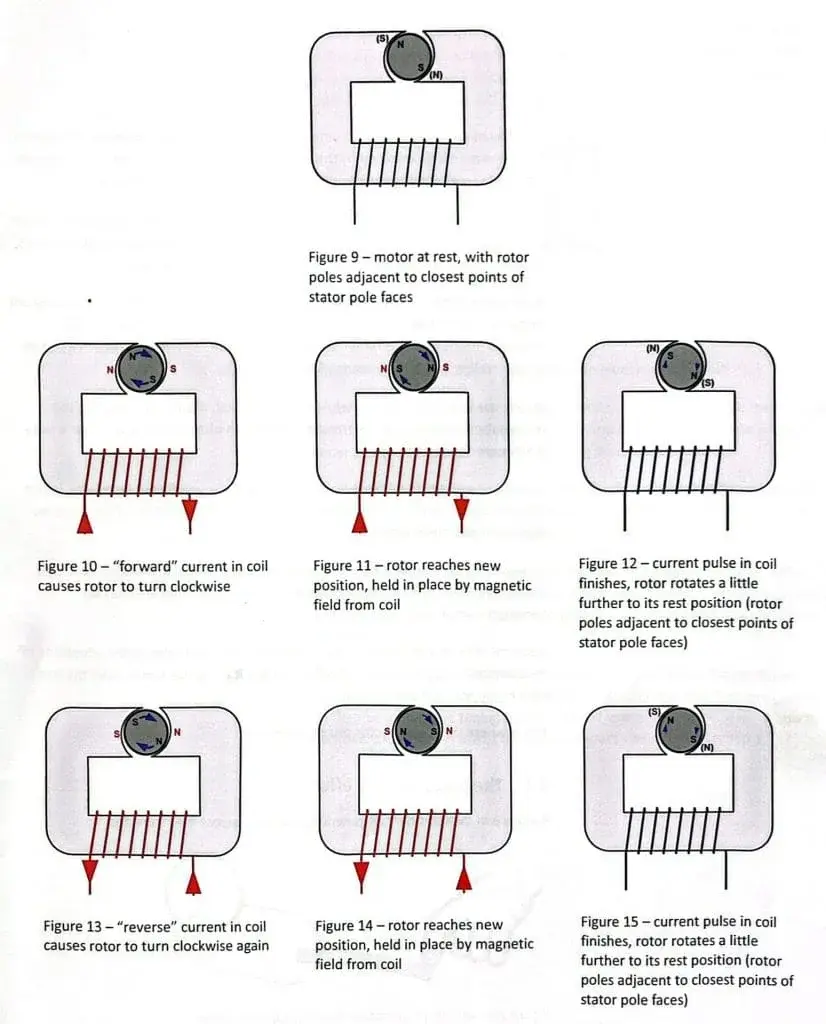
Most watches use this type. These are robust, easy to manufacture and found in almost any modern watch or clock.
The other is the single coil multiple step used in the 1970s and 1980s watches. Thse motors are primarily found in the omega calibers mostly in the range 1340 to 1345. Similar motors also appear in the 1320/25 watches.
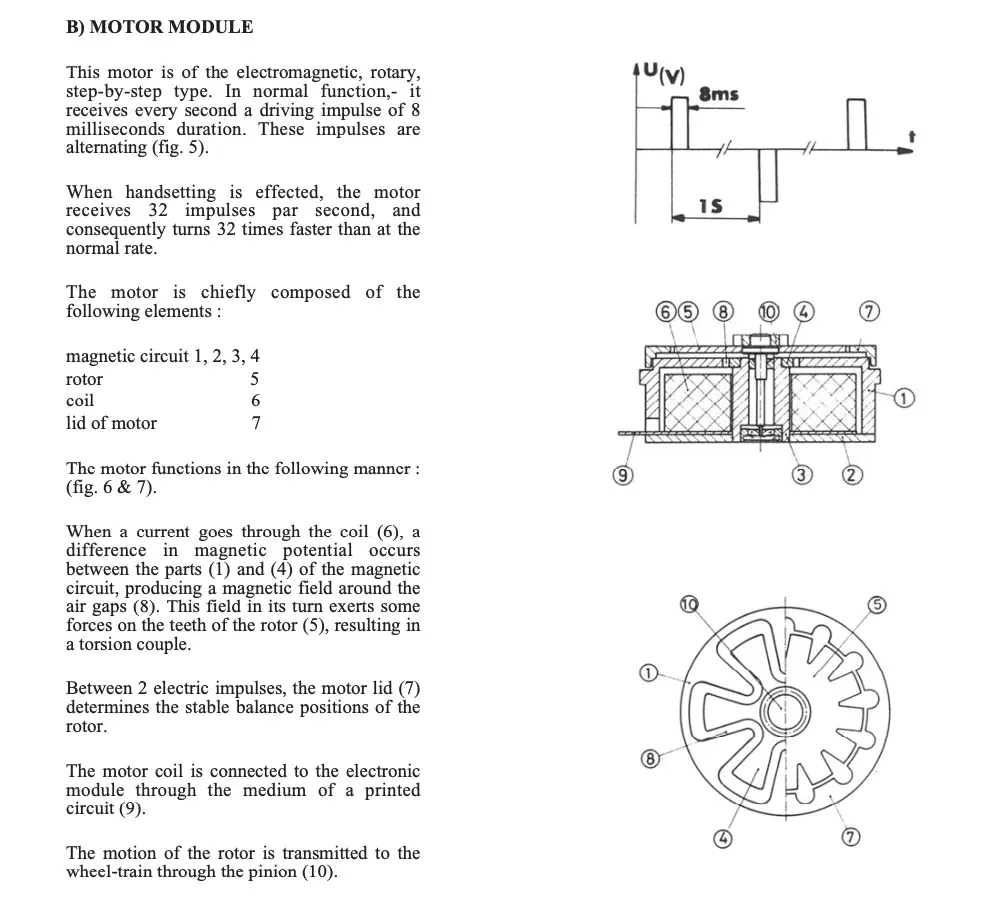
Both styles tick once per second or once per hour. The main difference is the linear lavete motor usually has 4 poles and moves 180 degrees per tick.
Both types of motors seem to be wound at around 1.5K to 2K of impedance resistance. This makes sense as the battery is around 1.5 volts This gives about 1 milliamp of energy.
Failures can be either in the coil or the electronics. Electronics are easier to replicate. The main issue is that most off the shelf chips work at 3.2 volts rather that 1.5 volts. This entails the use of buck boosters.
When quartz watches were first introduced, much effort was given to creating testing machines, what could be used for diagnosing the repair.
The primary tool is an analog volt meter. This is useful for detecting the small voltages and currents used.
Omega published Maintenance data sheets. These tend to be scarce online. They do sometimes show up in online auctions and watch materials sites.
Typically they give voltage and current readings which are similar across a number of calibers. These documents also refer to test equipment designated as alitest and deltatest. There are threads here on omega forums what detail the repair of such devices.
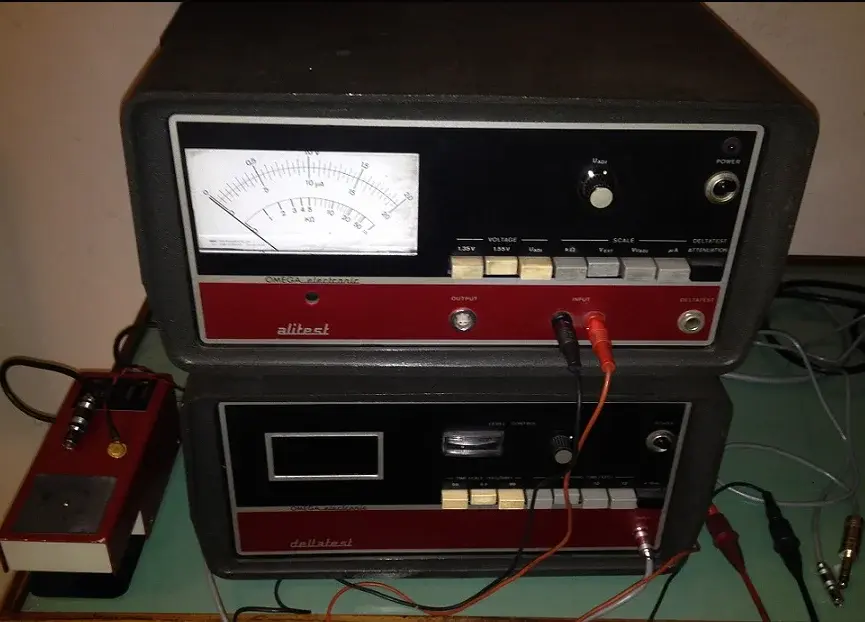
One function is the reading the rate of the watch. Instead of directly probing test points in the electronics, the electromagnetic leakage is measured via a pick up coil.
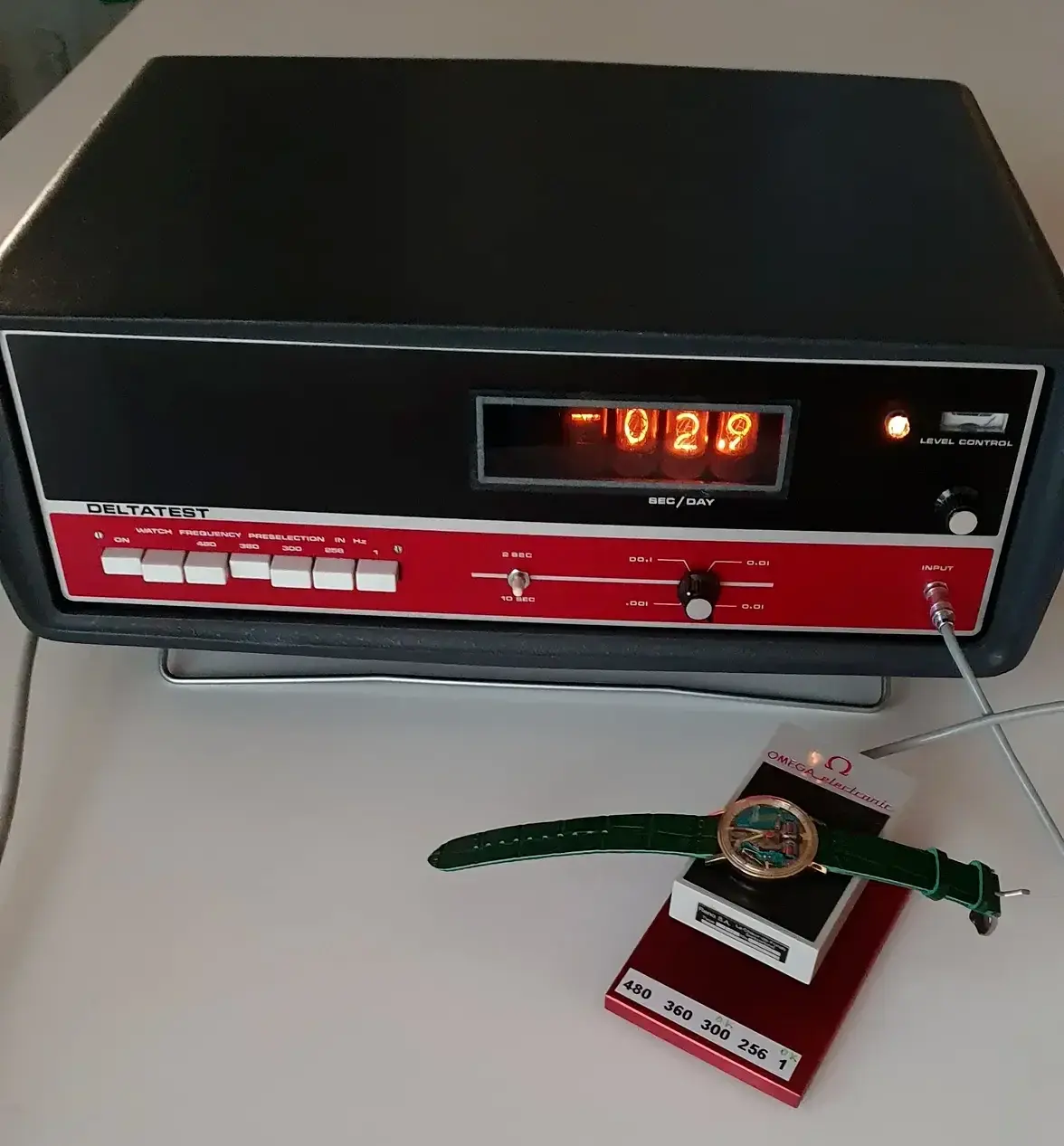
Vintage and modern versions of such machines are available and used by high volume quartz dealers.
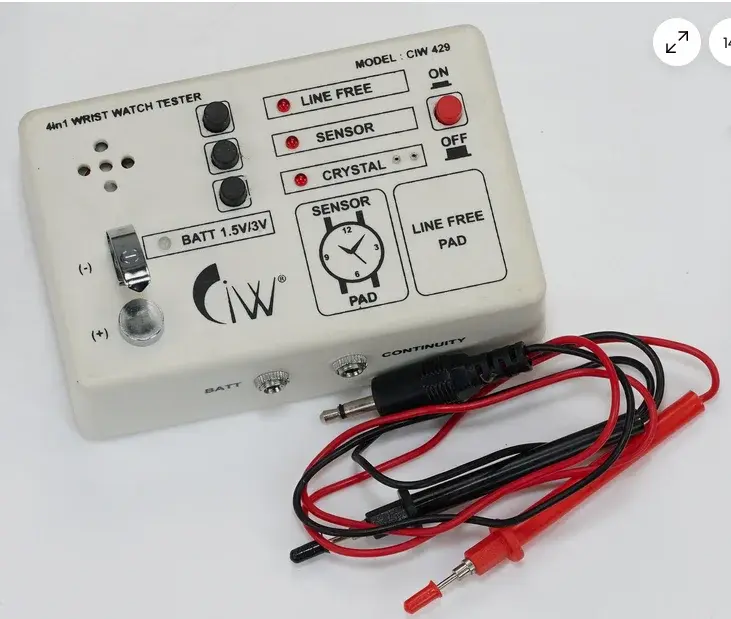
Given the ubiquity of small microcontrol project boards in the maker, steampunk and other Stem related communities under names like Arduino and Raspberry pi, there is a large volume of knowledge how to create test and replacement circuits.
In my small sample of 134x, and 1365 plus a 1355 watch, the motors are more likely to fail than the electronics. The wire is super fine and breaks easy. My guess is this relates to mechanical stresses in the coil.
A sample of 8 1342/1345 watches yields 7 coils and 6 electronic circuits.
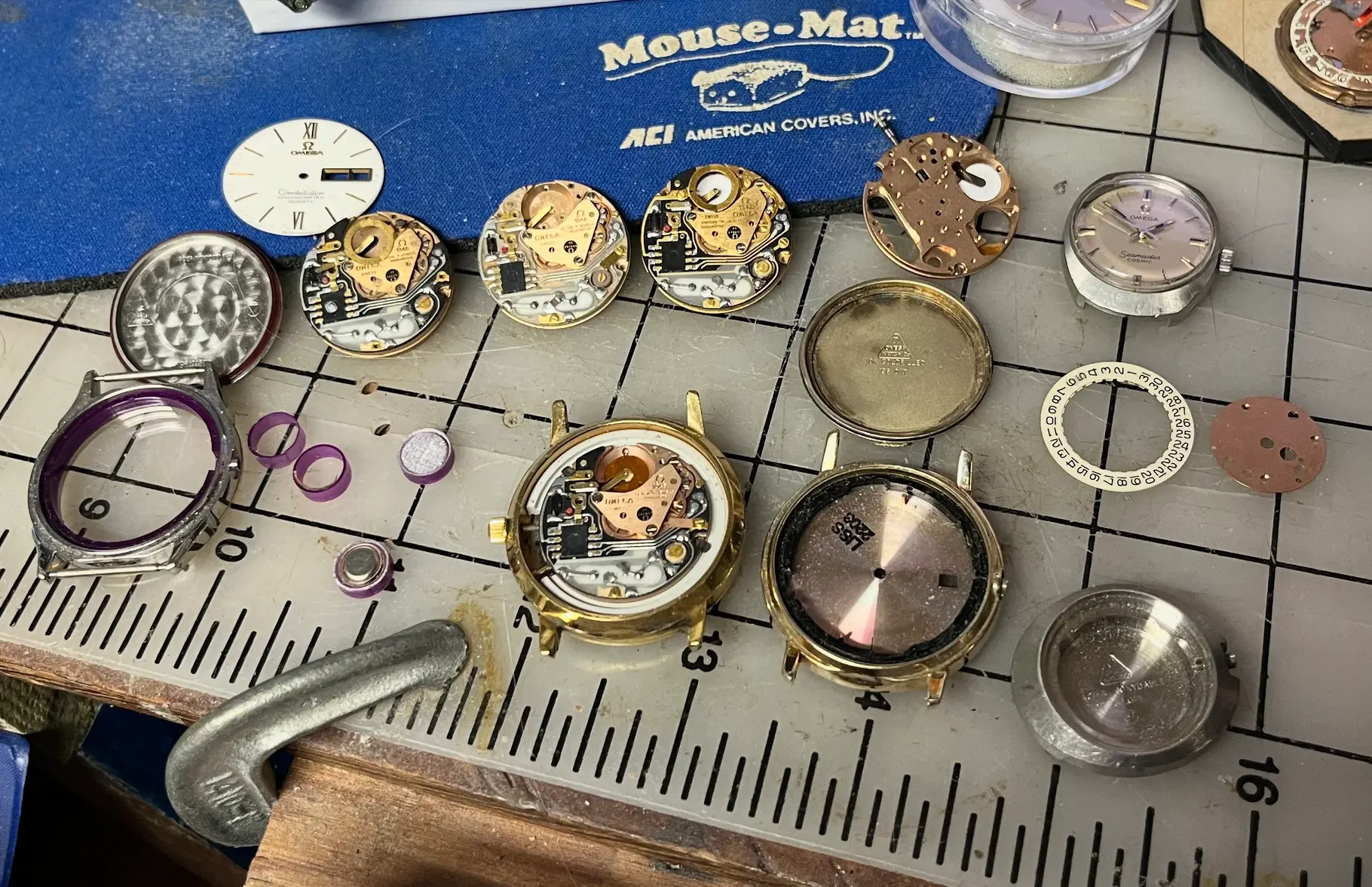
The 8th watch was only useful for mechanical parts having had the electronics stripped. Four of the coils measured zero resistance. The other three measure around 1.5K impedance resistance.
The electronics are the reverse with three boards and three with no clock or motor pulses.
Either way this indicates that there is a bit less than 50 percent whether a parts watch sold online will work or not. At the time of this study, 1970s Quartz watches tend to sell for either under 60 USD for parts or around 350 to 500USD. The later are often engraved as service award watches and sold by estate dealers.
In one project it took 4 watches to get a complete working watch. Which means there are four non working electronics/motors left over to experiment with.
An interesting project I was able to put together from left over electronics parts was a tiny novelty oscilloscope that fits in a match box.
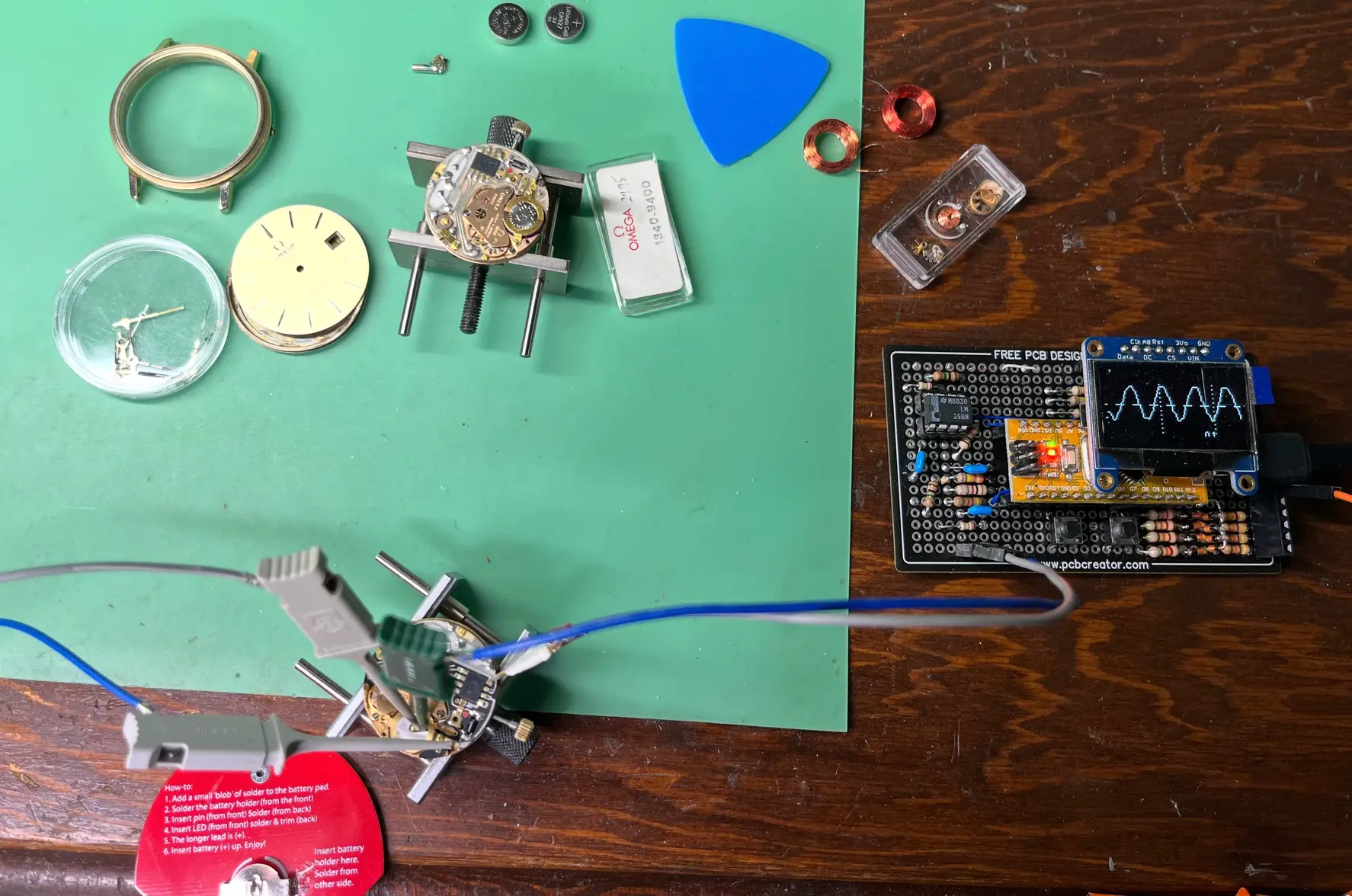
Unlike the full size scope, this is something small enough to use on the watch bench. Acoustic timegraphers are a basic tool most enthusiasts have. Being of the do it yourself type I thought it would be fun to make my own. This is a work in progress.
The novelty scope projects typically are only useful for signals around 20 or 30 KHz, So there is a possibility that such might be useful for testing.
AI gave me a simple Arduino sketch to generate the pulses needed to step the motor. It does however leave out shunt protection diodes and current limiting resistors. The citing it to a series of projects called 'crazy clock' which aims to replicate a clock from a Terry Pratchett Discworld story called a Vetinari Clock, what ticked randomly.
There is no reason this can not be miniaturized to fit into a watch.
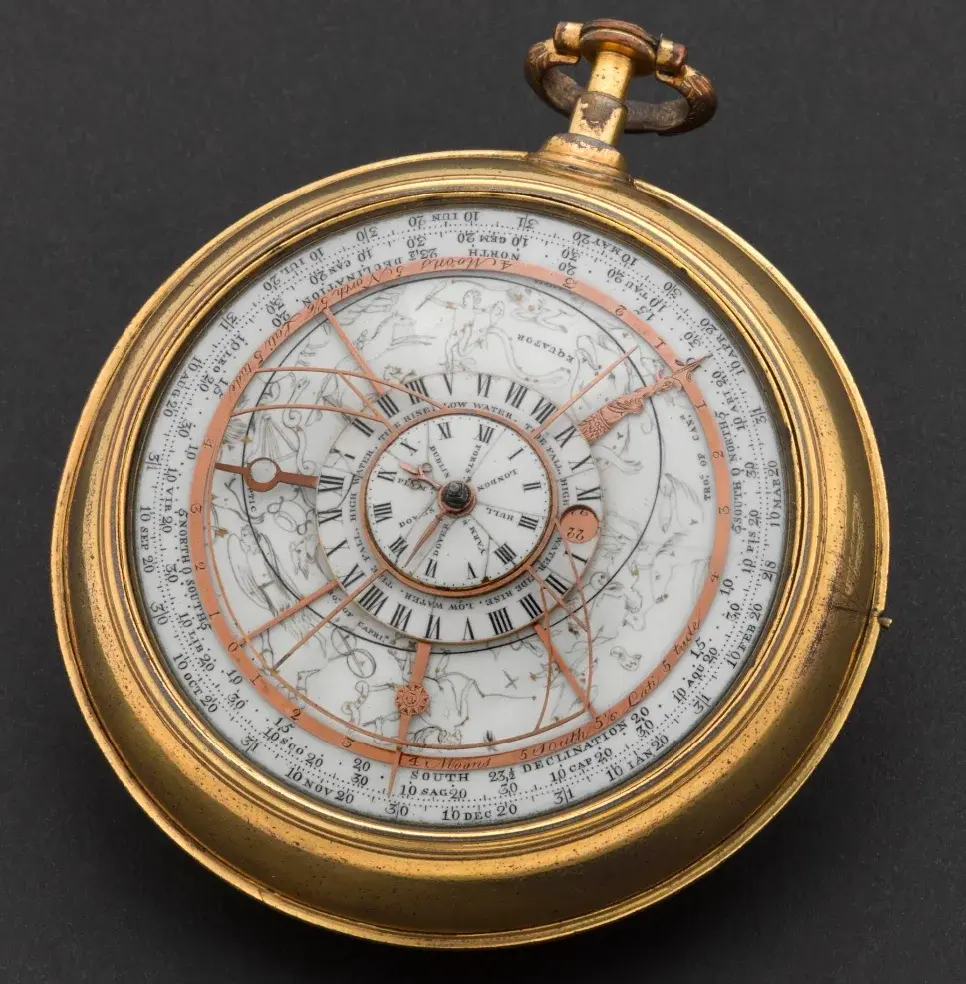
... and I can eventually make a Margetts sidereal display watch 😀
Given though that most of the 1340 motors have infinite resistance. It is not easy to test with the few good motors. The risk of damaging them is to great. I managed to destroy completely at least two of the non working motors in the creation of this thread.
Repairing the motors is somewhat difficult. The 1340 base motors have parts are welded together. The Maintenance documentation though is fairly thorough.
Removing the center core can be tricky. Some motors have the armature friction fit. A simple tap with a stake will remove it. Others this is spot welded to the top and bottom.
It is fairly easy to separate the base of the can from the rest of the system using a thin blade. This will bend the cap, which can be pounded flat with a staking tool. The other option is to drive the coil from the top.
If one has luck the coil and circuit board come out as a unit from the mechanical parts. Removing the stater bearing jewels and chatons is not real practical since they are driven from each end.
Avoiding damaging the coil is difficult. If lucky the break is at the point where the wire attaches to the PCB point. This though looks to be intact in the examples at hand. While this should be common. None of the four seem to have this issue.
The windings in the coil are held together with solvent which is sometimes heat set. The pipe organ wire is labeled PN wire. Attempting to remove the pc from the coil results in fragmented wire or a rats nest of delaminated coils.

Determining the break point can be done with some sort of test fixture. Ideally one would use Time Domain Reflections to find the length to the break. This though works with a return line pair for best results. So that was pretty much a trip through a side rabbit hole.
AI suggests other methods, which relate to the capacitance of the windings. One suggestion was to compare the coil capacitance to the stray capacitance on a reference pin.
Another more practical suggestion is to measure the coil capacitance between the central core (armature) and the connection points.
Given that the coil will most likely need to be replaced, These methods while satisfying to think about are not all that productive in practice.
Another online search presented a way of constructing a simple pickup like used in the cheap testers. This could detect motor impulses from the electronics module.
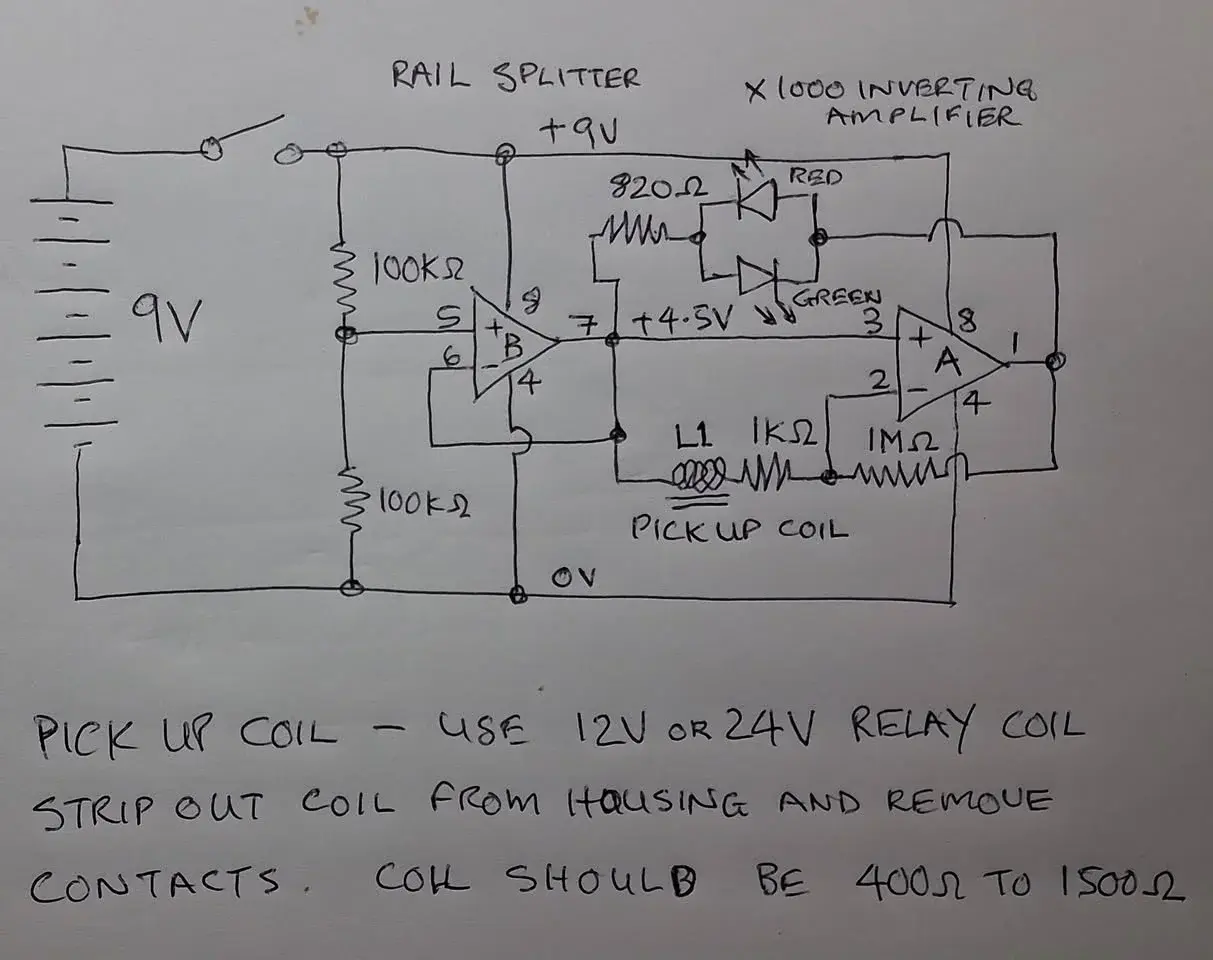
The project suggestion is to use a scrap relay with a resistance between 400 and 1500 ohms. Most of the junk relays in the scrap box measured outside this range, or had large coils.
Curiously the rating is almost the same as the coil we want to replace. So frustrating that the coils are bad (good coils so rare that it would feel wrong to sacrifice one.)
Another source though might be to salvage a coil from a cheap quartz watch. Dismembering a swatch resulted in possibly some salvaged hands. Bling watches were slightly more productive. (I did not bother to photograph this destructive process. The remaining parts went out over the weekend with the trash.)
This does leave the option of winding a new coil.
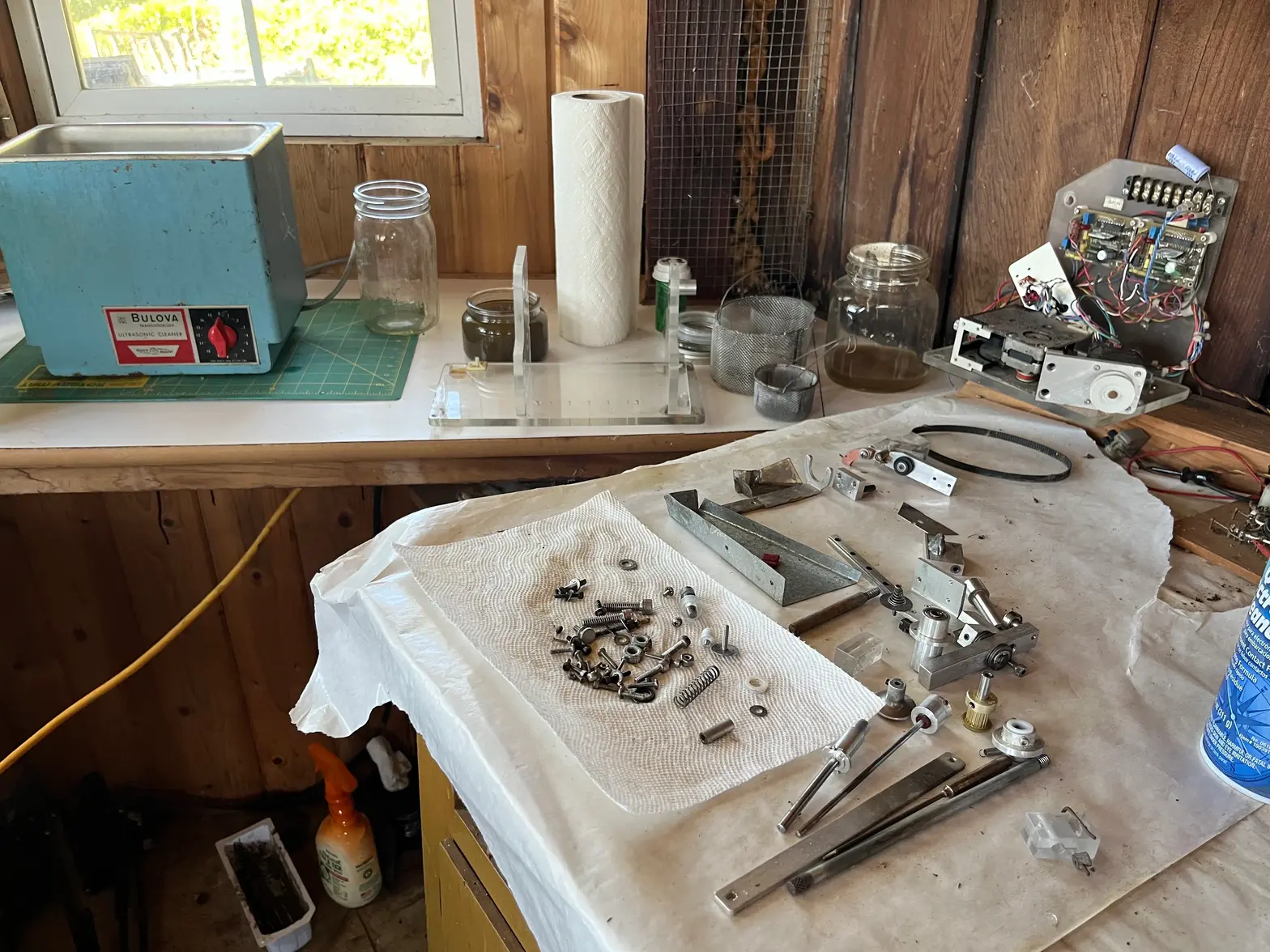
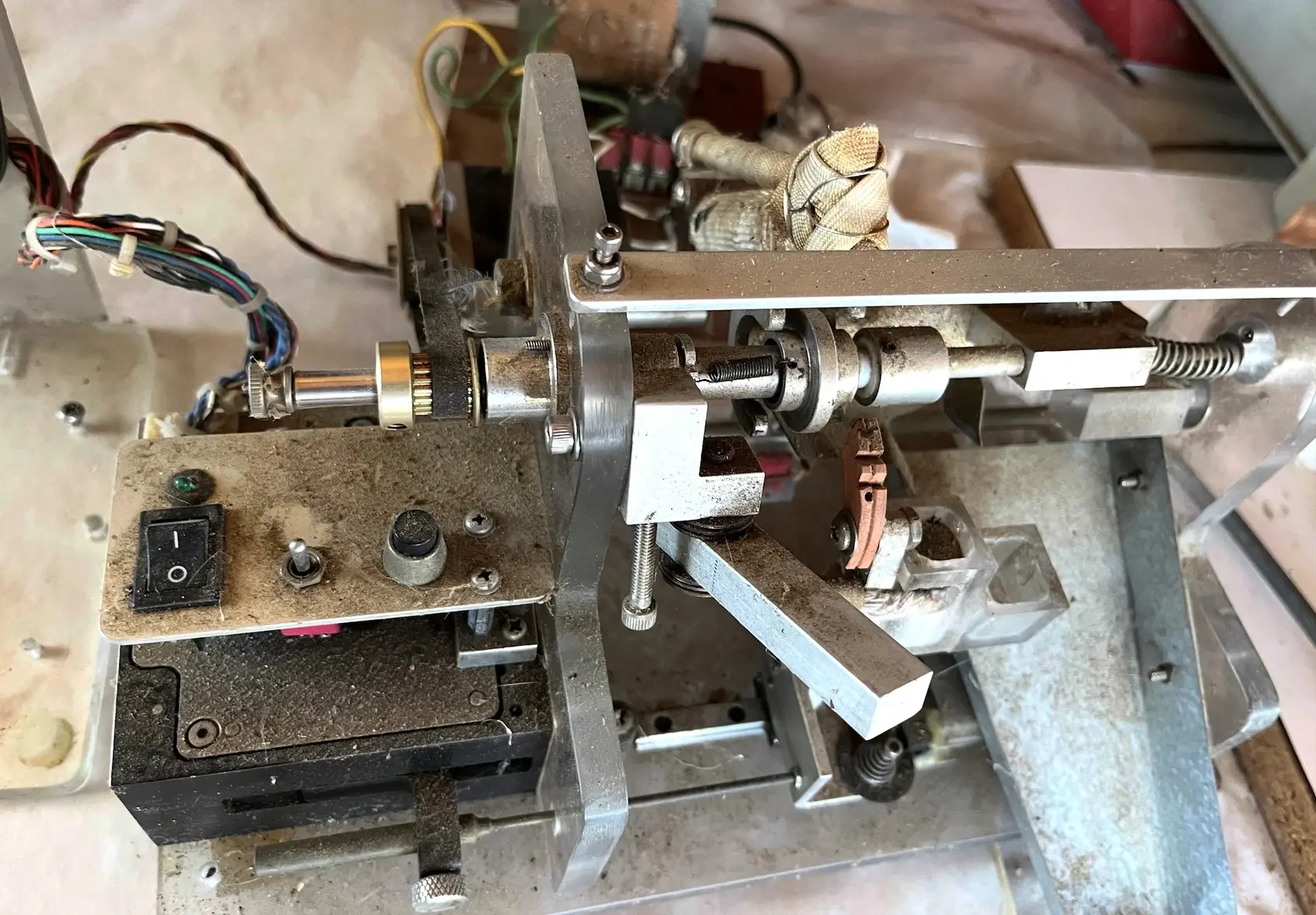
Since I work with pipe organs I have a coil winding machine.
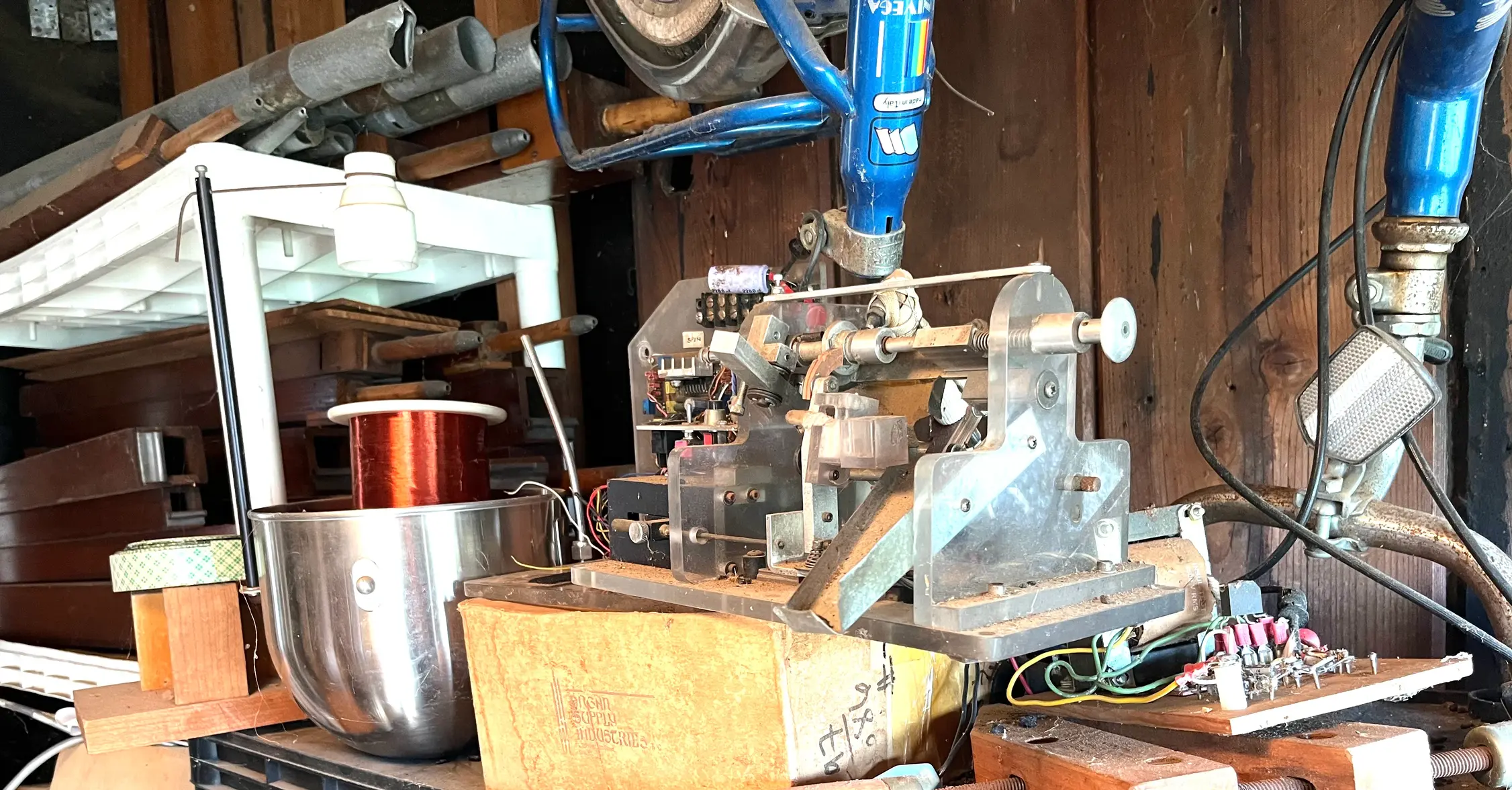
Winding can also be done with a drill press and something like a drinking straw. These coils tend to be much larger with much lower resistance. 40 to 190 or so ohms. One needs a counter to count the 2 or three thousand turns such a coil needs.
In looking at the winder. It seems like this is something that any AP high school student could build. Not only that, but Giggle AI kept asking me if I wanted to build a guitar pickup.
Imputing the dimensions of the omega coil giggle suggests 42 gauge wire. A spool of which sells to guitar makers for around 20 bucks.
So modifying the windier looks to be an attractive solution.
I ordered a spool of 42 gauge wire.
For the last month or so I wanted to put all this into one place. Some of this gets burrieds deep inside other threads. I have also grabbed some screenshots of useful information as well. This way I can link to this thread when answering questions about vintage quartz repair.
There seem to be two types of motors used. They tend to be a linear motor which is called a lavete motor.
Most watches use this type. These are robust, easy to manufacture and found in almost any modern watch or clock.
The other is the single coil multiple step used in the 1970s and 1980s watches. Thse motors are primarily found in the omega calibers mostly in the range 1340 to 1345. Similar motors also appear in the 1320/25 watches.
Both styles tick once per second or once per hour. The main difference is the linear lavete motor usually has 4 poles and moves 180 degrees per tick.
Both types of motors seem to be wound at around 1.5K to 2K of impedance resistance. This makes sense as the battery is around 1.5 volts This gives about 1 milliamp of energy.
Failures can be either in the coil or the electronics. Electronics are easier to replicate. The main issue is that most off the shelf chips work at 3.2 volts rather that 1.5 volts. This entails the use of buck boosters.
When quartz watches were first introduced, much effort was given to creating testing machines, what could be used for diagnosing the repair.
The primary tool is an analog volt meter. This is useful for detecting the small voltages and currents used.
Omega published Maintenance data sheets. These tend to be scarce online. They do sometimes show up in online auctions and watch materials sites.
Typically they give voltage and current readings which are similar across a number of calibers. These documents also refer to test equipment designated as alitest and deltatest. There are threads here on omega forums what detail the repair of such devices.
One function is the reading the rate of the watch. Instead of directly probing test points in the electronics, the electromagnetic leakage is measured via a pick up coil.
Vintage and modern versions of such machines are available and used by high volume quartz dealers.
Given the ubiquity of small microcontrol project boards in the maker, steampunk and other Stem related communities under names like Arduino and Raspberry pi, there is a large volume of knowledge how to create test and replacement circuits.
In my small sample of 134x, and 1365 plus a 1355 watch, the motors are more likely to fail than the electronics. The wire is super fine and breaks easy. My guess is this relates to mechanical stresses in the coil.
A sample of 8 1342/1345 watches yields 7 coils and 6 electronic circuits.
The 8th watch was only useful for mechanical parts having had the electronics stripped. Four of the coils measured zero resistance. The other three measure around 1.5K impedance resistance.
The electronics are the reverse with three boards and three with no clock or motor pulses.
Either way this indicates that there is a bit less than 50 percent whether a parts watch sold online will work or not. At the time of this study, 1970s Quartz watches tend to sell for either under 60 USD for parts or around 350 to 500USD. The later are often engraved as service award watches and sold by estate dealers.
In one project it took 4 watches to get a complete working watch. Which means there are four non working electronics/motors left over to experiment with.
An interesting project I was able to put together from left over electronics parts was a tiny novelty oscilloscope that fits in a match box.
Unlike the full size scope, this is something small enough to use on the watch bench. Acoustic timegraphers are a basic tool most enthusiasts have. Being of the do it yourself type I thought it would be fun to make my own. This is a work in progress.
The novelty scope projects typically are only useful for signals around 20 or 30 KHz, So there is a possibility that such might be useful for testing.
AI gave me a simple Arduino sketch to generate the pulses needed to step the motor. It does however leave out shunt protection diodes and current limiting resistors. The citing it to a series of projects called 'crazy clock' which aims to replicate a clock from a Terry Pratchett Discworld story called a Vetinari Clock, what ticked randomly.
There is no reason this can not be miniaturized to fit into a watch.
... and I can eventually make a Margetts sidereal display watch 😀
Given though that most of the 1340 motors have infinite resistance. It is not easy to test with the few good motors. The risk of damaging them is to great. I managed to destroy completely at least two of the non working motors in the creation of this thread.
Repairing the motors is somewhat difficult. The 1340 base motors have parts are welded together. The Maintenance documentation though is fairly thorough.
Removing the center core can be tricky. Some motors have the armature friction fit. A simple tap with a stake will remove it. Others this is spot welded to the top and bottom.
It is fairly easy to separate the base of the can from the rest of the system using a thin blade. This will bend the cap, which can be pounded flat with a staking tool. The other option is to drive the coil from the top.
If one has luck the coil and circuit board come out as a unit from the mechanical parts. Removing the stater bearing jewels and chatons is not real practical since they are driven from each end.
Avoiding damaging the coil is difficult. If lucky the break is at the point where the wire attaches to the PCB point. This though looks to be intact in the examples at hand. While this should be common. None of the four seem to have this issue.
The windings in the coil are held together with solvent which is sometimes heat set. The pipe organ wire is labeled PN wire. Attempting to remove the pc from the coil results in fragmented wire or a rats nest of delaminated coils.
Determining the break point can be done with some sort of test fixture. Ideally one would use Time Domain Reflections to find the length to the break. This though works with a return line pair for best results. So that was pretty much a trip through a side rabbit hole.
AI suggests other methods, which relate to the capacitance of the windings. One suggestion was to compare the coil capacitance to the stray capacitance on a reference pin.
Another more practical suggestion is to measure the coil capacitance between the central core (armature) and the connection points.
Given that the coil will most likely need to be replaced, These methods while satisfying to think about are not all that productive in practice.
Another online search presented a way of constructing a simple pickup like used in the cheap testers. This could detect motor impulses from the electronics module.
The project suggestion is to use a scrap relay with a resistance between 400 and 1500 ohms. Most of the junk relays in the scrap box measured outside this range, or had large coils.
Curiously the rating is almost the same as the coil we want to replace. So frustrating that the coils are bad (good coils so rare that it would feel wrong to sacrifice one.)
Another source though might be to salvage a coil from a cheap quartz watch. Dismembering a swatch resulted in possibly some salvaged hands. Bling watches were slightly more productive. (I did not bother to photograph this destructive process. The remaining parts went out over the weekend with the trash.)
This does leave the option of winding a new coil.
Since I work with pipe organs I have a coil winding machine.
Winding can also be done with a drill press and something like a drinking straw. These coils tend to be much larger with much lower resistance. 40 to 190 or so ohms. One needs a counter to count the 2 or three thousand turns such a coil needs.
In looking at the winder. It seems like this is something that any AP high school student could build. Not only that, but Giggle AI kept asking me if I wanted to build a guitar pickup.
Imputing the dimensions of the omega coil giggle suggests 42 gauge wire. A spool of which sells to guitar makers for around 20 bucks.
So modifying the windier looks to be an attractive solution.
I ordered a spool of 42 gauge wire.
Edited: