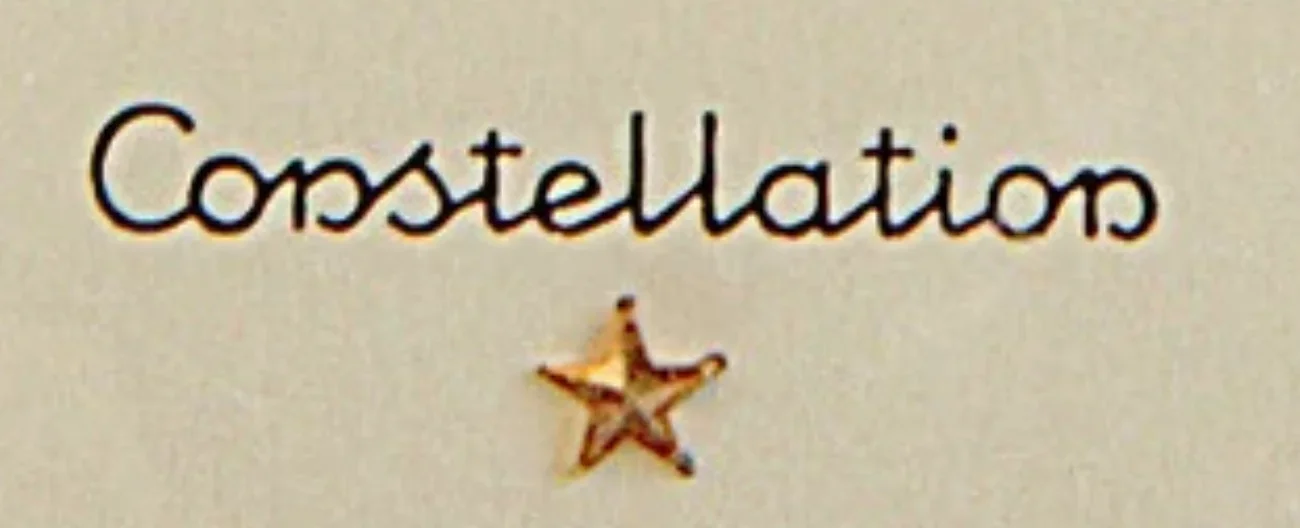
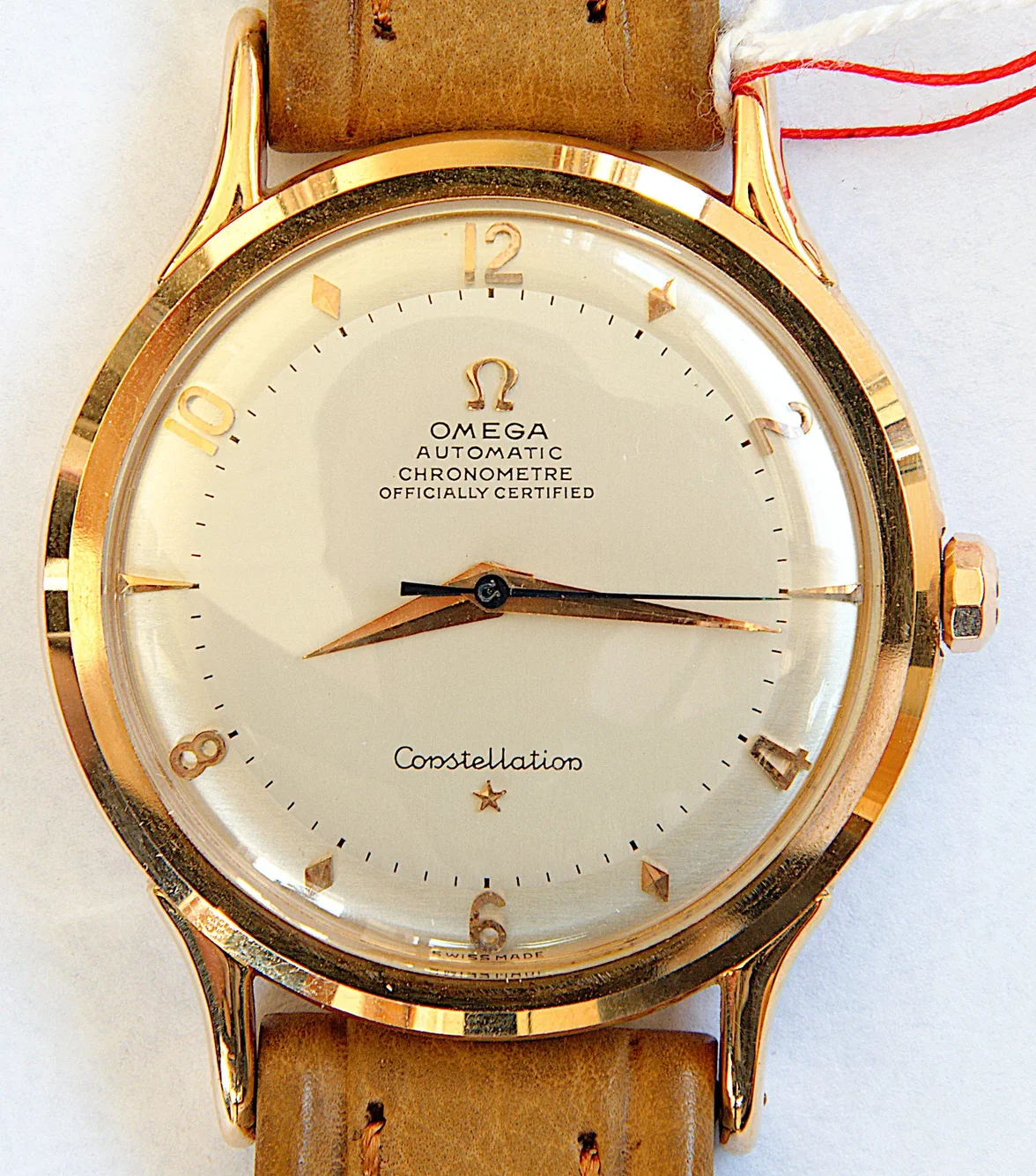
Firstly, I want to state that I am no expert on early Constellation dials - but I did study Desmond's work on the crossed-ts options in detail once upon a time.
They are something of a law unto themselves but the known examples do tend to follow certain rules, which the OPs dial doesn't.
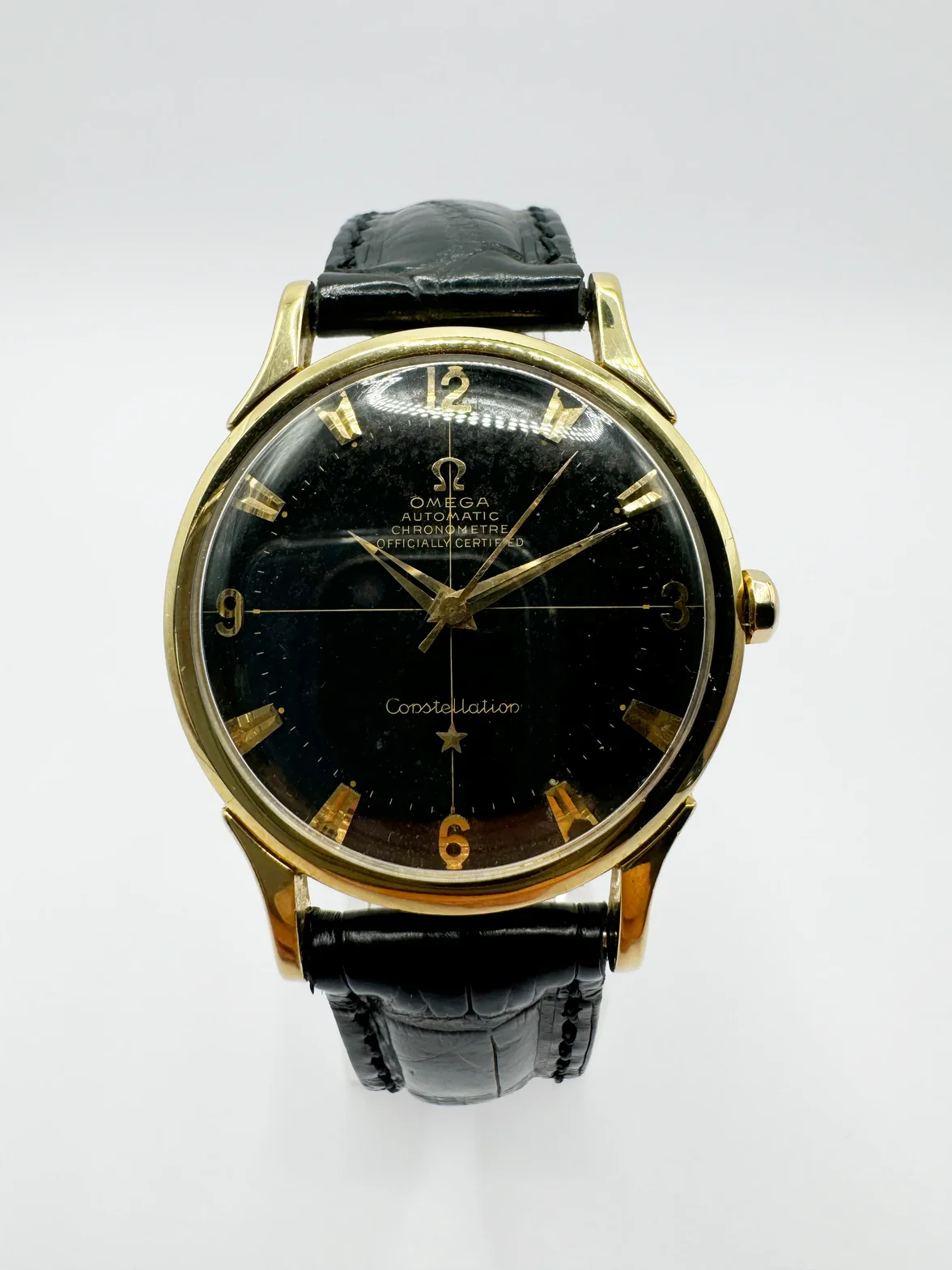
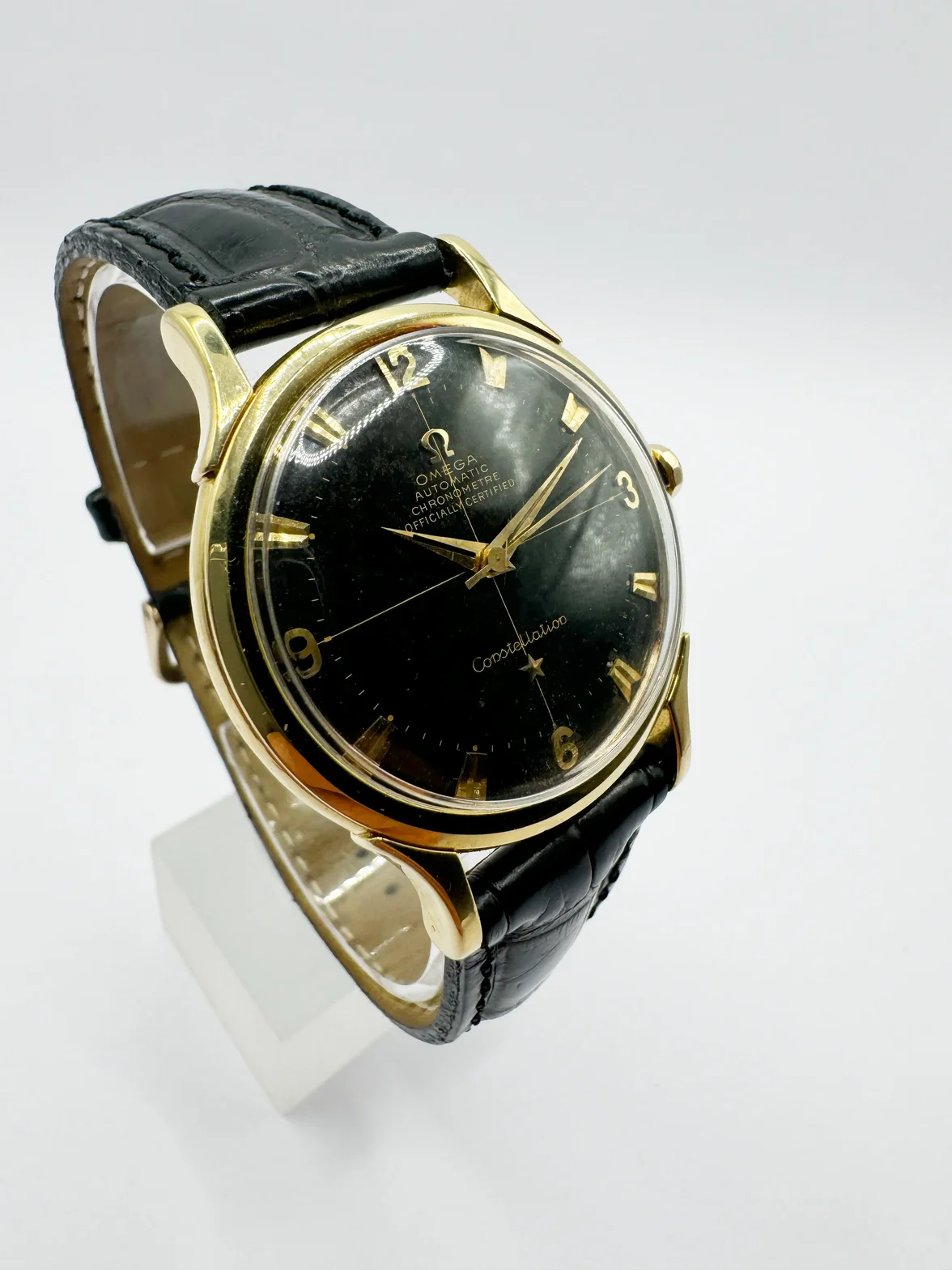
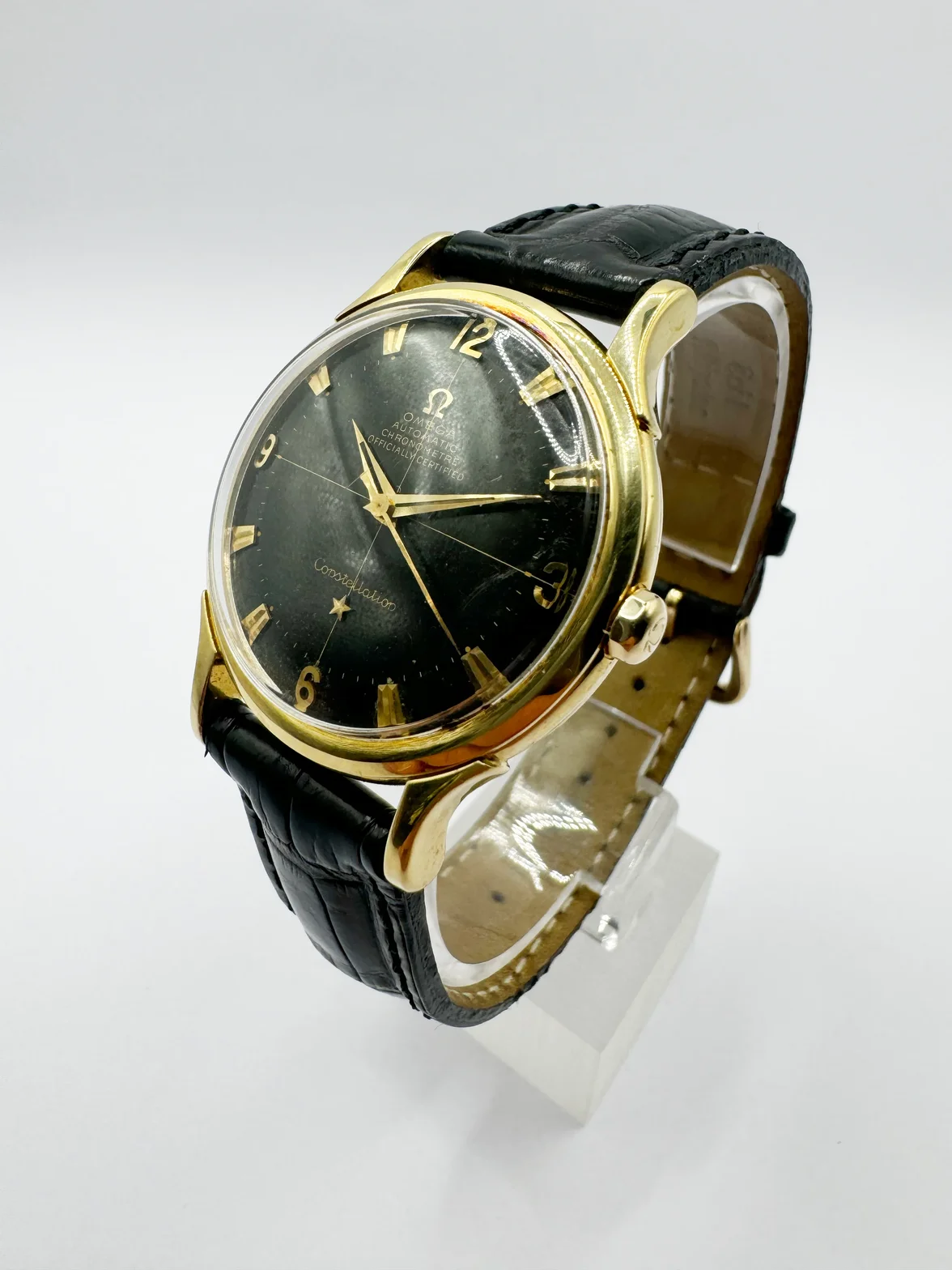
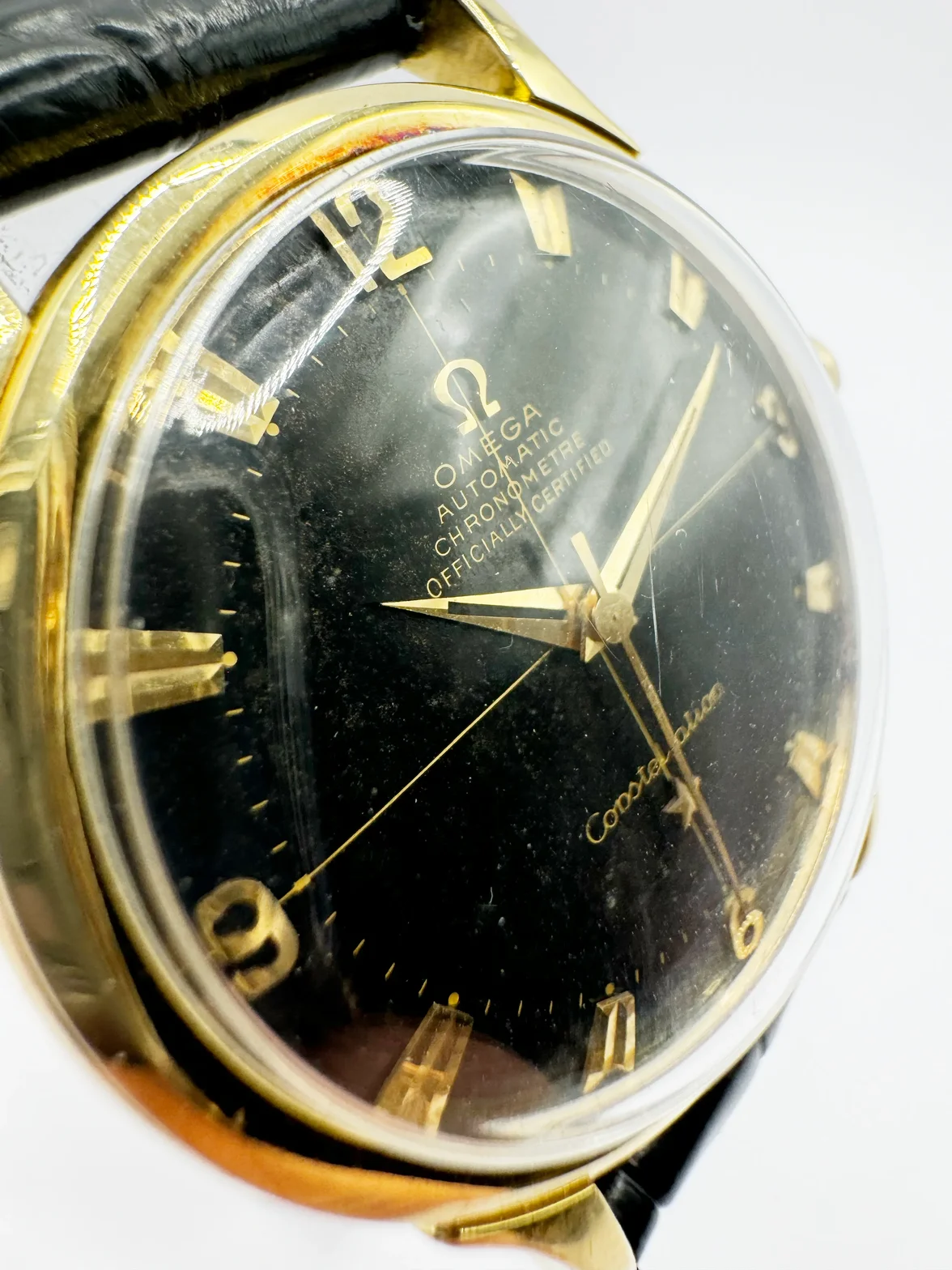
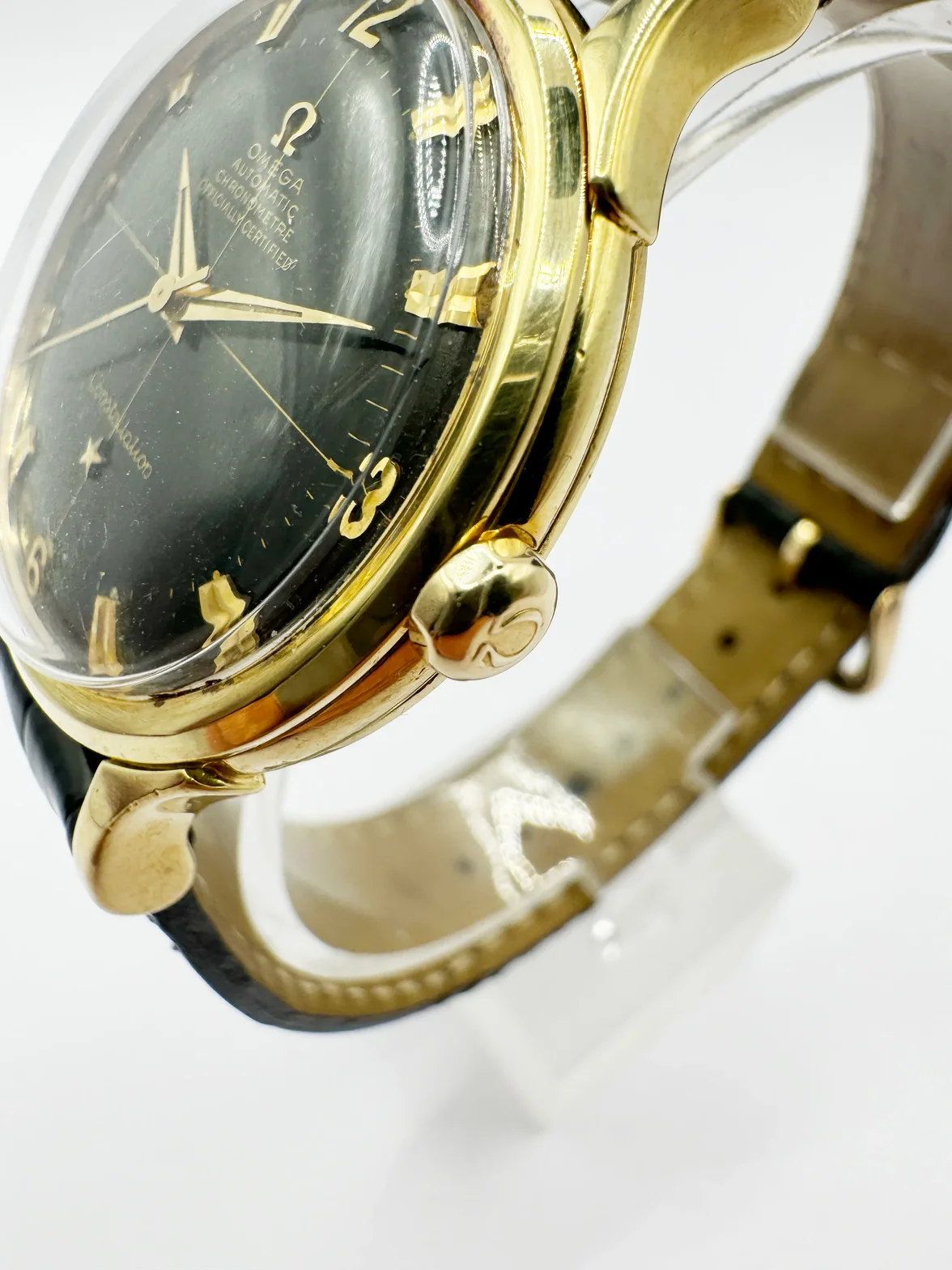
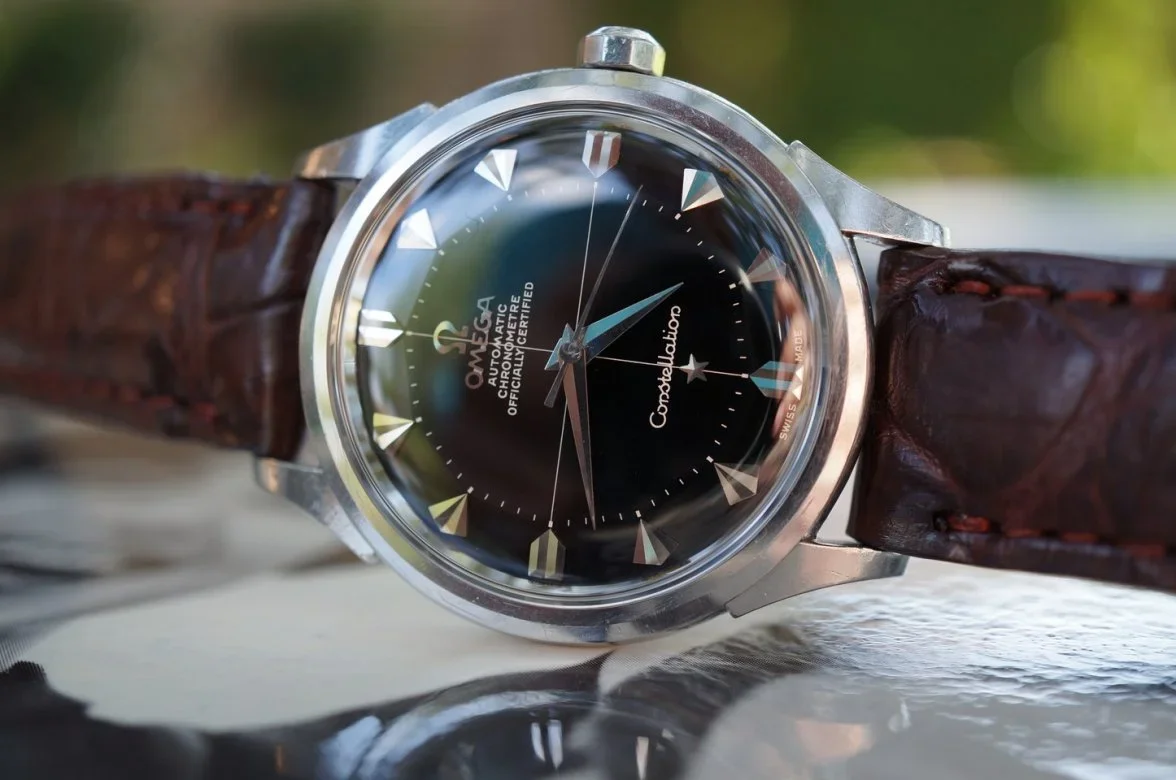
Here is the OP's dial
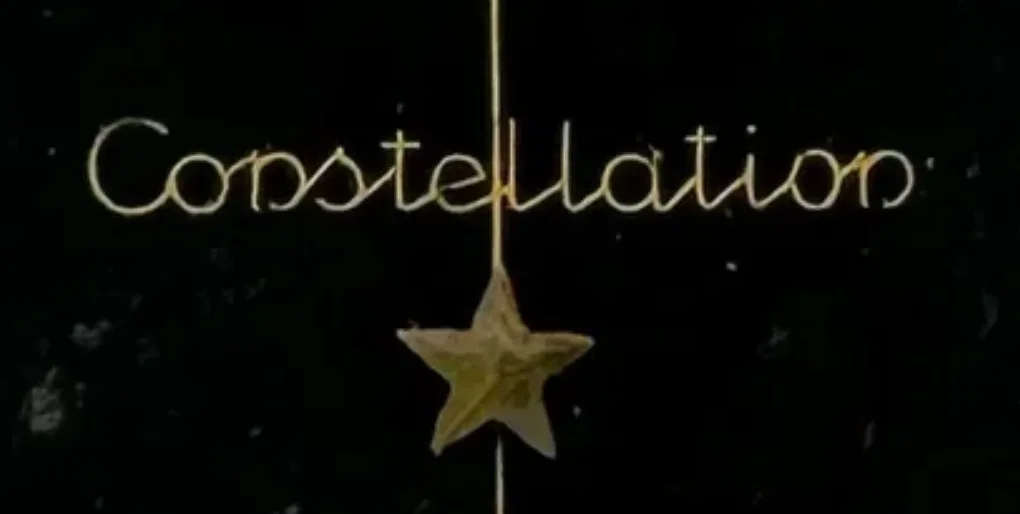
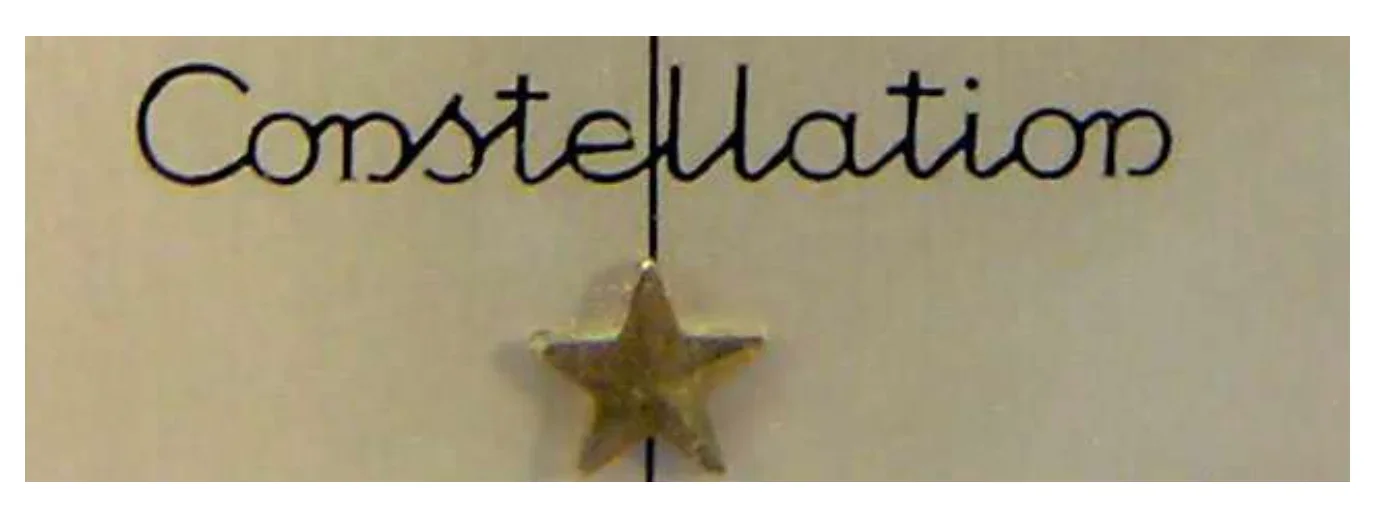
here are the known examples from Desmond's blog
To assess them you have to follow each letter and the way they are connected and also the shape of the letters and the connections.
E.g.
the first known example has near identical Ns and the O is connected to the N by a looped connection.
the S is connected from the middle of the S to the upper part of the T
the second and third known examples have differing Ns and the Os are connected to the Ns by an angular connection
the S is connected from either the middle of the S or the upper part of the S to the upper part of the T
In each case, the S has a distinct stalk at the top.
In each case the Os are round
The OPs dial appears to mix and match the styles with some distinct departures.
It has near matching Ns but with the angular connections.
The S is connected from the bottom to the mid point of the T
The S has no real stalk at the top
The final O is oval
However, is it possible that there is another legit variation? - of course there is, we're talking Omega here.
So, I couldn't in all fairness say it is a redial because of these items (and if it is it's nicely done.)
Perhaps one of early Constellation experts can assess the upper text and give their opinion?
@cristos71 @MtV
Edit:
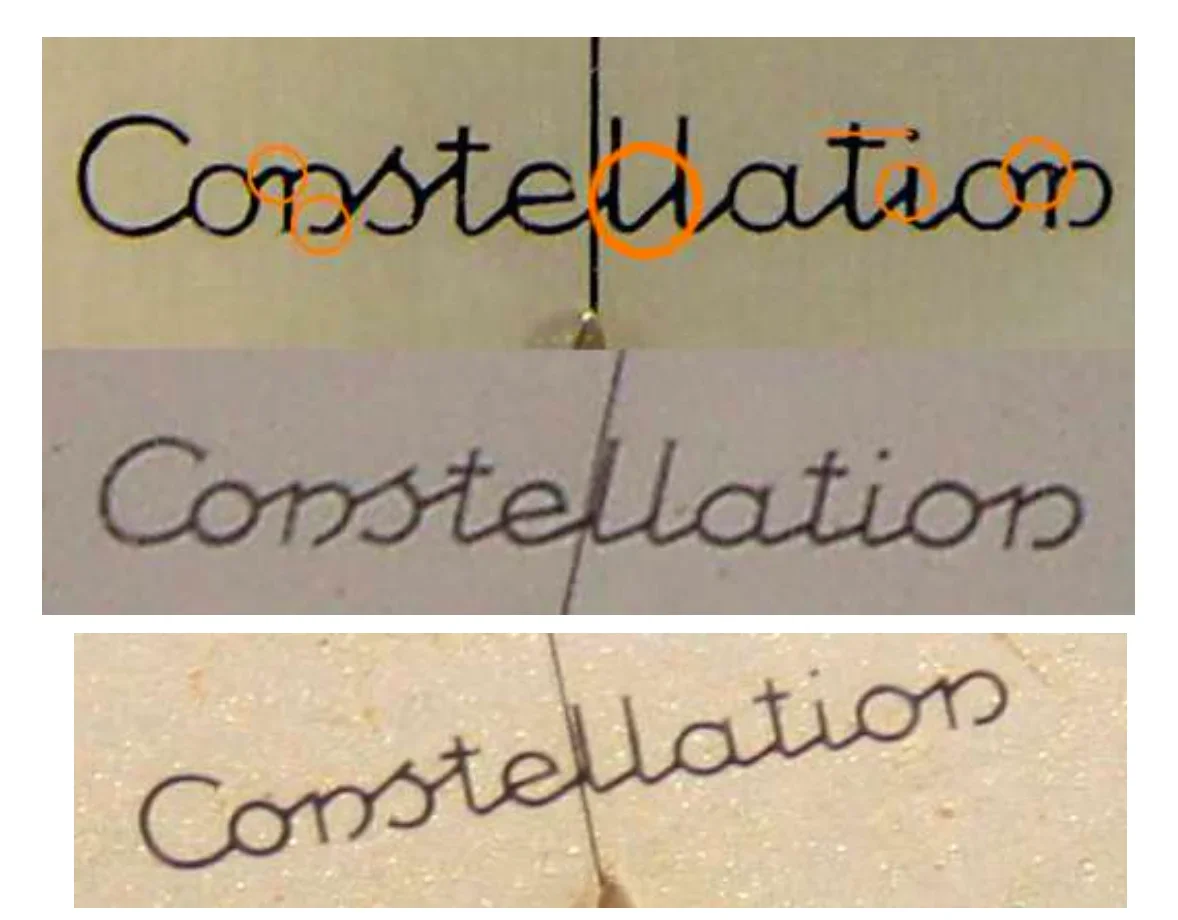
I've added a detail of the
@MSNWatch NOS watch (that appears, in full, later in the thread) as it definitely adds to the 'is there another variation?' conversation.
You can see that the lettering has some similarities to the OP's watch
e.g.
the angular connections
the connection between the lower part of the S and the mid point of the T
The OPs watch still differs in many other ways but this example shows that there are multiple variations on a theme.