Does Chopard have a screw loose?

Posts
9,596
Likes
27,689
It's all about the appearance from the front.
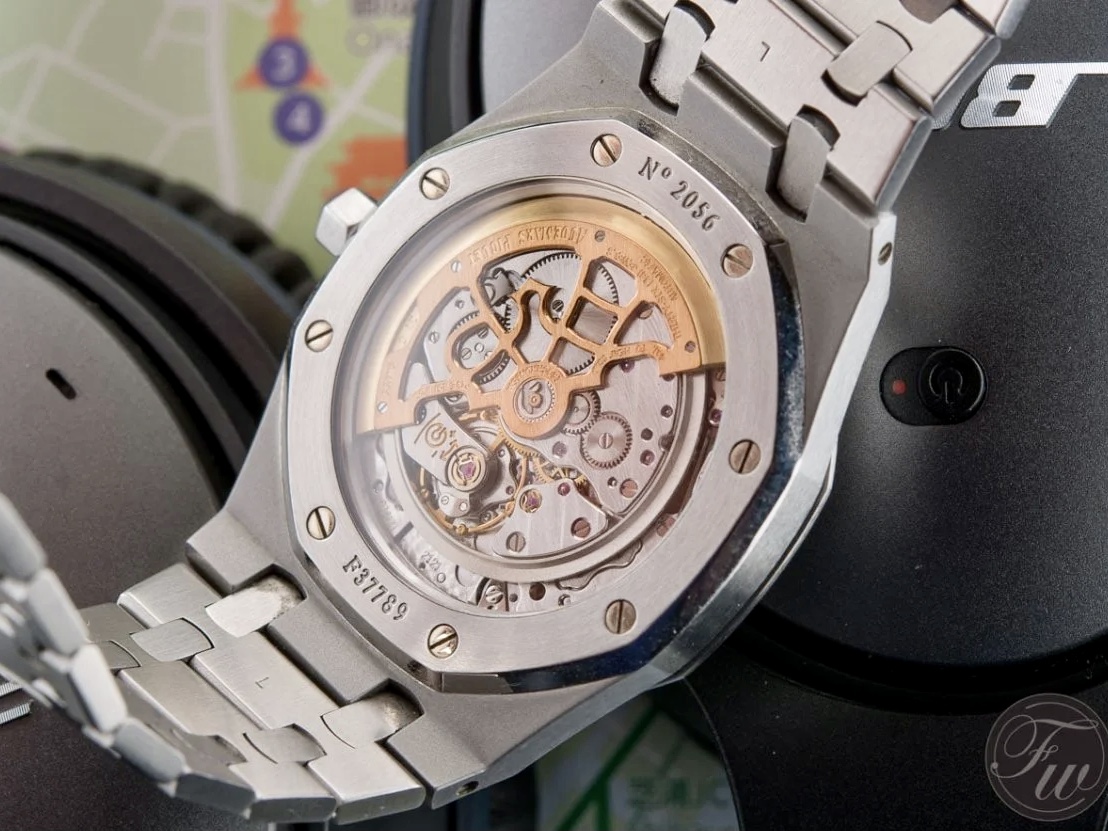
The screws at the back may or may not align due to the variances in screw threads.
Get the front ones all "right dressed" and the ones at the back will just keep it all tight, if not perfectly aligned.

It is very hard to align 8 or 10 fastening screws precisely and relatively to each other (it would probably require precise adjusting of each screw, or adding small shims behind the heads, and it would have to be done each time the case is opened; not great for toughness and WR). On most high end watches the screw heads on front are fake heads, they are hollow tubes/bolts easily aligned and the real fastening screws are on the other side where the misalignments are less obvious.

I know that is the case, hence my question. I can't name any watch with visible case screws that are aligned.
 
Posts
1,386
Likes
2,829
Bad aligned bolts can make you go nuts, no OCD required !
 
Posts
3,318
Likes
12,933
I know that is the case, hence my question. I can't name any watch with visible case screws that are aligned.


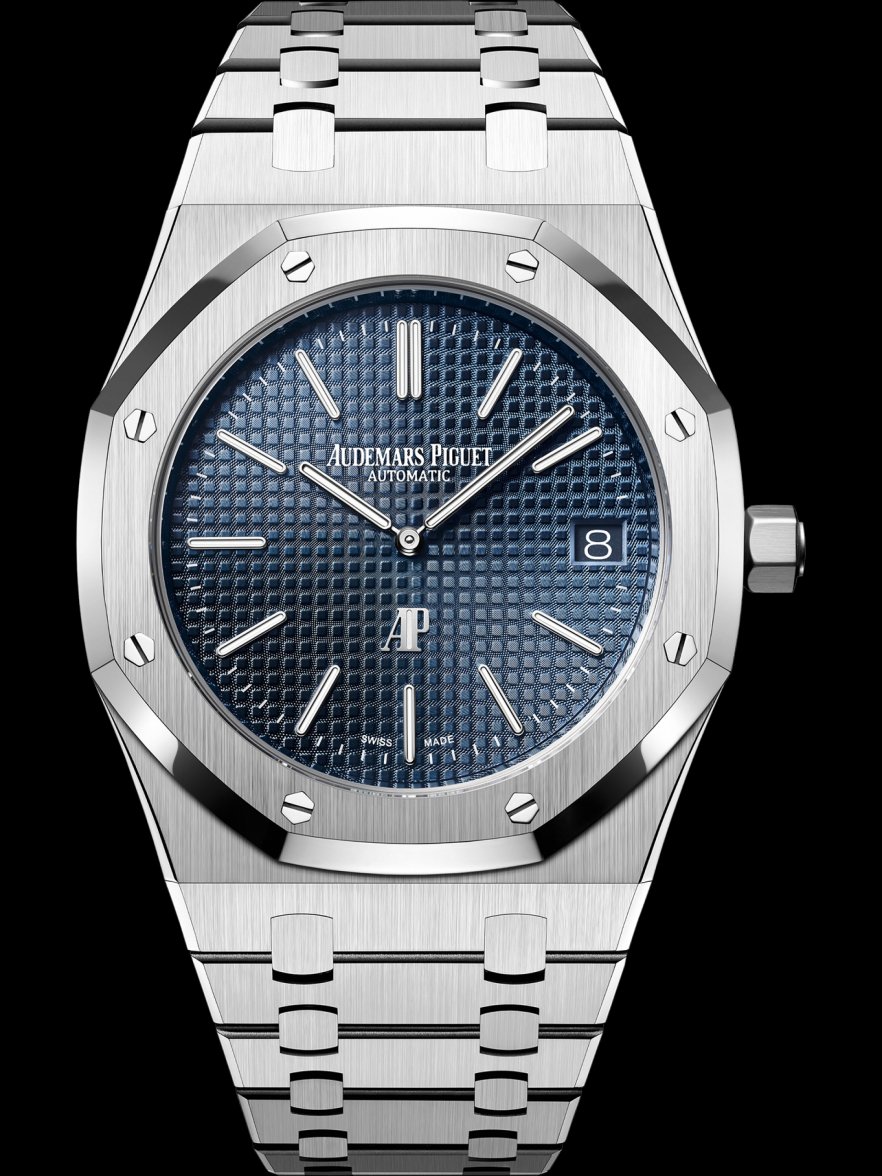
Am I not looking closely enough or do AP Royal Oaks tick that box?


Admittedly, slightly different price point, hence my question if I’m overly discerning.
 
Posts
9,596
Likes
27,689
Am I not looking closely enough or do AP Royal Oaks tick that box?


Admittedly, slightly different price point, hence my question if I’m overly discerning.

How would you turn those screws? 😉
 
Posts
16,853
Likes
47,845
How would you turn those screws? 😉

They don’t, you just slip them in ( preference for in alignment) the back ones turn.


Front are show screws
 
Posts
1,800
Likes
3,657
Am I not looking closely enough or do AP Royal Oaks tick that box?


Admittedly, slightly different price point, hence my question if I’m overly discerning.
It's not the price, it's the hexagonal shape does it - and that's almost cheating!
 
Posts
29,136
Likes
75,290
I understand there might be limited choices for placement, but isn’t that a design flaw, as the thread could be made so that the screw heads would automatically line up attractively?

You can guarantee that anyone who says this has never cut threads in their life...
 
Posts
3,318
Likes
12,933
You can guarantee that anyone who says this has never cut threads in their life...

100% correct - I never claimed the opposite, hence the question mark. 😀 I don’t have an engineering background, so this is simply my uneducated nativity speaking. We - as in mankind - produce so many incredibly detailed and delicate things that I was wondering about the difficulty in the task of aligning the screw heads.

I feel like I’ve asked a Jeremy Clarkson-esque “how hard can it be?”, with a “very!” as the apparent answer.
 
Posts
29,136
Likes
75,290
100% correct - I never claimed the opposite, hence the question mark. 😀 I don’t have an engineering background, so this is simply my uneducated nativity speaking. We - as in mankind - produce so many incredibly detailed and delicate things that I was wondering about the difficulty in the task of aligning the screw heads.

I feel like I’ve asked a Jeremy Clarkson-esque “how hard can it be?”, with a “very!” as the apparent answer.

No worries. You certainly aren't the first to ask this, and won't be the last. Just like the guys who claim it's easy to get a screw down crown to thread in and the logo be upright all the time - it just isn't.
 
Posts
3,839
Likes
6,527
The solution is have 360 different screws, each 1 degree off. With a bit of trial and error, screw alignment is achieved. Charge another $1000 for aligned screws.
 
Posts
580
Likes
1,829
You can guarantee that anyone who says this has never cut threads in their life...
Just as an example, if we take M1 fine thread as a example, it has 0.2mm pitch; so getting 1° accuracy in slot angle would require 0.5 µm positioning of the thread, which is Very Precise. I'm not sure if a CNC lathe could accomplish it with positive control of spindle angle and single-point threading, but it would be expensive. (Relevant YouTube video, where this operation uses a threading tool, not single-point:
)
 
Posts
572
Likes
754
Don’t look at a Santos de Cartier, then. The screws on the bezel and bracelet are oriented at all different angles and it’s intentional.
You've just saved me so much money.
 
Posts
29,136
Likes
75,290
Just as an example, if we take M1 fine thread as a example, it has 0.2mm pitch; so getting 1° accuracy in slot angle would require 0.5 µm positioning of the thread, which is Very Precise. I'm not sure if a CNC lathe could accomplish it with positive control of spindle angle and single-point threading, but it would be expensive. (Relevant YouTube video, where this operation uses a threading tool, not single-point:
)

Indeed, and you would have to position the start of the thread in the case just as closely.

If we are talking about a screw down crown, you have a number of threads to deal with...

Thread in the case for the case tube.
Thread in the case tube where it threads into the case.
Thread on the case tube that accepts the crown.
Thread inside the crown.
Add in possible compression of gaskets, and it’s nearly impossible.
 
Posts
580
Likes
1,829
Indeed, and you would have to position the start of the thread in the case just as closely.

If we are talking about a screw down crown, you have a number of threads to deal with...

Thread in the case for the case tube.
Thread in the case tube where it threads into the case.
Thread on the case tube that accepts the crown.
Thread inside the crown.
Add in possible compression of gaskets, and it’s nearly impossible.
Excellent point on the plate or other matching thread. If you have some discretion in torque, particularly with gaskets, you might be able to use that (same way I get the screws on my light plates to line up: I have loose tolerances on the screw tightness). But yeah, this is the kind of thing which some haute horlogerie masterwork will do in quantity one just so they can show it's possible, but not practicable for actual production.