Do you prefer watch accuracy or stability?

Posts
274
Likes
266
Hello OF community,

I was in a discussion with a fellow watch-collecting friend the other day on mech/auto watch accuracy.

He was telling me how his serviced Rolex 16610 Sub was very stable across all positions, but with mediocre accuracy at a firm -2 s/d.

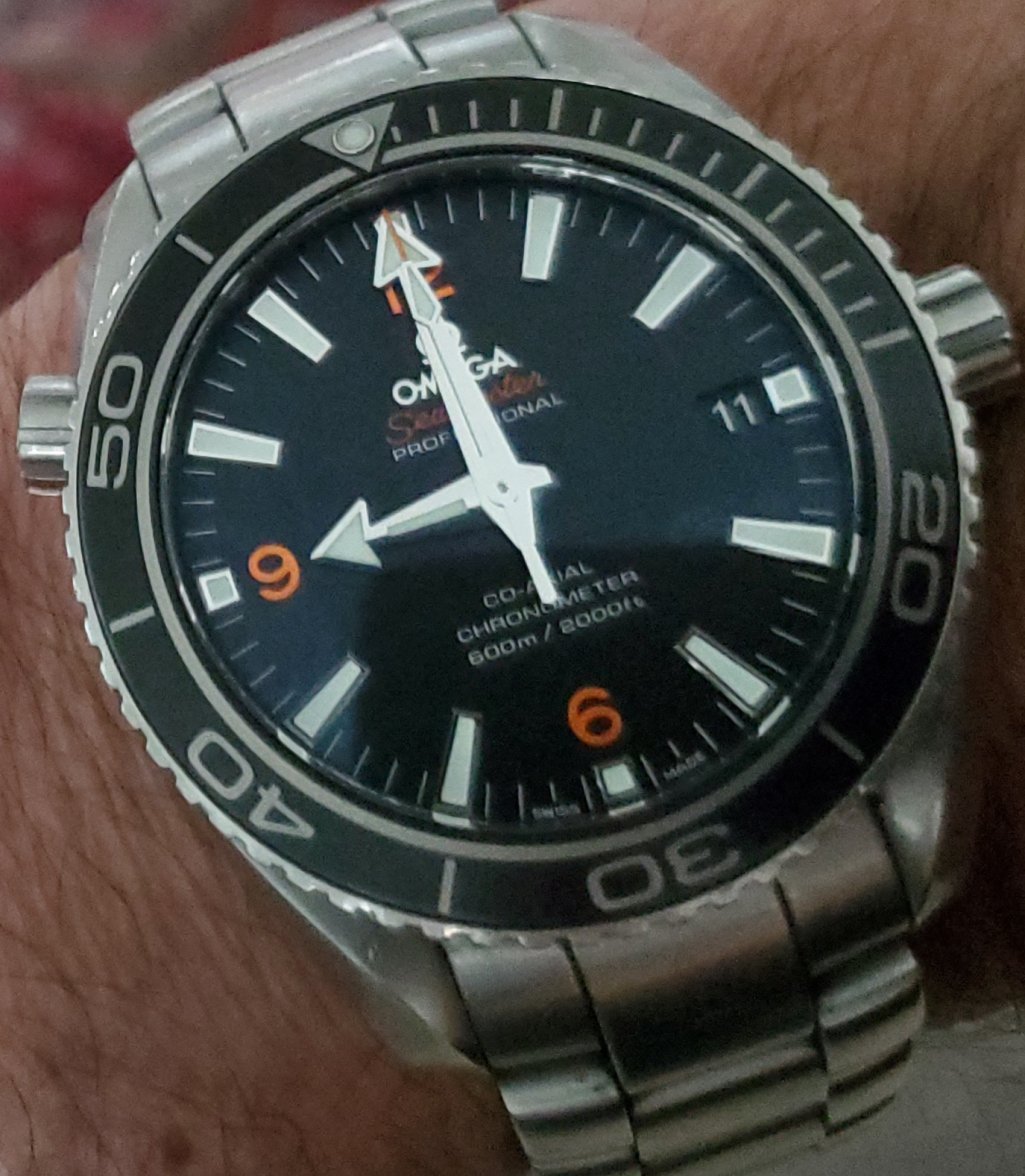
Conversely, my SMP 8800 Diver is more “accurate” but less stable, getting anywhere from 0-4 s/d largely dependant on night resting positions and, naturally, wear behaviour.

So the question is, do you prefer a movement that is stable but somewhat inaccurate, or a watch that is accurate but more subject to deviations across positions? Thanks!

 
Posts
24,261
Likes
54,031
No preference ... I would be perfectly happy with either of those. Those watches are both quite accurate with low positional variation IMO.
 
Posts
4,878
Likes
31,865
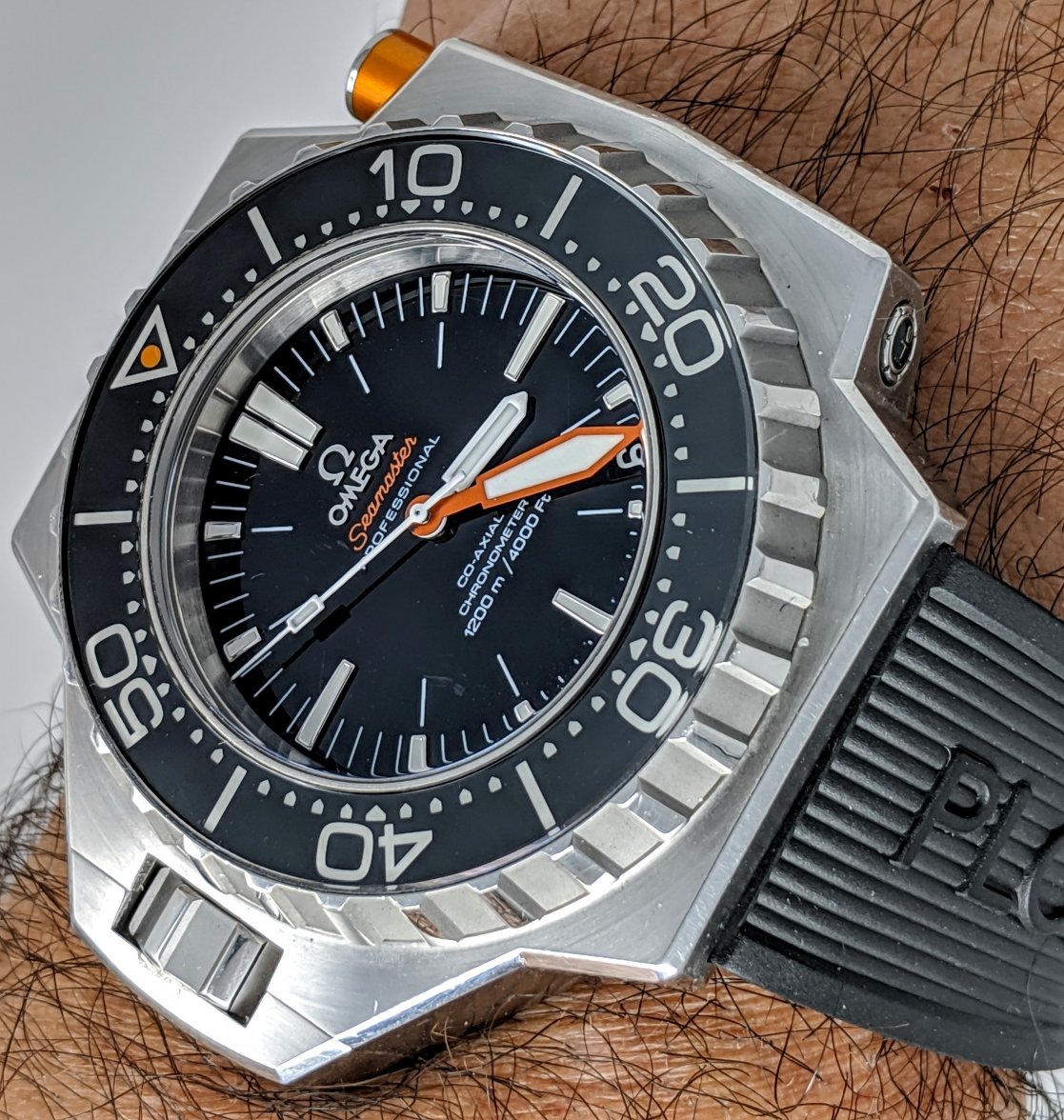
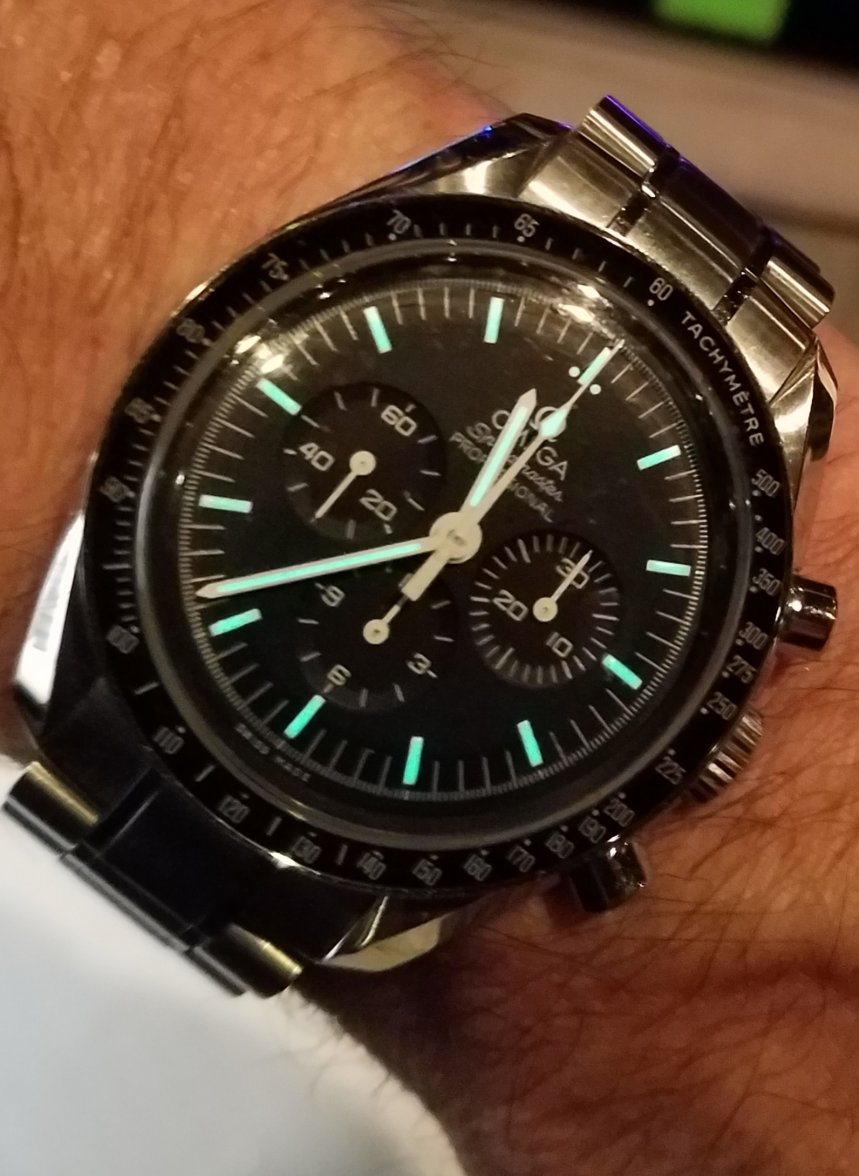
Given that I'm only wearing a single watch for 12-24 hours, it's not relevant. The exception is when I go on vacation, which will almost exclusively be a beach vacation, and at that point I am most concerned about a watch being waterproof. Consequently, vintage and Speedmaster watches get left home. The vacation go to watch is the modern ploprof.
 
Posts
274
Likes
266
No preference ... I would be perfectly happy with either of those. Those watches are both quite accurate with low positional variation IMO.
They are both great. To think that a bunch of mechanically-powered gears give you that kind of precision is truly magnificent.

Thanks for the comment.
 
Posts
274
Likes
266
Given that I'm only wearing a single watch for 12-24 hours, it's not relevant. The exception is when I go on vacation, which will almost exclusively be a beach vacation, and at that point I am most concerned about a watch being waterproof. Consequently, vintage and Speedmaster watches get left home. The vacation go to watch is the modern ploprof.
Brilliant watch. One of my grails. Wear it in good health! Thanks for the comment.
 
Posts
1,438
Likes
2,213
I'm happy with either accuracy or stability, since in both cases I can reasonably sure that the time displayed is precisely or in some consistent relationship to actual time.

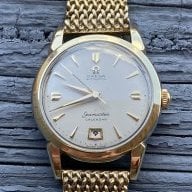
Although ideally I suppose there is both -- among my modern watches perhaps half a dozen provide that: 8900-based AT, 32000-based IWC, something-based Longines Sector Dial LE, ETA-based Aquastar and 1861-based Omega FOIS (after Omega regulation). I don't really bother checking timekeeping on vintage pieces, although I have an Omega Seamaster De Ville from 1961 that still keeps astonishing time.

I have moved on from a few watches that did neither, including one quite recently, because it varied so much and with such amazing inconsistency that it was approaching chaos on the wrist.

It's an interesting exercise for sure. Sort of like a win-win Hobson's choice. Thanks for introducing the topic.
 
Posts
4,997
Likes
18,549
I'm a bit embarrassed to say but accuracy or stability are'nt relevant at all for me. Well, they should keep more or less the time. I hate beeing late. But if it gets me on time it's ok for me. But I also change watches a lot.
 
Posts
16,863
Likes
47,901
Have many watches and have never tracked accuracies within the minute. Not enough time on my hands 😁

As @Taddyangle waterproof or not is usually all I worry about. (Robust for what I’m doing is the next)
 
Posts
897
Likes
3,713
No preference personally. Being Greek I am very rarely on time 😁 so accuracy is pretty low on my list when it comes to watch collecting.
 
Posts
54
Likes
150
Never concerned about a few seconds a day. I just need the minute and hour hands working.
Our family jeweler, who we have worked with for over 30 years, always tells his customers,
" Remember, the more you spend on a watch the less accurate it will probably be. "
Based on my Casio G-Shock I get his point.
 
Posts
18,202
Likes
27,531
Better then 10 sec a day and I don’t care.
 
Posts
274
Likes
266
Just to clarify, this isn’t a post about acceptable watch accuracy, per se.

This is more to see what watch owners prefer: a more inaccurate but highly stable watch (low delta) or a less stable watch (higher delta) that allows some leeway in the accuracy. The former is obviously more desirable if your watch is in the 0-3 s/d, but that’s not always the case.

An advantage for a watch with a higher delta is the ability for the owner to “self-regulate” the watch overnight by experimenting with different resting positions.

Thank you all for the input!
 
Posts
1,245
Likes
4,777
My PO8500 is +2 on the wrist, off the wrist, resting this way or resting that way.

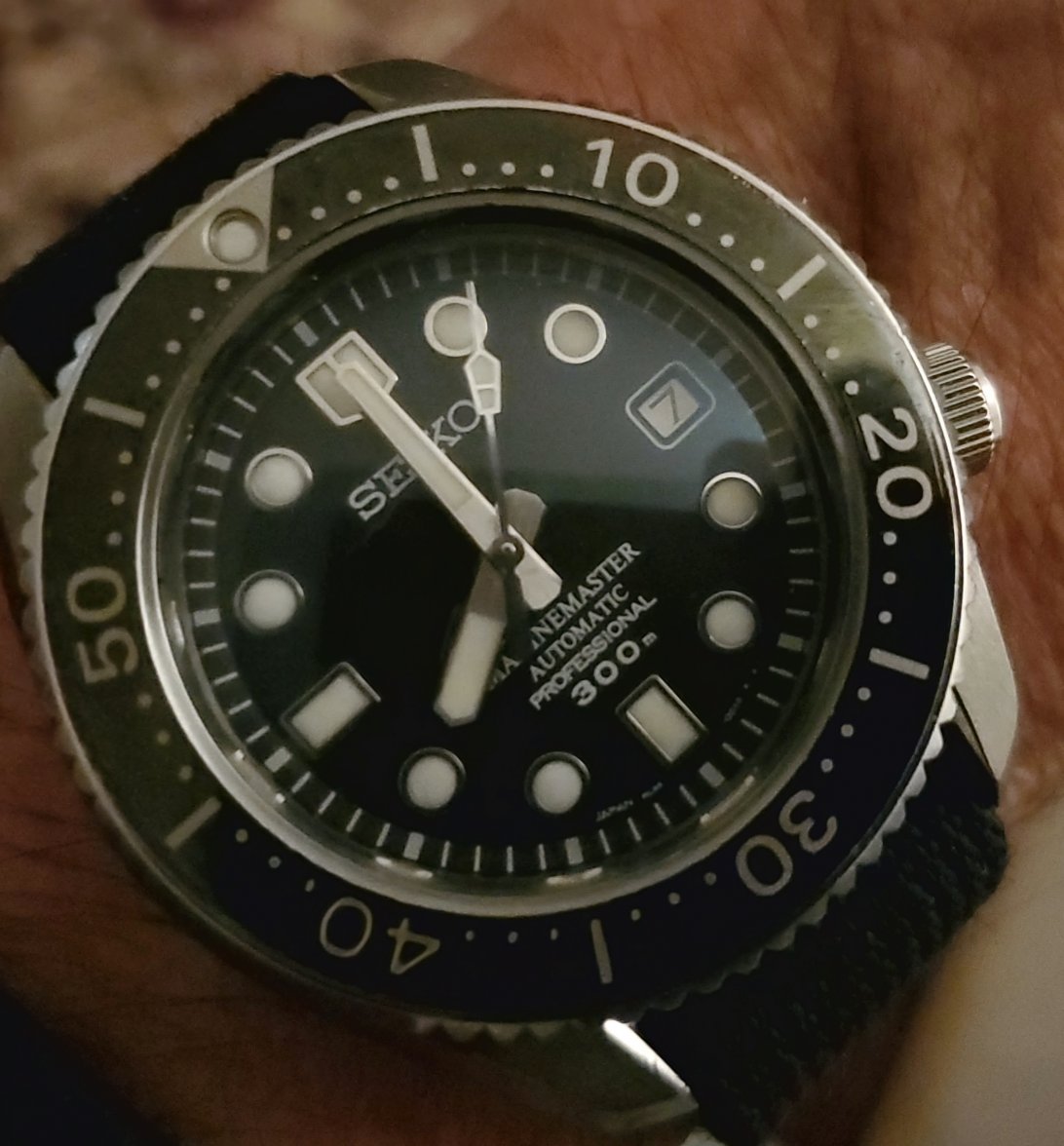
My Marine Master is -2 on the wrist off the wrist, resting this way or resting that way.

My 3570.50 that I've tweaked a bit is about +4 on the wrist, and +- a bit in positional variation. I set it twice a year a keep it about +20 through resting position.

The PO is pretty cool...+ 2 no mater what.
I do like being able to "regulate" time with the 3570.50

have fun
kfw
 
Posts
19
Likes
39
Hello OF community,
So the question is, do you prefer a movement that is stable but somewhat inaccurate, or a watch that is accurate but more subject to deviations across positions? Thanks!


I believe the optimum situation is a watch that displays a stable daily rate. If a watch operates at a daily rate of -2 seconds per day every single day, you can regulate that -2 seconds per day to a small positive rate (which most people seem to prefer over a negative rate). If the rate fluctuates based on position, it will only display the correct time if the owners wearing habit is consistent day after day.
 
Posts
274
Likes
266
My PO8500 is +2 on the wrist, off the wrist, resting this way or resting that way.

My Marine Master is -2 on the wrist off the wrist, resting this way or resting that way.

My 3570.50 that I've tweaked a bit is about +4 on the wrist, and +- a bit in positional variation. I set it twice a year a keep it about +20 through resting position.

The PO is pretty cool...+ 2 no mater what.
I do like being able to "regulate" time with the 3570.50

have fun
kfw
Very cool! Thanks for sharing.
 
Posts
274
Likes
266
I believe the optimum situation is a watch that displays a stable daily rate. If a watch operates at a daily rate of -2 seconds per day every single day, you can regulate that -2 seconds per day to a small positive rate (which most people seem to prefer over a negative rate). If the rate fluctuates based on position, it will only display the correct time if the owners wearing habit is consistent day after day.
Yes! Precisely. That’s why I was wondering what watch owners would “prefer”.

The second scenario you mention gives the owner some leeway in terms of self-regulation. Thanks for stopping by.
 
Posts
238
Likes
519
Sometimes it takes me half a day to figure out i had forgotten to set the time on the watch i had on; even after admiring it a thousand times. So i rest my case. 😁