Crystal Gasket Replacement Timeframe

Posts
3
Likes
0
Hello all,

My buddy asked me to pressure test his aqua terra before his upcoming vacation. It passed, but since it hasn’t been serviced since he bought it in 2020, he asked me to replace the gaskets anyway.

I went ahead and replaced the caseback and crown gaskets, pressure tested it again, and all was well. When I returned it to my buddy, he was annoyed that I only did the caseback and crown, and didn’t touch the crystal gasket. I told him I don’t mess with the crystal unless there is a reason to, or if the watch is getting a full service. He accepted it, but I know he was still a bit miffed. I also did it for free, so he really couldn’t complain anyway.

Since the nylon crystal gaskets don’t degrade like the other rubber gaskets, my rule has always been that I don’t touch the crystal/gasket unless there is an issue. I never had a problem following this rule in the decade I’ve been doing this work myself.

Am I completely wrong here? Should I be changing the crystal gaskets more often? I think no, but I’m interested to see what the folks in the community (and maybe some real experts) think.

Thanks!

 
Posts
29,997
Likes
77,508
If the watch was new when he bought it, he should be fine. Like you say the hard plastic seals don’t deteriorate the way the nitrile O-rings do…
 
Posts
3
Likes
0
If the watch was new when he bought it, he should be fine. Like you say the hard plastic seals don’t deteriorate the way the nitrile O-rings do…
Thanks Archer!

Let’s say the watch wasn’t new when he bought it and we don’t know the age of the gasket.
If the watch passed a pressure test, it should/could still be left alone, right?

I’m no expert, and I’m probably wrong, but I always considered the crystal and gasket to be “don’t fix what’s not broken” until there is an actual need to remove the crystal, at which point you wouldn’t reuse the old gasket and instead get a new one. I guess I never worried about the age of the crystal gaskets on my watches, even on my old original SKX that basically lives in the water.
 
Posts
29,997
Likes
77,508
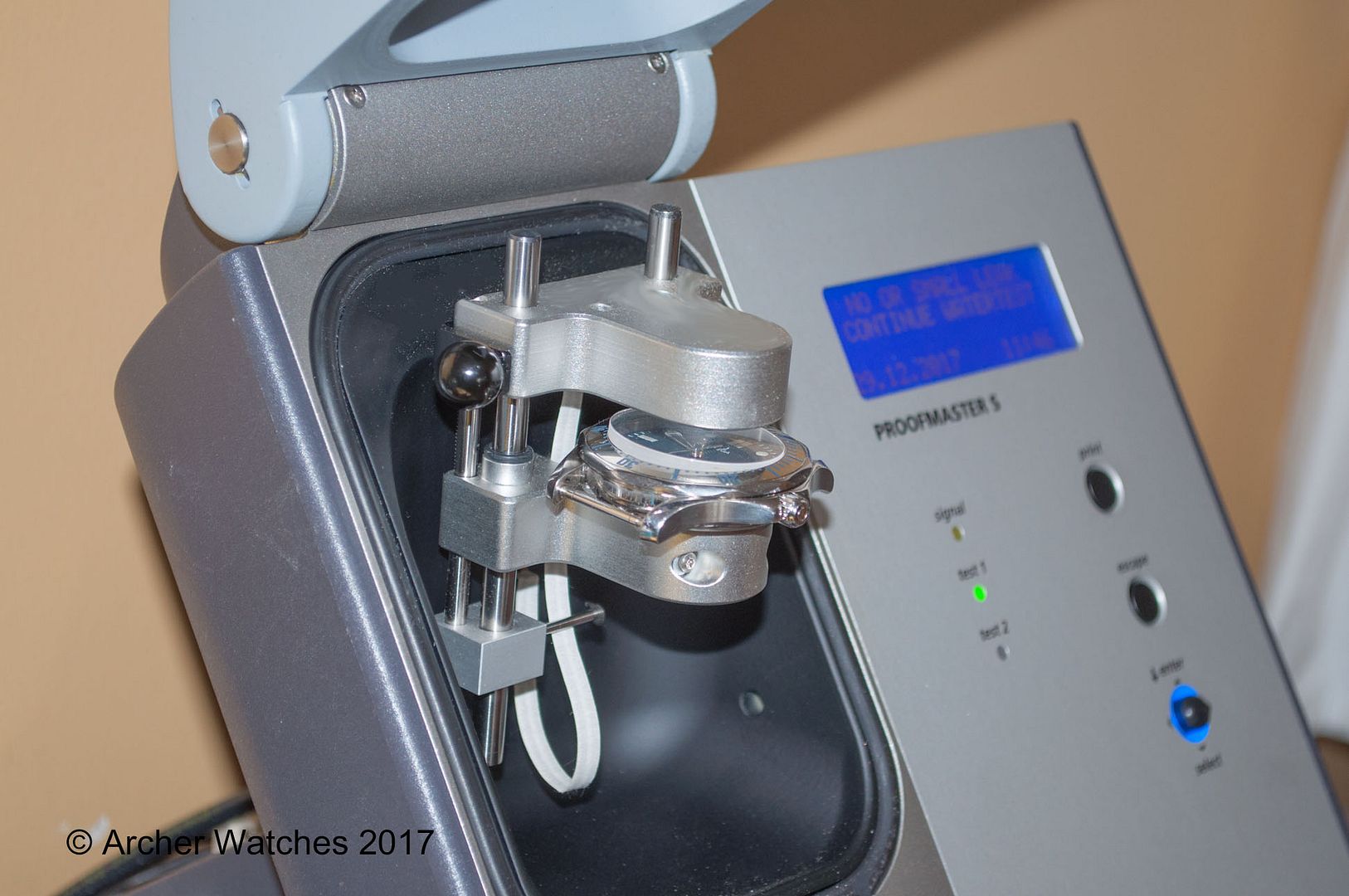
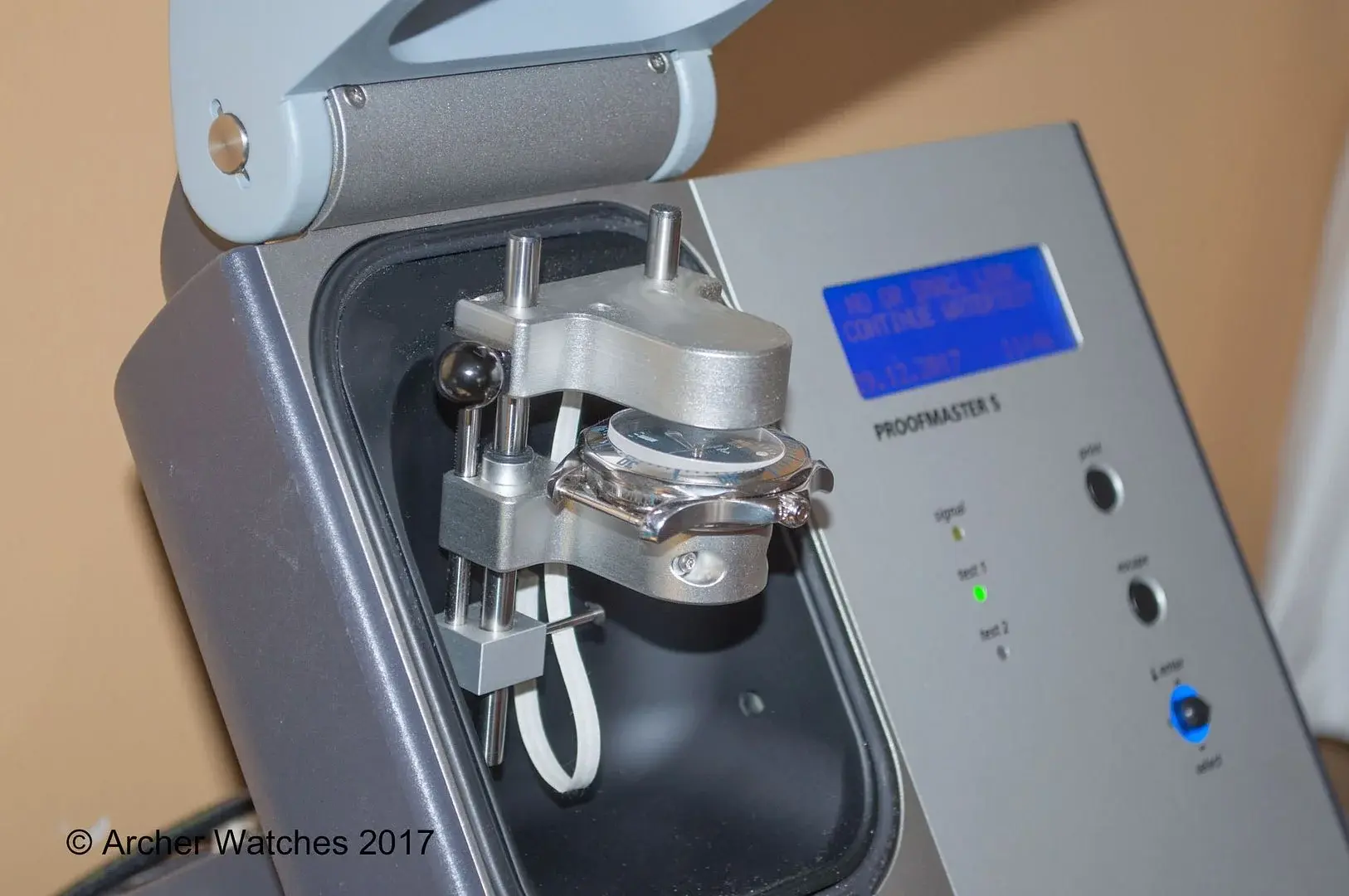
I would say yes, to a degree. I have rarely had any crystal gasket failures during pressure testing - in fact I can only recall one:


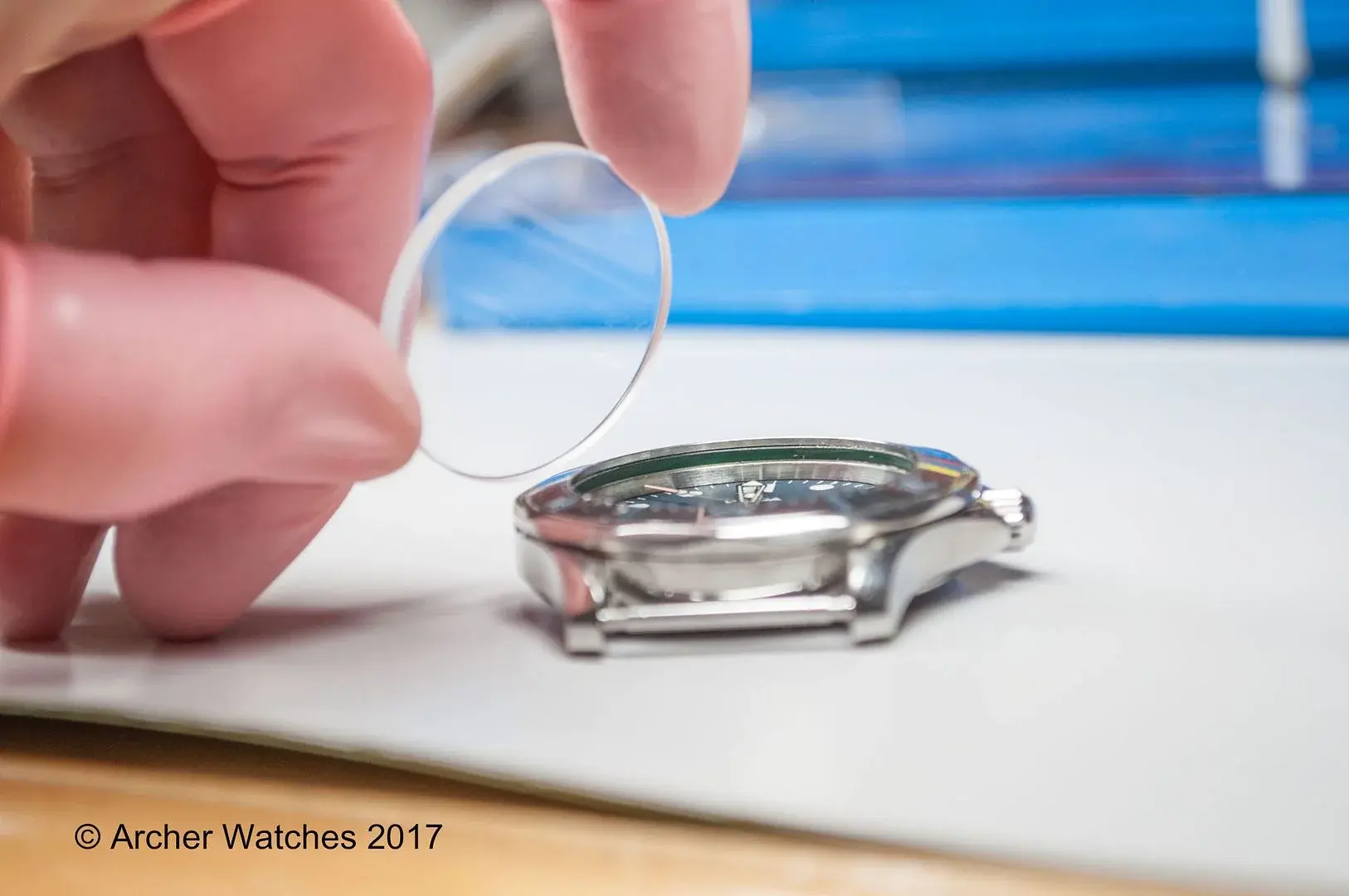
You can see that the crystal has popped out of the case above. It was just laying there:


I replaced the seal and it passed fine. I suspect this happened not because the seal was old, but because someone removed the crystal and didn't use a new seal.

For vintage I would be less inclined to leave a plastic seal in place, but for modern watches like the AT you are likely fine. Now if you are heating the case to replace a case tube, HEV, pushers or something, the for sure you need to replace the seal - you should remove the crystal before heating.
 
Posts
3
Likes
0
I would say yes, to a degree. I have rarely had any crystal gasket failures during pressure testing - in fact I can only recall one:


You can see that the crystal has popped out of the case above. It was just laying there:


I replaced the seal and it passed fine. I suspect this happened not because the seal was old, but because someone removed the crystal and didn't use a new seal.

For vintage I would be less inclined to leave a plastic seal in place, but for modern watches like the AT you are likely fine. Now if you are heating the case to replace a case tube, HEV, pushers or something, the for sure you need to replace the seal - you should remove the crystal before heating.
Thank you again!

The extent of my repair skills are basic, like replacing gaskets, a crystal, MAYBE a dial and hands, “minor” things like that. I don’t even try to attempt the more involved stuff like the crown tube or anything directly related to the movement. I don’t have the skills, nor could I afford the proper tools! That’s what qualified watchmakers are for 😀
 
Posts
1,185
Likes
1,224
Thank you again!

The extent of my repair skills are basic, like replacing gaskets, a crystal, MAYBE a dial and hands, “minor” things like that. I don’t even try to attempt the more involved stuff like the crown tube or anything directly related to the movement. I don’t have the skills, nor could I afford the proper tools! That’s what qualified watchmakers are for 😀
If you are a hobbyist tell your friend to stuff it. You are more likely to mess up the installation of a new gasket than the current gasket is to fail if it currently passes water pressure testing.

If your friend still wants the crystal gasket replaced he should take it to a trained and certified independent Omega watchmaker. My Omega watchmaker will replace just gaskets for somewhere around $100 to $250 depending on the model. Because he's not removing the hands, dial, or doing any work on the movement he does not need to do a full service. A couple hundred bucks for a $4,000+ plus watch is cheap insurance for water intrusion.

I too am a hobbyist watch tinkerer (I'd never refer to myself as a watchmaker) and I have a lot of tools and the basic skills to do things like replace gaskets. But there's a difference between knowing how to do something and do something expertly well. I draw the line at watches above $1000 in value. It's not just worth it to break an Omega, Rolex, Breitling, Tudor, etc. I leave my mistakes for Seikos and Chinese made watches (like Watchdives, San Martin, Militado, etc.).

As Dirty Harry said, "A man's got to know his limitations."