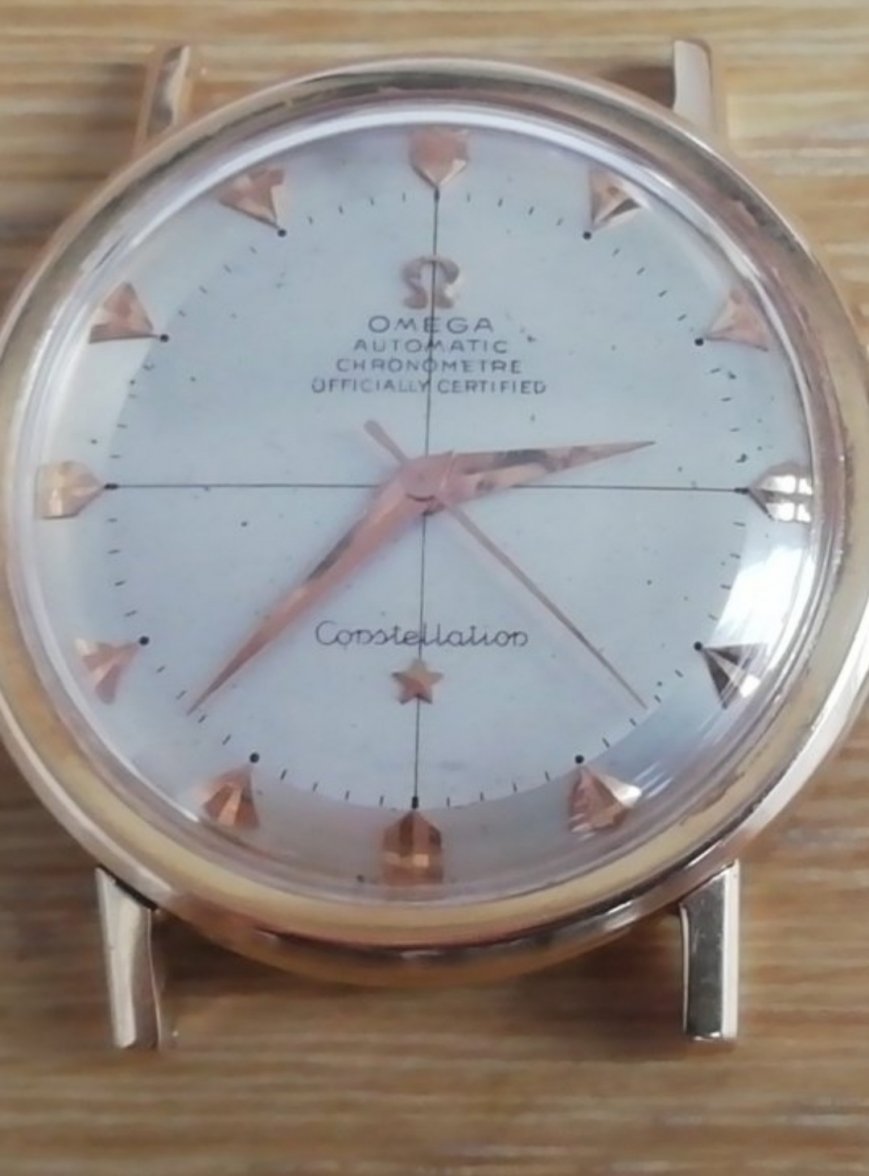
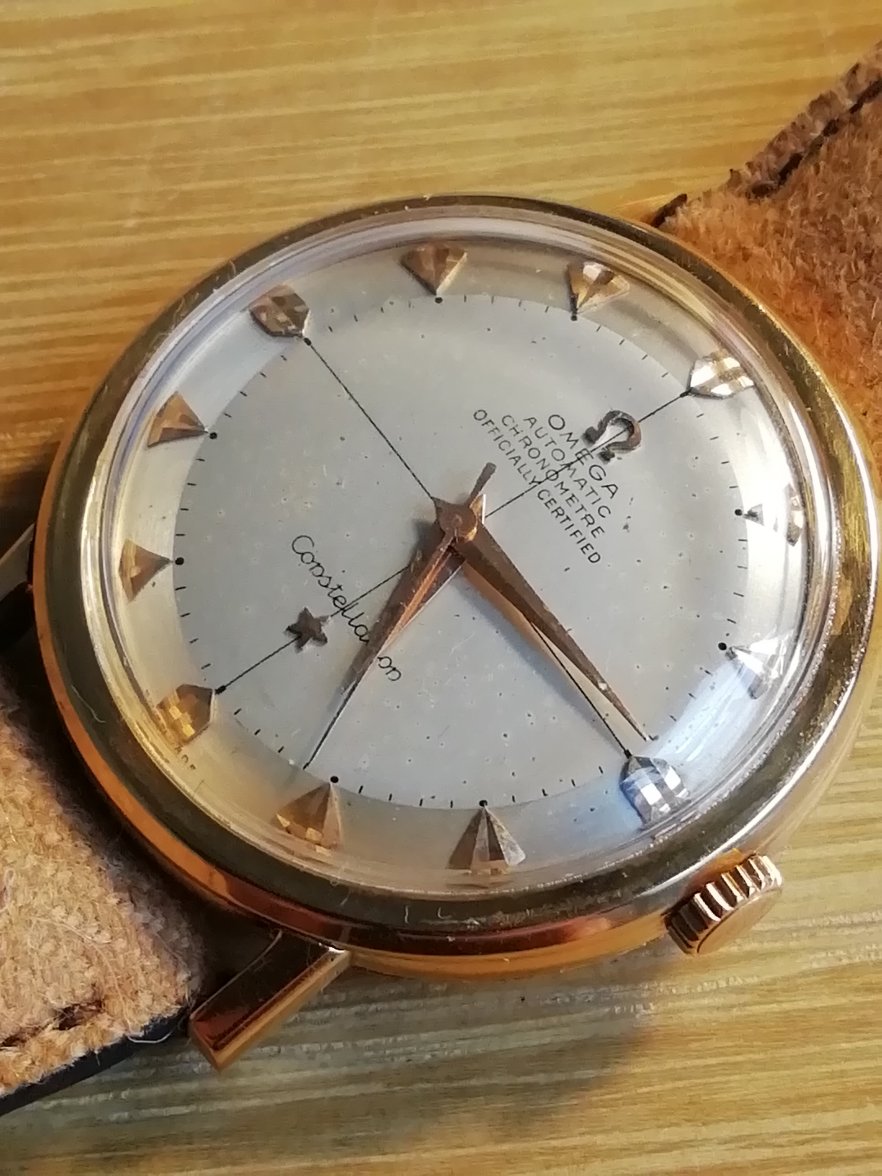
Constellation french case... what about the crown ?

Posts
15
Likes
29
Hi everyone. First post here, seeking guidance and knowledge 馃槈

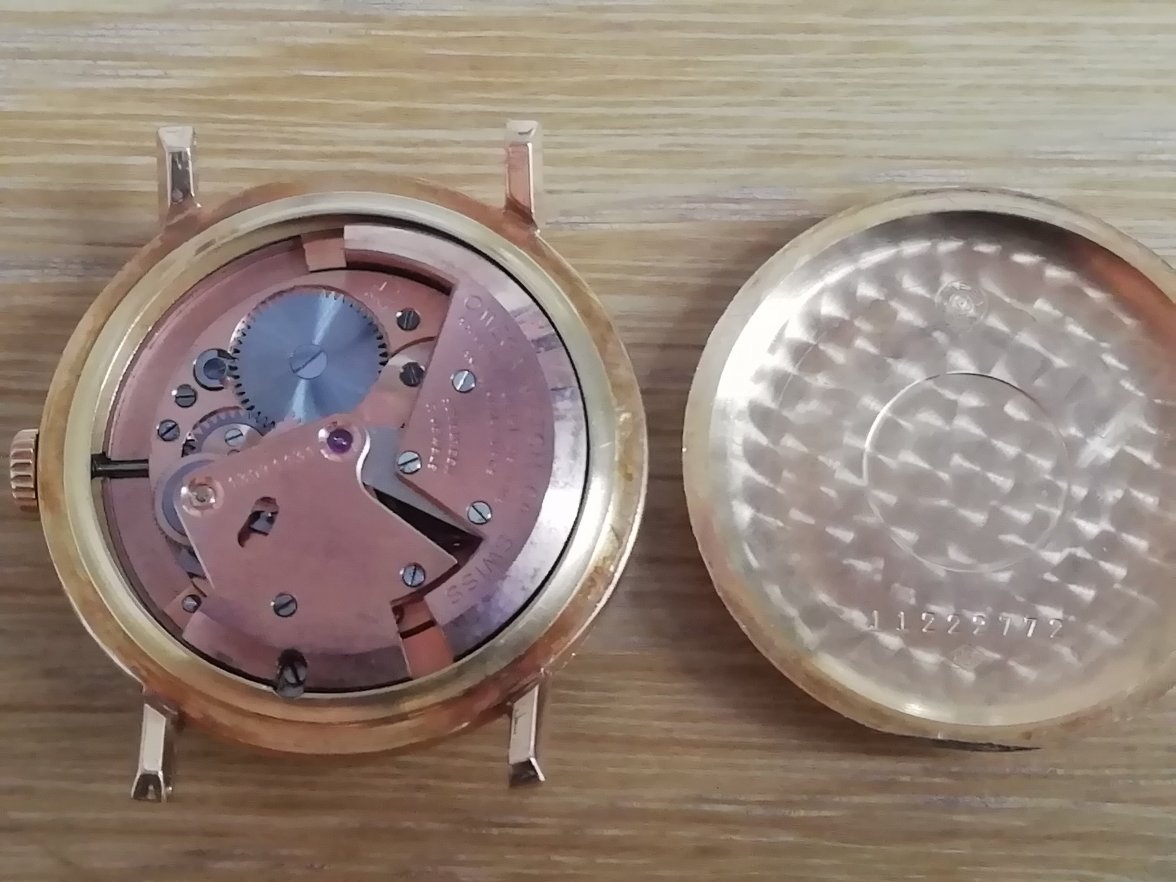
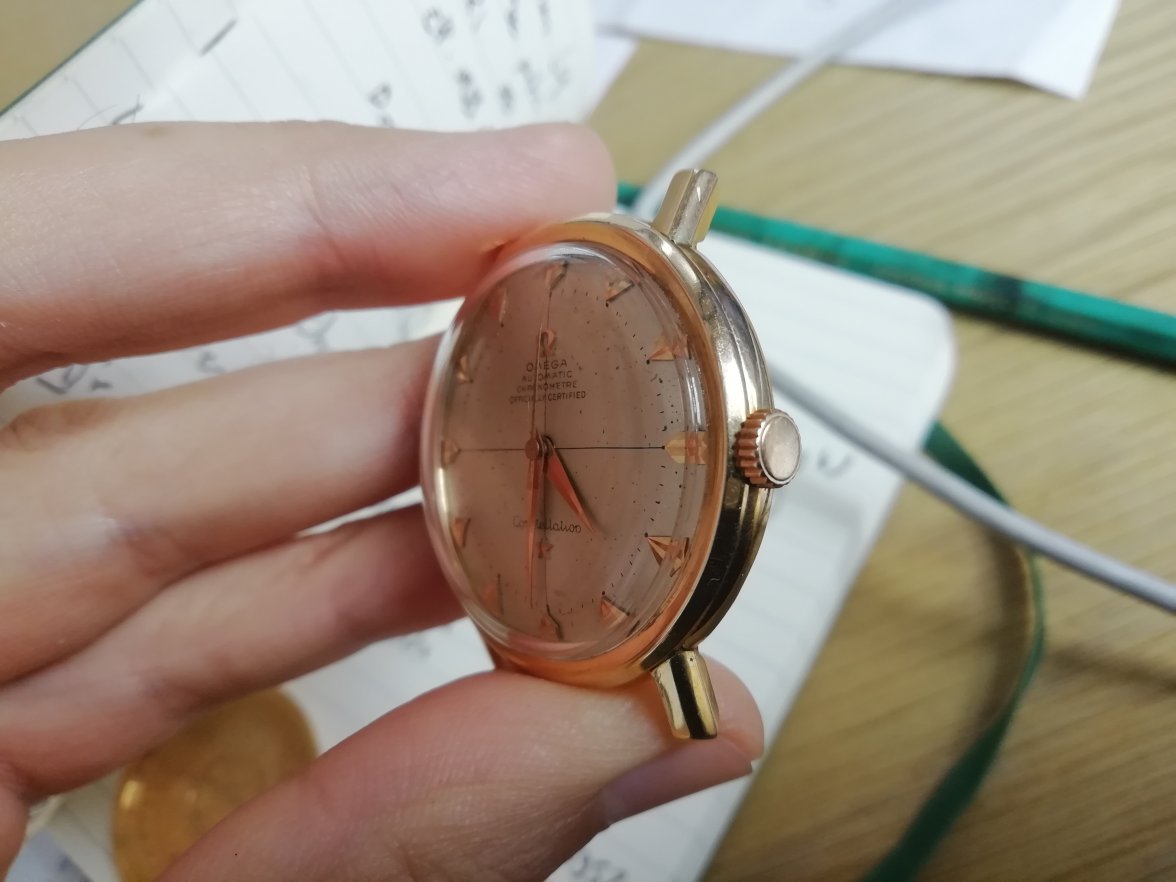
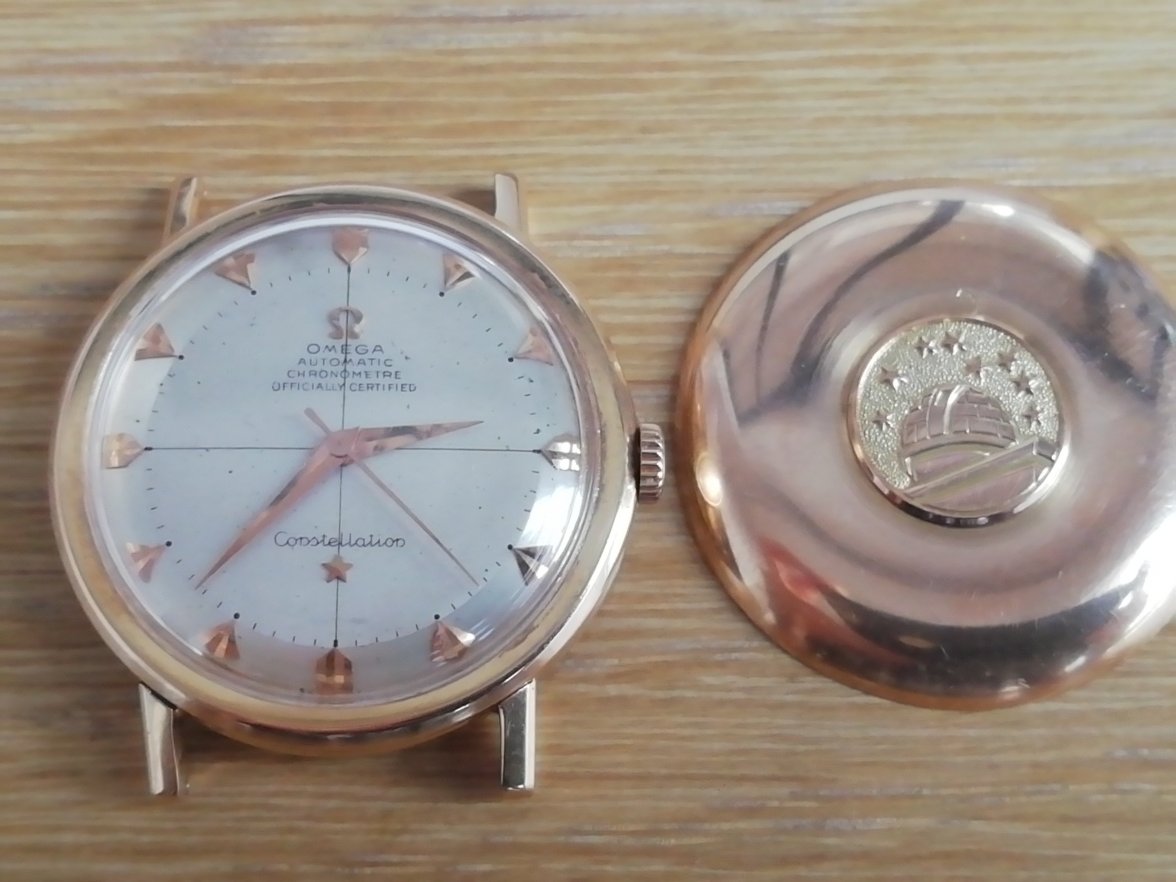
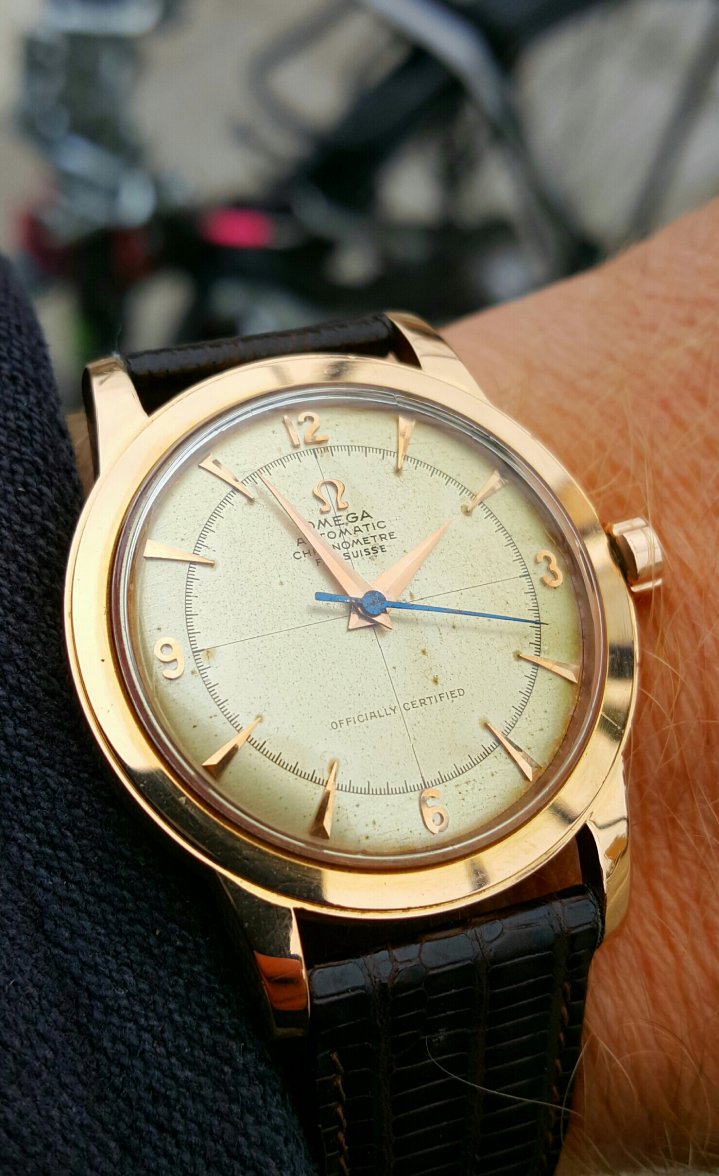
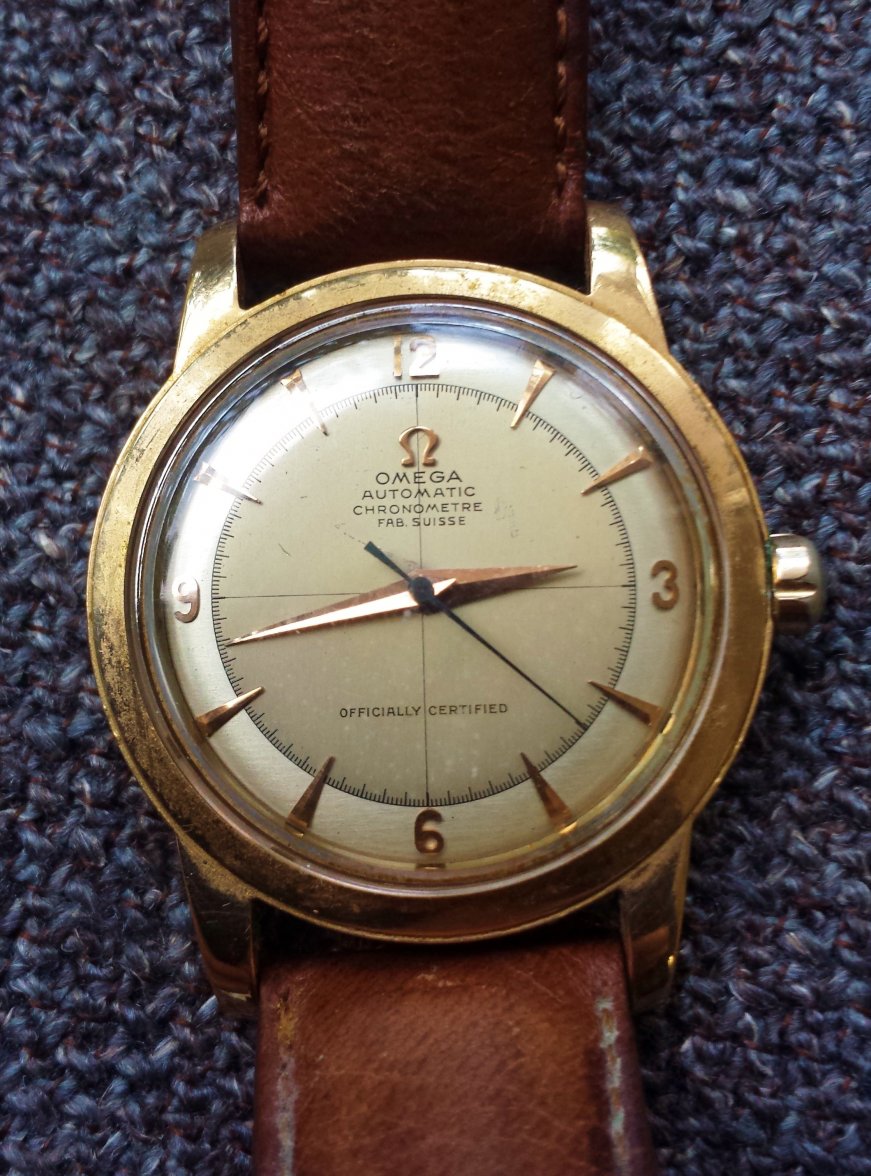
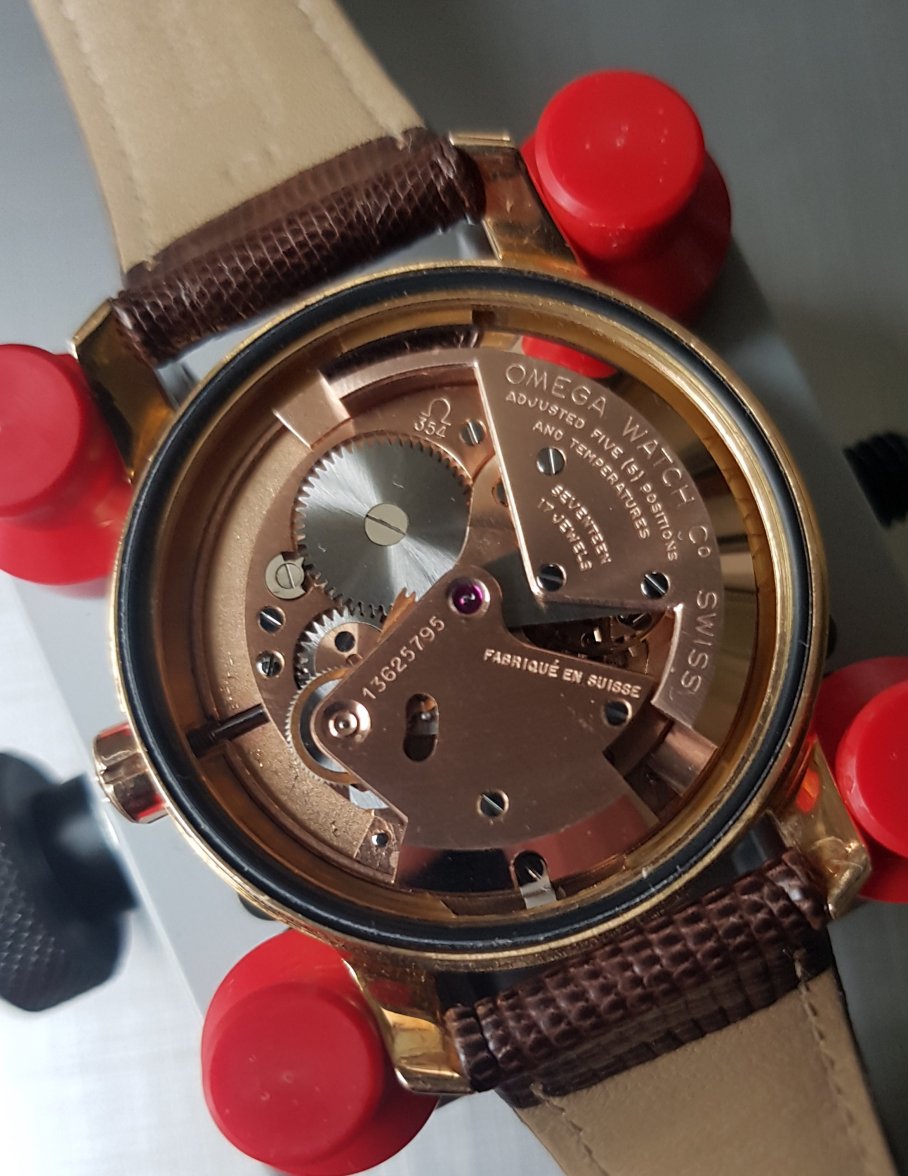
Bought this second-hand Constellation (don't mind the strap, original was an old Omega brown leather) in my local watch retail store, western France. This is what I identified as a 1952 OT2648, cal 354, with a serial number in the 13 millions range.

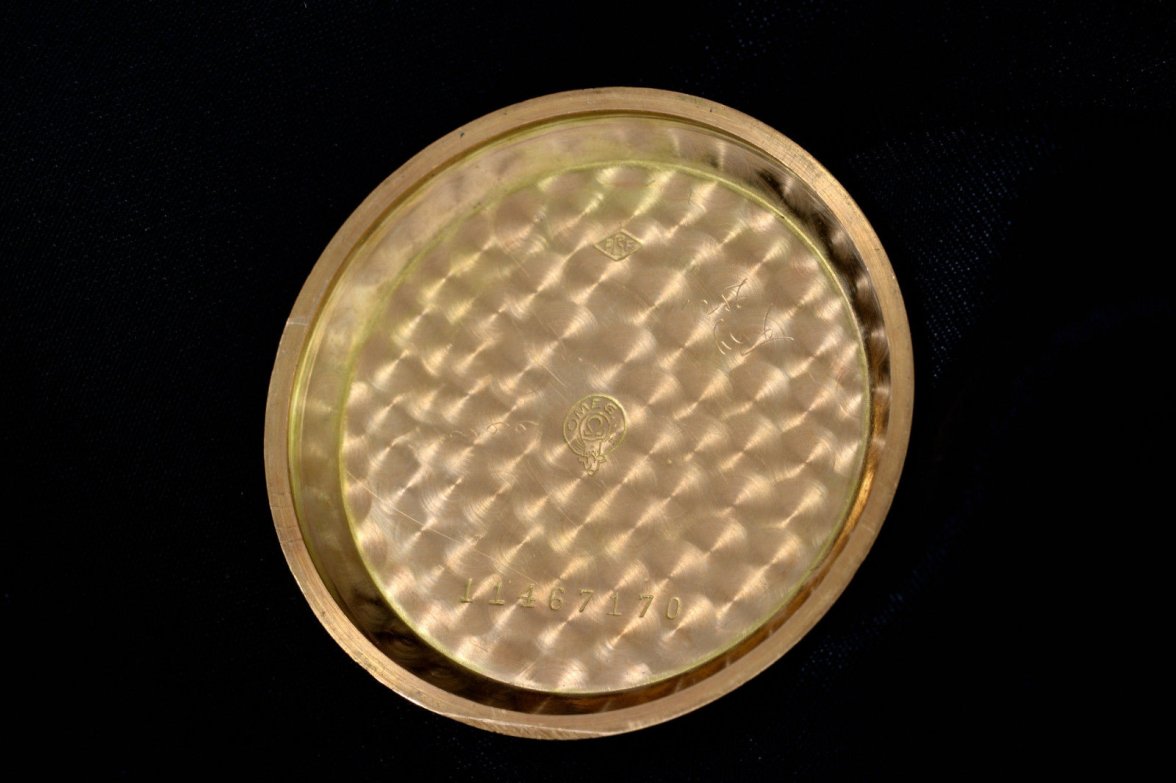
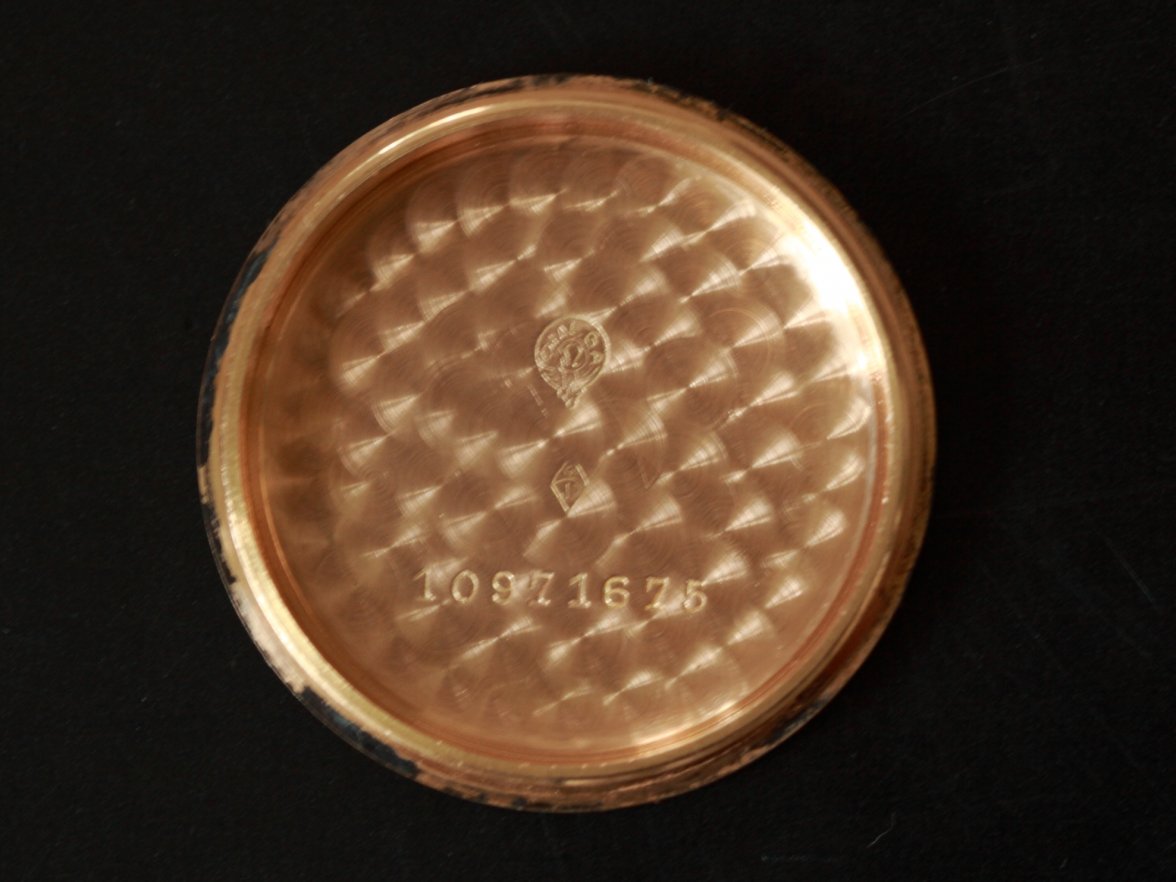
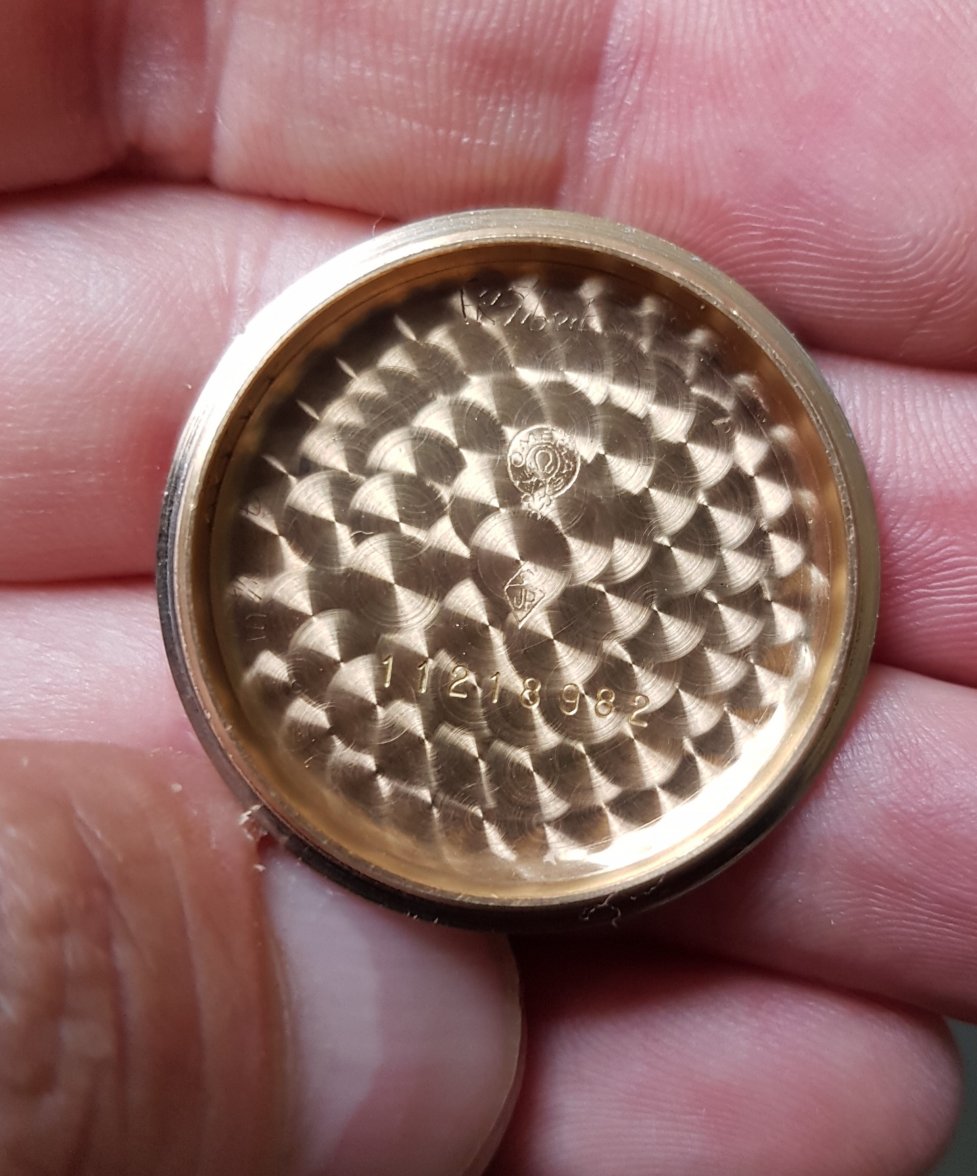
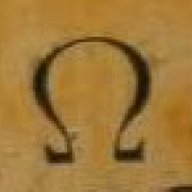
Gold case has been produced in France, due to gold regulations at the time. Sharp eyes will see an OMEGA stylized logo, an eagle head and a PGF (Paul Frank and Sons probably) logo, in the back, the name of the gold smelter.

My question is about the crown. I first suspected it has been replaced (4 marks inside the case show maintenance during the 70ies, one of them could be crown related). Crown was fluted instead of ten-faceted. But now I wonder if PGF wasn't implementing blank crowns, as they would also produce cases for Longines. And I have seen numerous models with a fluted crown. Alas, most of the shots don't show the crown logo itself... leaving me in the dark.

What are your thoughts on this ?
Regards
Edited:
 
Posts
4,593
Likes
10,810
Hey nice watch you picked up! I can't reliably answer the crown question but for sure someone here will. Love that dial and markers!
 
Posts
7,901
Likes
35,852
The dial and movement look correct for a 2648, the case however looks more 1960's to me and certainly not what I'd expect from a French cased 2648 equivalent.

Also French 2648's normally have Fab.Suisse on the dial, this one doesn't...so a few questions here, how's the case back medallion?

 
Posts
6,308
Likes
9,750
Good looking watch.
I was also going to say, that this case style wasn鈥檛 produced for a Constellation until 1962.
It could of course be based on something else but certainly not a Constellation in 1952.
 
Posts
15
Likes
29
Here is the caseback with the eagle head. At first sight, quite similar with what you can see on Desmond's blog
http://omega-constellation-collecto...8/a-french-omega-constellation-2648-seen.html


"Fab. suisse" obviously raises question. Though I can't see why someone would fake a french cased Constellation dial, add patina, while forgetting the most obvious label. Seems like a lot of pointless hassle.

Concerning the case, I have two hypothesis. First is a recase a decade later, but what could possibly explain such a move ? Second, Paul Frank and sons was also forging cases for Longines, I have seen the mark on a 1942 Longines caseback.
https://richardcourrierdeslecteurs.blogspot.com/2017/10/poincons-francais-sur-deux-boites-de.html

Case could be quite similar to some 30CH (although not a chronograph). Could PFG used old stock to launch the Constellation line ? Would OMEGA even allow it. Unfortunatly there is no archives known from this company. Last thing, caseback number is 11 222 xxx. Desmond's 2648 is 11 219 xxx
Edited:
 
Posts
314
Likes
309
Concerning the case, I have two hypothesis. First is a recase a decade later, but why could possibly explain such a move ?
Hi
The case is certainly nothing that I鈥檝e seen on a 2648 before. Cases do get damaged, so possibly the original case had somehow been damaged beyond repair but they were able to replace it with a gold case from the period.
 
Posts
6,308
Likes
9,750
The dial and movement look correct for a 2648, the case however looks more 1960's to me and certainly not what I'd expect from a French cased 2648 equivalent.

Also French 2648's normally have Fab.Suisse on the dial, this one doesn't...so a few questions here, how's the case back medallion?


I was thinking some more about this.

Correct me if I鈥檓 wrong but if a French case doesn鈥檛 have the Omega reference in the case back it isn鈥檛 actually a 2648 (it being the case reference not the dial reference) even though it may be trying to represent that reference.

So, as it has no Omega reference, to refer to the watch as a 2648 is the first misnomer to correct.

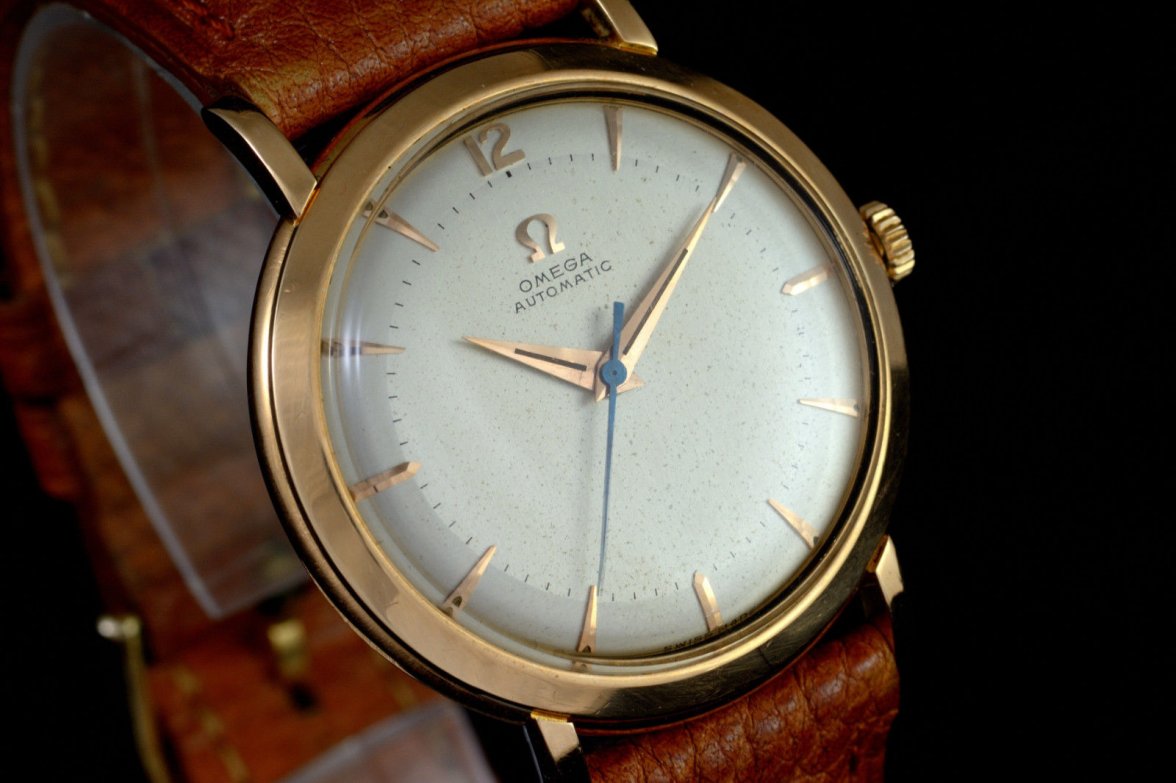
The OPs watch possibly has the dial and movt of a 2648 and a different style French gold case but without the Fab Suisse dial of a French sold Omega.

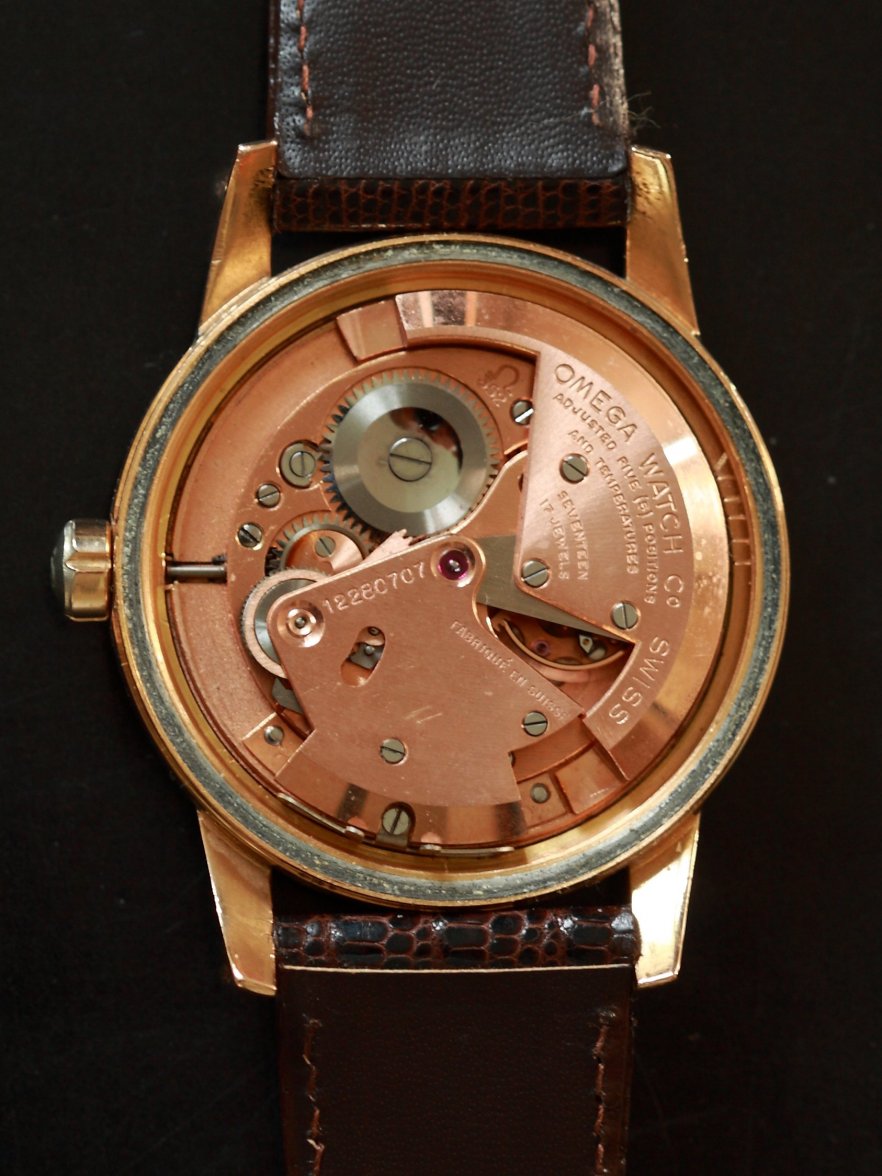
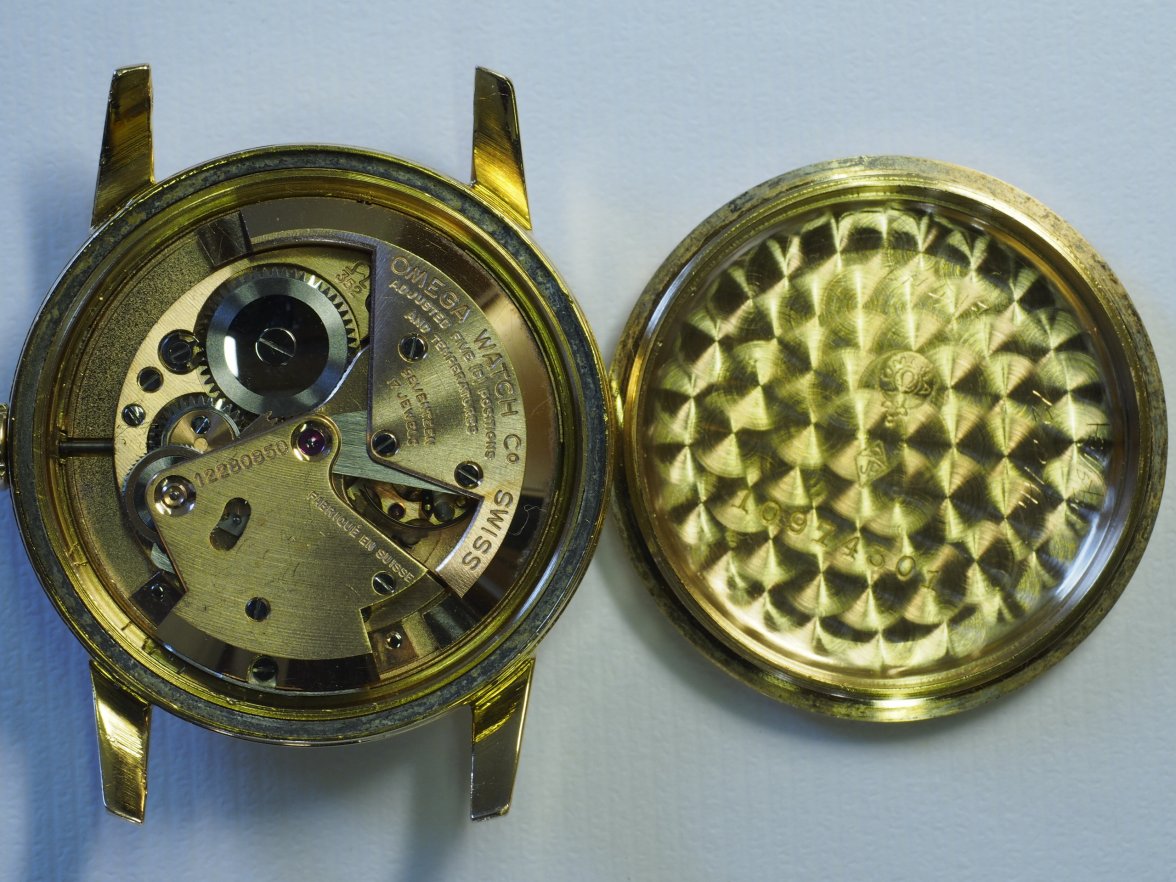
It also appears to have a brass(?) spacer to accommodate the movt in the case.

I don鈥檛 know about French made case-serials with regards sequence or age but this does look like an earlier non-French Omega dial and movt have been married with an alternative, possibly later, French gold case.

this could have happened for a multitude of reasons, original case melted down or lug broken off for example.

It鈥檚 still a nice watch but definitely a bit of a conundrum.
 
Posts
7,901
Likes
35,852
I was thinking some more about this.

Correct me if I鈥檓 wrong but if a French case doesn鈥檛 have the Omega reference in the case back it isn鈥檛 actually a 2648 (it being the case reference not the dial reference) even though it may be trying to represent that reference.

So, as it has no Omega reference, to refer to the watch as a 2648 is the first misnomer to correct.

Yes I agree with what you are saying in principle, no Swiss case no Swiss ref. But to quote myself from my previous post I started with calling it a, "French cased 2648 equivalent" and later shortened that to, "French 2648"

The OPs watch possibly has the dial and movt of a 2648 and a different style French gold case but without the Fab Suisse dial of a French sold Omega.

And the Fab.Suisse French Constellation 2648 equivalent dials that I have seen always have single crossed 't's', whereas the dial of the OP's watch has the earlier double crossed 't's', which are correct for a 2648. This makes me think a possible re-case of a Swiss cased watch, but that's pure speculation on my part.

It also appears to have a brass(?) spacer to accommodate the movt in the case.

That certainly looks a little incongruous

I don鈥檛 know about French made case-serials with regards sequence or age but this does look like an earlier non-French Omega dial and movt have been married with an alternative, possibly later, French gold case.

This does seem a likely explanation, that case design is way too late.


"Fab. suisse" obviously raises question. Though I can't see why someone would fake a french cased Constellation dial, add patina, while forgetting the most obvious label. Seems like a lot of pointless hassle.

We are not suggesting anything is faked here. The suggestion is a Swiss cased 2648 lost its case for whatever reason and was re-cased in France. The lack of Fab.Suisse on the dial plus the fact of the double crossed 't's' is the evidence to support the idea that the watch started out life in a Swiss case.


Last thing, caseback number is 11 222 xxx. Desmond's 2648 is 11 219 xxx

My old French Connie has a case number of 11 218 xxx
 
Posts
337
Likes
1,003
I don鈥檛 know about French made case-serials with regards sequence or age but this does look like an earlier non-French Omega dial and movt have been married with an alternative, possibly later, French gold case.

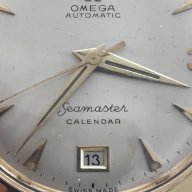
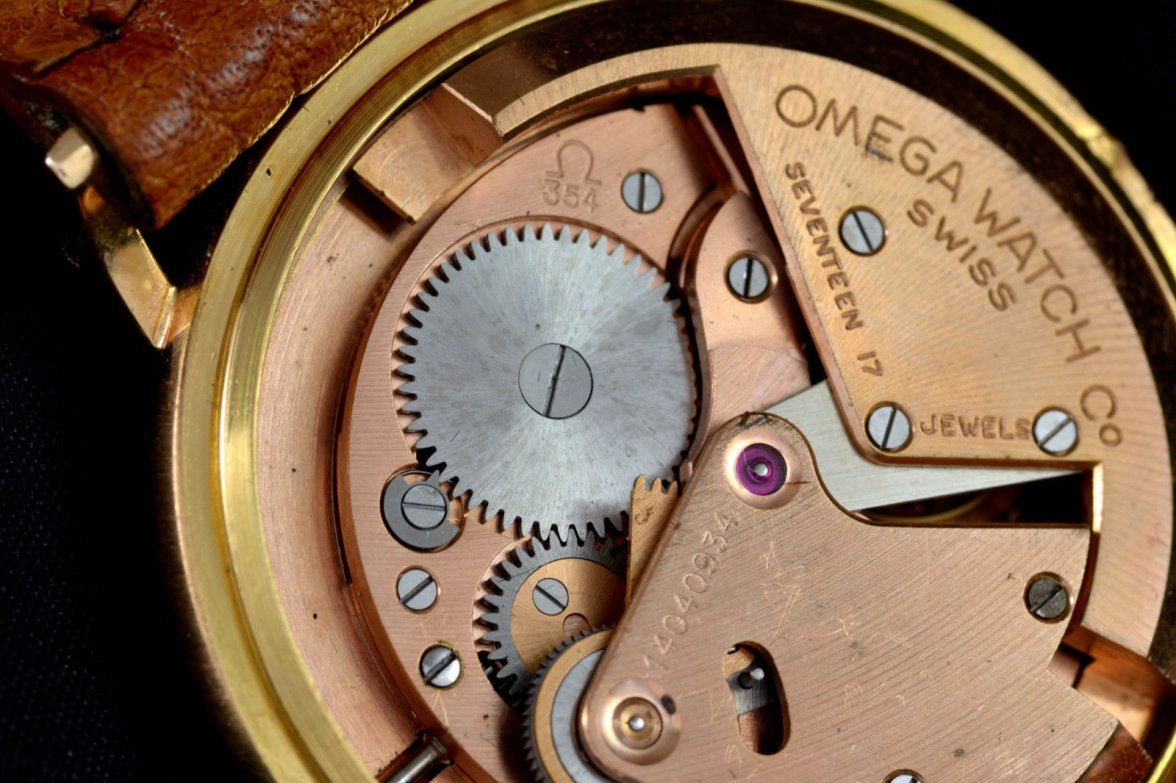
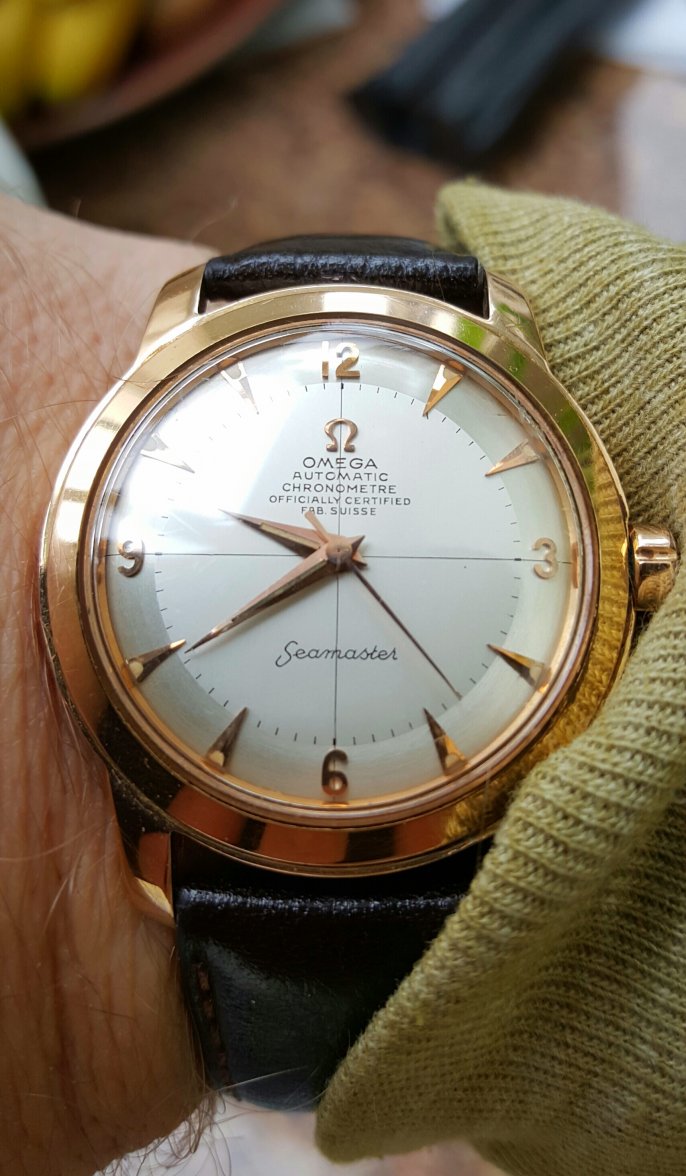
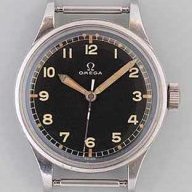
I believe it would be a fair assumption that those "PGF"-hallmarked french cases were numbered in a sequential order. My french cal. 354 fits into the timeline based on sequential case and movement numbers:


OP watch: case 112xx xxx, 354: 13million
my watch: case 114xx xxx, 354: 14million
It could be consistent time-wise, and the OP case may have been manufactured in 1952.

To the OP: Beautiful watch, by the way...
Edited:
 
Posts
6,308
Likes
9,750
Hi @aprax

Interesting to see that your watch doesn't have Fab Suisse on the dial either - this and if what you say regarding the case serial numbers is correct, then it makes it less likely that the watch is a later marriage.

I think it would be unreasonable to suggest that someone found an 'incorrect' Connie case of the right era to put together with a dial and movt - it would take a real expert in Connies to do that.

It seems more likely now that PGF created cases based on other watch styles they were producing (as the OP suggested) and produced 'random' Constellation watch cases in a style that Omega seemingly adopted a decade later.
(the case is actually more like the later, more delicate, Seamaster cases rather than the more robust 168.004 case)

This kind of (in this case unsolved) anomaly coming to light is what makes this forum such an interesting place to be.
(and Constellation collecting in general)
 
Posts
15
Likes
29
Nice aprax, you brought a missing link (though a few remaining) to this "cold case".

If I collect the thoughts of the community, it could be a 168.004 from a decade later, but serial numbers on the case and coherence might suggest instead that PGF had some leeway to smelt its own cases, in that case slighty inspired by other brands active at the time. If I may add, do we have any occurence of the old OMEGA logo on PGF 1960's cases ?

The missing of "Fab. suisse" remains unexplained but aprax's seamaster suggests it might not be uncommon.

Origin of the crown is still unkown, but at this point "snafu" !

Thanks all for your precious insights.
 
Posts
7,901
Likes
35,852
Hi @aprax

Interesting to see that your watch doesn't have Fab Suisse on the dial either - this and if what you say regarding the case serial numbers is correct, then it makes it less likely that the watch is a later marriage.

I think it would be unreasonable to suggest that someone found an 'incorrect' Connie case of the right era to put together with a dial and movt - it would take a real expert in Connies to do that.

It seems more likely now that PGF created cases based on other watch styles they were producing (as the OP suggested) and produced 'random' Constellation watch cases in a style that Omega seemingly adopted a decade later.
(the case is actually more like the later, more delicate, Seamaster cases rather than the more robust 168.004 case)

This kind of (in this case unsolved) anomaly coming to light is what makes this forum such an interesting place to be.
(and Constellation collecting in general)

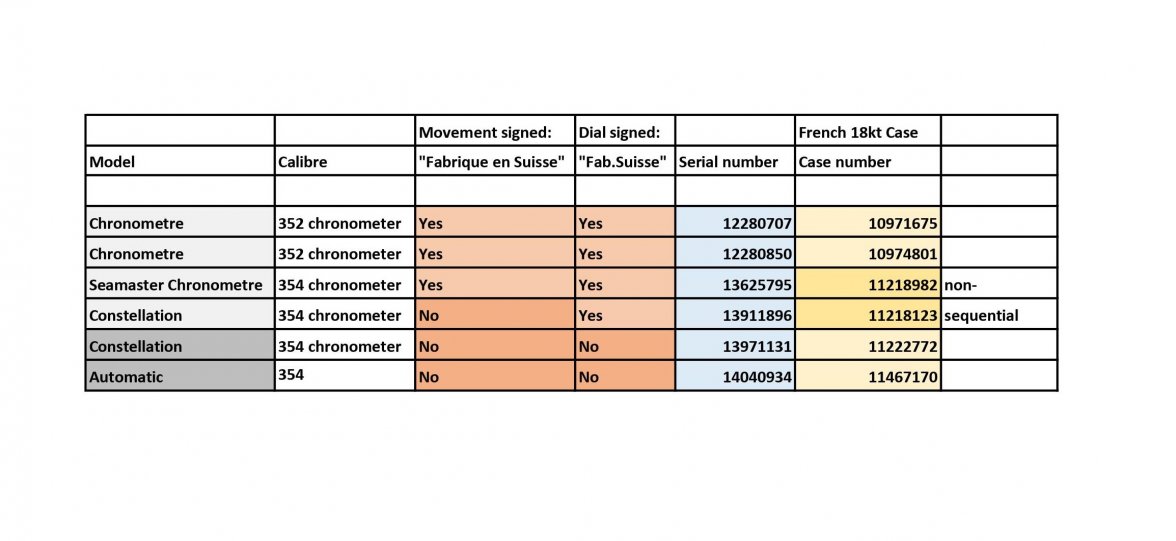
What I find interesting is trying to find some kind of logic to this French story. There are potentially three distinctive characteristics to each French precious metal cased Omega watch from this period and they are:

1. Fab.Suisse signed dial
2. Fabrique en Suisse signed movement
3. French produced gold case with old Omega logo and no Swiss reference number

In a typically Omega kind of way it seems that not all of these characteristics need to be present in every French cased watch. From my admittedly very small sample of 6 watches ( three I own, one I sold, @kedrico's 60's style Connie and the Omega Automatic of @aprax ) the one characteristic they all have in common is a French produced solid gold case in 18kt
I have listed the watches above in chronological order of the movement serial number and we can see that the case numbers generally follow this pattern with just the one outlier.

I had expected all watches with Fab.Suisse dials to also have movements signed Fabrique en Suisse, but this wasn't the case with one of the Constellations having just a Fab.Suisse dial.

Interestingly neither of the two watches that have Swiss Made dials have Fabrique en Suisse signed movements. They only have French produced solid gold cases with Swiss Made dials which leads me to suggest that perhaps these watches didn't start out as exported dials and movements destined to be cased in gold in France.

Perhaps they started life out in Swiss steel cases and directly upon arrival were re-cased in French gold, hence the lack of both Fab.Suisse on the dial and Fabrique en Suisse on the movement. Just speculation on my part of course but I'd be interested to see an Extract for a watch like this.

Out of interest here from the sample are the two 352 chronometers and also the Seamaster 354 all with Fab.Suisse dials and Fabrique en Suisse signed movements.

Edited:
 
Posts
1,531
Likes
1,088
Hi,

Sorry to come late after the battle...

I confirm the case number is a serial number. French made cases continued to use the serial numbers some time after Omega switched to ref numbers. It is worth to notice that some French made gold cases do not have any number, and that some have other kinds of numbers. But in this case, it is the continuing of Omega serial case numbers.

I cannot see the serial number of the movement, but if it is actually 13 millions, it matches the case number.

The French law concerning imported products was strict during the 1920鈥檚 and the 1930鈥檚: the indication of the foreign origin was mandatory. In the mid 1930鈥檚 it was even mandatory to put it next to the brand name. Although, for small products like watches, it was authorized to shorter the indication - fab. suisse - and to put it elsewhere than just below to brand name. So not mandatory to have it on the movement - though it happened - but mandatory to have it on the dial.

This law never ended - as far as I know - but there has been more and more tolerance. So for a watch from the1930鈥檚 or 1940鈥檚, I expect to have Fab suisse, but not for a watch from the 1960鈥檚. Concerning the 1950鈥檚, I would say it was kind of a transitional period, when the Fab. suisse let step by step the place to the Swiss made - which already existed before as we all know. I would expect to have a Fab. suisse on a watch from 1952, but I would not say it is mandatory.

Thus, to me there is no strong reason to think this watch is a franken. But I am not at all an expert concerning connies!
 
Posts
15
Likes
29
Thank you Fran莽ois, your input concerning the state of the french law, regarding Fab. suisse... is very much appreciated.
 
Posts
3,742
Likes
6,360
I am not an expert in French cases but the lugs of this watch look too modern for a 2648 Constellation.

 
Posts
15
Likes
29
Yes indeed, the lug design isn't shown on swiss Omegas before the early 1960's. Yet the case serial number matchs and if you check Aprax's french omega (earlier in this post) you'll see another case, quite similar lugwise.

Paul Frank was one of the largest french molder, working also for Longines or Cyma (says Fran莽ois Pepin in another post). My hypothesis is that they forged their own style based on those inspirations, but I have yet to find PGF cases to prove or disprove it.
 
Posts
15
Likes
29
Digging up this post,

Have submitted the watch to an Omega licensed's watchmaker (Jean-Louis Strack / ABMT / Bordeaux, France to name him - I hope he won't mind) for control and repair (rhabillage). He says the crown is original, according to him, as the first gold constellation weren't signed on the crown. Has anyone here heard about such thing ?

The man has spent his early days as watchmaker working for Omega. He remembers driving up to the capital (in "Renault 4L" he says), in the very late seventies, to the Omega agent in Paris who was importing calibers and dealing with the gold case producers. "Brandt fr猫res" was it called, which I suppose belonged to the OMEGA holding (having the founder's name and all). He also said there was still a 33% added tax for gold jewel impportations from Switzerland, at the time.

Conversation was over a phone line. I said I would buy the man a cup of coffee and would pick his brains next time I see him.

Said the cal 354 was in really good shape for its age, otherwise, which was good to here (full revision is a slight kick in the nuts... but still)


Posts
3,554
Likes
7,591
Interesting thread...

Could you please take out the stem/crown and show the underside of the crown in a large clear photo?

I have a suspect: the crown looks very similar to the crowns of the French 30 Rg chronometres which are made of solid gold, not just brass with a gold overlay as found on the swiss cased chronometres...
A clear photo could give proof that the crown is original to the watch.
Edited:
 
Posts
15
Likes
29
I'll see what the watchmaker can do, or myself with the best of my Huawei's abilities.