Constellation, 17J or 24J

Posts
26
Likes
8
Can anyone help compare and contrast them or is there just too much difference to summarize?
Thanks
 
Posts
4,823
Likes
12,212
Can anyone help compare and contrast them or is there just too much difference to summarize?
Thanks

I'd say that there is about a 7 jewel difference.
 
Posts
4,823
Likes
12,212
indupitably

Hopefully someone gives you an actual answer soon. It is out of my expertise. Smart assery, apperhently, is not.
 
Posts
18
Likes
4
17 jewels was done for import tax reasons and not as intended for an automatic movement, I would seek out over 20+ Jewel automatic movements. Manual wind watches have less Jewels making 17 ideal for a manual wind.
 
Posts
13,483
Likes
31,781
17 jewels was done for import tax reasons and not as intended for an automatic movement, I would seek out over 20+ Jewel automatic movements. Manual wind watches have less Jewels making 17 ideal for a manual wind.

Sorry import taxes had nothing to do with jewel counts on Constellations. The Constellation was a premium watch and was never down jeweled.

Early Constellations were powered by the caliber 352 and 354 bumper movements which were 17-jewels.

The rotor winds started with the caliber 501, which had 19-jewels in the Constellation and then the 24-jewel caliber 504/505. Later watches, with the 551, 564 and 751 movements were all 24-jewels.
 
Posts
18
Likes
4
Sorry import taxes had nothing to do with jewel counts on Constellations. The Constellation was a premium watch and was never down jeweled.

Early Constellations were powered by the caliber 352 and 354 bumper movements which were 17-jewels.

The rotor winds started with the caliber 501, which had 19-jewels in the Constellation and then the 24-jewel caliber 504/505. Later watches, with the 551, 564 and 751 movements were all 24-jewels.
17 jewel movements were for the US market exclusively, also unadjusted due to import tariffs placed since the 20's for the US market. Original semasters had different movements if they were to be sold in America. I'll link the first article I googled here in these forums. Countless books and authoritative sources will tell you the same.
If you enjoy these watches all the best, but just know they will never be sought out by the more experienced collectors. That makes up great to get a good deal on.

https://omegaforums.net/threads/seamaster-jewel-count.5105/


All the best
 
Posts
13,483
Likes
31,781
What's your point, OP was asking about Constellations.

 
Posts
18
Likes
4
My opinion was just to avoid any 17jewel automatic movement on any vintage Omega watch.

 
Posts
18
Likes
4
What's your point, OP was asking about Constellations.
My point was to wait for any Omega automatic movement with more than 17 jewels.
 
Posts
18,225
Likes
27,551
My opinion was just to avoid any 17jewel automatic movement on any vintage Omega watch.
Feel free to avoid almost all Swiss watches for the US market then....
 
Posts
334
Likes
739
My opinion was just to avoid any 17jewel automatic movement on any vintage Omega watch.
Really? Do you even know what the purpose of a jewel is?
I don't want to be mean but this is not a fully cooked piece of advice. Show some proof as to why the op should avoid 17J movements. I'm really curios as to what you could come up with.
The people who designed all of those 17 jewel movements knew what they were doing, trust me.
P.S you sound like you're in the market for a 100 jewel Waltham just because it has more jewels.
 
Posts
2,219
Likes
4,952
My point was to wait for any Omega automatic movement with more than 17 jewels.

I don't know much about the US import requirements but, 17J to 24J is not going to win you much from a performance point of view.

The bumpers (330-355) all have 17 jewels. The jewels in the train of the watch (the timekeeping part) for these calibres are:
Barrel arbor *0
2nd wheel*0
3rd wheel *2 (upper and lower pivots)
4th wheel *2 (upper and lower pivots)
Escape wheel *2 (upper and lower pivots)
Pallet fork *4 (upper and lower pivots and the two pallet jewels that interact with the escape wheel)
Balance wheel *5 (upper and lower pivots which each have a through jewel and a cap jewel plus the ruby impulse pin that interacts with the pallet fork)

For me, that'd a standard 15 jewel movement and suits a manual wind very well.
Omega added two more jewels to support the rotor axle and that makes 17 in total. If you get wear in the barrel arbor and 2nd wheel, then you have to bush them which can be difficult as there isn't an existing bush. The 330 series are very good calibres but not so easy to repair.

For the 550, there are also 17 jewels but not in all the same places as above - they are:
Barrel arbor *0
2nd wheel*2 (upper and lower pivots)
3rd wheel *2 (upper and lower pivots)
4th wheel *2 (upper and lower pivots)
Escape wheel *2 (upper and lower pivots)
Pallet fork *4 (upper and lower pivots and the two pallet jewels that interact with the escape wheel)
Balance wheel *5 (upper and lower pivots which each have a through jewel and a cap jewel plus the ruby impulse pin that interacts with the pallet fork)

Omega added two more jewels to support the centre (2nd wheel) but removed them from the rotor where they use a bush in a different system. This is a better use of the 17 jewels for me and will probably give an amplitude improvement as the two jewels are in the train and not the auto system. Additionally, the addition of the jewels removes the wear issue on the centre wheel and the need to bush there as a repair, and is a typical improvement you see. Out of interest, they also added a bush on the upper (rear) of the barrel arbor which is much easier to replace when there is wear so, most of the limitations of the bumpers (from a repair point of view) have been removed. Note that they don't bush the lower (dial side) of the barrel arbor as it has lower loads and is less prone to wear - you still occasionally see them worn though as these are very old watches now.

A 561 is a 24 jewel movement and the first 17 are the same as the 550 but, there are 7 extra and they are all in the automatic charging system but, still not for the rotor which uses the same system as the 550. These 7 do nothing for the timekeeping.

For me, 17 jewels is enough for any timekeeping part of the movement (the train and escapement) and be able to obtain good performance - other things will make a far bigger difference to the performance. You can jewel the barrel arbor and some do which raises the jewel count by 2 but the loads are high here and jewels may not be the best solution. If you have an indirectly driven seconds pinion, jewels can be useful there. Sometimes, you'll see a cap jewel on the escape wheel as well which is another small improvement.

I saw on another thread that some replace the Seiko barrel arbor bushes with jewels. I prefer bushes there as the wear will generally be in the bush and I'd rather be replacing bushes than arbors (which are probably unobtainable). Each to his own.

I would buy the best watch that you can and not worry about the jewel count so much.

Cheers, Chris
 
Posts
16,864
Likes
47,905
It’s never been a issue how many jewels a watch has.

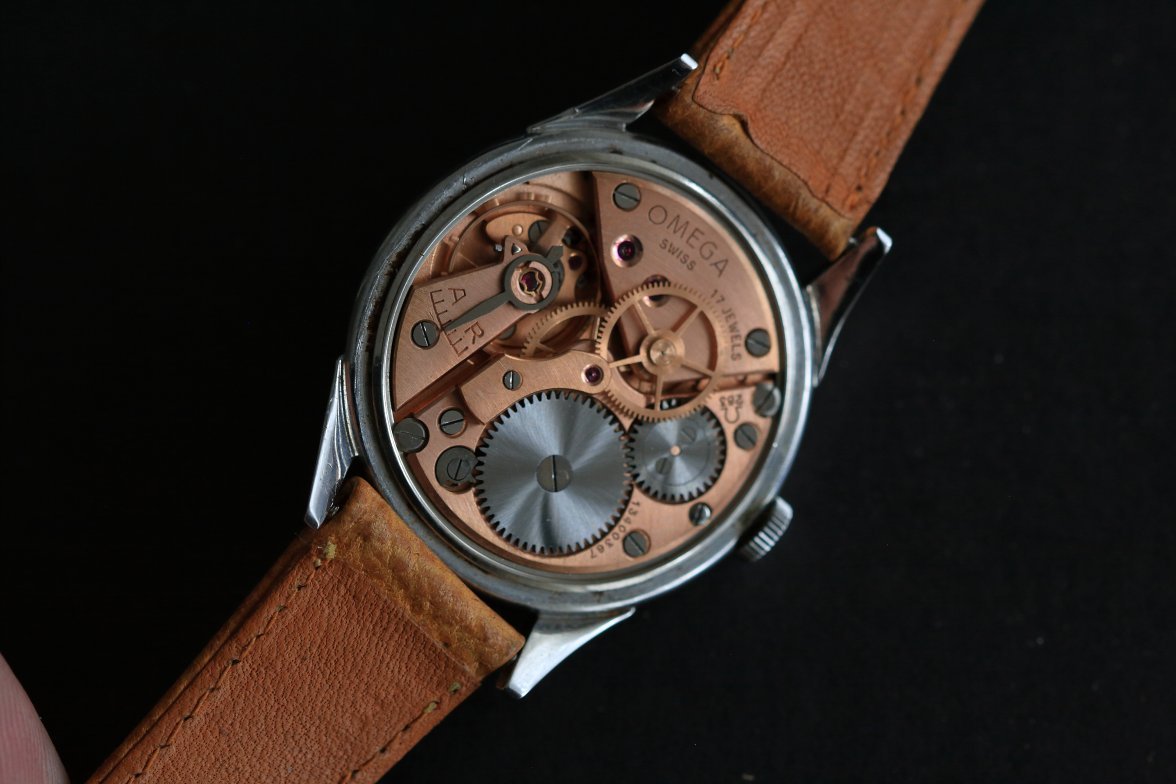
Manual with 17 jewels


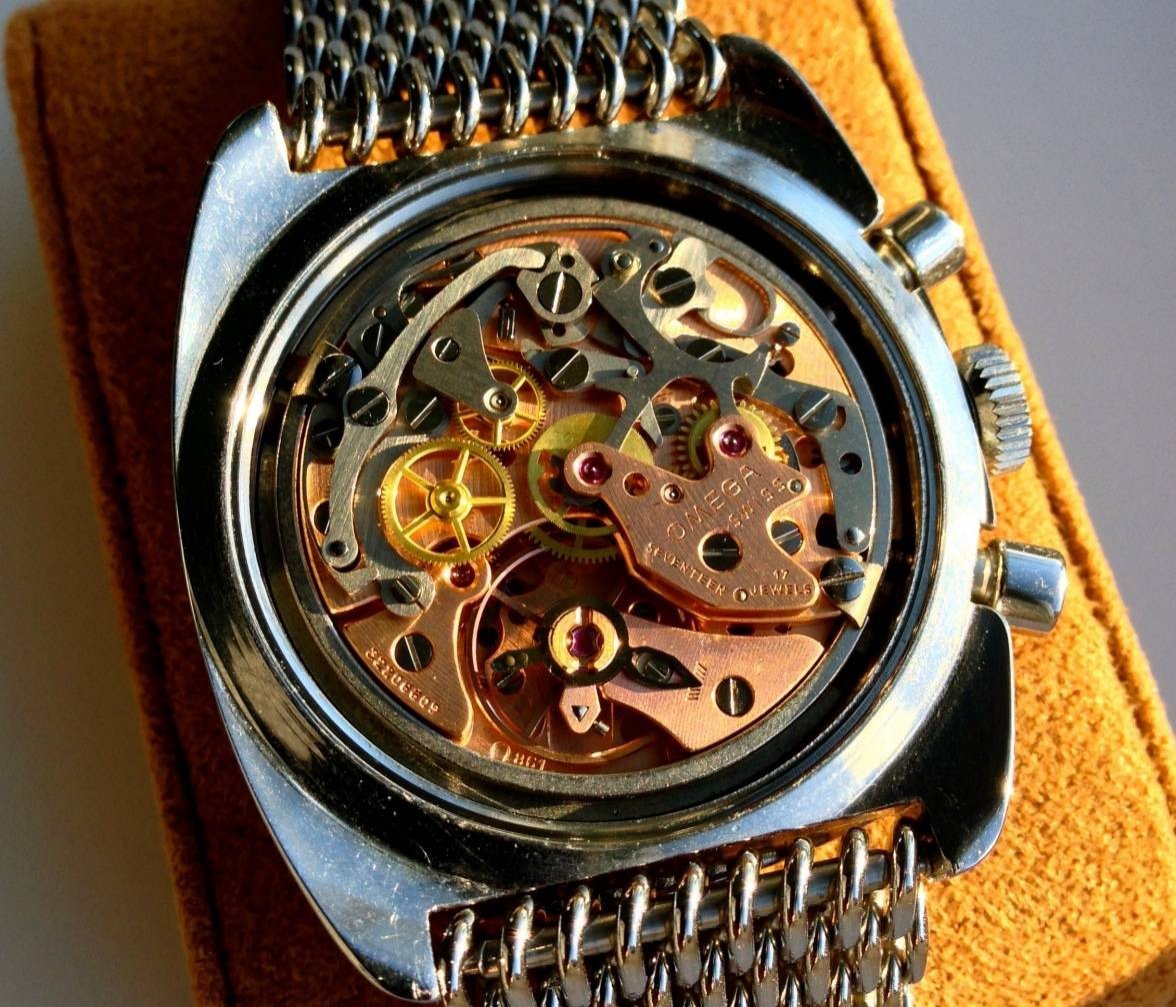
Umm, the 861 that only has 17 jewels for a manual chronograph


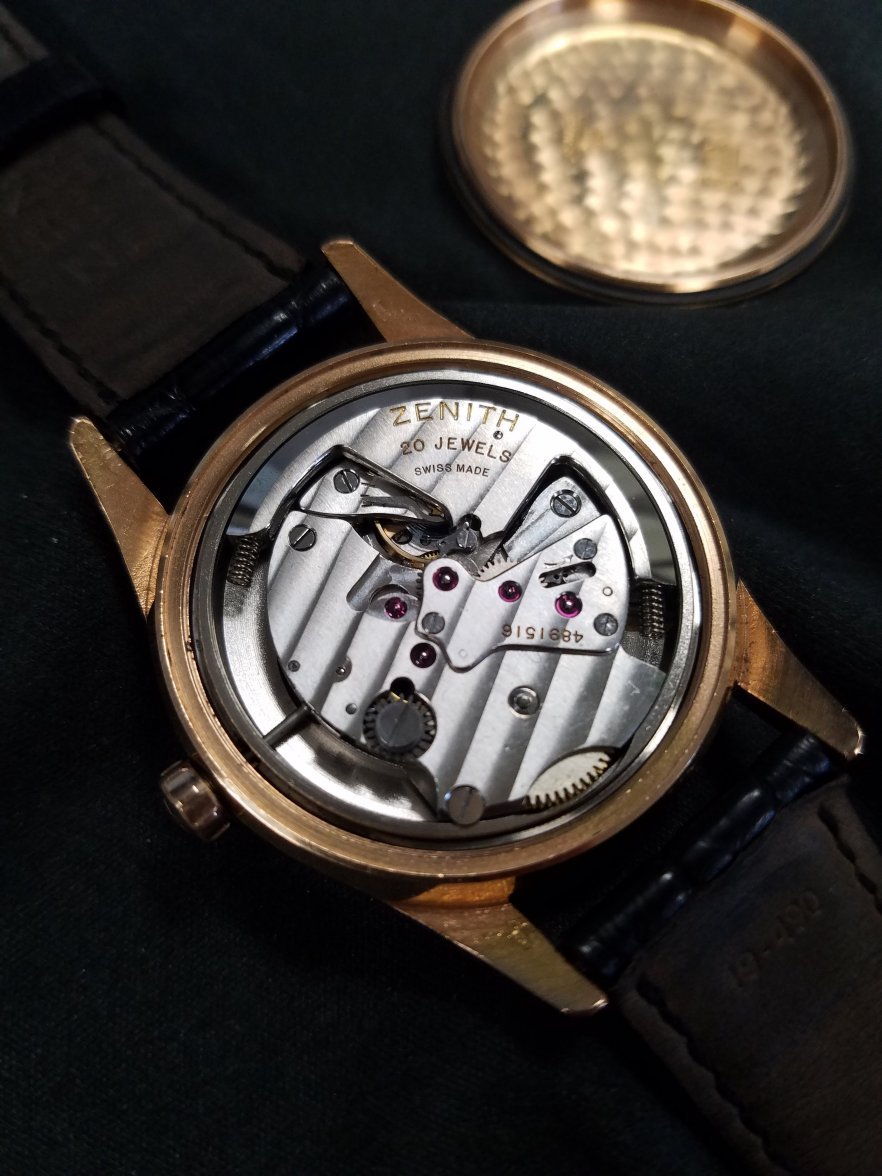
One of the finest Zenith movements made only has 20
 
Posts
478
Likes
490
It’s never been a issue how many jewels a watch has.
I confirm. I have one with 47 of them 😁


But my 2 manual chronographs have 30 jewels less that that. Same for the UG 287 that sits in the drawer, waiting for a case
 
Posts
26
Likes
8
I don't know much about the US import requirements but, 17J to 24J is not going to win you much from a performance point of view.

The bumpers (330-355) all have 17 jewels. The jewels in the train of the watch (the timekeeping part) for these calibres are:
Barrel arbor *0
2nd wheel*0
3rd wheel *2 (upper and lower pivots)
4th wheel *2 (upper and lower pivots)
Escape wheel *2 (upper and lower pivots)
Pallet fork *4 (upper and lower pivots and the two pallet jewels that interact with the escape wheel)
Balance wheel *5 (upper and lower pivots which each have a through jewel and a cap jewel plus the ruby impulse pin that interacts with the pallet fork)

For me, that'd a standard 15 jewel movement and suits a manual wind very well.
Omega added two more jewels to support the rotor axle and that makes 17 in total. If you get wear in the barrel arbor and 2nd wheel, then you have to bush them which can be difficult as there isn't an existing bush. The 330 series are very good calibres but not so easy to repair.

For the 550, there are also 17 jewels but not in all the same places as above - they are:
Barrel arbor *0
2nd wheel*2 (upper and lower pivots)
3rd wheel *2 (upper and lower pivots)
4th wheel *2 (upper and lower pivots)
Escape wheel *2 (upper and lower pivots)
Pallet fork *4 (upper and lower pivots and the two pallet jewels that interact with the escape wheel)
Balance wheel *5 (upper and lower pivots which each have a through jewel and a cap jewel plus the ruby impulse pin that interacts with the pallet fork)

Omega added two more jewels to support the centre (2nd wheel) but removed them from the rotor where they use a bush in a different system. This is a better use of the 17 jewels for me and will probably give an amplitude improvement as the two jewels are in the train and not the auto system. Additionally, the addition of the jewels removes the wear issue on the centre wheel and the need to bush there as a repair, and is a typical improvement you see. Out of interest, they also added a bush on the upper (rear) of the barrel arbor which is much easier to replace when there is wear so, most of the limitations of the bumpers (from a repair point of view) have been removed. Note that they don't bush the lower (dial side) of the barrel arbor as it has lower loads and is less prone to wear - you still occasionally see them worn though as these are very old watches now.

A 561 is a 24 jewel movement and the first 17 are the same as the 550 but, there are 7 extra and they are all in the automatic charging system but, still not for the rotor which uses the same system as the 550. These 7 do nothing for the timekeeping.

For me, 17 jewels is enough for any timekeeping part of the movement (the train and escapement) and be able to obtain good performance - other things will make a far bigger difference to the performance. You can jewel the barrel arbor and some do which raises the jewel count by 2 but the loads are high here and jewels may not be the best solution. If you have an indirectly driven seconds pinion, jewels can be useful there. Sometimes, you'll see a cap jewel on the escape wheel as well which is another small improvement.

I saw on another thread that some replace the Seiko barrel arbor bushes with jewels. I prefer bushes there as the wear will generally be in the bush and I'd rather be replacing bushes than arbors (which are probably unobtainable). Each to his own.

I would buy the best watch that you can and not worry about the jewel count so much.

Cheers, Chris

great info, thanks