- Posts
- 110
- Likes
- 79
PaulHelmuth
·Greetings all,
I am fairly new to the Omega Forums - and this is my first post in this sub-forum.
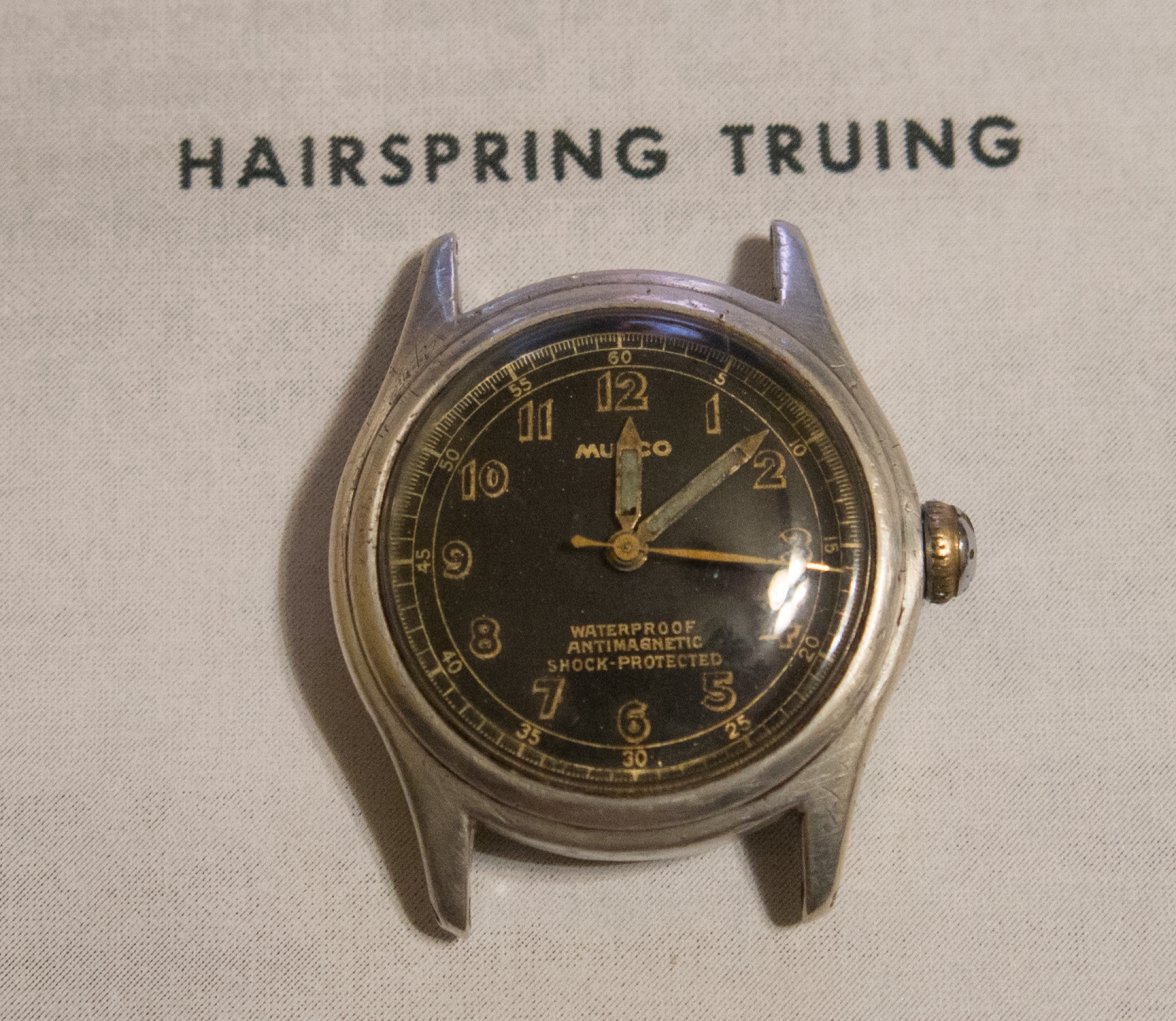
I recently picked up what I believe to be a WW II era Mulco; military-style watch.
But not sure what I have.
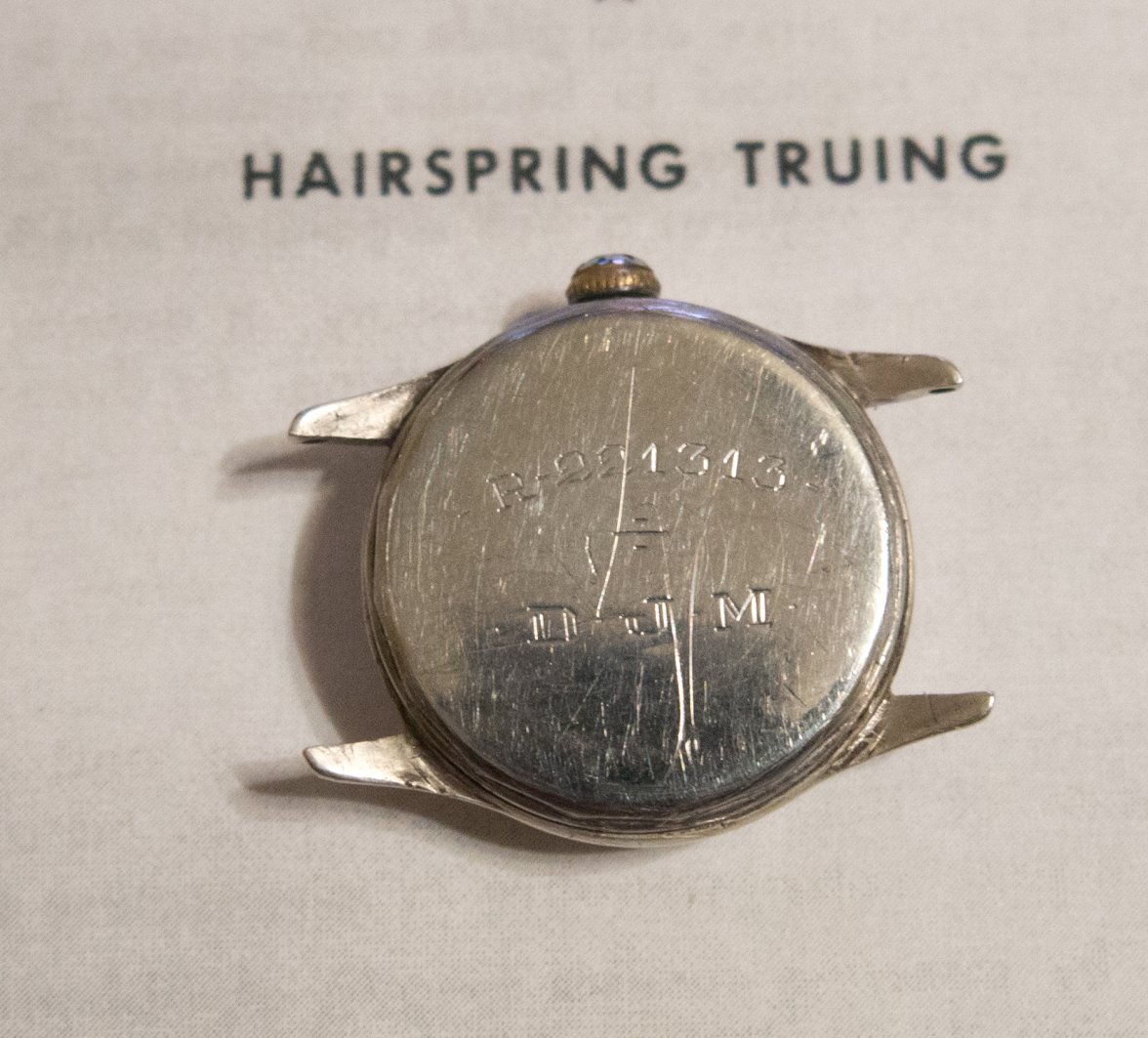
The case is an "ID" which is a US company that operated in NY from 1930-1942 (according to info that I have found on the Internet). Hence Why I believe it to be WW II era (or before).
Having said that, Mulco is a Swiss Company - so, not sure why the ID case. It appears that all are original together, but that is to my relatively novice eye.
I have found some info indicating that Mulco only dates back to 1958 - however, I have also seen pretty good evidence (magazine print ads) that the current owners of the Mulco name simply have the company history wrong (with regard to origin date).
Anyway - the main thing that I am looking for - is some info on this movement - and hopefully some reference to how this movement is stripped. I would like to give this a clean and lubrication - but not sure how this one come apart.
Any and all comments greatly appreciated.
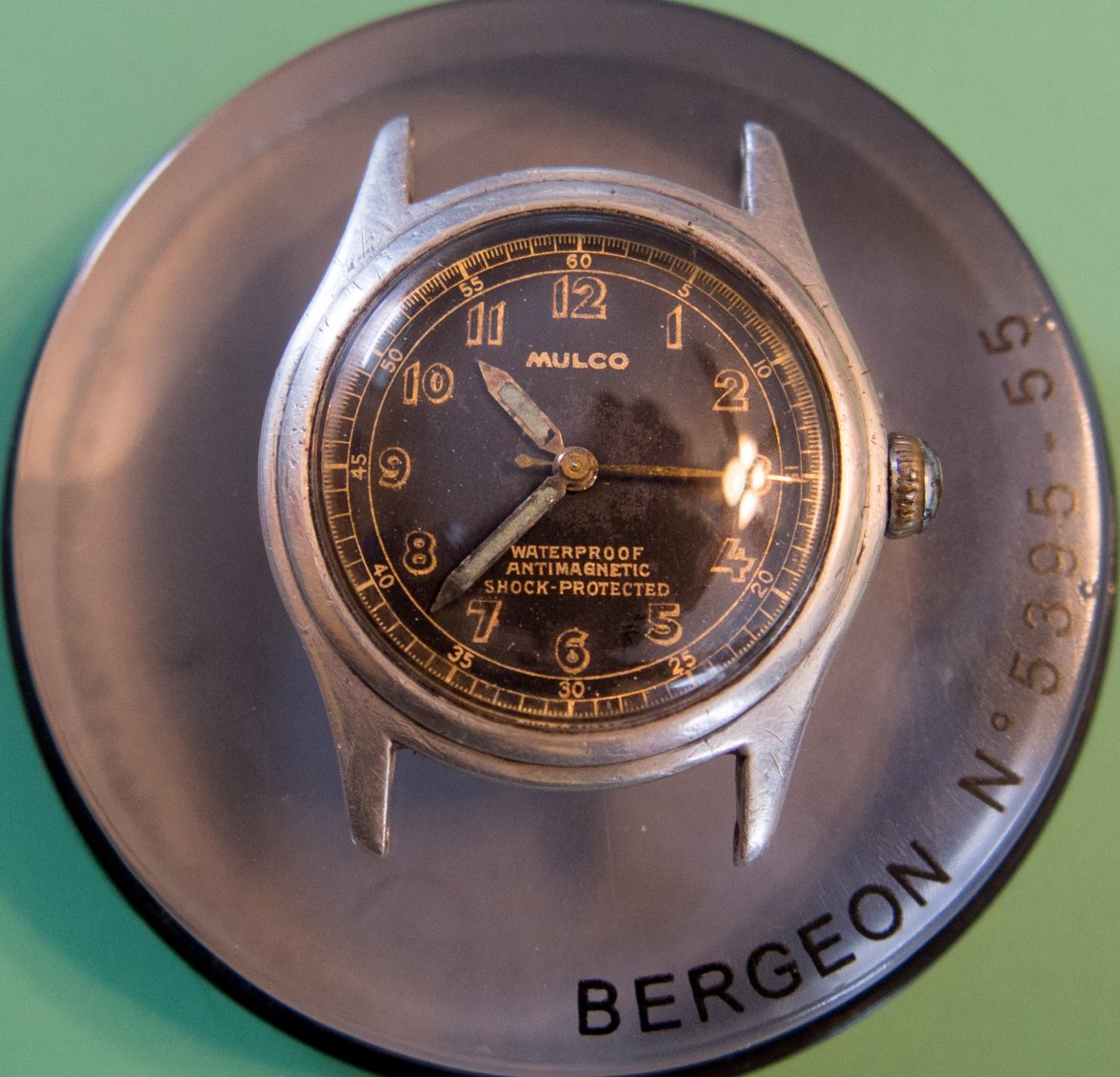
Here's the front - still cased...
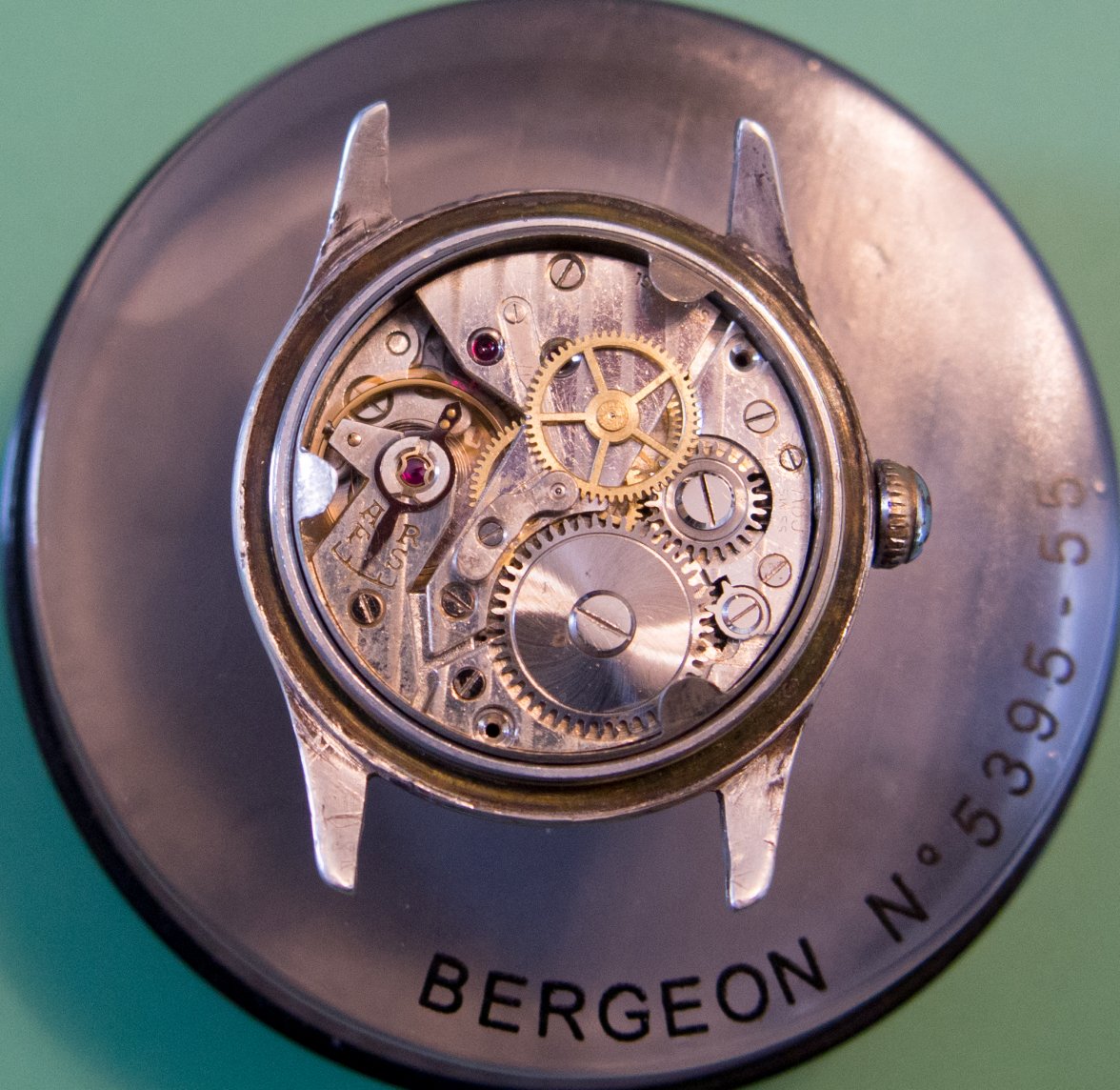
And the back...
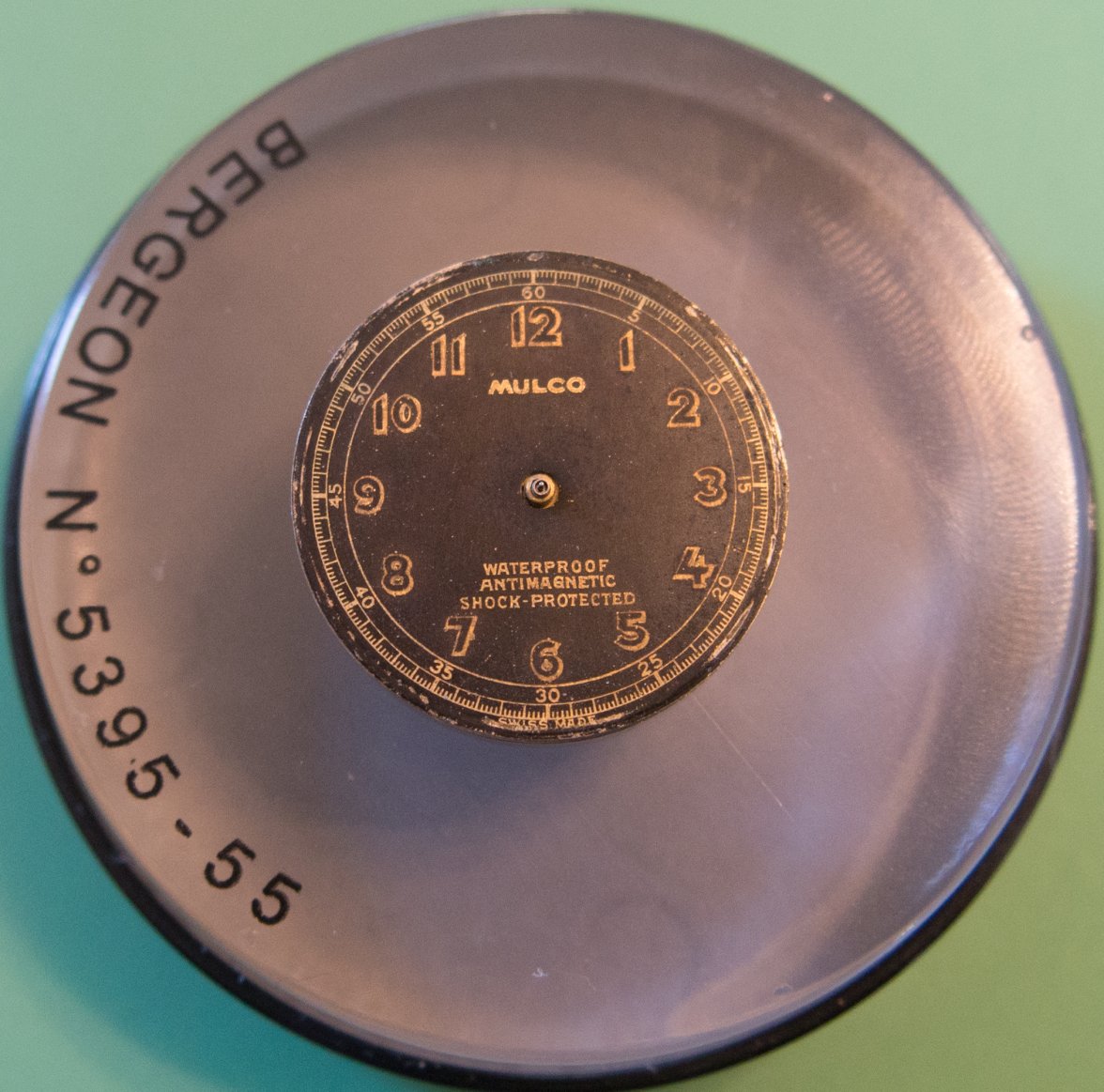
Dial - with hands removed...
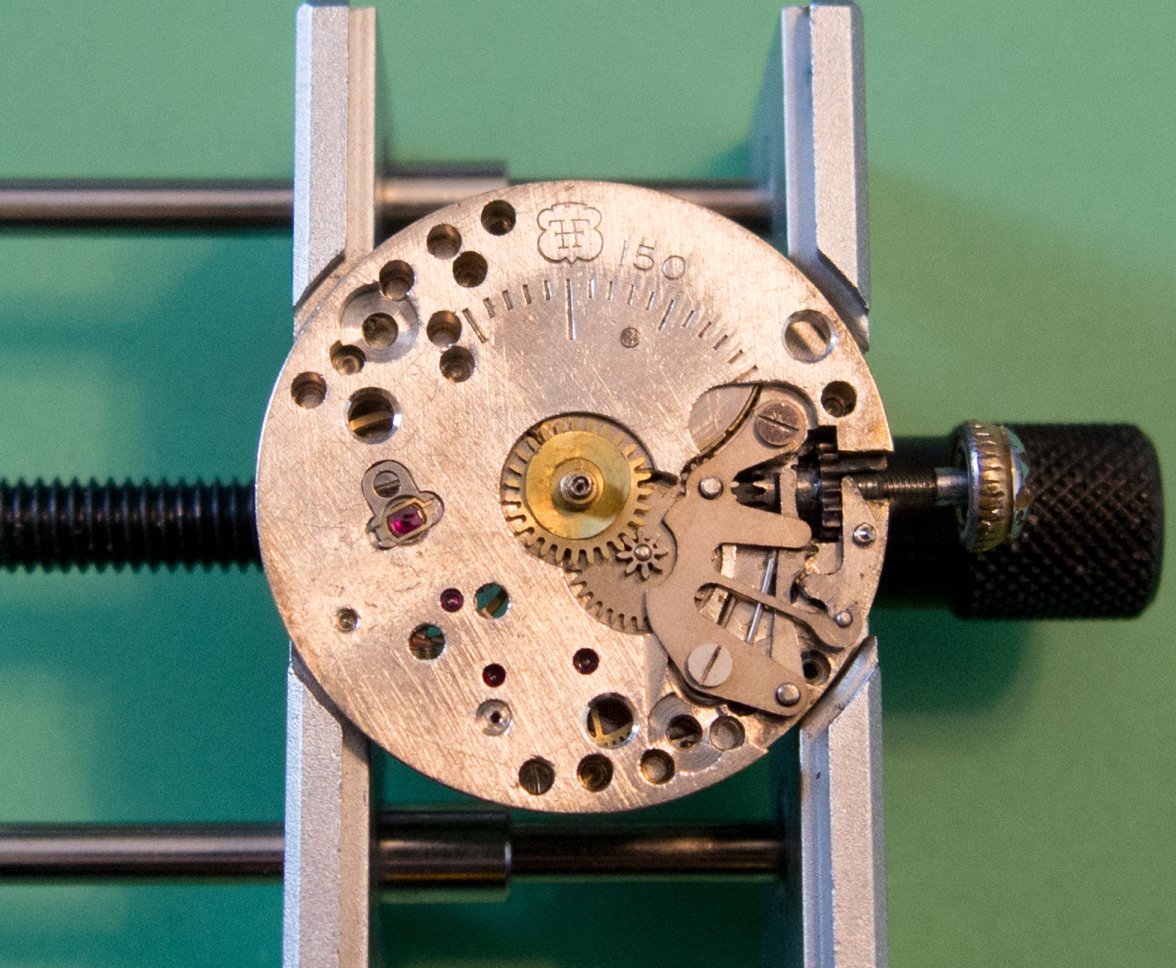
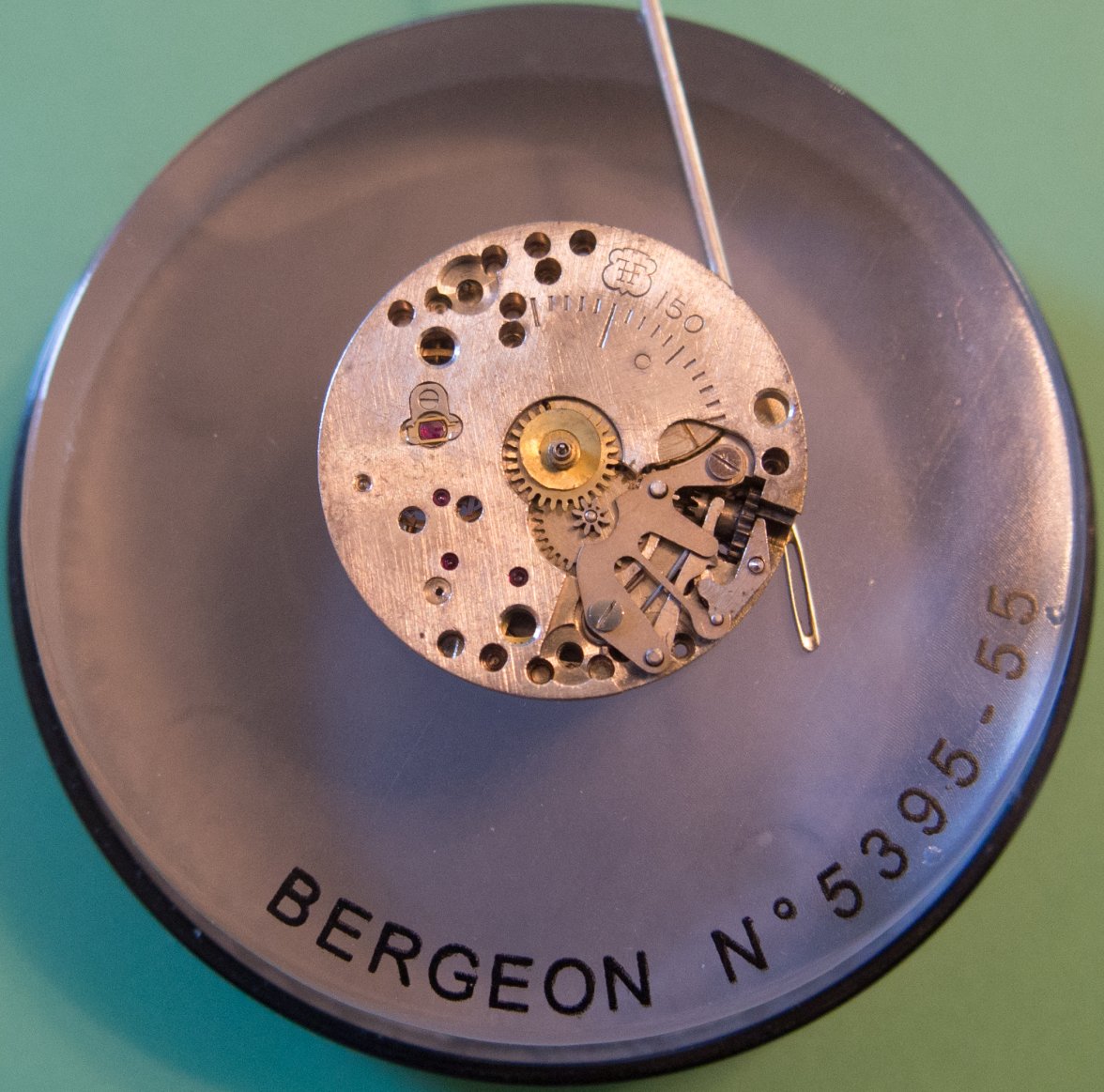
Dial side of the movement - dial removed...
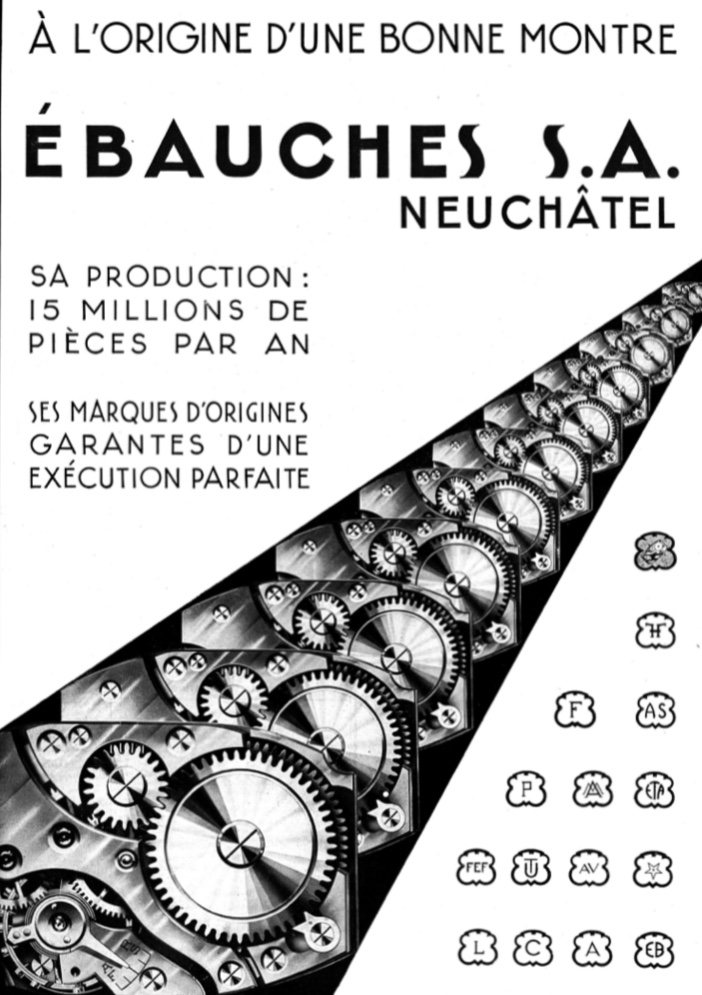
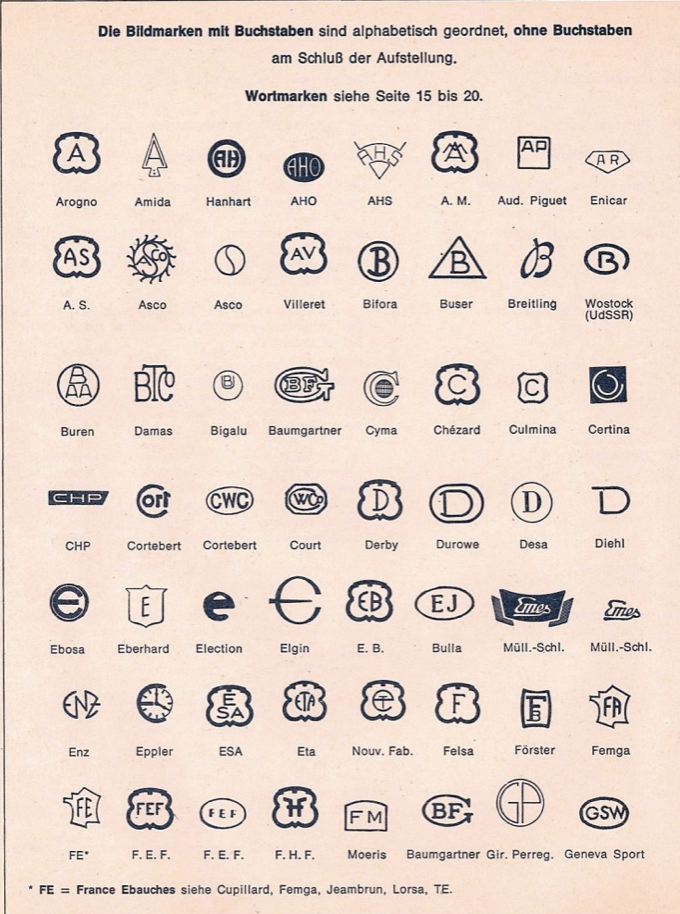
[looks like the caliber # is probably 150 - but I don't recognize the makers logo]
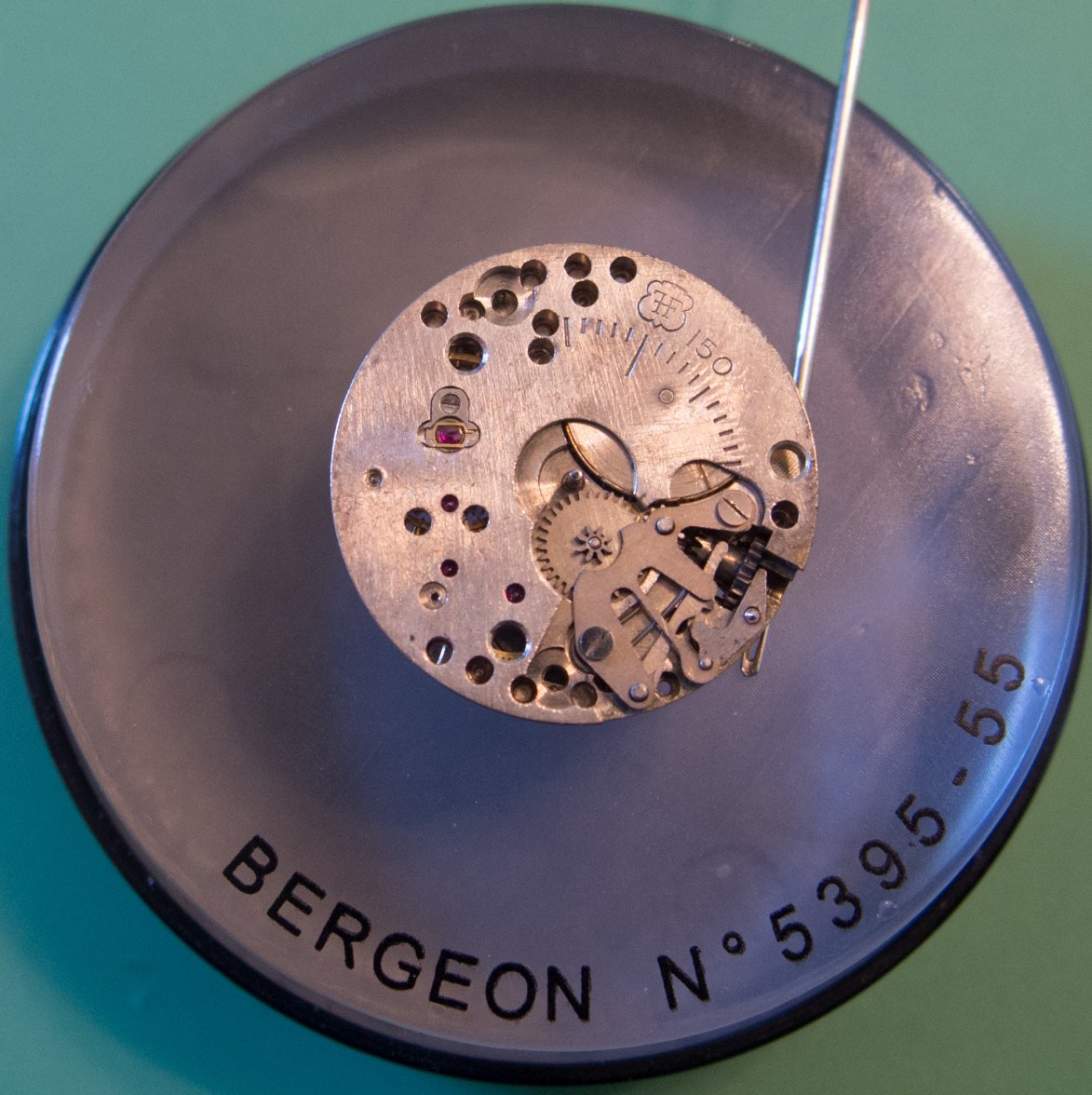
Canon pinion removed...
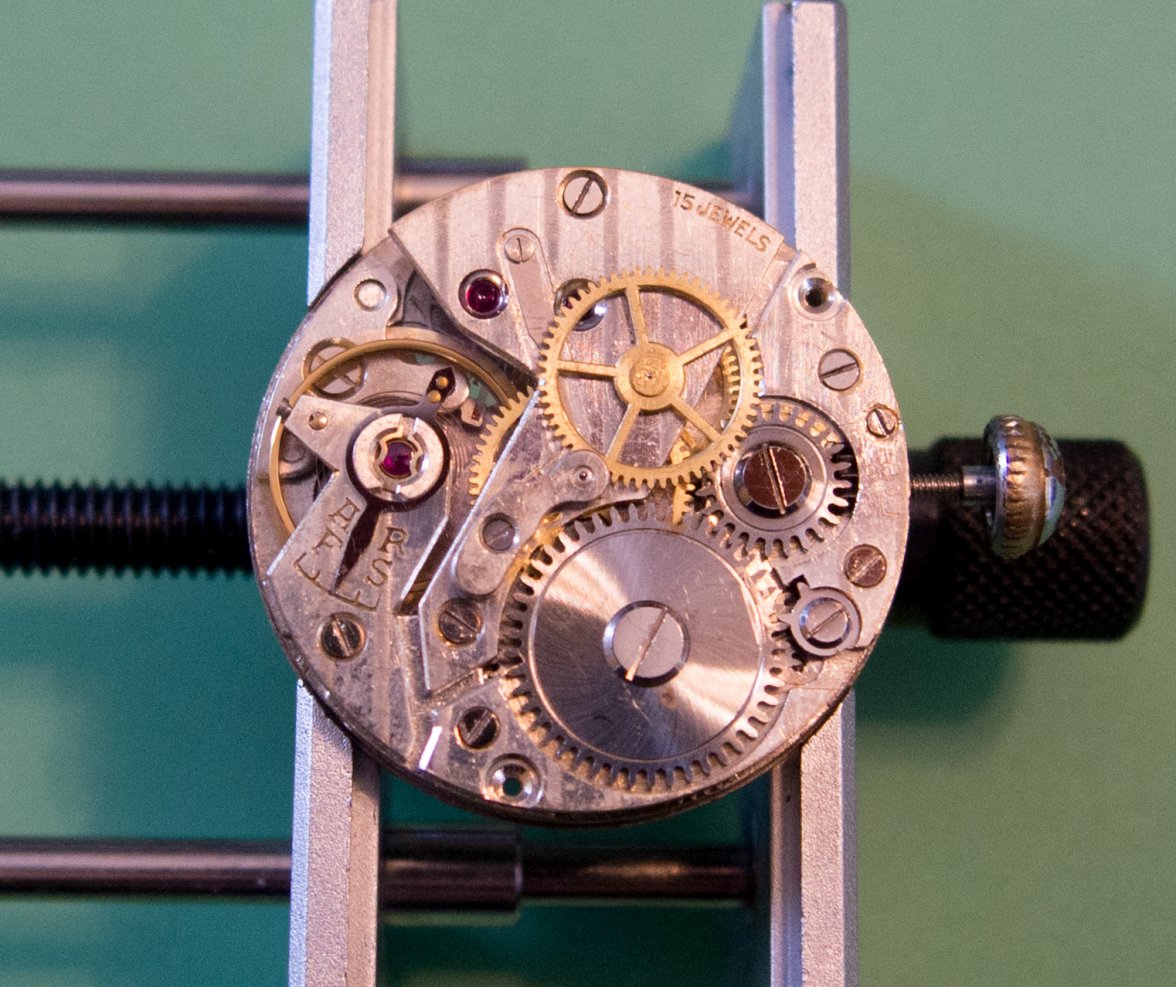
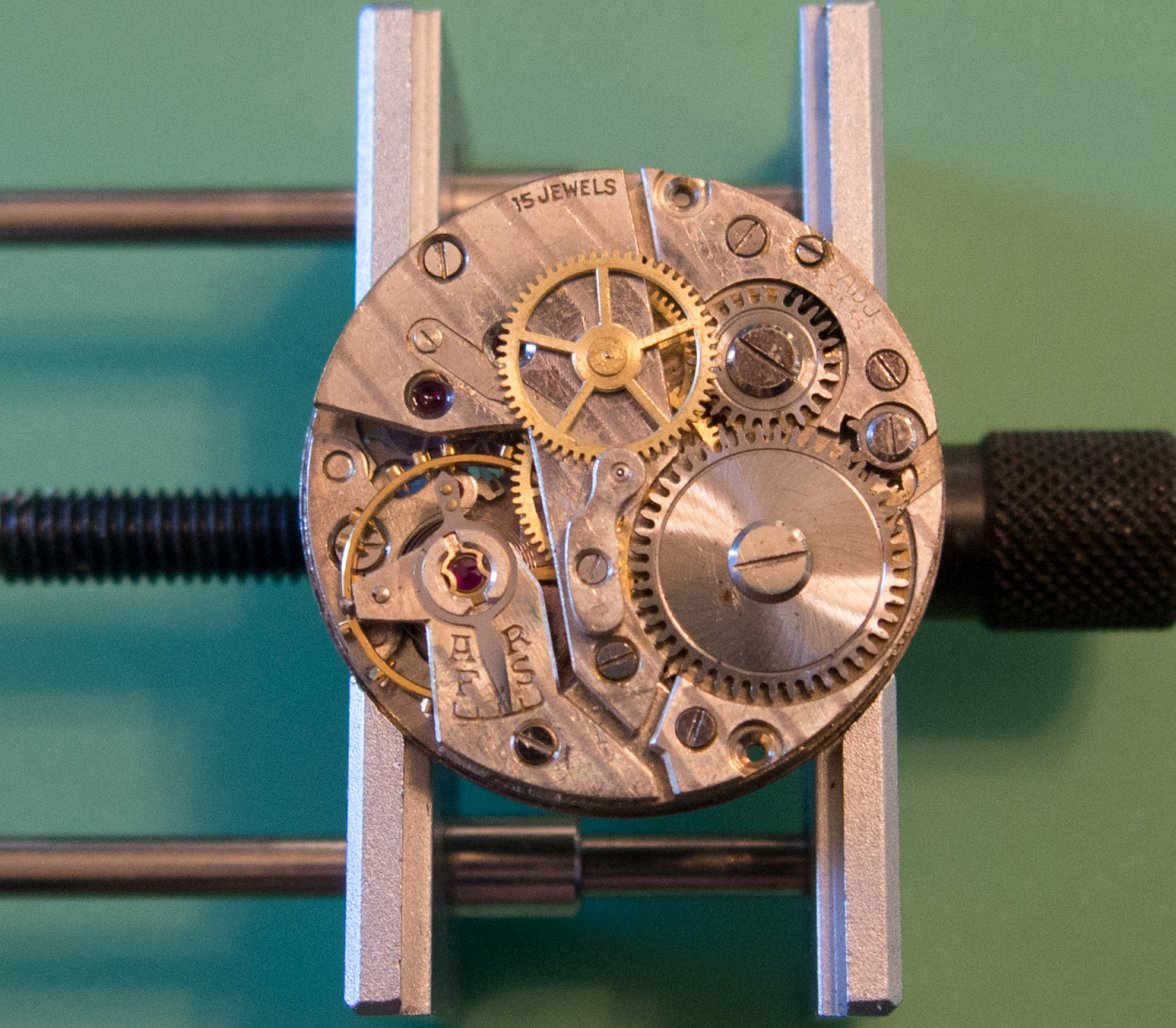
Back side of movement...
Removed the bridge that captures the seconds-hand axle/staff (not sure what the proper name is for either??)...
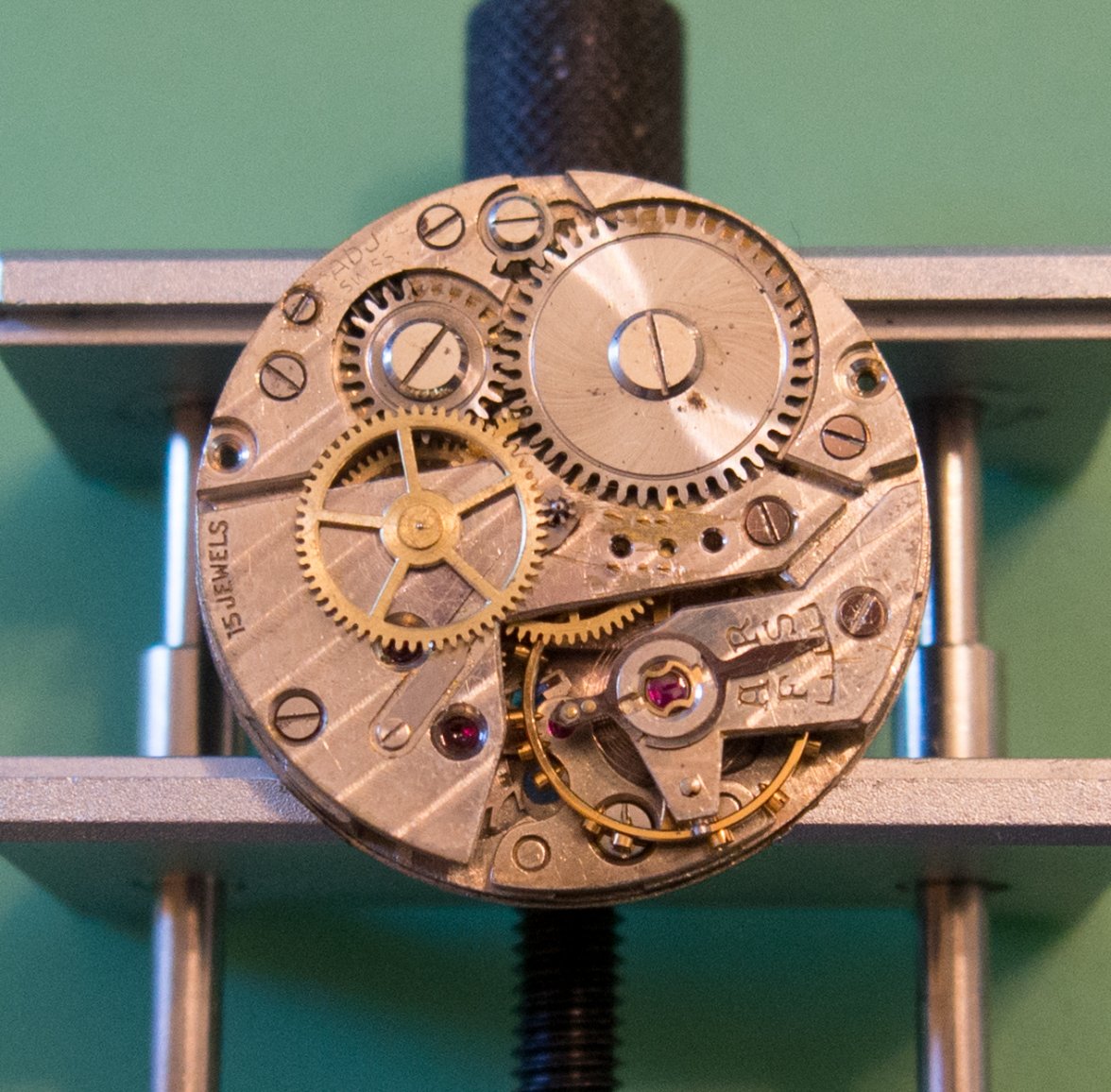
Balance assembly removed...
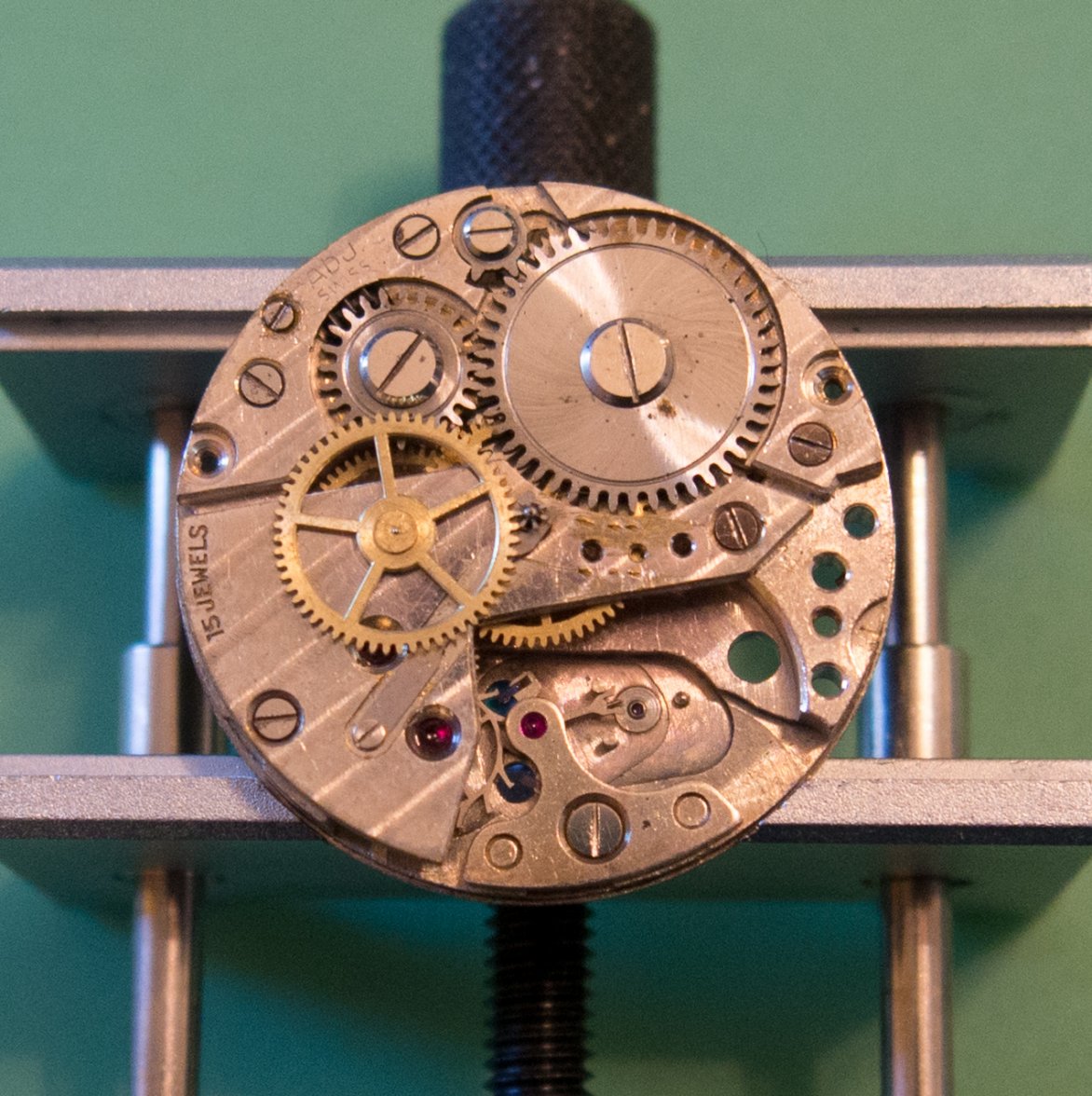
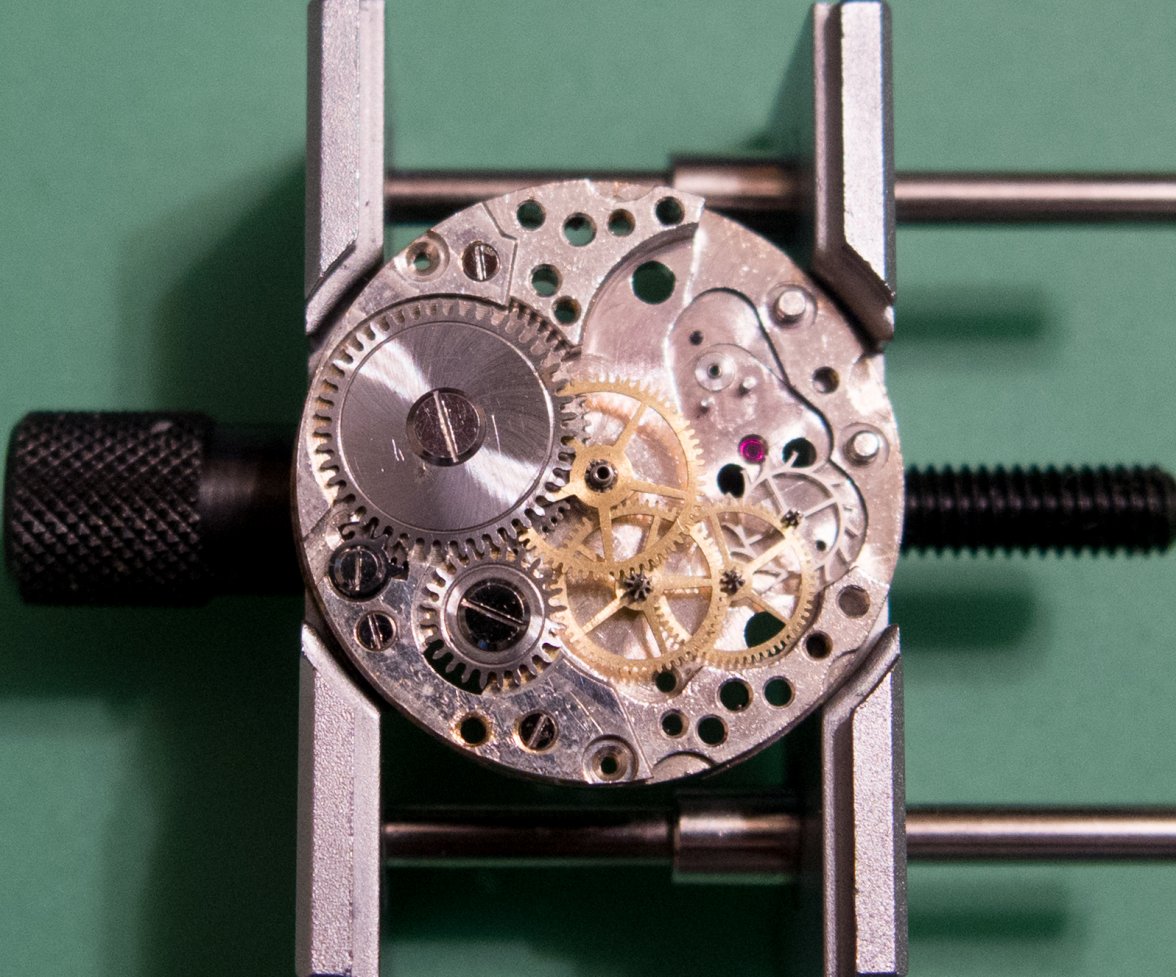
The "seconds axel/staff" thingy removed.
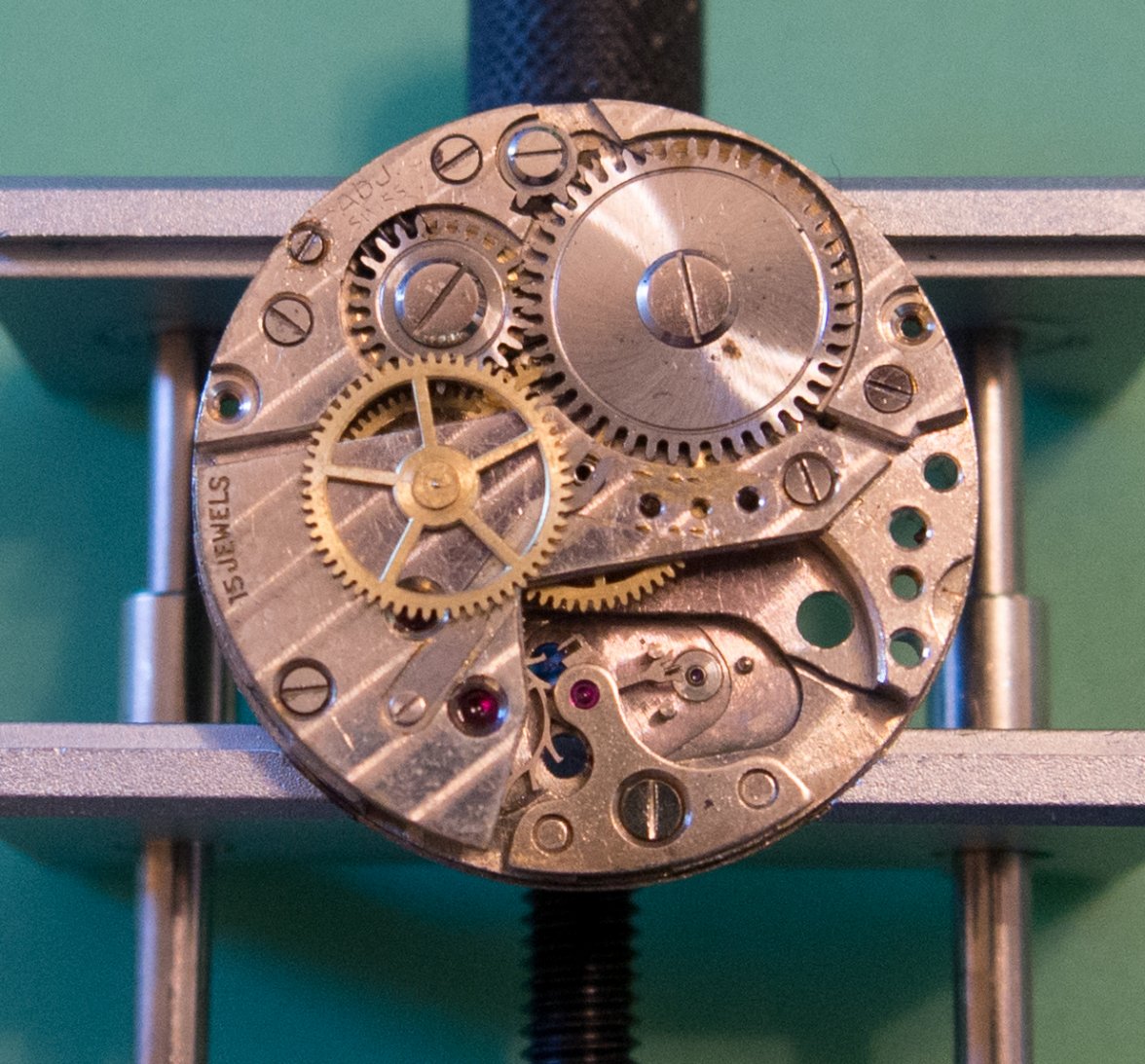
Not sure what the proper procedure is to continue disassembly from here. Specifically, not sure how the wheel that turns the seconds "axle" is removed. I'm thinking that it requires some kind of puller that I don't have - and thus, probably something that I can't work on at this point.
But will see what kind of info is added.
Kind Regards,
-Paul
I am fairly new to the Omega Forums - and this is my first post in this sub-forum.
I recently picked up what I believe to be a WW II era Mulco; military-style watch.
But not sure what I have.
The case is an "ID" which is a US company that operated in NY from 1930-1942 (according to info that I have found on the Internet). Hence Why I believe it to be WW II era (or before).
Having said that, Mulco is a Swiss Company - so, not sure why the ID case. It appears that all are original together, but that is to my relatively novice eye.
I have found some info indicating that Mulco only dates back to 1958 - however, I have also seen pretty good evidence (magazine print ads) that the current owners of the Mulco name simply have the company history wrong (with regard to origin date).
Anyway - the main thing that I am looking for - is some info on this movement - and hopefully some reference to how this movement is stripped. I would like to give this a clean and lubrication - but not sure how this one come apart.
Any and all comments greatly appreciated.
Here's the front - still cased...
And the back...
Dial - with hands removed...
Dial side of the movement - dial removed...
[looks like the caliber # is probably 150 - but I don't recognize the makers logo]
Canon pinion removed...
Back side of movement...
Removed the bridge that captures the seconds-hand axle/staff (not sure what the proper name is for either??)...
Balance assembly removed...
The "seconds axel/staff" thingy removed.
Not sure what the proper procedure is to continue disassembly from here. Specifically, not sure how the wheel that turns the seconds "axle" is removed. I'm thinking that it requires some kind of puller that I don't have - and thus, probably something that I can't work on at this point.
But will see what kind of info is added.
Kind Regards,
-Paul