Interesting one, thanks for posting.
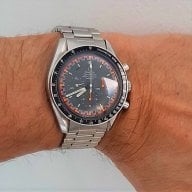
First, worth noting the Portugal example cited above is the non-Pro, whereas the OP watch is the Professional.
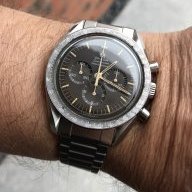
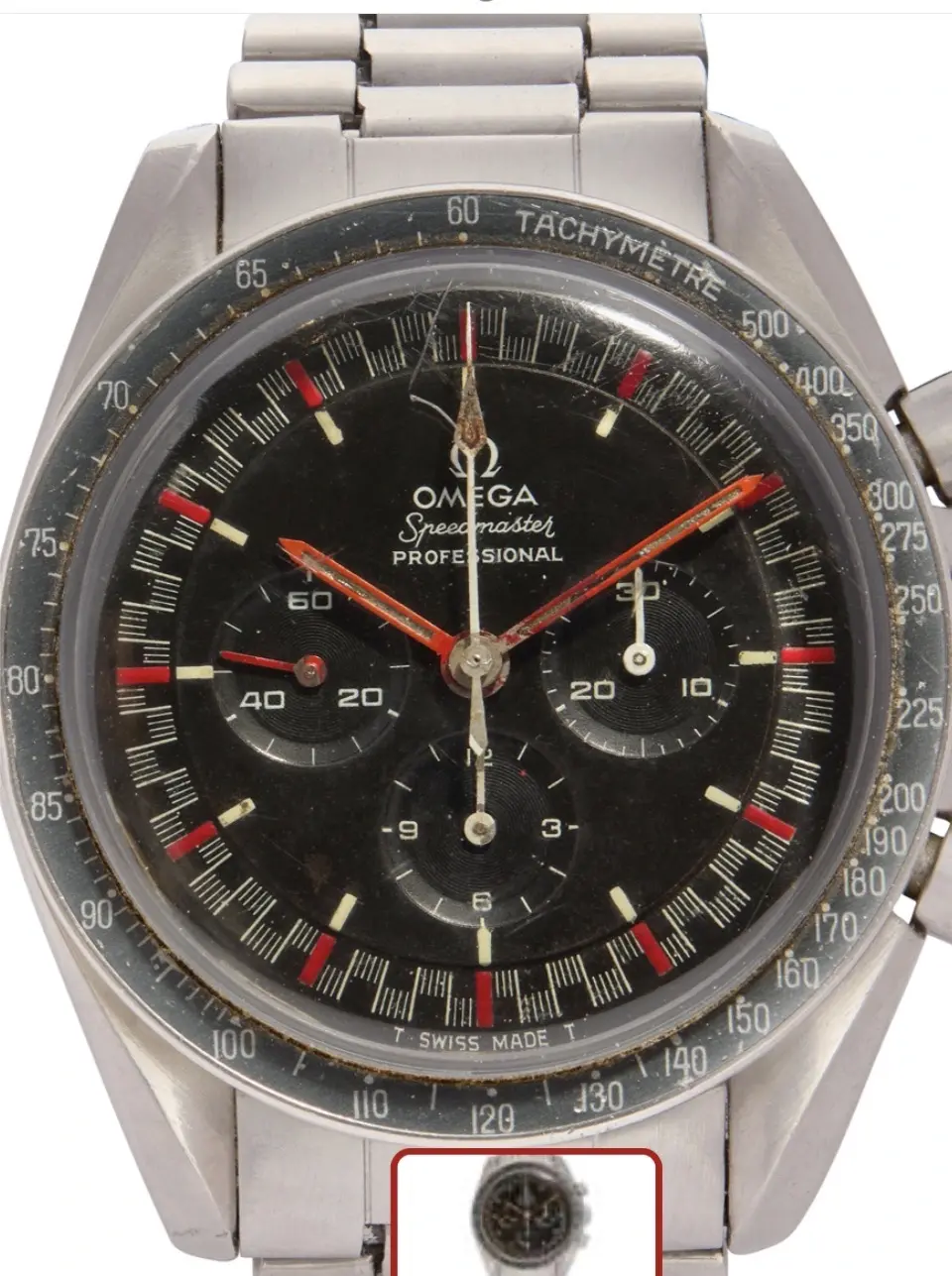
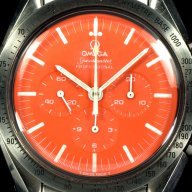
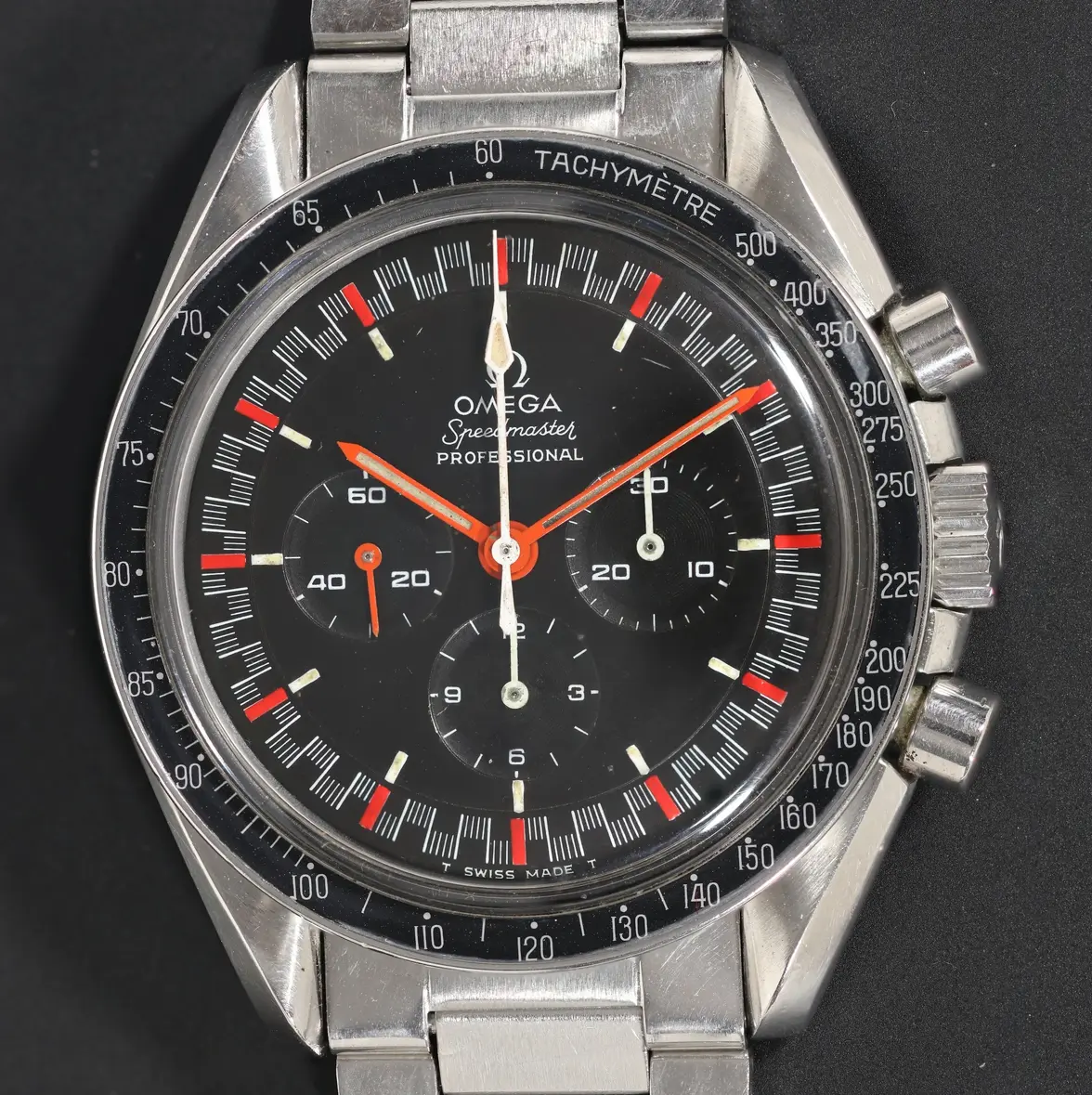
This is a genuinely rare variant, and importantly the Professional execution—so you’re looking at the smaller dial plate with correspondingly smaller sub-dials and hands. The dial plate itself is unique to this execution, effectively a different layout. That detail is often missed, and it’s where you sometimes see incorrect larger service hands fitted that end up marking the sub-dials. Thankfully that doesn’t appear to have happened here.
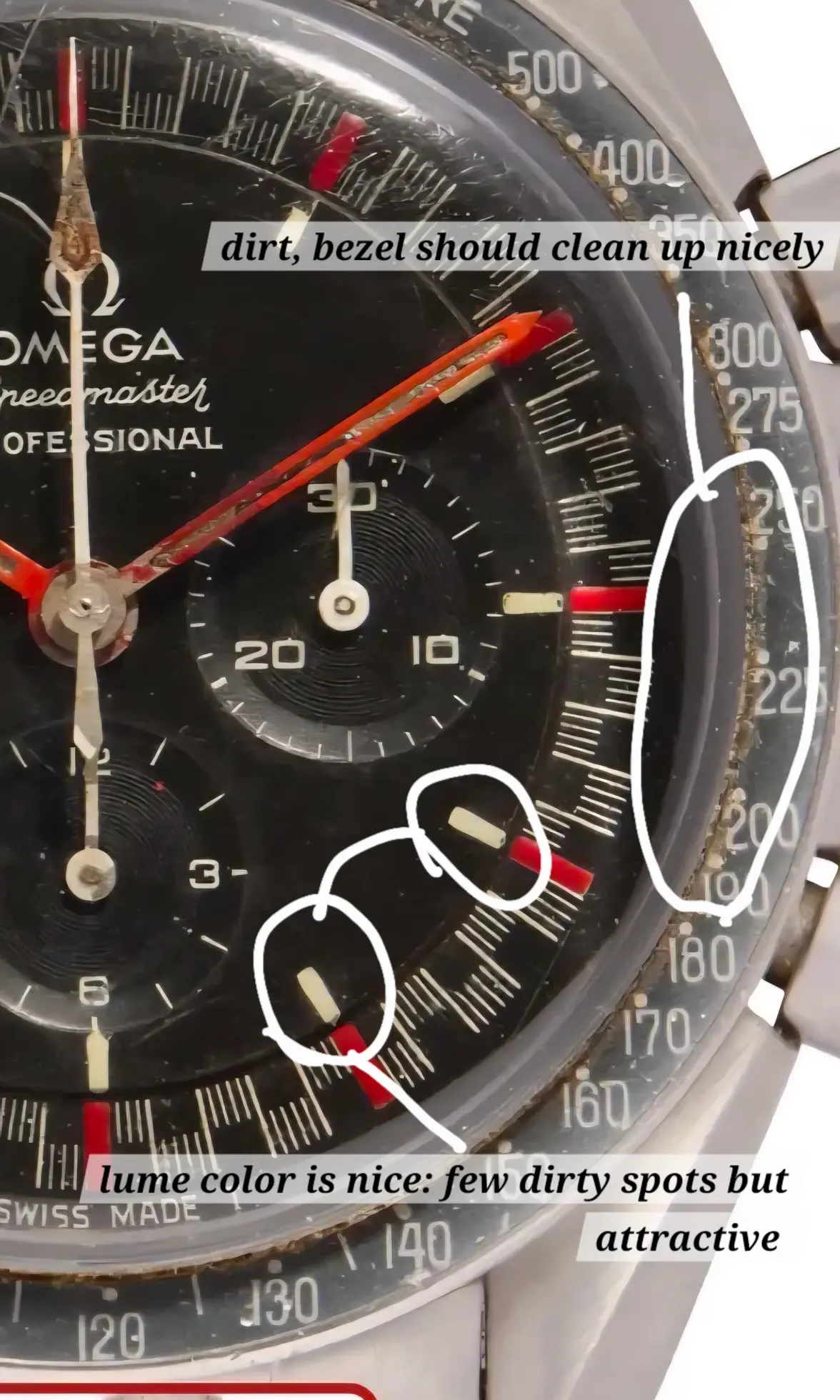
Condition is really the talking point. The bezel is heavily worn and faded (and a correct replacement is neither easy nor inexpensive), but more importantly the dial has losses to the lume plots. With these, the dial is everything. Replacing the bezel would need to be approached very carefully to avoid creating a mismatch with the dial—otherwise it risks looking overworked. The bracelet is later, and indicates work and service.
The serial (2654xxxx) sits very close to a few known examples, which is reassuring. There were loose racing dials circulating at one point, so it’s always worth checking that a watch began life this way.
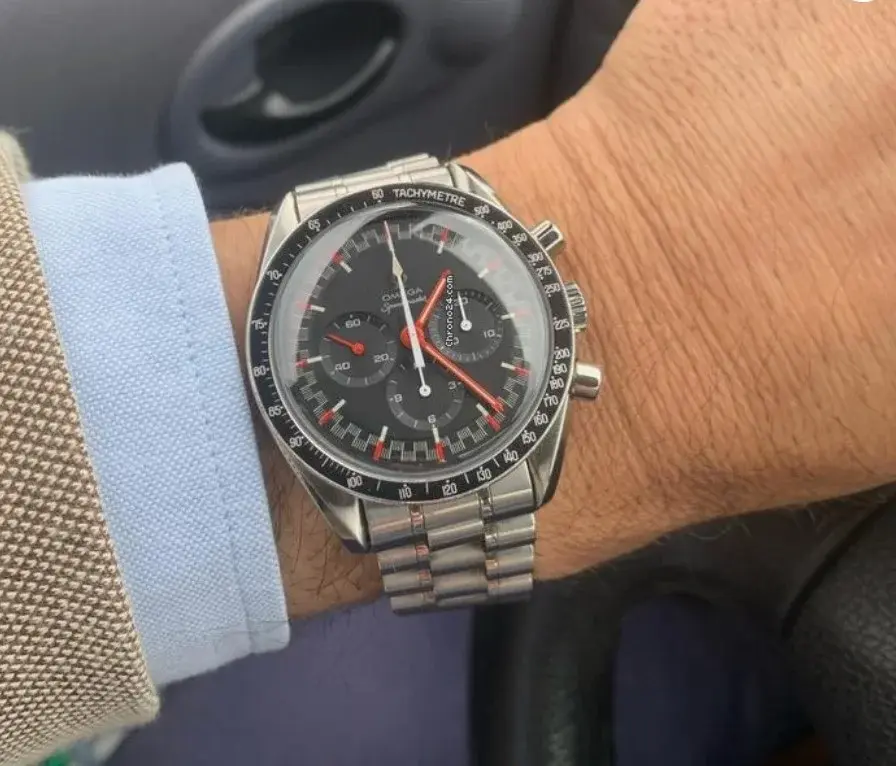
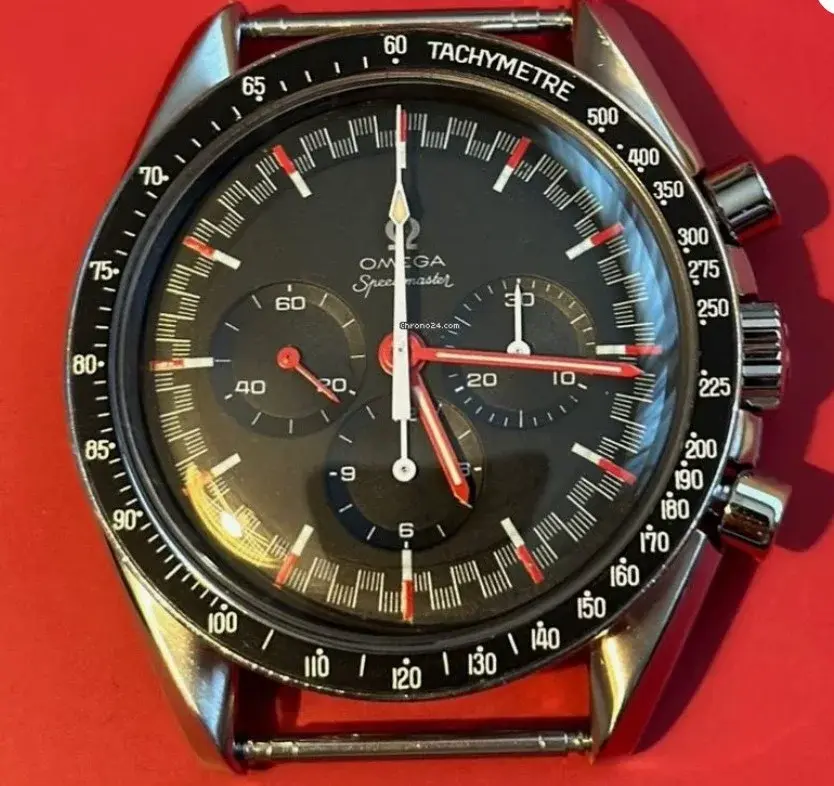
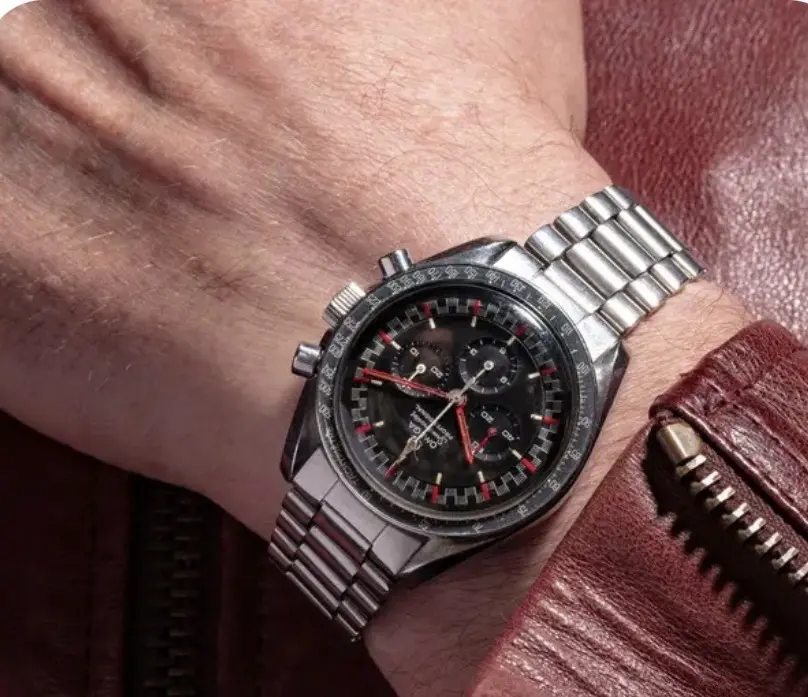
Original black racings are exceptionally rare, and across the examples I’ve handled the variation in condition—and even small details of execution—is quite broad. Some carry the white “Ultraman” style chrono seconds, and I’ve seen several with this drop-end configuration.
At the risk of putting the cat among the pigeons: one could imagine a dealer buying this, sympathetically reworking elements (bezel, lume, etc.), and reintroducing it via auction. That route tends to provide false provenance buyers at this level look for—particularly when it comes to originality and what work has been carried out. An Extract would be helpful here, though not always quick to obtain. You have to really know what you are buying at auction unless it has documents. This watch is at least honest.
On value, it’s difficult to be precise in this condition. In a no-reserve ebay type environment it might settle somewhere in the mid-$20k range; in a stronger sale setting perhaps a little higher. The current starting level feels ambitious given the condition.
As I write this, I’m aware how absurd we can sound—picking apart what is, objectively, an extremely rare watch, some examples have sold for over $200,000 at auction. But with pieces like this, the details matter. The more you look, the more small issues begin to show. Even something like those orange hands becomes problematic—very difficult to repair or replace without it being obvious, and that alone can have a disproportionate impact on value.
More broadly, I’m noticing the same pattern across “fine objects” generally—watches, paintings, gemstones, objets d’art. The market has become increasingly polarised: truly top examples command very strong prices, while pieces with even minor compromises, despite appearing similar at a glance, can struggle to find a buyer at all.
Curious what others think on value?
This is one of mine with the same chrono seconds.