Beginner Tool Order Sanity Check

Posts
2,034
Likes
2,218
Do you mean the Chrono Clean? It does look good. The shipping is nearly as expensive as the actual item, which is a bit frustrating! Otherwise I would probably order that.
Yep, that's the one! A few stores have it cheaper/without shipping problems, but depending on where you are, I can definitely understand it is costly.

That said, it is absolutely worth investing in a used cleaning machine (or that 3d printed one!). It completely changed my experience for the positive.
 
Posts
87
Likes
42
Yep, that's the one! A few stores have it cheaper/without shipping problems, but depending on where you are, I can definitely understand it is costly.

That said, it is absolutely worth investing in a used cleaning machine (or that 3d printed one!). It completely changed my experience for the positive.

I agree. The cleaning or more specifically dealing with toxic/smelly chemicals is the part I am least looking forward to by far. So anything that reduces my contact time with them is very helpful.

Although it seems like in Europe we aren’t allowed many of the normal cleaners. Elma Red 1:9 might be the only one I will be able to get shipped to me. I believe this is slightly less toxic than some of the others though?

Do you have any recommendations of used machines/3d printed ones I should look out for?
 
Posts
2,034
Likes
2,218
I agree. The cleaning or more specifically dealing with toxic/smelly chemicals is the part I am least looking forward to by far. So anything that reduces my contact time with them is very helpful.

Although it seems like in Europe we aren’t allowed many of the normal cleaners. Elma Red 1:9 might be the only one I will be able to get shipped to me. I believe this is slightly less toxic than some of the others though?

Do you have any recommendations of used machines/3d printed ones I should look out for?
In the US (and UK it seems!), the L&R machines are great and usually available sub-$1000. The Elma machines in Europe are pretty fantastic as well of course.

For 3d printed, people have done great reviews of the kiki-cleaner: https://www.diywatchcleaner.com/

$99/$199 gets you the plans (the $199 seems FULLY automated, which is cool!), and they claim sub-$500 and sub $1000 to build them respectively (just need a 3d printer + buying some OTS parts!).
 
Posts
17,984
Likes
37,577
Do you have any recommendations of used machines/3d printed ones I should look out for?
I think a member here has one in development, looks very promising.
 
Posts
87
Likes
42
In the US (and UK it seems!), the L&R machines are great and usually available sub-$1000. The Elma machines in Europe are pretty fantastic as well of course.

For 3d printed, people have done great reviews of the kiki-cleaner: https://www.diywatchcleaner.com/

$99/$199 gets you the plans (the $199 seems FULLY automated, which is cool!), and they claim sub-$500 and sub $1000 to build them respectively (just need a 3d printer + buying some OTS parts!).

That NZ one looks amazing! During your research have you read much about the Elma Super Elite? That seems to be the most common vintage one here.

Is it even possible to buy spares for these vintage machine?
 
Posts
87
Likes
42
I think a member here has one in development, looks very promising.

Interesting. Would you mind sharing more details/who the member is?
 
Posts
17,984
Likes
37,577
Interesting. Would you mind sharing more details/who the member is?
They will probably self-reveal when all final testing has been successfuly completed.
 
Posts
123
Likes
106
Back to the original topic:
When starting out, I’d suggest just getting a set of screwdrivers and tweezers and getting to work. See if you actually enjoy doing it, rather than just liking the idea of it.

Deciding on a cleaning machine should come much later, in my opinion. For your first pocket watch project, even a cheaper watch oil from Amazon will do, since it will likely only be wound occasionally and used, and your first service probably won’t be perfect anyway. Once you really get into the hobby and gain more experience, you will likely want to redo the service on that Tissot.

One more recommendation regarding tool acquisition: have a look on eBay for “watchmaker lot,” “watchmaker tool lot,” and similar search terms. It is a good way to get quality tools for relatively little money. Especially items like winders and tweezers are often still perfectly usable.
 
Posts
2,034
Likes
2,218
That NZ one looks amazing! During your research have you read much about the Elma Super Elite? That seems to be the most common vintage one here.

Is it even possible to buy spares for these vintage machine?
No idea about the elmas TBH, they aren't available in the US really, so I didn't do any research into them.

Back to the original topic:
When starting out, I’d suggest just getting a set of screwdrivers and tweezers and getting to work. See if you actually enjoy doing it, rather than just liking the idea of it.

Deciding on a cleaning machine should come much later, in my opinion. For your first pocket watch project, even a cheaper watch oil from Amazon will do, since it will likely only be wound occasionally and used, and your first service probably won’t be perfect anyway. Once you really get into the hobby and gain more experience, you will likely want to redo the service on that Tissot.

One more recommendation regarding tool acquisition: have a look on eBay for “watchmaker lot,” “watchmaker tool lot,” and similar search terms. It is a good way to get quality tools for relatively little money. Especially items like winders and tweezers are often still perfectly usable.
I would VERY MUCH suggest against pocket watches. They are AWFUL to learn on, and can be horrifically discouraging. I tried to learn on them, and it didn't improve my abilities much, and just lead to incredible frustration.

IF you're learning, go buy 2-3 ST36s (1 to work on, 1-2 for spare parts ;D) and mess with them a half-dozen times. Grab a case/dial/hands if you'd like as well, and you can turn them into watches.

After that, I'd suggest moving onto seiko NH movements. Everyone has them, they are cheap, etc.
 
Posts
87
Likes
42
Back to the original topic:
When starting out, I’d suggest just getting a set of screwdrivers and tweezers and getting to work. See if you actually enjoy doing it, rather than just liking the idea of it.

Deciding on a cleaning machine should come much later, in my opinion. For your first pocket watch project, even a cheaper watch oil from Amazon will do, since it will likely only be wound occasionally and used, and your first service probably won’t be perfect anyway. Once you really get into the hobby and gain more experience, you will likely want to redo the service on that Tissot.

One more recommendation regarding tool acquisition: have a look on eBay for “watchmaker lot,” “watchmaker tool lot,” and similar search terms. It is a good way to get quality tools for relatively little money. Especially items like winders and tweezers are often still perfectly usable.

Scope creep is dangerous! I wasn’t originally intended to get a cleaning machine, but if I can get one for a reasonable price then I would be happy to do that to reduce the time breathing in the fumes.

Thanks for the eBay tip!
 
Posts
87
Likes
42
No idea about the elmas TBH, they aren't available in the US really, so I didn't do any research into them.


I would VERY MUCH suggest against pocket watches. They are AWFUL to learn on, and can be horrifically discouraging. I tried to learn on them, and it didn't improve my abilities much, and just lead to incredible frustration.

IF you're learning, go buy 2-3 ST36s (1 to work on, 1-2 for spare parts ;D) and mess with them a half-dozen times. Grab a case/dial/hands if you'd like as well, and you can turn them into watches.

After that, I'd suggest moving onto seiko NH movements. Everyone has them, they are cheap, etc.

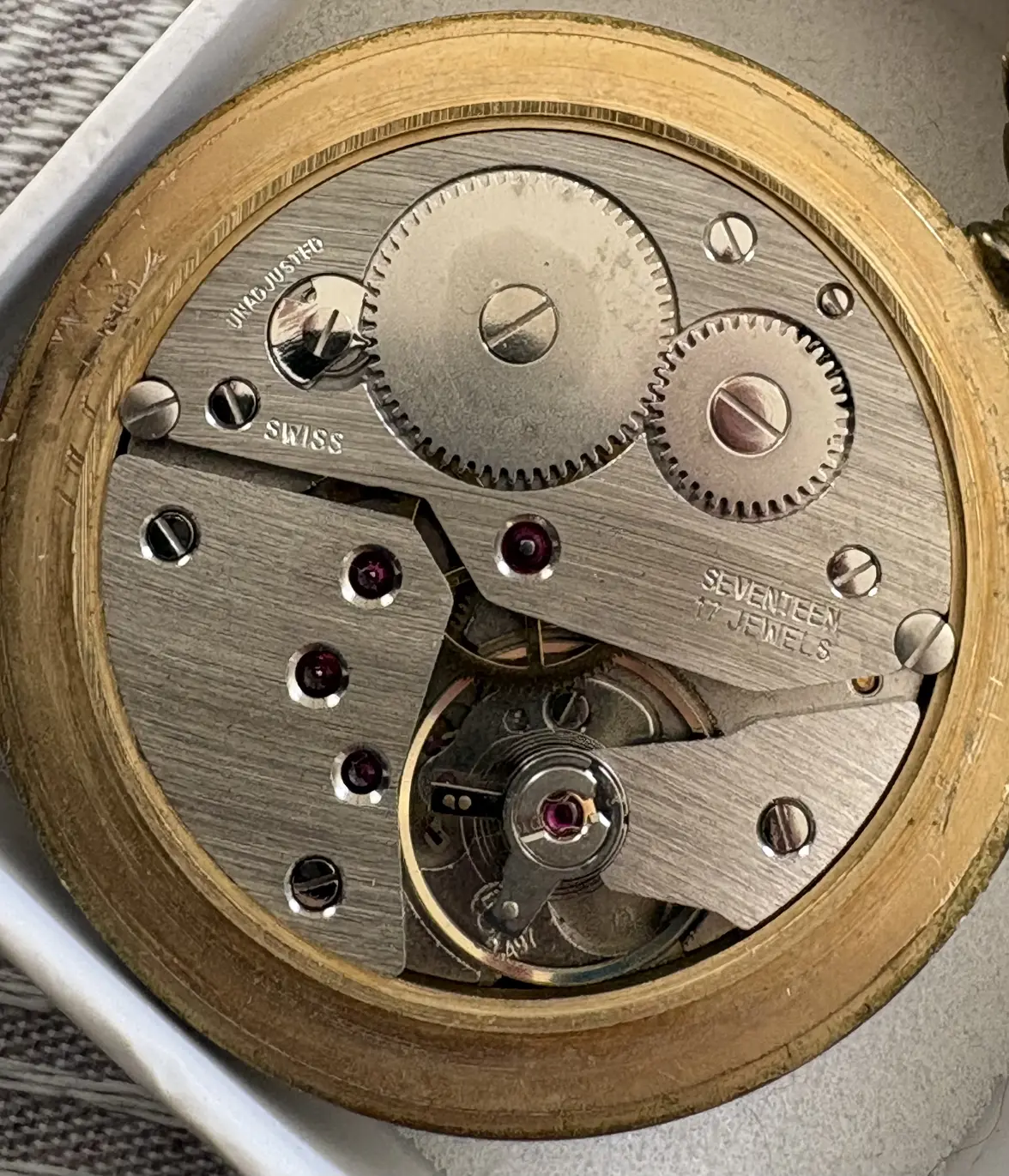
Ah. What made them so unpleasant to work on? The Tissot I bought with a Unitas 6497 arrived this morning so I guess I will have to at least try before buying some watches! It seems to be running quite well so it will be interesting to see how much worse I make it!

 
Posts
2,034
Likes
2,218
Ah. What made them so unpleasant to work on? The Tissot I bought with a Unitas 6497 arrived this morning so I guess I will have to at least try before buying some watches! It seems to be running quite well so it will be interesting to see how much worse I make it!

Curiously enough that Unitas is probably the only good pocket watch to start on 😀

The problems with pocket watches from my experience:
-they are older movements. So have design differences/oddities that often don't follow current conventions, which is confusing/hard to research.

-parts availability is near zero.

-parts interchangeability is near zero. On a modern movement, you lose/break something, buy a replacement and it works. On a pocket watch, the part probably changed design/spec/etc 3 serials later, so the new part won't fit. There was also a ton of hand fitting on them, so unless you have THOSE skills, losing/breaking something ends the project.

-They are older, thus in rougher shape. More to fix, mixed with the above is kinda deadly.

I think that is it 😀 I've got a pile of pocket watches that I failed at that I still don't have the skills to finish. But as soon as I took Archer/etc advice and switched to the ST36 (then good shape NH Seikos), my experience improved and skills increased dramatically.

All pocket watches taught me was frustration 😀

 
Posts
100
Likes
120
It's damned well addictive is this tinkering hobby, I spend more on tools than I do on watches typically! But I hope you enjoy it, it's extremely rewarding.
Pocket watch is great to start on as the parts are much bigger. Hopefully the one you have bought is still running, that way when you assemble it, if it doesn't run you know it was you and you can work it out.
Screwdrivers are not worth scrimping on although I've heard great things about some of the AliX ones. I wouldn't bother too much about a sharpener until you know you are sticking at it. It's a more difficult skill to master than you expect and new screwdriver blades cost next to nothing so not worth it at first.
When I started I used small jam jars (the kind you get when you order toast at Starbucks size) in an ultrasonic cleaner, with Ronsonol lighter fluid as the main cleaner and IPA as the rinse. I still use Ronsonol a fair bit for basic cleaning and jewels and things although I have a big posh cleaning machine with Elma solutions these days.
Two essentials are decent magnification, this made a huge difference to me in seeing what I was actually doing rather than what I hoped i was doing. Secondly get a cheap demagnetizer, again this is essential for movement parts, especially HS and also for your screwdrivers and tweezers. Also actually worth buying a decent long magnet for finding bits you inevitably drop or go ping from your tweezers. It will pay for itself, trust me.
And search up on the forum the instructional posts from Archer and read all of them before you start. Honestly they are better than the (many many) watchmaking books I have, he went above and beyond in basic to intermediate instructions with fantastic photos illustrating the points.
Most of all, enjoy it. When it gets a bit stressful don't push on, put the tools down and walk away for a bit.
I'll stop now as that turned into a bit of an essay!
 
Posts
123
Likes
106
I would VERY MUCH suggest against pocket watches. They are AWFUL to learn on, and can be horrifically discouraging. I tried to learn on them, and it didn't improve my abilities much, and just lead to incredible frustration.
I see what you mean, even though I haven’t had that experience myself.
Pocket watches made it easier for me to understand the mechanism and, for example, to better visualize something like the keyless works. I serviced two of them and then moved on to wristwatches. Those were already running, though, even if only just barely.
 
Posts
2,034
Likes
2,218
I see what you mean, even though I haven’t had that experience myself.
Pocket watches made it easier for me to understand the mechanism and, for example, to better visualize something like the keyless works. I serviced two of them and then moved on to wristwatches. Those were already running, though, even if only just barely.
That I can see. Thats a part of why I suggest the ST36. It is a chinese Unitas 6497 clone, which is a BIG movement, as well as being dirt-simple.

One thing with pocket watches: when I started, the less I had to touch hair-spring stuff, the better. The fact that you have to remove the balance from the bridge on a pocket watch to oil the jewels lead to some big problems. As fiddly as it is, I STILL find shock jewels way less dangerous.
 
Posts
87
Likes
42
Curiously enough that Unitas is probably the only good pocket watch to start on 😀

The problems with pocket watches from my experience:
-they are older movements. So have design differences/oddities that often don't follow current conventions, which is confusing/hard to research.

-parts availability is near zero.

-parts interchangeability is near zero. On a modern movement, you lose/break something, buy a replacement and it works. On a pocket watch, the part probably changed design/spec/etc 3 serials later, so the new part won't fit. There was also a ton of hand fitting on them, so unless you have THOSE skills, losing/breaking something ends the project.

-They are older, thus in rougher shape. More to fix, mixed with the above is kinda deadly.

I think that is it 😀 I've got a pile of pocket watches that I failed at that I still don't have the skills to finish. But as soon as I took Archer/etc advice and switched to the ST36 (then good shape NH Seikos), my experience improved and skills increased dramatically.

All pocket watches taught me was frustration 😀

I read that this is the movement they often use first in watchmaker school and there are a lot of resources online showing a step by step process so I think it will be a good experience. Plus I only paid the cost of getting an ST36 from Ali.

Probably should empty my eBay watch list of all the Hamilton Railway Specials then! They are very pretty to look at though…
 
Posts
87
Likes
42
Most of all, enjoy it. When it gets a bit stressful don't push on, put the tools down and walk away for a bit.
I'll stop now as that turned into a bit of an essay!

Thanks for the advice! I bought the Horotec screwdrivers in the end as they are the tools you will touch the most so it makes sense to get ones that feel good. Then I ordered storage boxes, oilers and a few other random bits from Ali.
 
Posts
2,034
Likes
2,218
I read that this is the movement they often use first in watchmaker school and there are a lot of resources online showing a step by step process so I think it will be a good experience. Plus I only paid the cost of getting an ST36 from Ali.

Probably should empty my eBay watch list of all the Hamilton Railway Specials then! They are very pretty to look at though…
yep, I suggest the ST36 for exactly that reason(it is the one used in watchmaker school), but its way cheaper 😀 The Unitas is typically ~$300, the ST36 ~$30, despite being the same movement, just the latter made in china (with all that comes from that).
 
Posts
180
Likes
234
So does an Elma Solvex SE.

You should have a wave breaker in the jar to increase turbulence. I'm not at home ATM but I'll show you what I mean on Tuesday.

You will also need more jars. At Least:
One for cleaning fluid
One for spin drying cleaning/rinse fluids
One for first rinse fluid
One for second rinse
One for final rinse.

All jars must be identical so the motor unit fits on the correctly.

Can you show me the wavebraker?
 
Posts
17,984
Likes
37,577
Can you show me the wavebraker?
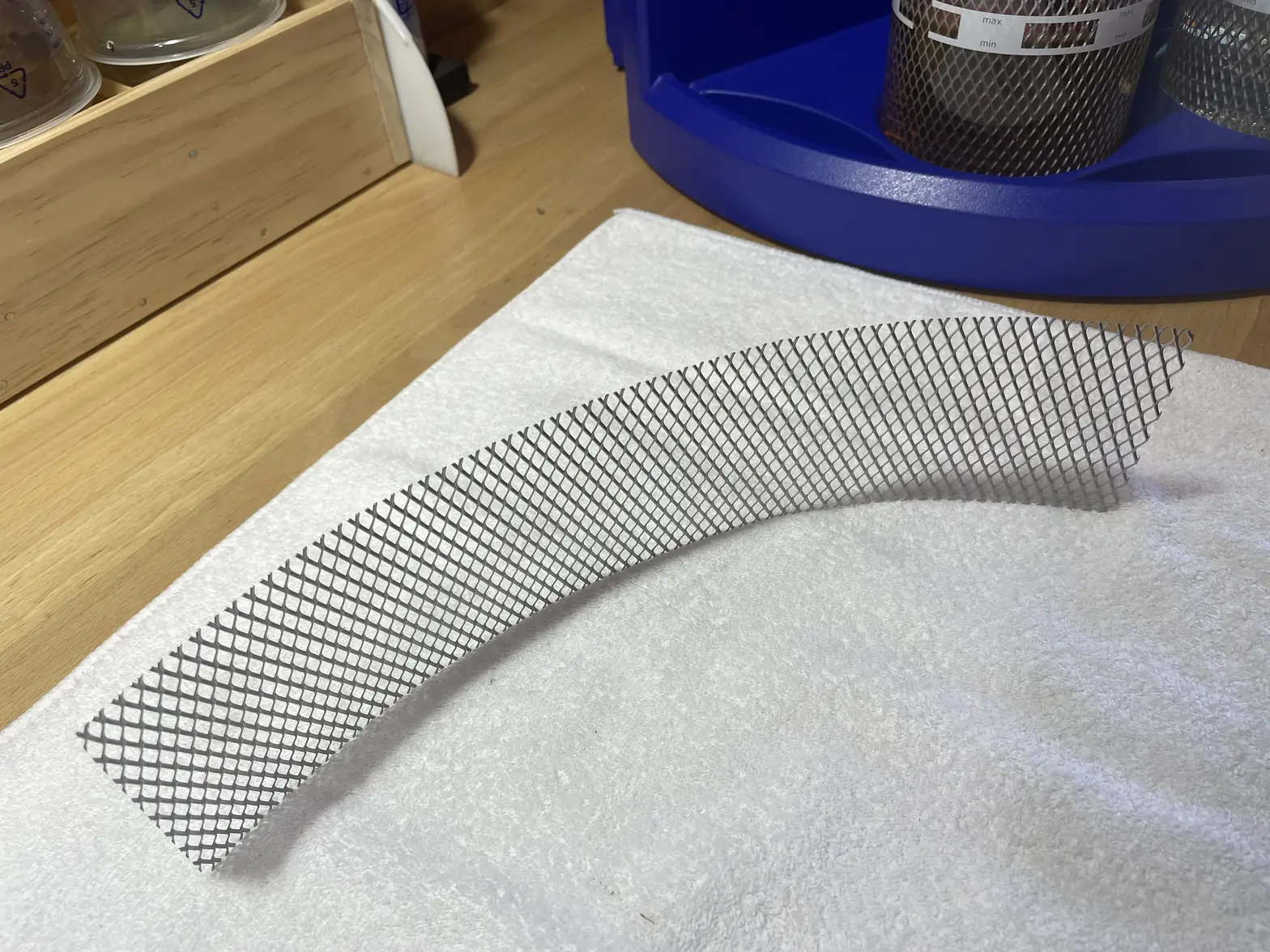
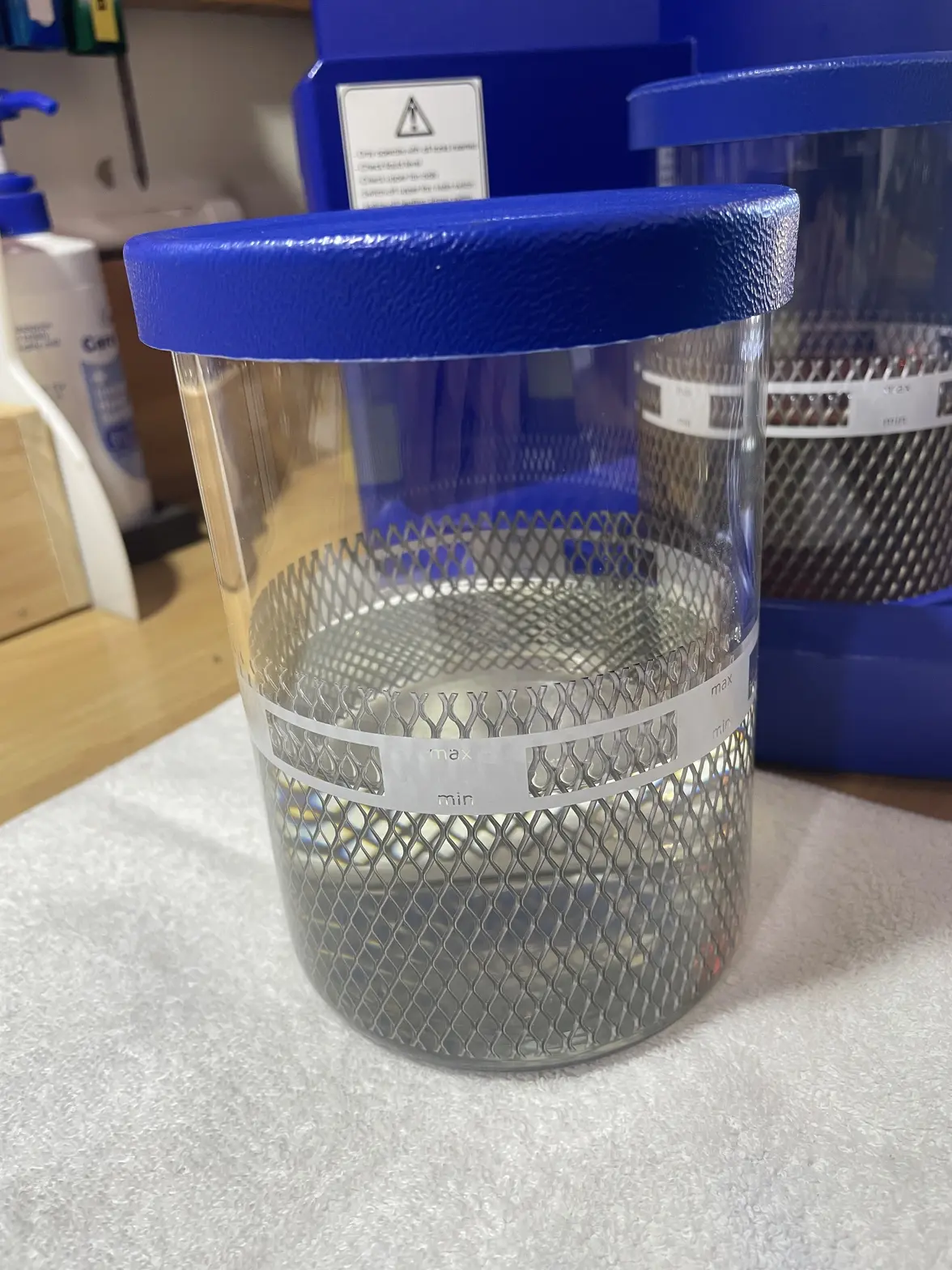
Here is an example. Primarily required for circular jars to reduce the "whirlpool" effect. It's simply expanded stainless steel mesh.


It's inserted into the jar with the "open hole" side of the mesh facing the direction of the rotating fluid flow thus causing a boundary layer drag on the fluid and preventing it climbing up the sides of the jar. Simplistically, and overlooking the laws of physics and fluid dynamics, if there was no drag on the fluid, it would eventually spin at the same speed as the basket therefore no agitation/turbulence effect for cleaning.


Square jars probably don't need a wave breaker as the corners of the jar provide the breaking of the whirlpool and provide turbulence
Although if they have large rounded corners then some form of wave breaker would be beneficial.