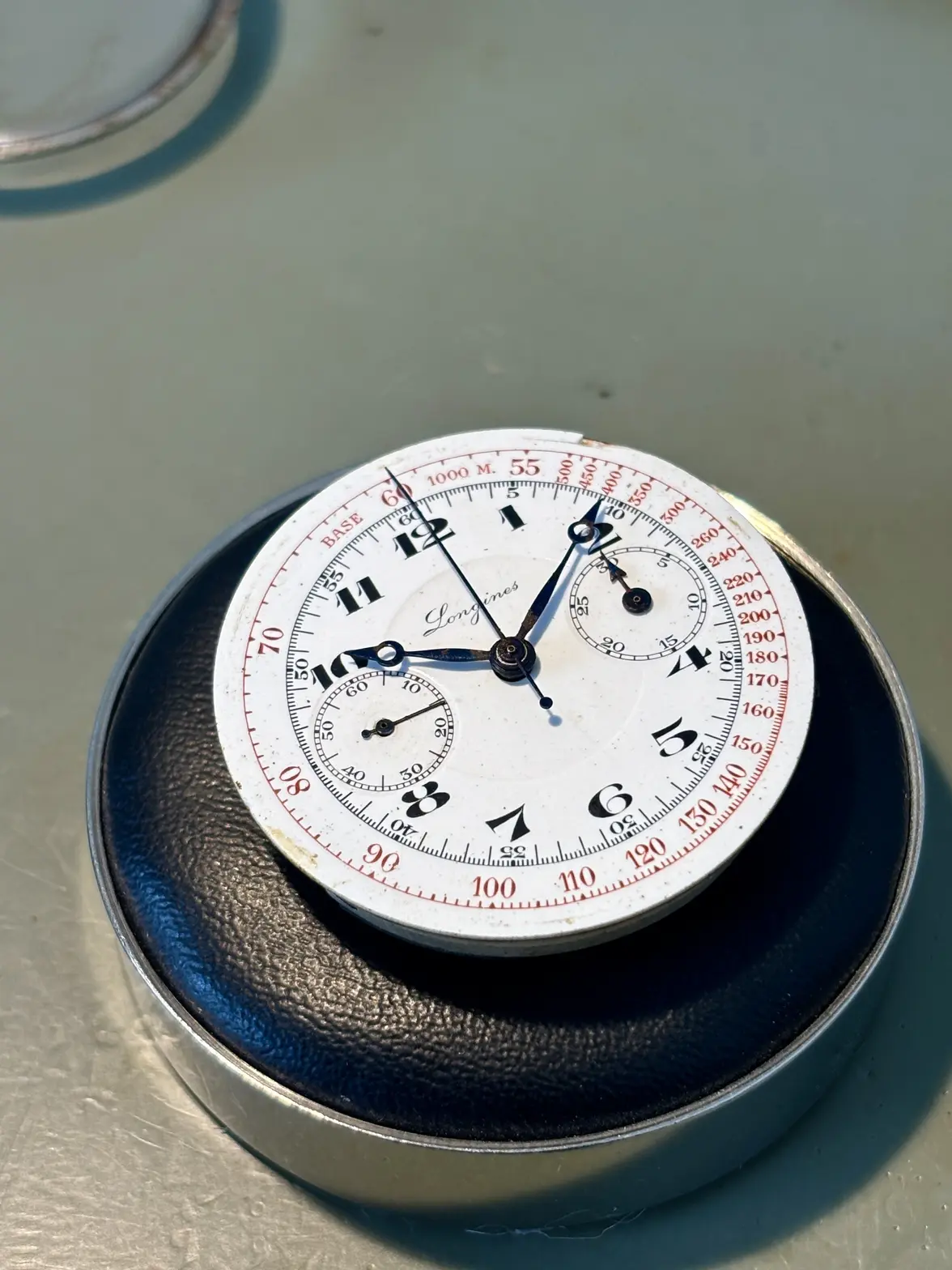
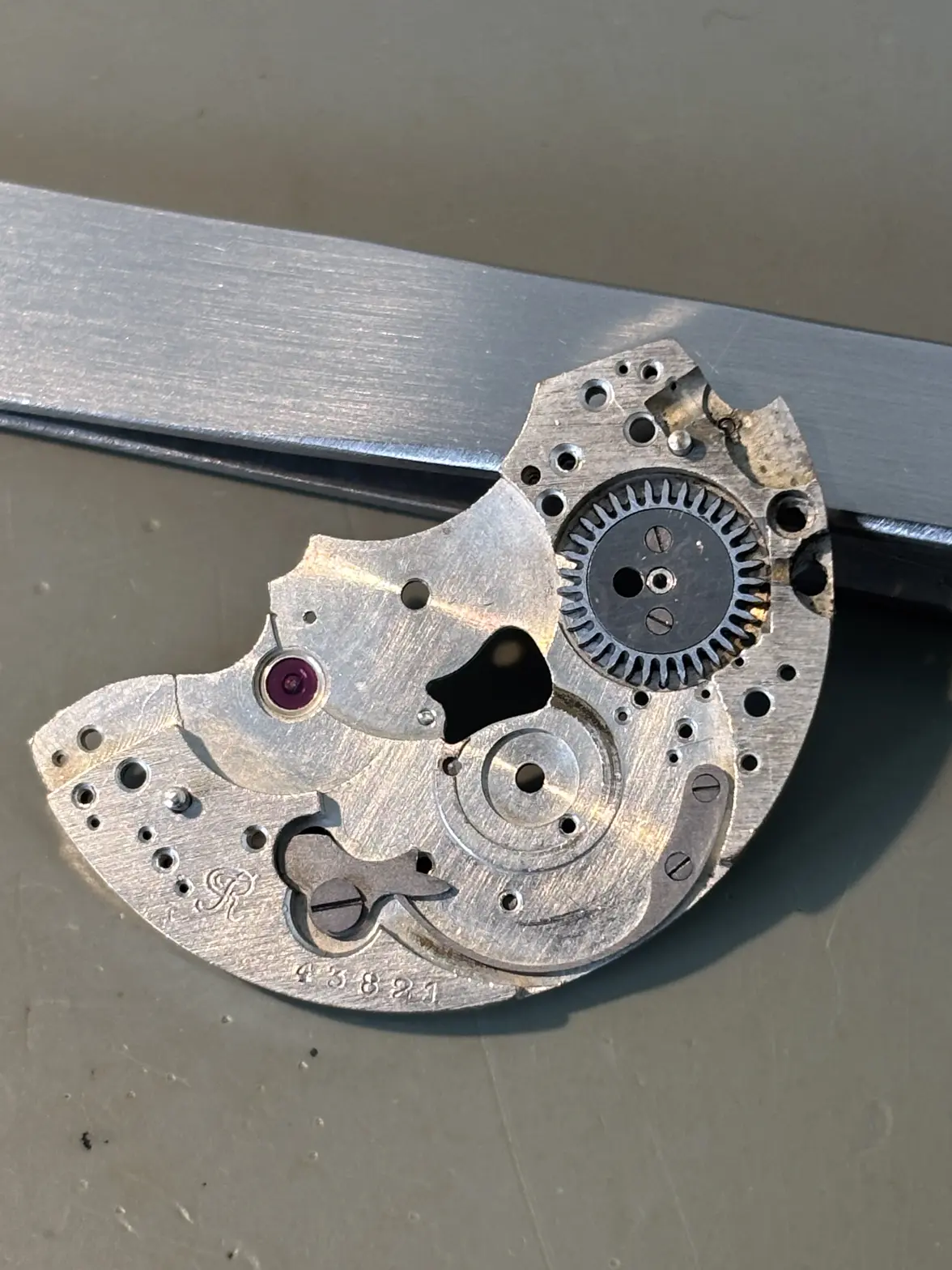
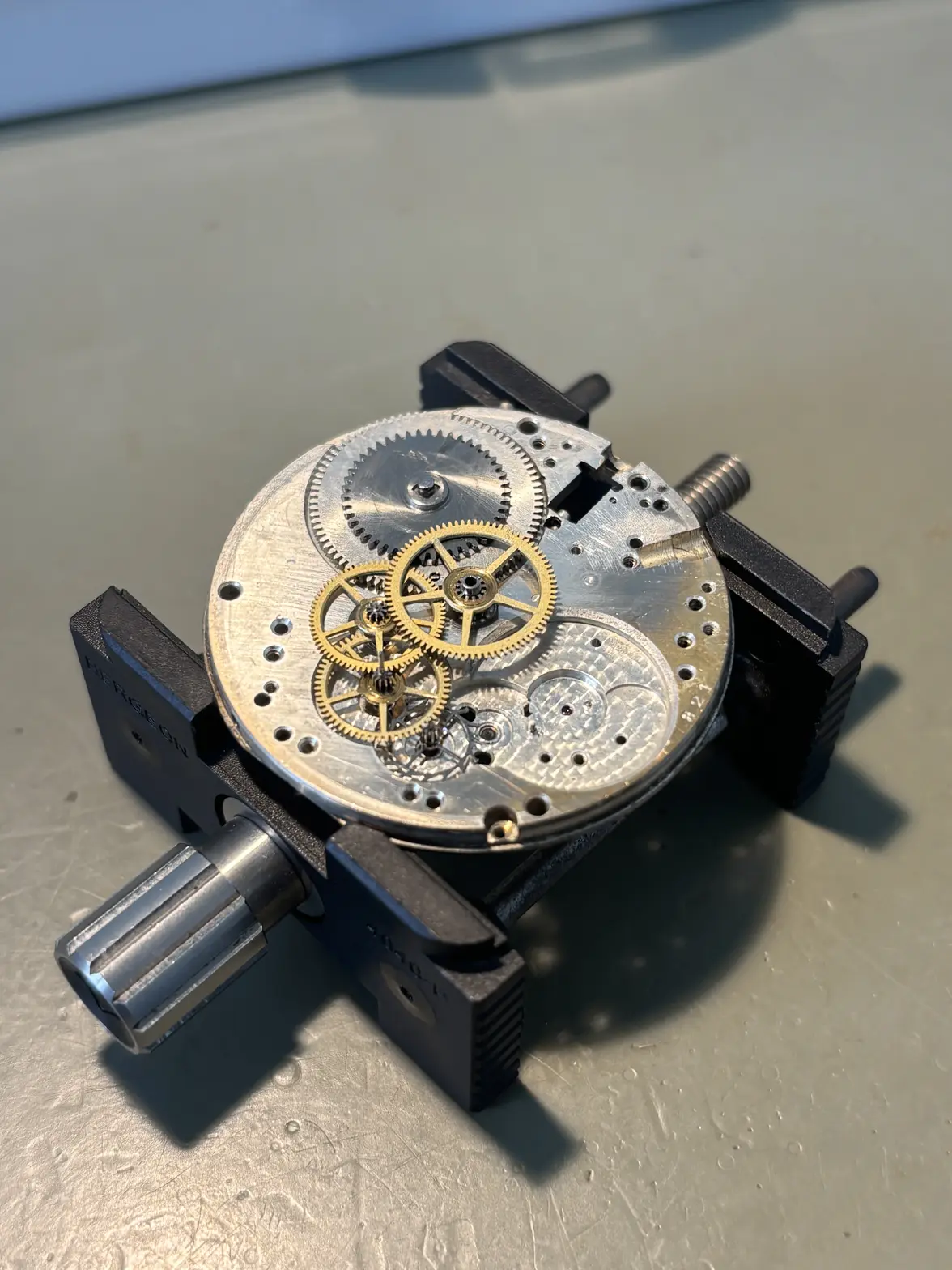
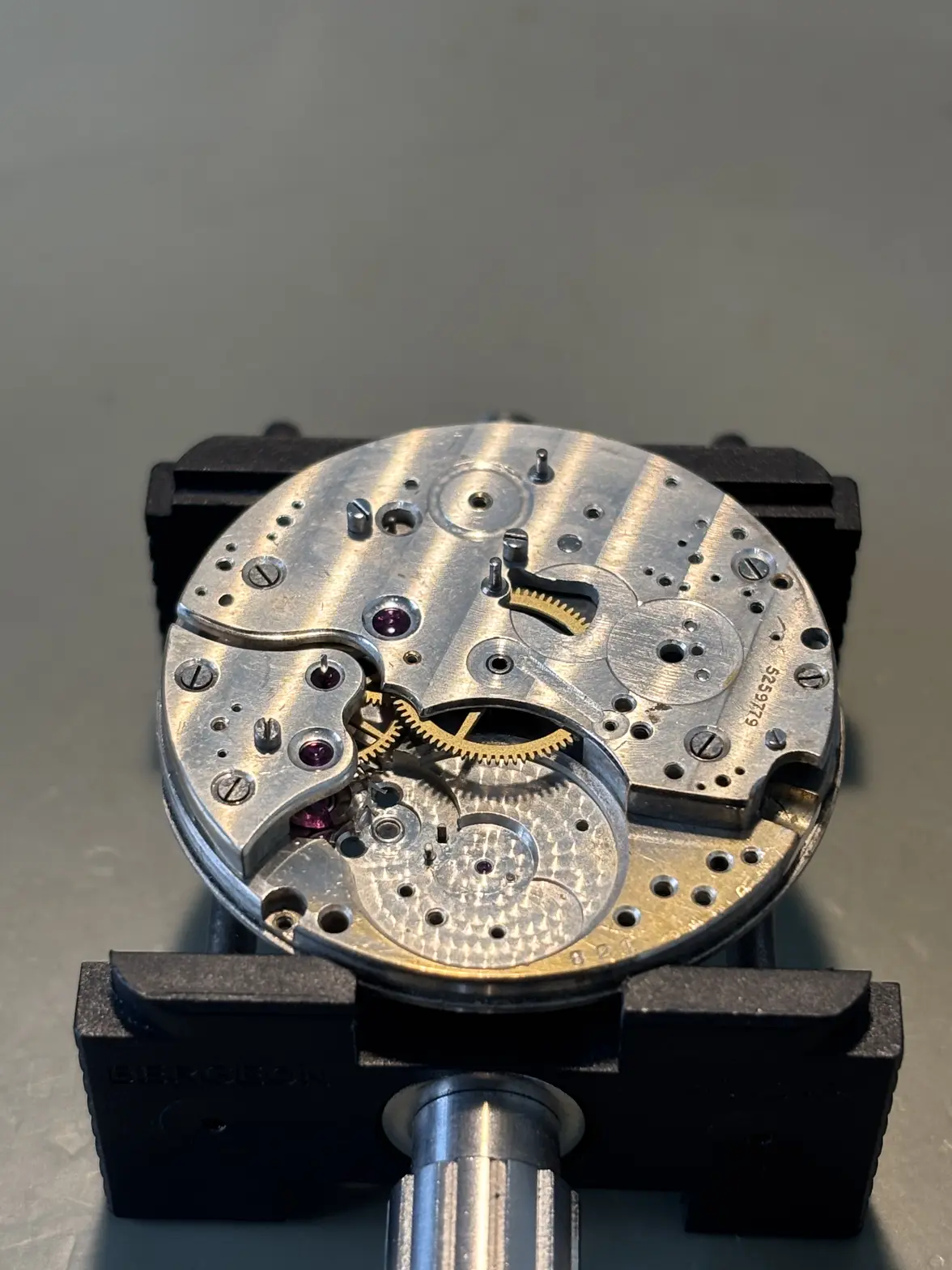
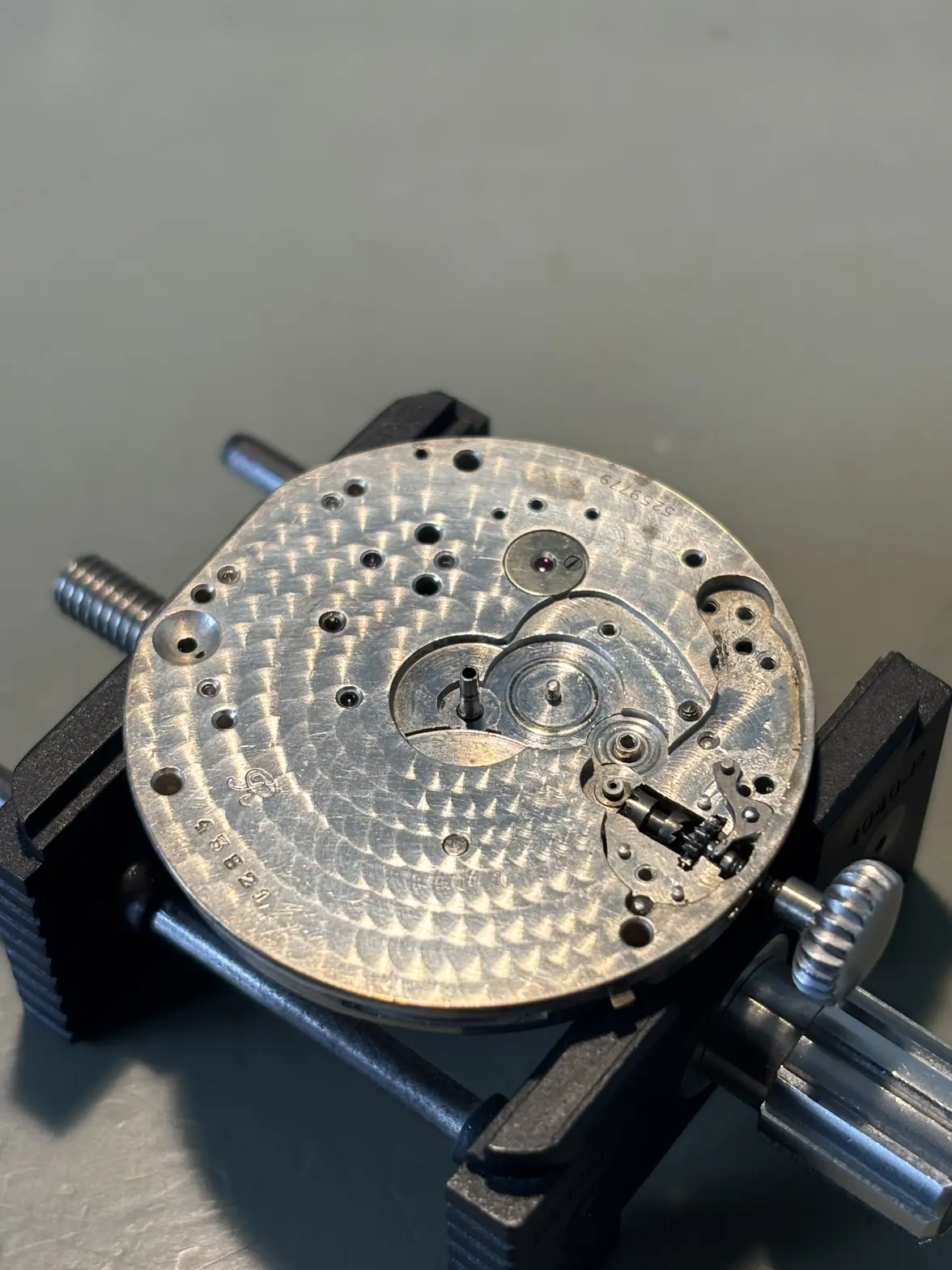
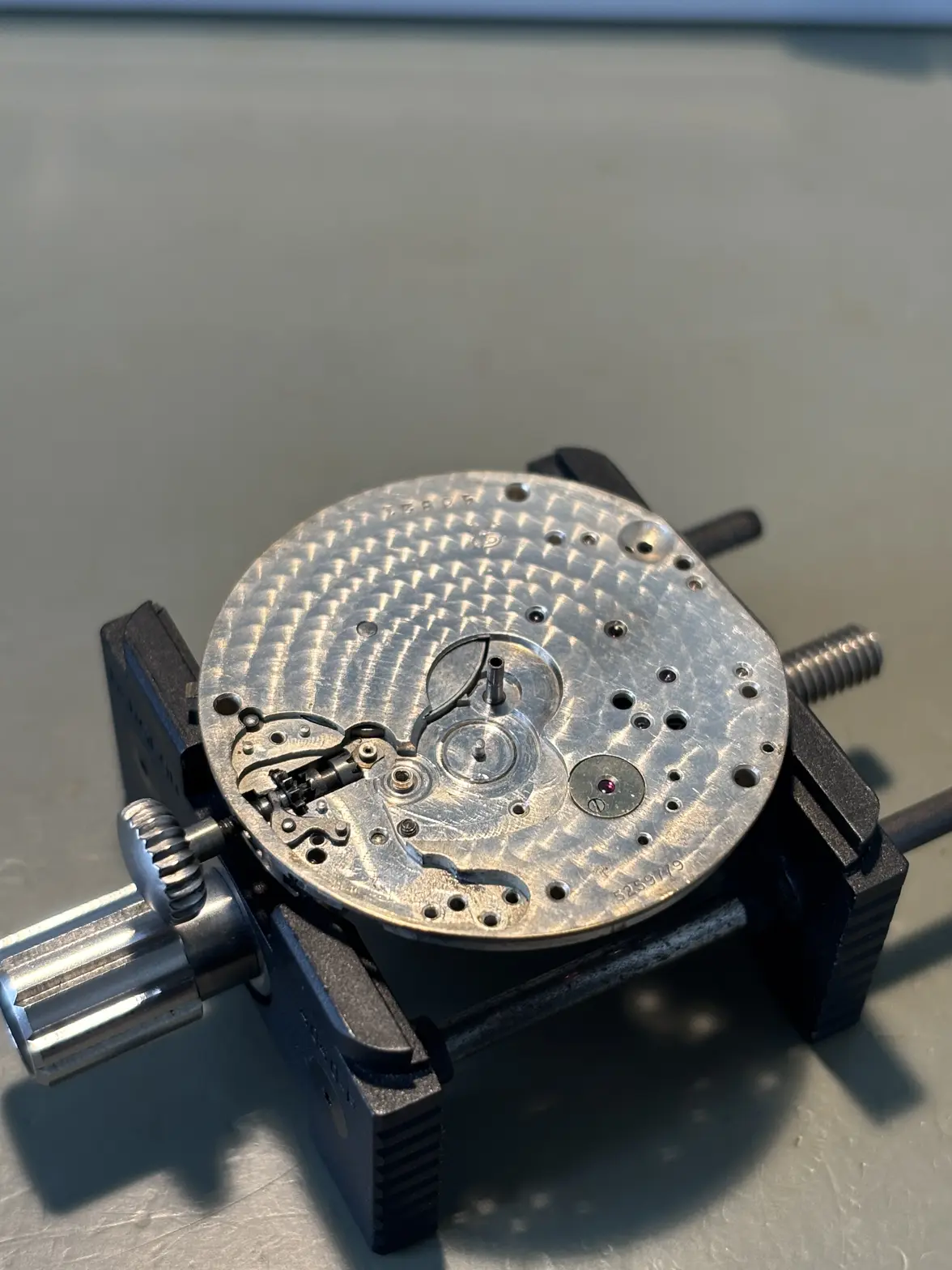
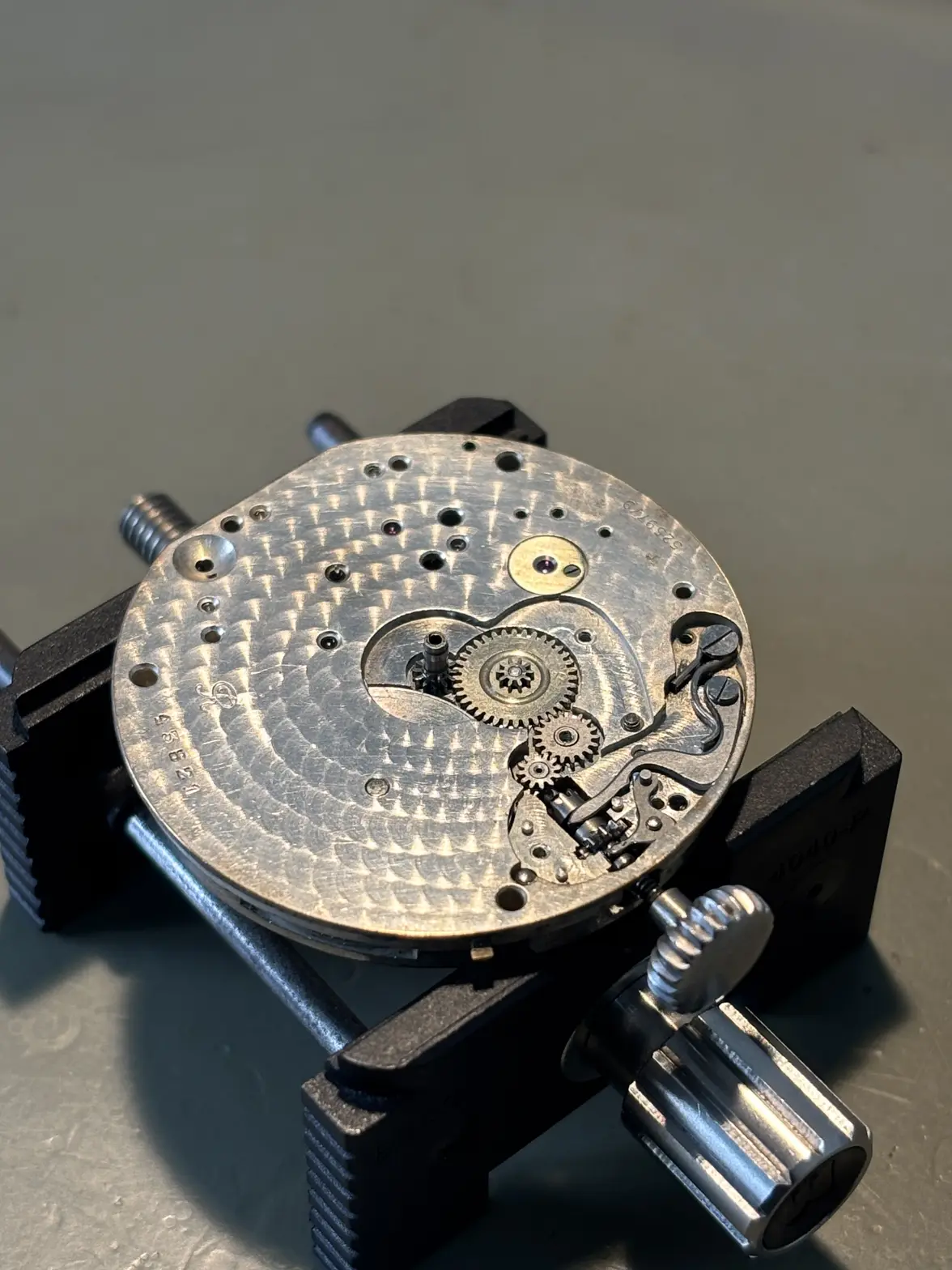
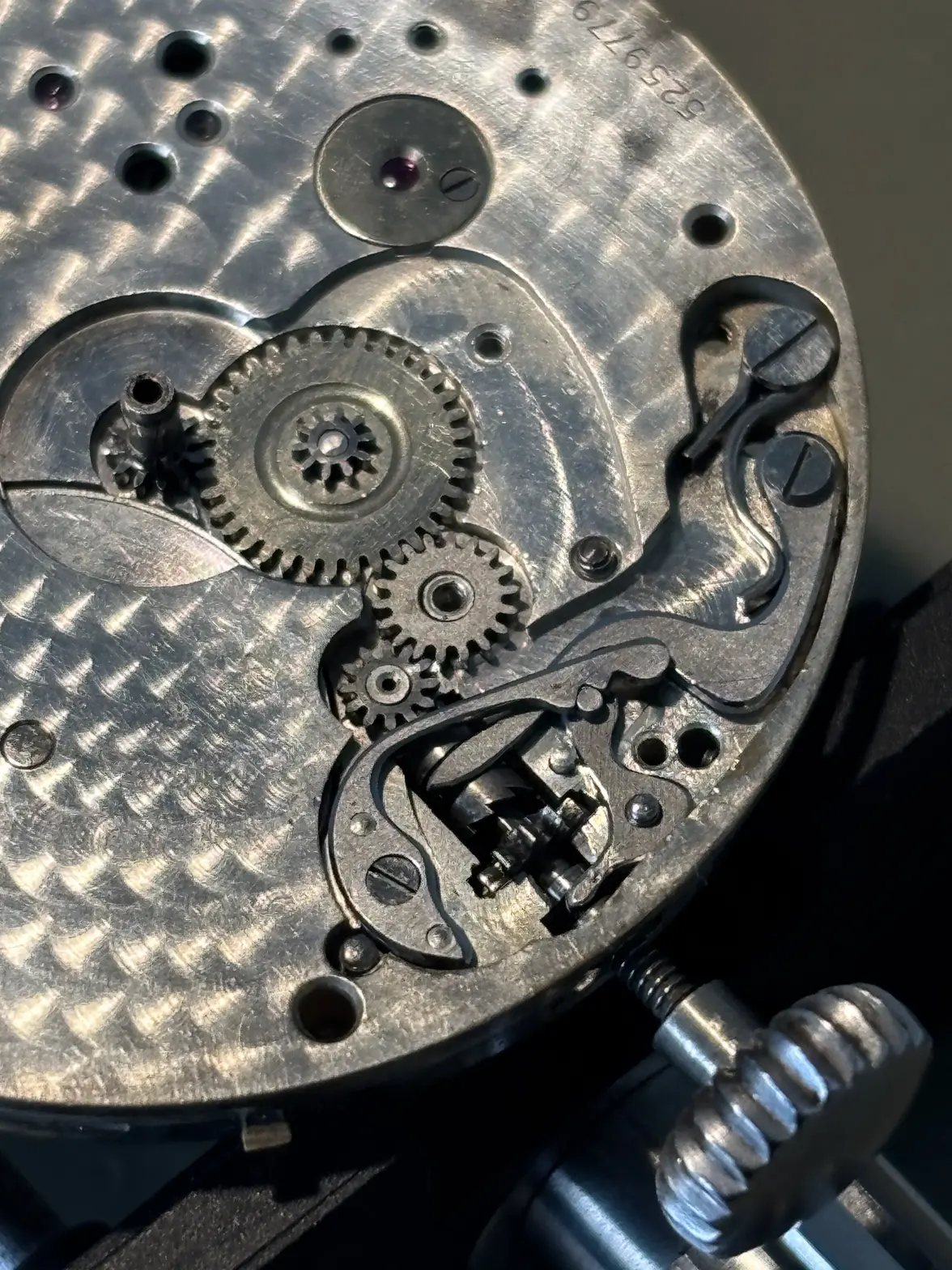
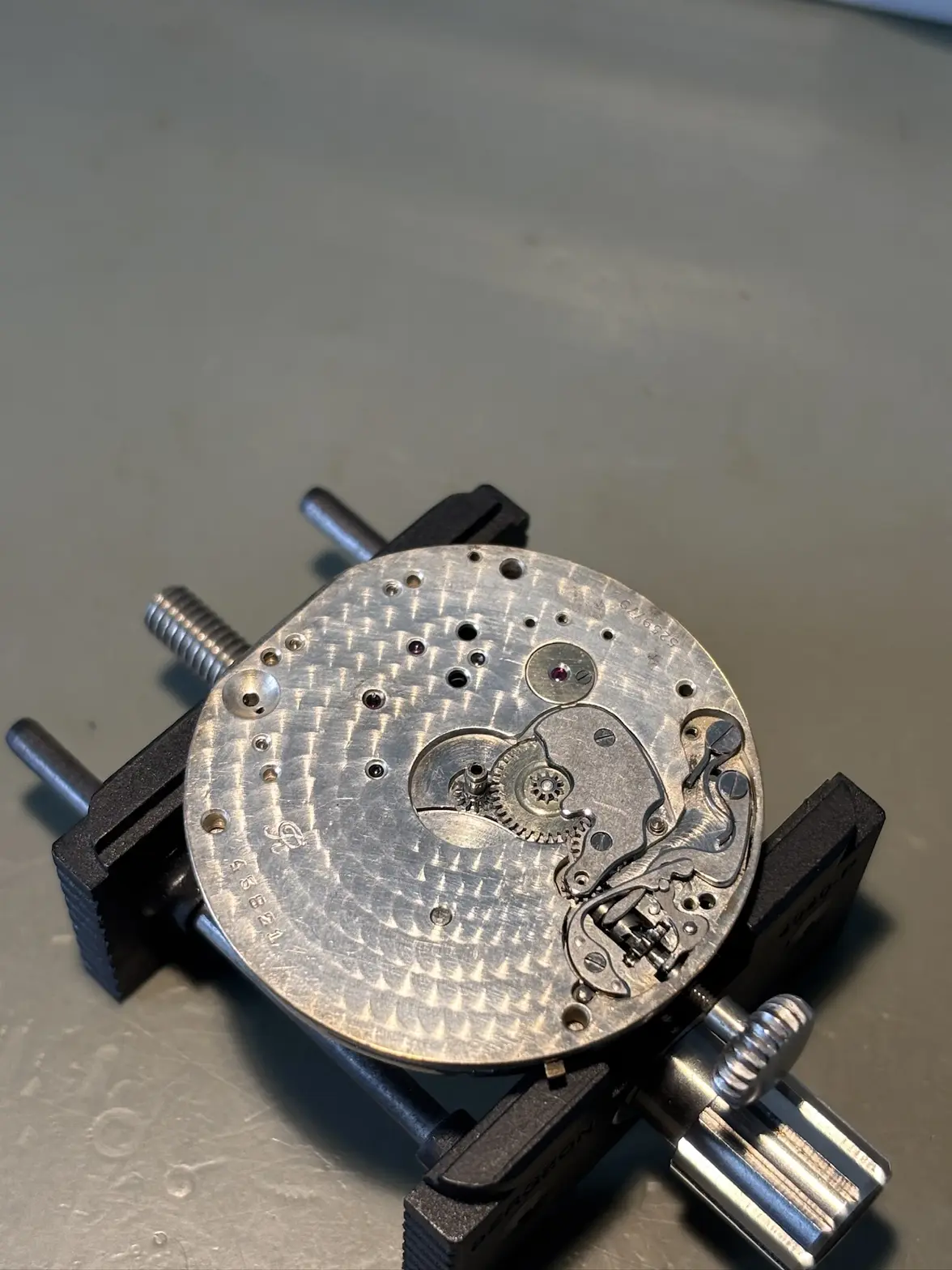
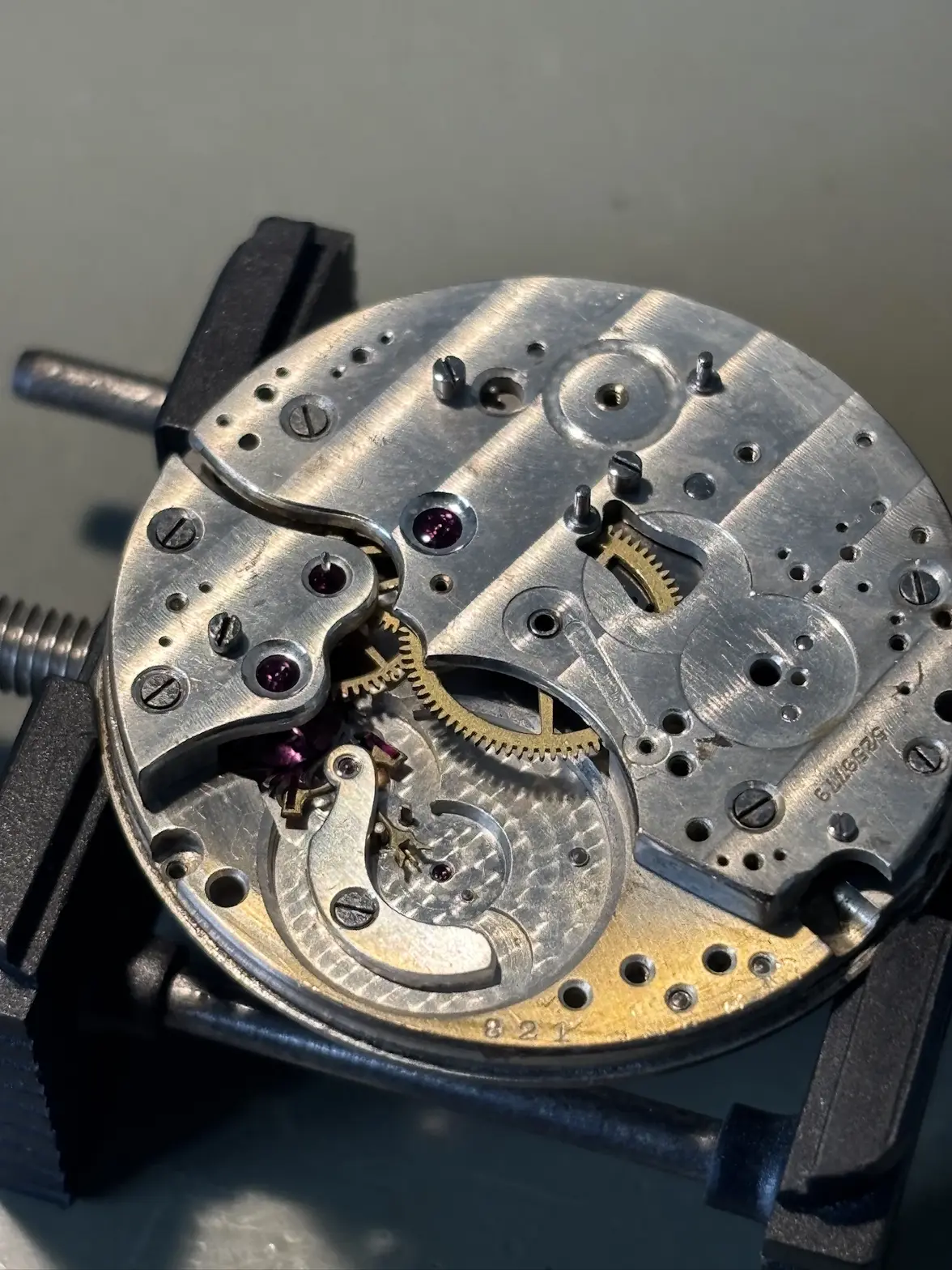
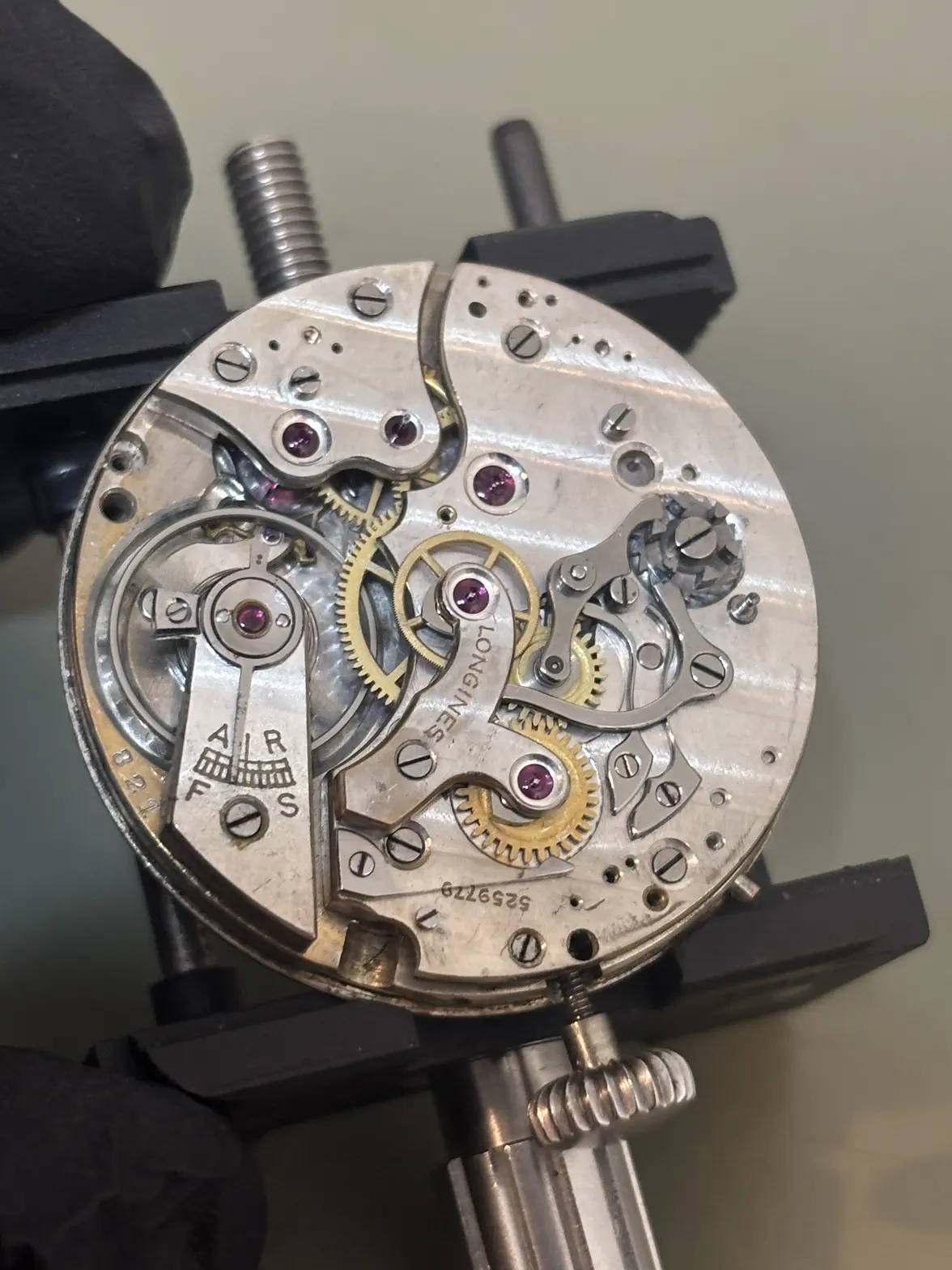
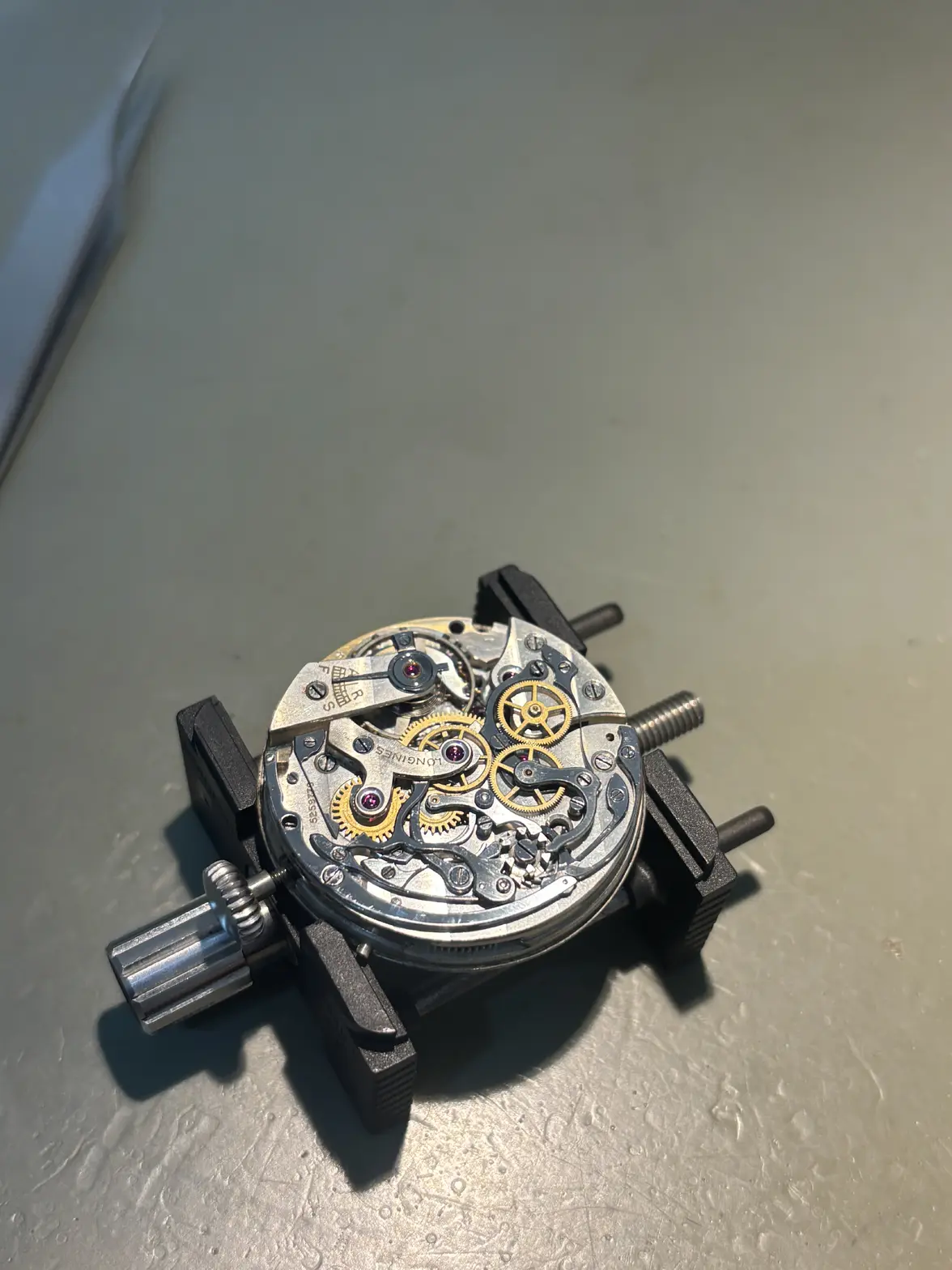
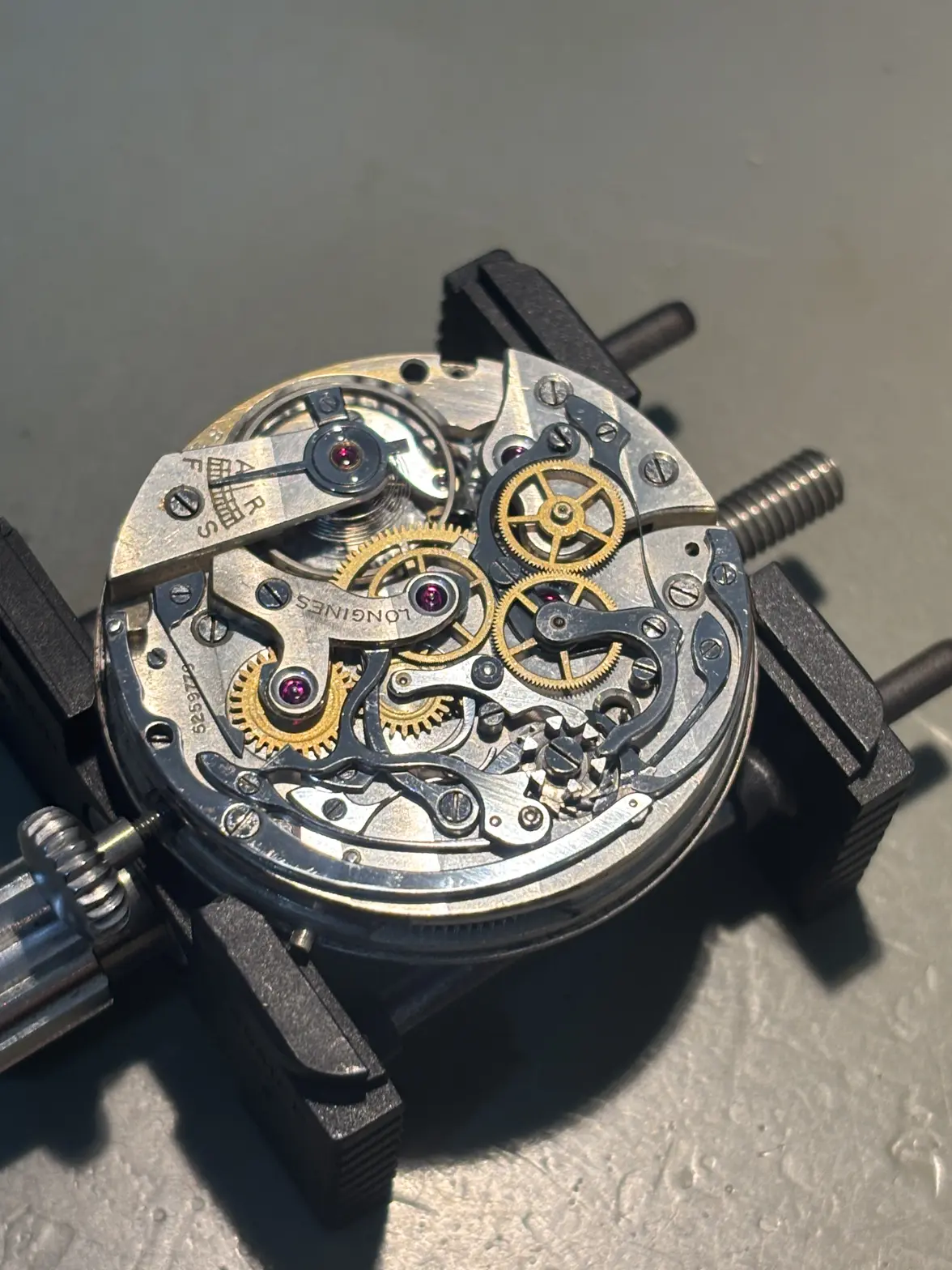
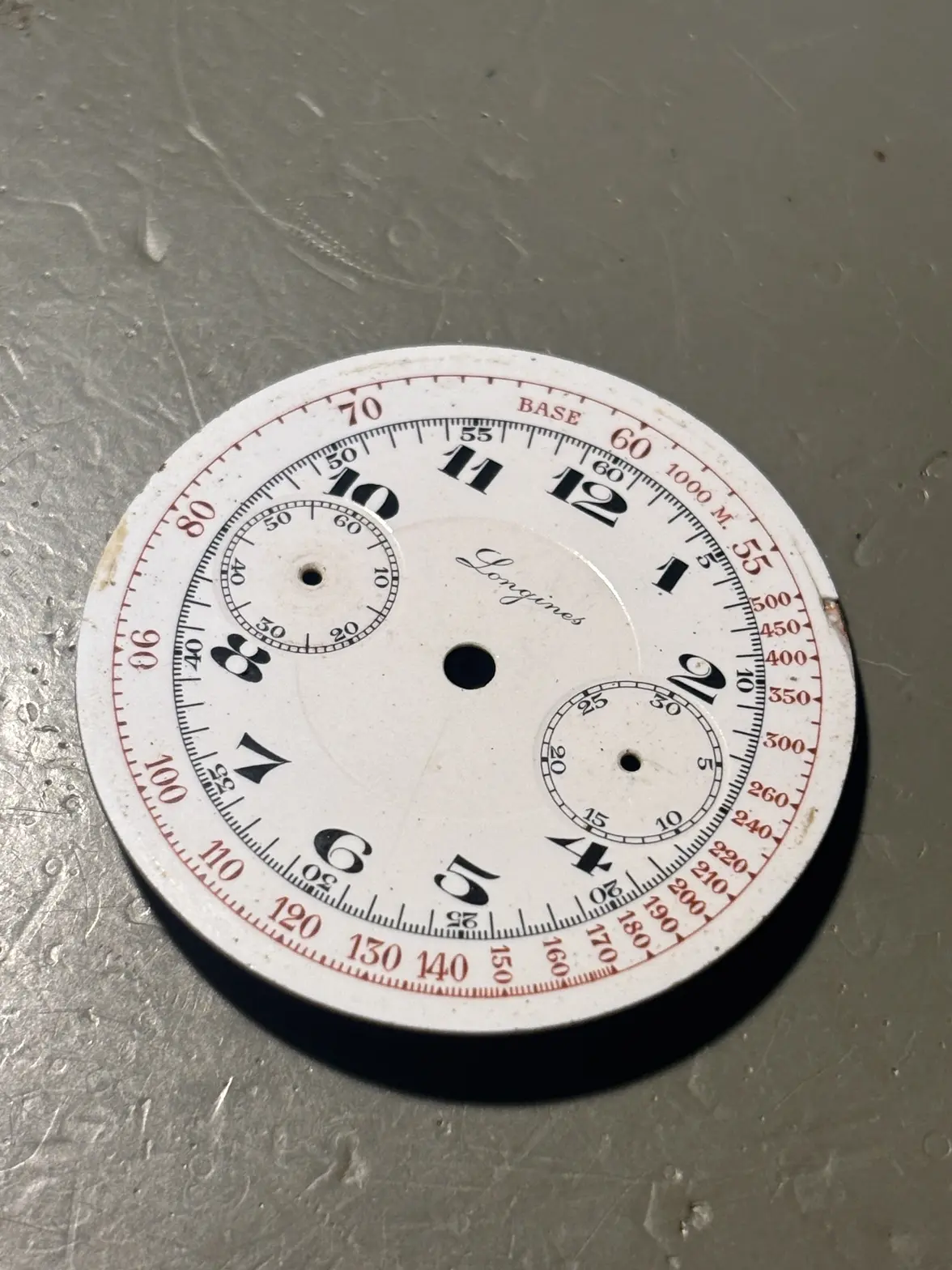
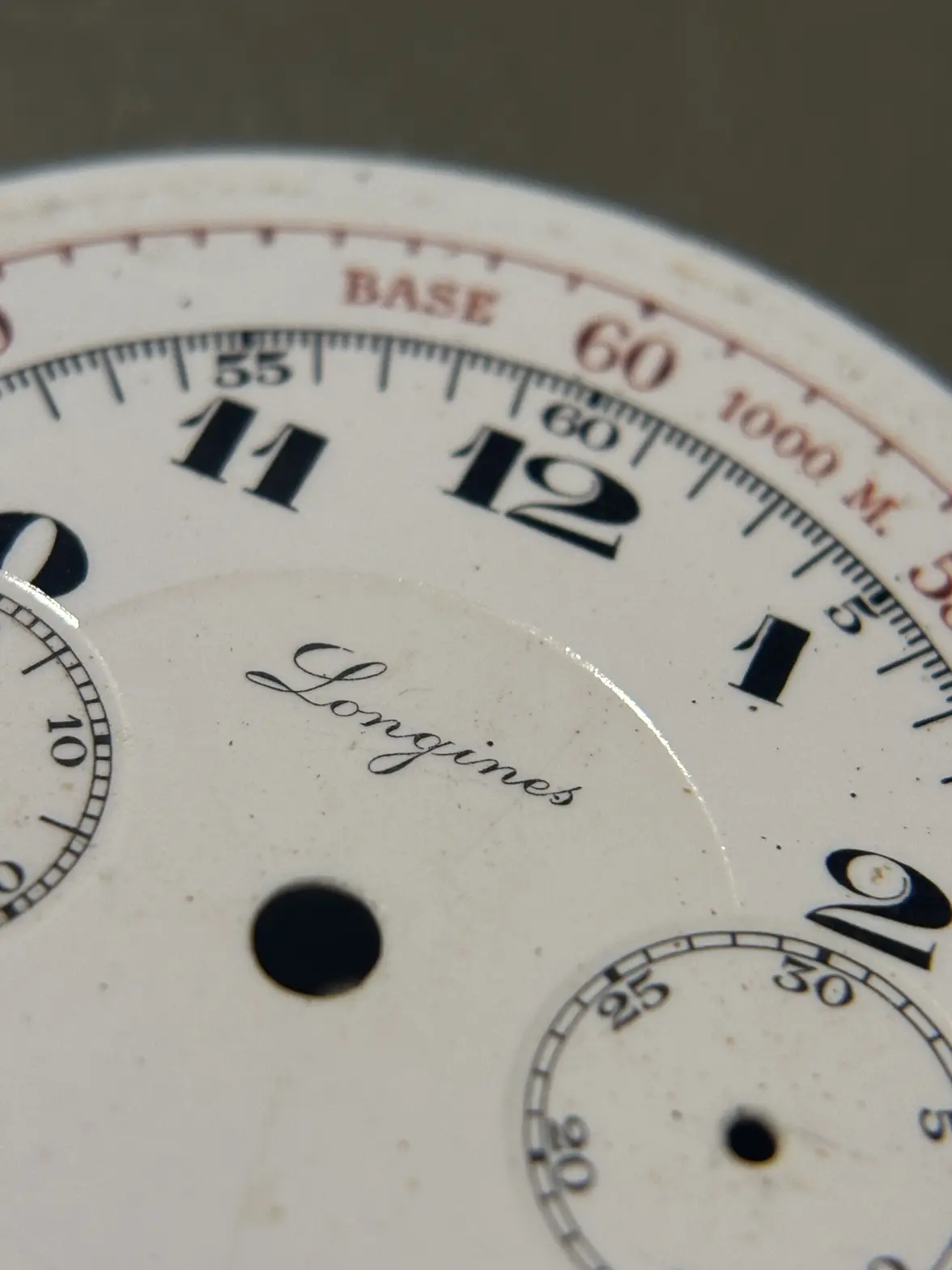
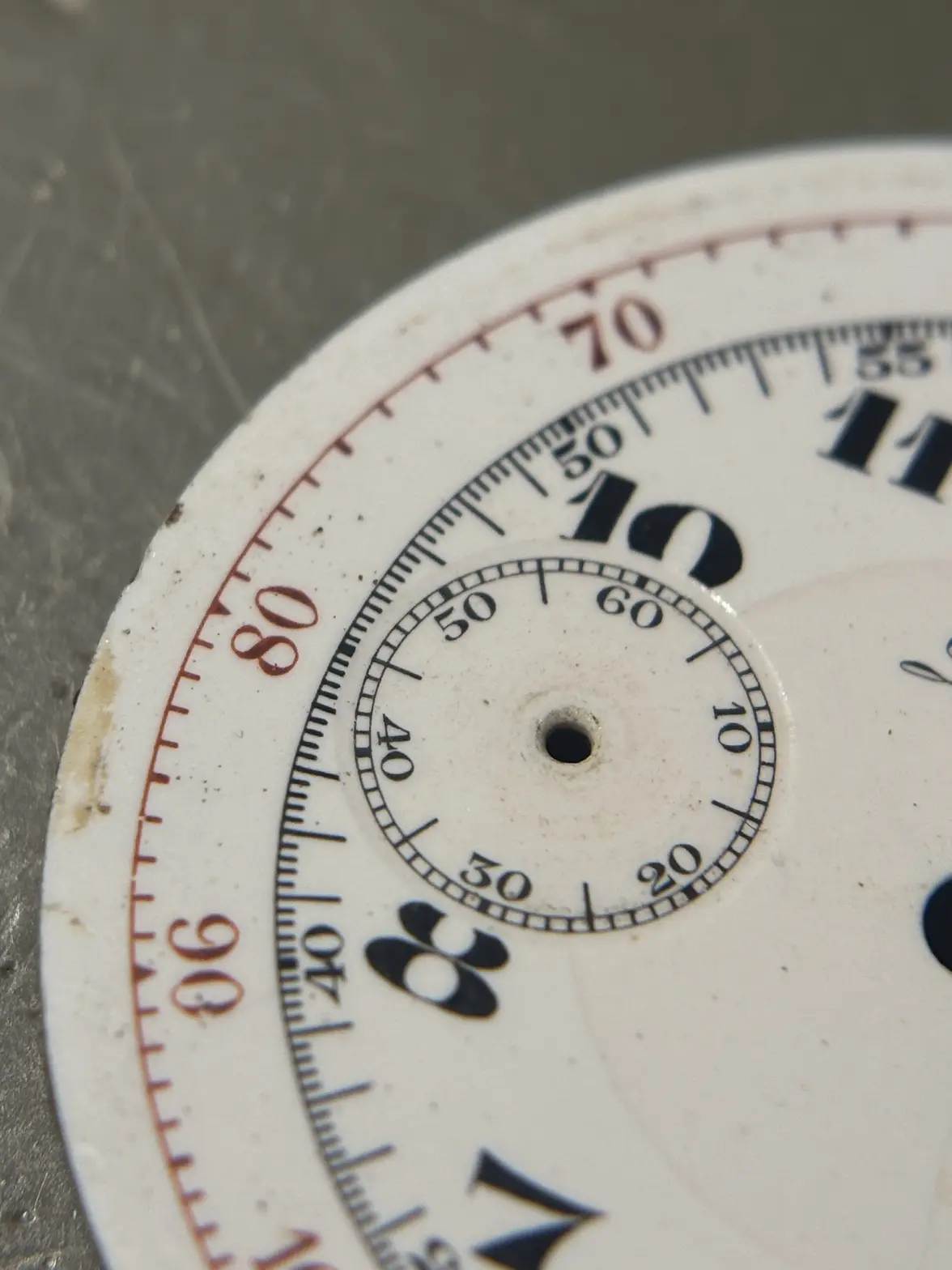
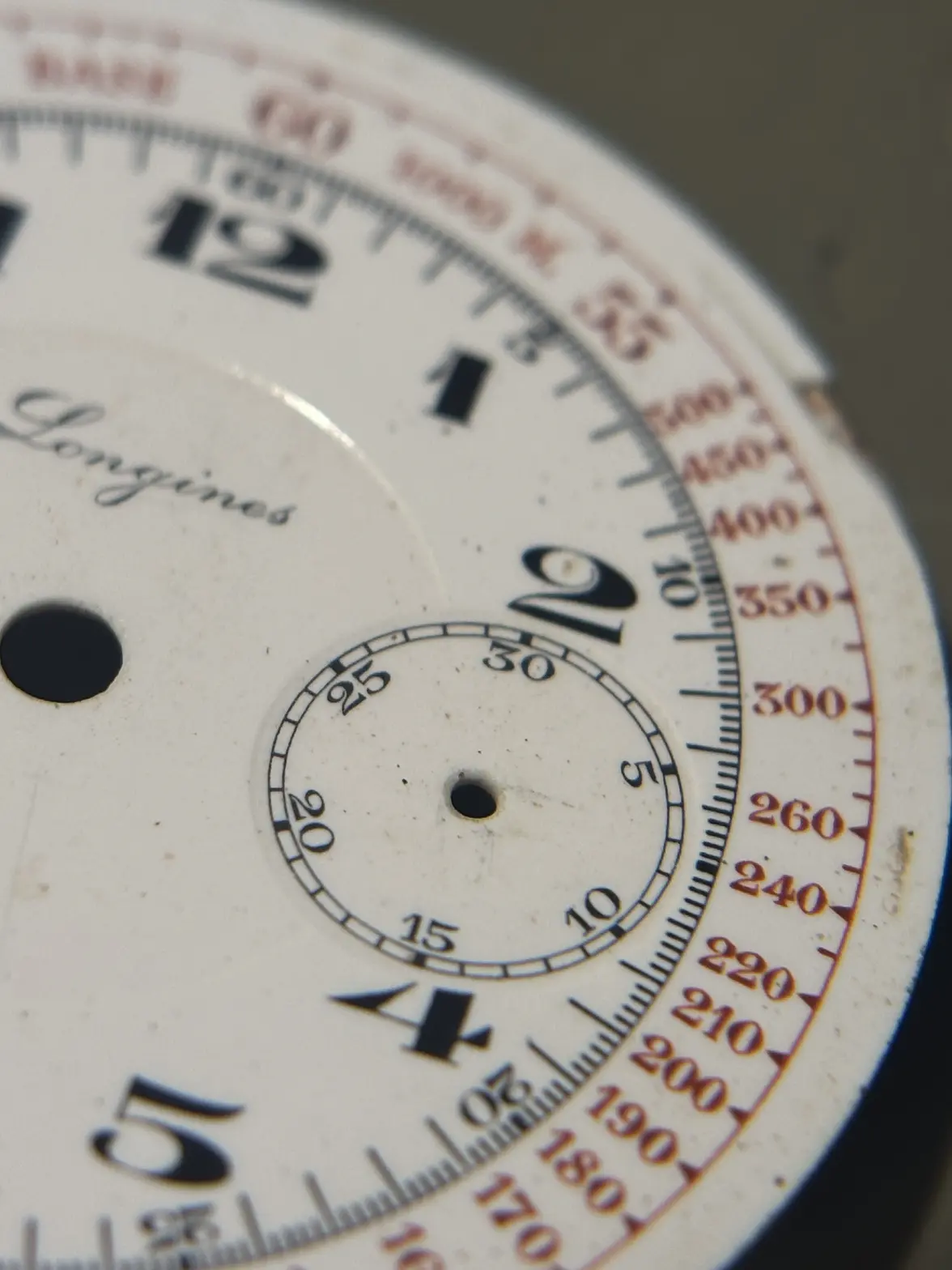
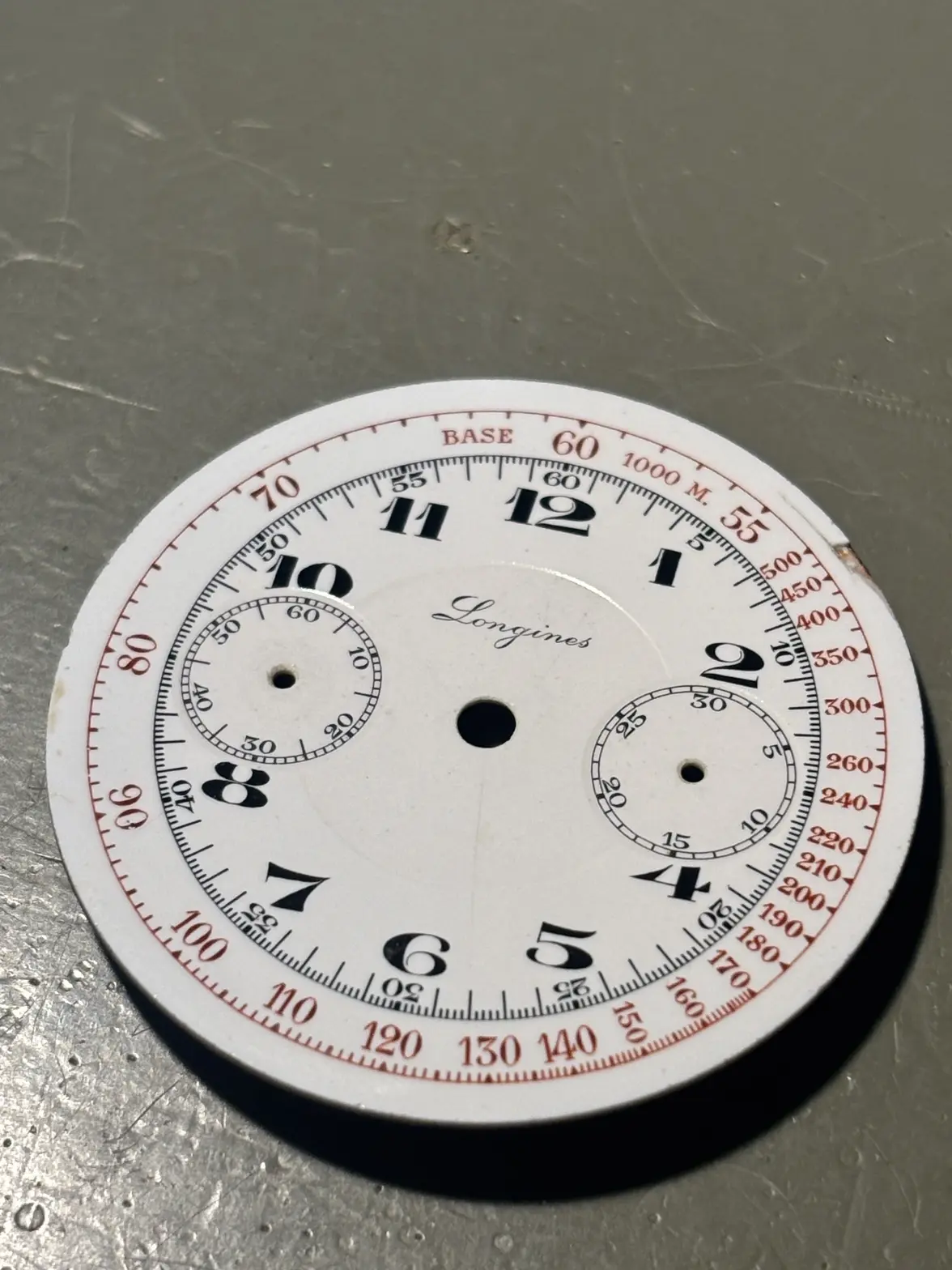
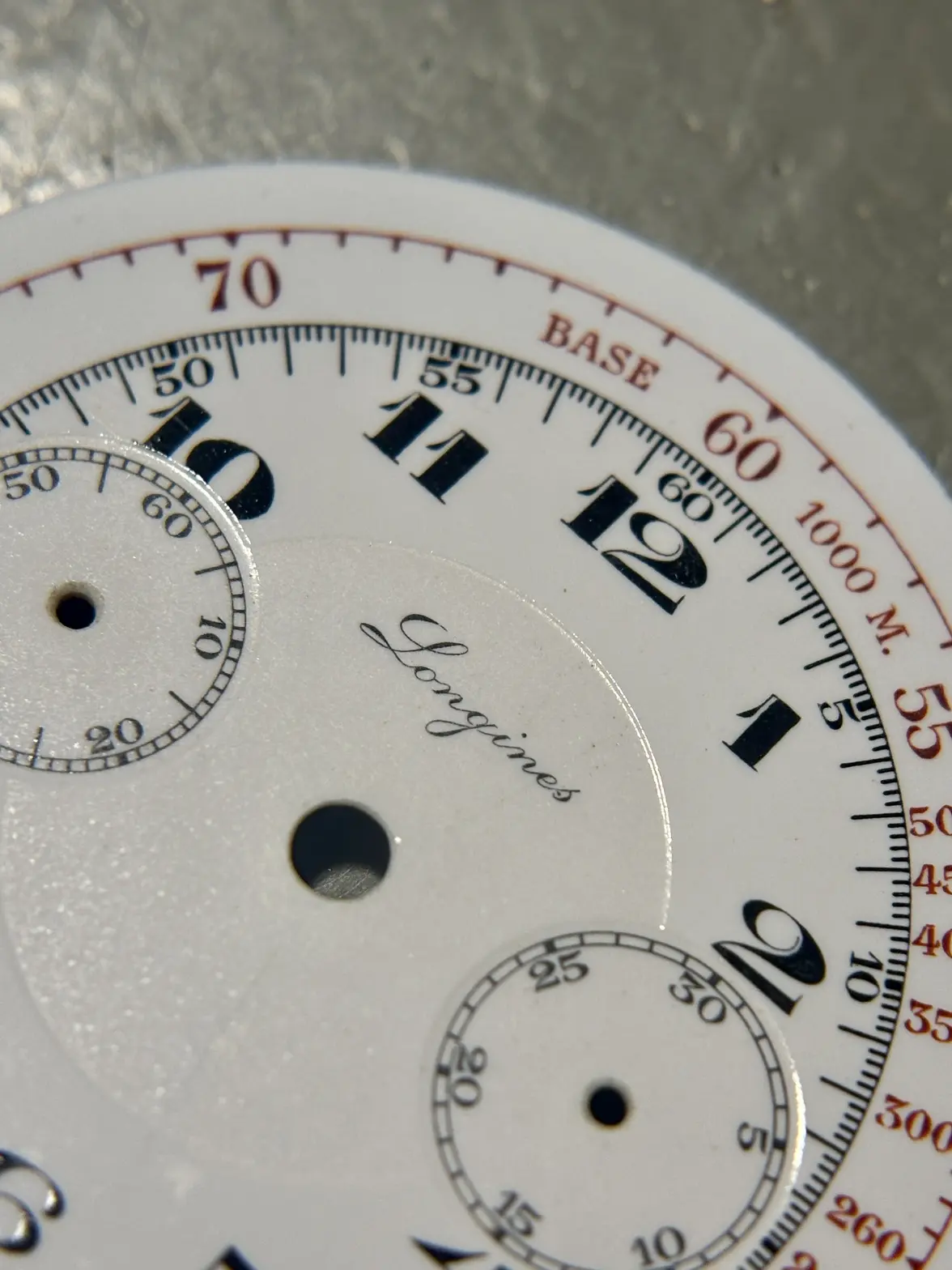
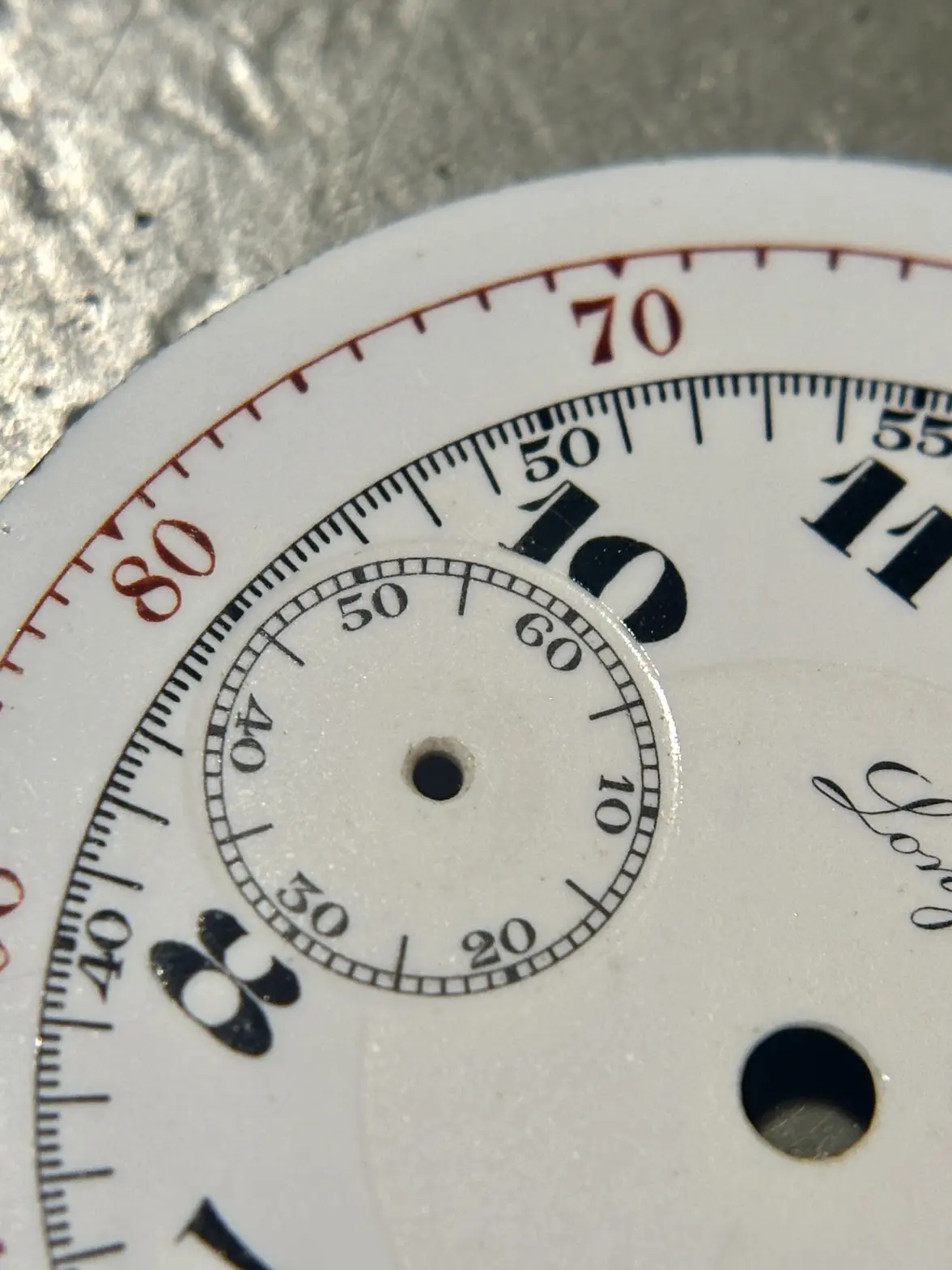
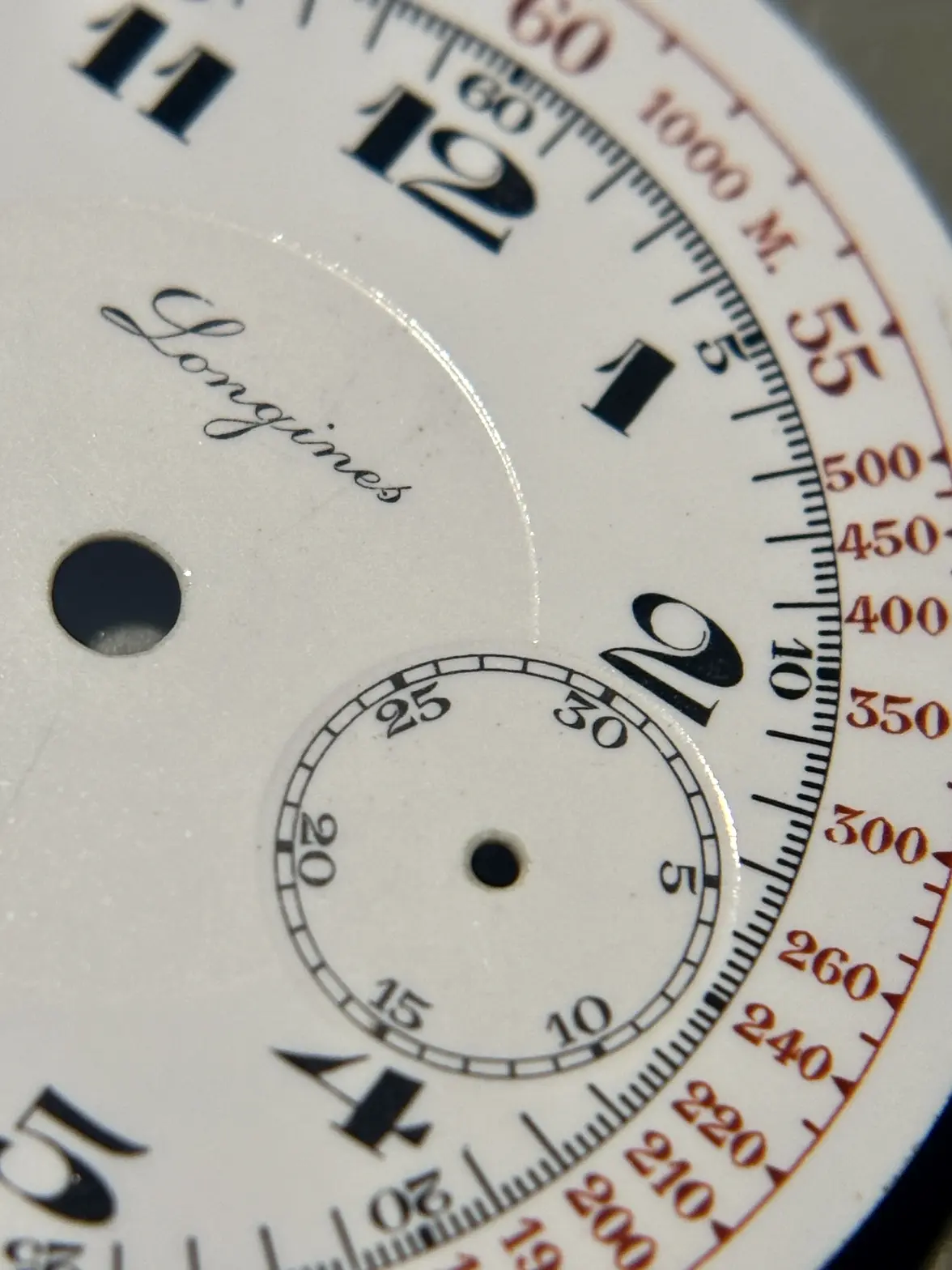
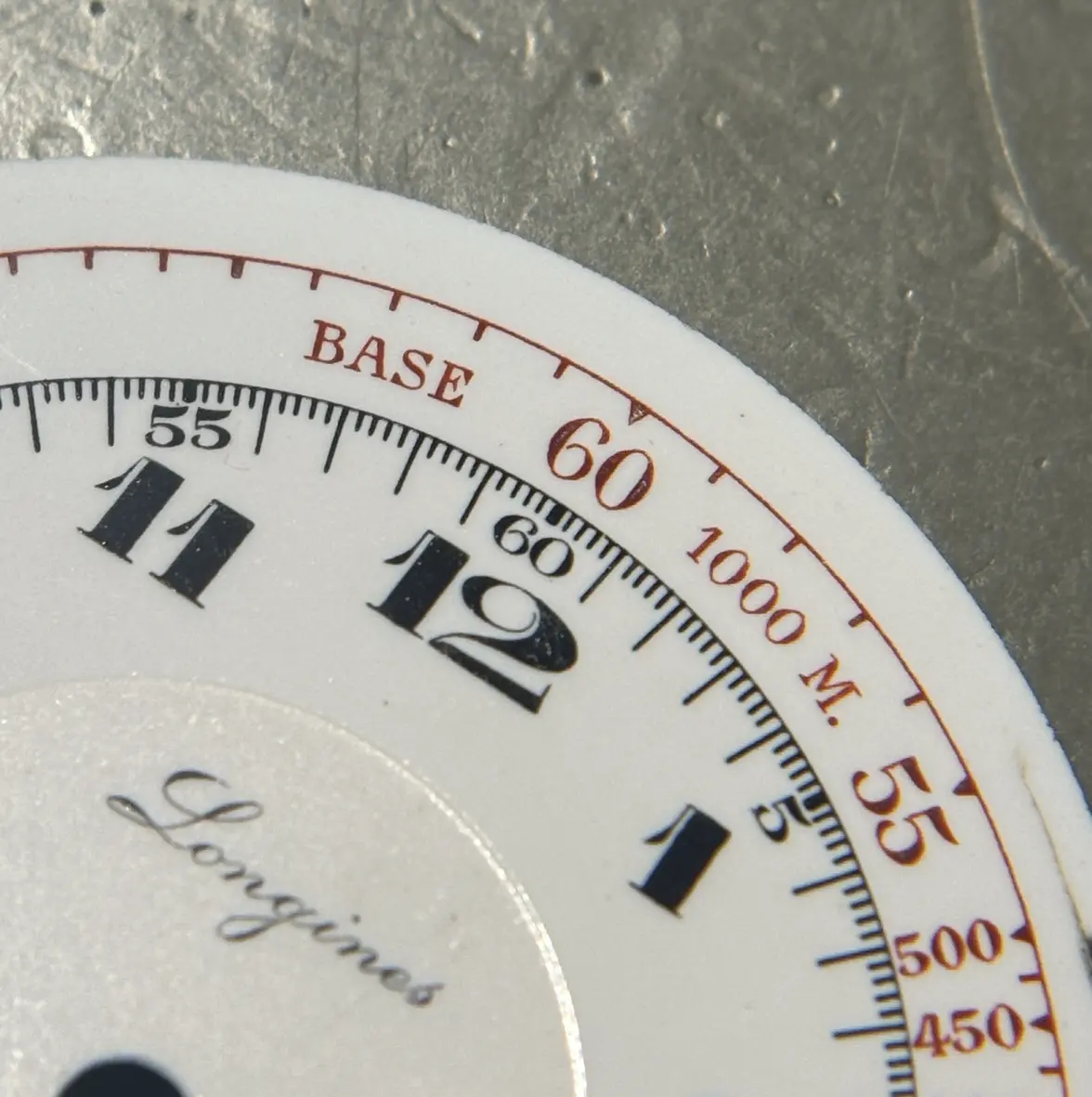
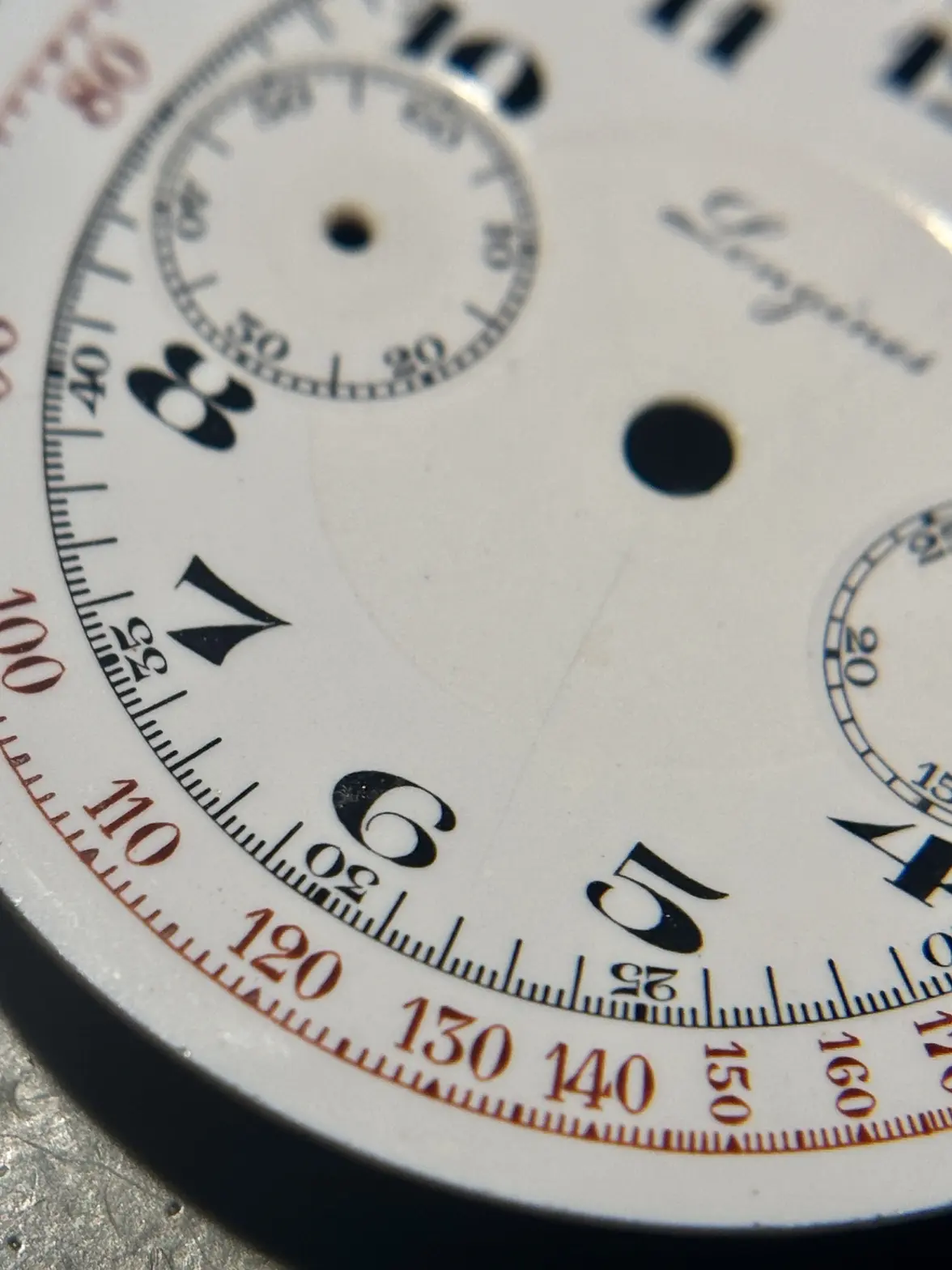
1934 40mm Longines Cal 15 chronograph

Posts
4,062
Likes
11,527
Firstly, thanks for the update on the Valjoux 22 jumper spring. Interesting that the locating pins are not identical but it was still able to fit. Superficially, this is a great result.

Secondly, two good questions re: the crystal, and dial cleaning. I am not certain about either. I am inclined to believe that the crystal could be original, as there appears to be relatively little visual distortion when viewing the dial head on. I would probably leave it on and polish it. As for cleaning an enamel dial, I recently asked the same question after attempting to do it myself with Windex and Q-tips (https://omegaforums.net/threads/cleaning-an-enamel-dial-cyma-with-windex.174953/). Given the rarity of your Longines, I would keep dial cleaning to a minimum in order to avoid any mishaps. I acknowledge that this might be an overly cautious stance given that it is an enamel dial.
I've never had a problem cleaning an enamel dial with windex, or denatured alcohol, and a q tip. If anything was applied to the dial after it was fired (which should not be the case, but stranger things have happened) the windex will remove it.
 
Posts
253
Likes
393
Firstly, thanks for the update on the Valjoux 22 jumper spring. Interesting that the locating pins are not identical but it was still able to fit. Superficially, this is a great result.

Secondly, two good questions re: the crystal, and dial cleaning. I am not certain about either. I am inclined to believe that the crystal could be original, as there appears to be relatively little visual distortion when viewing the dial head on. I would probably leave it on and polish it. As for cleaning an enamel dial, I recently asked the same question after attempting to do it myself with Windex and Q-tips (https://omegaforums.net/threads/cleaning-an-enamel-dial-cyma-with-windex.174953/). Given the rarity of your Longines, I would keep dial cleaning to a minimum in order to avoid any mishaps. I acknowledge that this might be an overly cautious stance given that it is an enamel dial.
Thanks , Interesting thread on the enamel dial cleaning .
I've never had a problem cleaning an enamel dial with windex, or denatured alcohol, and a q tip. If anything was applied to the dial after it was fired (which should not be the case, but stranger things have happened) the windex will remove it.
On the thread linked above , there is a Mido that had "india ink" which make me worried about cleaning my Longines .
Is there any way to spot if there’s any ink\paint added after the fire ? or it’s a risk it all situation .
 
Posts
4,062
Likes
11,527
Thanks , Interesting thread on the enamel dial cleaning .

On the thread linked above , there is a Mido that had "india ink" which make me worried about cleaning my Longines .
Is there any way to spot if there’s any ink\paint added after the fire ? or it’s a risk it all situation .
Fortunately, I don't have any experience with inks applied after firing. I don't believe it is a common thing to encounter since vitreous enamel dials are not supposed to be made that way.
 
Posts
253
Likes
393
Hi guys

As of today I haven’t done anything with the watch yet.
I do want to service the watch, I am considering travelling to Switzerland and thinking about maybe taking the watch for a service there.

Do you have any recommendations for a good watchmaker?

I looked at Cenic watches & parts, I don’t know how good they are as watchmakers but i did saw that they have a lot of original rare parts if needed.

Cheers
 
Posts
253
Likes
393
Hi guys, Its been a while

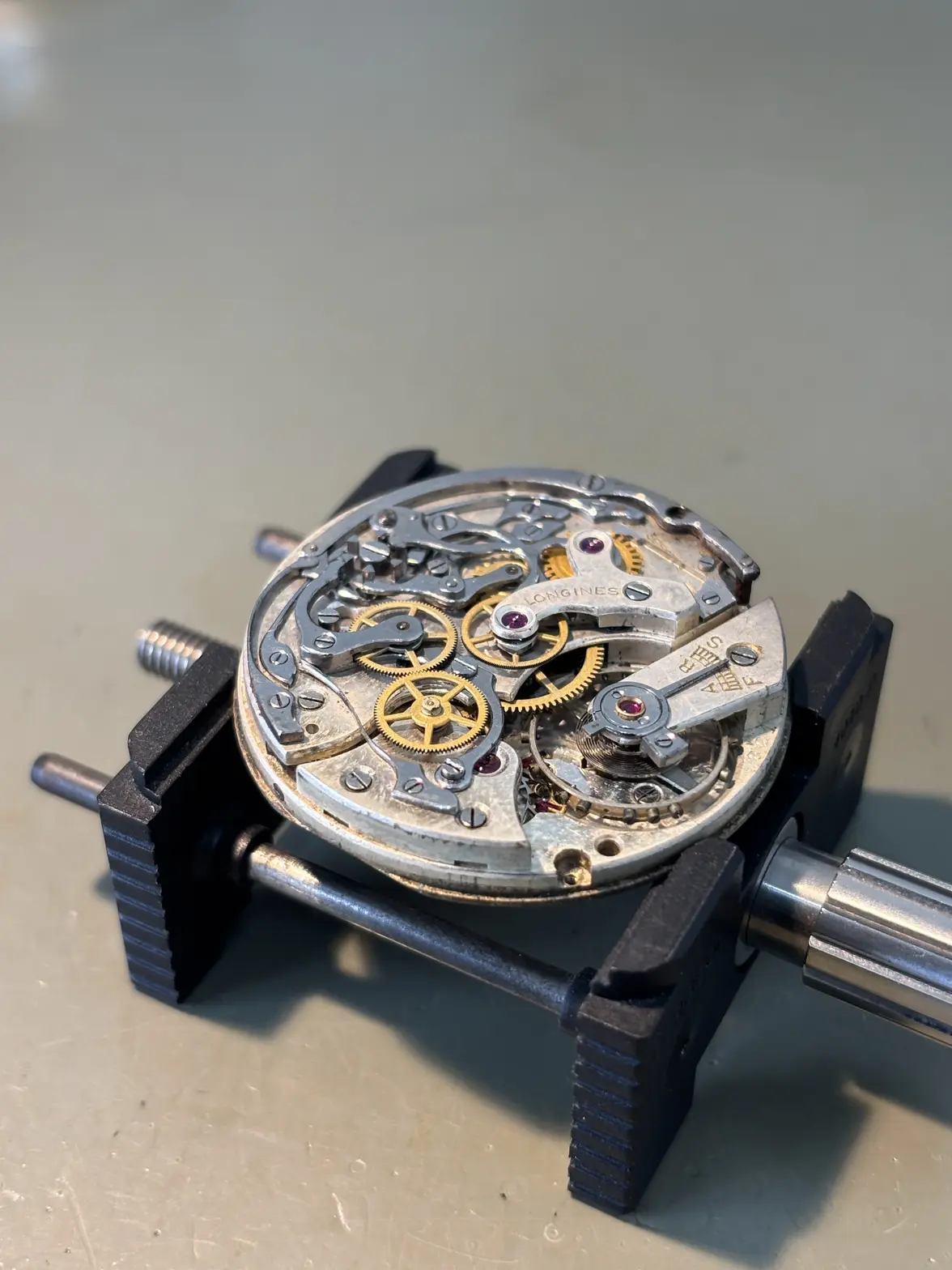
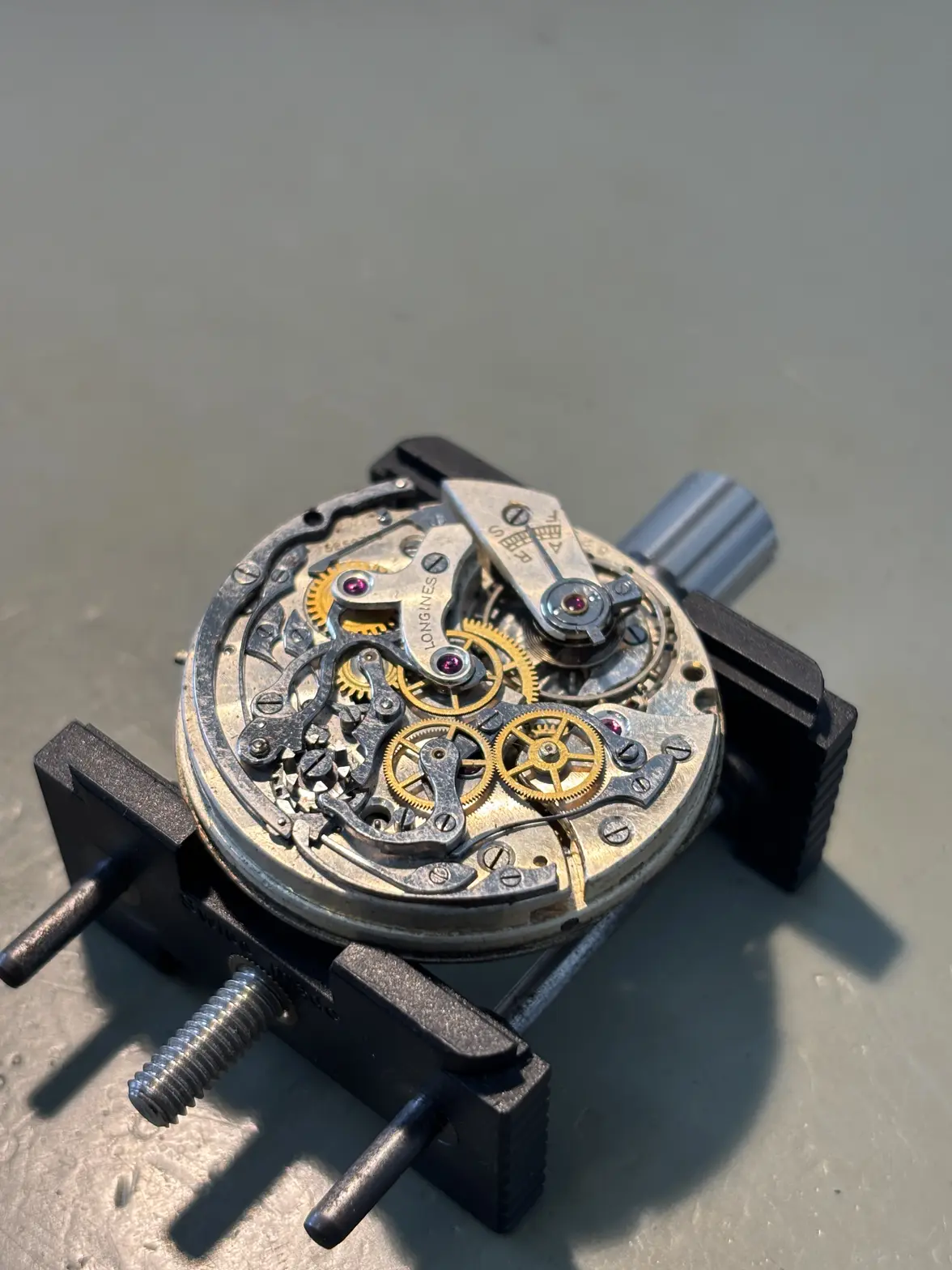
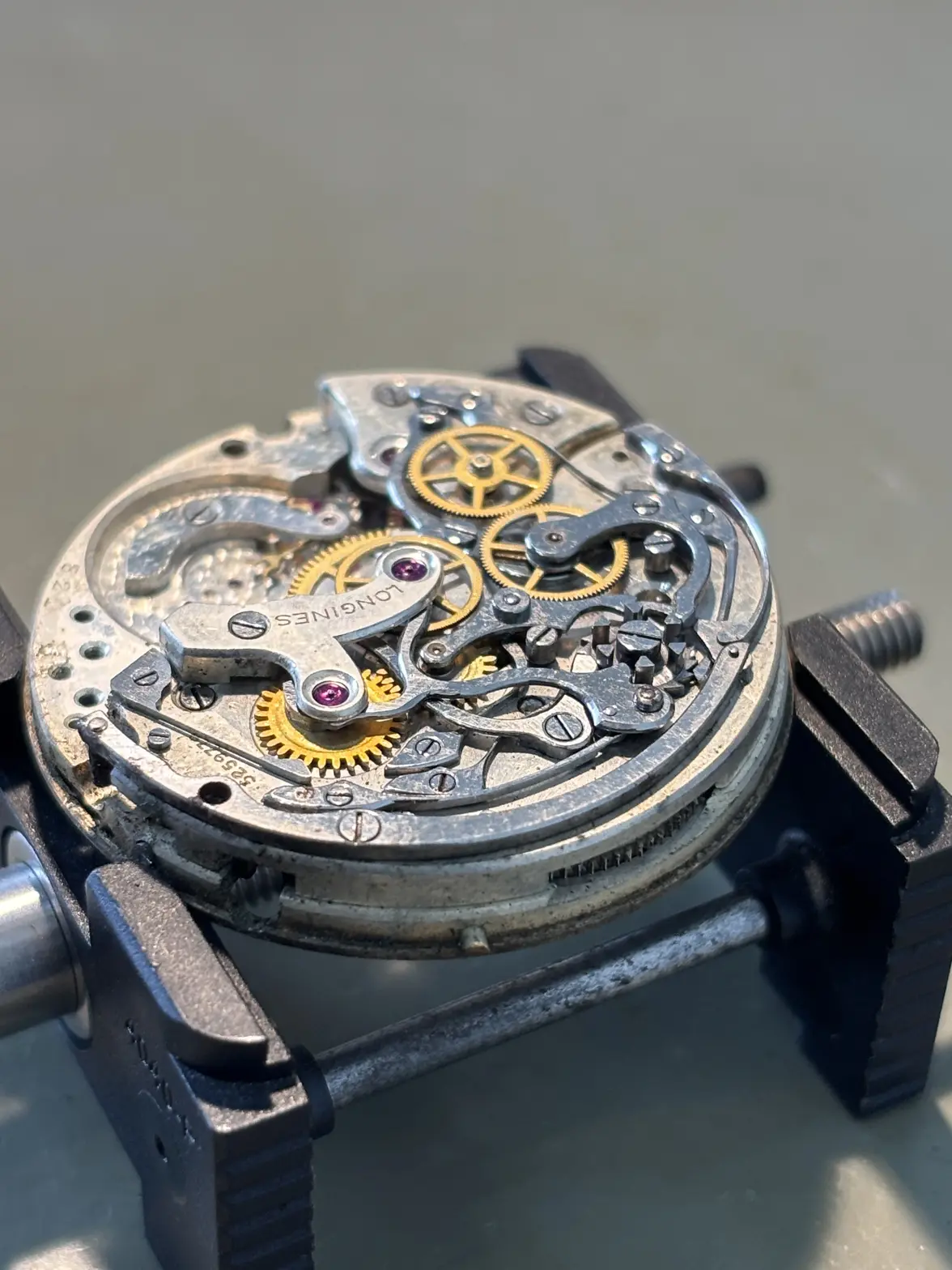
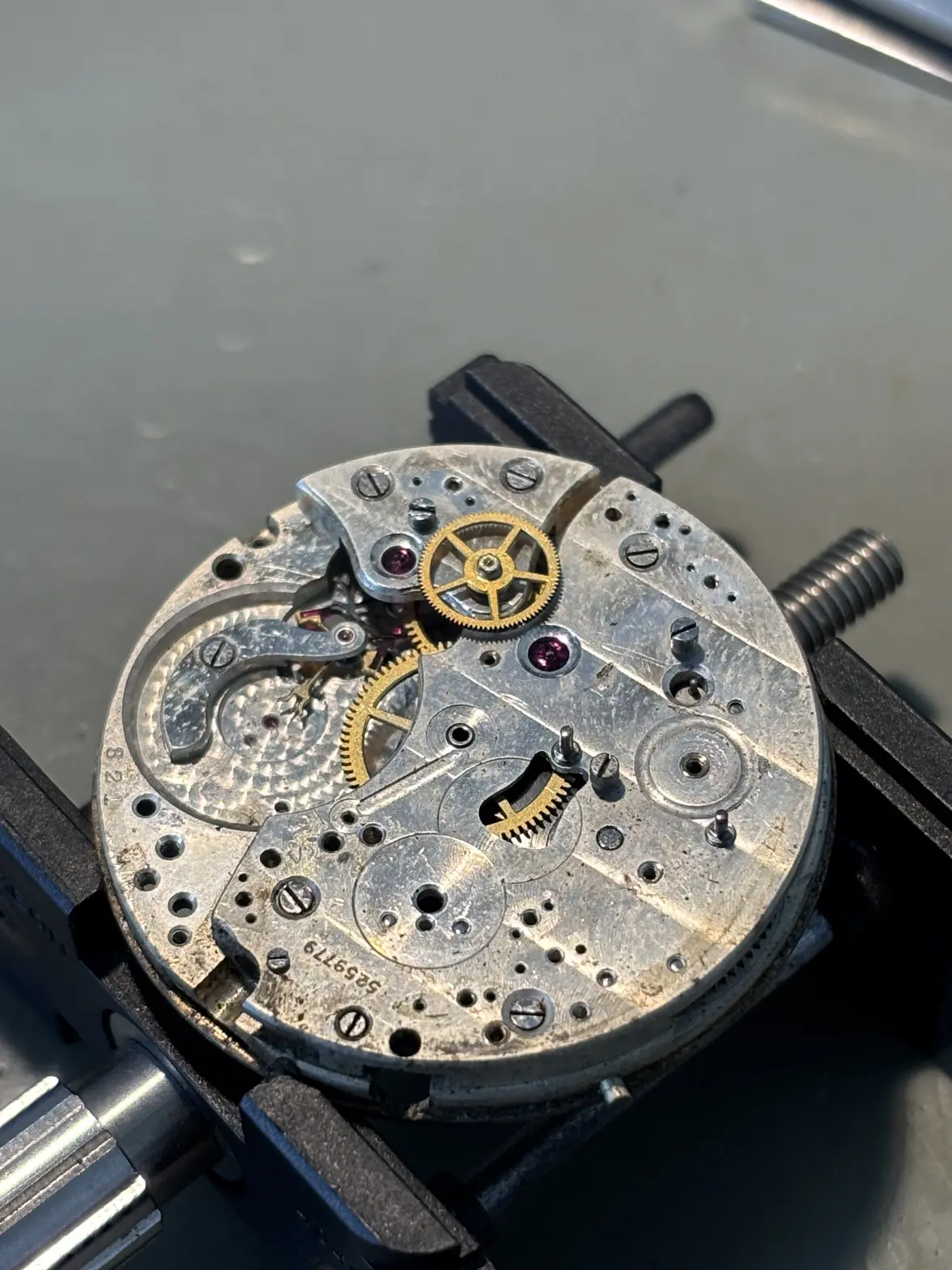
The watch is finally on the workbench!!
I will upload more photos along the way..

 
Posts
2,823
Likes
4,928
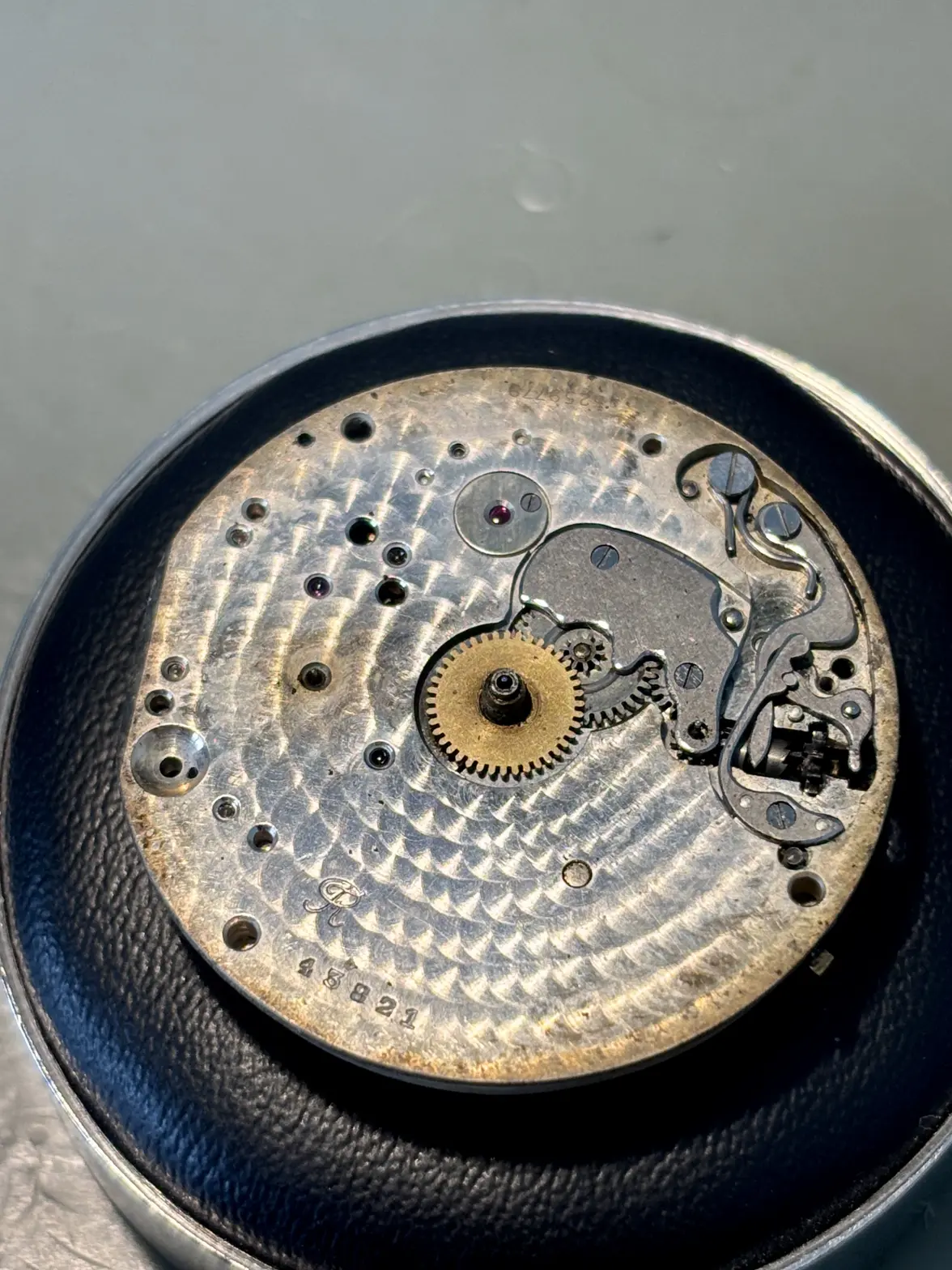
Thanks for the update! It is neat to see the dial side of the movement. I need to read up on the history of Valjoux again. The logo on your movement differs from the one found on later cal. 22 and cal. 23 movements. It seems as though the name change from Reymond Freres SA to Valjoux SA occurred not long before this movement would have been made. I also wonder about the five-digit number.
 
Posts
253
Likes
393
Thanks for the update! It is neat to see the dial side of the movement. I need to read up on the history of Valjoux again. The logo on your movement differs from the one found on later cal. 22 and cal. 23 movements. It seems as though the name change from Reymond Freres SA to Valjoux SA occurred not long before this movement would have been made. I also wonder about the five-digit number.
Now that the watch is disassembled I saw that the Longines serial number is stamped 5 times ( on 2 case backs, bezel, mainplate and train bridge) all matching😁
I believe the 5 digit number under the Valjoux logo is the Valjoux serial number. The same number or only the last 2-3 digits appear on many of the parts.

the case doesn’t has any maker marks, there is the Longines serial number on the 2 case backs and the bezel. One interesting thing that can be found on the case is the number 7. It is stamped on both case backs and the middle case. also there is a number 5 or 6 on the hinged case back.
 
Posts
2,823
Likes
4,928
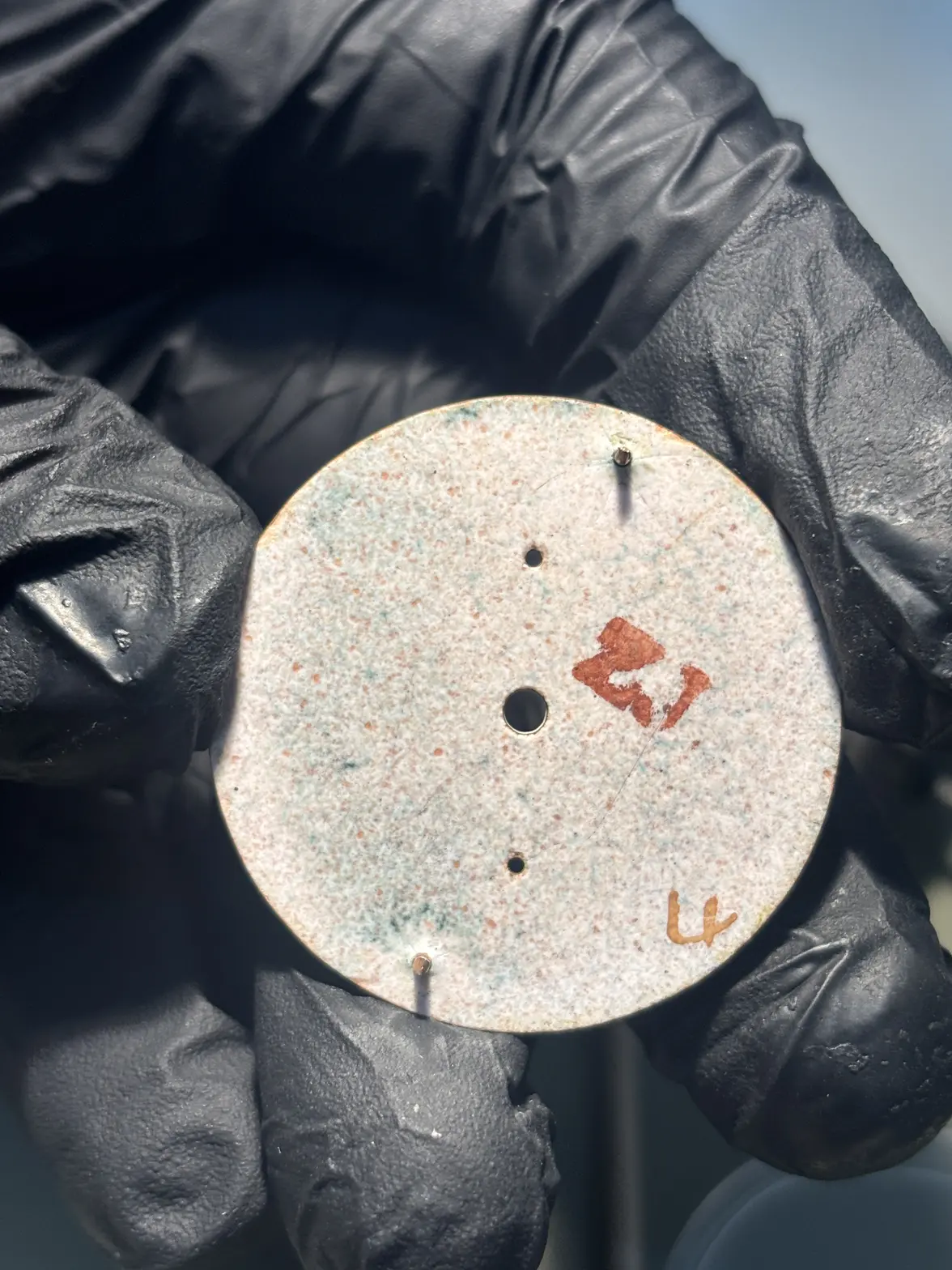
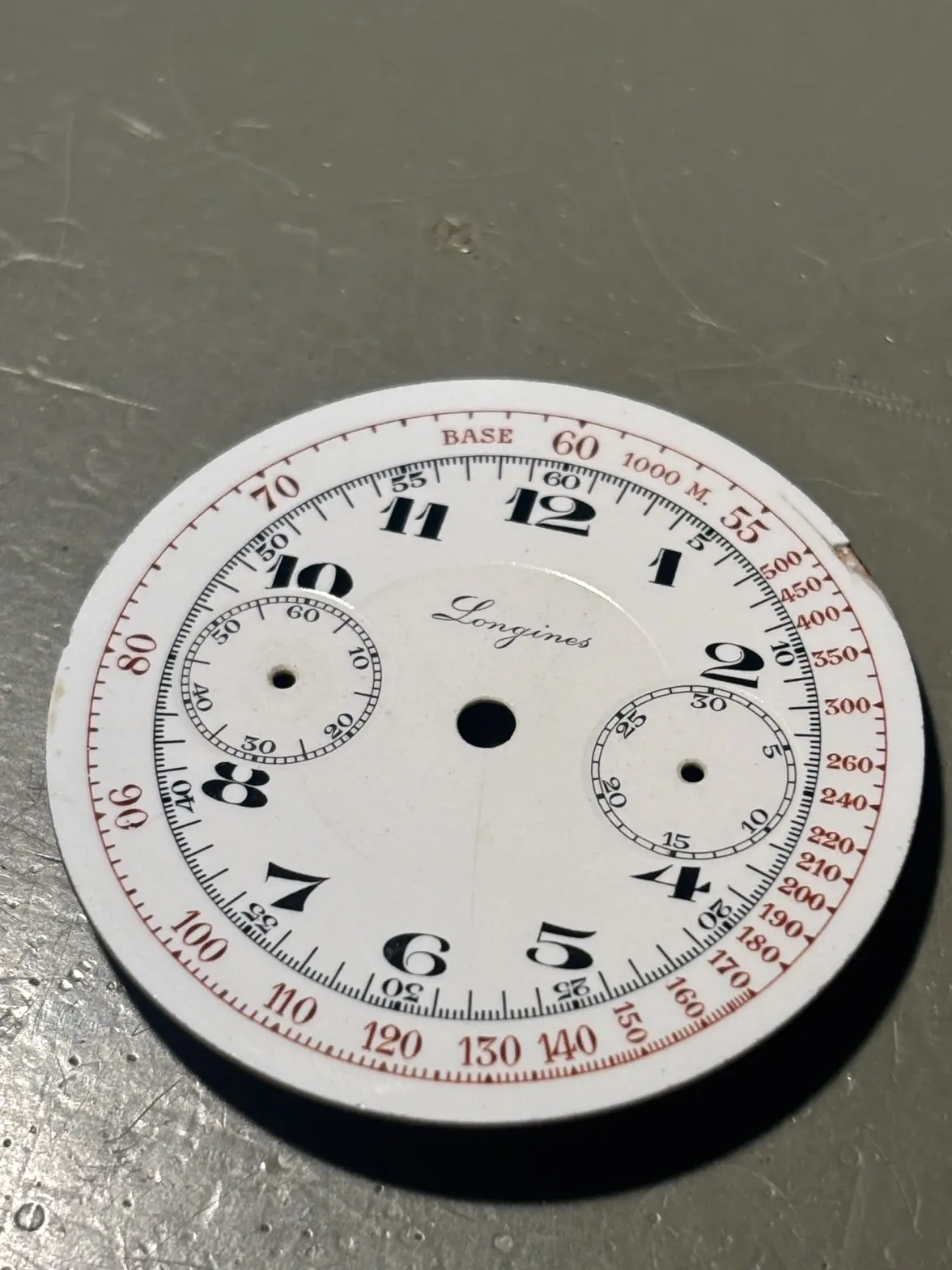
@AdamVT227 Great photos of the movement and dial! Both cleaned up very nicely. The ZJ mark on the back of the dial indicates that it was made by Fluckiger & Cie, which was a dial maker in the same town as Longines' factory (Saint-Imier).