- Posts
- 310
- Likes
- 521
Arancio601
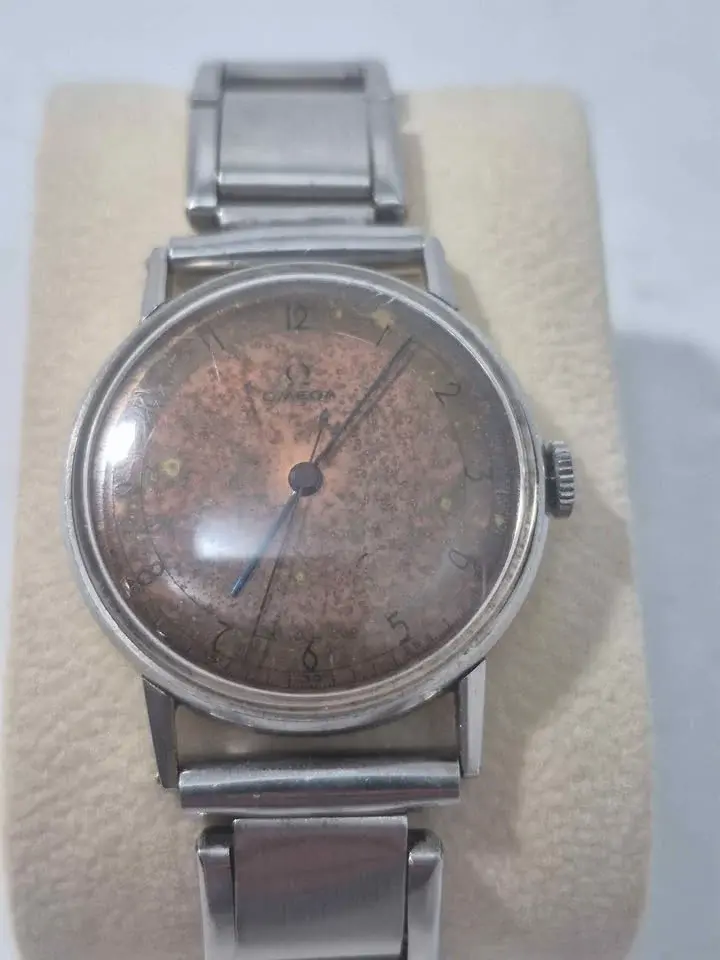
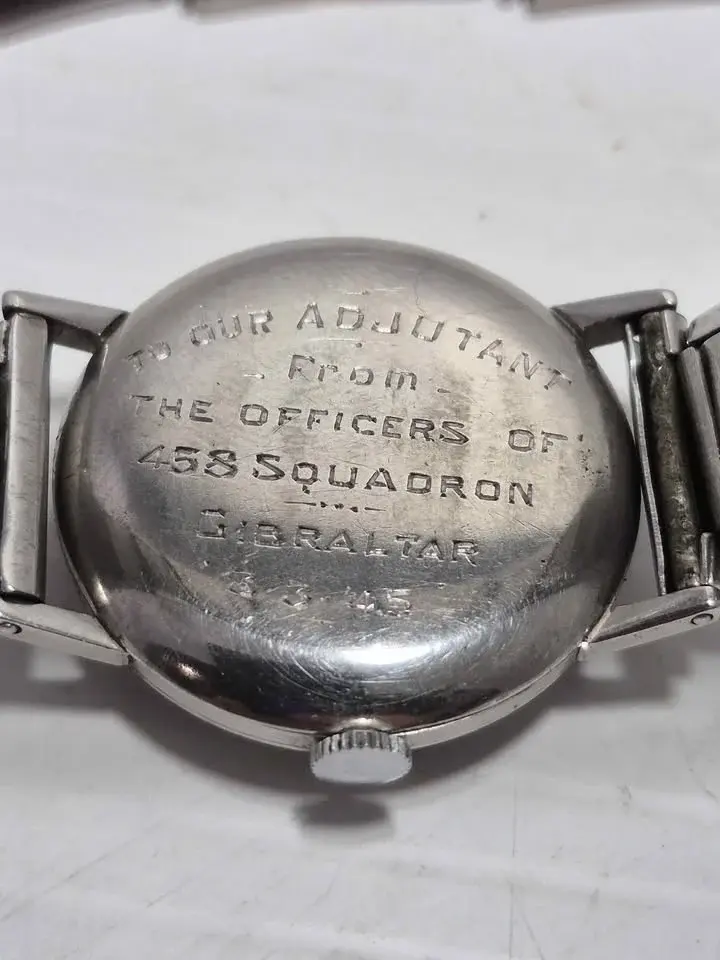
·Last year, I bought a vintage Omega, primarily drawn to it by the inscription on the case back. As a history enthusiast, I couldn't pass up a piece with such a specific provenance. The engraving reads: “To our adjutant from the officers of 458 Squadron Gibraltar 3.3.45.”
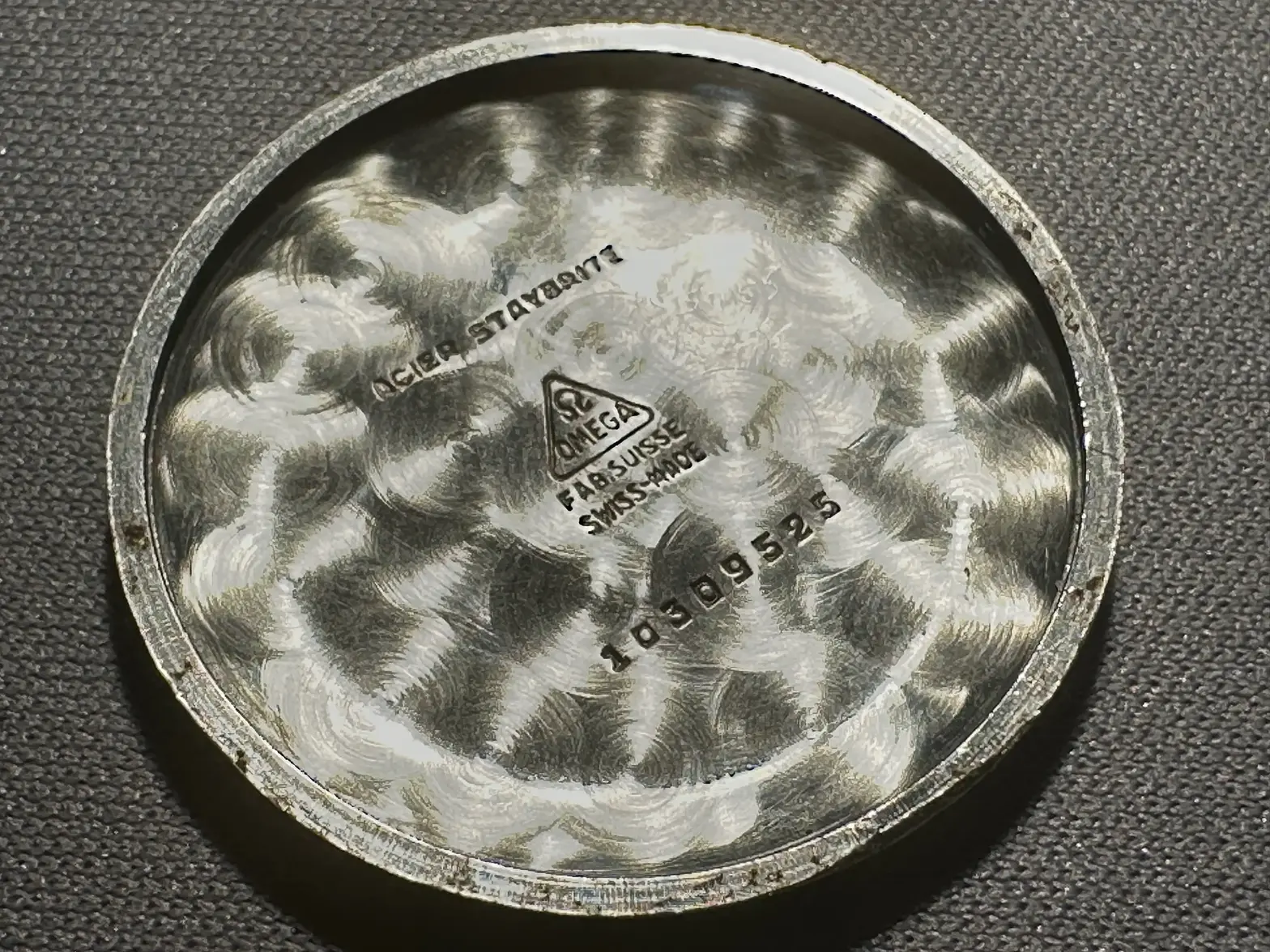
The 458 Squadron recently conducted their own research into the watch’s origins and published their findings in their November newsletter.
The man behind the inscription was Flight Lieutenant John Islip (255010). Originally from Deniliquin, NSW, John enlisted in March 1942. His service began in New Guinea as an Assistant Adjutant with 4 Squadron before he was eventually posted to 458 Squadron in Gibraltar. He served as their final Adjutant there until the unit was disbanded on June 9, 1945.
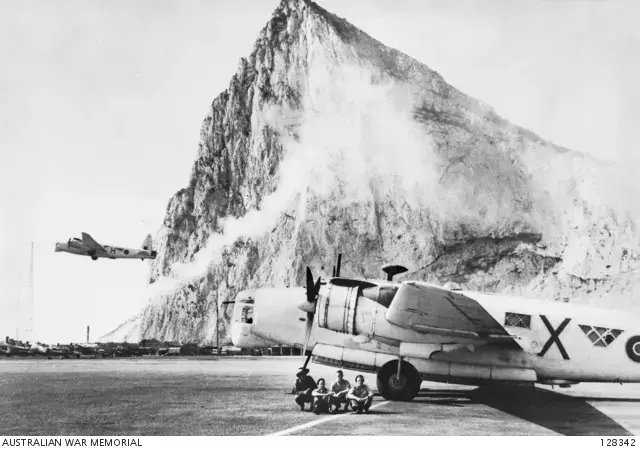
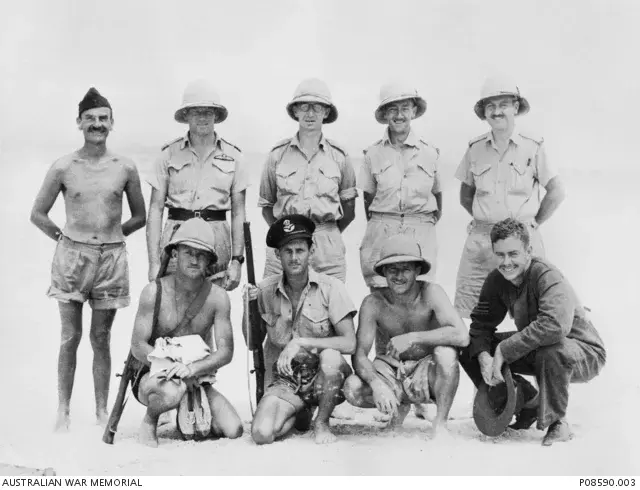
First photo is in PNG. That's him on the far left. Then in Gibraltar with the 458. In Egypt on his way to England and his medals.
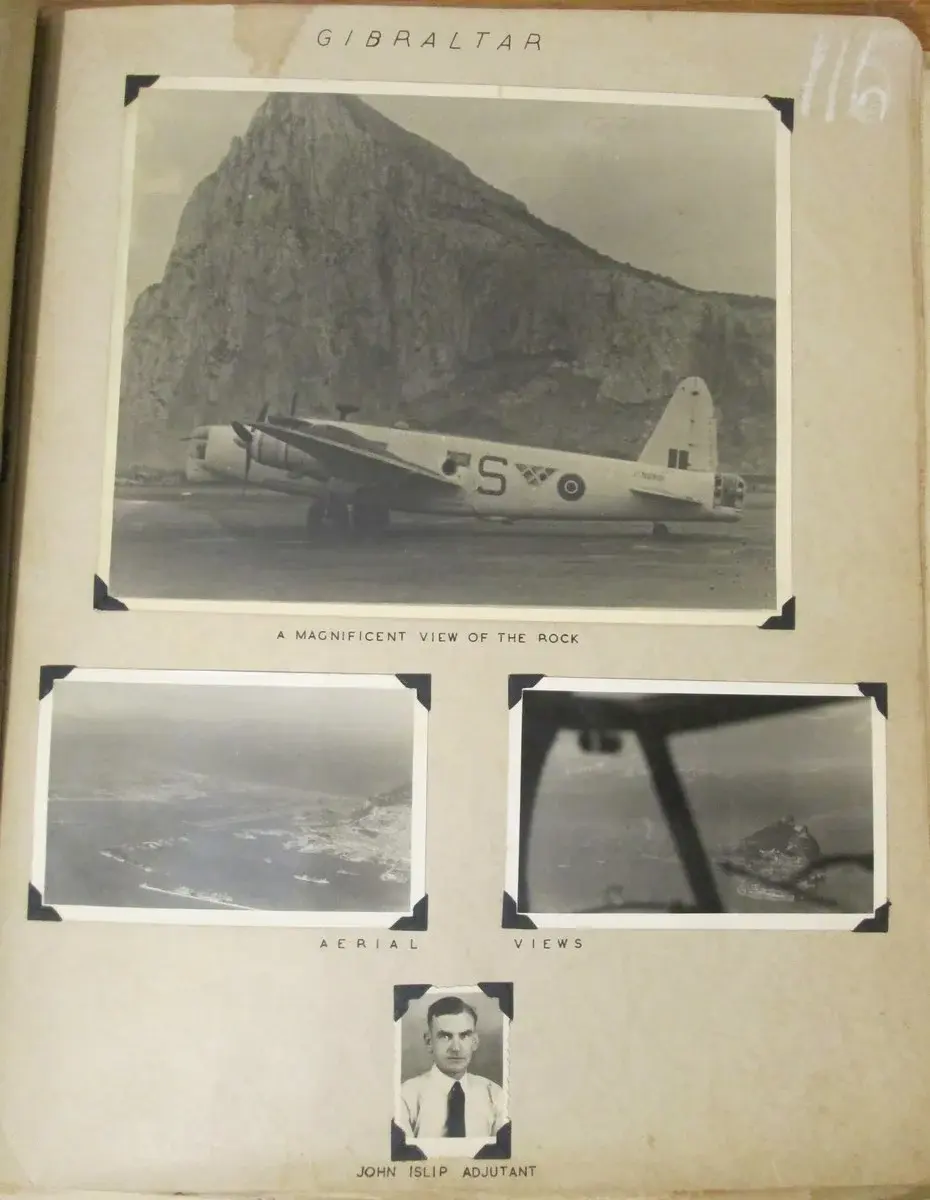
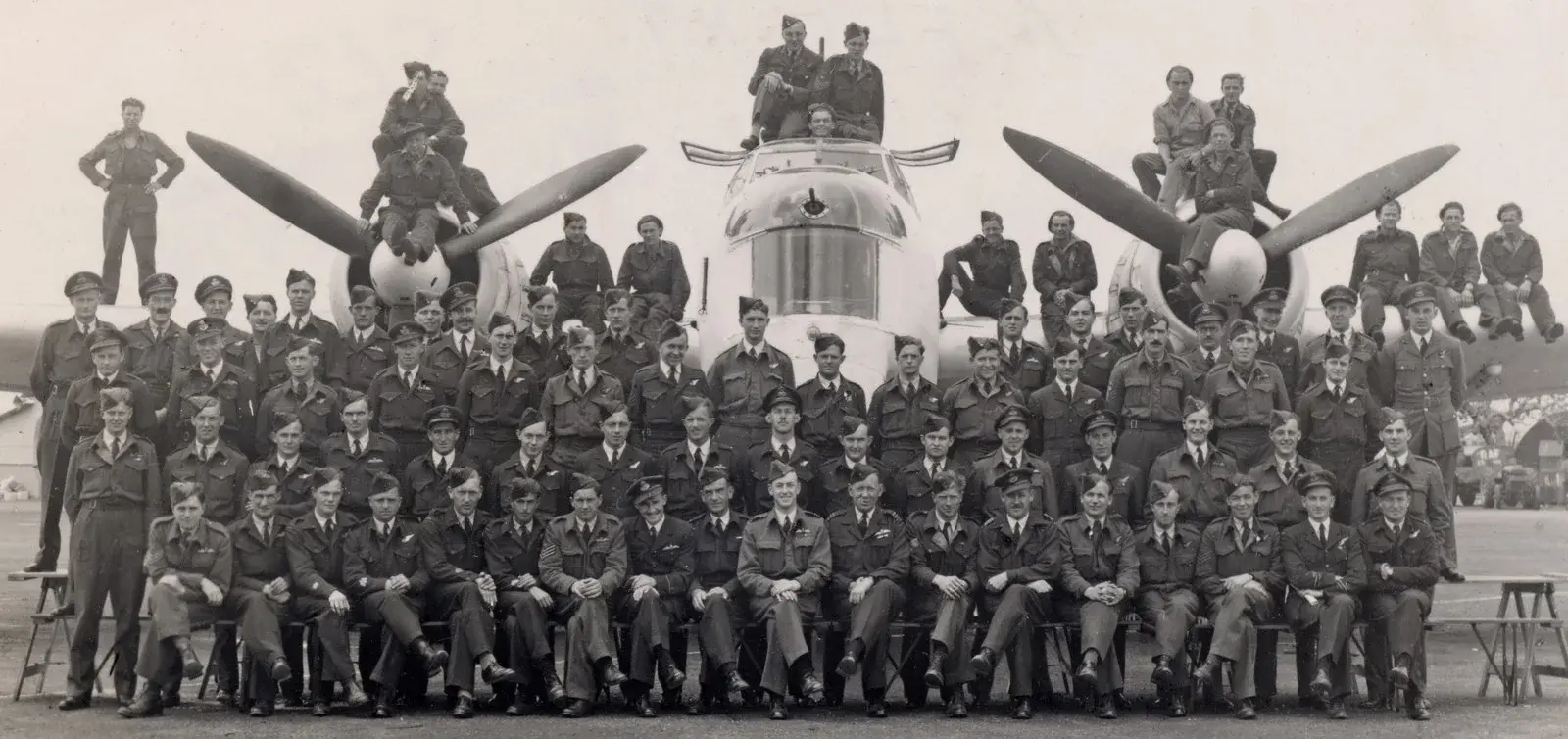
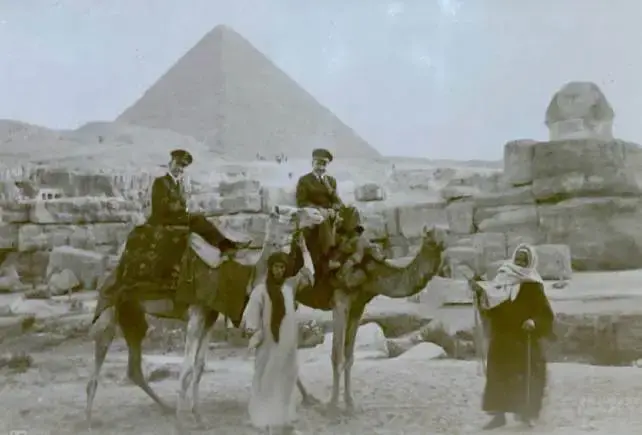
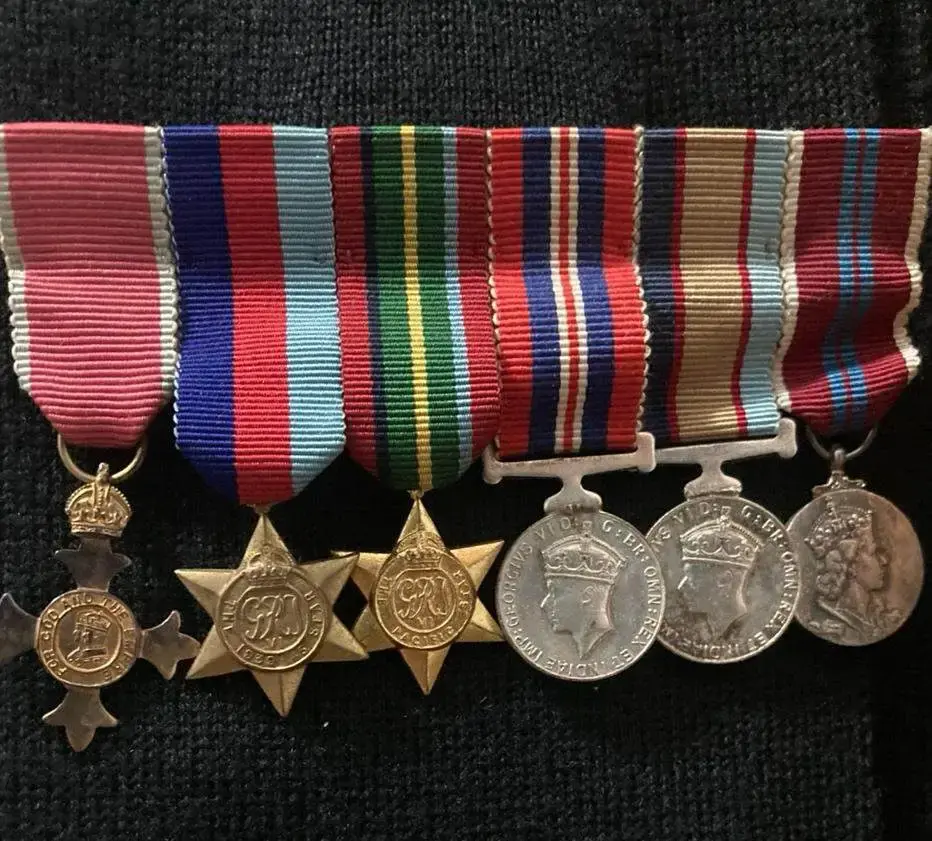
Following the disbandment, John was posted to England to help oversee the repatriation program. According to his daughter, Rosalyn, he served as the Commanding Officer for the operation, staying on until the very last group of Australian service members returned home.
A 1983 squadron newsletter highlights a particularly notable moment from John’s time in Gibraltar. He played a key role in organizing a "changing of the colours" ceremony performed by a specially trained squad from the 458. At the time, this was a significant event, as the ceremony was traditionally reserved exclusively for Royal Regiments.
After the war, John returned to East Malvern, Melbourne, with his wife, Hilda. (Interestingly, their home had been leased to the American military for the duration of his service.)
John’s was obviously a very organized fella. In 1963, he was awarded an OBE for his administrative services to the architectural industry. Before retiring in 1970, he served as the Secretary of the Royal Australian Institute of Architects—a detail I found particularly meaningful given the crossover into the professional field I work in today.
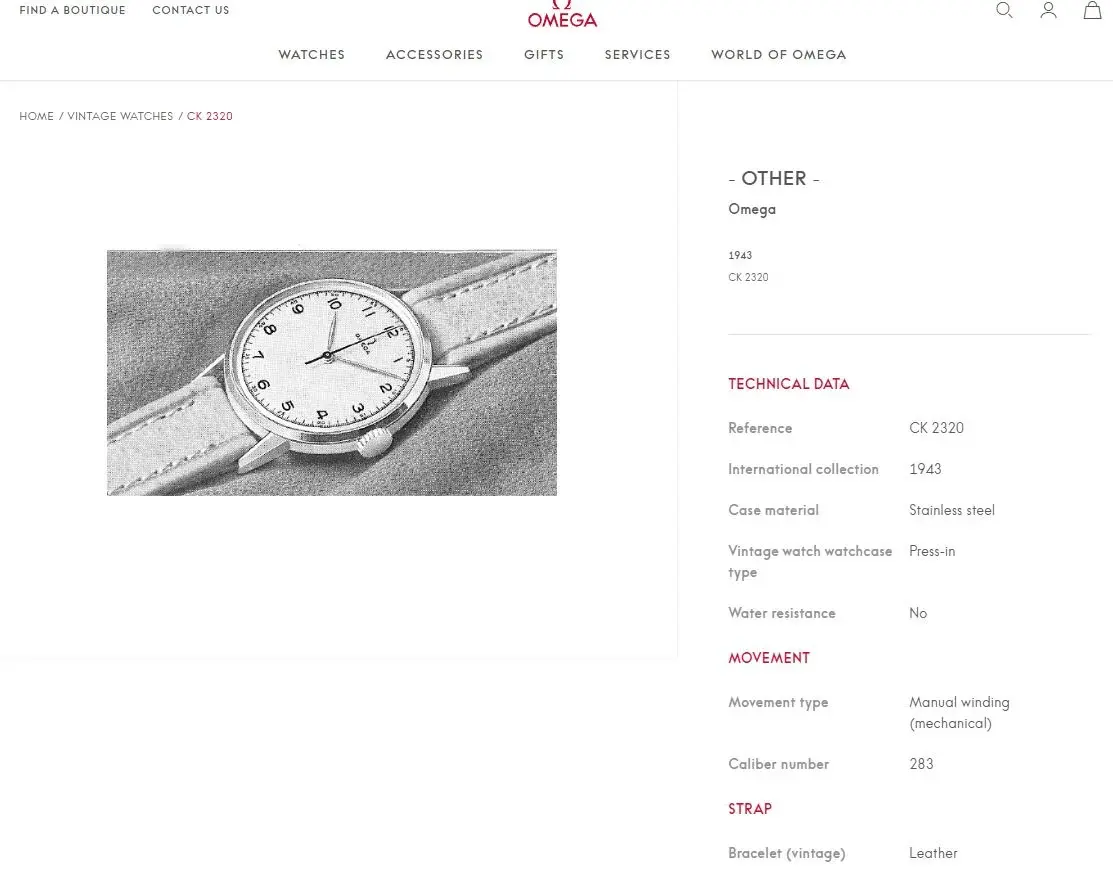
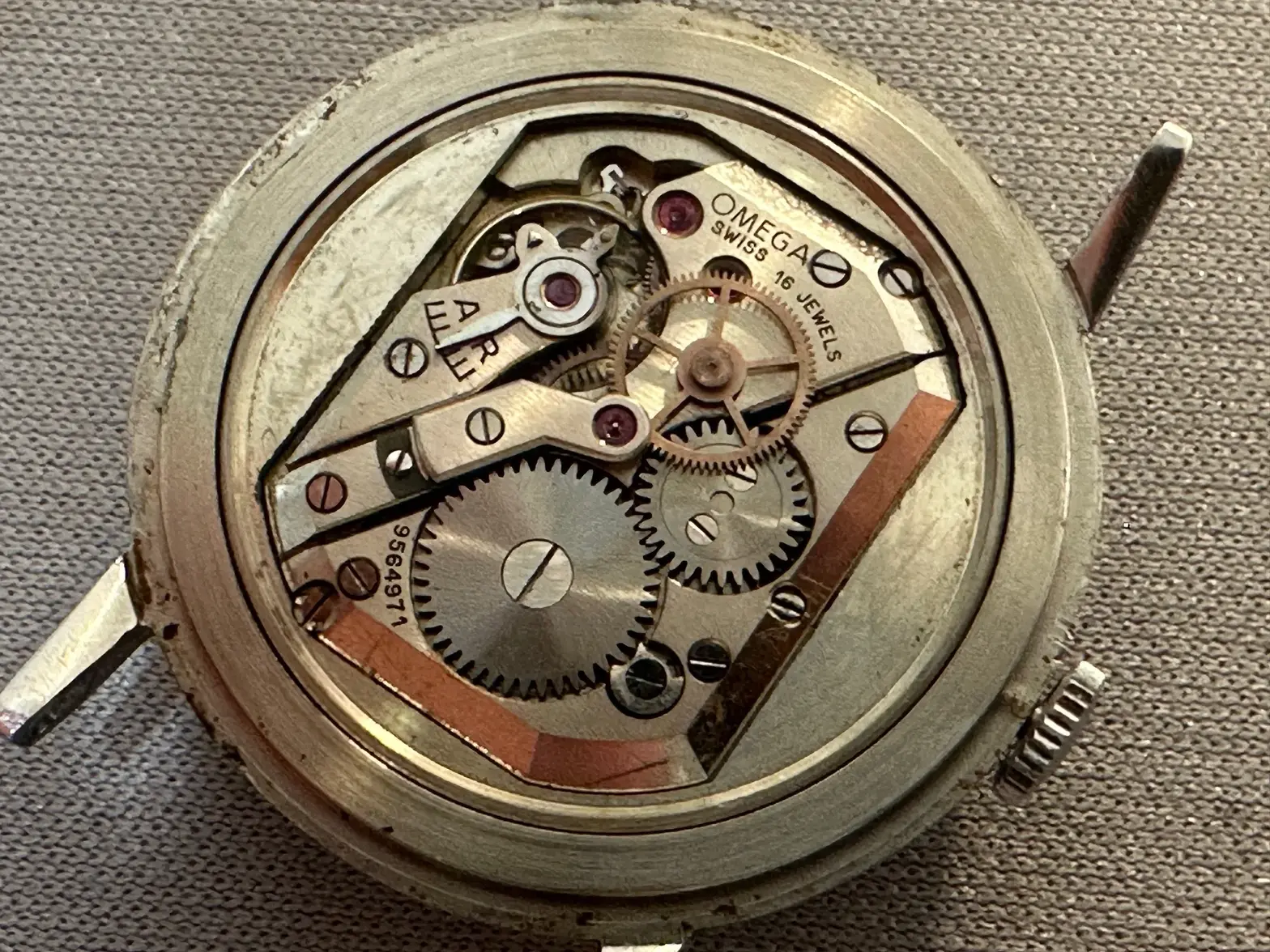
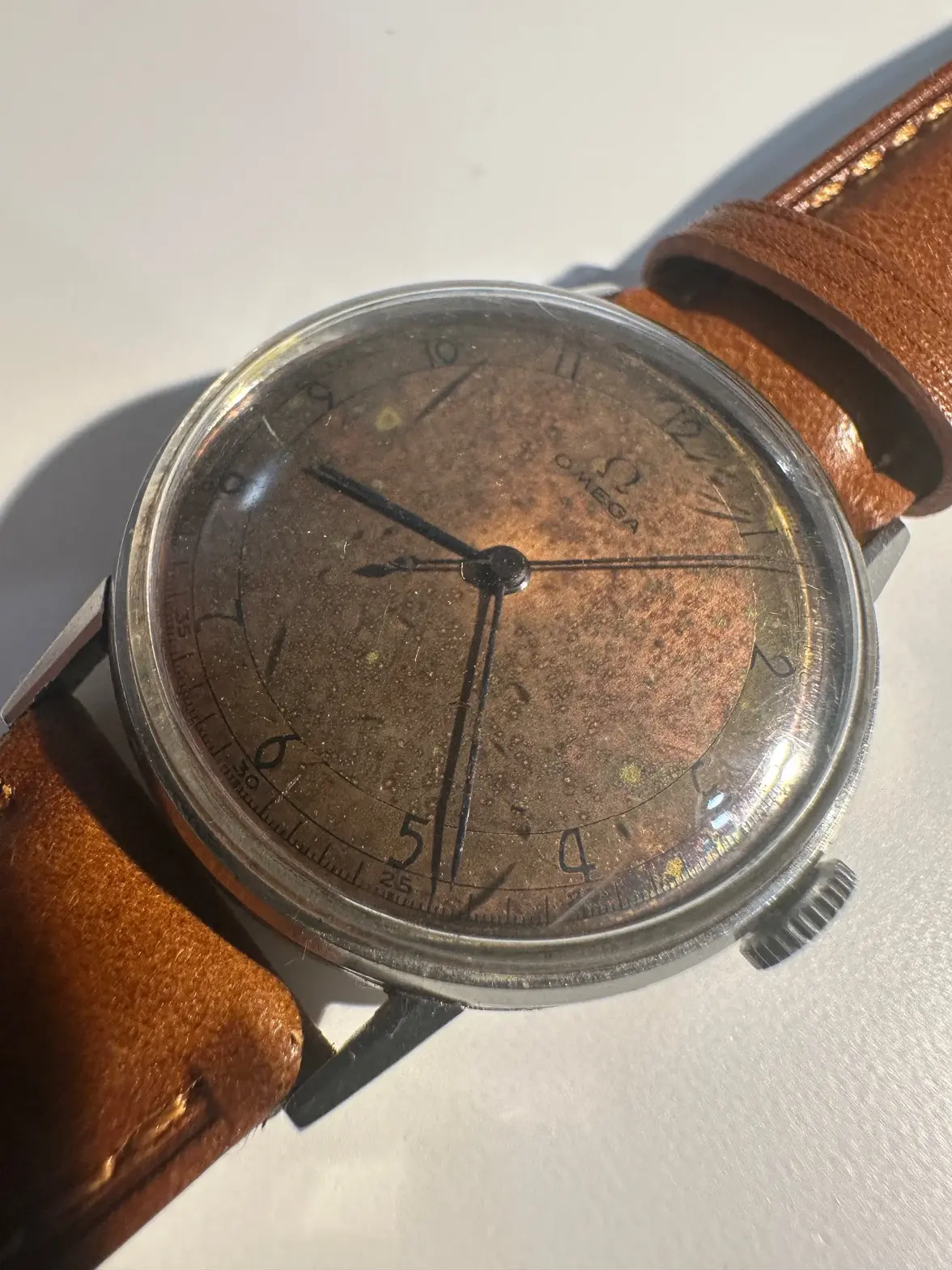
As you can see the dial is pretty 'tropical' 😜 . I'd love to know the reference. I struggled to find one with the same lugs and numeral font. It’s serviced and runs well.
The 458 Squadron recently conducted their own research into the watch’s origins and published their findings in their November newsletter.
The man behind the inscription was Flight Lieutenant John Islip (255010). Originally from Deniliquin, NSW, John enlisted in March 1942. His service began in New Guinea as an Assistant Adjutant with 4 Squadron before he was eventually posted to 458 Squadron in Gibraltar. He served as their final Adjutant there until the unit was disbanded on June 9, 1945.
First photo is in PNG. That's him on the far left. Then in Gibraltar with the 458. In Egypt on his way to England and his medals.
Following the disbandment, John was posted to England to help oversee the repatriation program. According to his daughter, Rosalyn, he served as the Commanding Officer for the operation, staying on until the very last group of Australian service members returned home.
A 1983 squadron newsletter highlights a particularly notable moment from John’s time in Gibraltar. He played a key role in organizing a "changing of the colours" ceremony performed by a specially trained squad from the 458. At the time, this was a significant event, as the ceremony was traditionally reserved exclusively for Royal Regiments.
After the war, John returned to East Malvern, Melbourne, with his wife, Hilda. (Interestingly, their home had been leased to the American military for the duration of his service.)
John’s was obviously a very organized fella. In 1963, he was awarded an OBE for his administrative services to the architectural industry. Before retiring in 1970, he served as the Secretary of the Royal Australian Institute of Architects—a detail I found particularly meaningful given the crossover into the professional field I work in today.
As you can see the dial is pretty 'tropical' 😜 . I'd love to know the reference. I struggled to find one with the same lugs and numeral font. It’s serviced and runs well.
Edited: