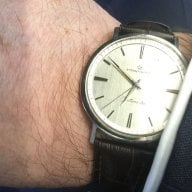
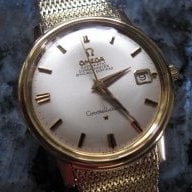
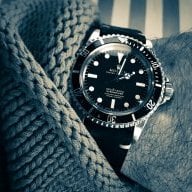
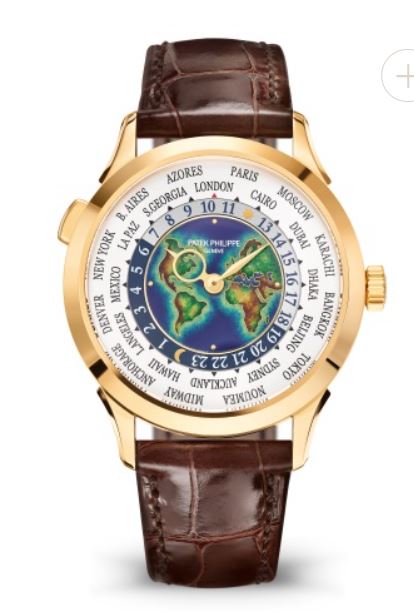
Ok, firstly, HUGE disclaimer before making my post: I am not into this hobby of wristwatches because I see them as an investment, but truly because I see them as something closer to pieces of art, tangible examples of what craftsmanship and ingenuity can yield and/or a romantic connection to countries that are dear to my heart.
Ok. Having made this important point, I would then argue that, clearly, some people have been able to make (very) successful investments into collectible (as defined by "the ones that appeal to the market and generate demand") watches.
Whether it was because these investors were prescient, savvy, lucky or cunning (these who manipulate the market by creating artificial scarcity, eg), no matter what, one can not argue with the fact that the prices of many luxury watches have significantly increased over the last 10 years or so (which among other thing, is correlated with the ever more readily available information on these pieces, the advent of social media and the never ending wealth gap at the top -stimulated by low interest rates-).
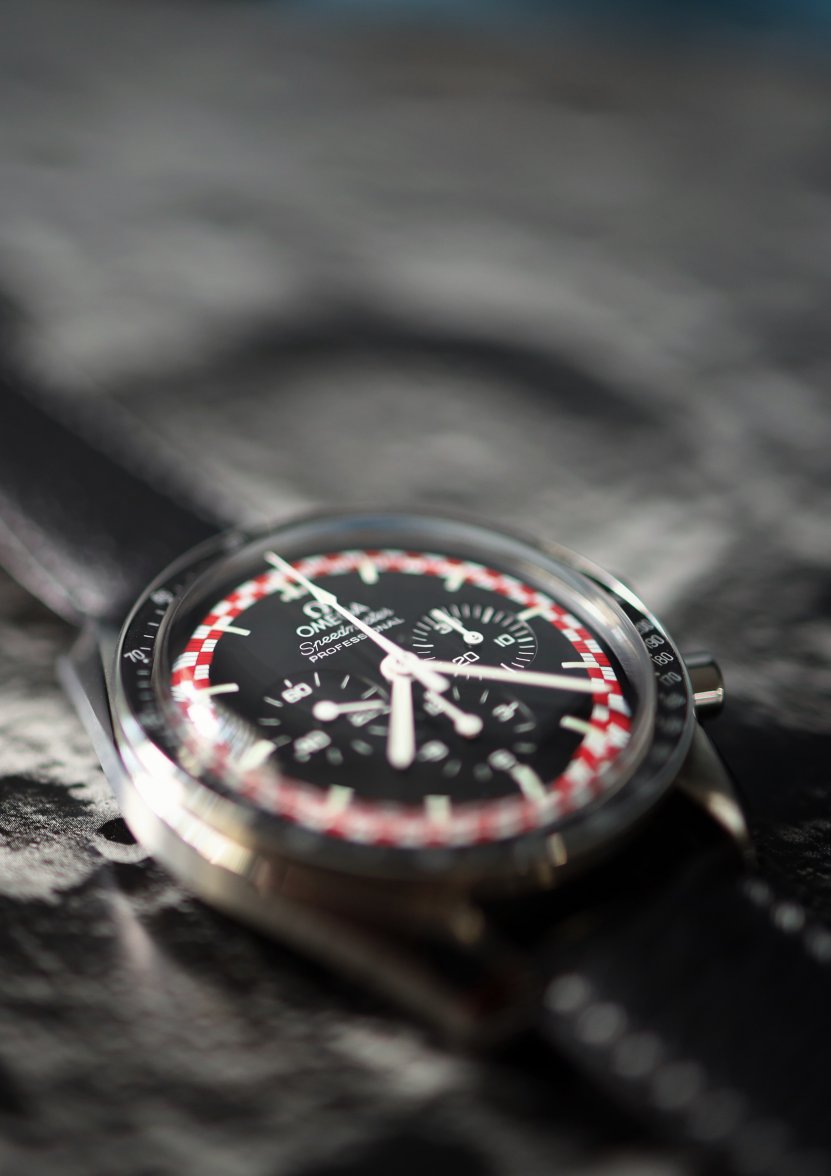
And I am not just talking about Rolex watches, although that is one of the obvious examples, I am talking about almost universally across the board, sadly, including the mighty Speedmaster.
So, whether we like it, or not, watches can be an investment for some and it is undeniable that they can be treated similarly to stocks, collectible cars, commodities, etc.
So what could influence some "positions" to climb, while others will fall? THIS is OP's question (at least IMO).
To add and build on what others have said before, here are some elements that I do believe will influence the prices of wrist watches:
- aesthetic quality of design: I think this is self explanatory... but beauty is in the eye of the beholder... so go to the next point...
- Tastes (of collectors/buyers) do change: From bubble backs, to pocket watches, to yellow gold watches, to two-tone watches, to steel sports watches today, there clearly have been trends (and I am sure that the long timer on this OF will be able to point to other trends I will have missed). Interestingly, these trends may be cyclical, so up to you to define the period or frequency they cover, but also up to you to define what may be able to disrupt the trends.
- Top horological quality as defined by high end complications and/or quality of finishing, does not seem to ever go out of trend, and though, the holly trinity brands and today some indépendants watchmakers, always seem to be the ones that stay on top long term.
- (perceived) Rarity. No need to say more, but models for which a very limited and finite number of examples exist, for example, will likely command a higher price than a model that is readily available. Besides the number, it could also be due to the materials used, etc.
- Popularity as in: worn by a celebrity (eg, Paul Newman), linked to a historical moment (eg, Moon landing), linked to a popular sport (eg, Submariner), emblematic of a lifestyle that people are trying to live through (eg, dive watches or GMT watches, military watches, etc).
- Purchasing power of a generation vs. What was cool when this generation grew up: goes back to the cyclical nature of most collectibles.
...and probably more, but I need to go sleepies now. 😁