To be or not to be: Patina or Damage

Posts
6,598
Likes
26,722
Hey everyone!

(Edited: I have edited the title as this thread has taken a fascinating turn. With that, what is your take on patina and damage?)

I was watching YouTube and I had a random thought: with patina becoming increasingly sought after in collector watches, why do safe queens exist? Now, I know patina goes with vintage (vintage safe queens), and modern watches will never patina the same way vintage watches would/have done (modern safe queens), which led me to my next question(s)- Why do safe queens exists and/or why own a watch that will rarely (if ever) see the light of day? I know that question is blunt but keep I mind that context is often removed in text. I am genuinely curious and have always been fascinated with how people think. This question isn't to pass judgement as we all have our own reasoning and they are all valid. As you might have gathered, I like to wear the watches I own but I also don't own anything that holds a substantial value both financially or sentimentally... Anyways, I would be fascinated to see your reasons! Thank you
Edited:

 
Posts
1,579
Likes
15,222
My safe queen is my grandfather's WWII Elgin watch. It's still 100% original, which is rather unusual for these watches as they weren't often thought of as heirlooms until it was too late to save the crystal at a minimum. If it wasn't so damn small, I'd wear it. But between the age, being scared to damage the crystal (more than it already is) and the tiny diameter, it just stays put up for the most part.

I wear everything else.
 
Posts
2,520
Likes
17,832
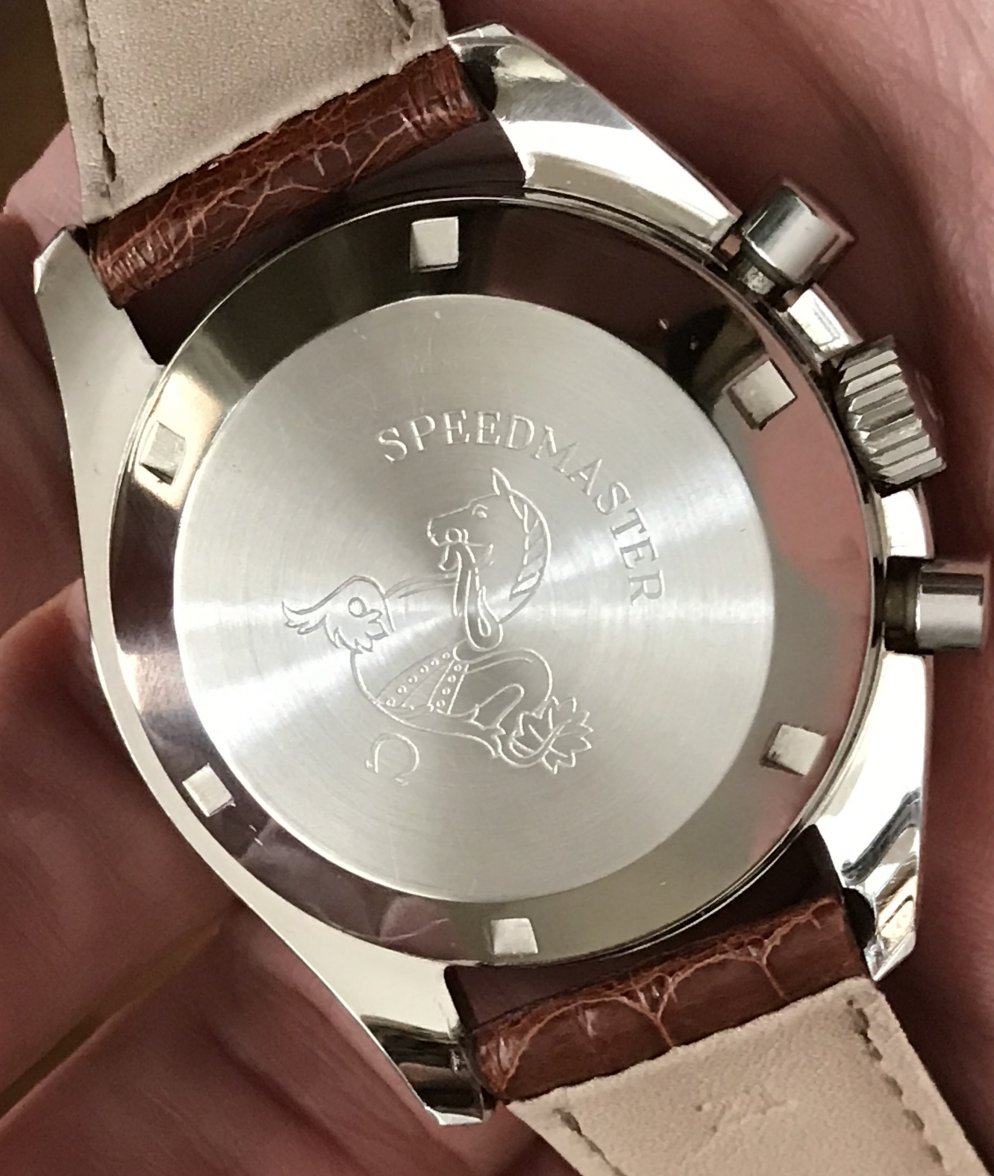
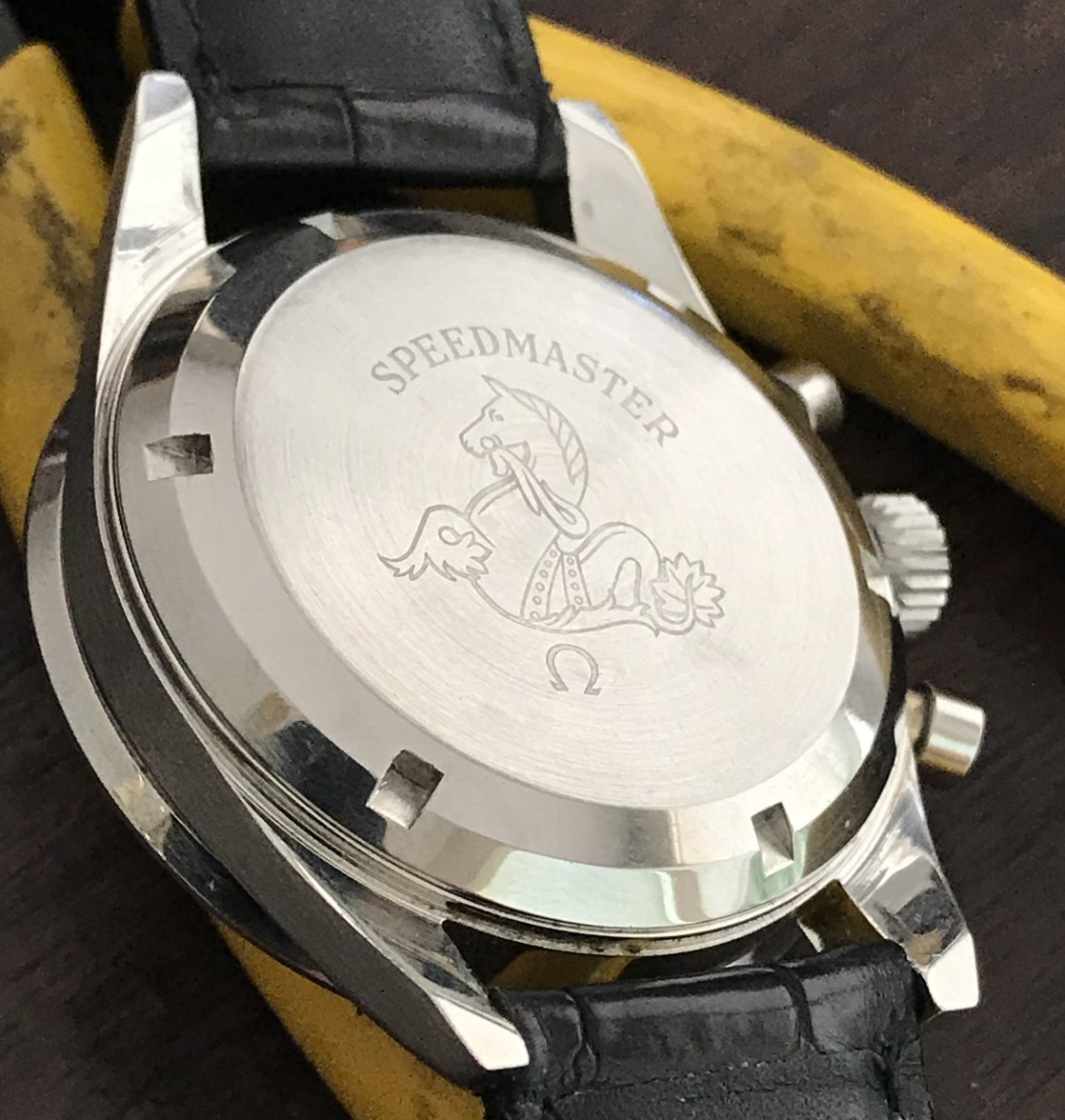
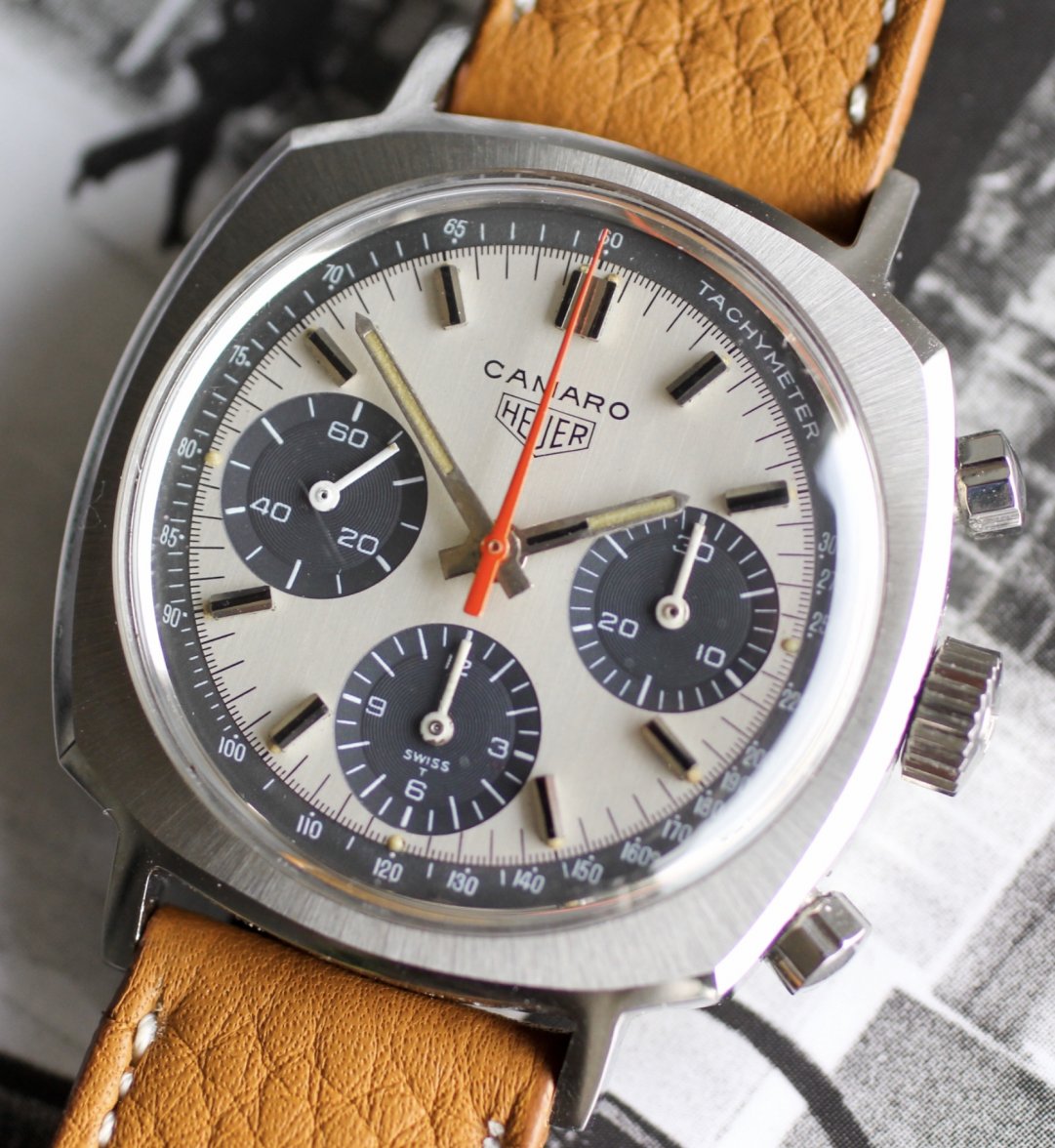
A few picture are worth more than a written explanation.


Really, really, really nice can be a burden as well as a joy.

Edited:
 
Posts
16,307
Likes
44,994
I personally don’t own any watches that don’t get worn, but as a collector (and archivist by nature) I appreciate being able to have access to (via crazy collectors like in this group) reference examples by which all others can be judged. If not for safe queens, we wouldn’t know what a true factory finish looks like, or what stickers may have originally come on the back of a watch when new, or what a full set of paperwork looks like. These references allow us to have a constant in a sea of variables on the second-hand market. I think it takes a certain kind of personality to be a reference owner- your pride is in the stewardship and not necessarily in wearing it. But I’m willing to bet that most reference owners have duplicate references that are in 98% condition that get worn regularly.
Where I see lunacy is people buying beaters (yes, a clapped out 1675 may be worth $20k, but’s it’s still a beater) and treating them like safe queens- you can’t un-fry that egg so just wear the thing and enjoy it.
 
Posts
5,071
Likes
15,650
1. Patina has got nothing to do with safe queens. In fact, quite the opposite. Patina goes with age, and watches being worn and exposed to the elements...and most often flaws in the material that degrade over time/elements etc.
2. Safe queens exist because someone a long time ago bought something, and for whatever reason never wore it and kept it in a safe, and maybe forgot about it for many many years (or didn’t forget, but porcrastinated)
until a certain time when they finally decided to move it on (perhaps due to sudden value increase). From my experience, watches like that do not have patina, and are almost factory fresh/new. Perhaps the radium ones (that can burn dials if the hands are inert for a long time) darkened in the lume, but the tritium ones are quite fresh...
3. Nobody can say that modern watches will never patinate. It might even be that modern ones with pigments in the lume could patinate more than pure white one. It will require at least 30/40/50+ years from now of all current modern watches to have lived different lives (some safe queens, some daily grinders, some in tropical climates and seeing the sun everyday, some not being serviced and getting moisture in etc etc etc) before we can have a varied enough range of samples to make such assertions. I don’t think most of us will be around then I’m afraid.
4. Owning a safe queen ... everyone has their reasons. I’d like to think that the preservation condition Is a rarity in itself and to some that brings a certain pleasure of ownership. After all, they are nowhere really to be found...and watch collecting is 75% about the hunt...
5. All my humble 2c opinion. Please don’t quote me.
 
Posts
1,396
Likes
2,706
A few picture are worth more than a written explanation.


Lovely, absolutely lovely, but why not wear it?

Watches were built to be worn and to be put in the face of danger, it goes without saying that this watch appears as new as the day it left the factory and this in many respects answers the question, but what makes us do this, why do we put these mechanical marvels away out of sight, locked into safes or security or safety deposit boxes and consigned to darkness?

Surely these beautiful timepieces deserve to be out and about, seen and admired on the wrists of their lucky owners.

Because the watches I buy are bought to be worn I don't understand the need to have these 'Safe Queen' watches, but for others having these rare/unique/mint watches is a key part of why they collect watches.

We are all different and nothing in this weird world of watch collecting is right or wrong, even a wrong bezel or hands on a watch is meaningless if the owner is oblivious, unaware and loves their watch.
 
Posts
6,598
Likes
26,722
A few picture are worth more than a written explanation.


Really, really, really nice can be a burden as well as a joy.


This is stunning and absolutely fits with


If not for safe queens, we wouldn’t know what a true factory finish looks like, or what stickers may have originally come on the back of a watch when new, or what a full set of paperwork looks like. These references allow us to have a constant in a sea of variables on the second-hand market. I think it takes a certain kind of personality to be a reference owner- your pride is in the stewardship and not necessarily in wearing it.

these two posts definitely gave me a new appreciation
 
Posts
6,598
Likes
26,722
All my humble 2c opinion.

Everything you said was true. I guess what I meant with patina is for some vintage watches (Rolex sub/gmt/daytona, Tudor sub, Omega Speedy) patina drives the prices through the roof. I know not every one of these vintage watches become safe queens but largely they do (just from threads, blogs, videos, and other sources I have seen). I just watched 12 auctions at Bob’s Watches for vintage Rolex’s and most were subs with one Paul Newman. The subs/gmt all had heavy wear And sold for just under $50k usd with the Paul Newman selling for 200k usd. I couldn’t help but wonder how many of those would be placed in a safe, which, I guess this is how I was feeling haha:


Where I see lunacy is people buying beaters (yes, a clapped out 1675 may be worth $20k, but’s it’s still a beater) and treating them like safe queens- you can’t un-fry that egg so just wear the thing and enjoy it.

why put a heavily beat up watch in a safe? It’s already beat up. I personally love patina and would love to look at it on my wrist but I know the flip side of it, is there are people that see it as an investment...

To patina and modern transition- I guess my mind hadn’t fully processed what I was thinking and I wasn’t too clear. Really my mind was going from vintage safe queens to modern safe queens and wondering why buy a modern watch to put immediately into a safe? This group (modern safe queens) might be in the minority but I have seen posts on the web of people buying a new Daytona and putting it in a safe. I am pretty sure I saw in the private sales group of this thread, someone with a speedy wanting a very high price, bumping it for a while, and saying something like- I guess I’ll be putting it back in the safe for a while. I’ve looked at so many watches for sale that I can’t remember if that speedy was modern or vintage, but I guess I don’t understand that mindset (yet?). I have seen one speedy ultraman or other LE’s become safe queens and that’s my original question- why buy a watch and put it straight into a safe? At least for me something in a safe won’t bring me joy (and everyone is different) because it’s out of sight out of mind. Why own it? Also, since I wasn’t supposed to quote you 😜 none of this is directed at you but elaborating on my initial questions.
 
Posts
907
Likes
1,294
Not to.

That's why i can't buy a watch that is NOS and just look at it in the safe. I have to wear it!....and knowing myself would not be a NOS anymore very very soon 🙁
 
Posts
5,636
Likes
5,810
I need to find a filter that automatically replaces "patina" with "damage" on this site. 😁
 
Posts
7,682
Likes
14,205
I need to find a filter that automatically replaces "patina" with "damage" on this site. 😁
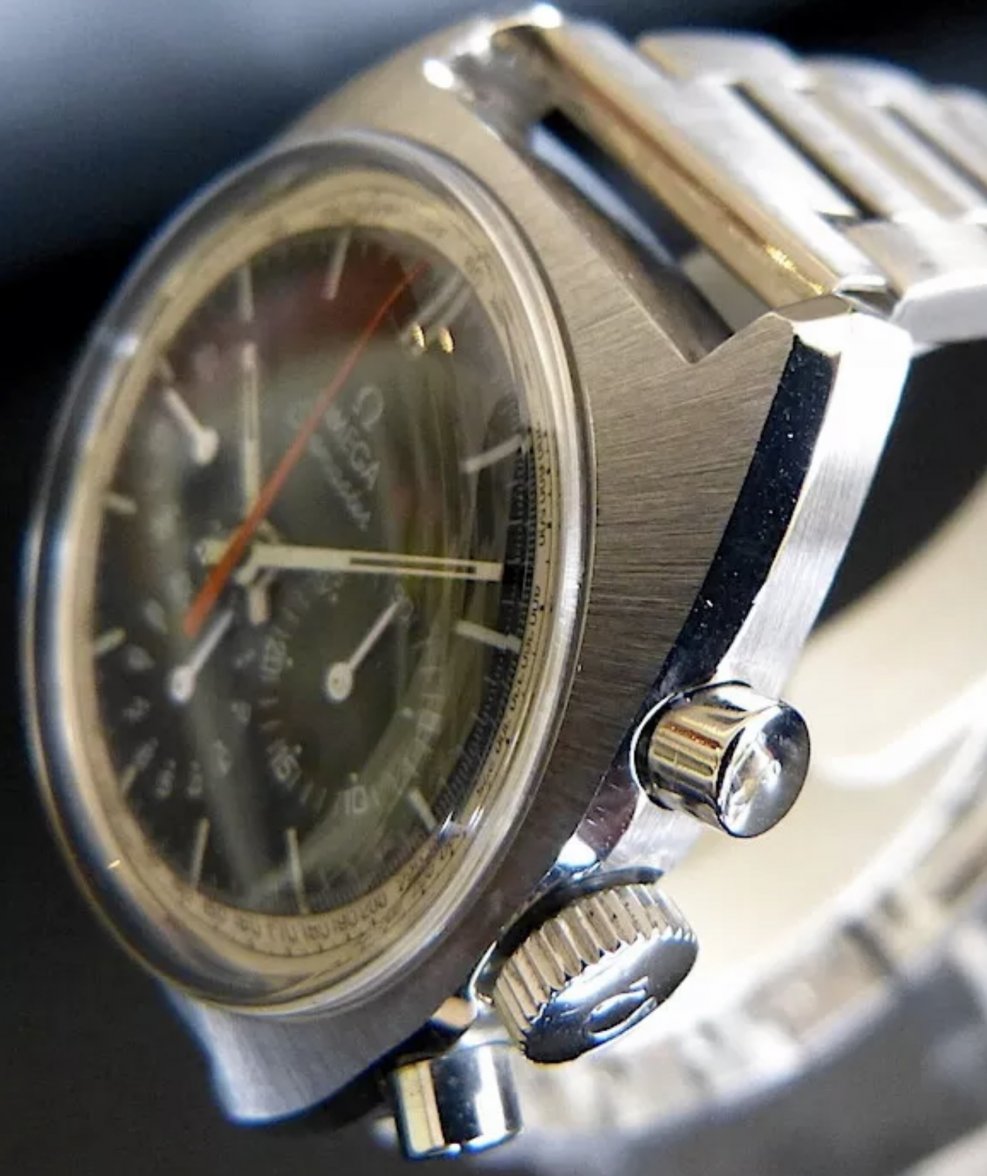
Very true. I'm amazed at how some really beat up cases and water damaged dials are looked upon as very desirable 'patina' examples where I'd look at them as very poor examples of once nice watches. It's all in the eyes of the beholder.
 
Posts
6,598
Likes
26,722
Very true. I'm amazed at how some really beat up cases and water damaged dials are looked upon as very desirable 'patina' examples where I'd look at them as very poor examples of once nice watches. It's all in the eyes of the beholder.
On one hand I 100% get that. On the other (and this is the hand where I like the look of patina/damage)- look at the “damage/patina” any given vintage Rolex sub/gmt or speedy has endured and see that it is still mechanically sound and working like it should. In any other category damage equates to a loss of value but for some reason it’s an “investment” with some watches (lookin at you Rolex). I don’t understand why these become safe queens. They are damaged; what’s a little extra wear gonna do? Unless they have substantial sentimental value... but even so, I would still choose to wear it daily.
 
Posts
7,177
Likes
23,253
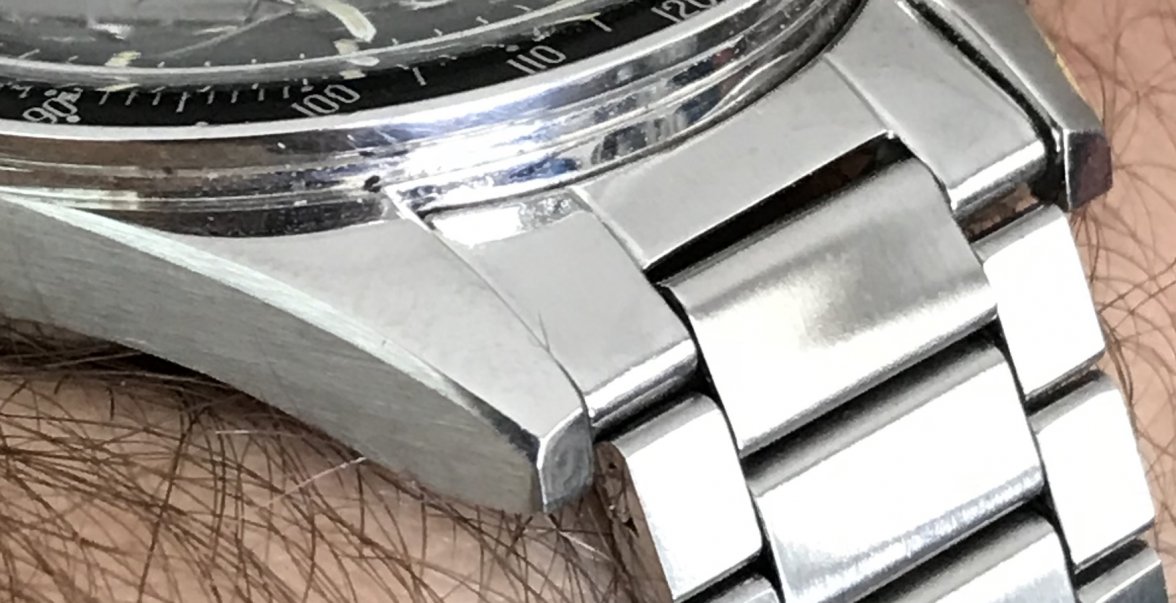
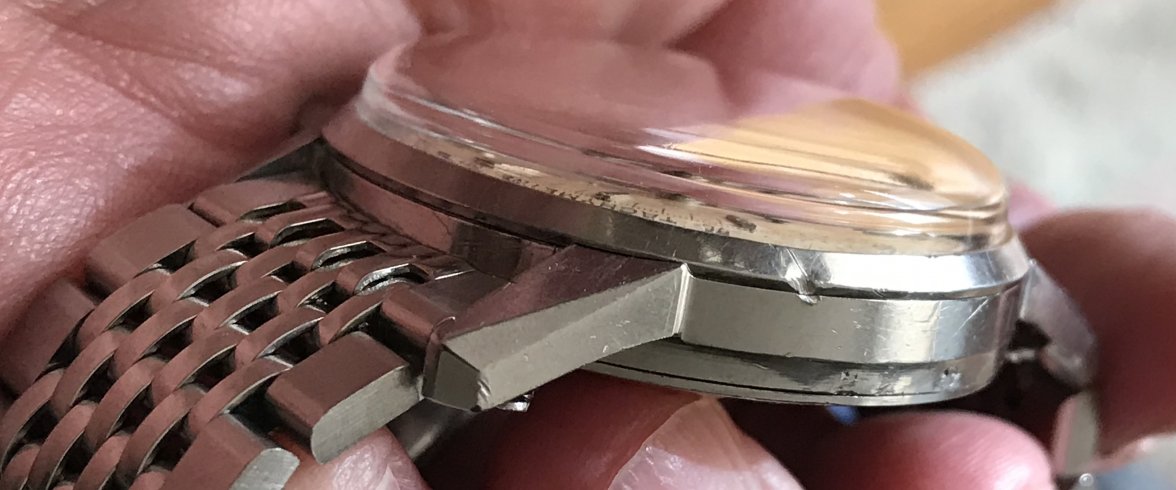
Sometimes the patina thing just goes too far, at least to my eye. For instance, I know people just love unpolished flat-link bracelets. Now, mint original is brushed center links, the outer links have a high-polish. I see many that people go crazy for an unpolished example, where the “patina” has caused scratching to the point where there is no longer a differentiation to the finishes.

And I get the idea of ham-fisted restoration. But to me, if you have an artisan that understands moving the needle gently towards how something was originally intended, I see no reason to get hot and bothered about someone else’s scratches and wrist cheese.
 
Posts
5,636
Likes
5,810
In my view, there is wear, damage, and aging. As M'Bob mentioned, bracelets and watch cases wear. Splotching on a watch dial is damage. Dial lacquer that was once clear but yellows is aging. An extreme example of aging is a celluloid crystal from a trench watch, those get really yellow.

The only legitimate use for "patina" is, in my opinion "aging". That term comes from the world of ffine furniture and art. Varnish, in particular, changes color and sometimes texture over the course of decades or centuries. I remember an episode of Antiques Roadshow where a mid-1800s piece of furniture was cleaned too aggressively and removed the top layer. Value was about 1/2 of what it would have been, untouched, so be careful of how you handle your antique furniture!

A 70 year old watch with a dial that has more issues than yellowing, I call that "damage". If you think the damage is pretty, by all means, have at it. Stop calling it "patina". If you think the bracelet in M'Bob's example of wear is attractive, by all means, have at it. That's not "patina", either.

Art, by the bye, as in paintings, has varnish over the top. That varnish gets darker and yellower with age and particularly smoke, and goddess forbid the painting ever got full sun. Sometimes a painting can be cleaned, which frequently replaces the varnish. You might be able to guess what that costs.

Sorry to ramble on. 😁
 
Posts
29,672
Likes
76,830
I need to find a filter that automatically replaces "patina" with "damage" on this site. 😁

The image in your avatar is of a watch with patina, so this is a bit of an odd post unless you still like "damage" on your watches...
 
Posts
16,307
Likes
44,994
The image in your avatar is of a watch with patina, so this is a bit of an odd post unless you still like "damage" on your watches...
I personally have a threshold of damage I can live with and actually see as character- case and bracelet scuffing, lume color shift....and that’s about it. Beyond that to me it’s just abuse or neglect. Sure I can call those things patina, but they are damage and decay.
 
Posts
29,672
Likes
76,830
Very true. I'm amazed at how some really beat up cases and water damaged dials are looked upon as very desirable 'patina' examples where I'd look at them as very poor examples of once nice watches. It's all in the eyes of the beholder.

It depends if the result is ugly, or intriguing, or downright beautiful. I remember in my previous job as an engineer walking through an old equipment graveyard trying to find a piece of used equipment I needed for a project. I cam across a tank that had been laying out in the elements for years. It had a rust spot on it that was full of amazing colours and patterns, and so I took a photo of it. I had the film developed (this was before digital) and I remember thinking what a great shot it was - no scale so you had no idea what it really was, but it was great. Lost track of the negatives and the print, which I regret, because I wish I still had it.

As you say it's in the eyes of the beholder, and the tipping point between what looks good and what is ugly is different for everyone.
 
Posts
7,177
Likes
23,253
Sure I can call those things patina, but they are damage and decay

interesting concept to dissect. I always viewed patina as well-cared but normal wear and tear, that’s aesthetically pleasing. Like a slight burnishing of a leather couch or car seat in a Jaguar. But you’re probably correct: it’s all a form of damage to some extent.