- Posts
- 888
- Likes
- 3,000
sjg22
·There is something slightly uncomfortable to admit about a watch that was on your wrist when both your children were born: sometimes you open the watch box, look straight at it, and choose something else.
Then you do it again the next day. Eventually, you stop thinking about it.
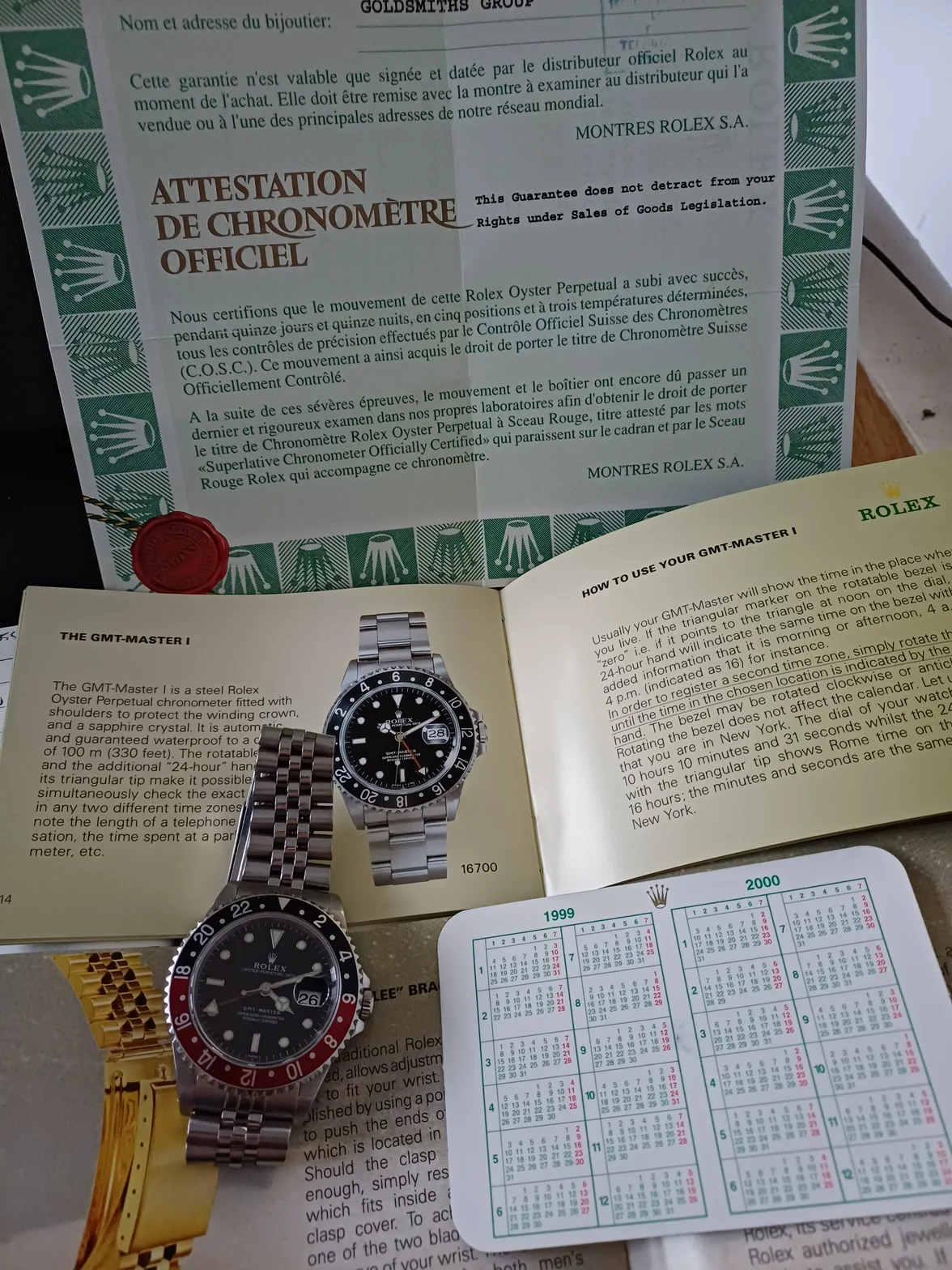
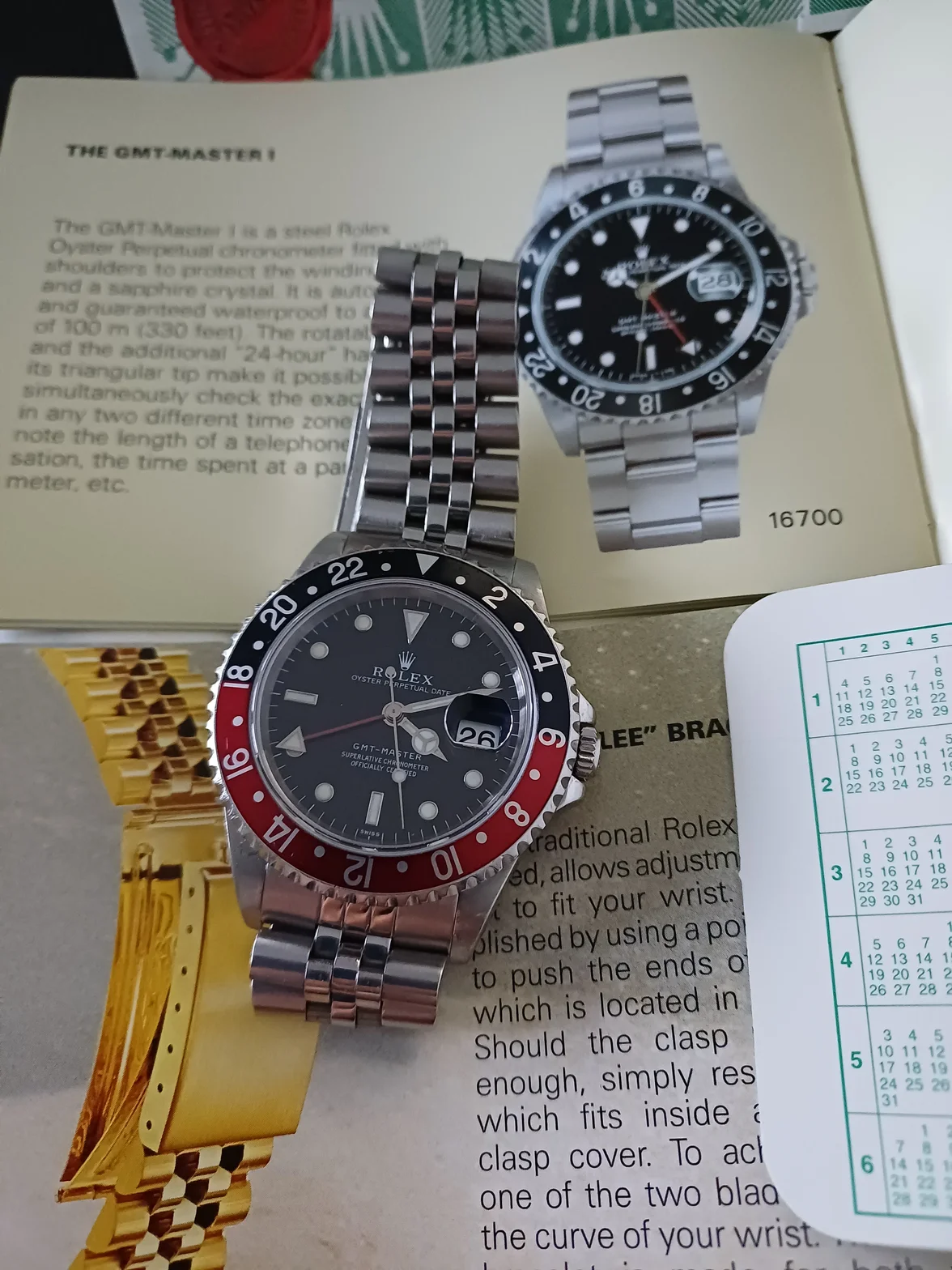
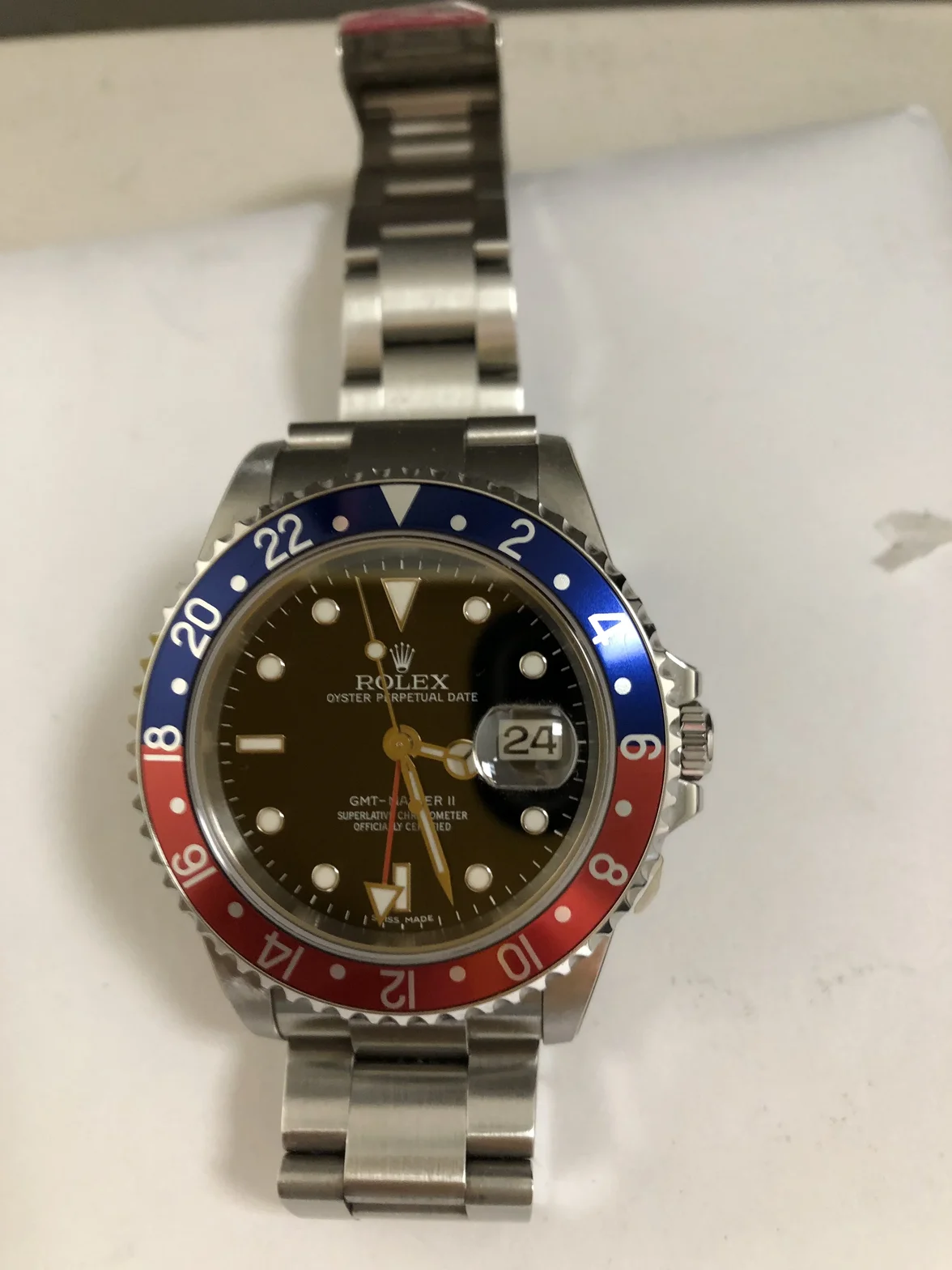
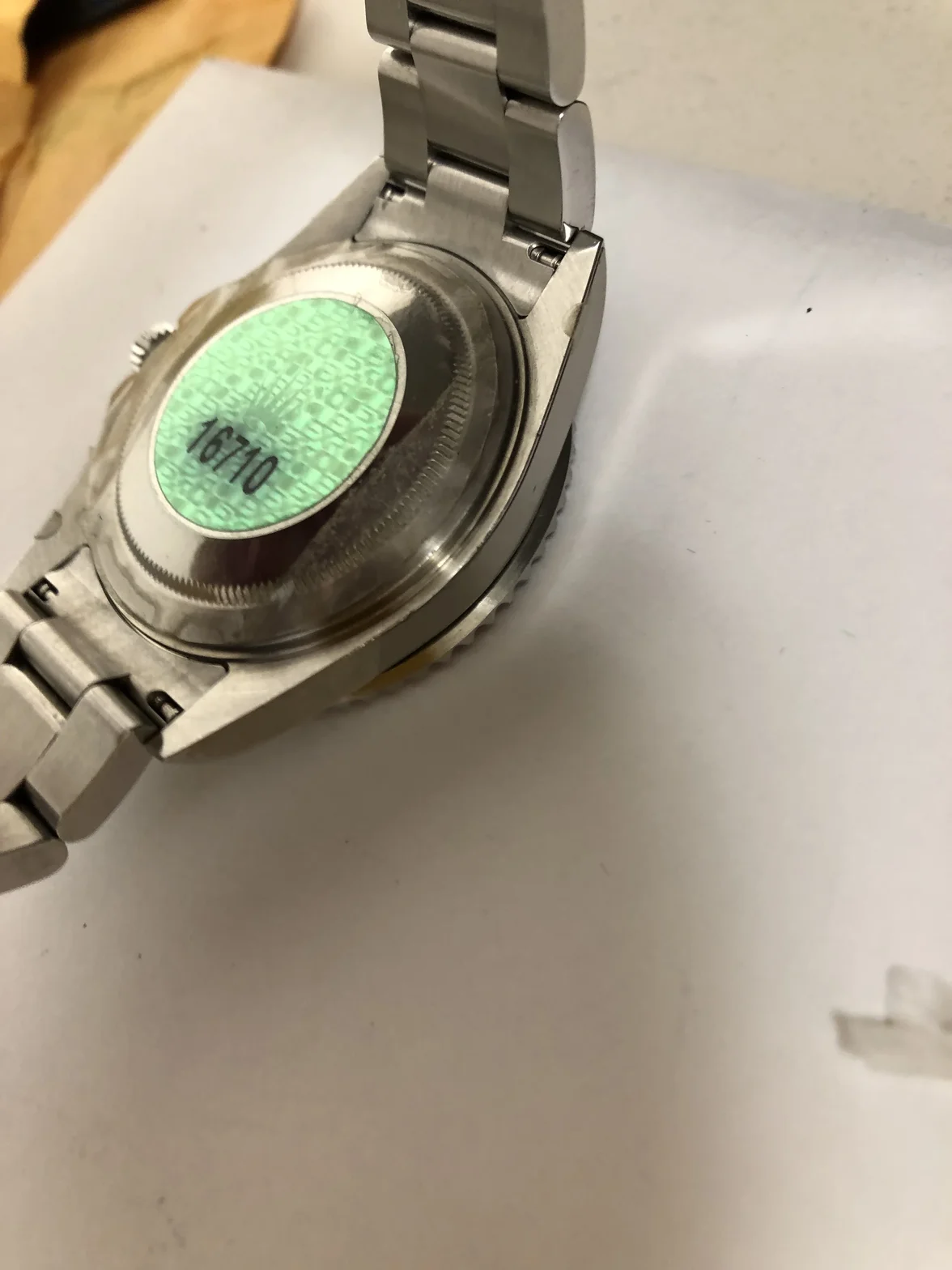
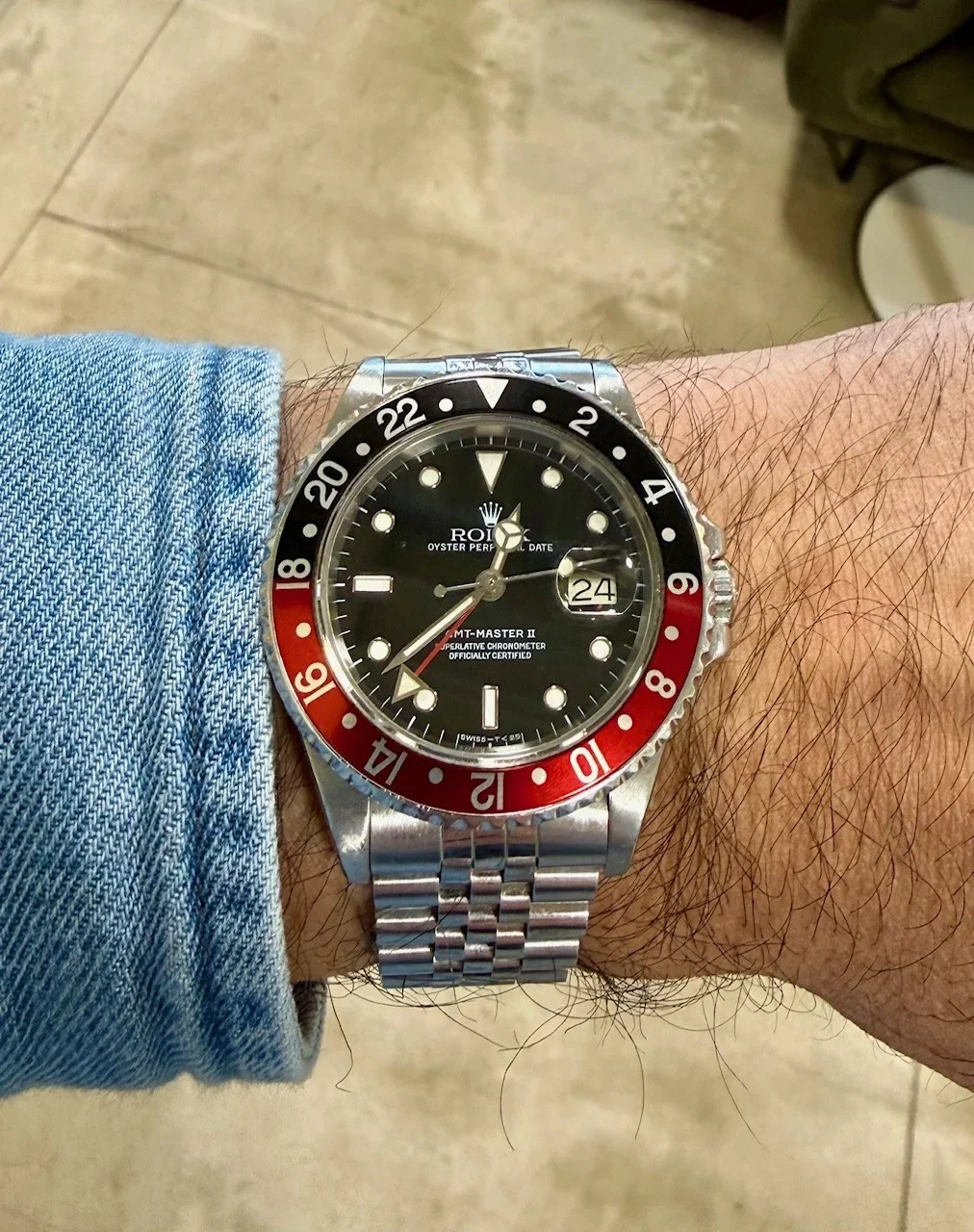
That’s where I’d got to with my Rolex GMT 16760.
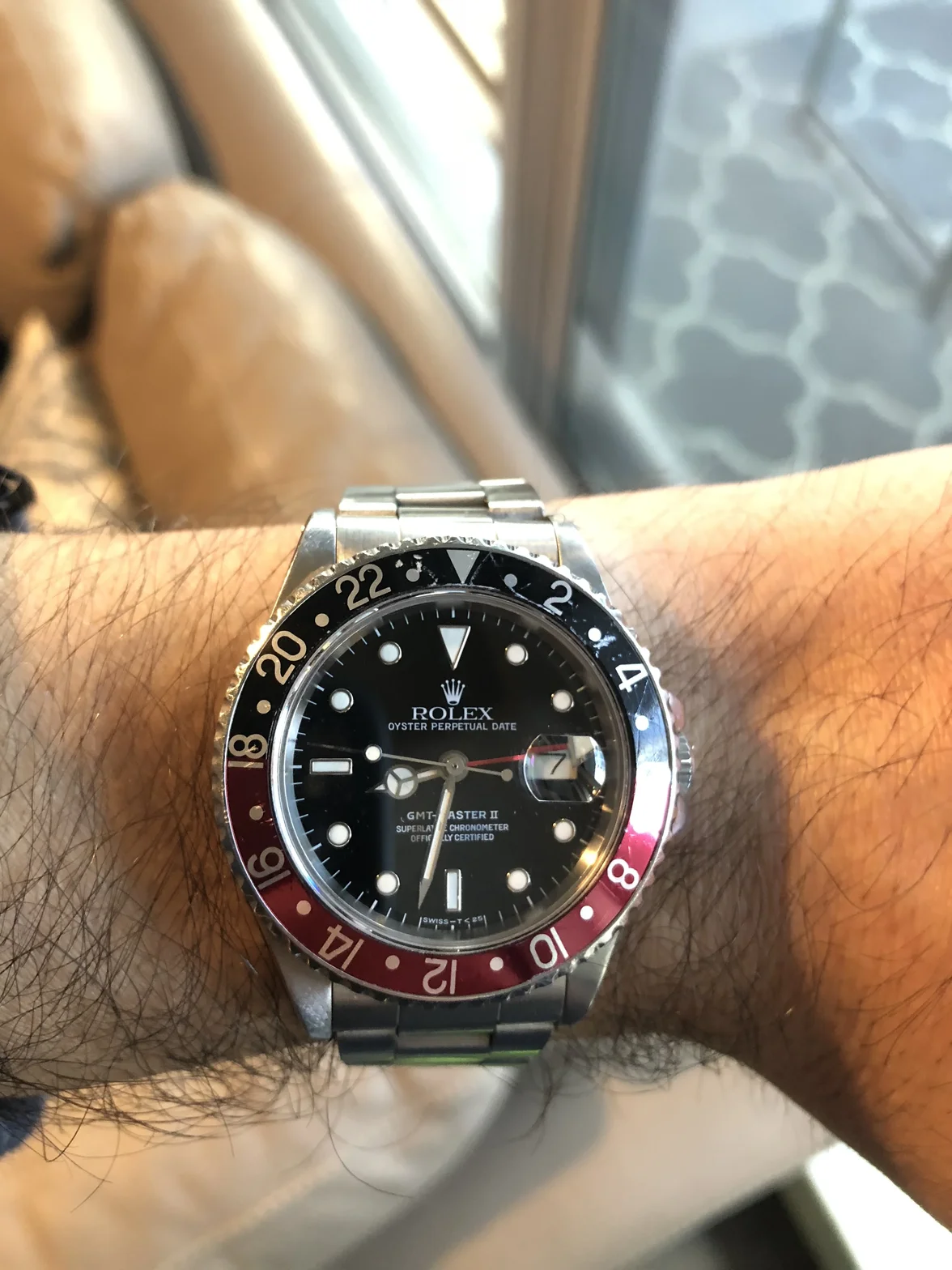
I bought it on eBay just about fifteen years ago, at a low point in my life. I was doing a job I hated and, looking back, I subconsciously needed a distraction. I liked watches, but I didn't really understand what I liked, only that I wanted to try a Rolex, and this one felt unique. Big watches were having their moment, and the Fat Lady case's extra thickness felt like a virtue. It had presence. Back then, I wanted a watch with presence.
I liked it. I wore it. As I got on with everything else, it became part of my daily life.
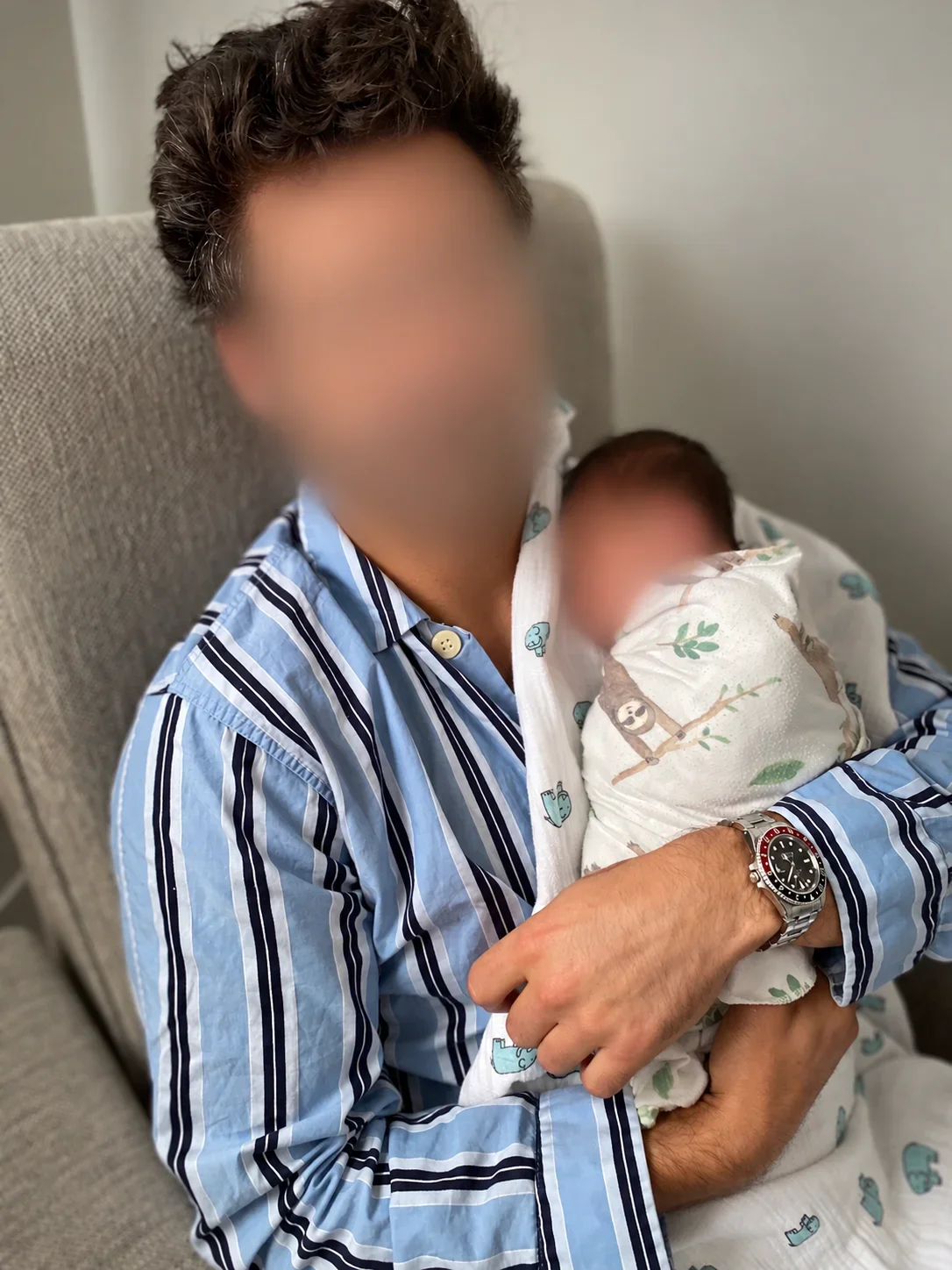
It was there when both my kids were born. It came on trips and adventures. It was there for injuries and the sort of days you don’t think to photograph. Fifteen years is a substantial amount of life to spend with one small object.
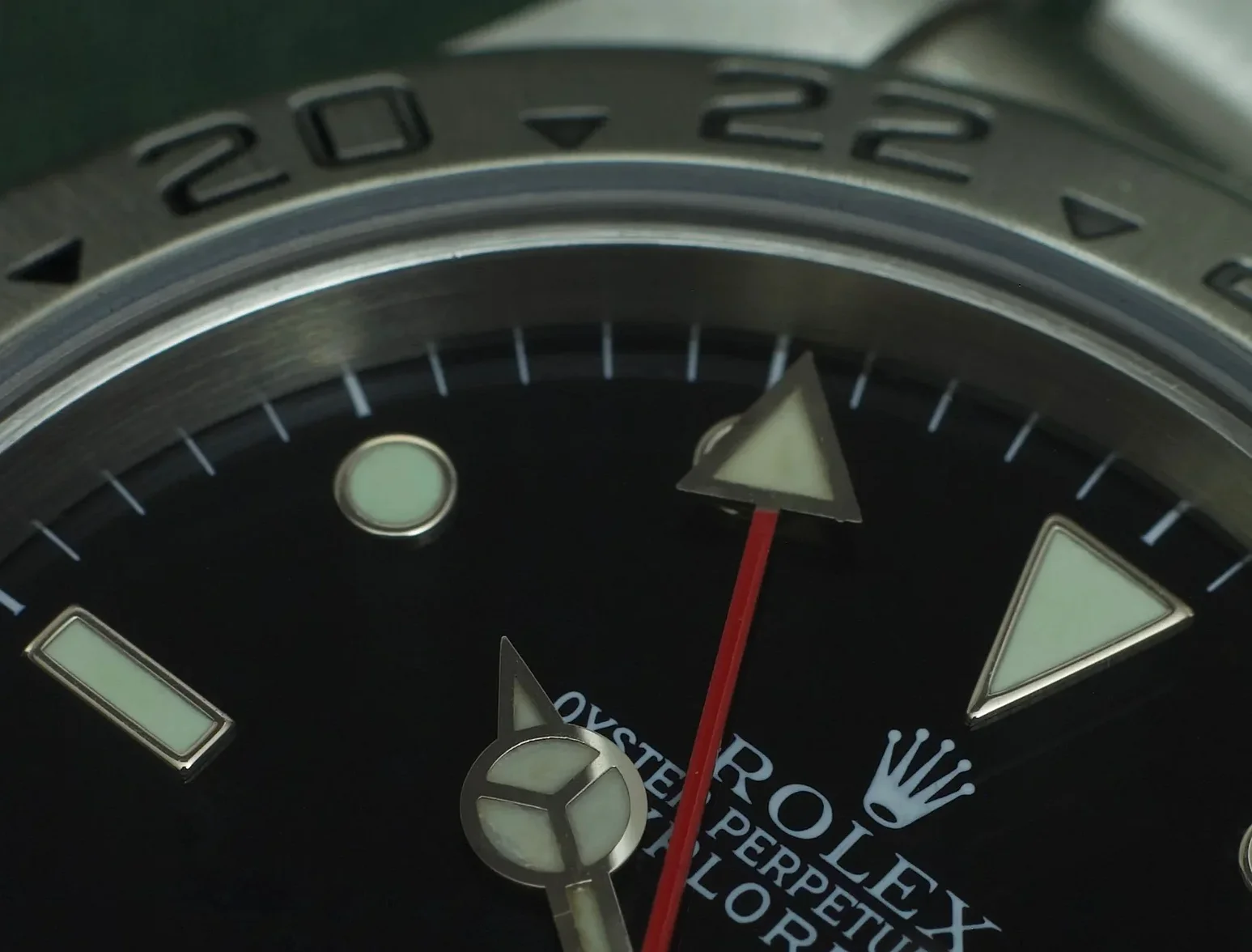
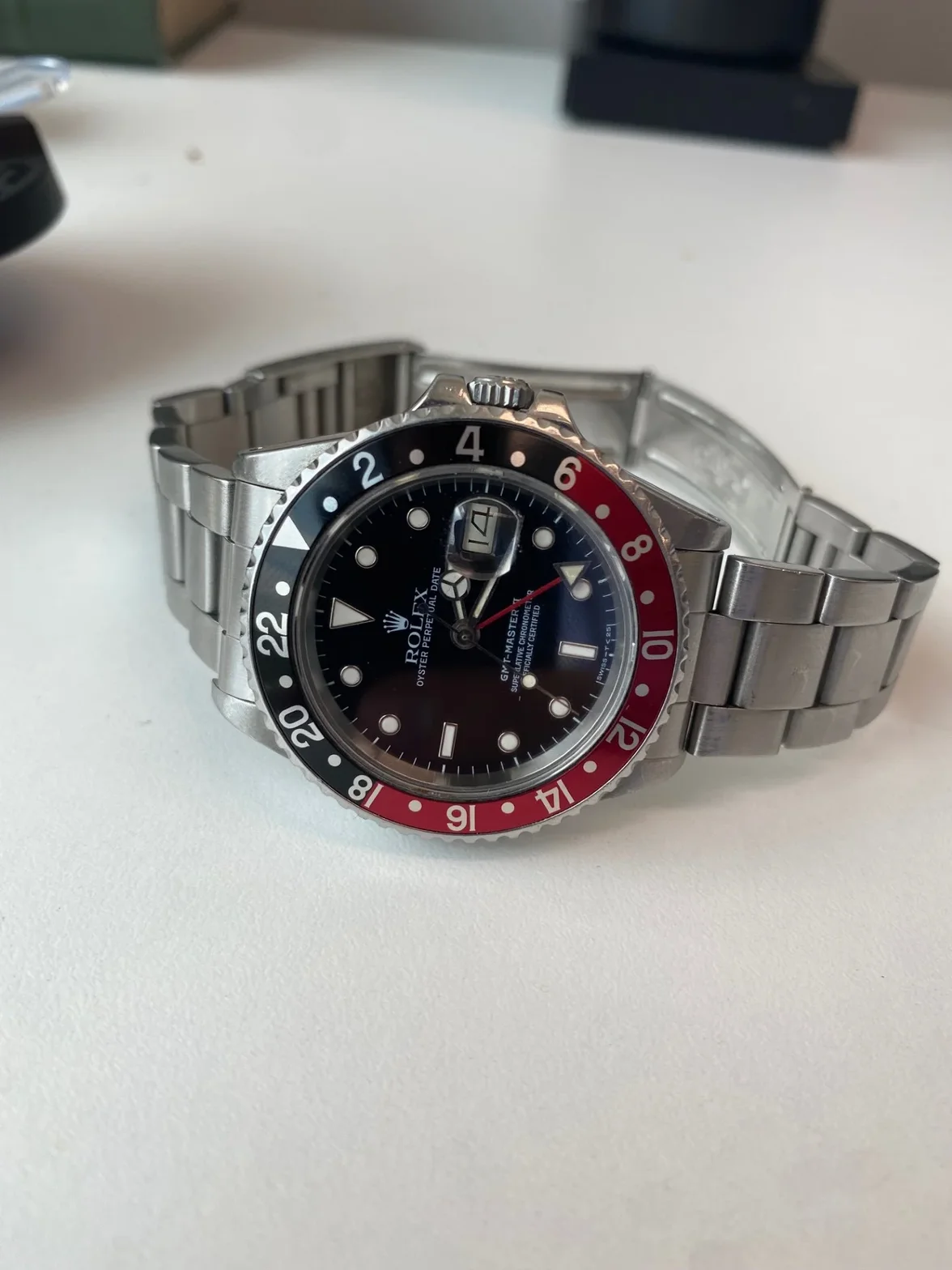
 Some of it leaves a mark. The clasp has a scrape from a fall. The case is decent, but nobody would mistake it for a collector's example. The dial has minor circular hand drag, which was there when I bought it and why I could afford it in the first place. In most light, you wouldn’t notice. In the right light, if you know where to look, there it is.
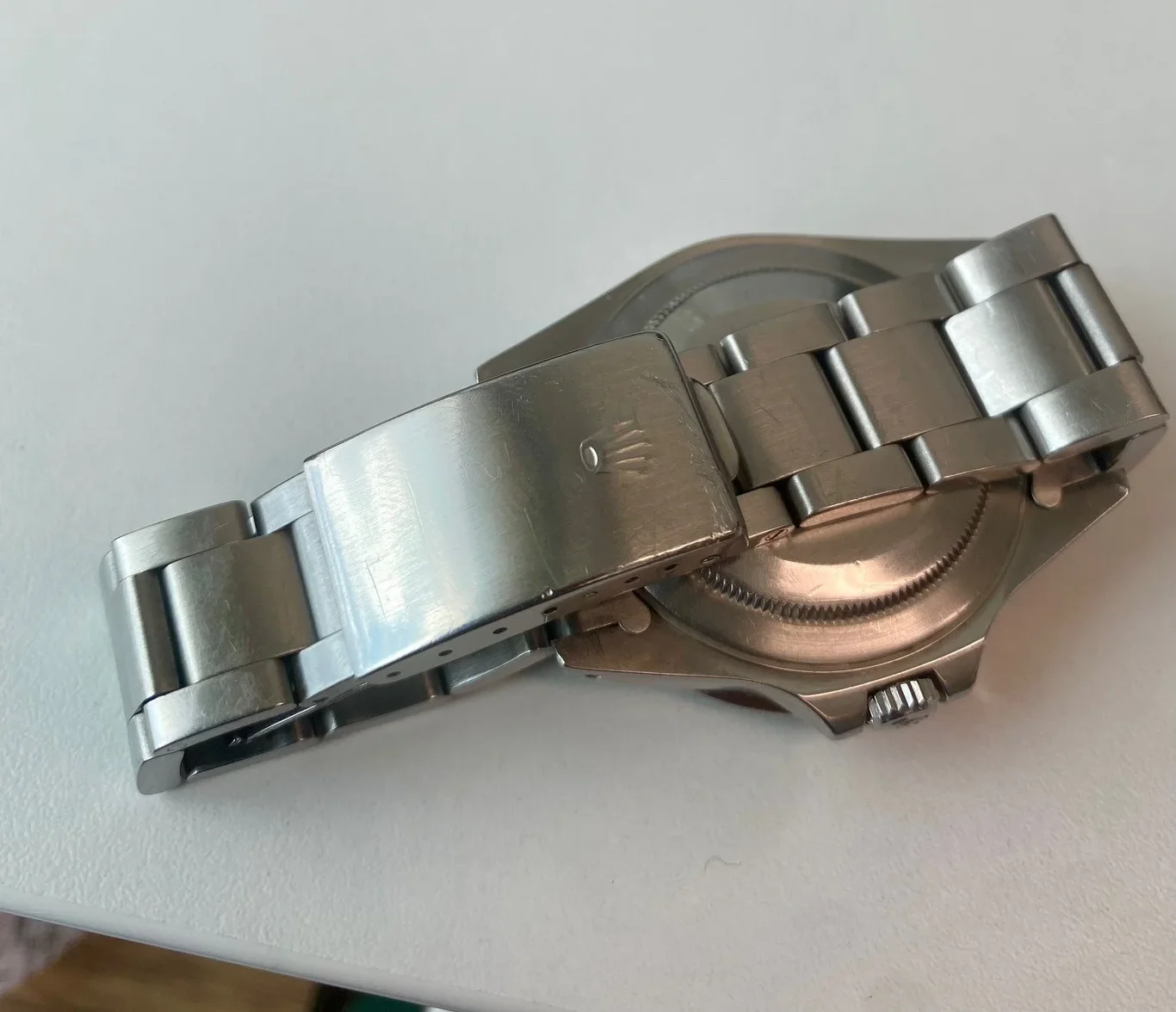
At one point, while fishing at the lake, water got in and fogged the crystal. These days, it keeps time fitfully, one day at a time, even after a service.
I’m aware this is becoming a terrible sales pitch. Fortunately, it isn’t for sale.
I eventually left the job. A few years later, I started a company. I’ve been fortunate enough to have some success, and other watches have followed. “Bigger” watches, in the other sense of the word. More significant watches, according to the various ways we persuade ourselves to measure significance.
The 16760 was always staying. That much was settled. What I hadn’t anticipated was that keeping it and enjoying it could become two quite separate things.
My taste changed. I began to love thinness. I paid more attention to how a watch sat on my wrist and less to how much space it occupied. The case that had sold me on the GMT became part of the reason I passed it over. I almost always preferred something else.
I could explain, at length, why this was the most important watch I owned (and I told my six-year-old son as much whenever he asked my favourite watch). Then I would put on another watch.
The unlikely way back began with a Datejust.
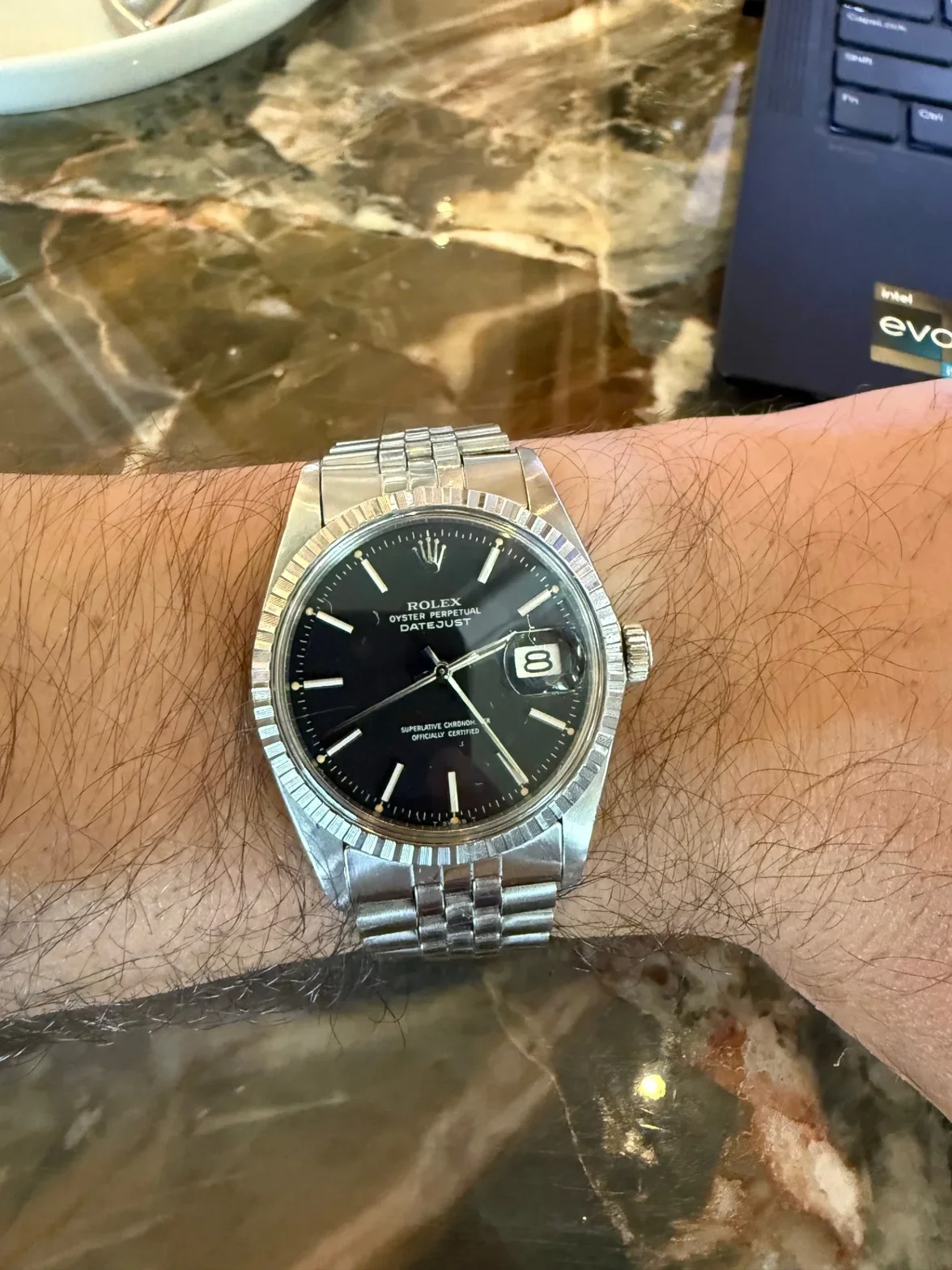
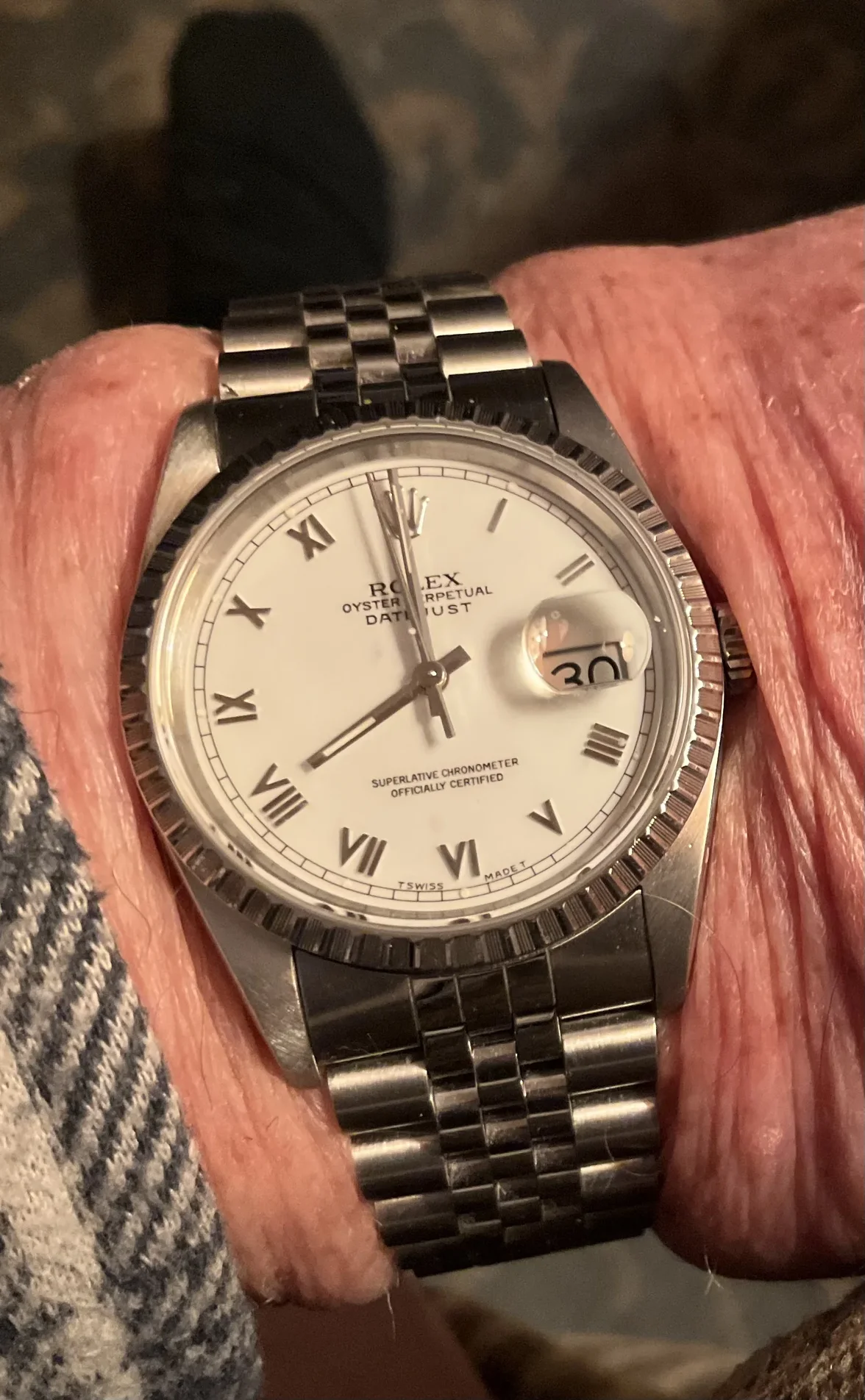
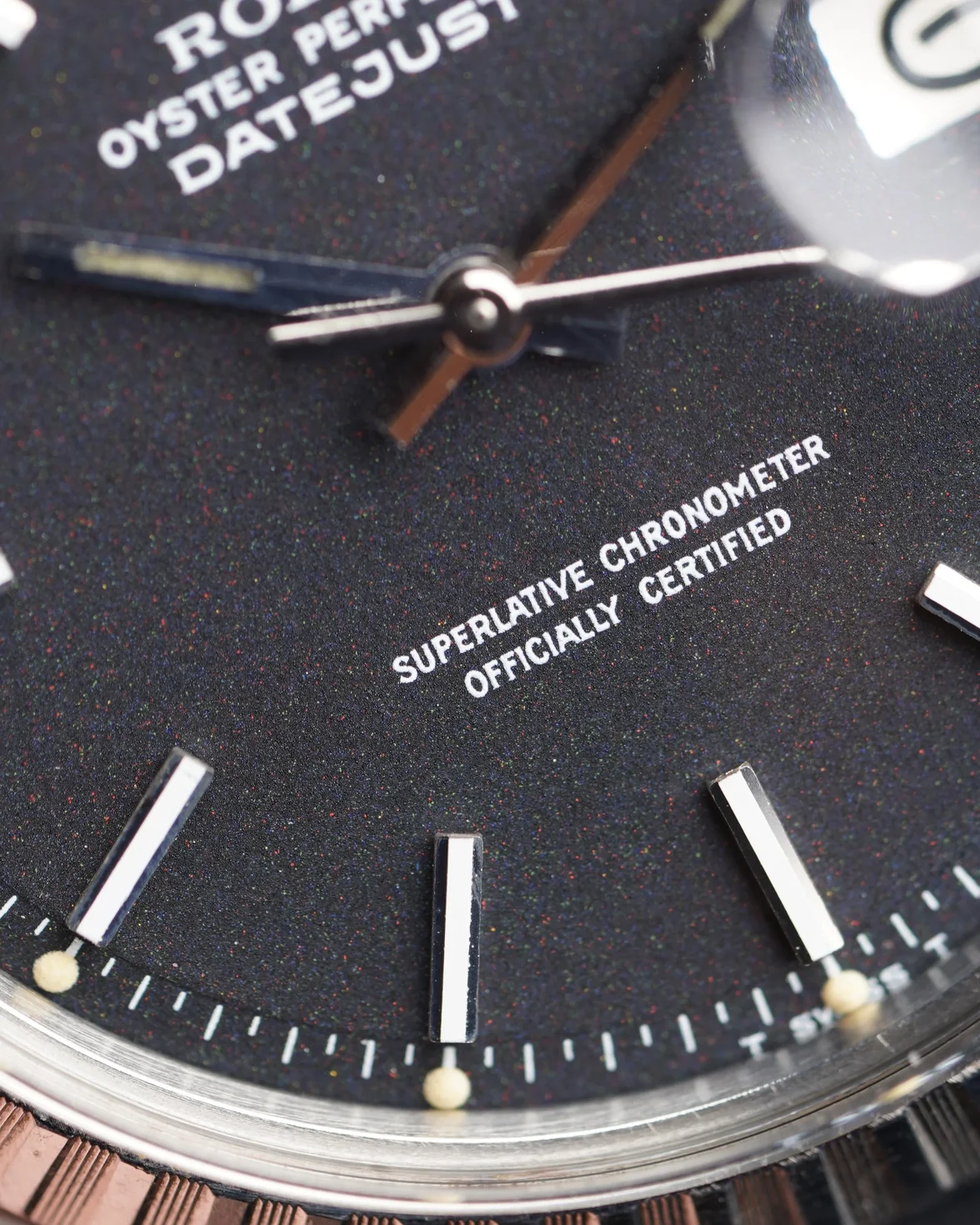
I bought a confetti-dial 1603 to share with my wife from Eric Wind & Charlie Dunne at Wind Vintage, partly because I wanted to try the size. What caught me off guard when I started wearing it was the bracelet. I had always considered myself an Oyster person; I loved the Jubilee. It was incredibly comfortable.
One night, I wondered what a Jubilee might do for the 16760.
A contact put me in touch with Vitaliy Lats (@live_to_watch on Instagram; note that I have zero affiliation with him), who happened to have a period-correct bracelet, clasp, and end links. I bought it. Work travel intervened, so it sat for a while before I had it installed.
When I finally did, I couldn’t quite account for the difference.
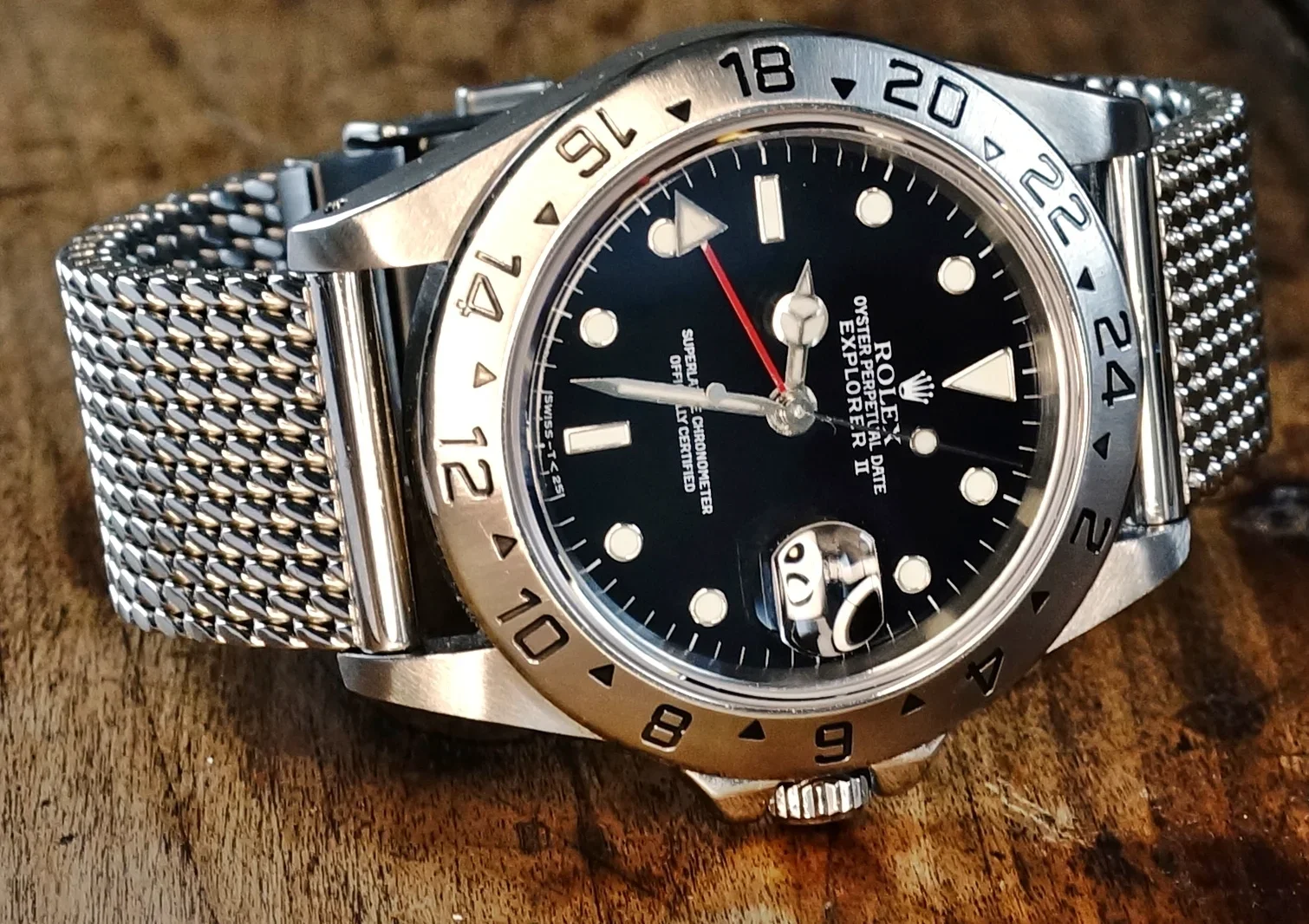
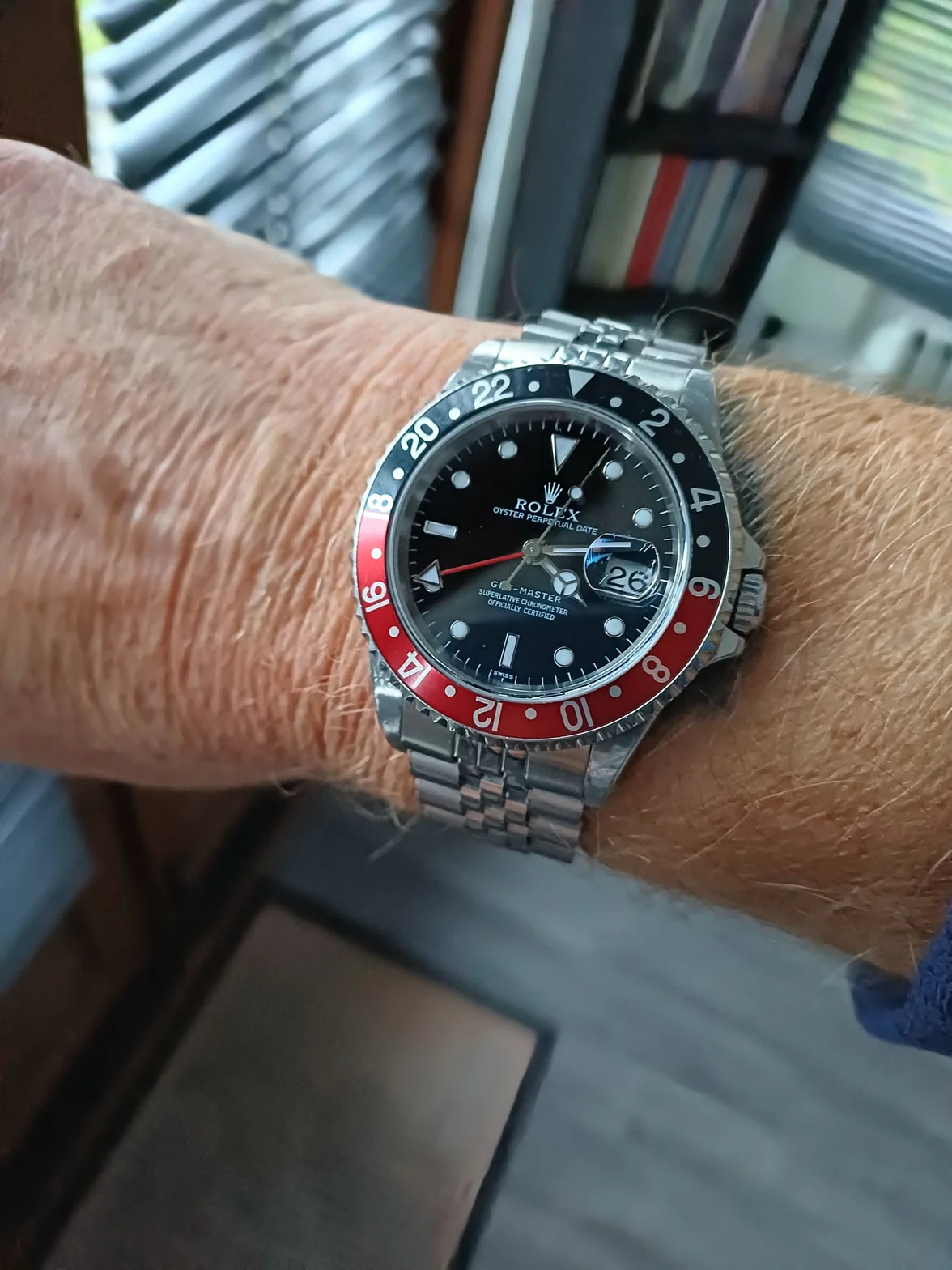
On the Oyster, to my eye, the substantial links extended the weight of the case around the wrist. The Jubilee lets the case stand on its own. Those smaller links give it some breathing room. There’s still a thick watch there, but the whole thing looks lighter, more resolved.
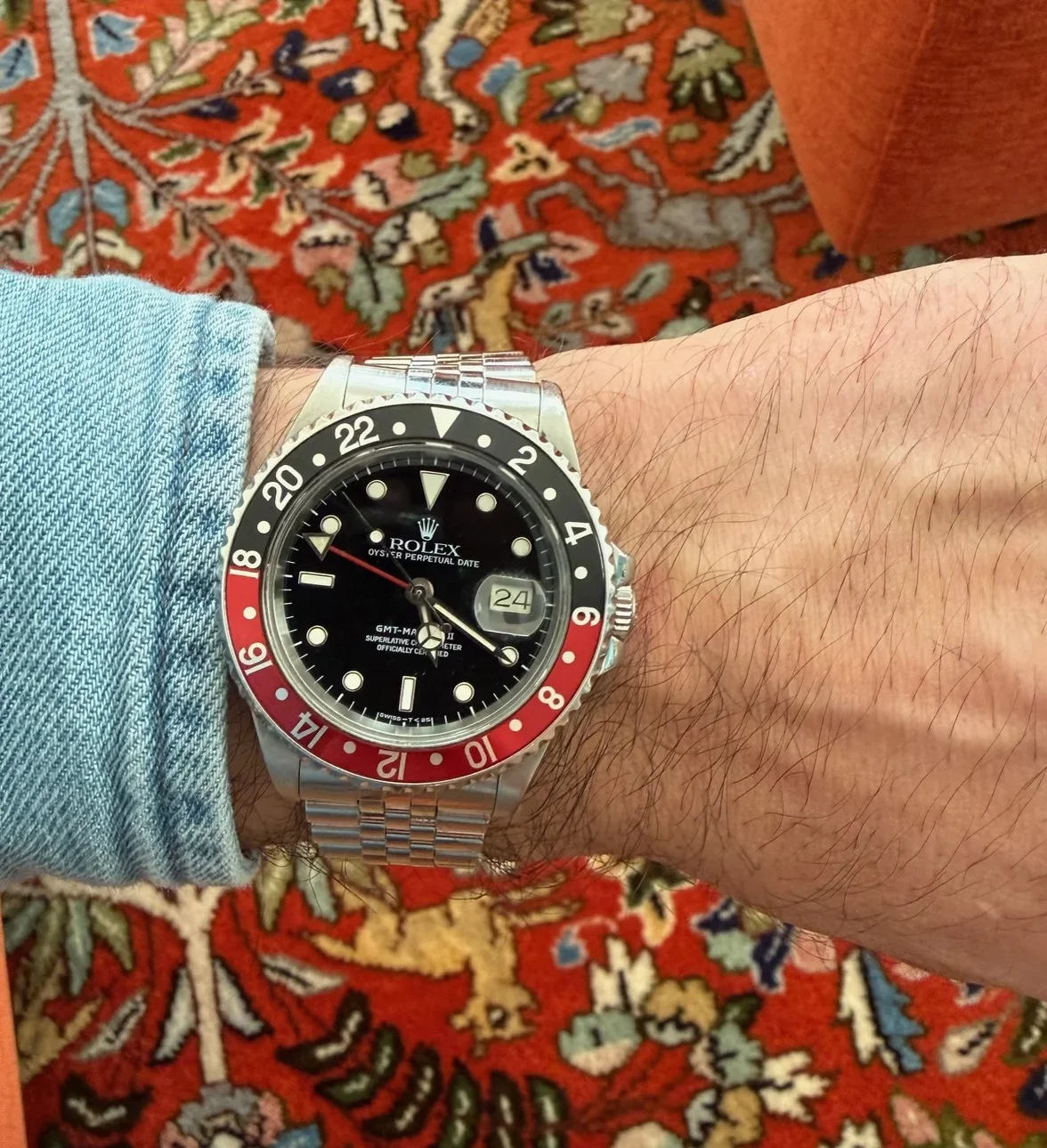 And the comfort. That was the part I hadn’t understood from photographs. It settles onto my wrist and almost disappears.
I’m on my fourth consecutive day of wearing it. A modest milestone, unless you happen to know how long it’s been since I wanted to do that.
Nothing about its condition has improved. The hand drag is still there. So is the fitful timekeeping. I’ve just been looking at my wrist a lot.
And when I take it off at night, I already know what I’m wearing tomorrow.
It’s somehow become what I always wanted it to be, without ever being able to say what was missing. There’s something lovely, and slightly ridiculous, about discovering that after fifteen years of ownership.
I’d love to hear about the watches you’ve come back to. Especially the ones you were certain you would keep, but had quietly stopped wearing. What changed, and did the feeling stay?
Then you do it again the next day. Eventually, you stop thinking about it.
That’s where I’d got to with my Rolex GMT 16760.
I bought it on eBay just about fifteen years ago, at a low point in my life. I was doing a job I hated and, looking back, I subconsciously needed a distraction. I liked watches, but I didn't really understand what I liked, only that I wanted to try a Rolex, and this one felt unique. Big watches were having their moment, and the Fat Lady case's extra thickness felt like a virtue. It had presence. Back then, I wanted a watch with presence.
I liked it. I wore it. As I got on with everything else, it became part of my daily life.
It was there when both my kids were born. It came on trips and adventures. It was there for injuries and the sort of days you don’t think to photograph. Fifteen years is a substantial amount of life to spend with one small object.
At one point, while fishing at the lake, water got in and fogged the crystal. These days, it keeps time fitfully, one day at a time, even after a service.
I’m aware this is becoming a terrible sales pitch. Fortunately, it isn’t for sale.
I eventually left the job. A few years later, I started a company. I’ve been fortunate enough to have some success, and other watches have followed. “Bigger” watches, in the other sense of the word. More significant watches, according to the various ways we persuade ourselves to measure significance.
The 16760 was always staying. That much was settled. What I hadn’t anticipated was that keeping it and enjoying it could become two quite separate things.
My taste changed. I began to love thinness. I paid more attention to how a watch sat on my wrist and less to how much space it occupied. The case that had sold me on the GMT became part of the reason I passed it over. I almost always preferred something else.
I could explain, at length, why this was the most important watch I owned (and I told my six-year-old son as much whenever he asked my favourite watch). Then I would put on another watch.
The unlikely way back began with a Datejust.
I bought a confetti-dial 1603 to share with my wife from Eric Wind & Charlie Dunne at Wind Vintage, partly because I wanted to try the size. What caught me off guard when I started wearing it was the bracelet. I had always considered myself an Oyster person; I loved the Jubilee. It was incredibly comfortable.
One night, I wondered what a Jubilee might do for the 16760.
A contact put me in touch with Vitaliy Lats (@live_to_watch on Instagram; note that I have zero affiliation with him), who happened to have a period-correct bracelet, clasp, and end links. I bought it. Work travel intervened, so it sat for a while before I had it installed.
When I finally did, I couldn’t quite account for the difference.
On the Oyster, to my eye, the substantial links extended the weight of the case around the wrist. The Jubilee lets the case stand on its own. Those smaller links give it some breathing room. There’s still a thick watch there, but the whole thing looks lighter, more resolved.
I’m on my fourth consecutive day of wearing it. A modest milestone, unless you happen to know how long it’s been since I wanted to do that.
Nothing about its condition has improved. The hand drag is still there. So is the fitful timekeeping. I’ve just been looking at my wrist a lot.
And when I take it off at night, I already know what I’m wearing tomorrow.
It’s somehow become what I always wanted it to be, without ever being able to say what was missing. There’s something lovely, and slightly ridiculous, about discovering that after fifteen years of ownership.
I’d love to hear about the watches you’ve come back to. Especially the ones you were certain you would keep, but had quietly stopped wearing. What changed, and did the feeling stay?
Edited: