The "P" word - Assistance seeked on this Seamaster Chronograph 176.007

Posts
1,819
Likes
5,923
Here is my other 007. Bl

Perhaps a better P-word in the case of the 176.001 in question is Pre-Series. Many catalogue and dealer brochures contains early design images where all feature details perhaps did not make it into final production.
As the catalog page shared by @cvalue13 contains hand writing saying "replaced by 176.007 in 1972" I take it as an indication that 176.001 predates ref 176.007.
Agree - more appropriate p word!
 
Posts
9,217
Likes
24,054
As it was uttered by Omega, and not me in the first place, I feel somewhat protected. 馃槻馃榾
What was the person's name? ...he didn't work at STS by chance, did he? Was it Chris?

馃榾

(I know, completely different situation)
 
Posts
4,440
Likes
18,251
What was the person's name? ...he didn't work at STS by chance, did he? Was it Chris?

馃榾

(I know, completely different situation)
Not STS nor Chris, I am not in the UK, so my question was sent directly to Bienne.
The answer was only signed "Your OMEGA Team".
 
Posts
16,854
Likes
47,854
Not STS nor Chris, I am not in the UK, so my question was sent directly to Bienne.
The answer was only signed "Your OMEGA Team".

@oddboy is having a laugh as he's comment goes back to the thread were the guy claims prototype, one off Friday special all because STS serviced it and guy named Simon then Steve then Chris at STS told him..

https://omegaforums.net/threads/omega-speedy-jedi.21205/
Grab a coffee to read anyone who hasn't read this thread....
Edited:
 
Posts
4,440
Likes
18,251
Had almost managed to forget that one. Stories like that is just the reason why I usually shy away from the dreaded P word.
 
Posts
3,998
Likes
9,015
Resident 176.007 special agent @cvalue13. Any ideas?
馃槈馃槙

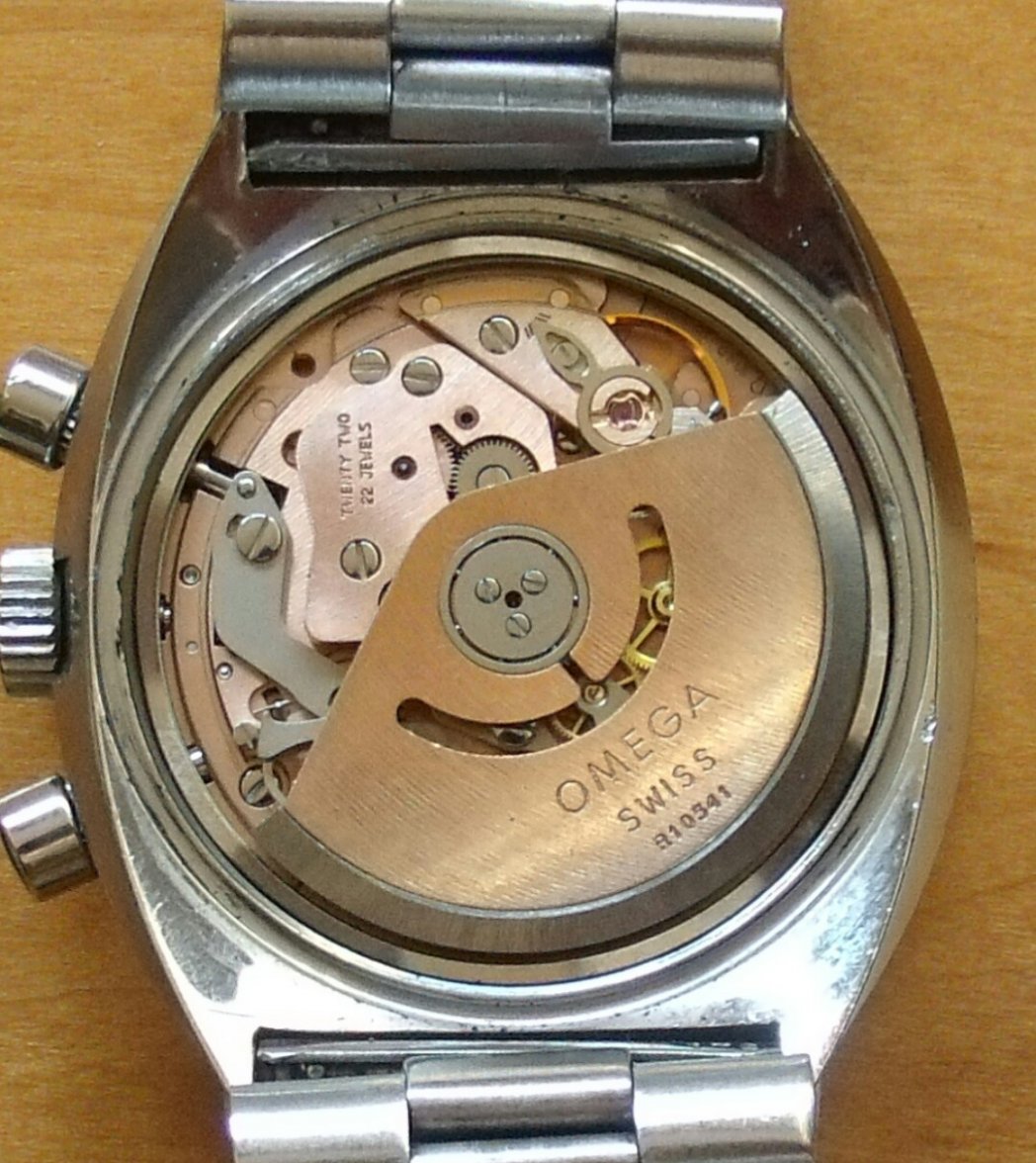
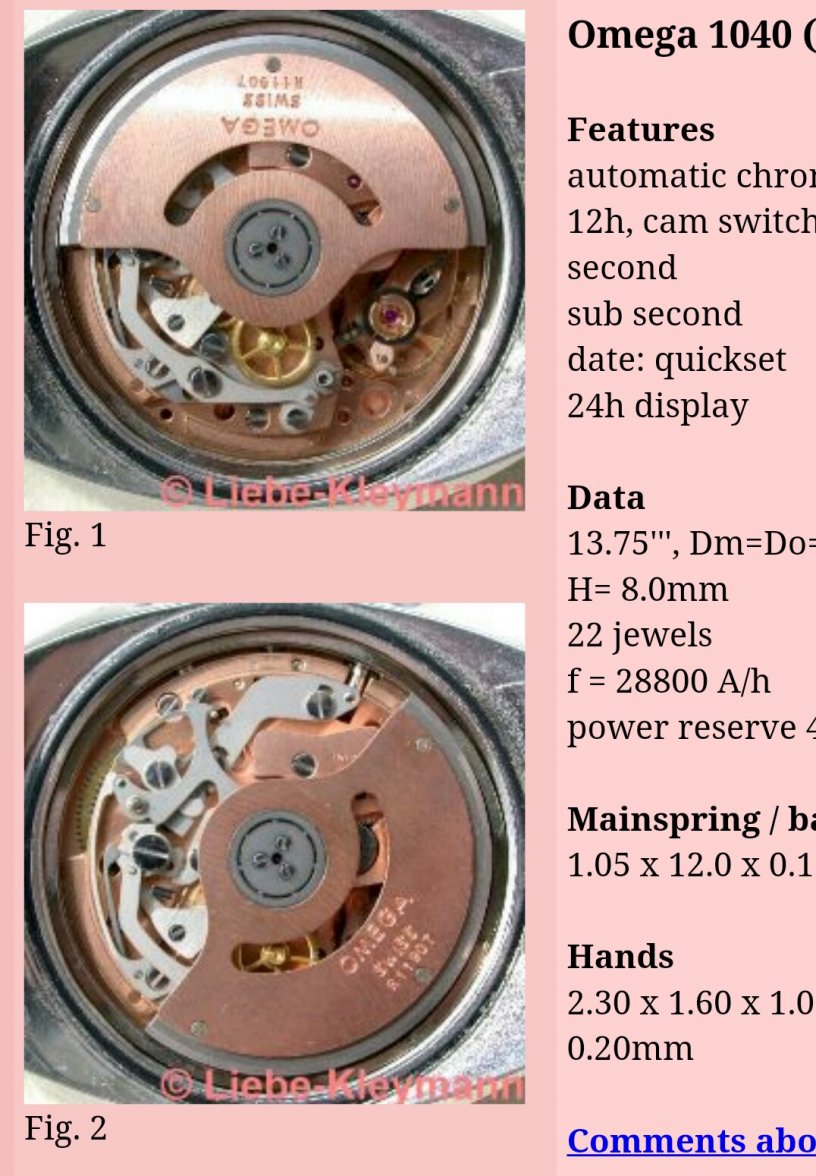
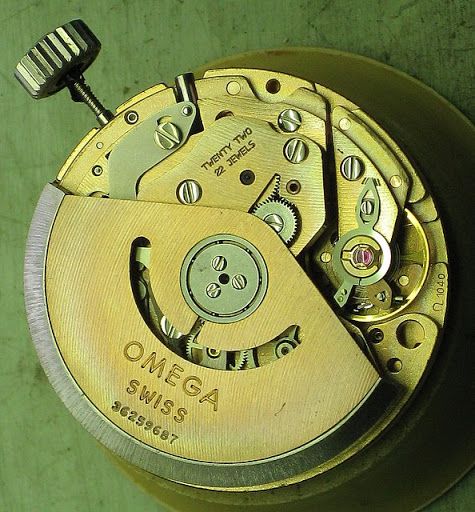
The watch clearly isn't a 176.001, and I assume that it isn't even a 'transitional' 176.001/176.007 (or your case-back would have a stricken-through 176.001 followed by the 176.007). This being the case (no pun intended), your watch is otherwise a normal (if early) 176.007, at which point in time in Omega history cal.1040 movement itself should have been all sorted out. On this rationale, it's unclear why either the watch in general or even the movement itself would be a "prototype."

That being said, there seem to be some remaining possibilities:

(1) Even thought Omega had already settled on the 176.007 watch generally, at some point Omega made some "prototype" changes to the movement only (thereby resulting in a watch that is otherwise 'typical,' but with a 'prototype' movement)
(2) Your otherwise typical (if early) 176.007 has a movement that is otherwise typical but that at some point had the rotor replaced (with such replacement rotor sourced from either a movement that itself was a 'prototype' or instead from a lone 'prototype' rotor of some sort)
(3) Some mix-up in Omega caused someone to mis-number/stamp an otherwise typical rotor/movement

The possibilities above, if resolvable, may be best addressed by a watch maker with experience with cal.1040's, to give the movement/rotor a jaundiced eye for either (A) something about the rotor that is atypical, or (B) something about the entire movement that is atypical. @Archer ?

Regardless, it's a great looking, early .007 with - at worst - an 'interesting' story/question about the rotor numbering.

[EDIT: Clearly, when I reference "Omega" making changes to the rotor/movement, this relates back to Lemania]

 
Posts
3,998
Likes
9,015
As those who have researched these will see, it has the original "pointed" minute hand, and also the early dial without applied indexes.

Generally in line with @Andy K 's more detailed observations above, I think the needle-hand and lack of applied indexes were used early in the .001/.007 production, but during these same 'early' times some watches were outfitted with the other hands/indexes. Put differently, needle-hand/lack of applied indexes means an early version of the dial design, while the other hands/applied indexes doesn't tell us much about the timing of the watch.

So, I'm not sure it's exactly correct to say "original" needle-hands, so much as to say the "rarer/earlier" needle-hands - which is a more justified statement when/if the dial itself lacks the applied indexes (otherwise, I'd be suspect of the hand/dial originality - though not definitive about it).
 
Posts
3,998
Likes
9,015
I don't really know which case reference came first.

This particular issue I think is pretty clearly settled: the .001 was a relatively rare predecessor to the .007: many Omega historical docs note that the .007 replaced the .001, the AJTT notes the same, and finally there are the not uncommon case-backs striking the .001 reference and re-stamped with the .007 reference (which not only indicated the conclusion, but was also not uncommon for Omega when transitioning and using up stock case backs for a newer reference).
 
Posts
1,819
Likes
5,923
This particular issue I think is pretty clearly settled: the .001 was a relatively rare predecessor to the .007: many Omega historical docs note that the .007 replaced the .001, the AJTT notes the same, and finally there are the not uncommon case-backs striking the .001 reference and re-stamped with the .007 reference (which not only indicated the conclusion, but was also not uncommon for Omega when transitioning and using up stock case backs for a newer reference).
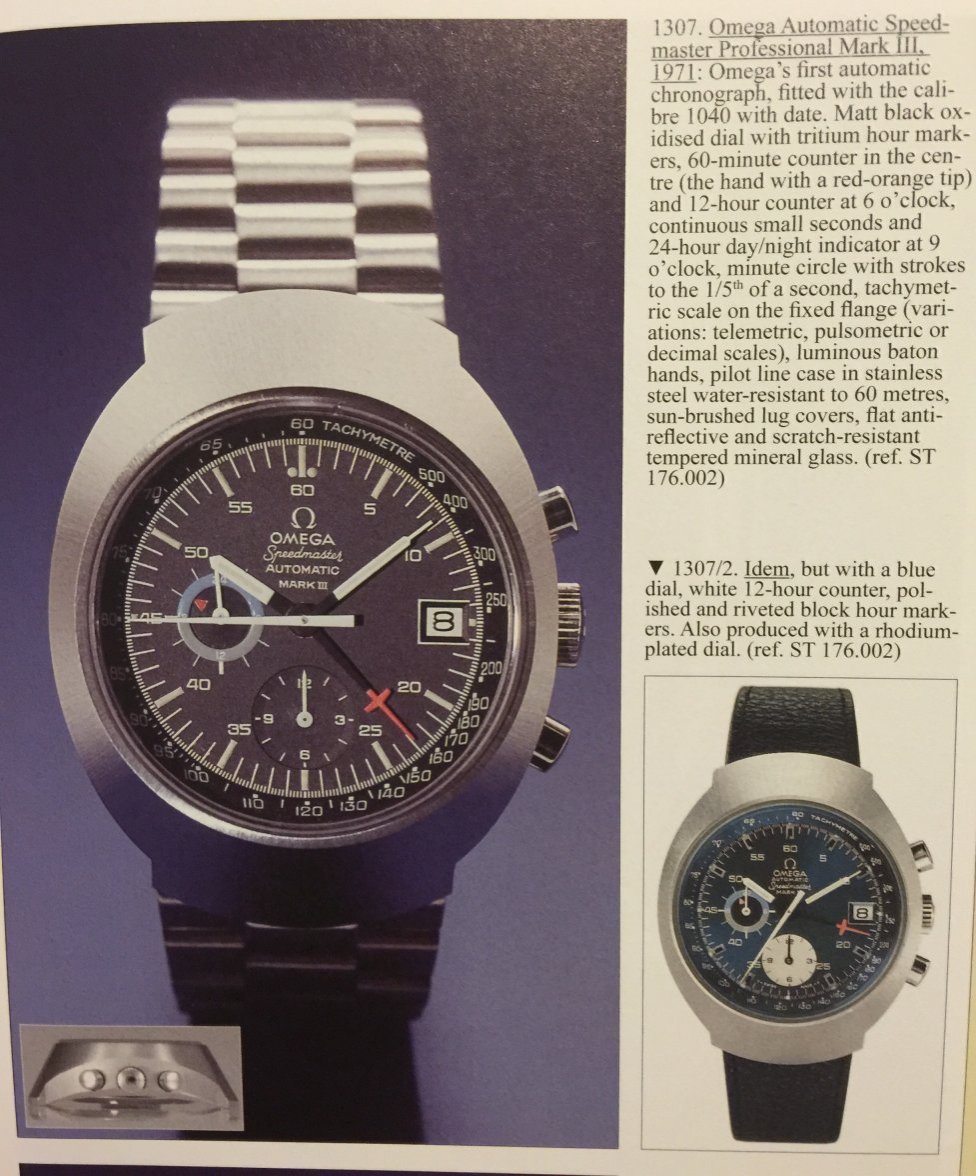
I think if we're strictly speaking of these two references (001 and 007) you're correct, 001 came first for the reasons you describe. If I had to wager I'd also bet that 001 was the first of all the 1040s but Omega muddies the waters a bit in AJTT. This one caption for a 176.002 Mark III that implies that this reference is the first:
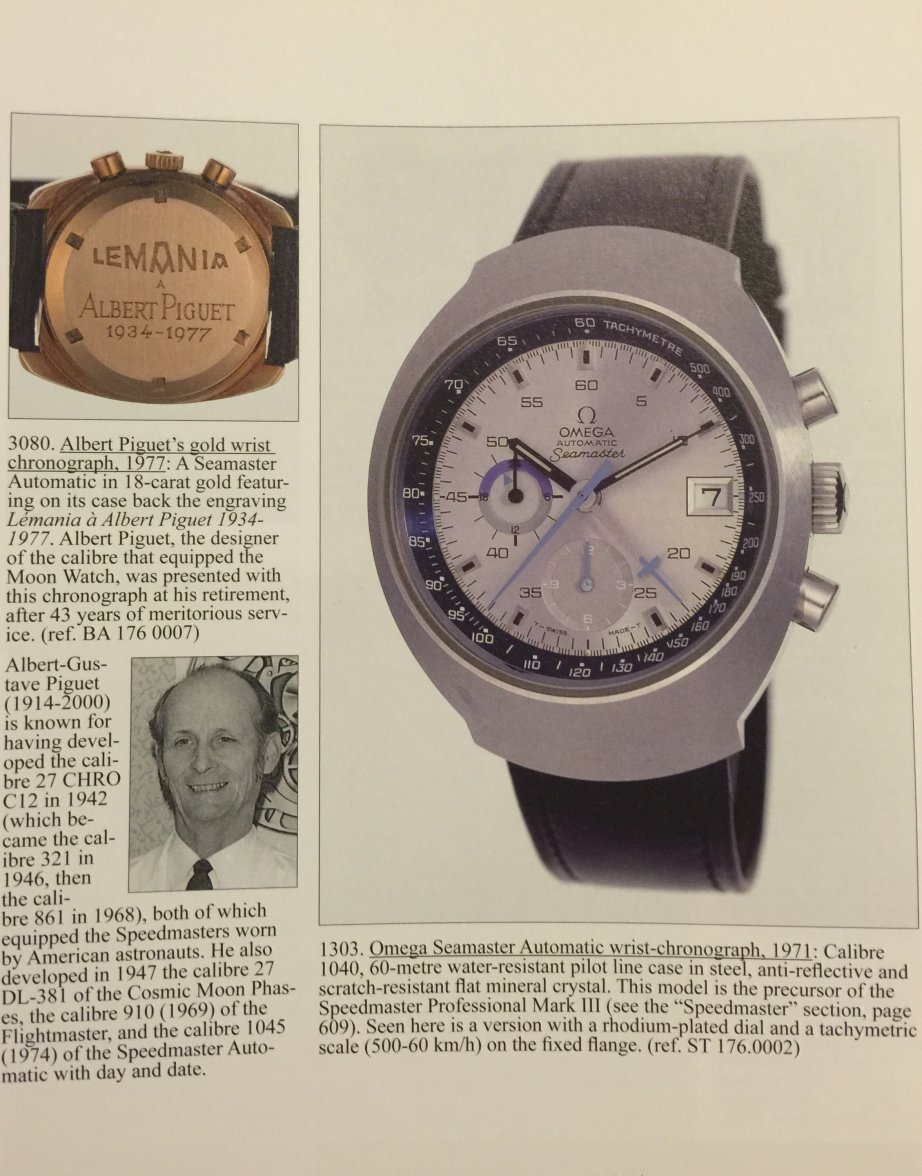
...but then elsewhere they refer to this Seamaster 002 as the precursor to the Mark III Speedmaster, which sort of contradicts the above:

AJTT could be wrong, or may have been referring to the calibre and not the reference as being first.

As for which dial of either the 001 or 007 was earlier, I think it is likely that there were multiple variations available at the same time for sale. Because both blue dials have been seen on the 001 which we know had a brief run, it seems unlikely to me that one blue 001 dial replaced another blue dial during that short span. An analogy might be blue dialed Seamaster Pros from about a decade ago- the electric blue didn't replace the Bond but was sold as another option.
 
Posts
4,440
Likes
18,251
Having browsed through the various catalog shots of 176.007s it seems to me as if the needle minute hand was "first". My best guess is that most, if not all, early 001s or 007s with the stick minute hand have had them replaced during a service?
In the 1975 catalog I have seen, the needle hands are gone. I assume that at this time the needle hands was no longer in stock.
This also may explain why serviced specimens are often seen with the stick hands as their first major service would normally not have been before this time (1971/72 + 4-5 years interval).

I have learned that replacing the hands was standard procedure during service also back then. Some watchmakers may have given their clients the option of replacing hands, and some (fortunately for us now) would have taken the cheapest way out and told him to leave the old ones on.
As for the dial layouts I fully support that the various designs hav co-existed, possibly from the start. However it seems from the catalog pictures that the flat/matte dial style does not appear in the later catalogs.

I guess we should also not rule out that since replacing the hands was "popular", also replacing the dial in the purpose of retaining luminous properties was quite common. In this case it can explain why 001s and also early 007s are seen with "later" dial styles.
 
Posts
4,440
Likes
18,251
The watch clearly isn't a 176.001, and I assume that it isn't even a 'transitional' 176.001/176.007 (or your case-back would have a stricken-through 176.001 followed by the 176.007). This being the case (no pun intended), your watch is otherwise a normal (if early) 176.007, at which point in time in Omega history cal.1040 movement itself should have been all sorted out. On this rationale, it's unclear why either the watch in general or even the movement itself would be a "prototype."

That being said, there seem to be some remaining possibilities:

(1) Even thought Omega had already settled on the 176.007 watch generally, at some point Omega made some "prototype" changes to the movement only (thereby resulting in a watch that is otherwise 'typical,' but with a 'prototype' movement)
(2) Your otherwise typical (if early) 176.007 has a movement that is otherwise typical but that at some point had the rotor replaced (with such replacement rotor sourced from either a movement that itself was a 'prototype' or instead from a lone 'prototype' rotor of some sort)
(3) Some mix-up in Omega caused someone to mis-number/stamp an otherwise typical rotor/movement

The possibilities above, if resolvable, may be best addressed by a watch maker with experience with cal.1040's, to give the movement/rotor a jaundiced eye for either (A) something about the rotor that is atypical, or (B) something about the entire movement that is atypical. @Archer ?

Regardless, it's a great looking, early .007 with - at worst - an 'interesting' story/question about the rotor numbering.

[EDIT: Clearly, when I reference "Omega" making changes to the rotor/movement, this relates back to Lemania]

Quite a few possibilities lined up there.

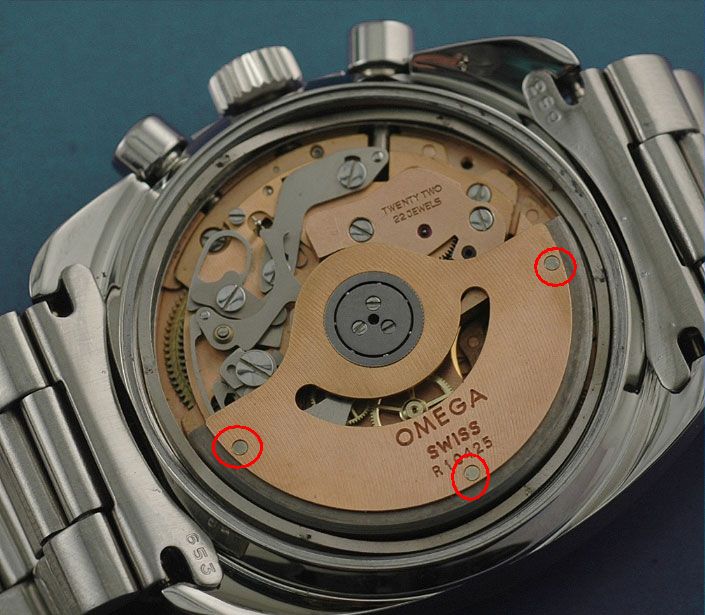
I have little to add, however the "official" replacement parts from Omega at this time was, if the replaced part contained a serial number, was normally made up by the character "R" and a 5 digit number.
A thread on some forum long since had a discussion related to these strange "R" marked serials. An older watchmaker who had worked with Omega in the 1970s stated that the Rxxxxx serials was made in order to keep track of an item also after the original serialized part had been replaced.
This I have seen on both 104x rotors and 86x bridges.
The arrangement was like this: Since various local distributors worldwide would keep parts in stock, they would, after having replaced a part, return a form by post to Omega so that the Rxxxxx serial could be noted with the old serial in their archives.
If all the watchmakers did actually return this form is an entirely different issue, and I assume many would not bother.
 
Posts
1,819
Likes
5,923
Having browsed through the various catalog shots of 176.007s it seems to me as if the needle minute hand was "first". My best guess is that most, if not all, early 001s or 007s with the stick minute hand have had them replaced during a service?
In the 1975 catalog I have seen, the needle hands are gone. I assume that at this time the needle hands was no longer in stock.
This also may explain why serviced specimens are often seen with the stick hands as their first major service would normally not have been before this time (1971/72 + 4-5 years interval).

I have learned that replacing the hands was standard procedure during service also back then. Some watchmakers may have given their clients the option of replacing hands, and some (fortunately for us now) would have taken the cheapest way out and told him to leave the old ones on.
As for the dial layouts I fully support that the various designs hav co-existed, possibly from the start. However it seems from the catalog pictures that the flat/matte dial style does not appear in the later catalogs.

I guess we should also not rule out that since replacing the hands was "popular", also replacing the dial in the purpose of retaining luminous properties was quite common. In this case it can explain why 001s and also early 007s are seen with "later" dial styles.
Very well explained about the hands, thank you!
 
Posts
2,876
Likes
1,962
I think another more likely scenario is Lemania mixed up the production of this rotor along with mixed up serial stamps. There are two very much different rotors for the 1040 with the R serial, many of them are very old to be a replacement, especially with a robust ball bearing system like that. The no-R 5 digit serial is indeed rarer though, so if it was prototype, it was Lemania's unintendedly. A few new replacement rotors I've seen actually have no serial at all, but it may be a shared part with the 1041.

 
Posts
4,440
Likes
18,251
I think another more likely scenario is Lemania mixed up the production of this rotor along with mixed up serial stamps. There are two very much different rotors for the 1040 with the R serial, many of them are very old to be a replacement, especially with a robust ball bearing system like that. The no-R 5 digit serial is indeed rarer though, so if it was prototype, it was Lemania's unintendedly. A few new replacement rotors I've seen actually have no serial at all, but it may be a shared part with the 1041.
It's a possibility. But I highly doubt it as Lemania themselves did never use an R serial prefix, and 5 digit Lemania serial numbers was ended in the mid 1940s.
In the early 1970s Lemania was issuing serial numbers in the 25xxxxx to 28xxxxx range.
Combined with the fact that Omega trained personell from that period have confirmed the "R-serial" practice as replacement parts I tend towards buying that as an explanation.
A high number of "R-serial" rotors could imply a design flaw on early rotors leading to a routine/guarantee replacement having been made?
 
Posts
4,440
Likes
18,251
There is one interesting difference in the rotor designs. 馃槙
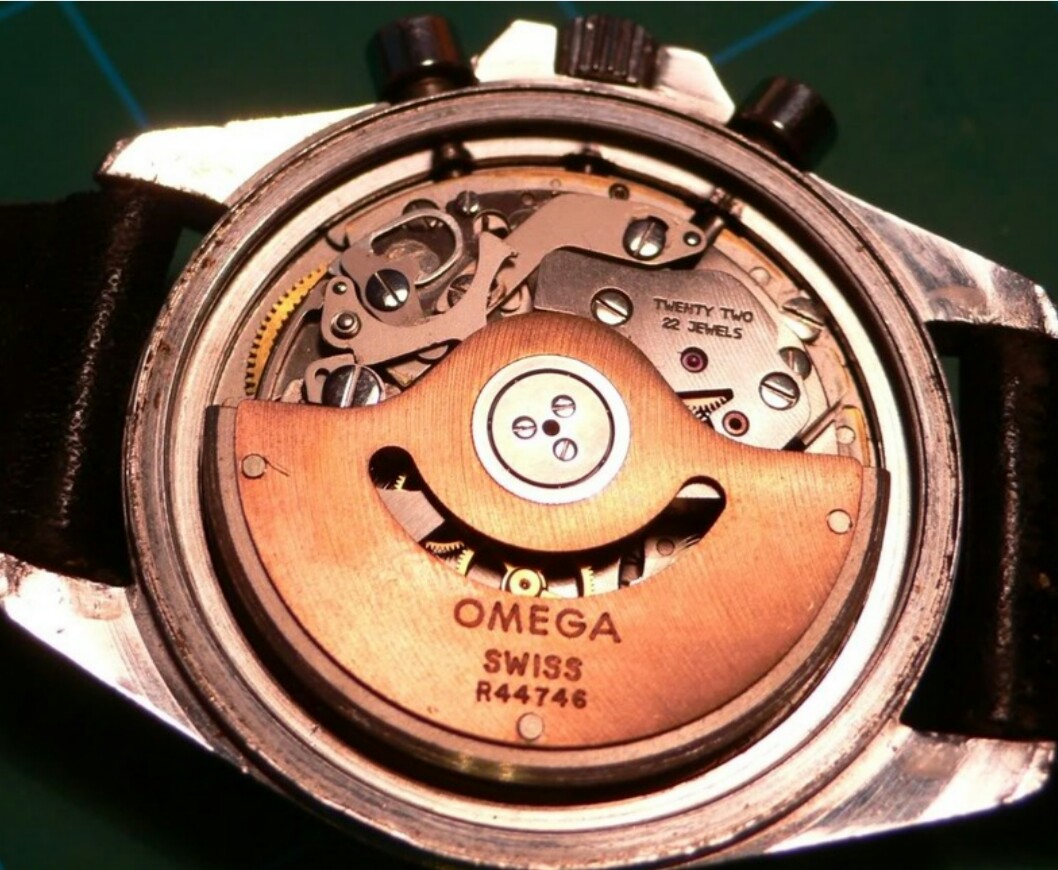
Most (but a very few) "R-serial" rotors have three visible rivets fixing the oscillating weight to the rotor disc.
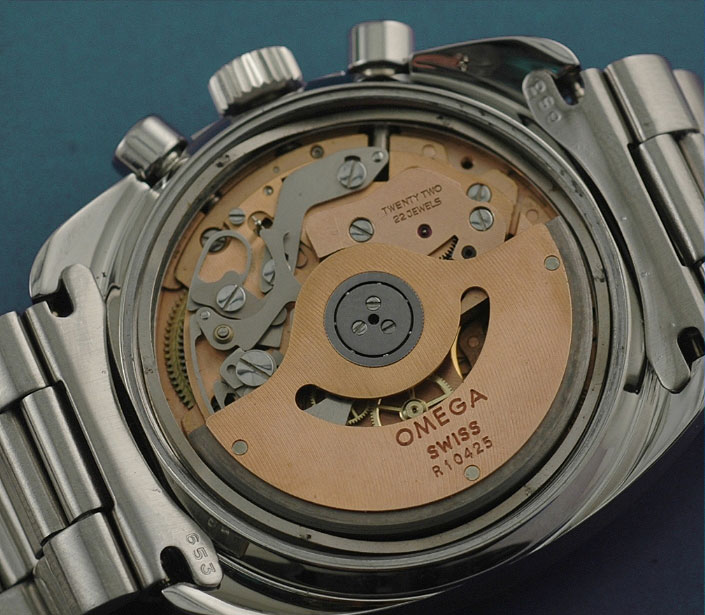
All (that I have seen) of the regular Omega serial ones does not show these rivets.
My 5-digit P-word rotor is of the same design as the regular serial ones!

Is this a sign that the early "original" rotors had a tendency to break (oscillating weight coming loose) and they later strengthened the design?

 
Posts
8,890
Likes
28,366
Lovely watch chap.

Not too much help on the movement side of things, and others above have offered some good options.

My mk3 Speedmaster has an R prefix on the rotor... Was talking to Simon at STS yesterday who said it might be fun to request an Extract and see what they come back with... Which is tempting (after I've paid up a few more service bills!).

On the hands... I looked at a lot of Mk3s before buying mine.

The early/original series before they moved "automatic" next to the date, seems to have all left the factory with needle tipped minute hands, the later series with the moonwatch style minute hand.

Mine has a service replacement set of hands from some point in the distant past... And the quest for a needle tip has netted me zero... Long discontinued by omega.

So, I'd go with this being an early run watch... Beyond that, well it's bloody lovely isn't it?
 
Posts
2,876
Likes
1,962
It's a possibility. But I highly doubt it as Lemania themselves did never use an R serial prefix, and 5 digit Lemania serial numbers was ended in the mid 1940s.
In the early 1970s Lemania was issuing serial numbers in the 25xxxxx to 28xxxxx range.
Combined with the fact that Omega trained personell from that period have confirmed the "R-serial" practice as replacement parts I tend towards buying that as an explanation.
A high number of "R-serial" rotors could imply a design flaw on early rotors leading to a routine/guarantee replacement having been made?
Lemania produced for many different brands and their record keeping history was known to be not very reliable.

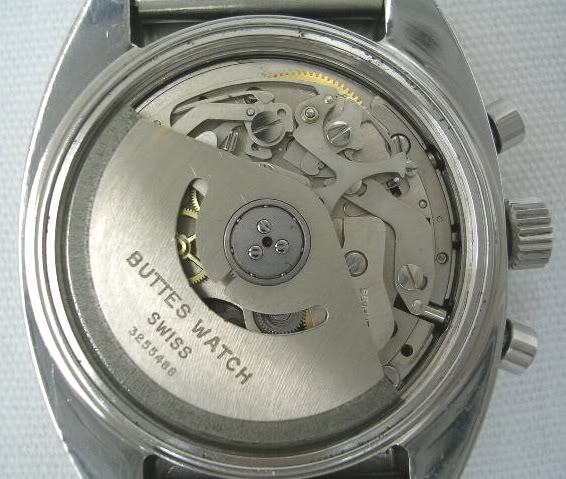
You can see that the 3 rivet rotors have serial number both low and higher, while the normal type rotors have serials mixed in between, including yours. The 3 rivet ones also have never been seen with normal serial either. They look just like the rotor used on the 1341 movement, which I've seen some had serial stamped some didn't.

Your non-R 5 digit serial is rare on the 1040, but on other Omega movements, the non-typical serials include both R and no R, as well as no serial, which is the only thing I've seen sold separately as parts.

Btw, the rivets are not the only difference, the shape of the rotors are also quite different along with a slot near the ball bearing.
Edited:
 
Posts
4,440
Likes
18,251
Lemania produced for many different brands and their record keeping history was known to be not very reliable.
How true, but I find that this mainly applies for production to external companies. The Lemania "in house" watches I own, and there are quite a few of them, all seems relatively consistent in terms of serial numbers.

The 3 rivet ones also have never been seen with normal serial either. They look just like the rotor used on the 1341 movement, which I've seen some had serial stamped some didn't.
That's what tends to lead me in the direction of assuming these are all service parts. The shape of these are, as you point out, equivalent to the 1340/41. However the copper colored finish is mostly (possibly only) seen on Omega.
The shape of the standard numbered Omega rotor was not exclusive to Omega. Also 1340/41 movement had this.


Your non-R 5 digit serial is rare on the 1040, but on other Omega movements, the non-typical serials include both R and no R, as well as no serial, which is the only thing I've seen sold separately as parts.

If the system for "R" marked replacement parts was used as long as Omega had any form of guarantee responsibility for the watches, this would explain why parts being sold the last 30+ years does not have any serial. I assume Omega would use these numbers to ID the watch in case of claims. After xx years it does not make any sense for a maker to bother. Especially one that was so close to bankruptcy as Omega/SSHI was in the late 70s/early 80s.

Us being a bunch of collectors trying to figure out the background of our vintage timepieces was never the reason for Omega putting the serial numbers in there anyway......
馃榾馃憤