The Illinois Pocketwatch Thread

Posts
8,605
Likes
61,294
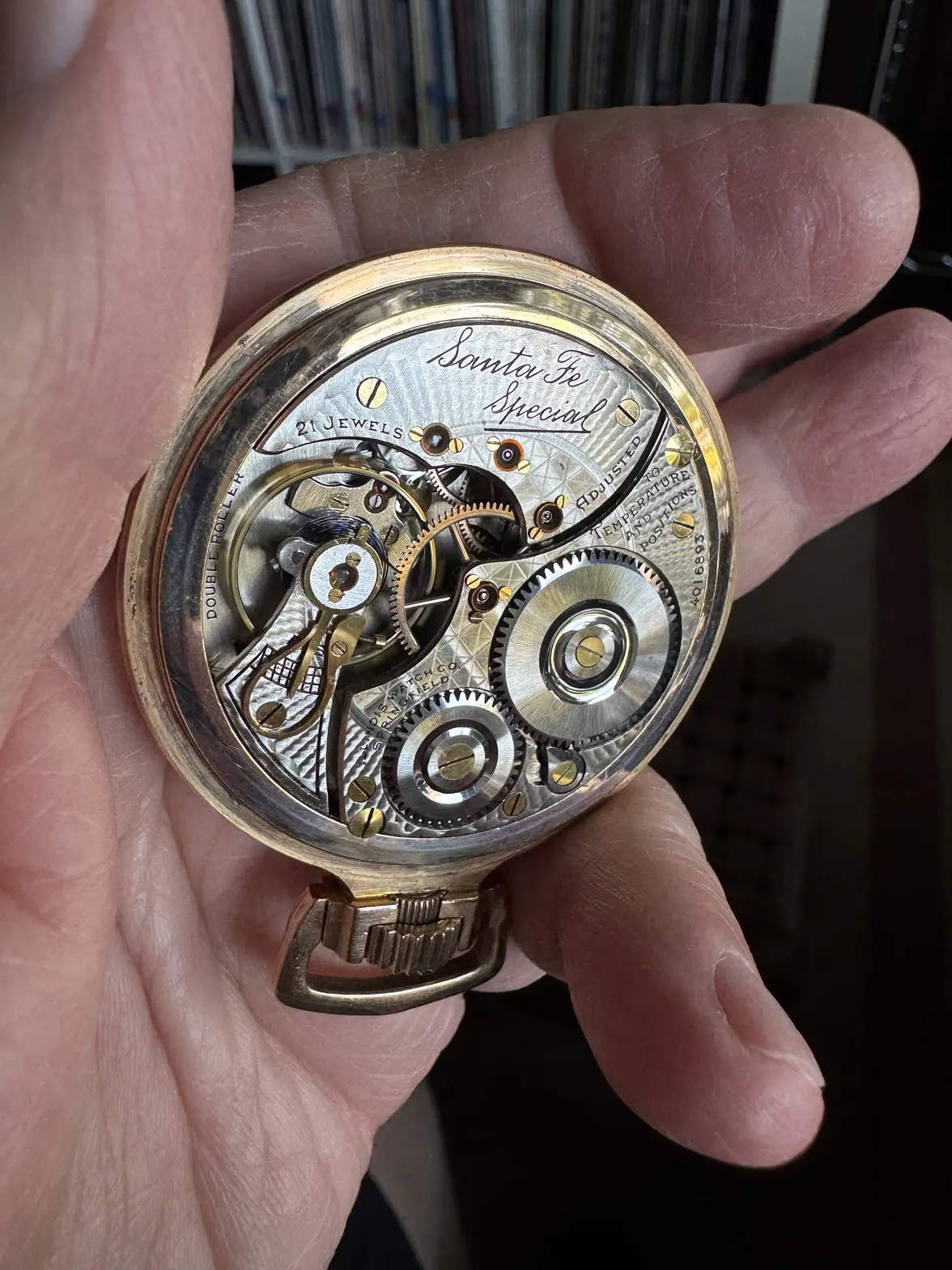
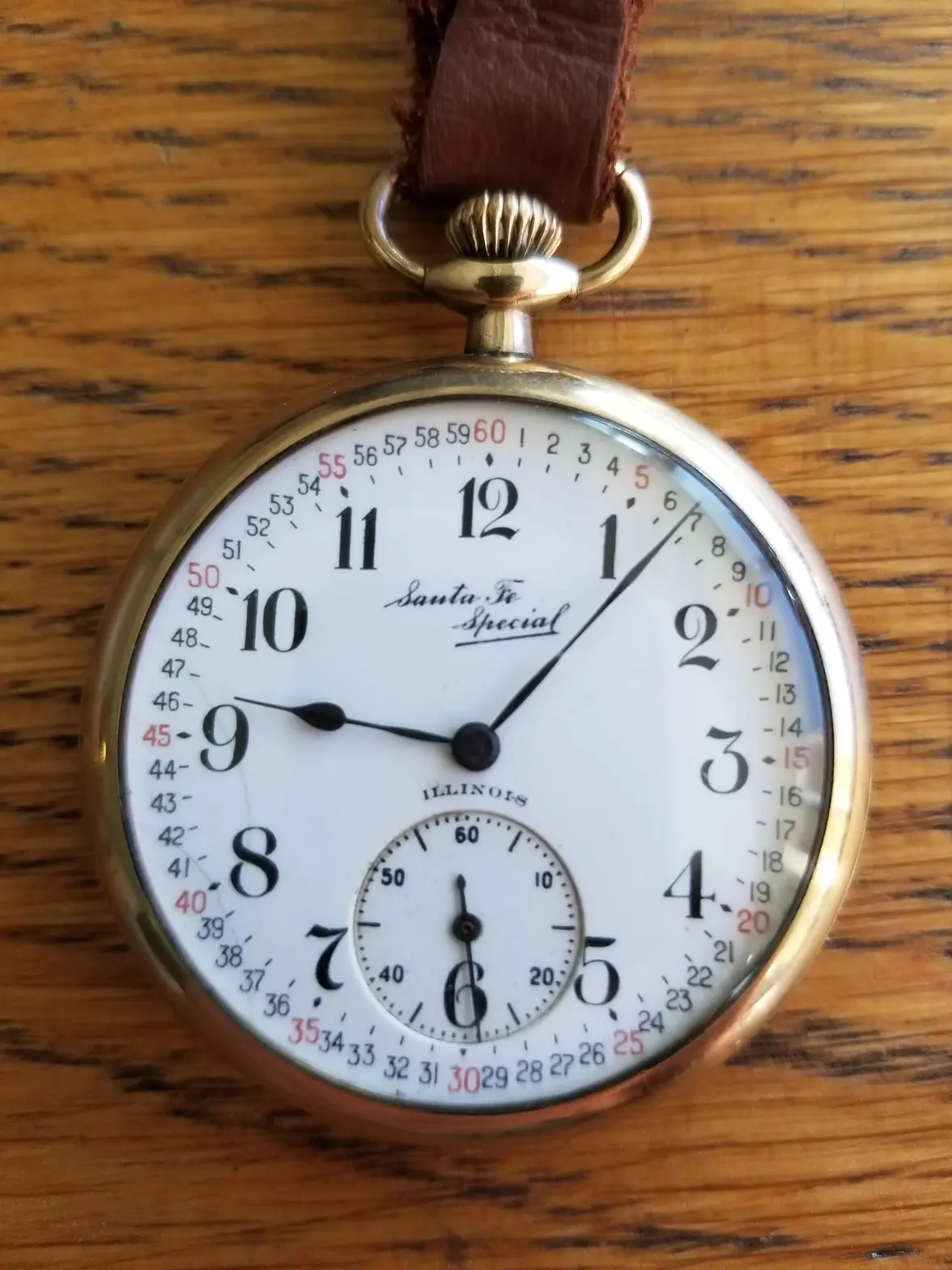
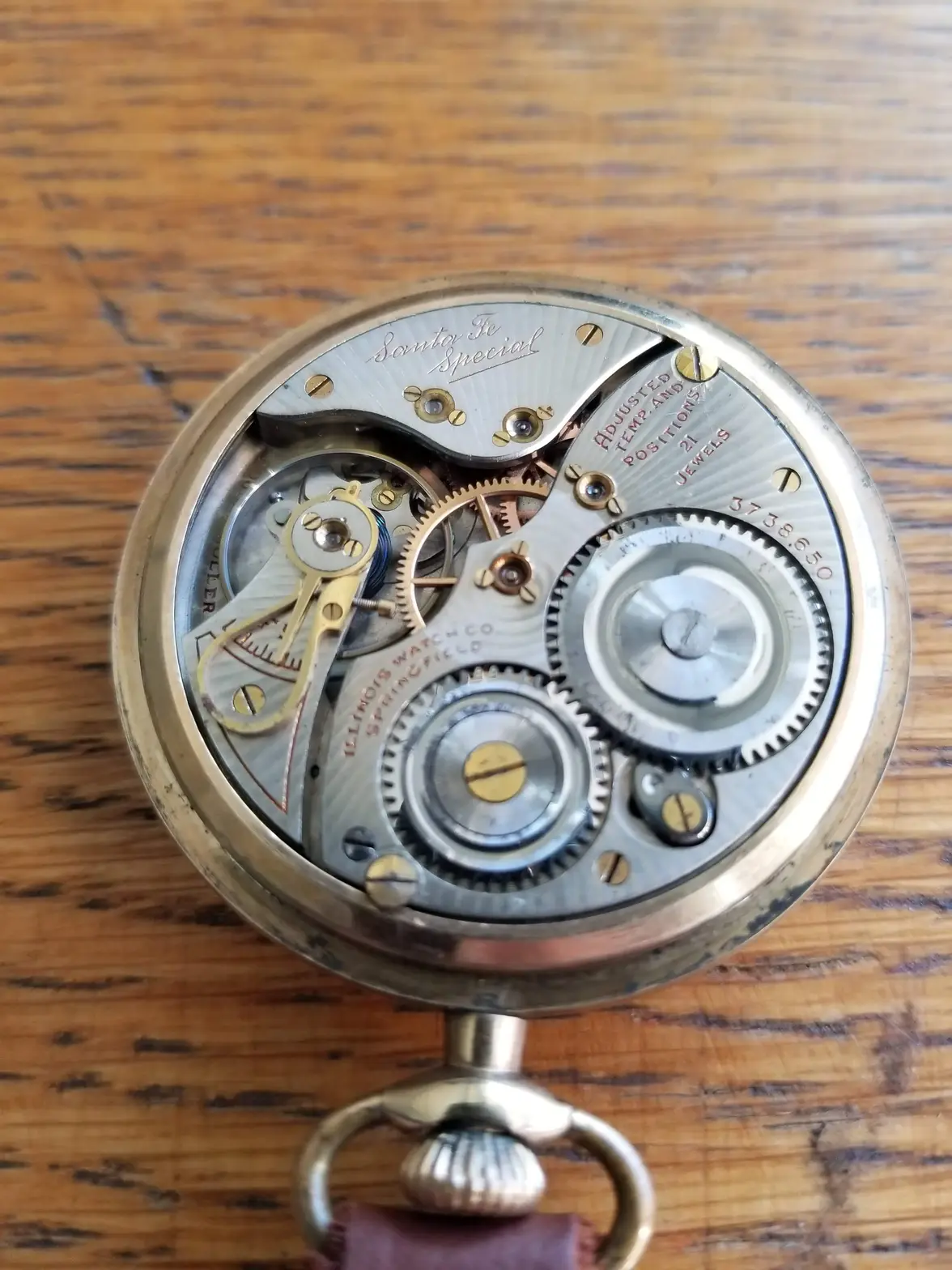
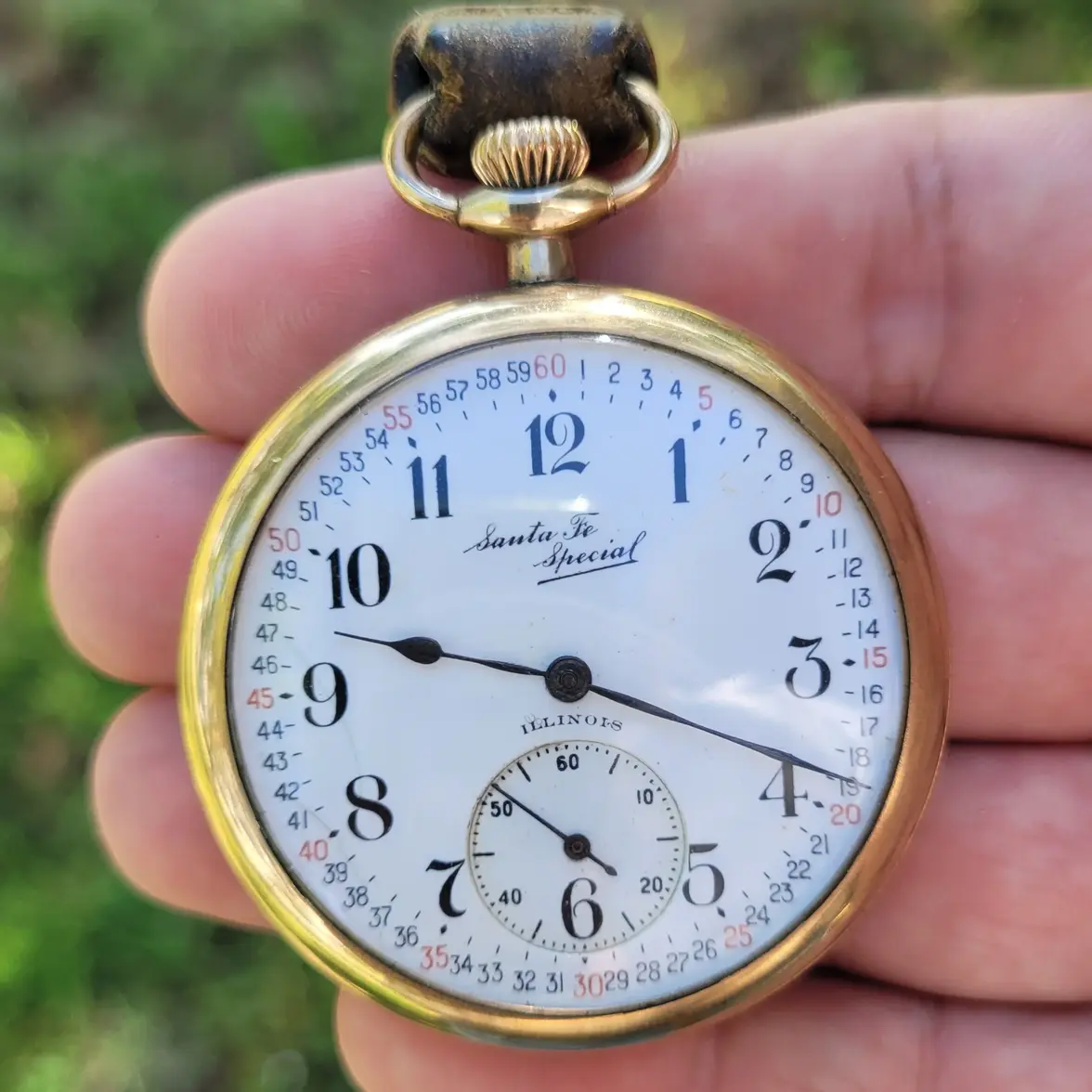
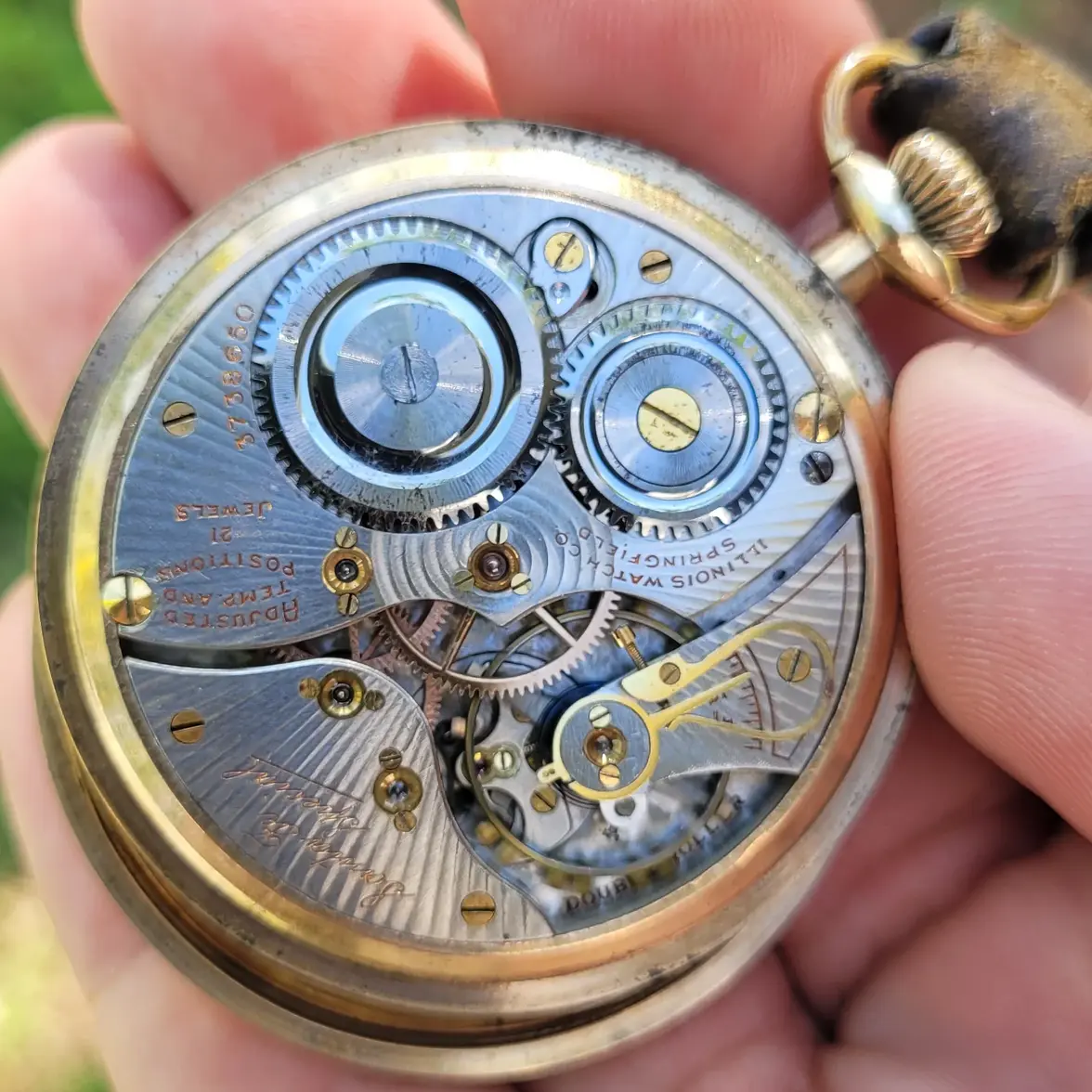
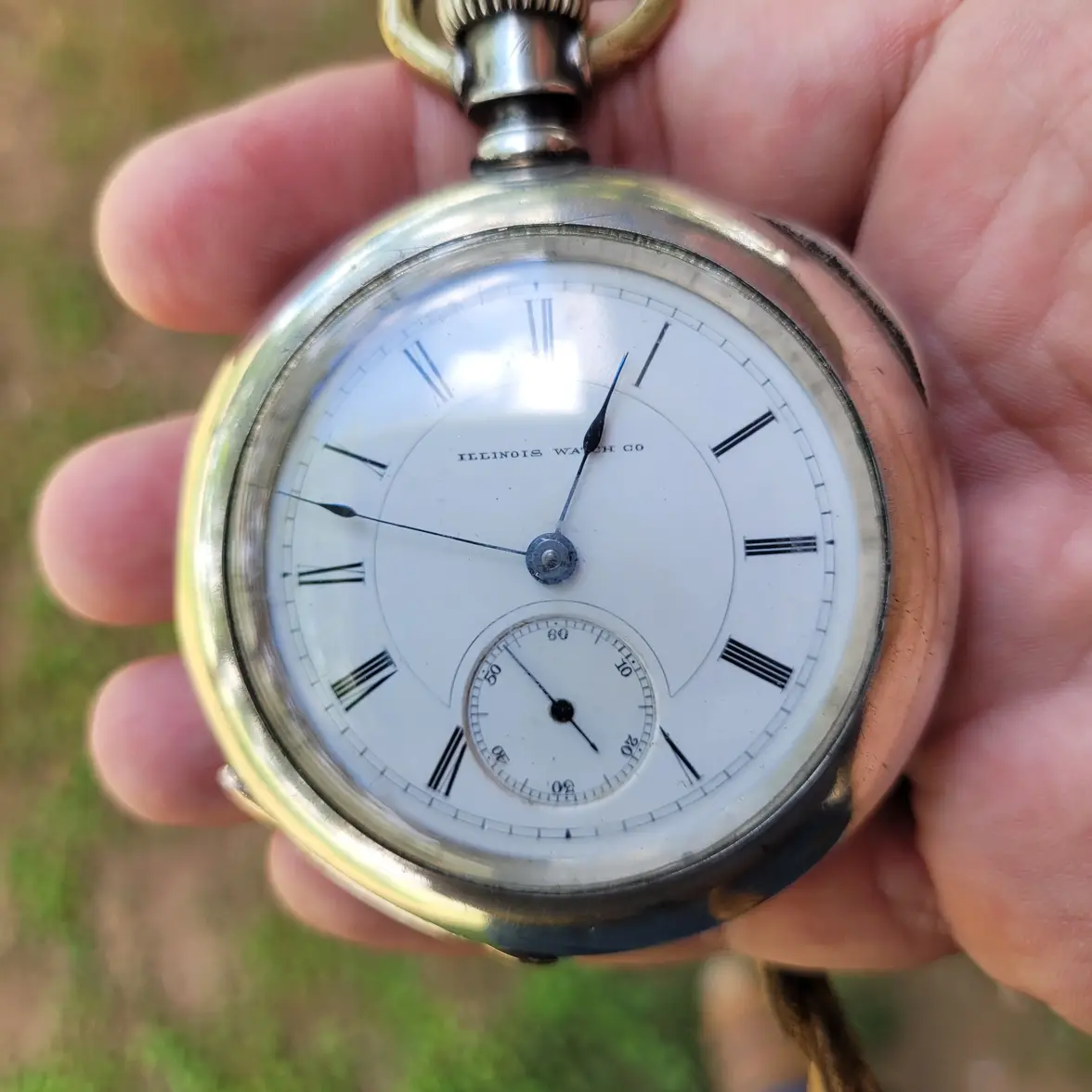
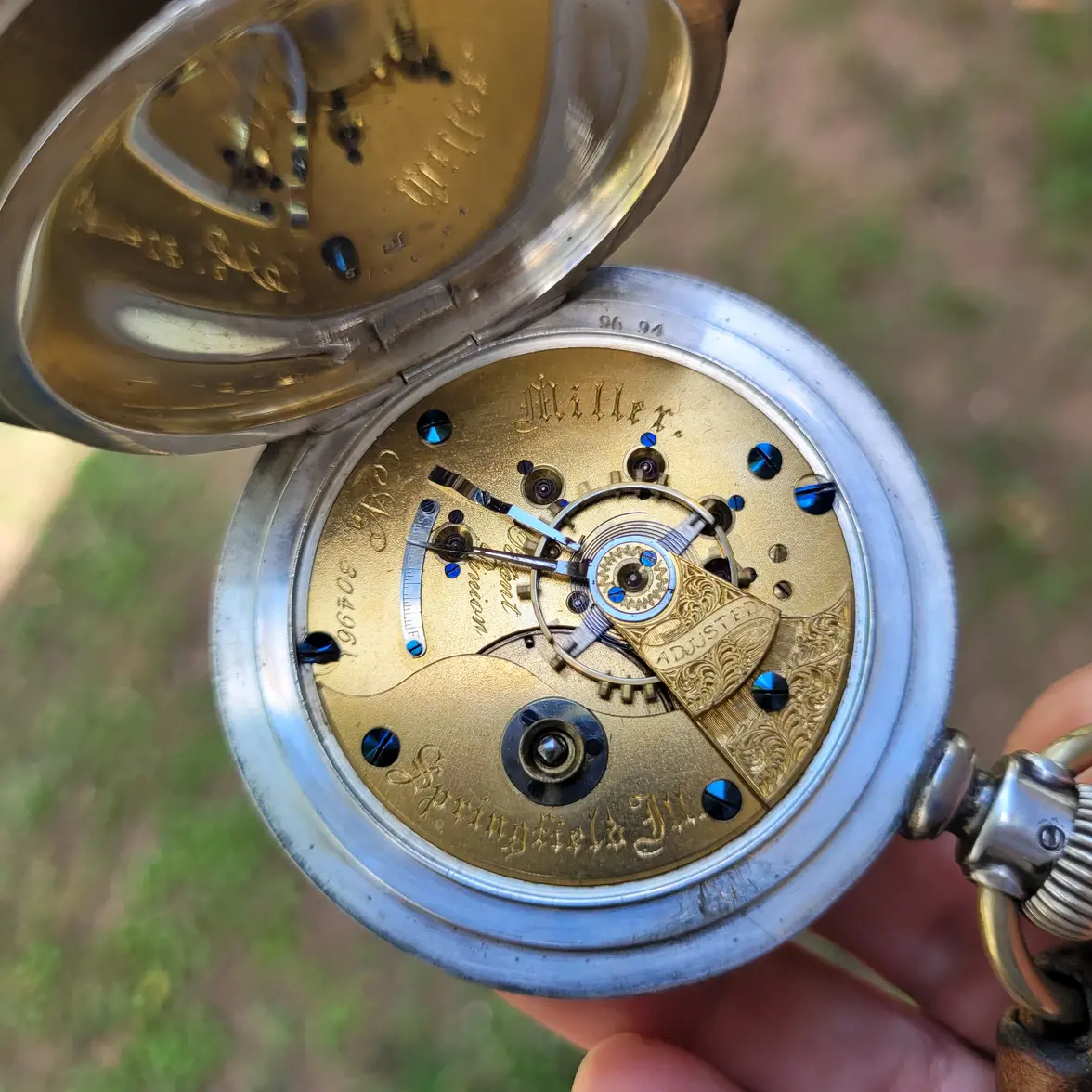
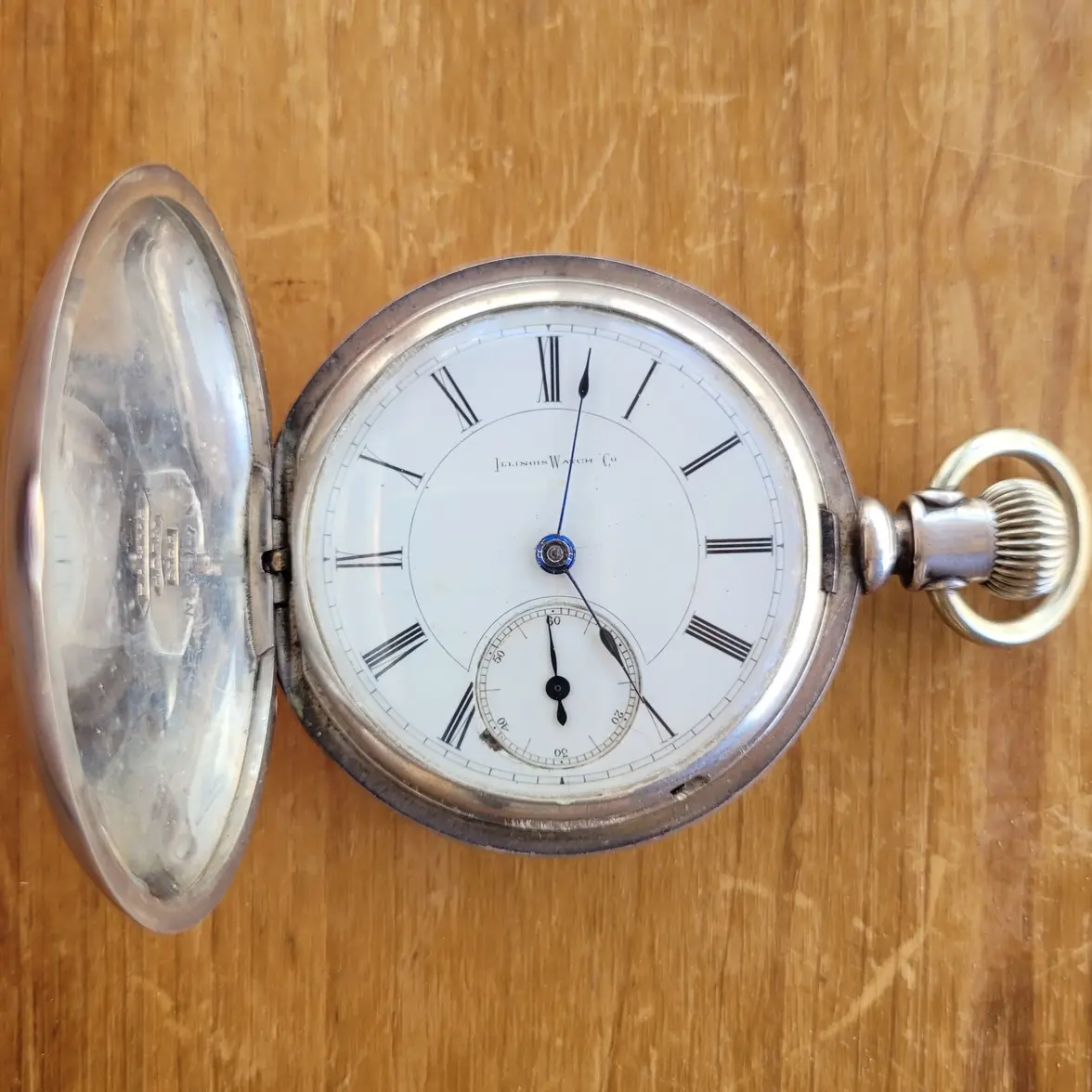
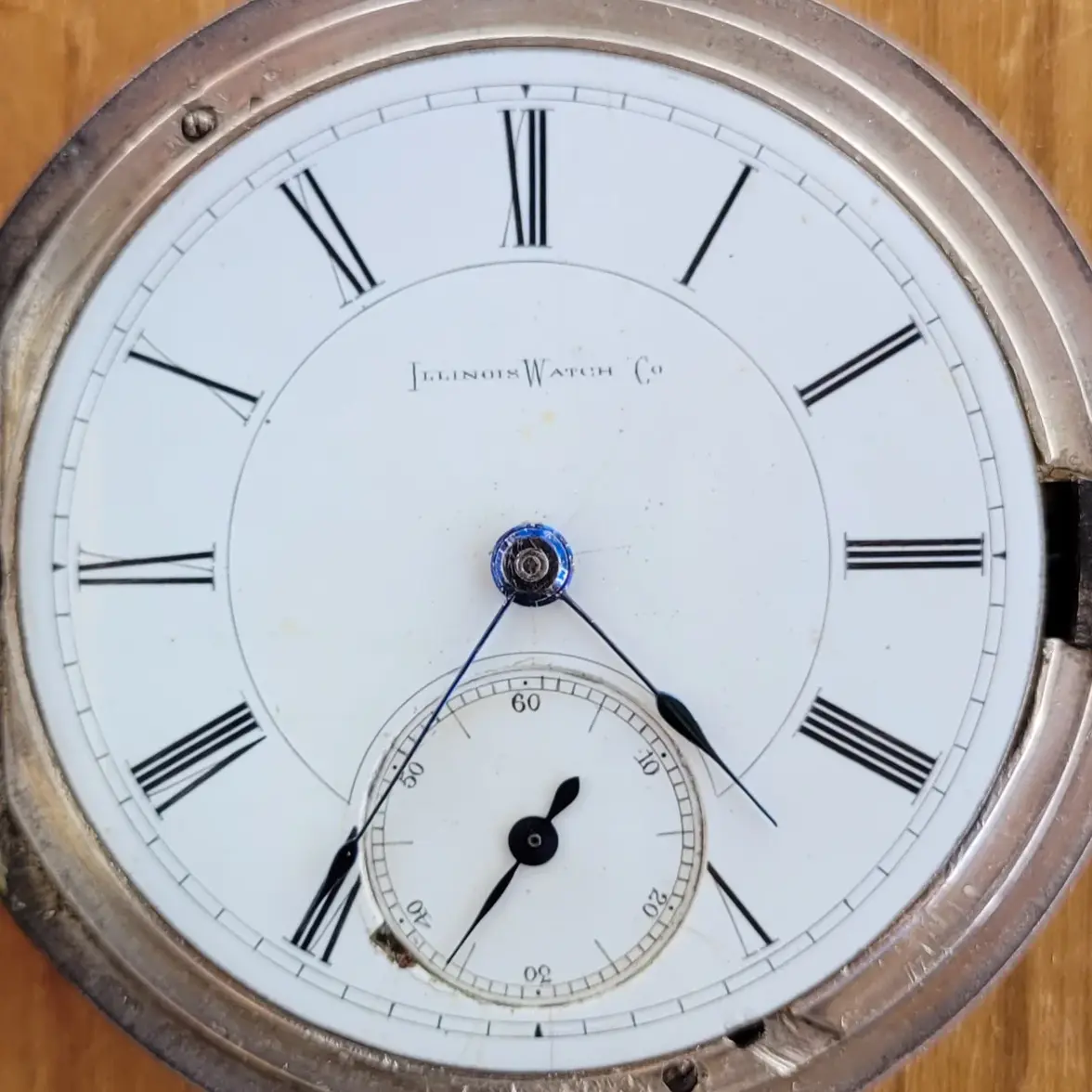
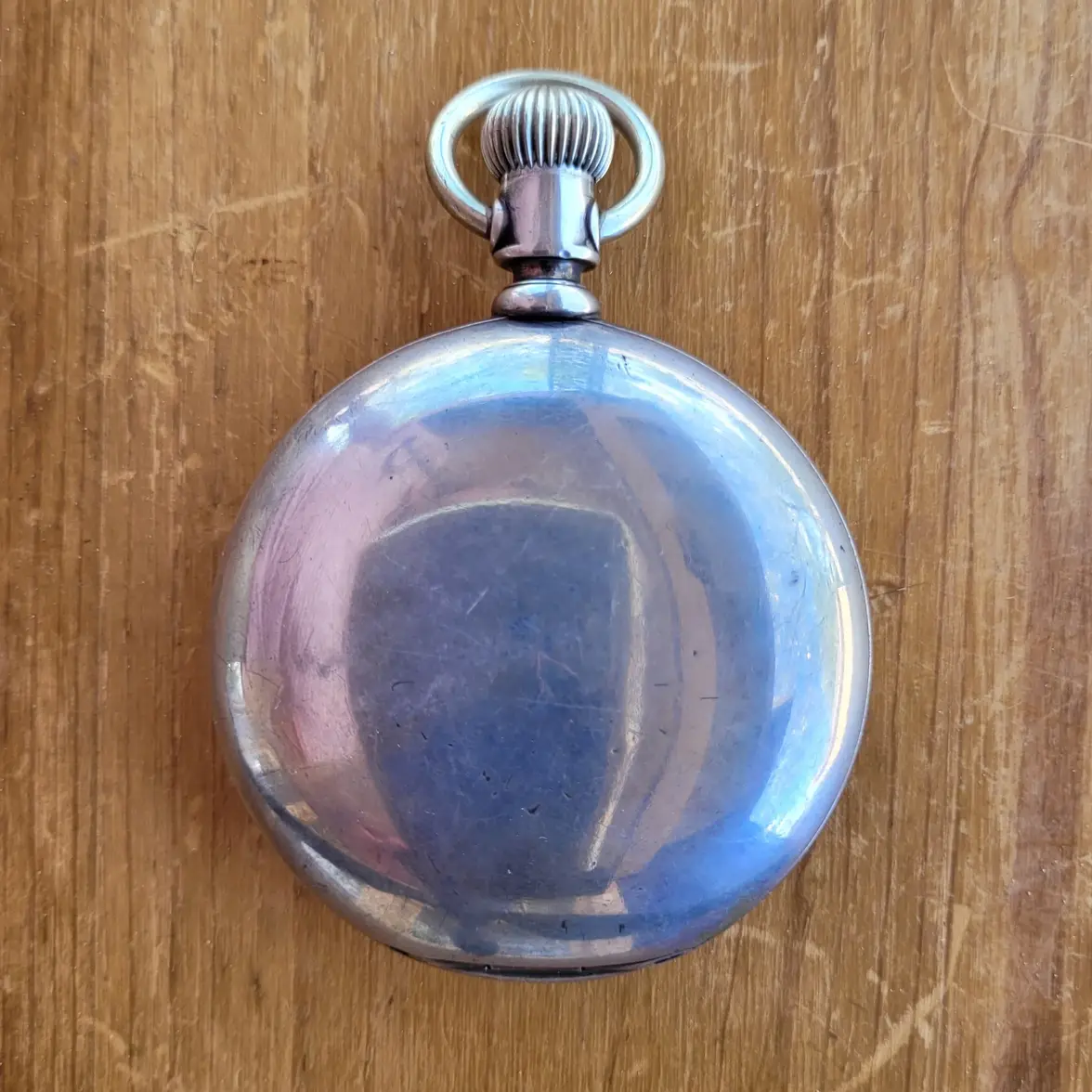
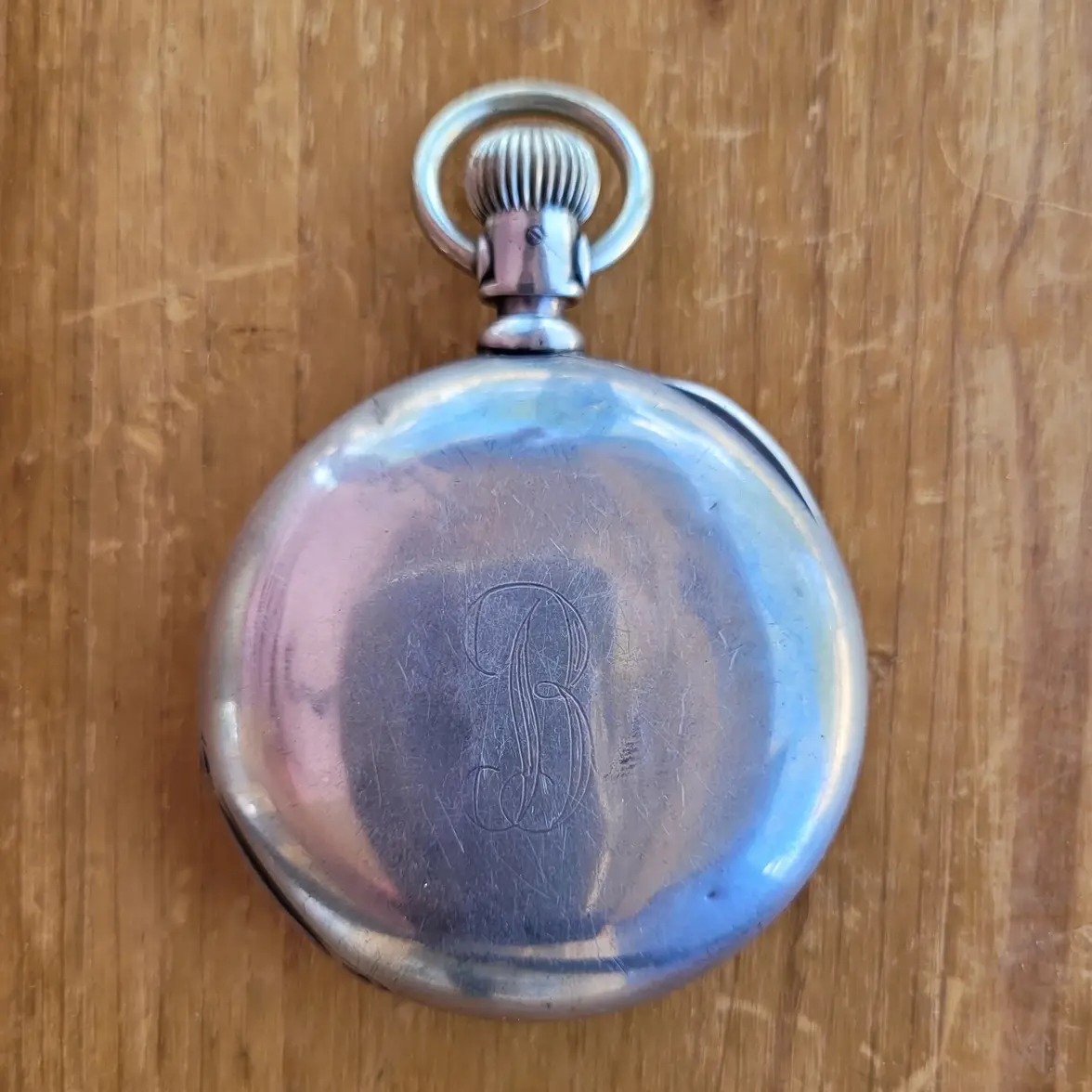
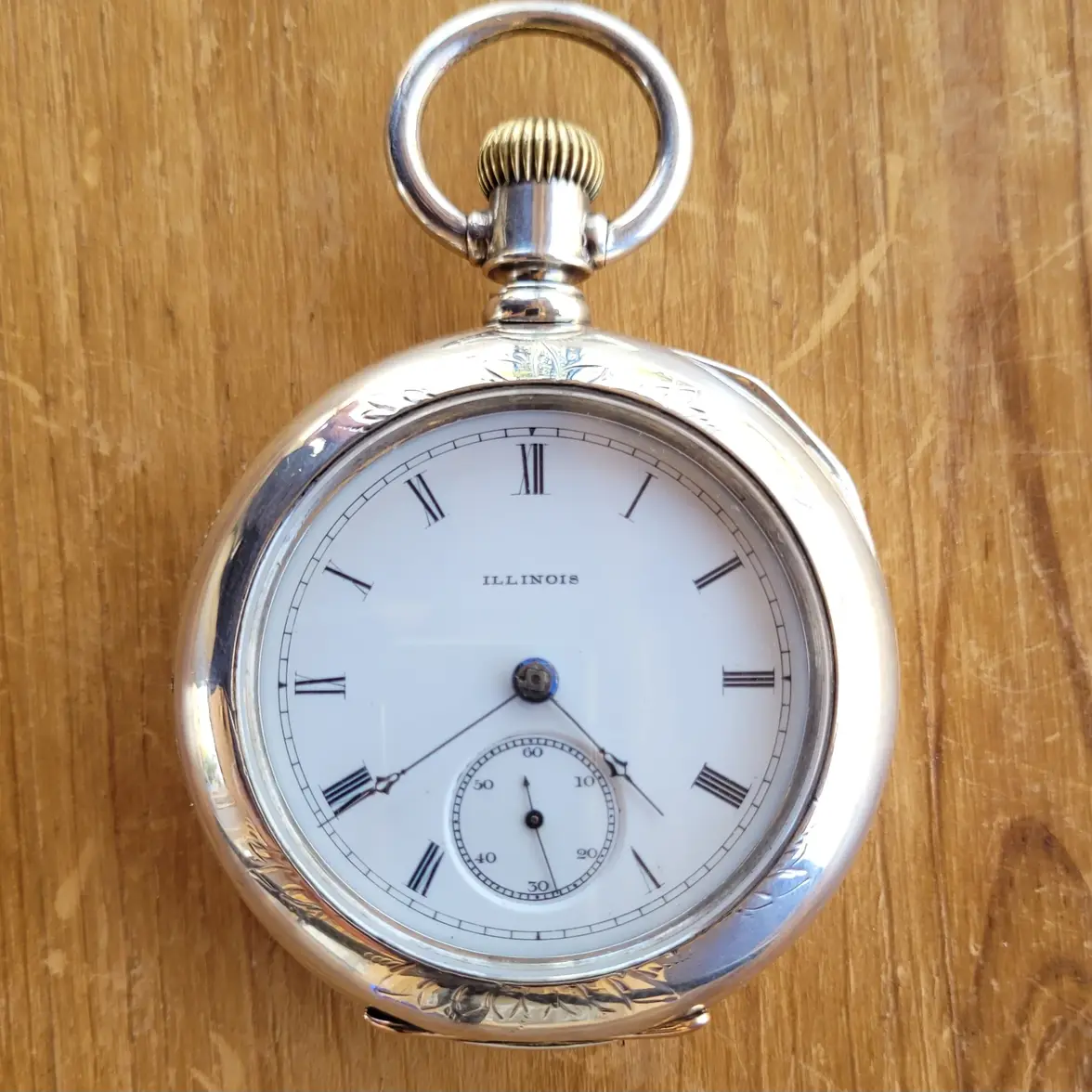
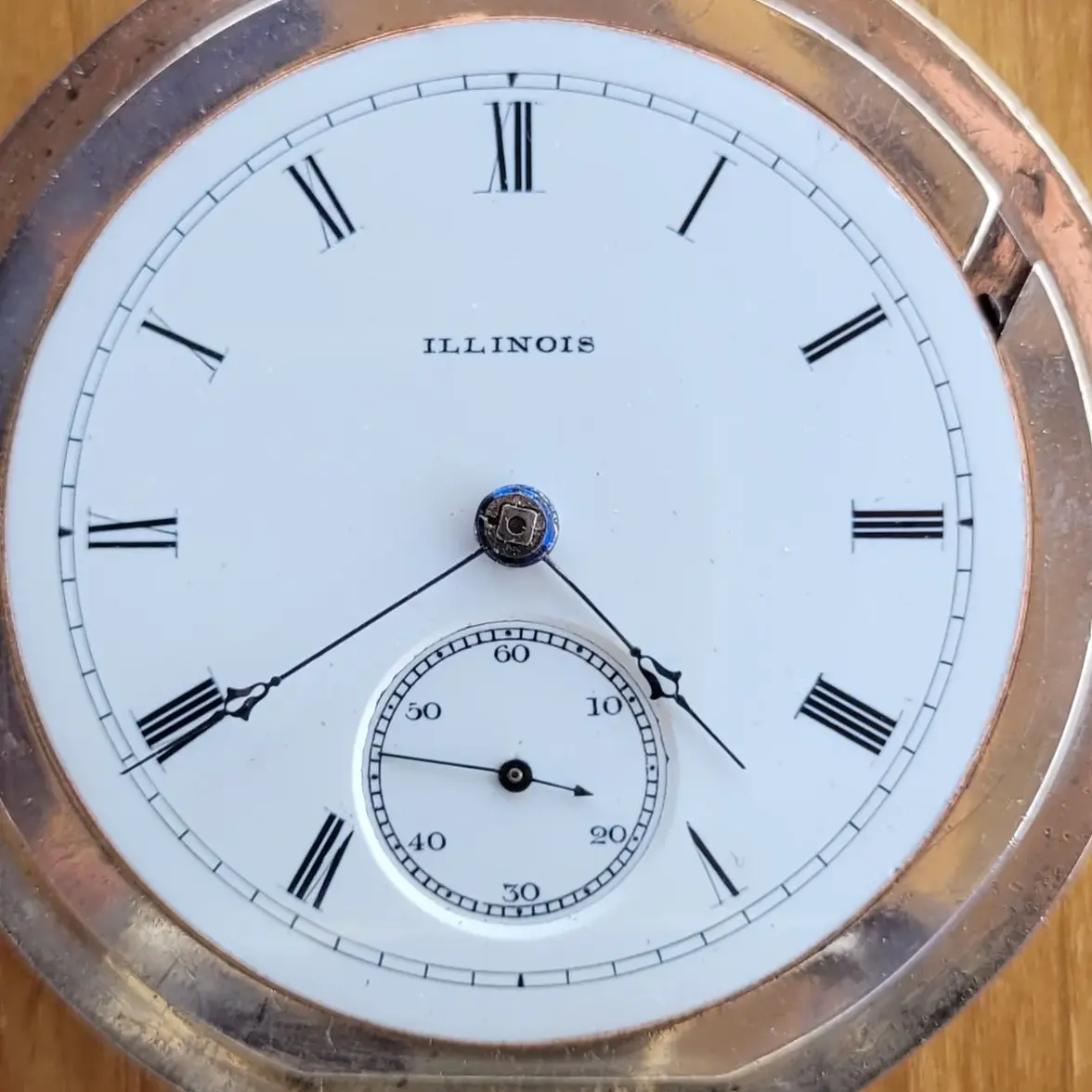
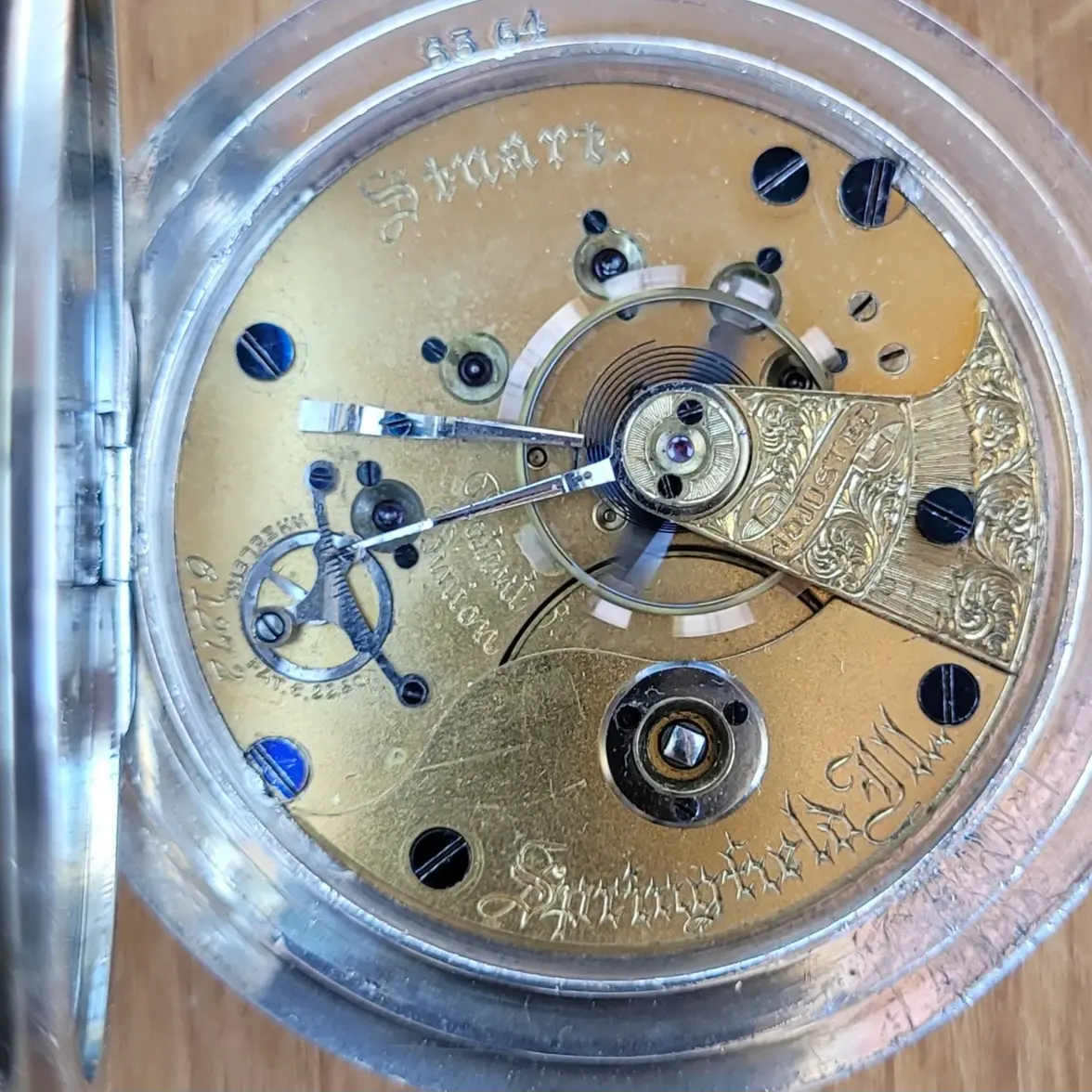
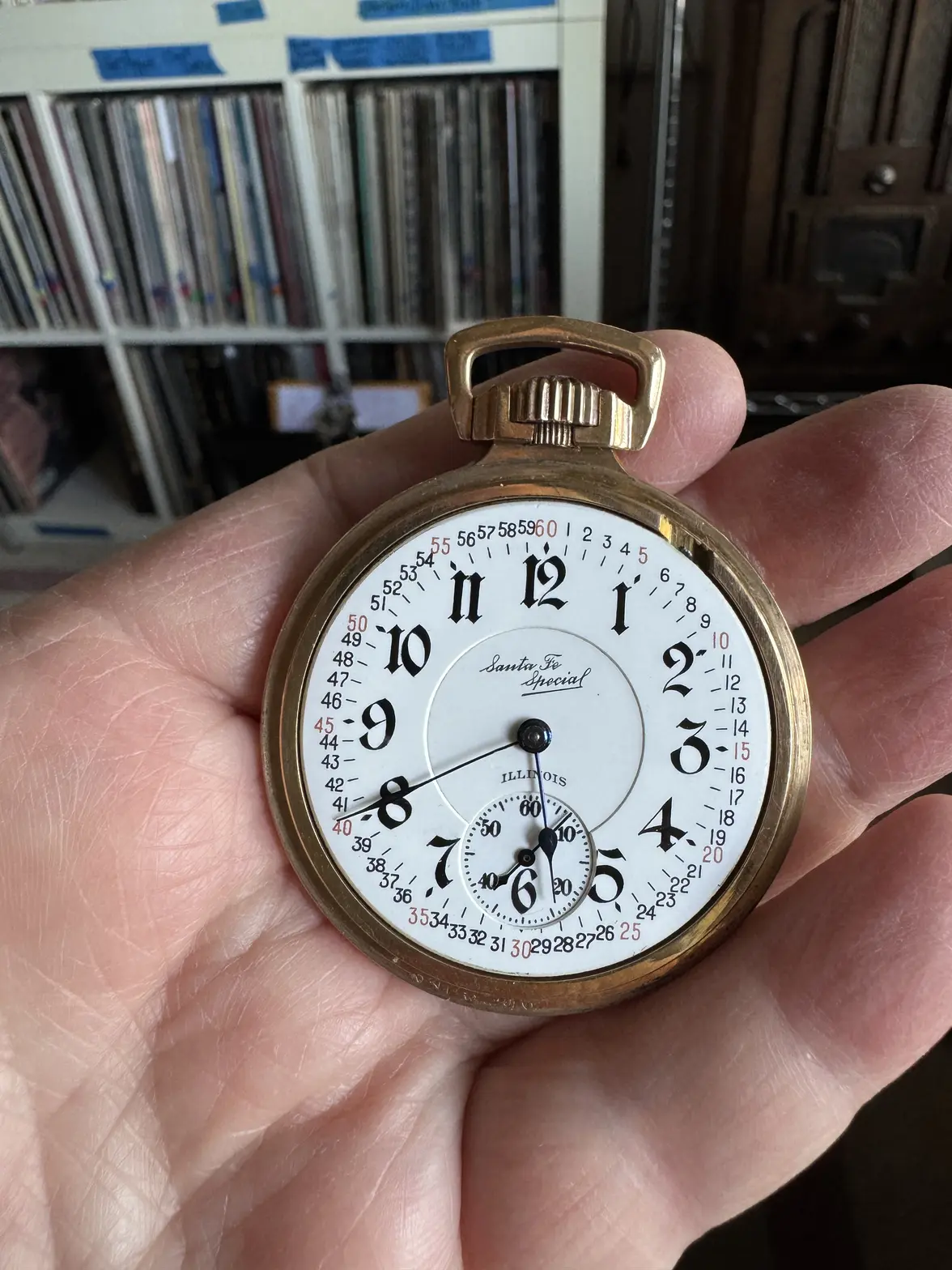
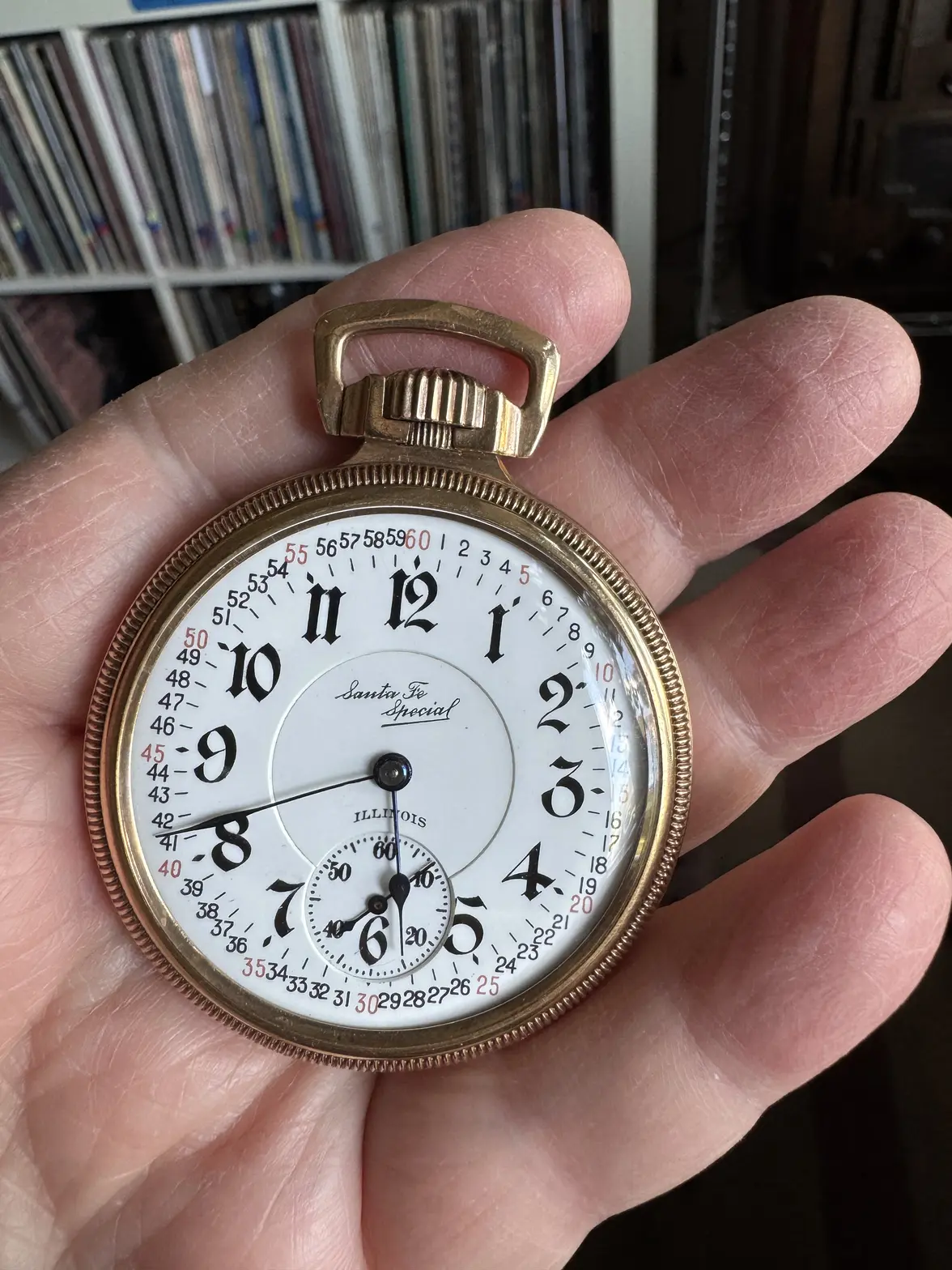
16s 21j Illinois Santa Fe Special, double sunk Montgomery dial, Cool font, circa 1922.
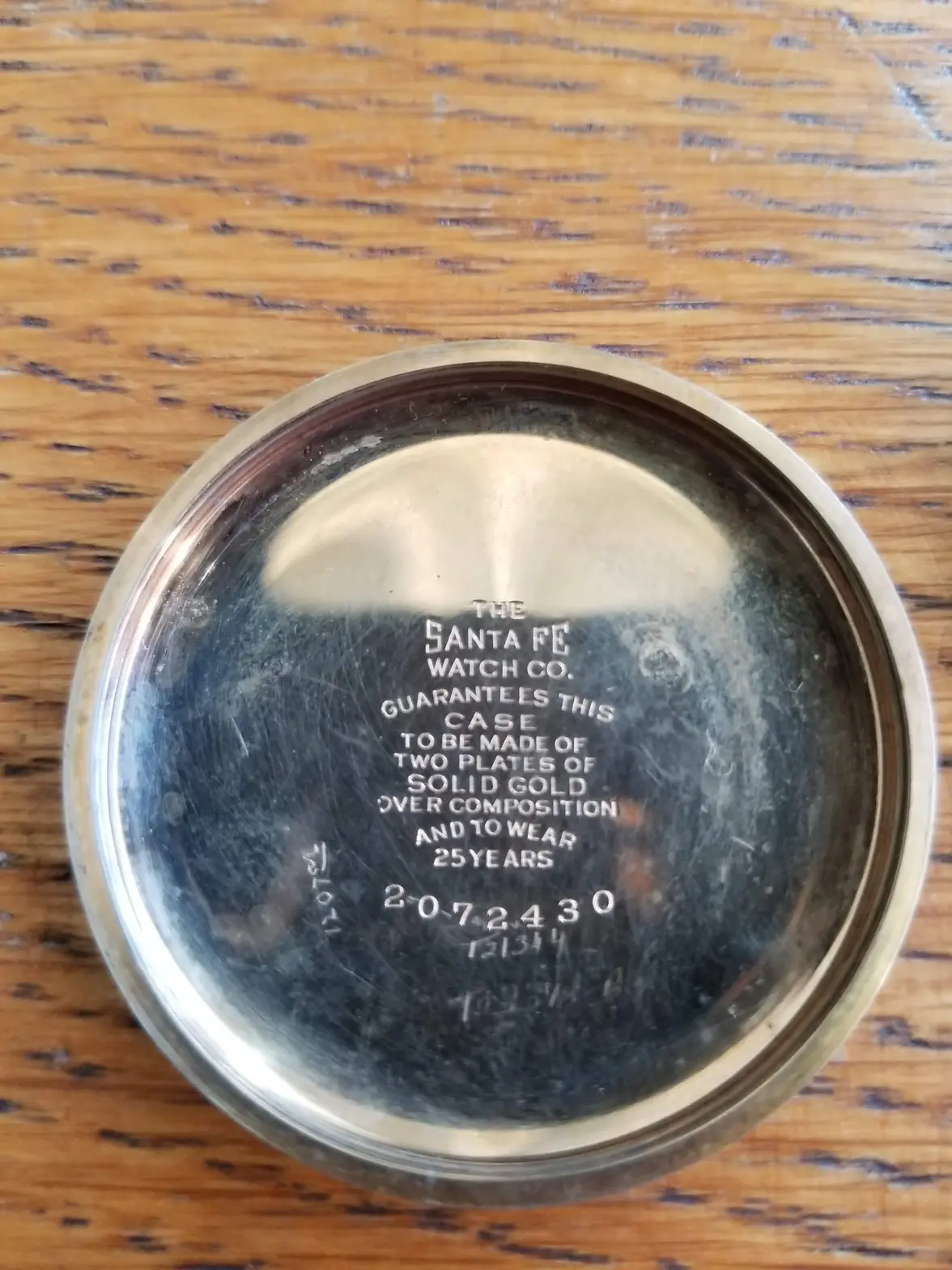
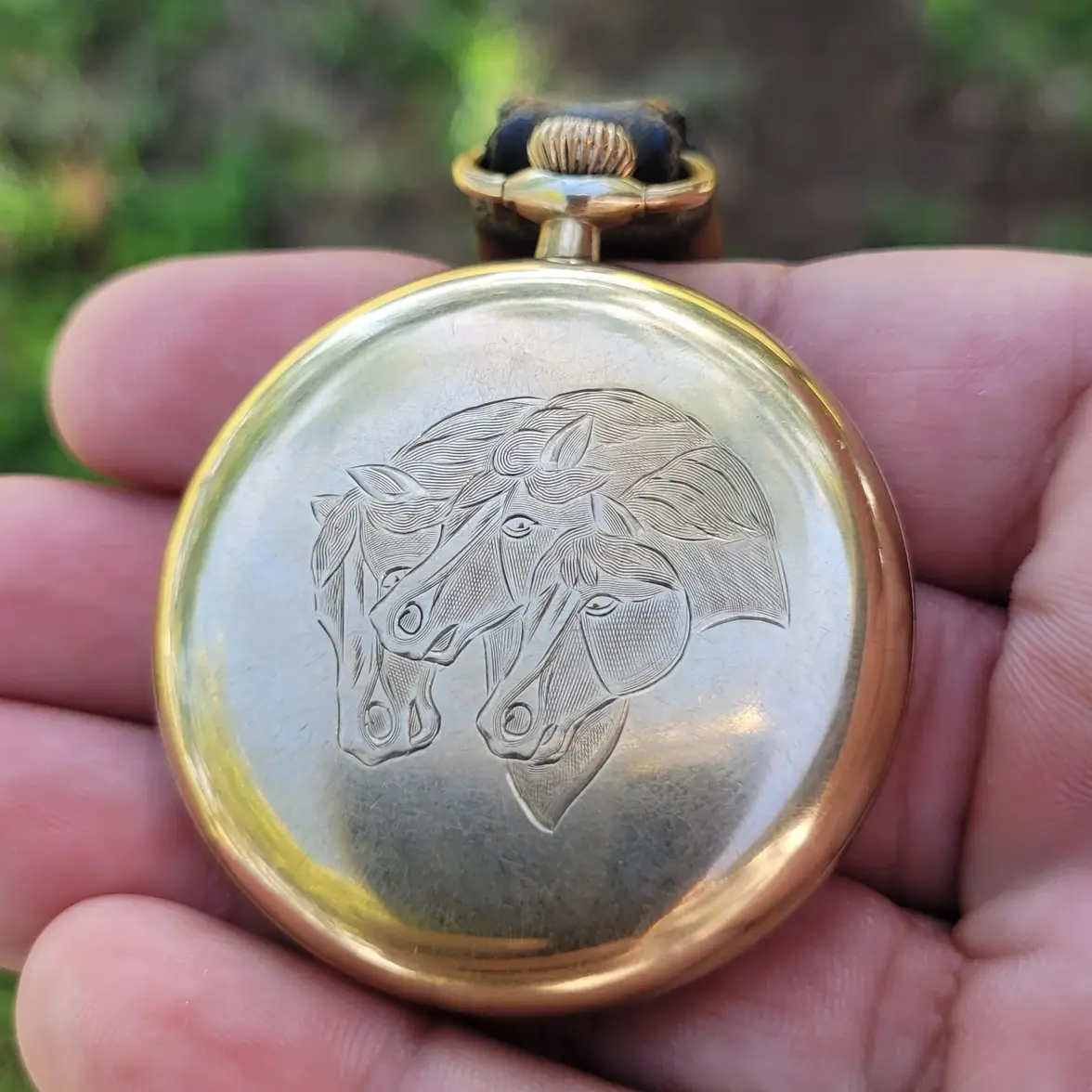
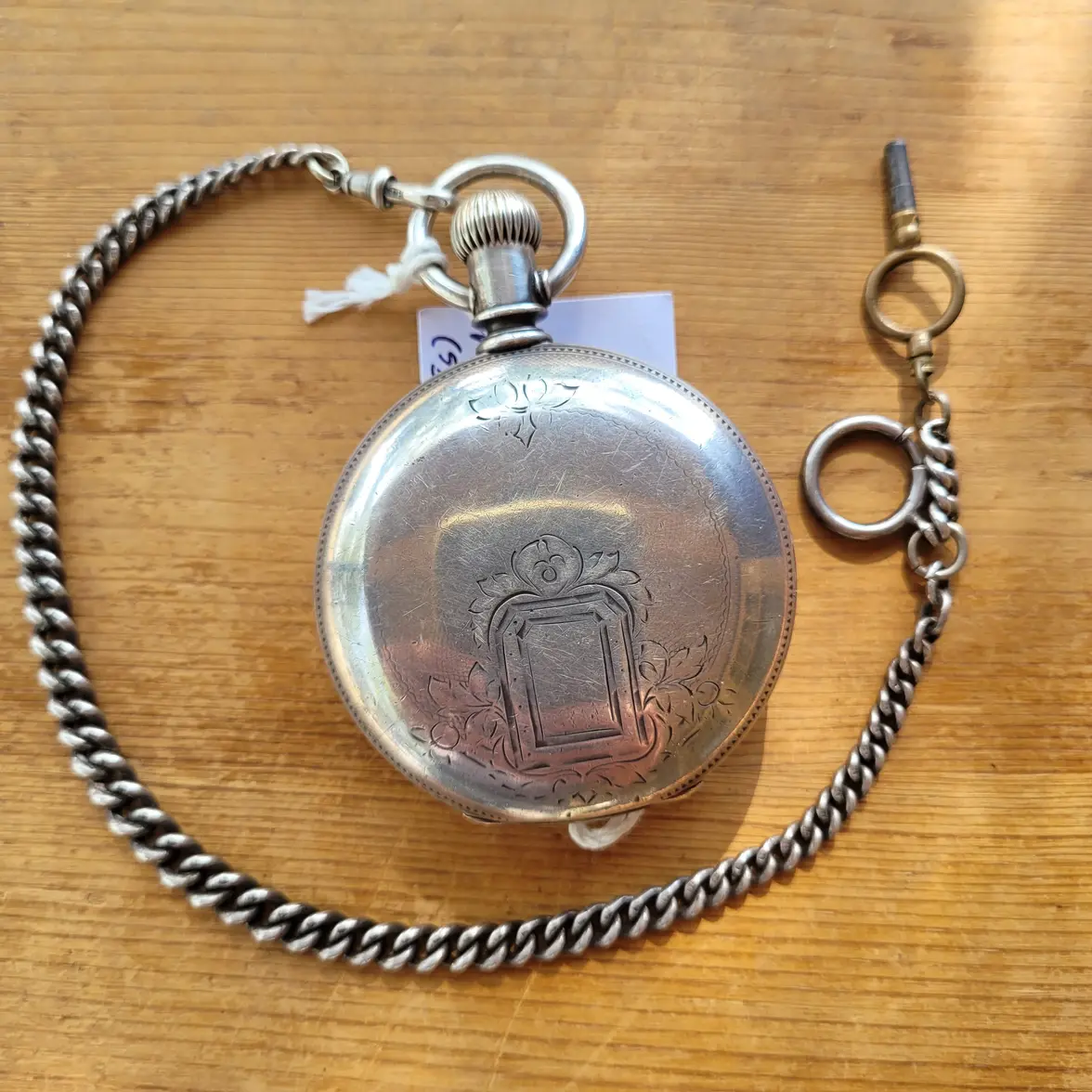
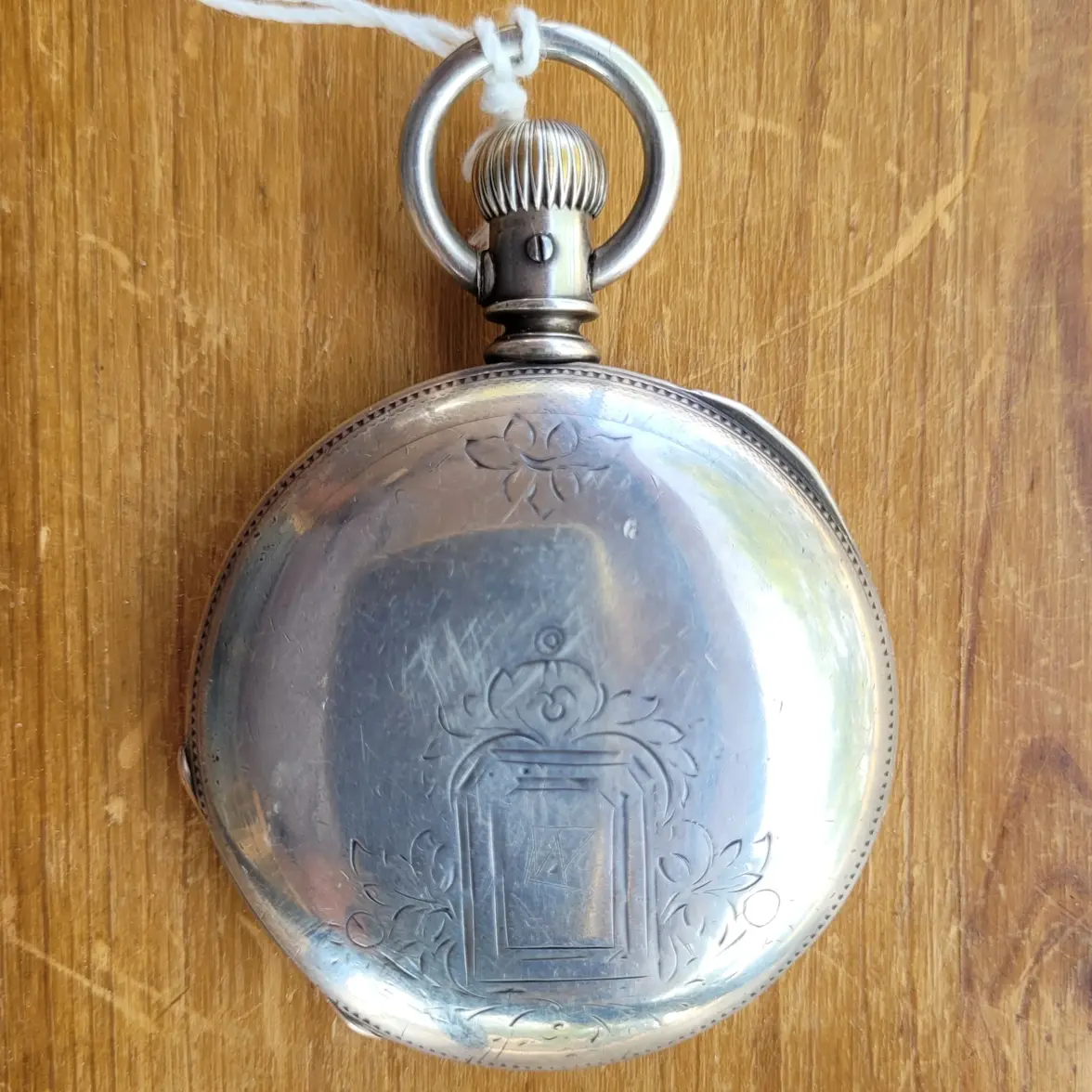
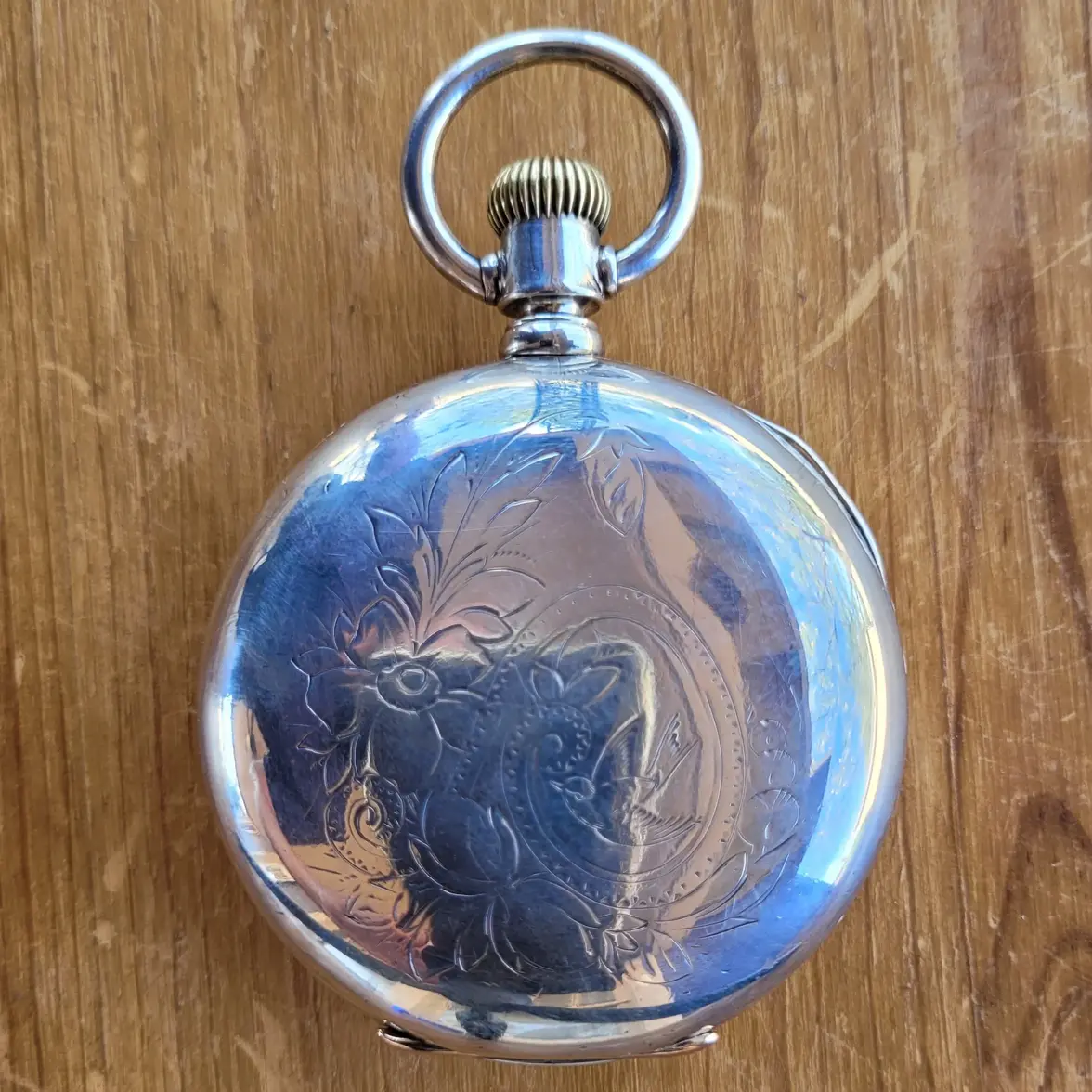
Nifty Keystone J.Boss gf case

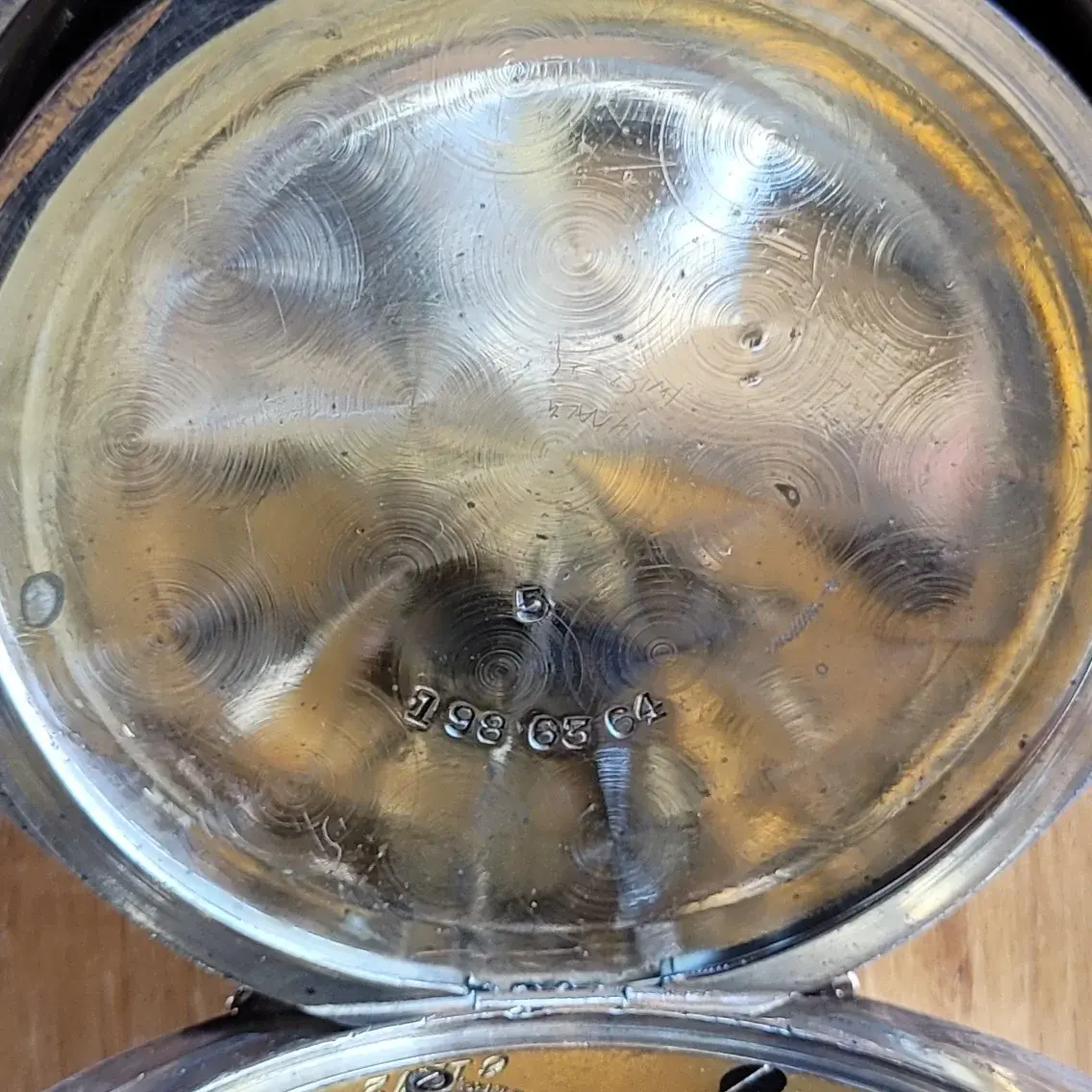
Not properly marked inside or outside, nor a proper set of hands to be RR grade but a top notch pw.
 
Posts
15,610
Likes
46,514
I got a mental image of you wearing a bow tie working under the hood because it's safer than wearing a dangling tie.
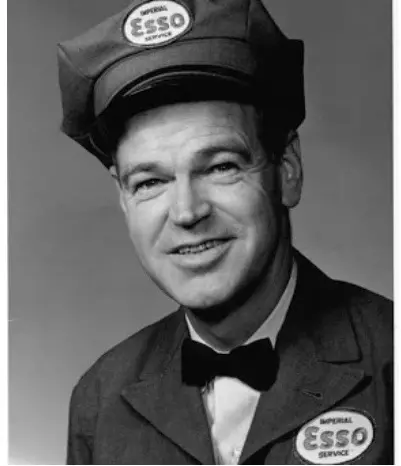
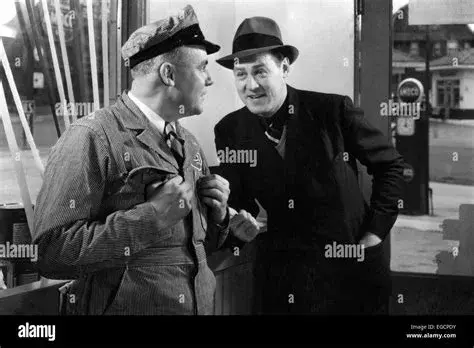
Strange you should mention bow ties worn by service station folks! Esso advertised a lot on Canadian television during the Saturday Hockey Night in Canada program. For approximately 20 years (until the 1960s), the pitchman for Esso was the Canadian actor Murray Westgate. Overall the years he pitched for Esso, he dressed as you see him in the picture, replete with bow tie. He wasn’t a mechanic, never actually worked in a filling station, but he did wear a bow tie. He died at age 100 years, in 2018.

 
Posts
4,084
Likes
11,608
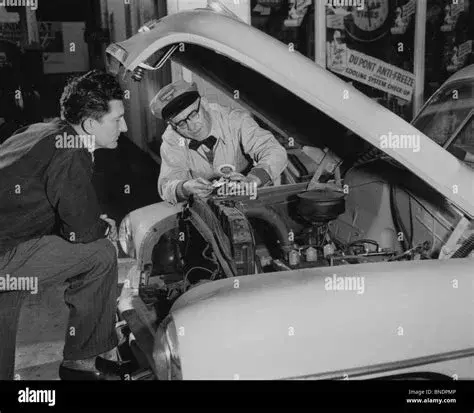
While serious shops would not have their mechanics wearing ties (all sorts of bad things could happen due to a tie), some service shops, like Esso as @Canuck pointed out, would have employees at service stations wear ties. Bow ties were common, but so were regular neck ties, tucked into their coveralls .
 
Posts
4,084
Likes
11,608
16s 21j Illinois Santa Fe Special, double sunk Montgomery dial, Cool font, circa 1922.
Nifty Keystone J.Boss gf case

Not properly marked inside or outside, nor a proper set of hands to be RR grade but a top notch pw.
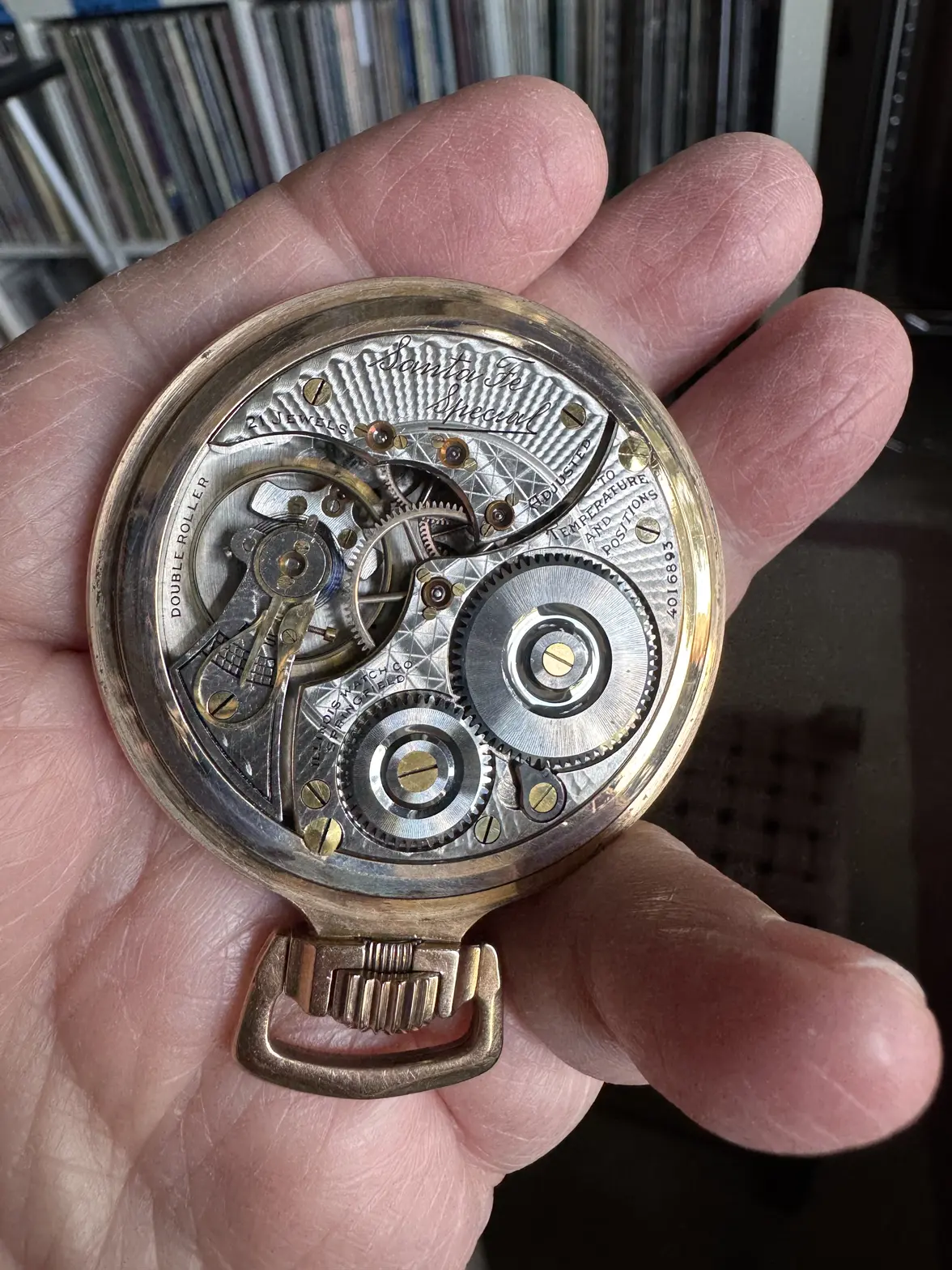
That is a mighty fine watch!

I only own one Santa Fe Special, a 12s. I find pretty much everything about these PLs to be attractive.
 
Posts
15,610
Likes
46,514
While serious shops would not have their mechanics wearing ties (all sorts of bad things could happen due to a tie), some service shops, like Esso as @Canuck pointed out, would have employees at service stations wear ties. Bow ties were common, but so were regular neck ties, tucked into their coveralls .

In anno 2000, on an NAWCC tour of English tower clocks, we visited the tower clock in the Royal Courts of Justice, in London. This clock is so massive and such a challenge to wind that the mechanized winding apparatus rests on rails running parallel to the clock, the length of the clock, a few feet away from the clock. It was an operators job to move this apparatus along the rails, to hook up to the three winding arbors, hook it up, and turn it on. The operator was wearing a tie the last time he went to wind the clock. You guessed it! The clock is now caged, and the winding cannot be activated if there is anyone in the cage. The winding is tripped remotely.

( i once got a favourite tie hooked up with a paper shredder. Fortunately, it had an OFF switch (the shredder did.)
 
Posts
4,084
Likes
11,608
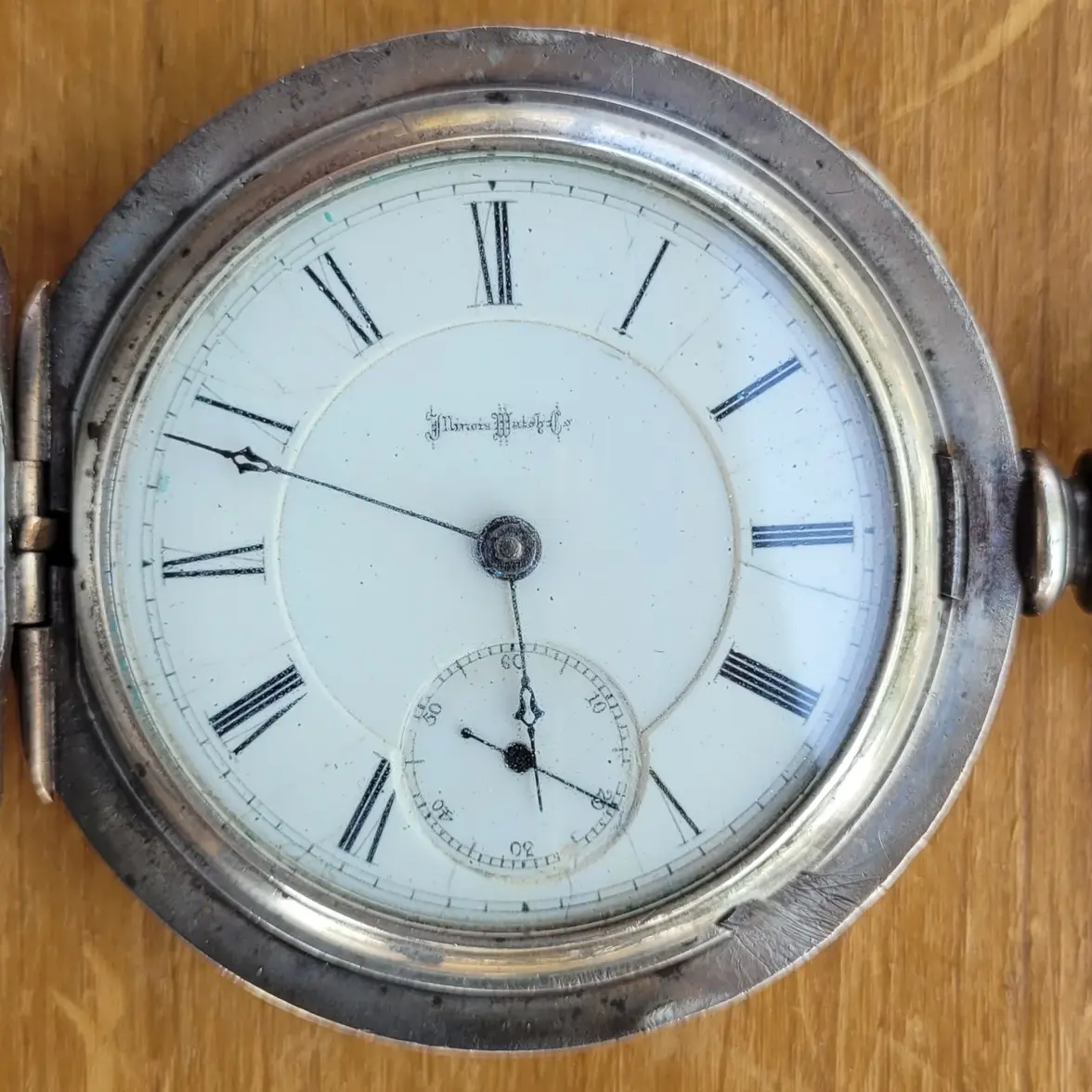
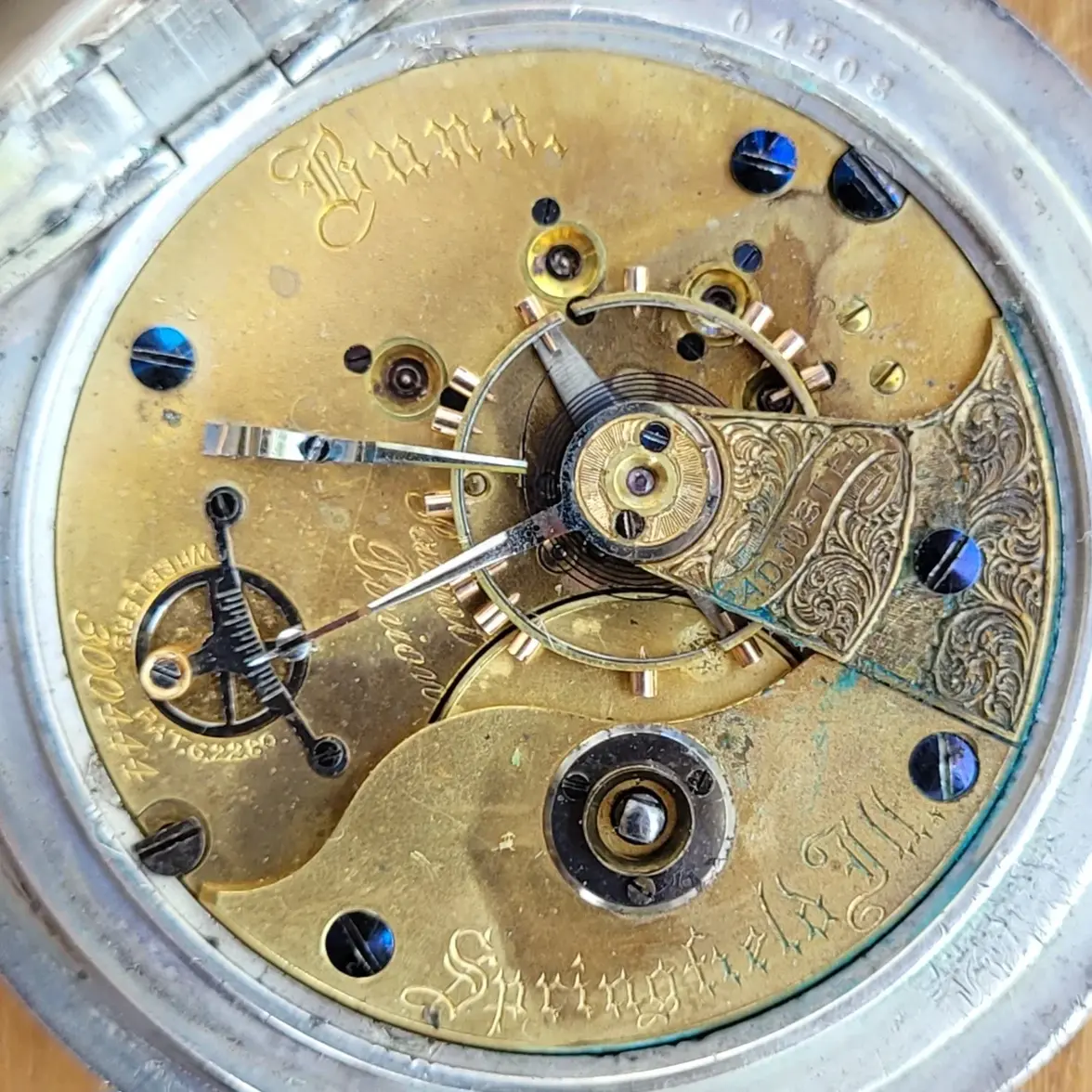
This past week was one of ups and downs for my early Illinois collection. I lost out on a 2nd run unadjusted Bunn, I thought it was mine up until the last half hour of bidding on ebay when the price exploded from my $350 bid up to over $800. I hung in until it hit $600 and decided that I was beaten.

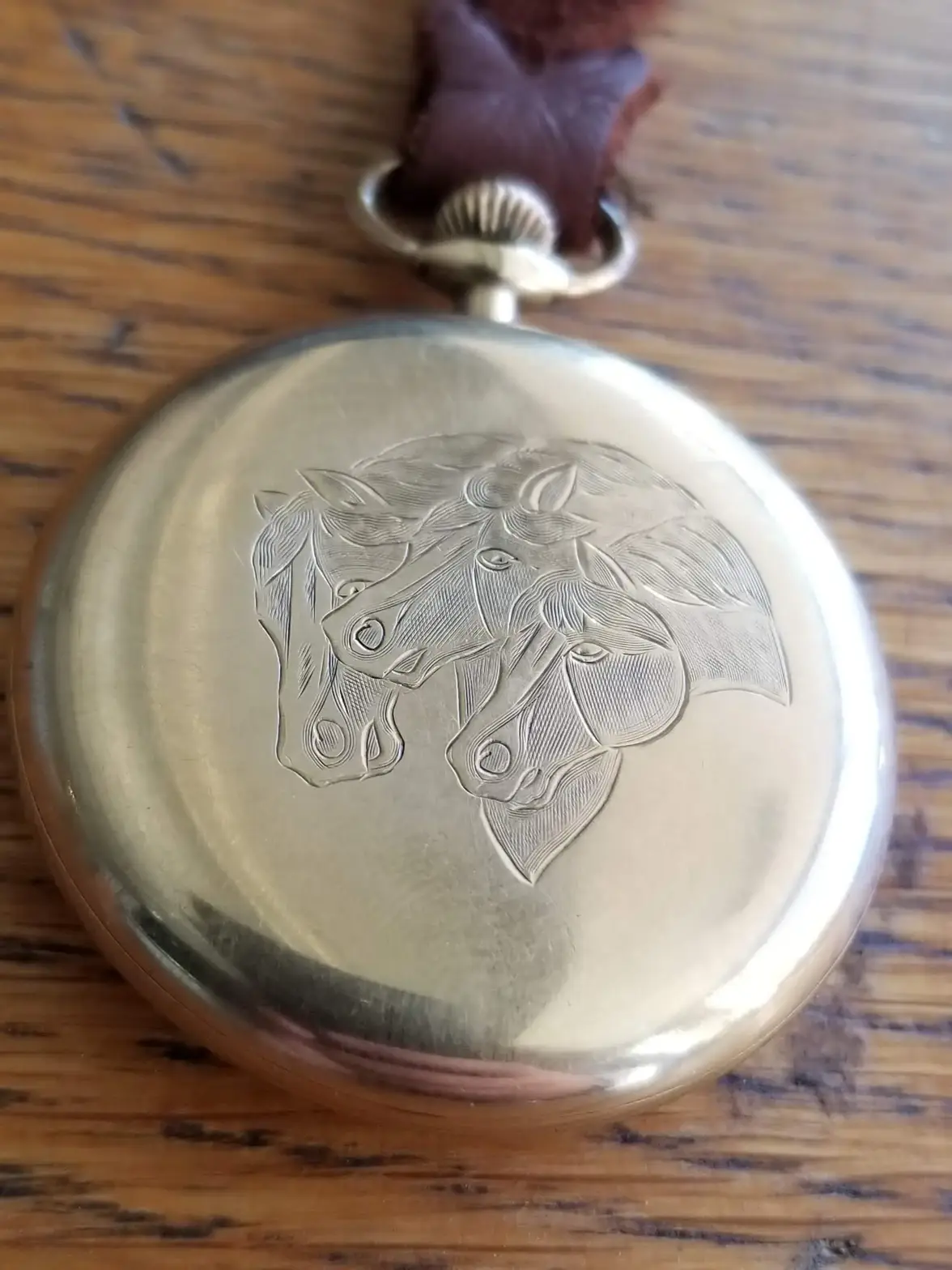
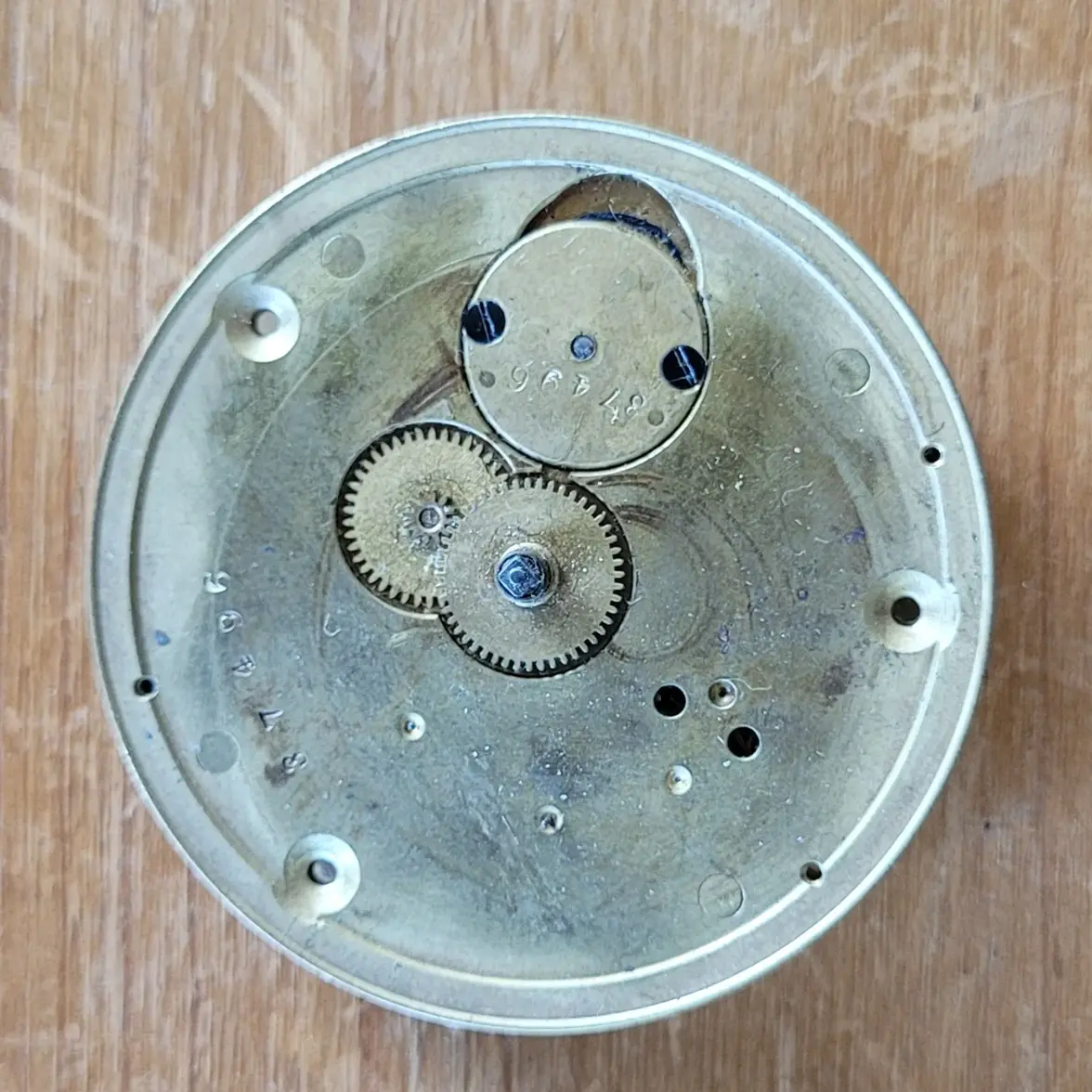
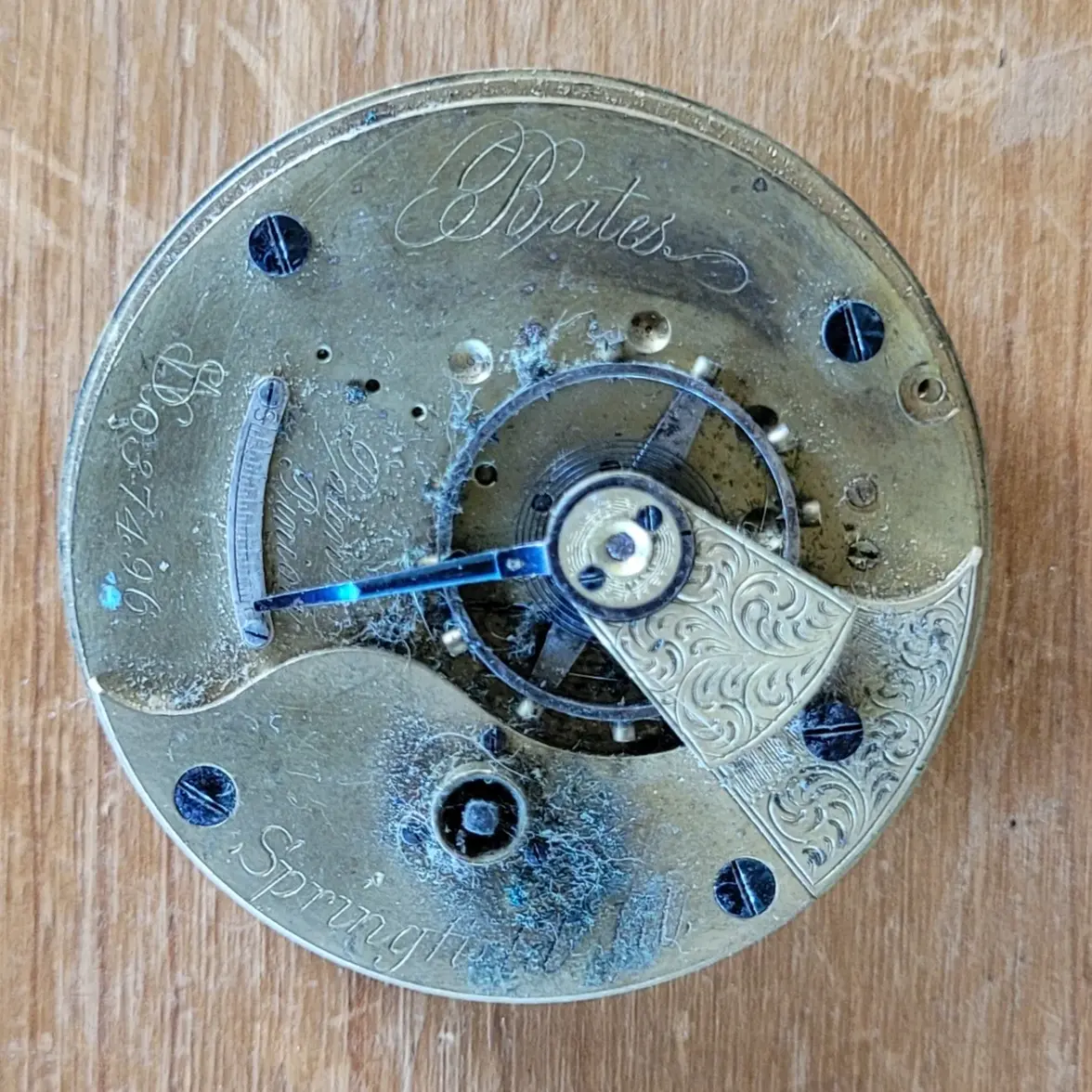
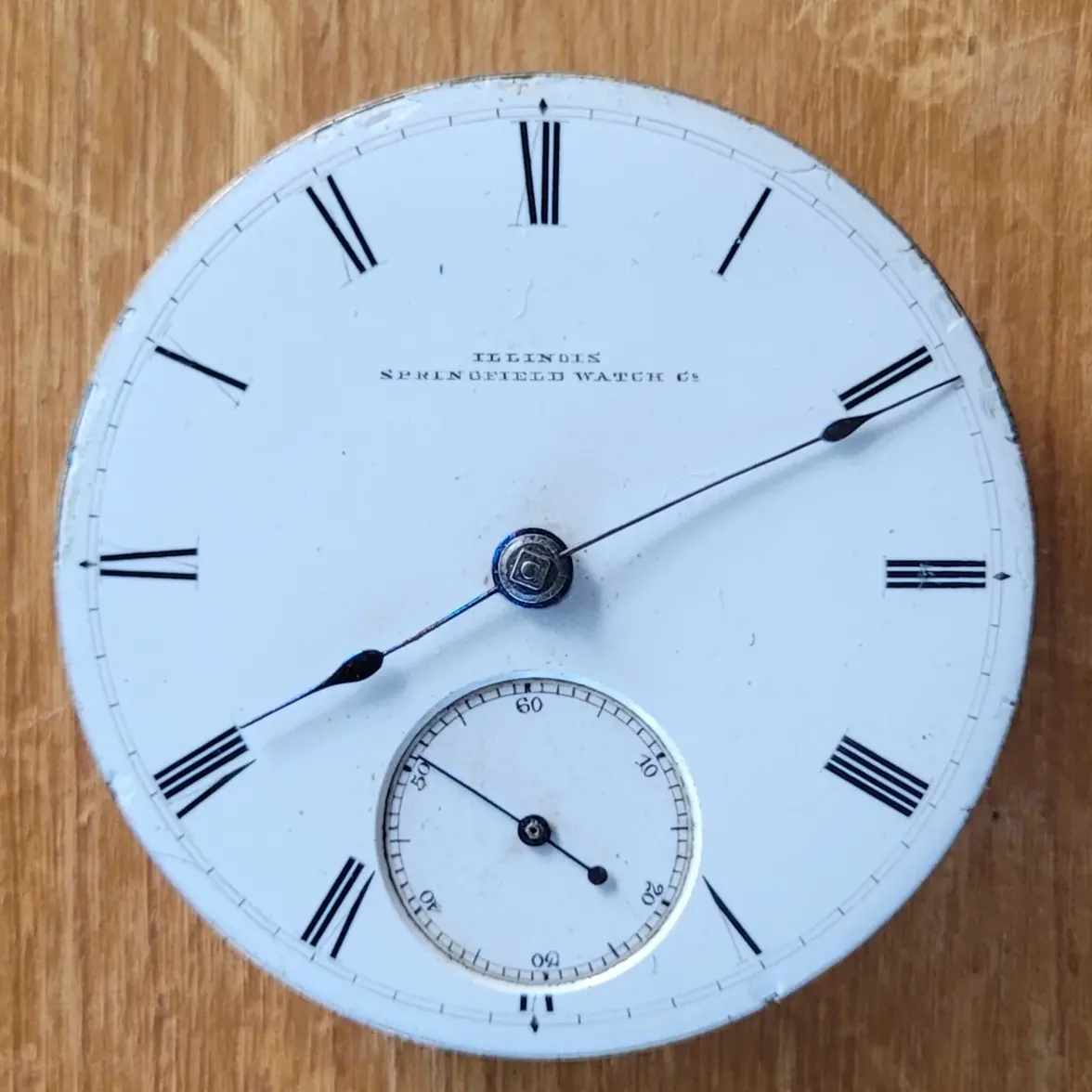
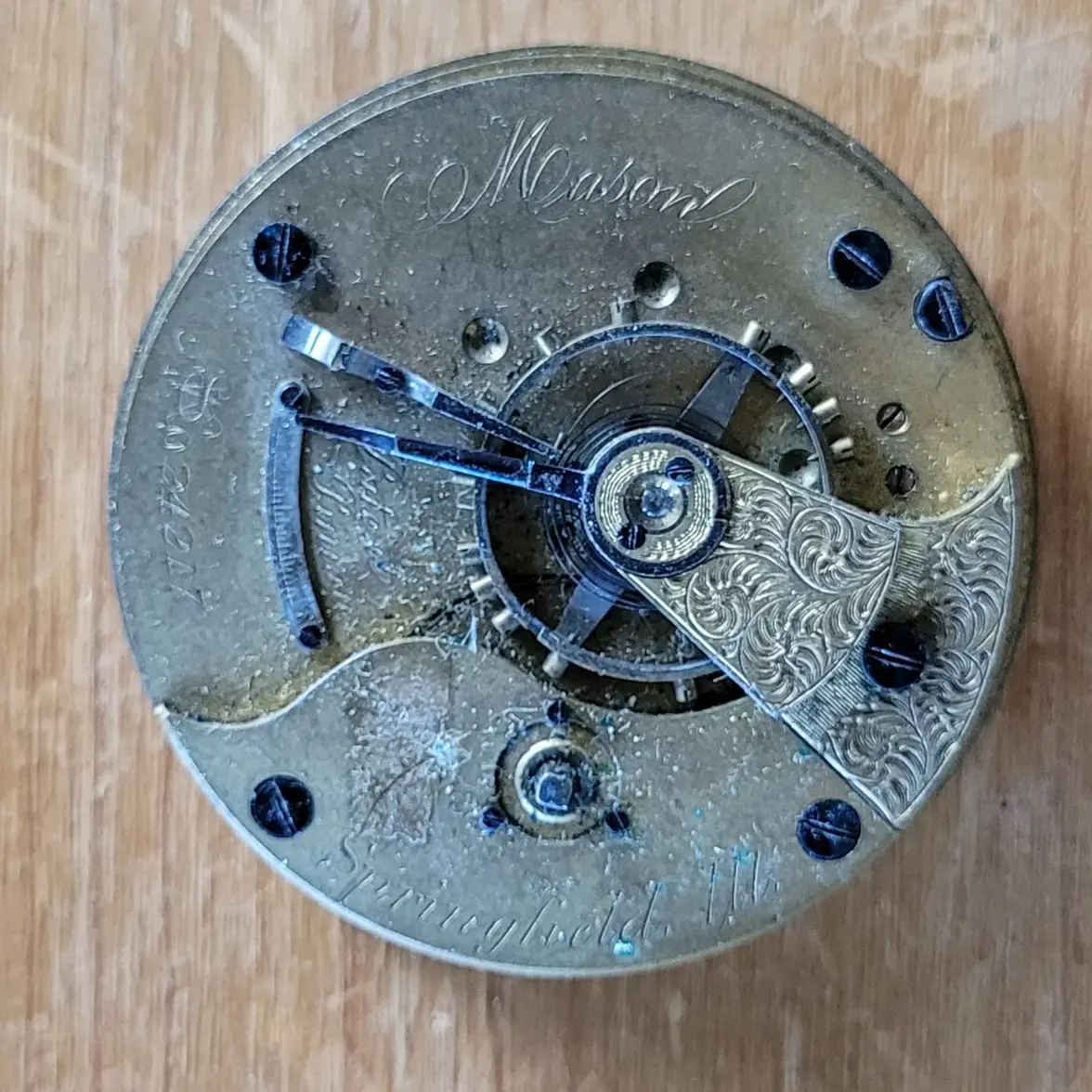
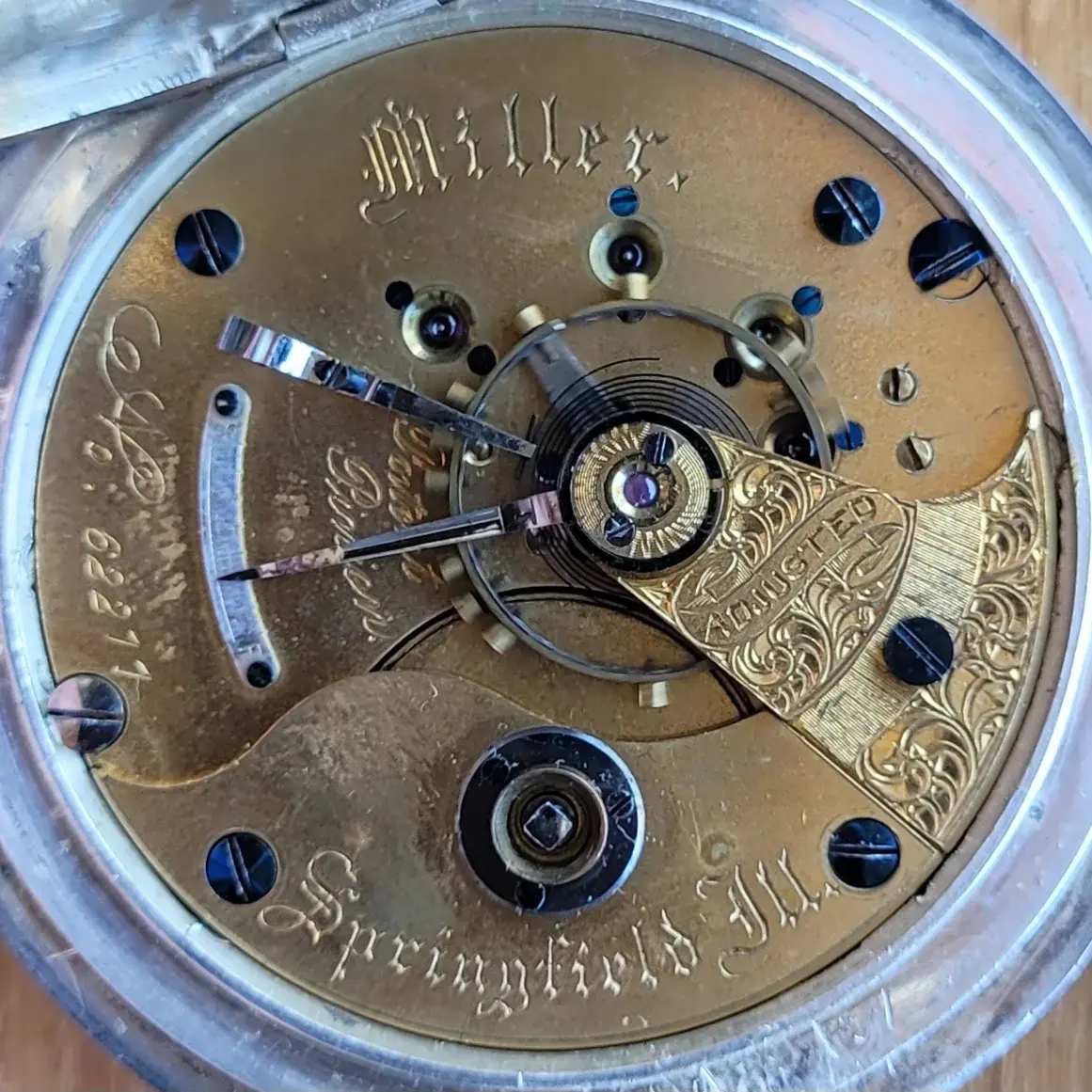
As a consolation prize I picked up two early 7j mov'ts a Mason and a Bates, bringing my early Illinois collection up to five of the nine original grades: I have a Bates, a Mason, a Hoyt, a Currier, and an adjusted Miller; I am still missing an unadjusted Miller, both the adjusted and unadjusted Bunns, and a Stuart.

Both mov'ts are filthy, and the Bates had a dead ladybug fall out of it when I unwrapped it. The Bates is missing a dial and hand set, but under the filth it has a good balance, and think it will be an easy one to get running. The Mason has a nice dial and hand set, but under its filth, it has a broken balance staff. I have a spare parts Model 1 somewhere in my stash, and maybe just maybe its balance staff isn't busted.