- Posts
- 4
- Likes
- 1
Dainius LT
·Hi everyone,
I wanted to share a very special piece from my collection and hopefully spark an interesting historical discussion.
What you are looking at is an incredibly rare, fully original 1915 Rolex / Wilsdorf & Davis factory-made gentleman's wristwatch (not a pocket watch conversion/mariage).
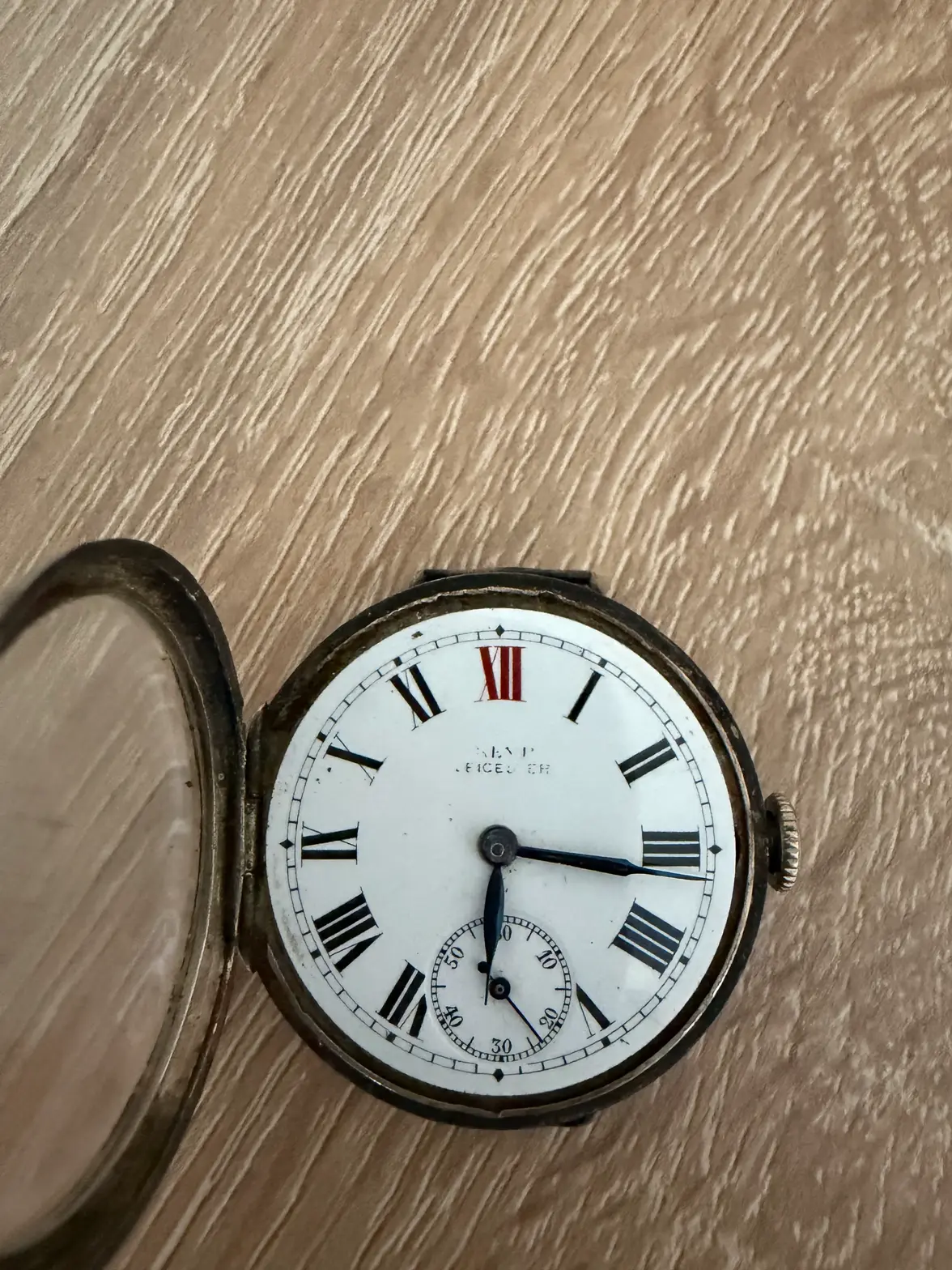
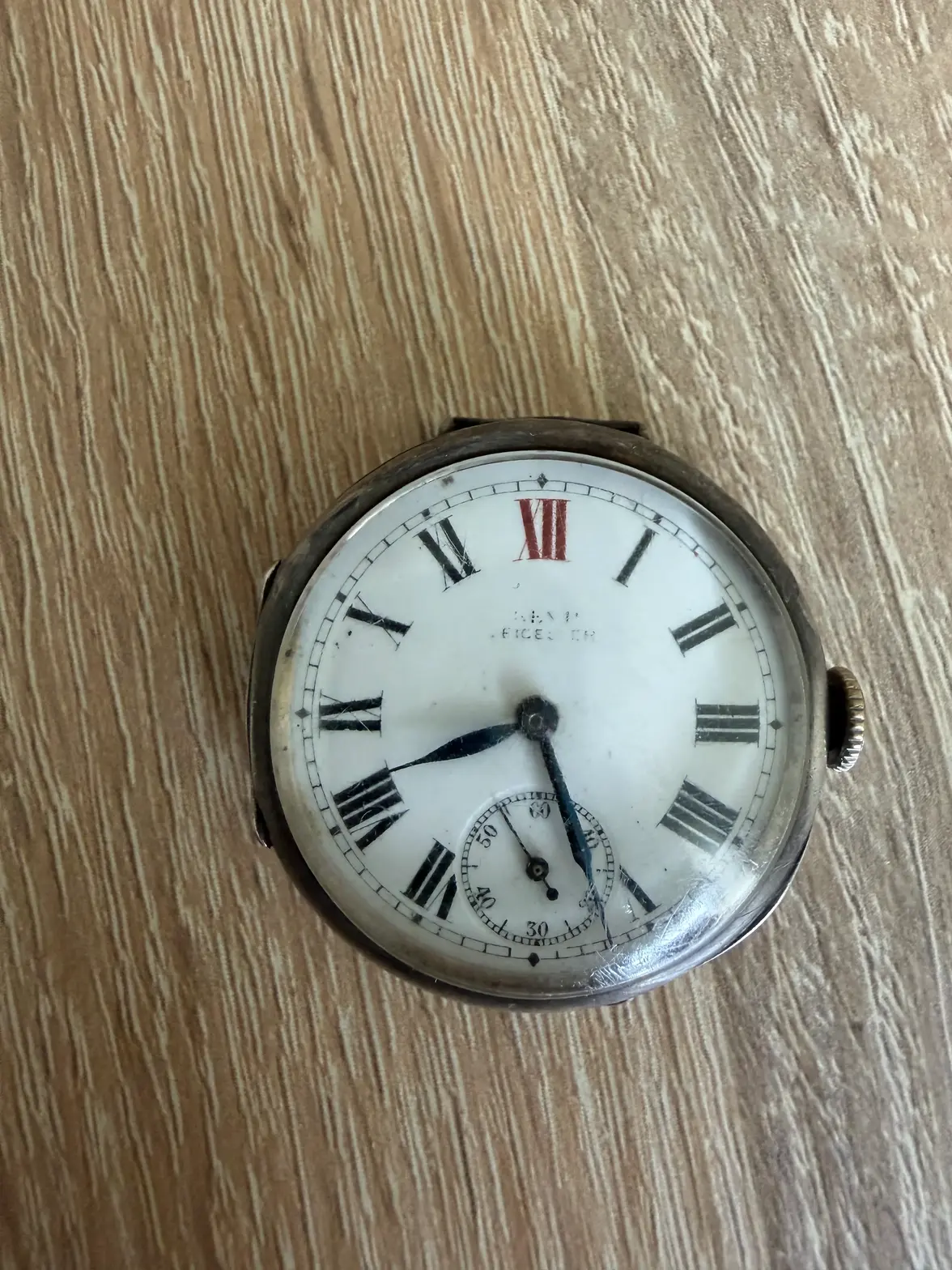
The watch features a beautiful double-signed enamel "Officers" style dial. Although time has left its mark, you can still clearly see the nearly complete original retailer branding: "KEMP LEICESTER". It also features the classic red XII and a sub-seconds register at 6 o'clock.
The Details:
As many of you know, in 1915, wristwatches for men were still in their absolute infancy, often dismissed as a passing trend. Wilsdorf & Davis were true pioneers in shifting this paradigm, making this an incredibly early example of a purpose-built men's Rolex wristwatch.
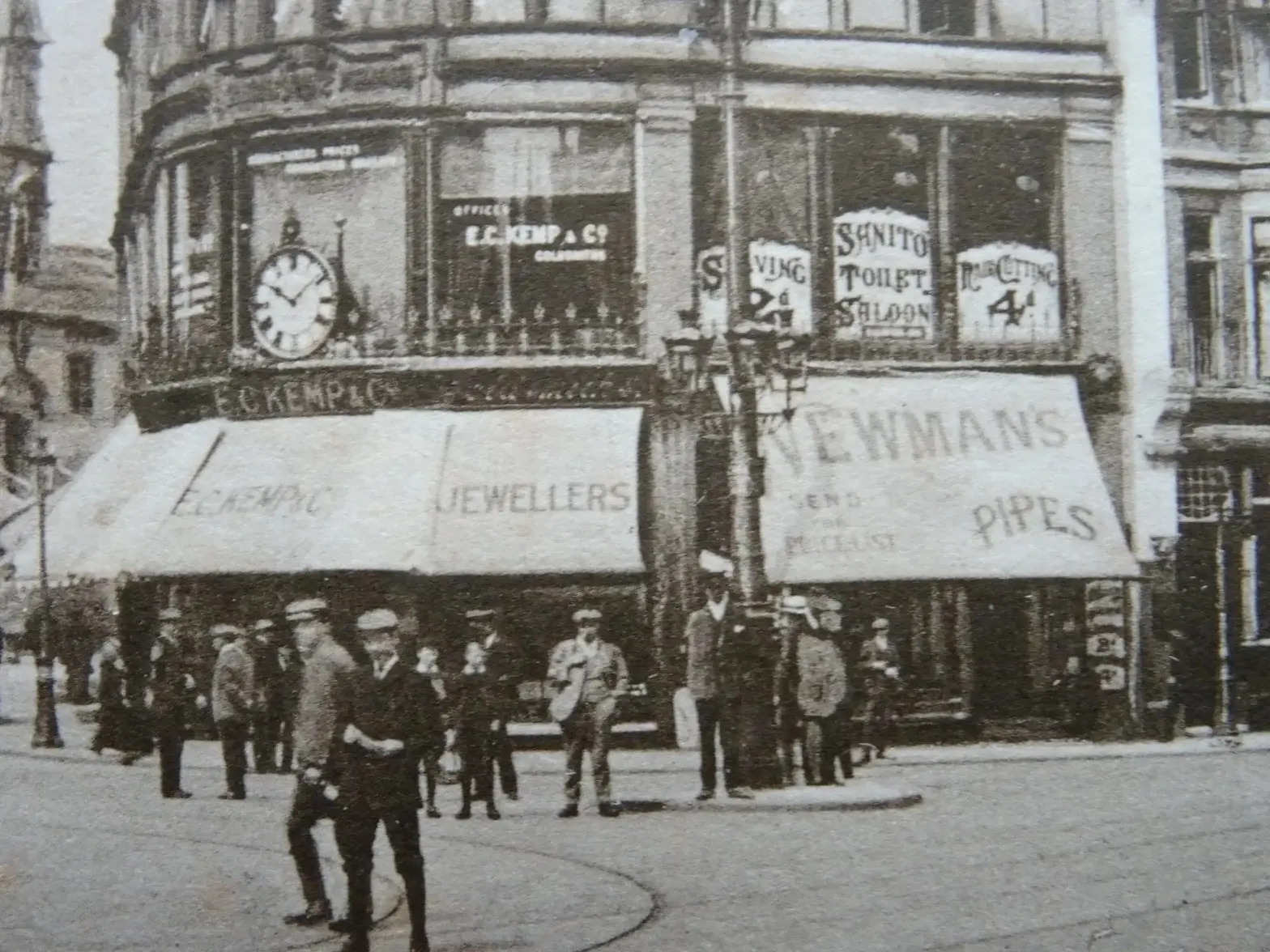
To emphasize the historical link: according to early Rolex scholar and expert David Boettcher, the jewellers E.C. Kemp & Co. of Gallowtree Gate, Leicester, ran the very first British advertisements for Rolex watches starting on February 24, 1915 in The Leicester Mail, announcing themselves as the sole agents for the region.
I reached out directly to David Boettcher to inquire if he had ever encountered another piece from this landmark retailer. His direct response to me was:
"I don't have any other examples of Kemp branded Rolex watches."
Given his decades of extensive research into early Rolex and trench-era watches, this strongly suggests that this might be the only surviving physical example of a men's Rolex wristwatch from the very first retailer to officially advertise the brand in Britain.
I am bringing this here because I know the Omega Forums community has a deep respect for early horological history, trench-era pieces, and academic discussions.
I would love to hear your thoughts on this piece, its place in early Rolex evolution, and any insights you might have on Kemp's distributions in Leicester during WWI.
Please note that the movement is currently non-running, and I am deliberately keeping it in strict "as found" condition to preserve its complete historical integrity and protect it from any unqualified local watchmakers.
Looking forward to the discussion!
I wanted to share a very special piece from my collection and hopefully spark an interesting historical discussion.
What you are looking at is an incredibly rare, fully original 1915 Rolex / Wilsdorf & Davis factory-made gentleman's wristwatch (not a pocket watch conversion/mariage).
The watch features a beautiful double-signed enamel "Officers" style dial. Although time has left its mark, you can still clearly see the nearly complete original retailer branding: "KEMP LEICESTER". It also features the classic red XII and a sub-seconds register at 6 o'clock.
The Details:
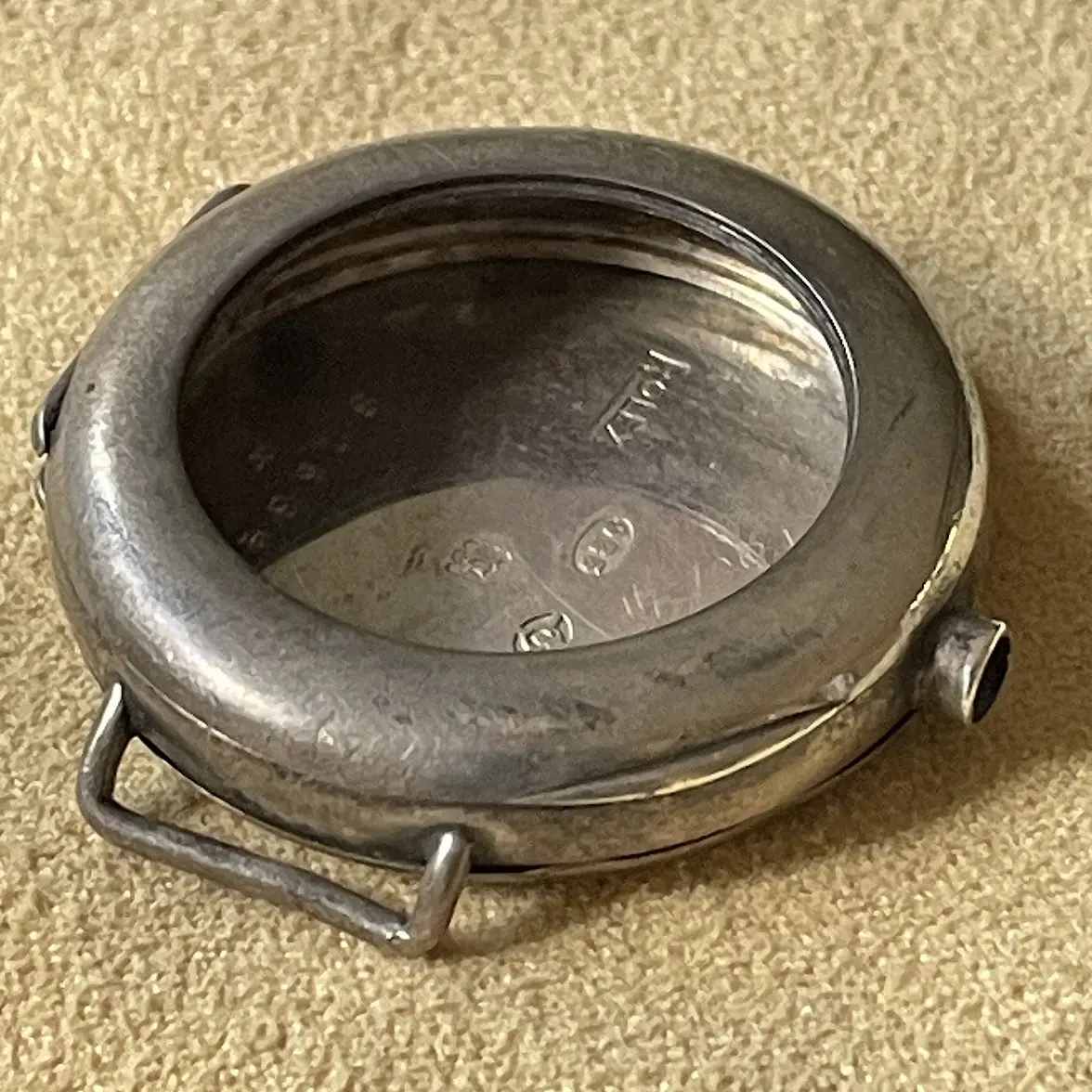
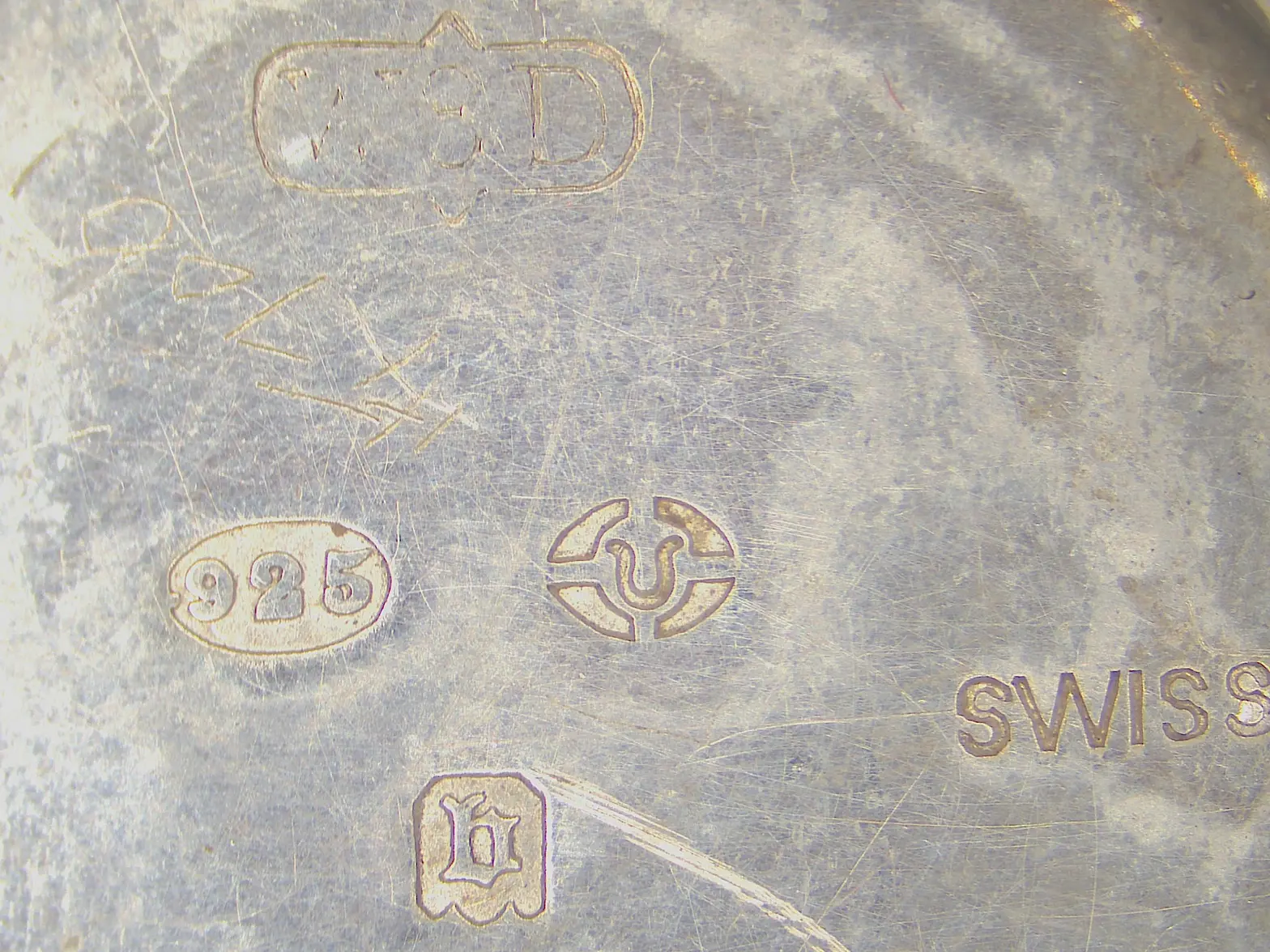
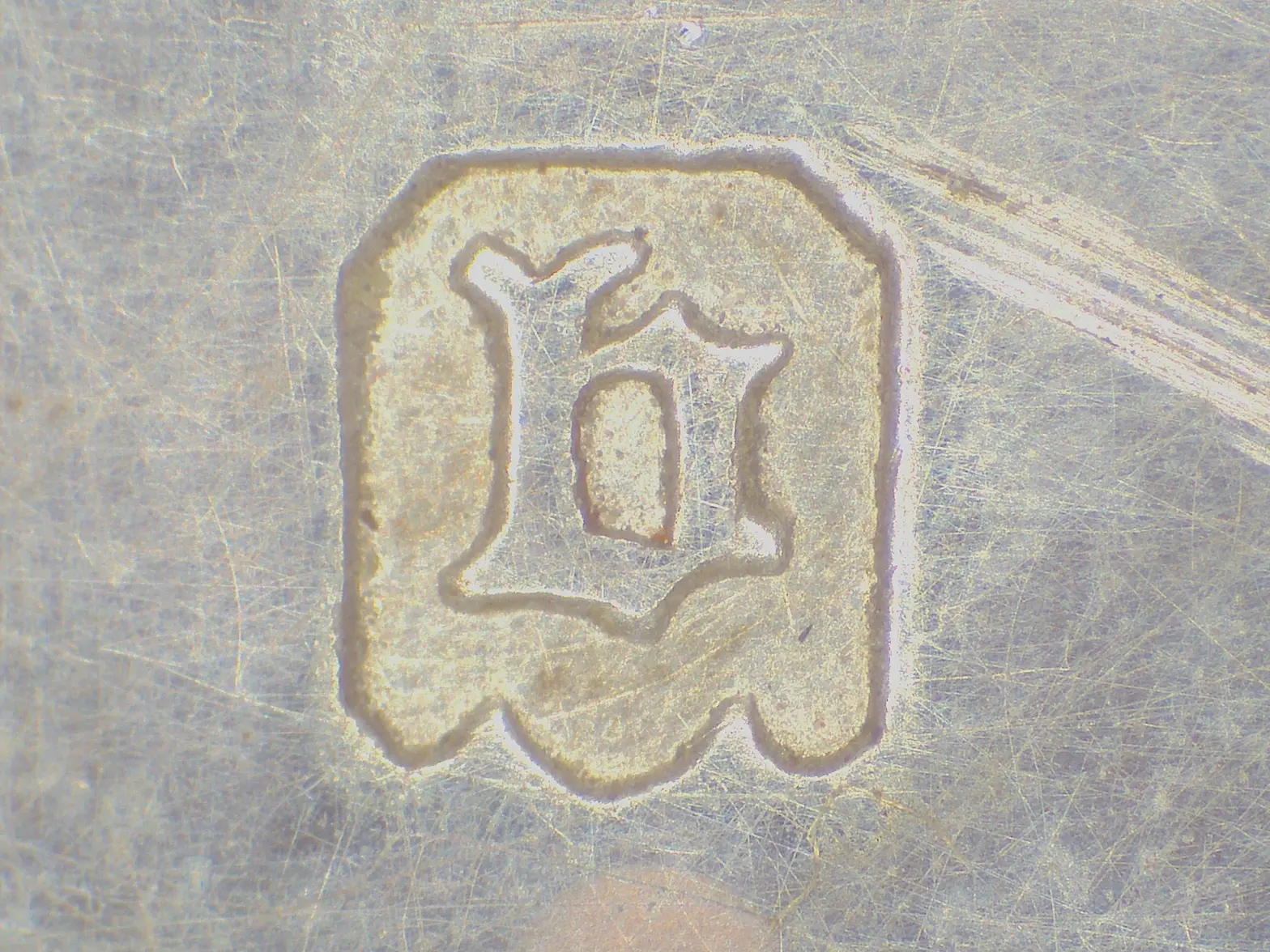
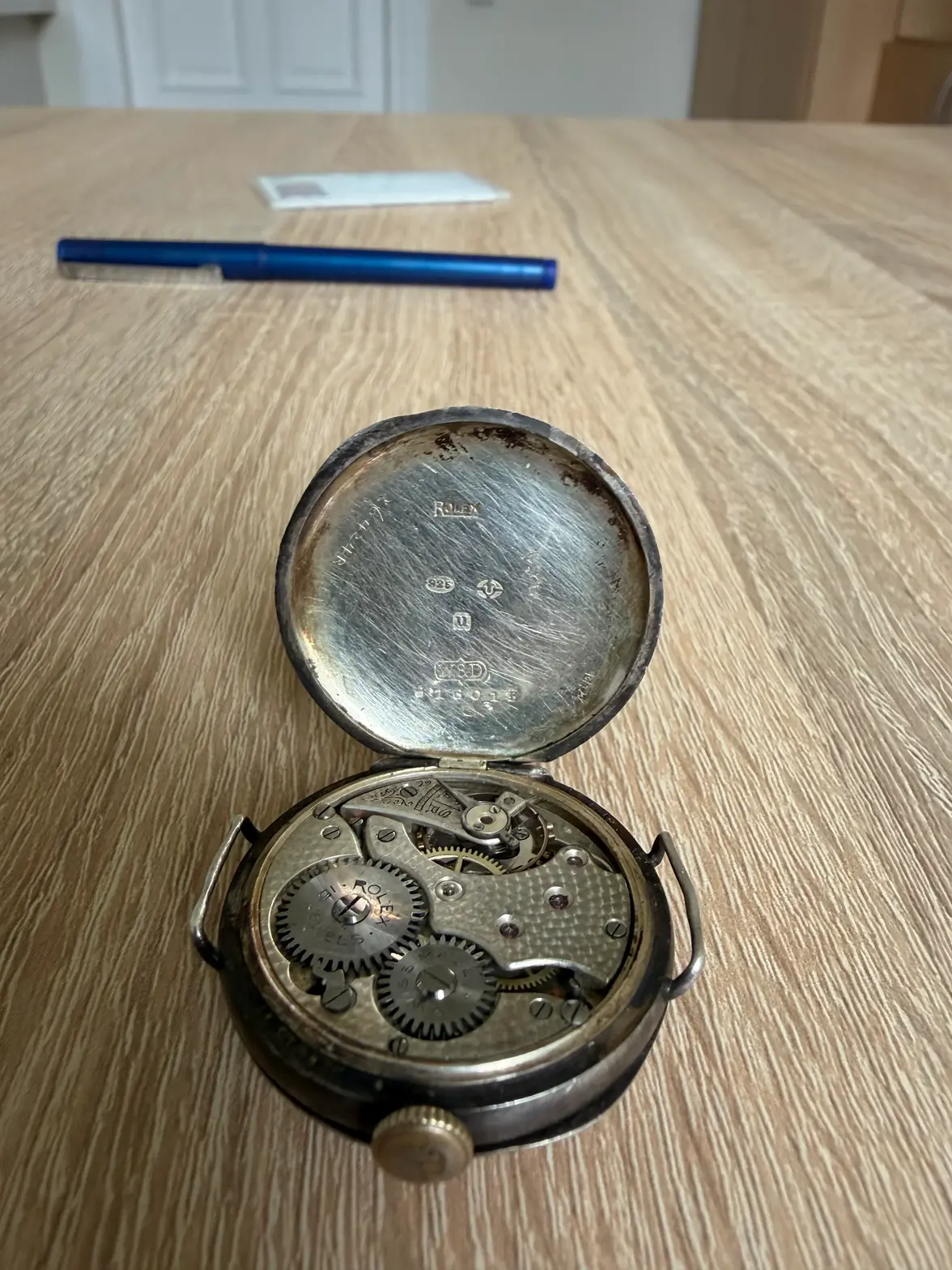
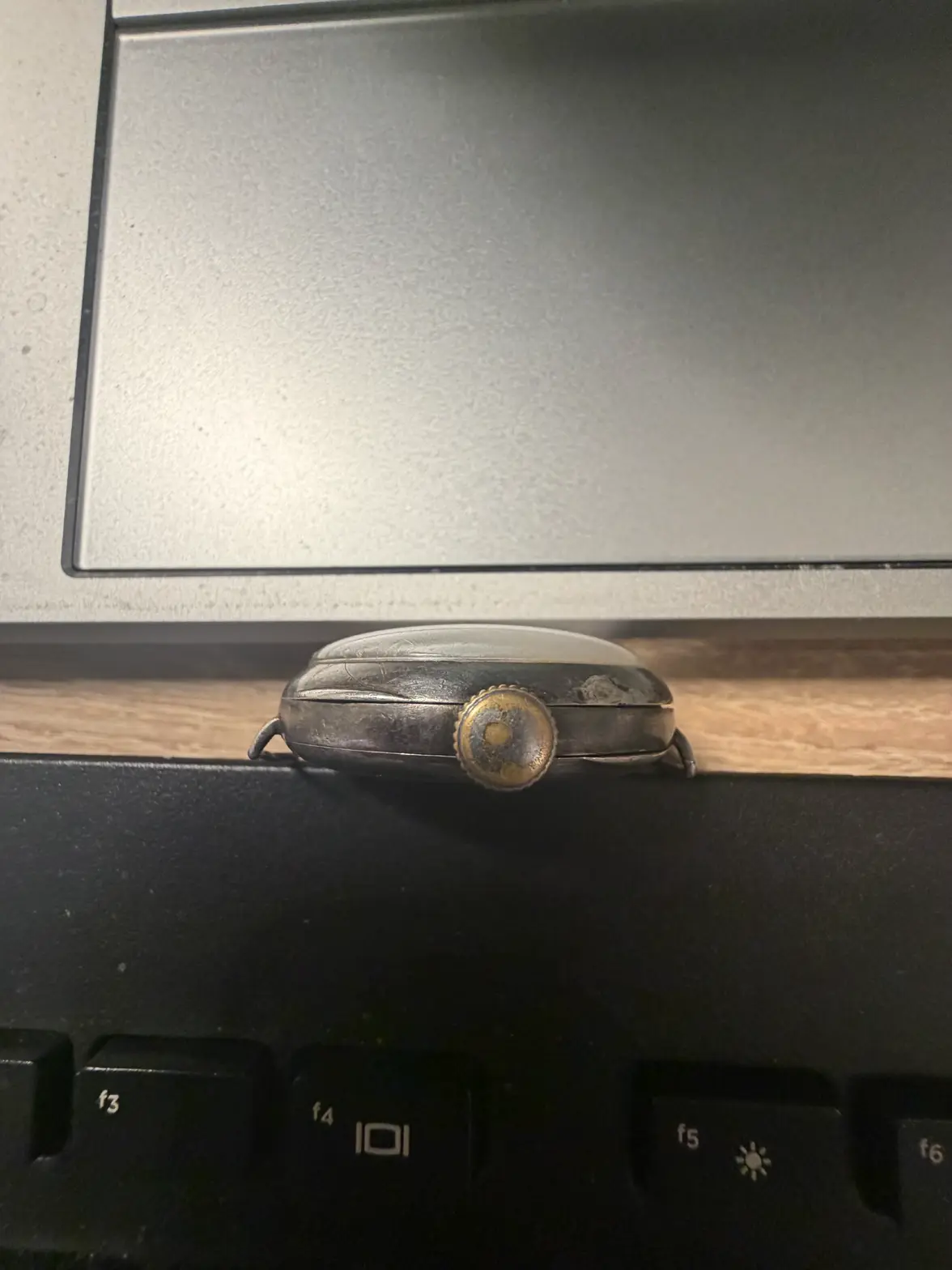
- Case: Solid Sterling Silver (.925) with the iconic W&D (Wilsdorf & Davis) sponsor mark. The date letter stamp "u" inside the case back officially dates the import/hallmark to 1915 (London). It features factory-made integrated wire lugs.
- Movement: A beautiful, period-correct 15-jewel Aegler/Rebberg movement, properly signed "Rolex".
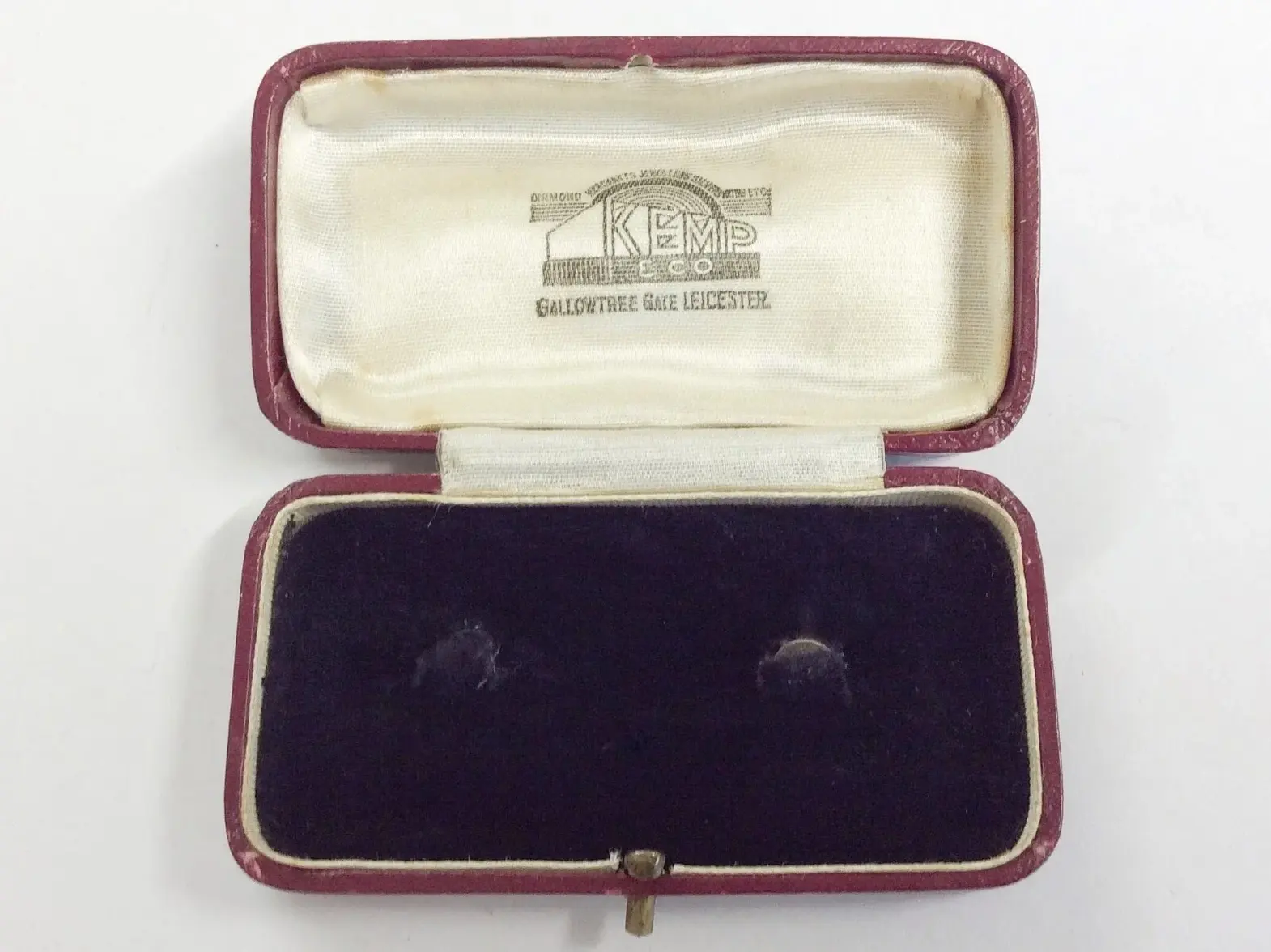
- Historical Ephemera: Alongside the watch, I have managed to preserve an archival shop photo from that era related to the Kemp retailer in Leicester. Additionally, I sourced an original period cufflink box from the exact same jeweler (E.C. Kemp) to display alongside the watch.
As many of you know, in 1915, wristwatches for men were still in their absolute infancy, often dismissed as a passing trend. Wilsdorf & Davis were true pioneers in shifting this paradigm, making this an incredibly early example of a purpose-built men's Rolex wristwatch.
To emphasize the historical link: according to early Rolex scholar and expert David Boettcher, the jewellers E.C. Kemp & Co. of Gallowtree Gate, Leicester, ran the very first British advertisements for Rolex watches starting on February 24, 1915 in The Leicester Mail, announcing themselves as the sole agents for the region.
I reached out directly to David Boettcher to inquire if he had ever encountered another piece from this landmark retailer. His direct response to me was:
"I don't have any other examples of Kemp branded Rolex watches."
Given his decades of extensive research into early Rolex and trench-era watches, this strongly suggests that this might be the only surviving physical example of a men's Rolex wristwatch from the very first retailer to officially advertise the brand in Britain.
I am bringing this here because I know the Omega Forums community has a deep respect for early horological history, trench-era pieces, and academic discussions.
I would love to hear your thoughts on this piece, its place in early Rolex evolution, and any insights you might have on Kemp's distributions in Leicester during WWI.
Please note that the movement is currently non-running, and I am deliberately keeping it in strict "as found" condition to preserve its complete historical integrity and protect it from any unqualified local watchmakers.
Looking forward to the discussion!