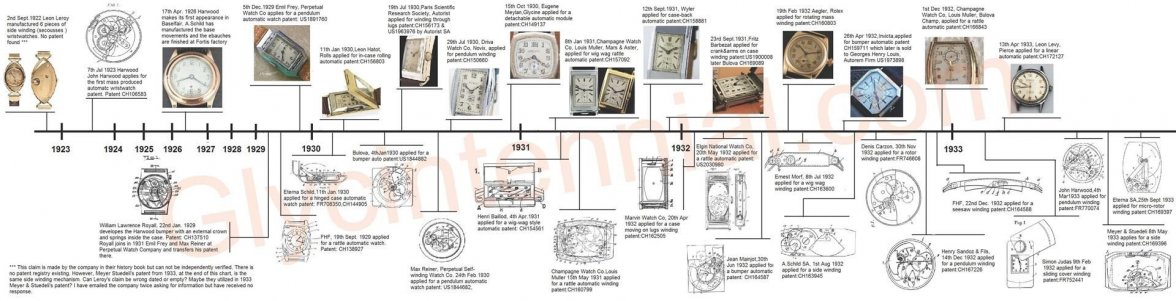
The first automatic wristwatch

Posts
356
Likes
1,325
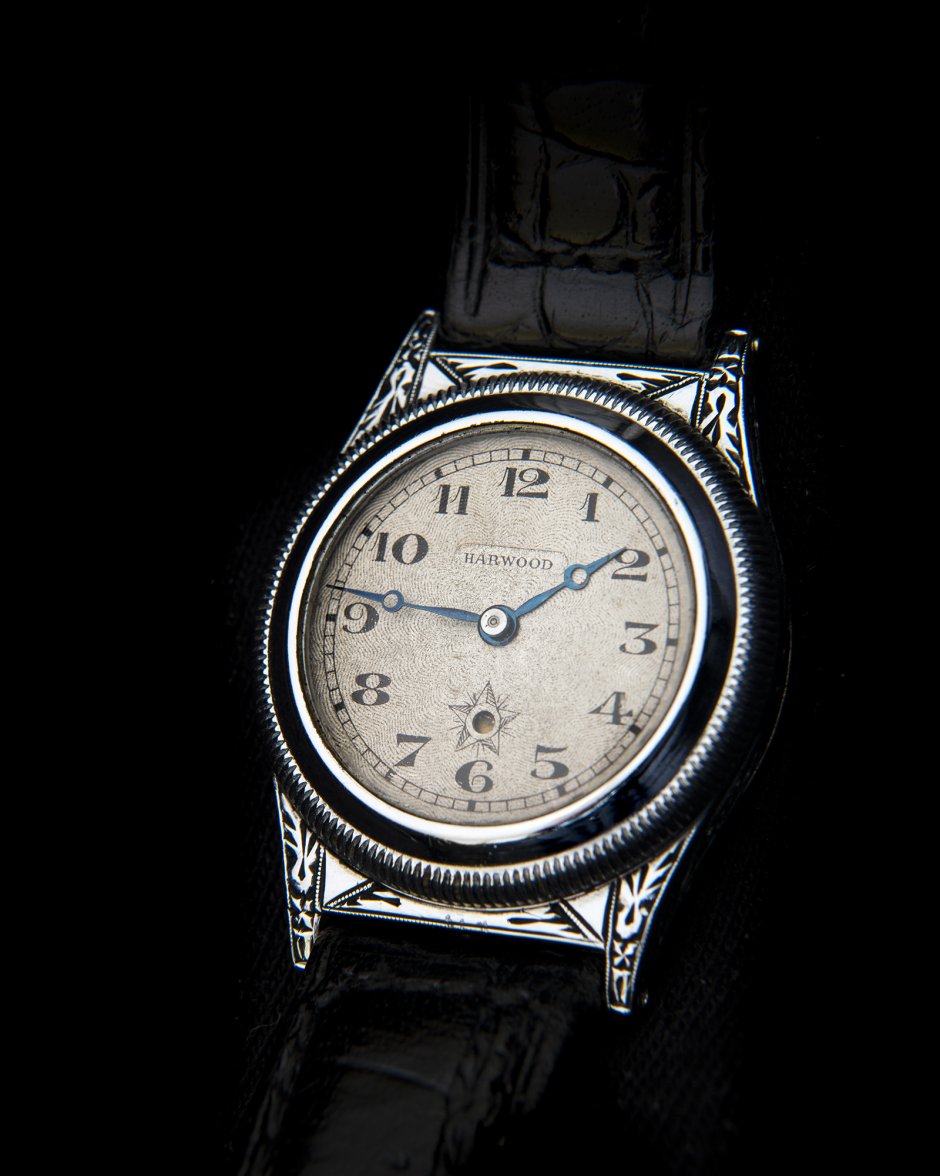
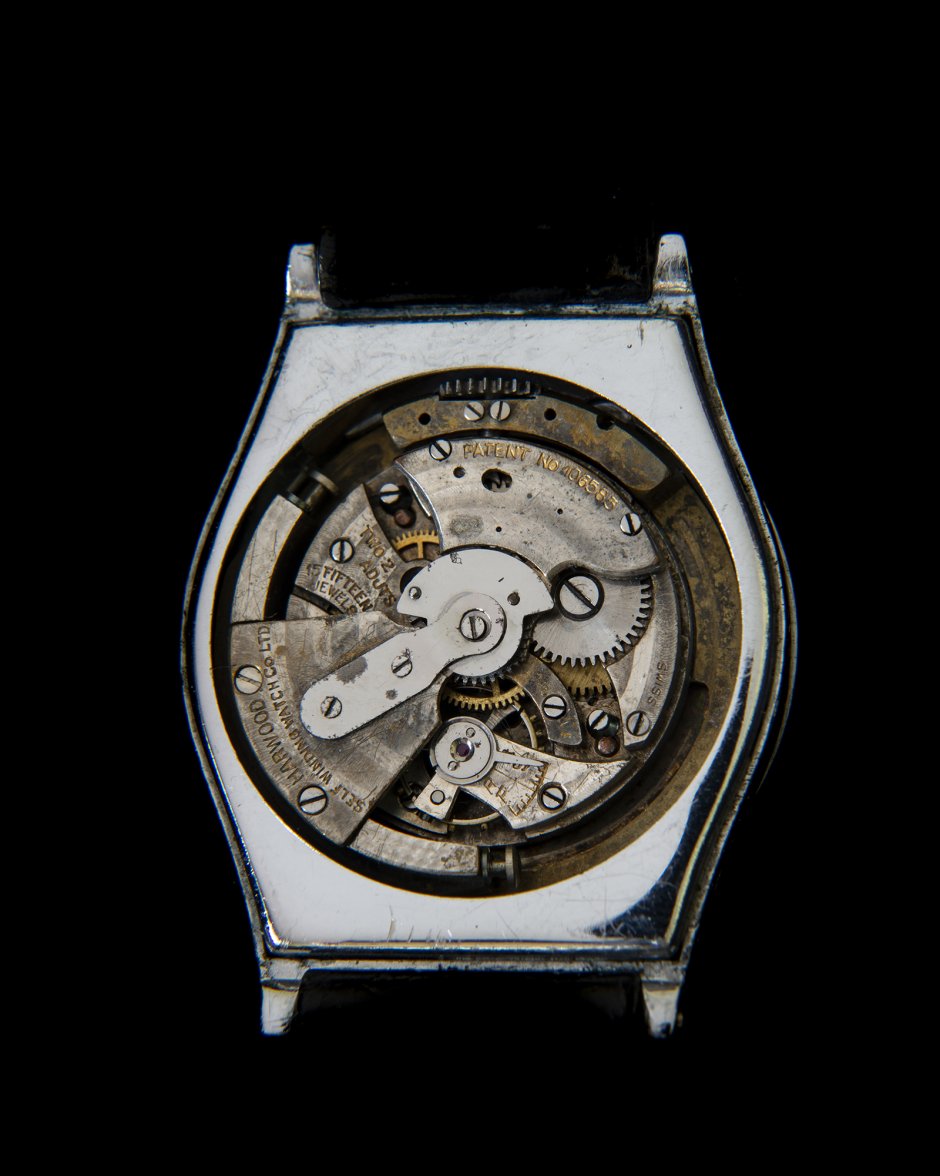
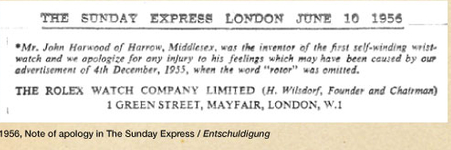
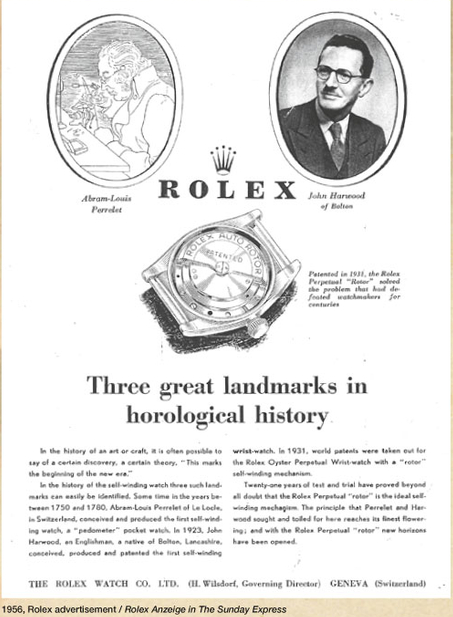
If you were to ask a group of watch collectors who was the first producer of the automatic wristwatch a majority would probably answer Rolex or not know. The first automatic watch movements date back to around 1777 and a gentleman called Perrelet is usually accredited with the invention. Fast forward nearly 150 years and an English watch repairer called John Harwood developed and patented the first automatic movement for a wristwatch in 1924. Not having the ability to produce watches on a large scale Harwood sought help from existing manufacturers to enable him to sell his invention to the world. Fortis were responsible for putting the watches together using movements from A Schild and Blancpain amongst others. The watches were sold in the UK and Europe under the brand Harwood and in the US with the name Perpetual. The watches were sold between 1926 until 1931 when the company went bankrupt during the Great Depression. Around 32,000 were made over this period. John Harwood spent some years afterwards in a battle with Rolex who had advertised their Oyster Perpetual (note they used the same name as Harwood's US model) as the world's first automatic wristwatch. Eventually Rolex issued a public apology and made note of Harwood in later advertisements but a bit like the Everest expedition Rolex had planted the seed and were thereafter associated with the first ever automatic wristwatch. John Harwood was awarded the Gold Medal by the British Horological Institute in 1957 recognising the landmark invention that we today take for granted.
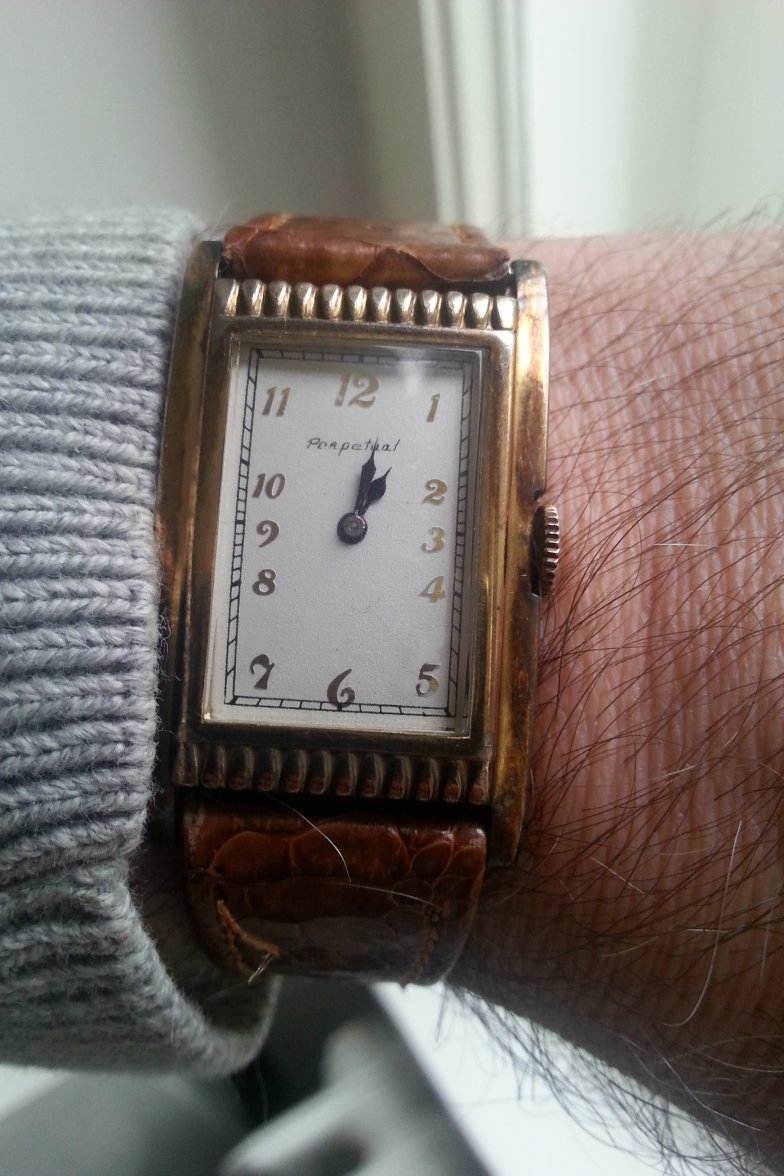
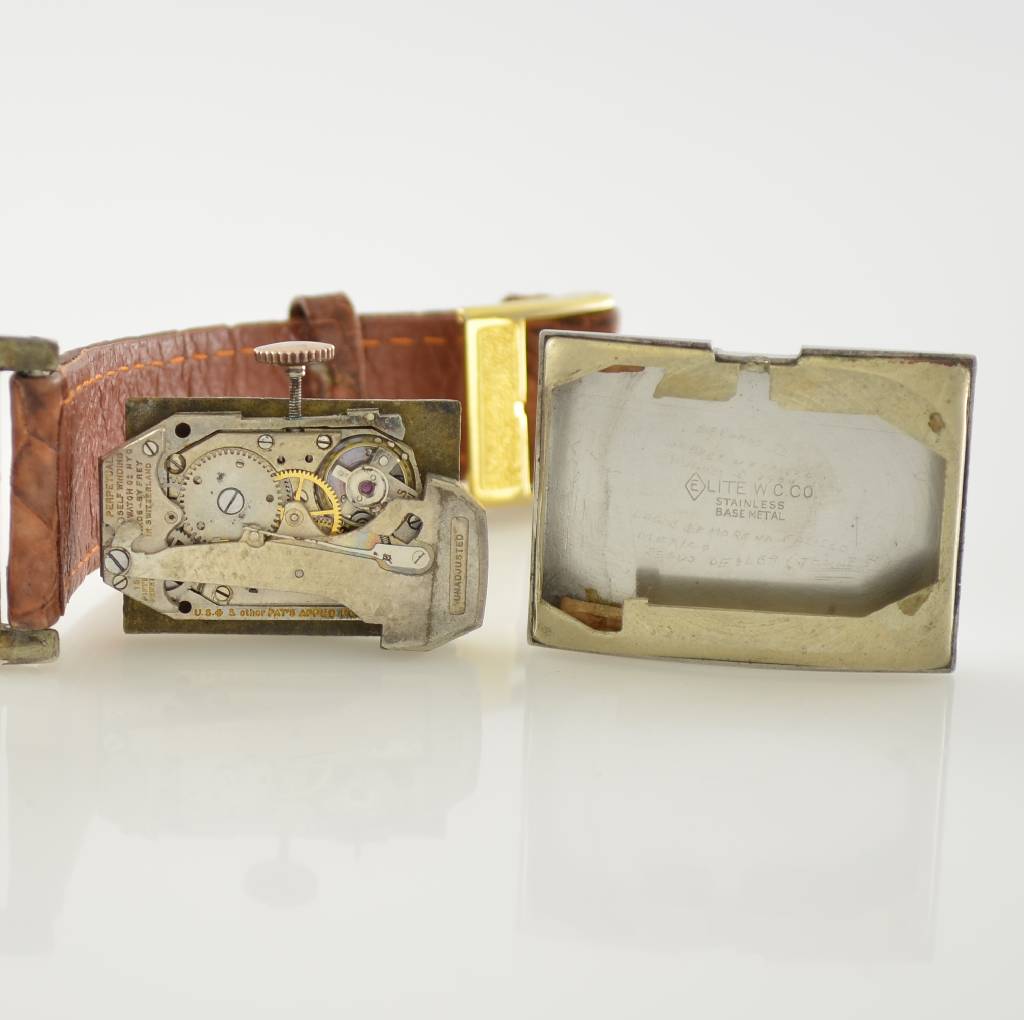
This example dates to around 1929 and to me encapsulates that exciting era with a very bold case design and the beautiful guilloche dial hiding the newly invented automatic movement. You will notice there is no crown on the watch. The time is set by turning the bezel either clockwise or anti-clockwise. This disengages the movement allowing the hands to be set. The bezel is then turned in the opposite direction to re-engage the movement. The rotor bounces off the buffers creating quite a blow which gave rise to the name bumper - something very much associated with later Omega movements in particular.

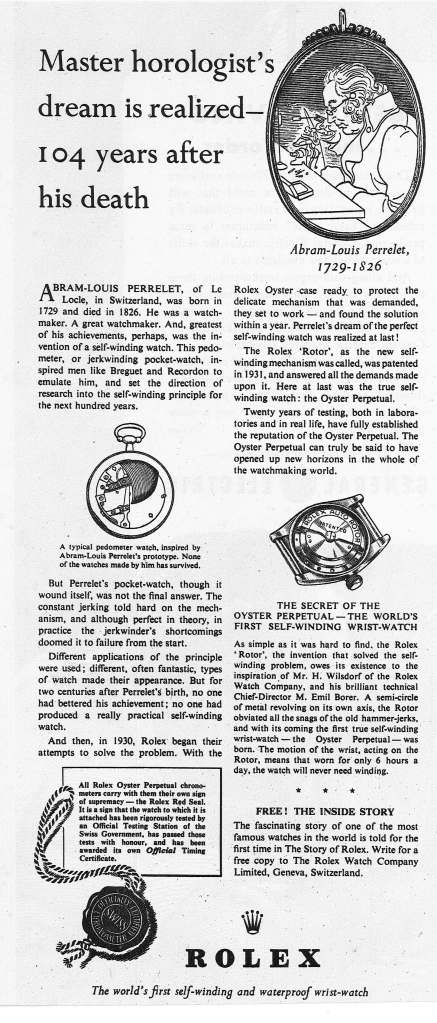
The advertisement where Rolex claimed the world's first self-winding wristwatch


....and the public apology (usually a couple of lines hidden away in a newspaper) and their later advertisement accrediting John Harwood
 
Posts
140
Likes
311
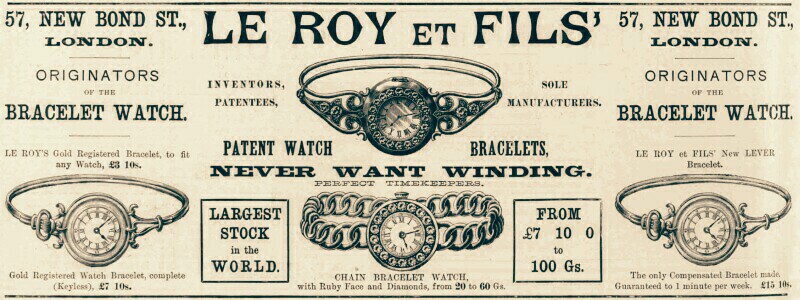
Yes, LeRoy beat them all to it in 1922!
Here is an 1890 advert from them, note the words 'NEVER WANT WINDING'
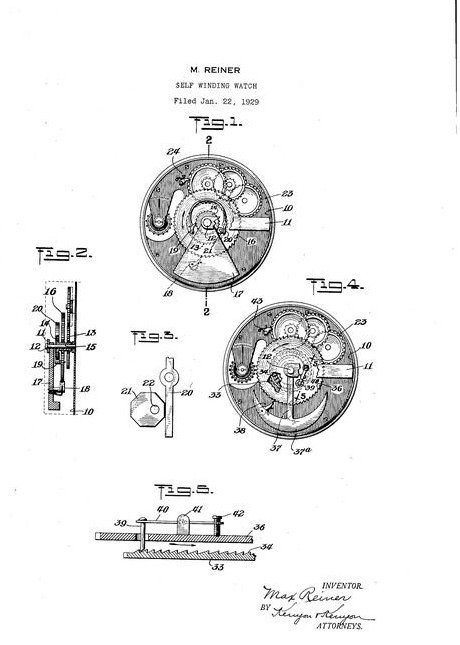
I also found the original 1890 patent for this watch, and several articles in newspapers from the same year.


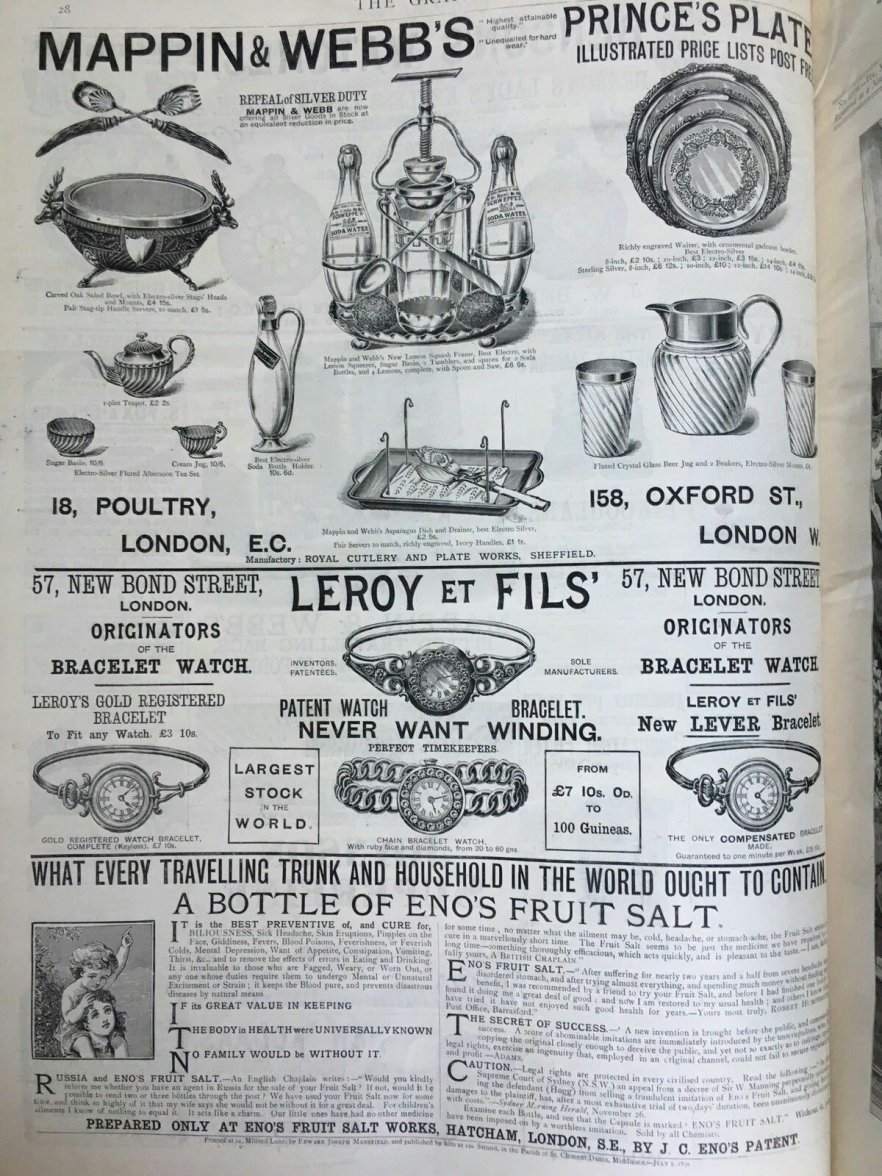
A genuine and original page from a July 5th.1890 edition of 'The Graphic' magazine, of which I am the proud owner.


Posts
356
Likes
1,325
Yes, LeRoy beat them all to it in 1922!
Here is an 1890 advert from them, note the words 'NEVER WANT WINDING'
I also found the original 1890 patent for this watch, and several articles in newspapers from the same year.


A genuine and original page from a July 5th.1890 edition of 'The Graphic' magazine, of which I am the proud owner.


LeRoy only made four watches and there was no patent which in the majority of horologist's views does not count as being a manufacturer/procucer and the honour is given to Harwood. There is actually no evidence of LeRoy actually making the claimed watches
 
Posts
140
Likes
311
Only four are known of.
How do they not count as being the first automatic wrist watches, when they were?
 
Posts
511
Likes
1,914
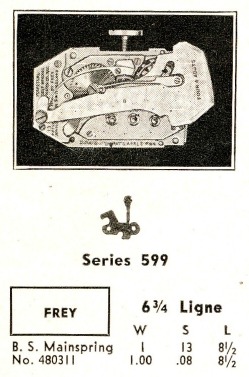
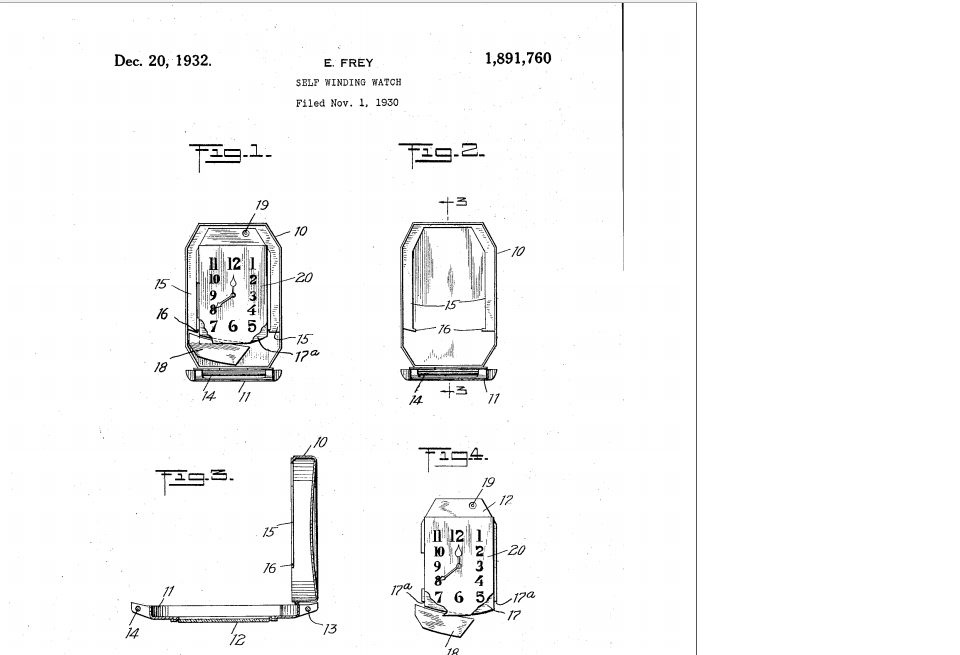
Might be the right place to show my early Frey Perpetual here...
A piece of watch history...

 
Posts
140
Likes
311
That is really, really nice!
Such a rare piece and in fantastic condition too.
I don't think that I've seen better my friend.
 
Posts
356
Likes
1,325
Only four are known of.
How do they not count as being the first automatic wrist watches, when they were?
Because there is no evidence of the watches ever being made - it is heresay only. There is a difference between prototypes being made with no patent and a watch actually being produced. Harwood has the honour because his watches exist and LeRoy’s don’t. I believe there was even talk of the LeRoy watch dating to the 30s but it is all conjecture. For the time being Harwood is generally accepted as the pioneer but people are perfectly entitled to their own views. Some people swear blind Rolex were the first to summit Everest when all evidence proves otherwise.
 
Posts
140
Likes
311
How can they not exist when there are photographs of the watches?
They are actually recorded in the LeRoy order books with date of sale, so it is a fact they date prior to Harwood's watches.

I definitely agree that Rolex were not the first to the peak of Everest.

Is it so difficult to think that LeRoy made a self-winding wrist watch in 1922, when they made one that was virtually self-winding thirty two years earlier? Those were given a full wind just by putting or taking off the bracelet on the wrist, and were actually sold to the public, and at least one example was sold in America.
 
Posts
356
Likes
1,325
How can they not exist when there are photographs of the watches?
They are actually recorded in the LeRoy order books with date of sale, so it is a fact they date prior to Harwood's watches.

I definitely agree that Rolex were not the first to the peak of Everest.

Is it so difficult to think that LeRoy made a self-winding wrist watch in 1922, when they made one that was virtually self-winding thirty two years earlier? Those were given a full wind just by putting or taking off the bracelet on the wrist, and were actually sold to the public, and at least one example was sold in America.

I am surprised that it took until the 20s as the technology existed almost 150 years before albeit in a different guise. Some horologists don’t consider LeRoy as the first because of no patent and only a handful being made, others do. Does LeRoy deserve his place in horological history? Yes he does.
 
Posts
140
Likes
311
As does Harwood, such fine watches of outstanding quality.
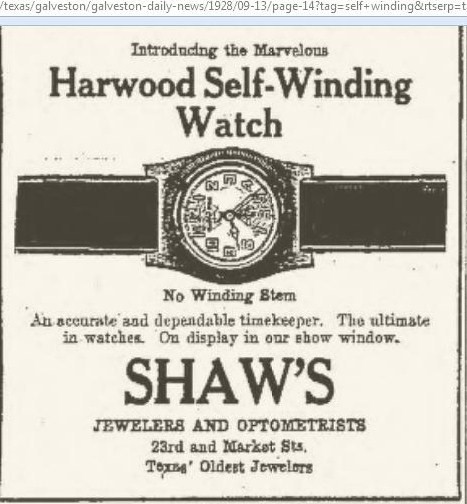
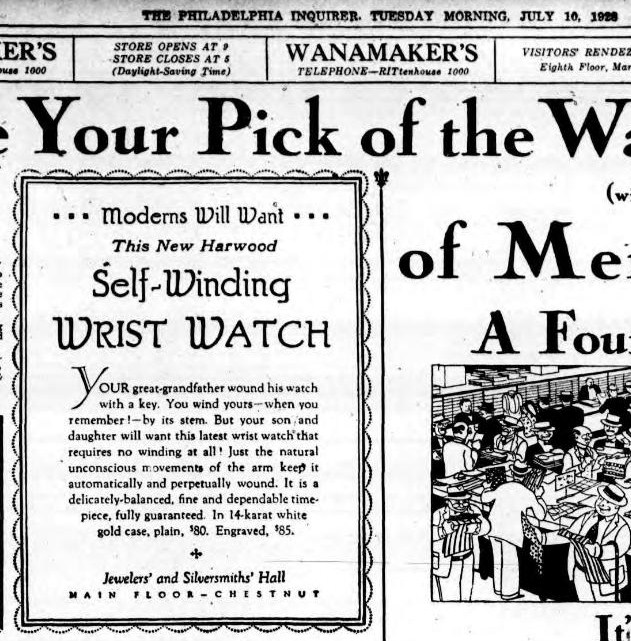
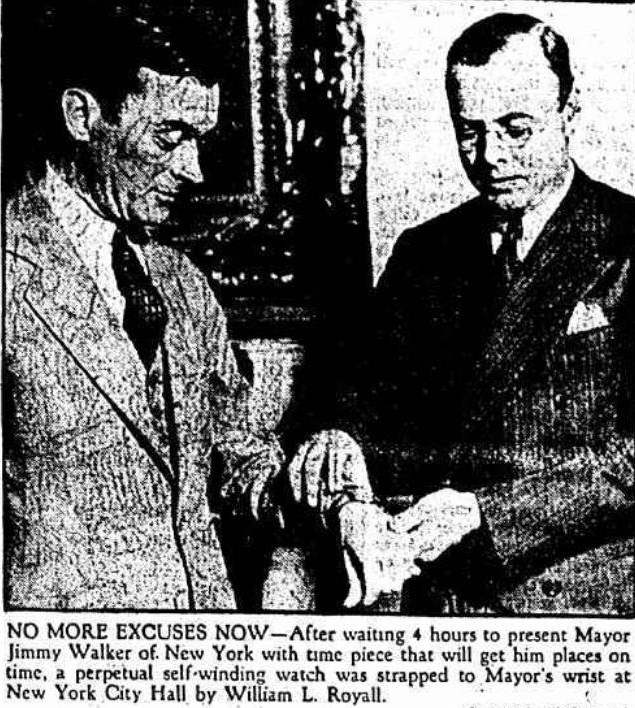
Here are a couple of American adverts from 1928, and a newspaper clipping of the Mayor of New York being presented with a Harwood.


Posts
356
Likes
1,325
I have to say the Harwood watches are very well designed and beautifully made. I believe that Harwood made the dials and the one I included has a beautiful guilloche finish as do many of the other dials of his I have seen. The dial style and the Art Deco finish on the case is really stunning - I’ve seen a few of his other Art Deco cases but never one the same as this. They are small which will always make them less popular and with the bigger bezel it perhaps makes them wear even smaller.
 
Posts
356
Likes
1,325
I have seen that article before. There are also some very good threads on the NAWCC forum. It must have been a great era to be involved in watches and we are lucky that so many survive today
 
Posts
140
Likes
311
David Bouttcher of vintagewatchstraps.com actually has an article published this month in the British Horological Journal, about early self-winding wrist watches.
He has asked the editor to send me a copy because I get a mention for some reason... 😉
 
Posts
428
Likes
1,448
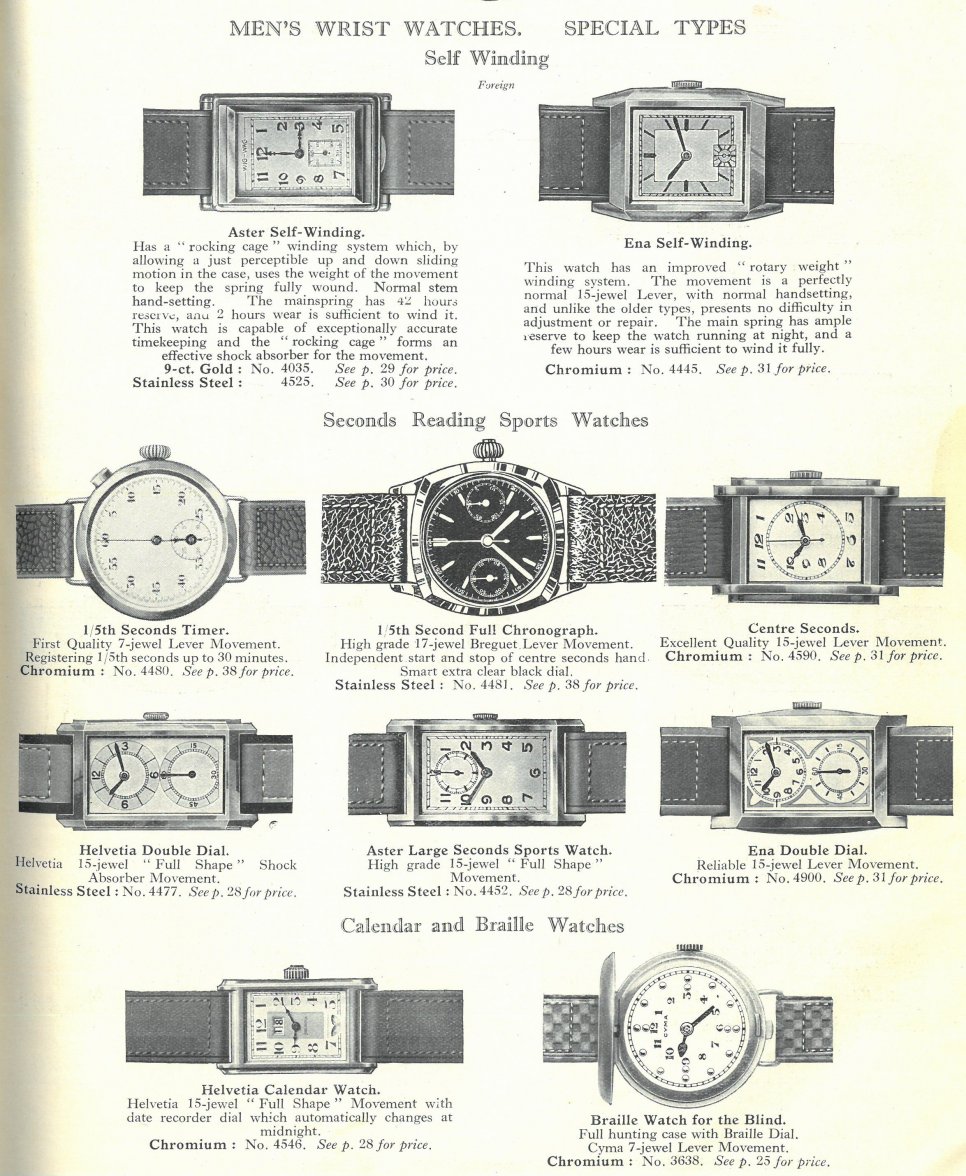
This look like an ideal place to re-post one of the pages on 'Special' watches from the 1934 Wilderness catalogue!

 
Posts
5,082
Likes
15,701
Great discussion going on here. Thanks folks