The Aviators Thread

Posts
1,803
Likes
3,499
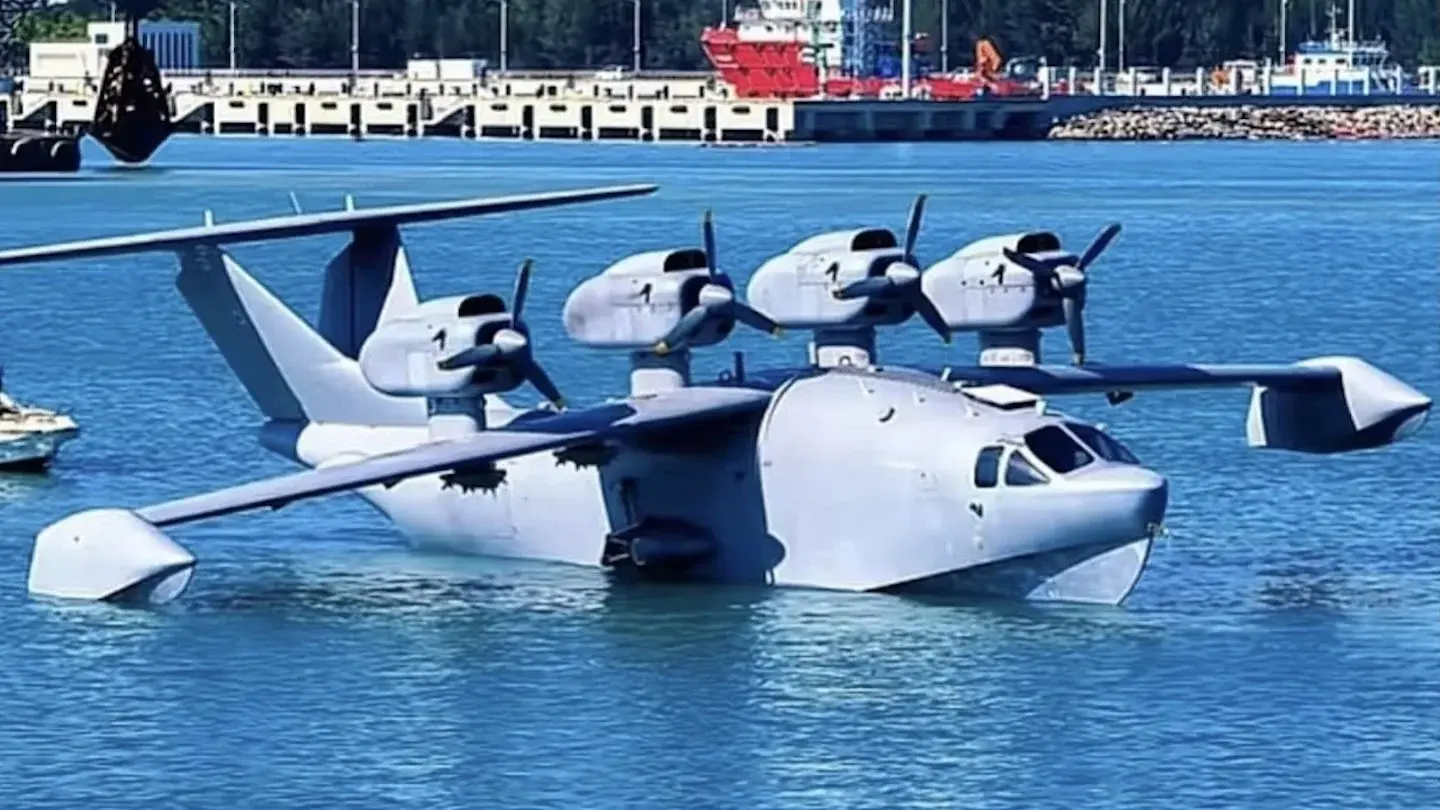
With China now exploring ground effect technology with its own take on the old ekranoplan concept, I wouldn't be surprised to see more countries, starting with the US, replicating this engineering in their own projects. After all, even with the Soviet Union's limited funding, it had shown promise.
I wonder which make and model is that aircraft?
Yes, the Ekranoplan is an interesting concept. It could potentially be used to transport passengers across big lakes or shorter routes over the sea, between islands. Much quicker and smoother than a ferry I'd imagine.
 
Posts
502
Likes
2,383
It's been nicknamed the Bohai Sea Monster by the Western media, but not much is known about this aircraft.

Ekranoplans also have interesting characteristics when it comes to a military vessel. They fly so low that they are hard to spot on radar, and by just skimming the waves they are oblivious to sea mines and most other submarine threats. And thanks to the ground effect, they can actually lift heavy loads with a limited consumption of fuel. It's just getting them in the air that requires a shitload of power. For example, the Soviet era A-90 Orlyonok had three engines: two turbofans in the front and one massive turboprop in the tail, but it only required the latter once in sustained flight.

Edited:
 
Posts
18,537
Likes
38,501
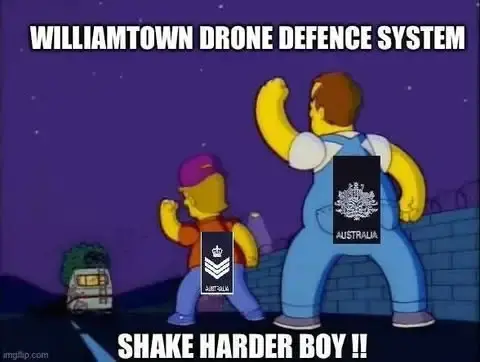
Clearly more robust measures needed. Maybe legislate that it's an offence to operate a drone within 1km of a Defence facility, and that any drones detected within that range would be liable to being shot down.
It's restricted airspace anyway, so drone operators are already in contravention.

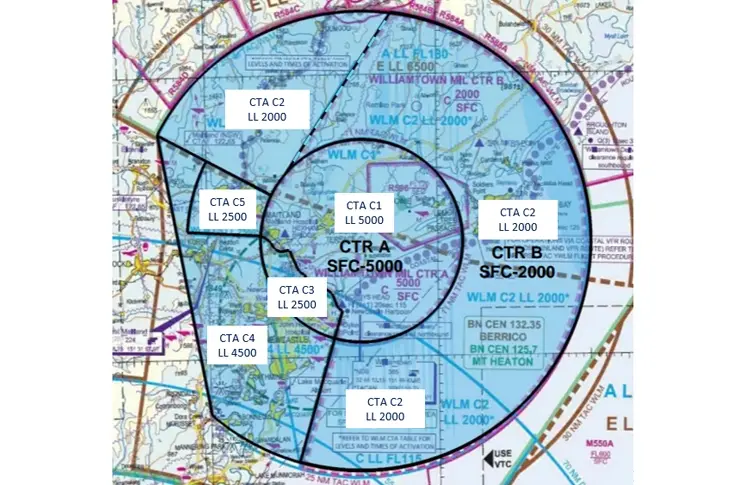
Williamtown (NTL) airspace is about to change anyway.


https://www.flightsafetyaustralia.com/2023/11/changes-to-williamtown-airspace/
 
Posts
7,002
Likes
12,913
The supersonic Anglo-French Concorde was the only aircraft to be able to stay in the full shadow of a Solar eclips. Concorde could fly three hours at Mach 2+ without refueling!
In June 1973, scientists put a telescope in the upper fuselage of Concorde 001, which departed Las Palmas in the Canary islands to follow the large arc of the Solar eclips over North Africa. Flying at 2202 Km/Hr the Concorde caught the 250 Km wide Moon's umbra over Mauritania flying Eastwards to land 45 minutes later at Ndjamena in Chad.
During this scientific flight, Concorde was piloted by famous test pilot André Turcat !
 
Posts
3,570
Likes
9,015
The supersonic Anglo-French Concorde was the only aircraft to be able to stay in the full shadow of a Solar eclips. Concorde could fly three hours at Mach 2+ without refueling!
In June 1973, scientists put a telescope in the upper fuselage of Concorde 001, which departed Las Palmas in the Canary islands to follow the large arc of the Solar eclips over North Africa. Flying at 2202 Km/Hr the Concorde caught the 250 Km wide Moon's umbra over Mauritania flying Eastwards to land 45 minutes later at Ndjamena in Chad.
During this scientific flight, Concorde was piloted by famous test pilot André Turcat !
001 was the first Concorde to fly (rather obviously...), and is now on view at Le Bourget Airport in Paris.

F-WTSS
 
Posts
3,570
Likes
9,015
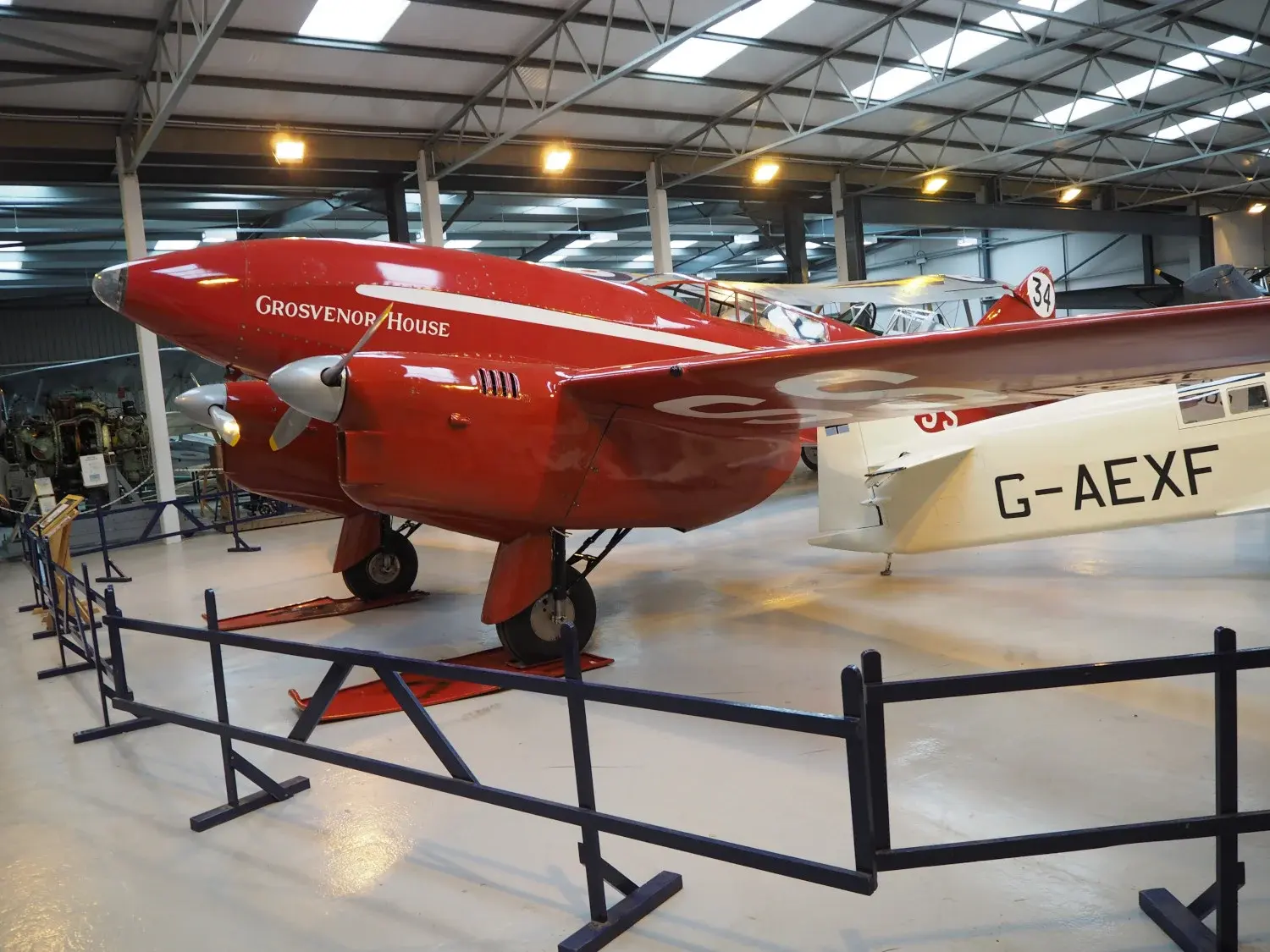
DH88 Comet flying today 2026-Aug-16, Damnit I wish I'd been there, one of my favourite aircraft!

G-ACSS in 2016 with Alex Henshaw's Mew Gull.
 
Posts
3,570
Likes
9,015
DH88 Comet flying today 2026-Aug-16, Damnit I wish I'd been there, one of my favourite aircraft!

G-ACSS in 2016 with Alex Henshaw's Mew Gull.
UUh-oh, I posted that link before watching.
BBC report