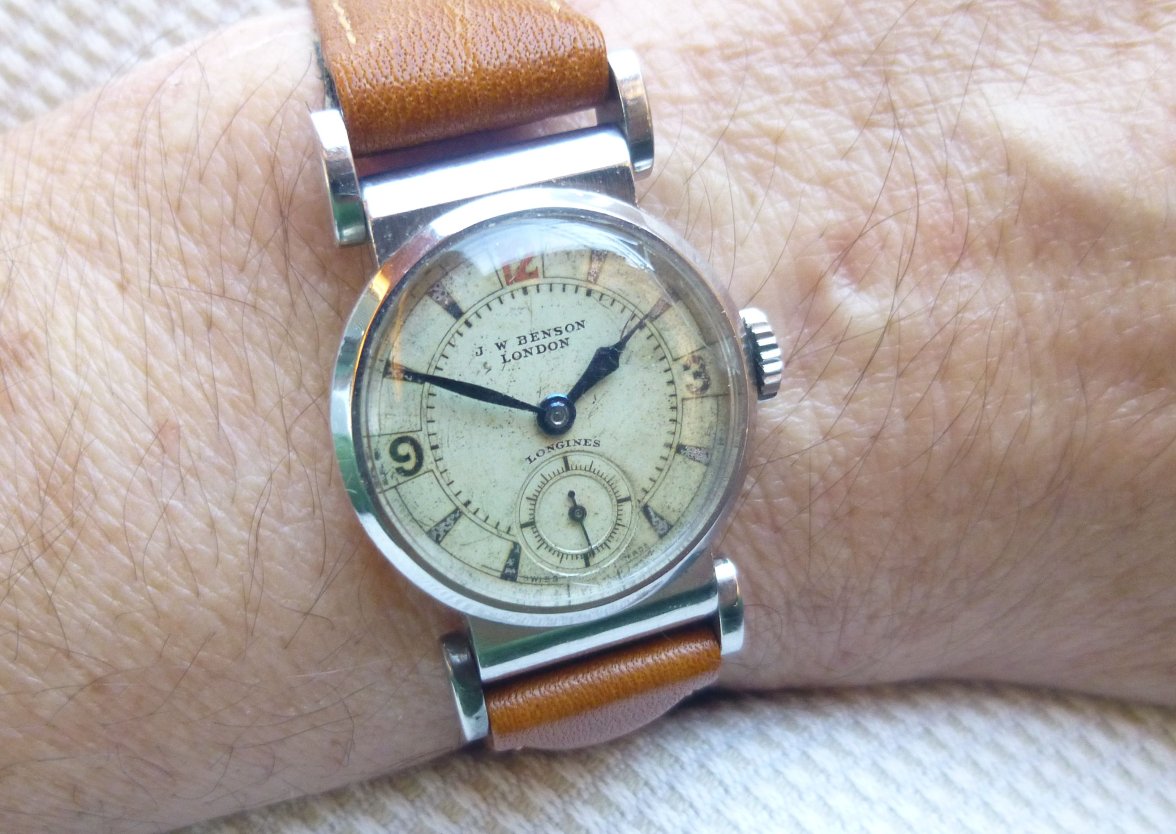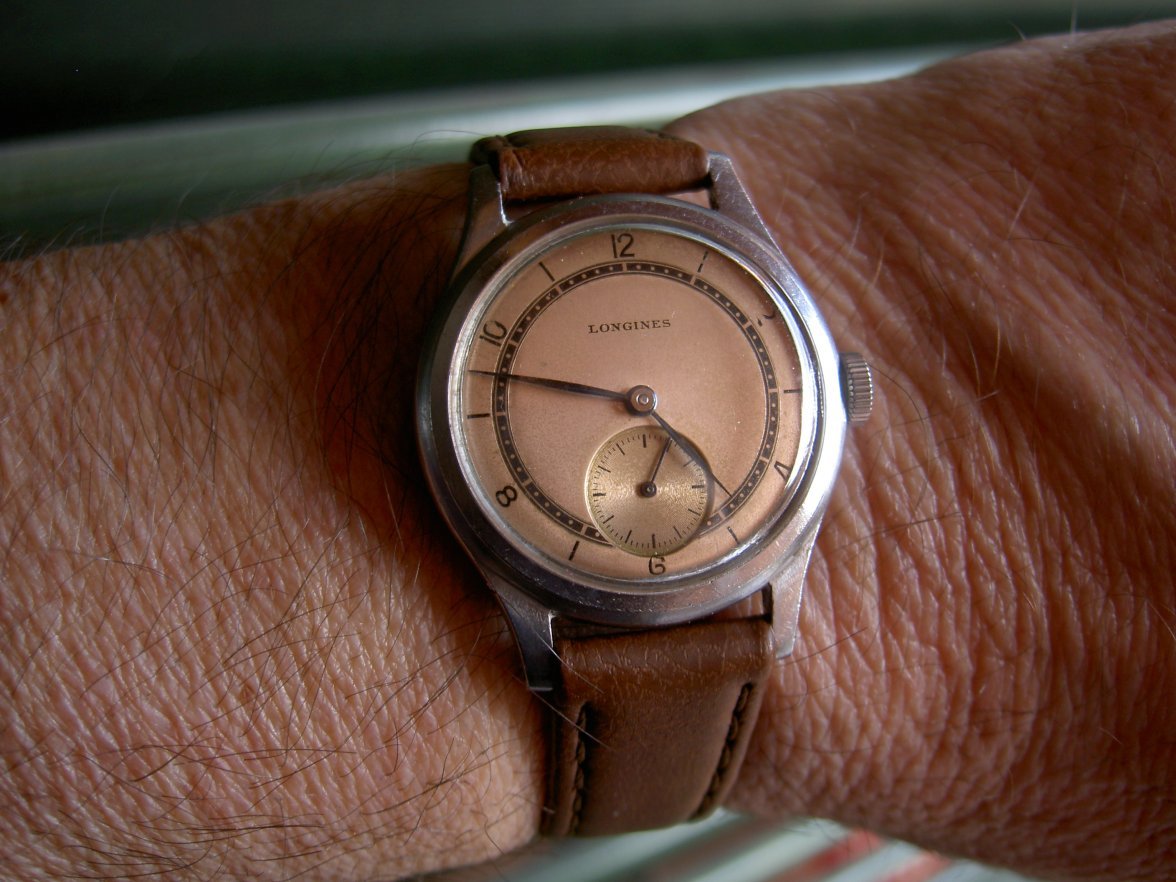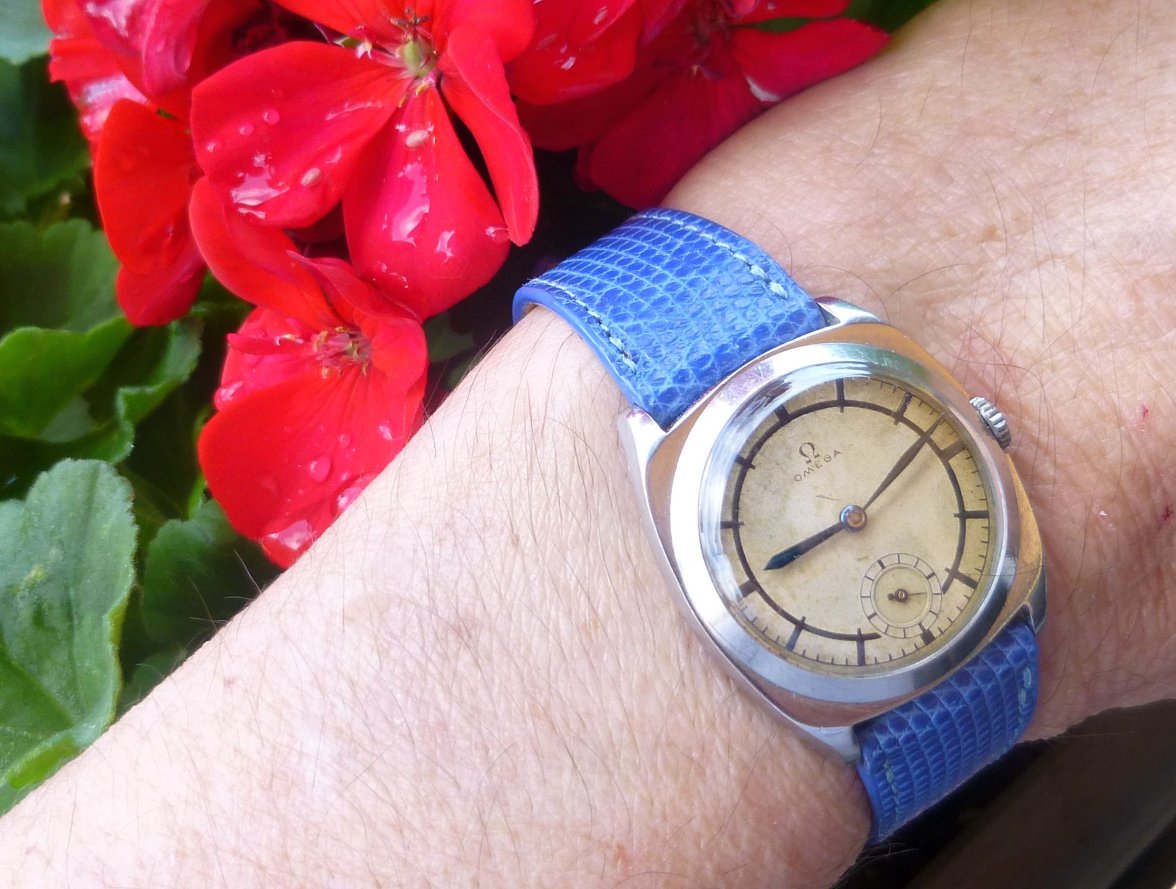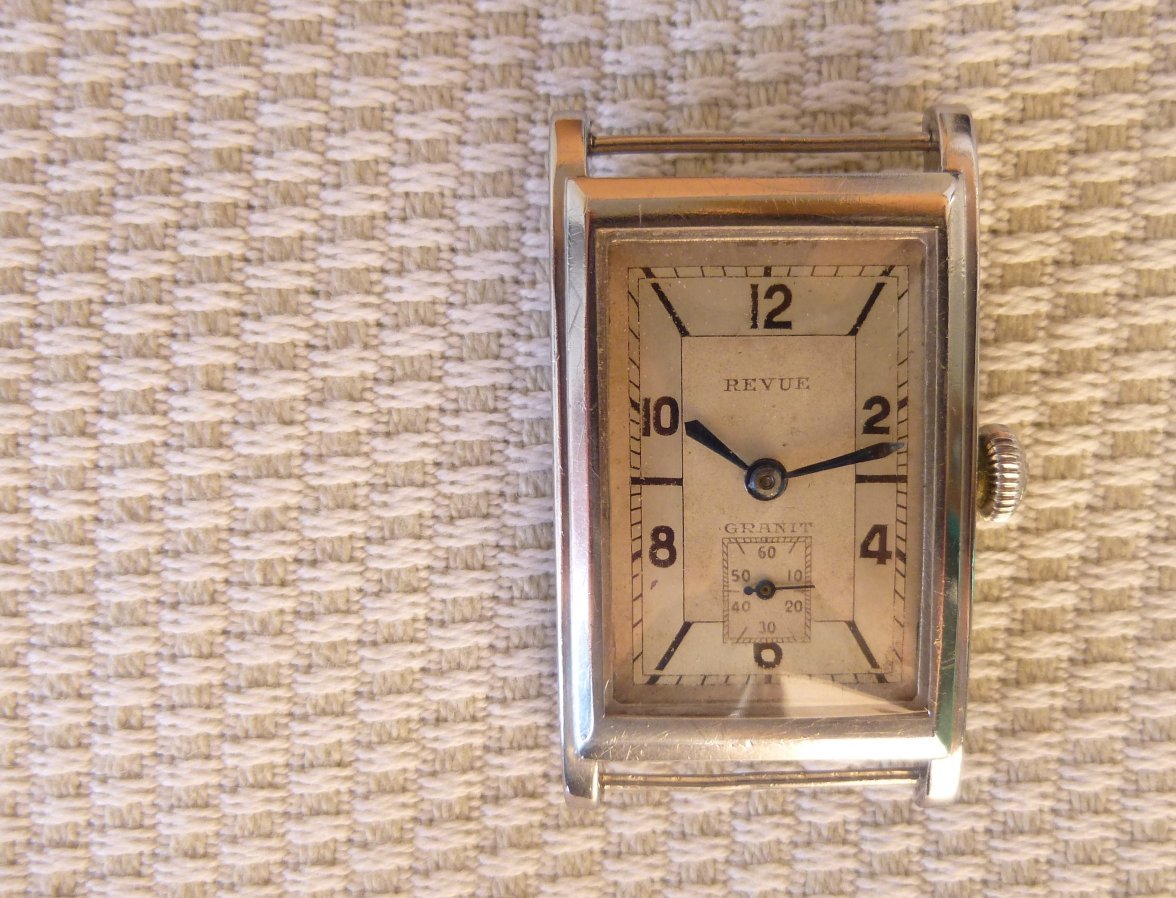
Show us your sector dials

Posts
643
Likes
980
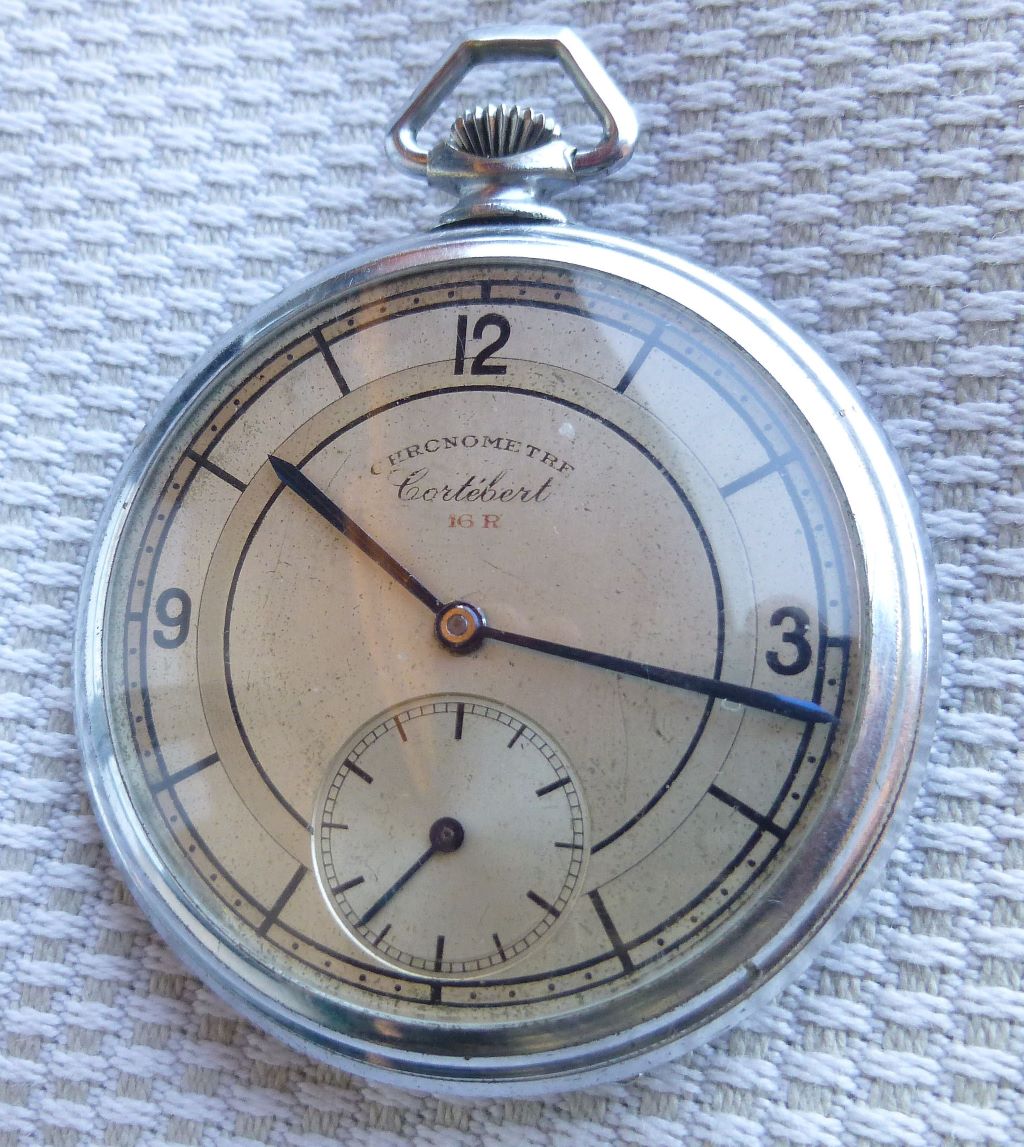
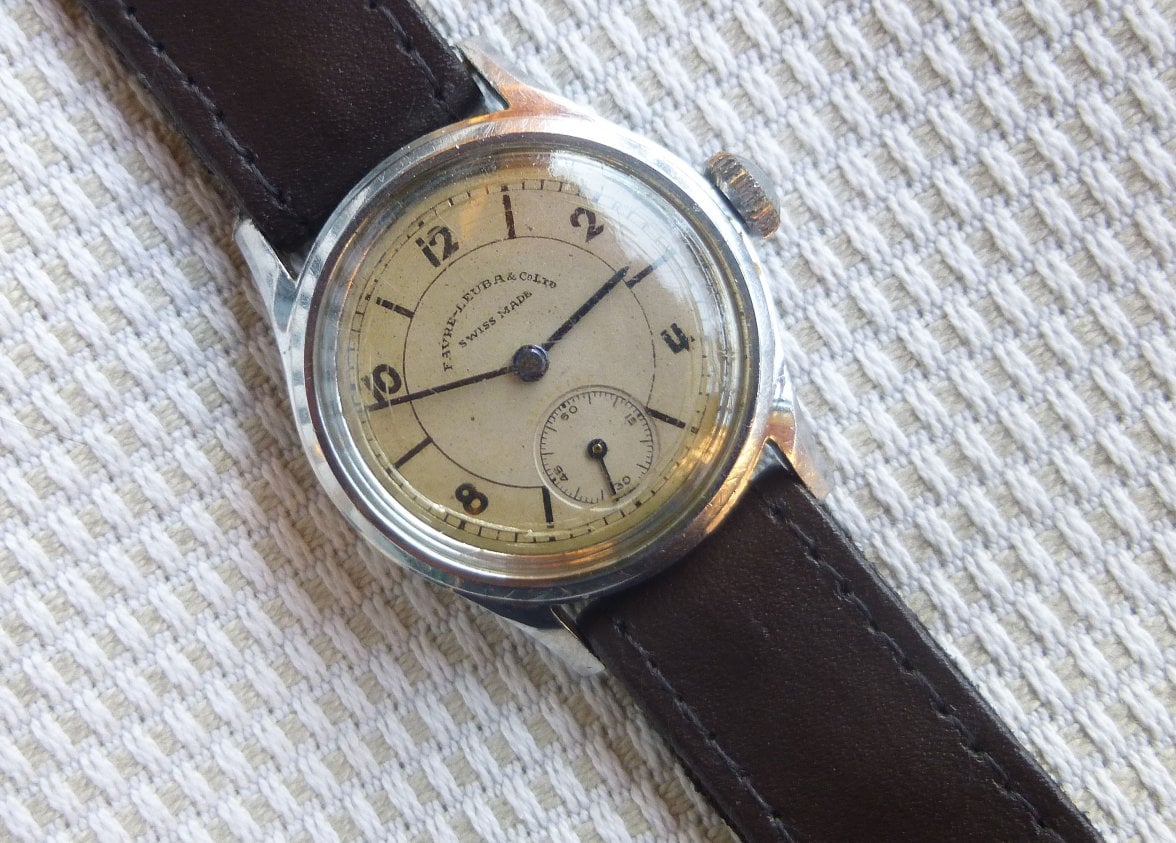
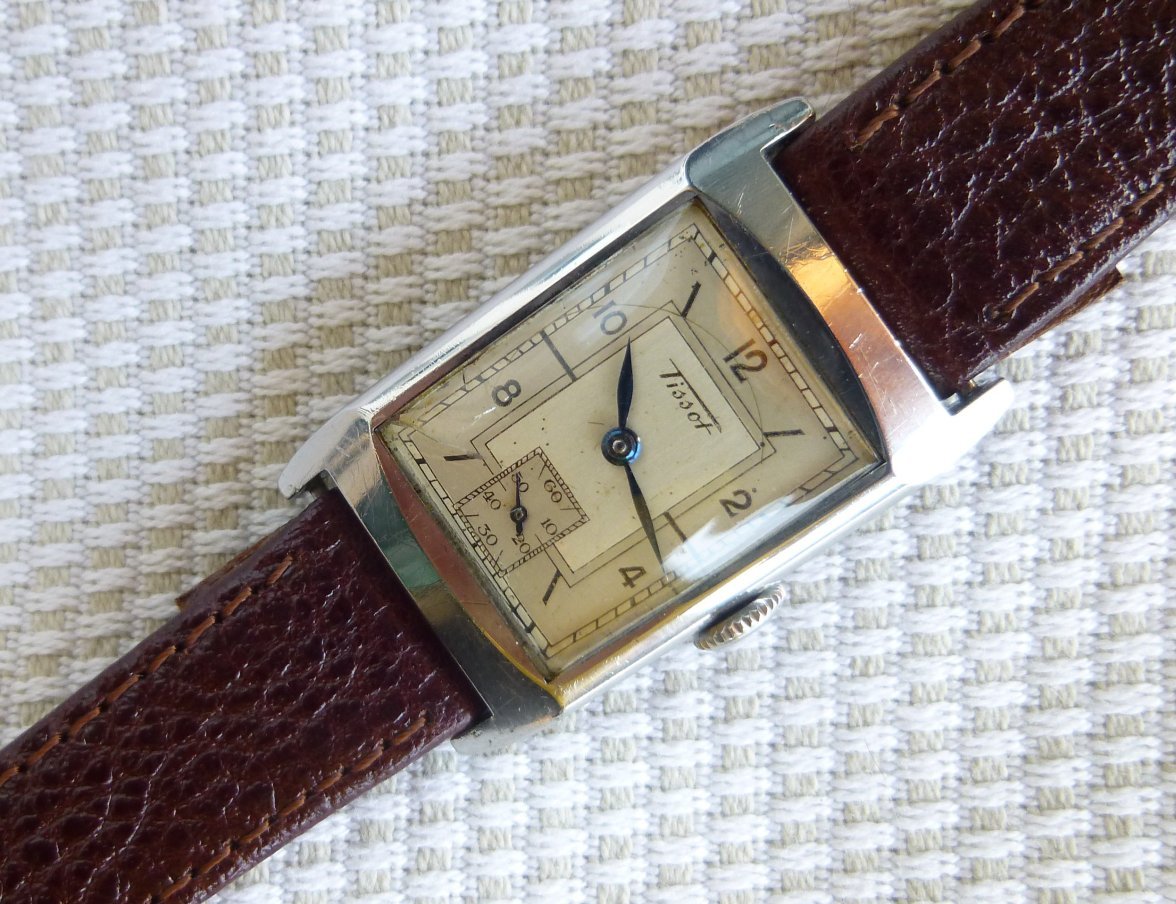
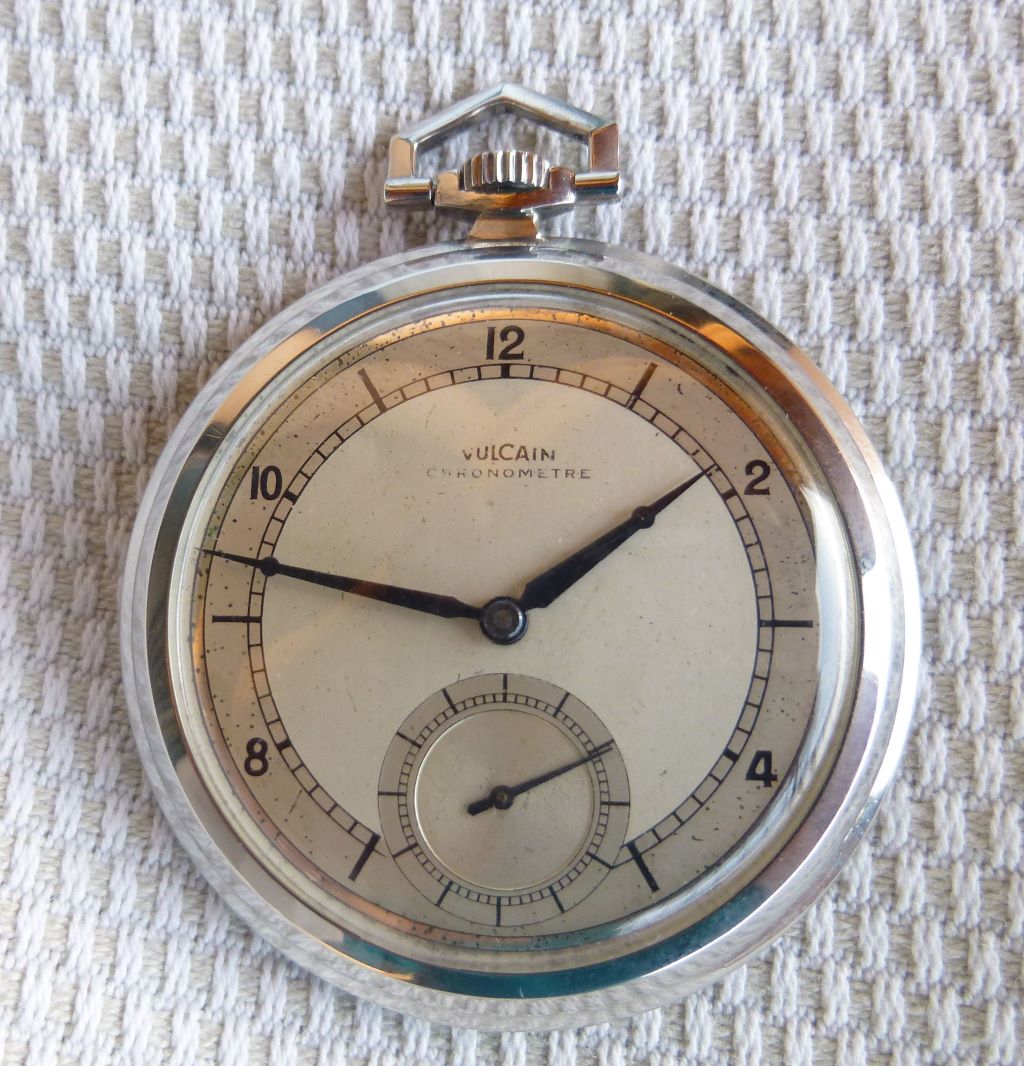
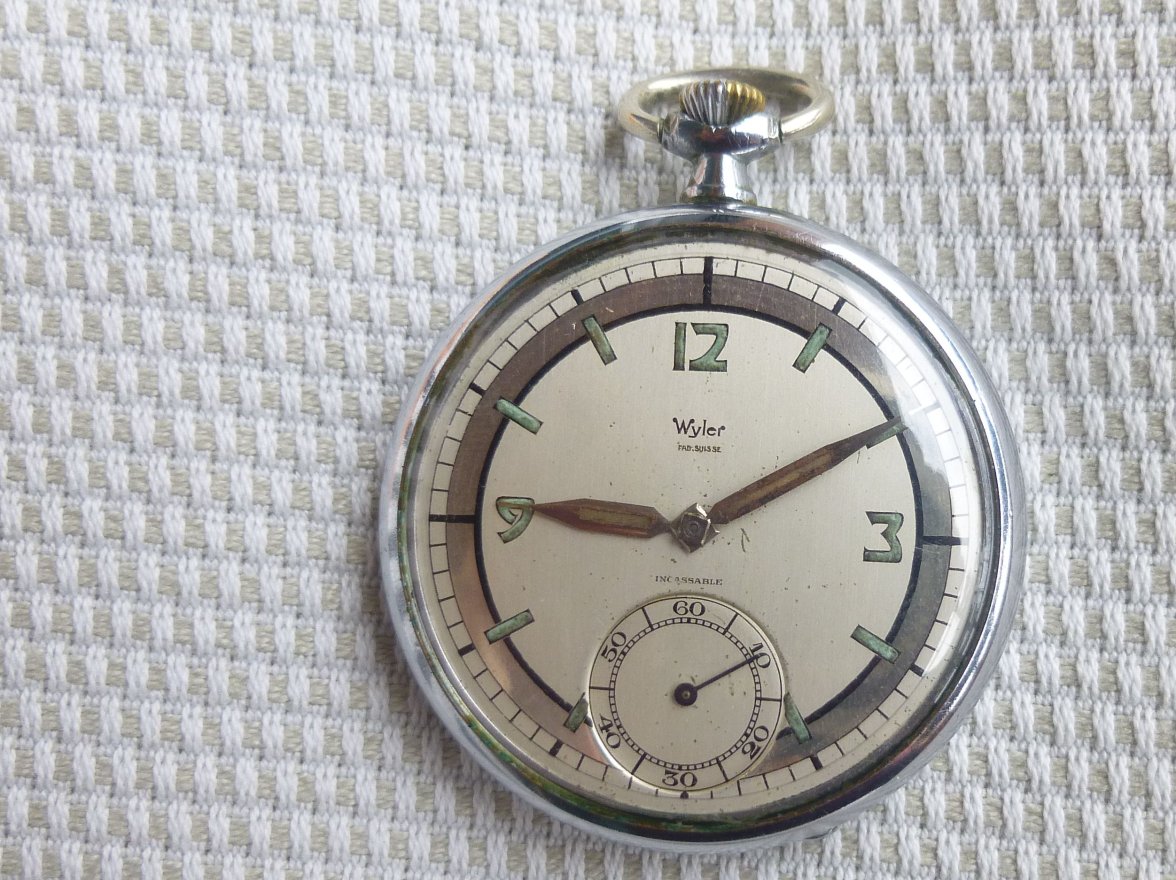
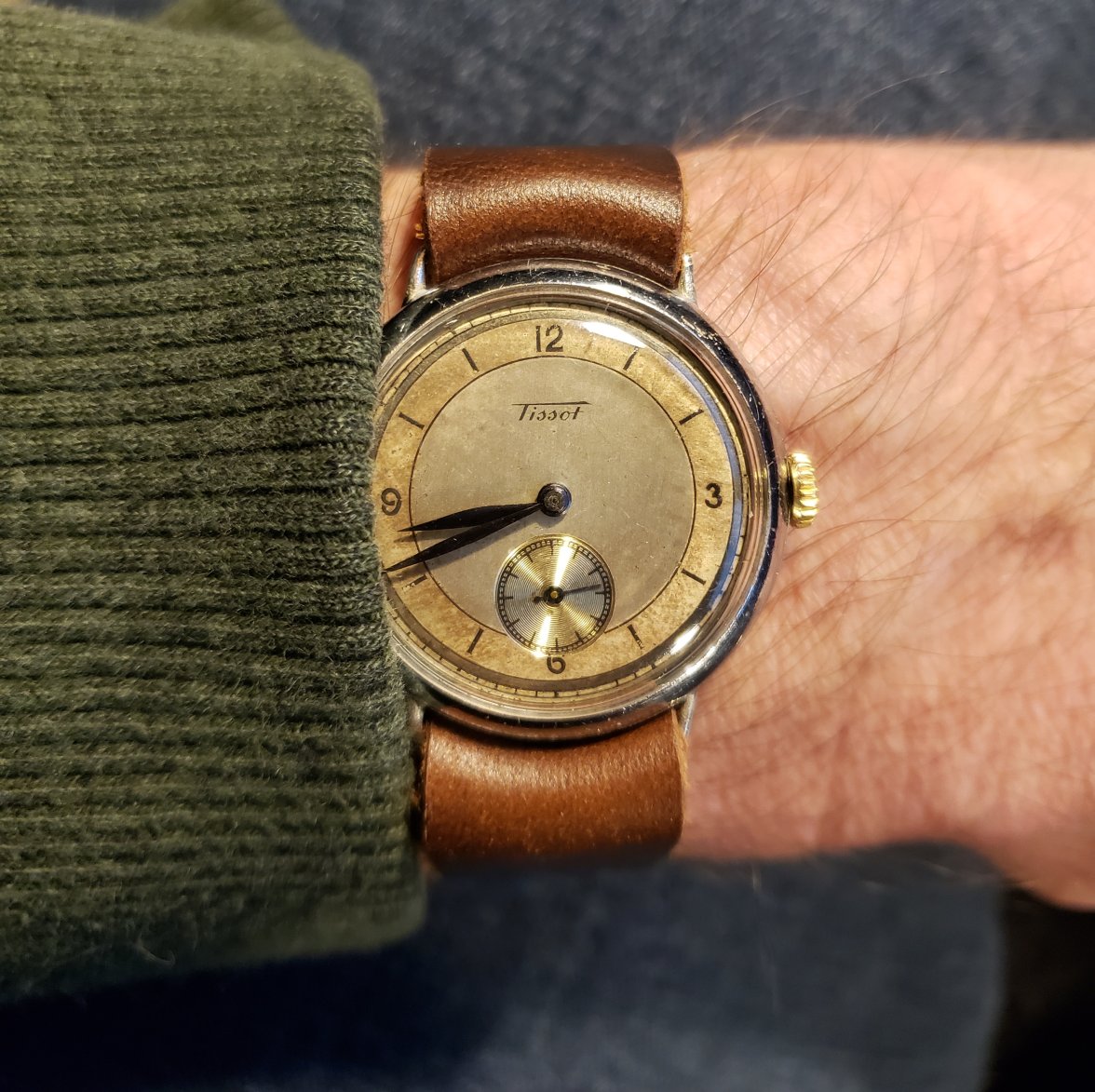
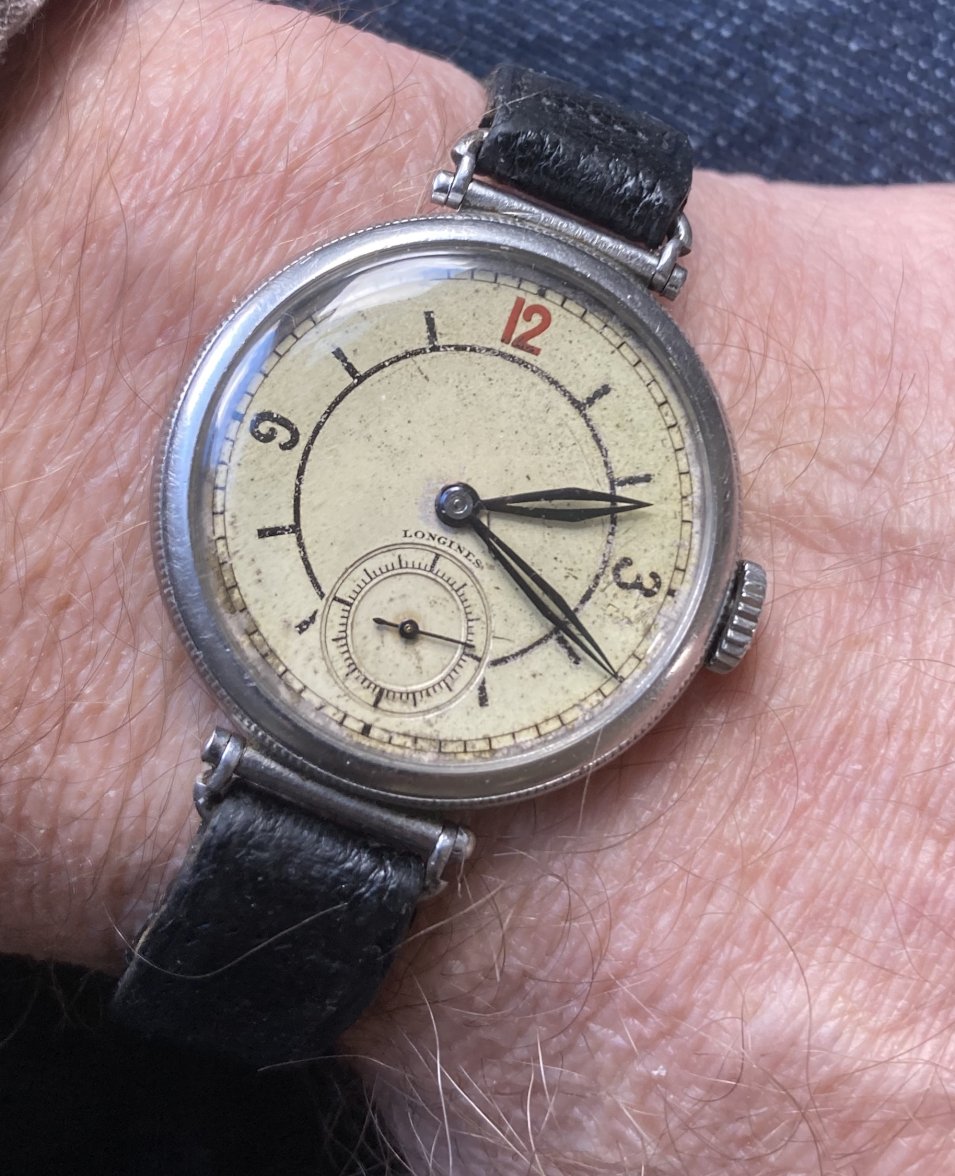
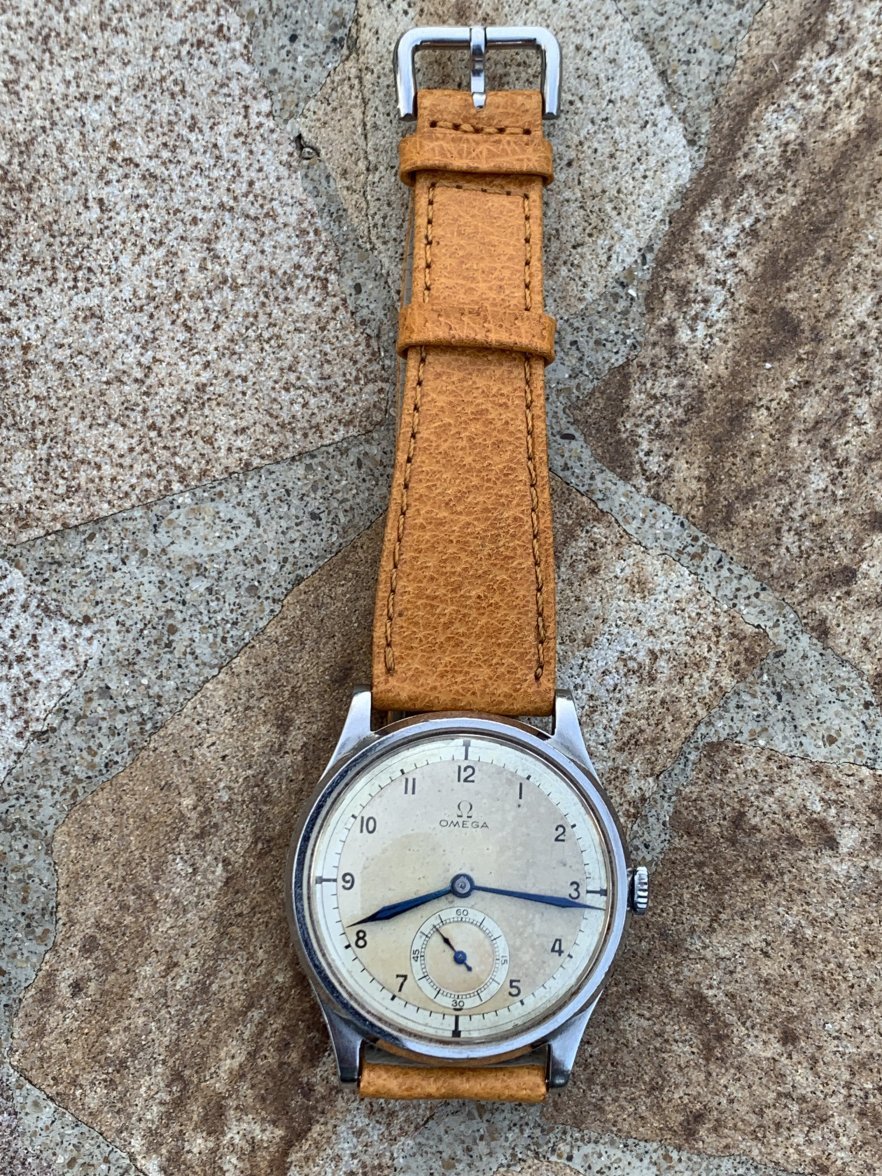
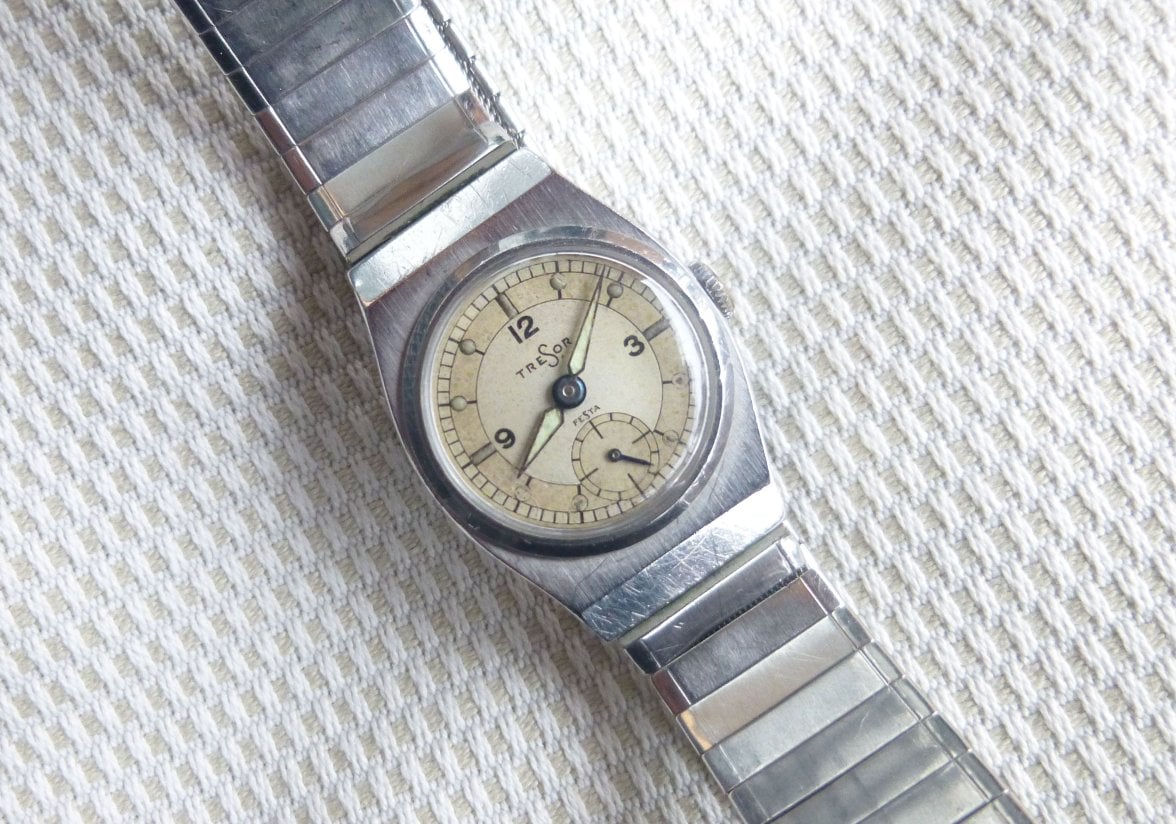
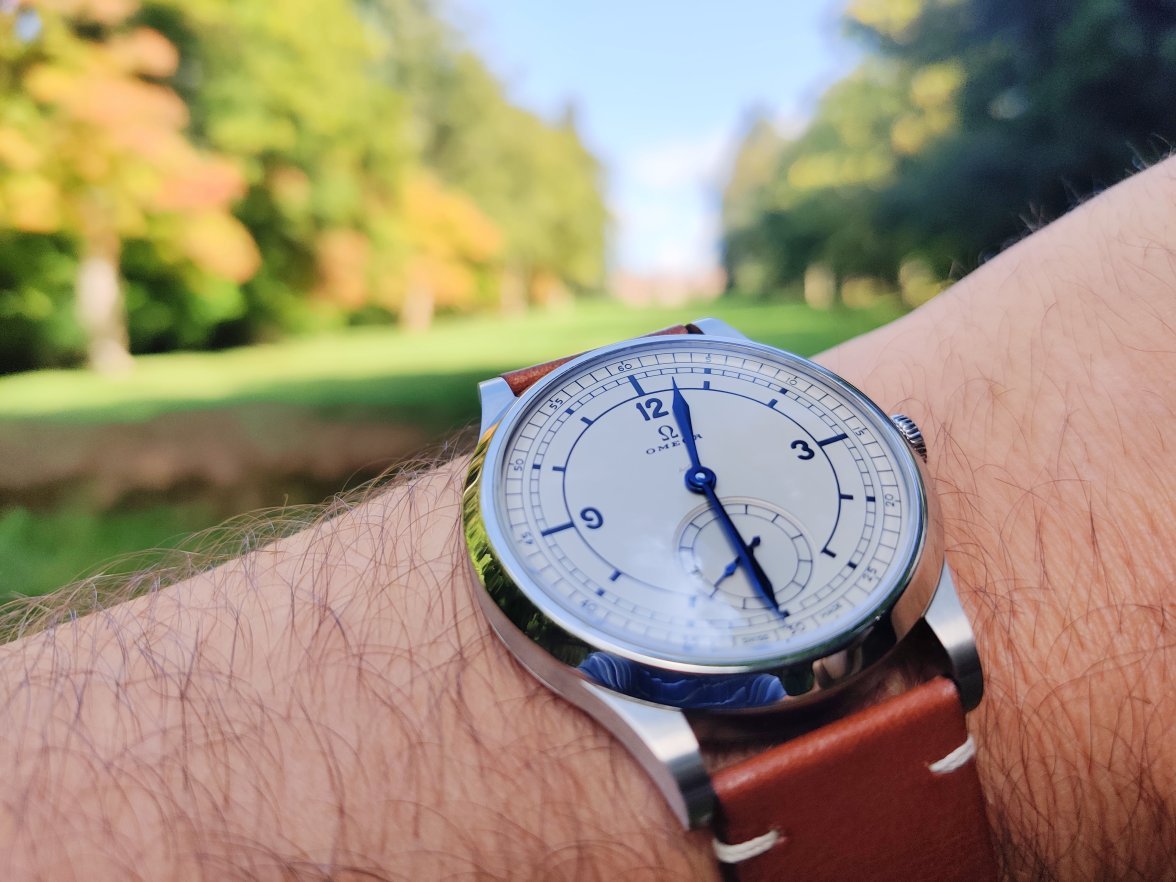
So, I'm a bit nervous about starting this as I'm a fairly new to the forum. But... I did a search and couldn't find another thread so, deep breath, who wants to show off their sector dials? I can't get enough of them and it ended up with the purchase of this beauty (and my first omega). Omega or not, I want to see some sector dial goodness!

If there's another thread already please let me know and I'll add to that.
 
Posts
3
Likes
11
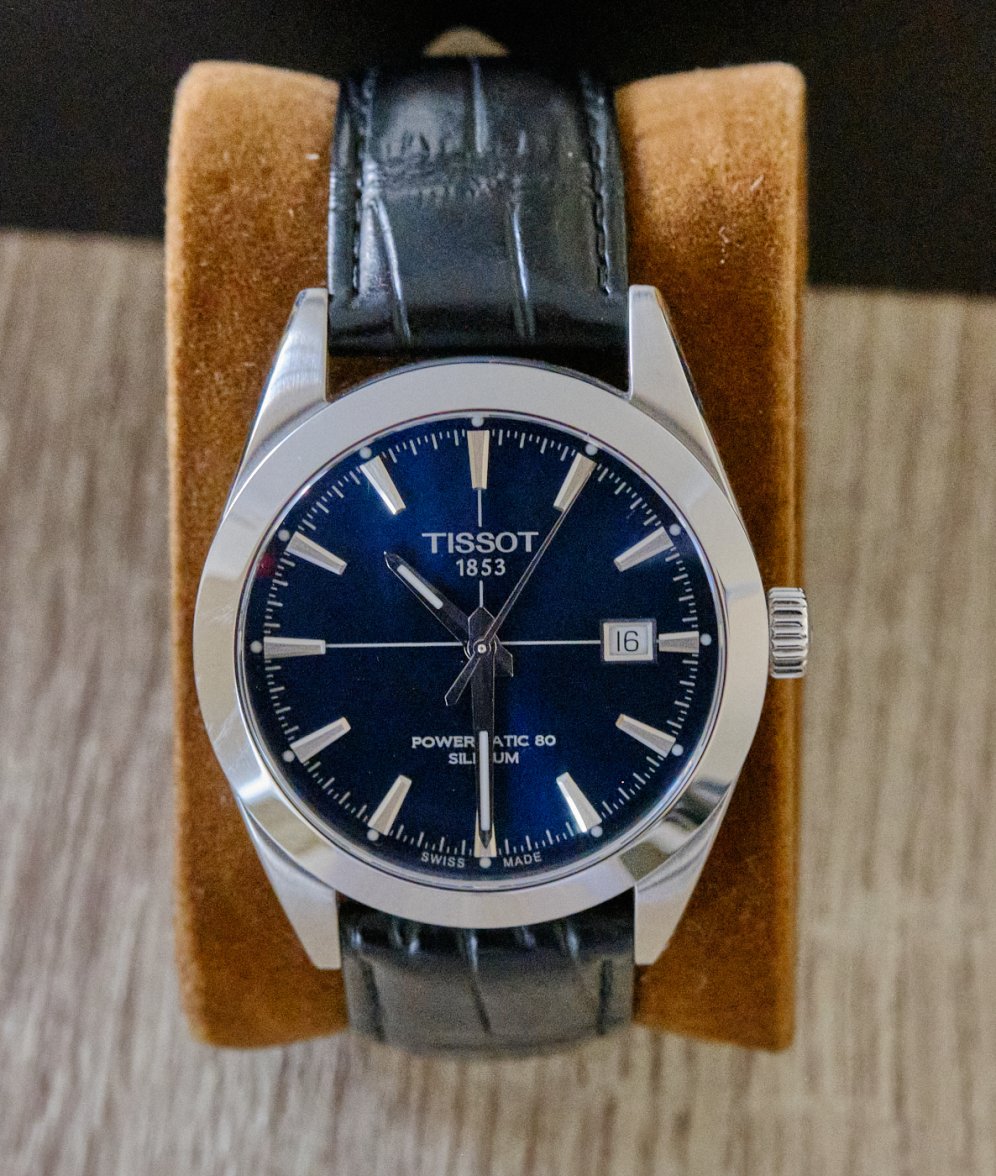
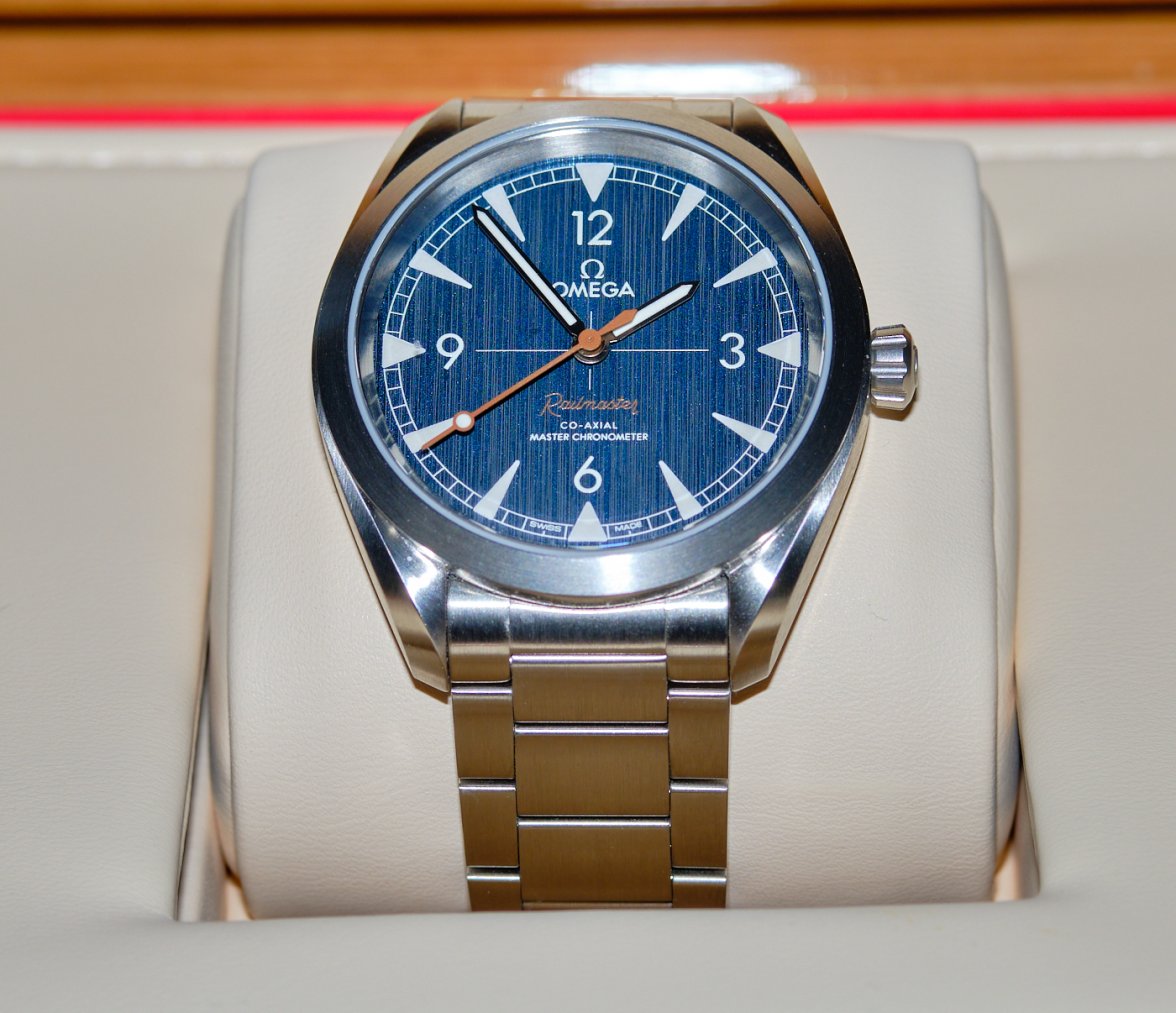
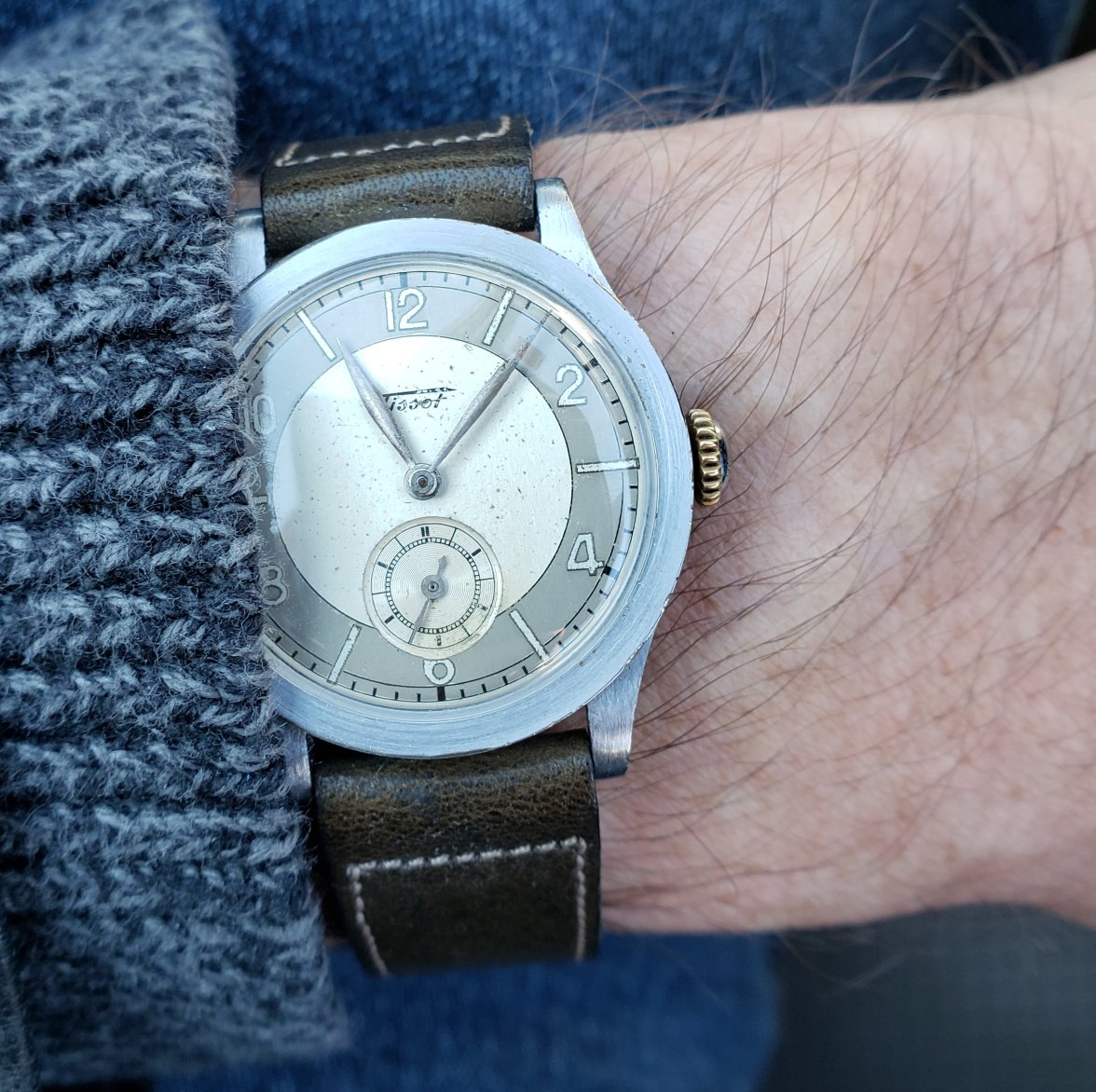
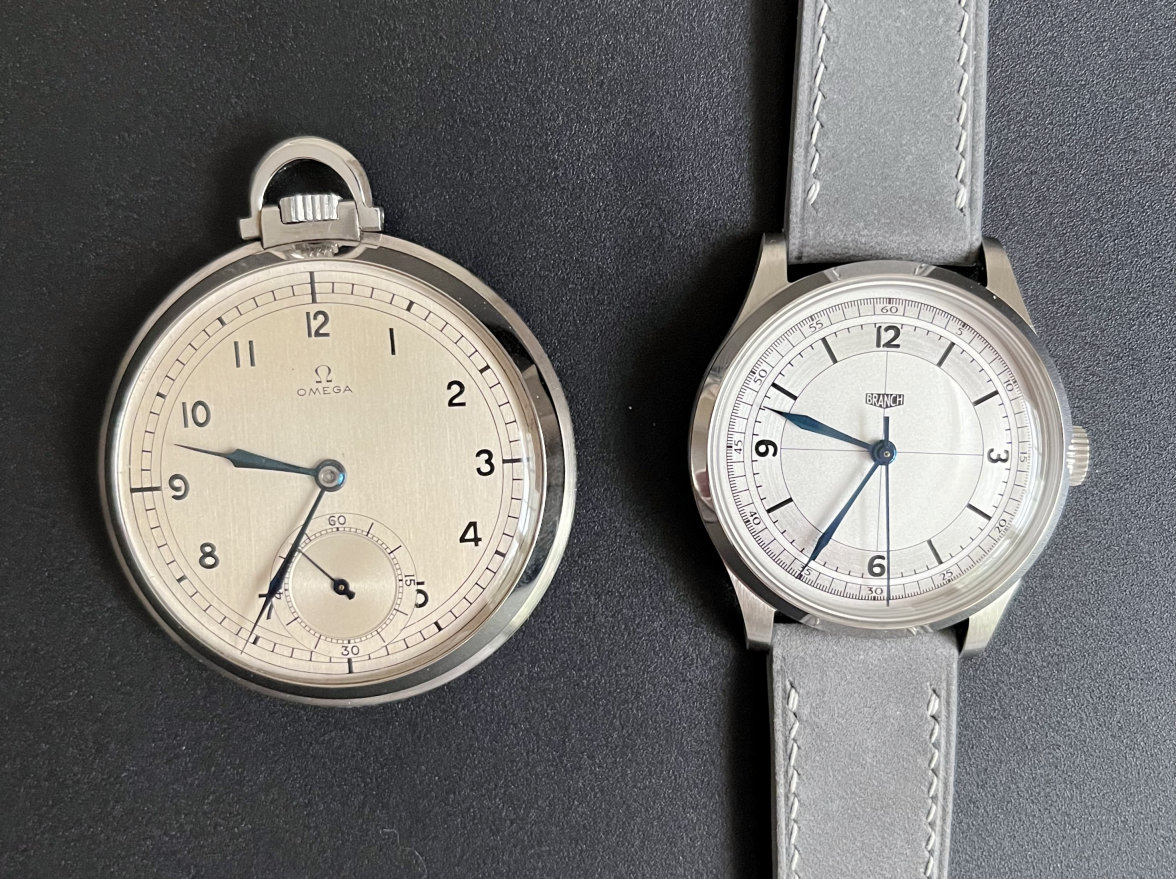
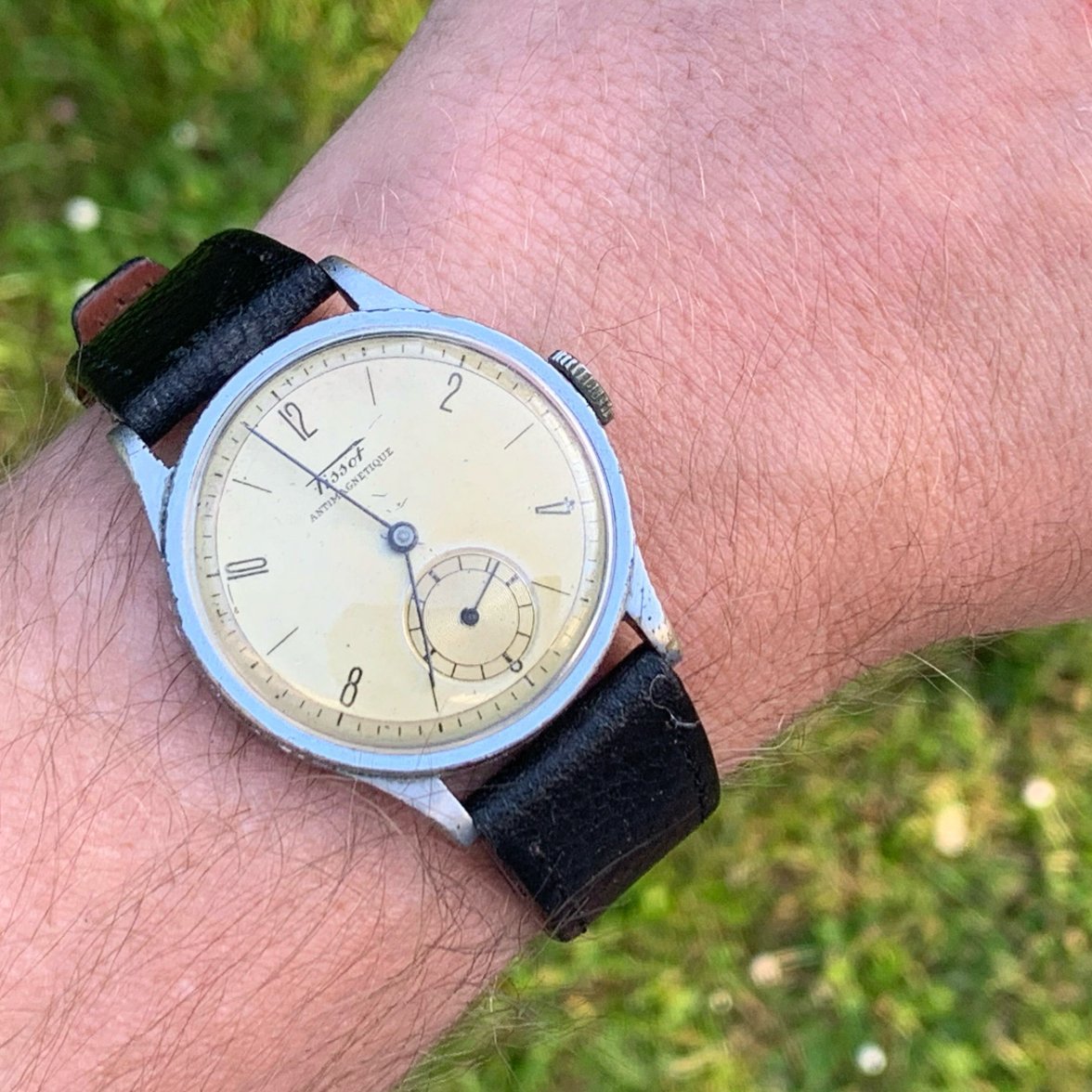
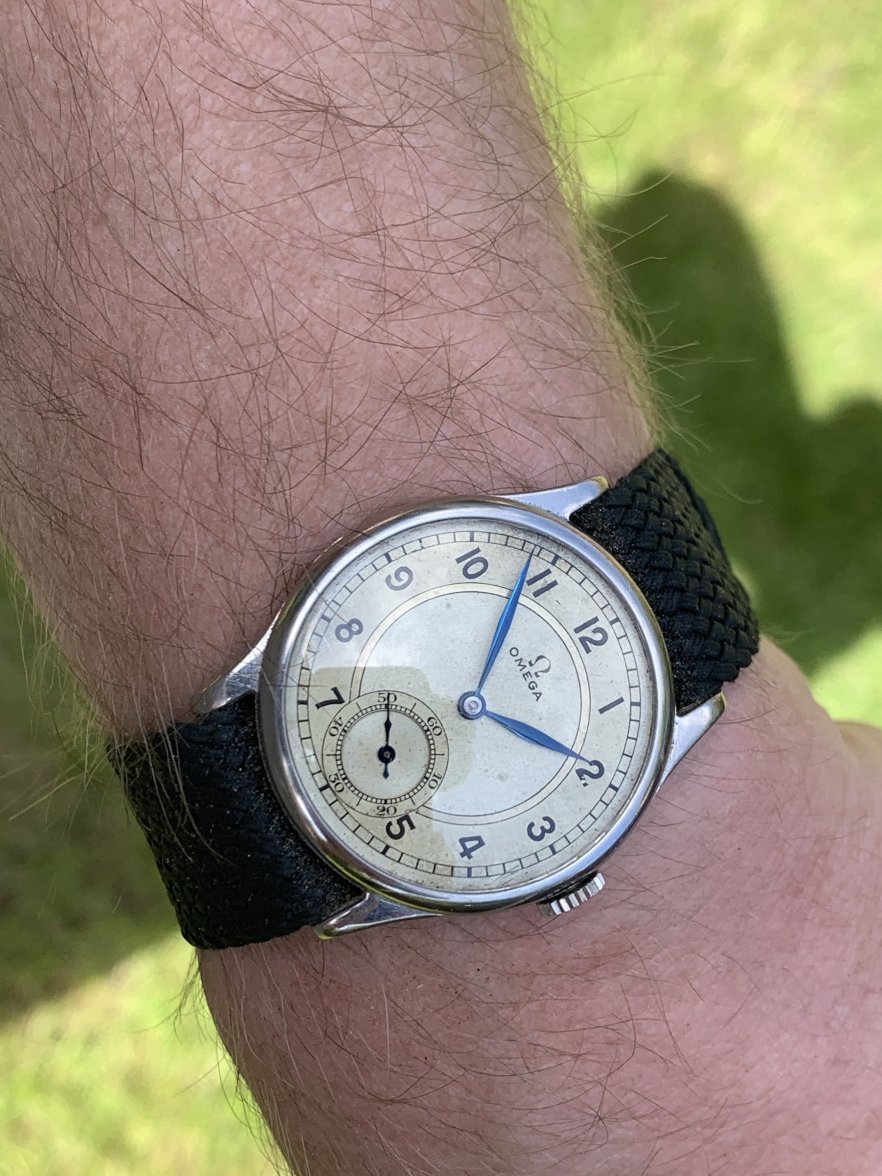
These are my two, Tissot Gentleman and Omega Railmaster.

dateposted-public
dateposted-public
 
Posts
744
Likes
1,392

I love this watch. One question for the community, though: is it actually a sector dial? The standard definition of "sector" is something like:

Geometry. a plane figure bounded by two radii and the included arc of a circle.

and, consequently, I interpret "sector dial" to mean a dial that has some explicit indication of the radii. For example, extended or extra bold hour markers, sometimes only at the 12, 3, 6, and 9 positions. To me, a sector dial should consist of explicit arcs.

Just curious if there are others that feel the same. The watch here is gorgeous regardless and clearly of the same style as many sector dial watches.
 
Posts
643
Likes
980
I love this watch. One question for the community, though: is it actually a sector dial? The standard definition of "sector" is something like:


and, consequently, I interpret "sector dial" to mean a dial that has some explicit indication of the radii. For example, extended or extra bold hour markers, sometimes only at the 12, 3, 6, and 9 positions. To me, a sector dial should consist of explicit arcs.

Just curious if there are others that feel the same. The watch here is gorgeous regardless and clearly of the same style as many sector dial watches.

There is no definitive definition as I understand it. I quite like this definition though:
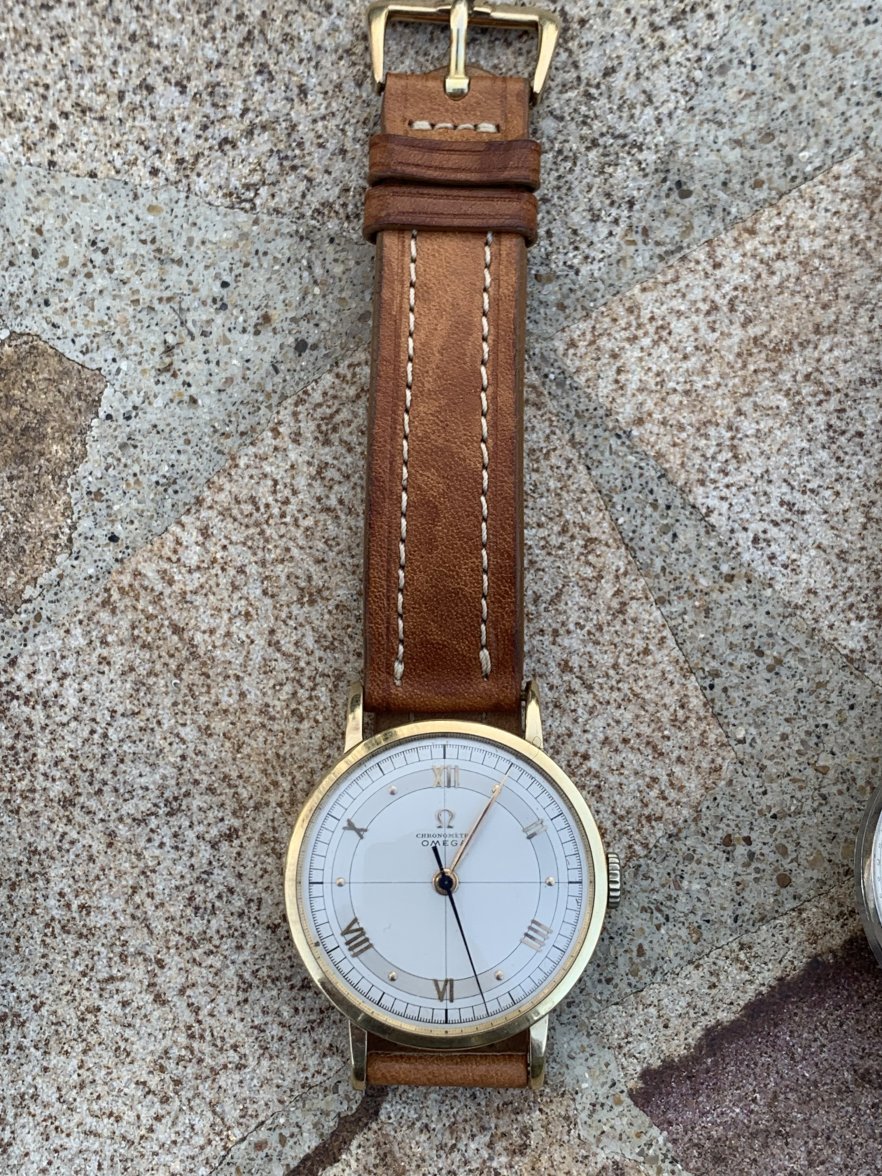
While there is no hard and fast dictionary definition, a true sector dial, in this author’s humble opinion, needs to have a number of elements. There should be two concentric rings, one for the minutes and one for the hours. The hour and minute markers should be radial lines that join the inner and outer edges of the rings - creating the “sectors”, possibly using numerals to mark the quarter hours or five-minute positions. While the weight of the dividing lines may vary, the classic layout has a heavy line for the hour markers and the connecting innermost circle.
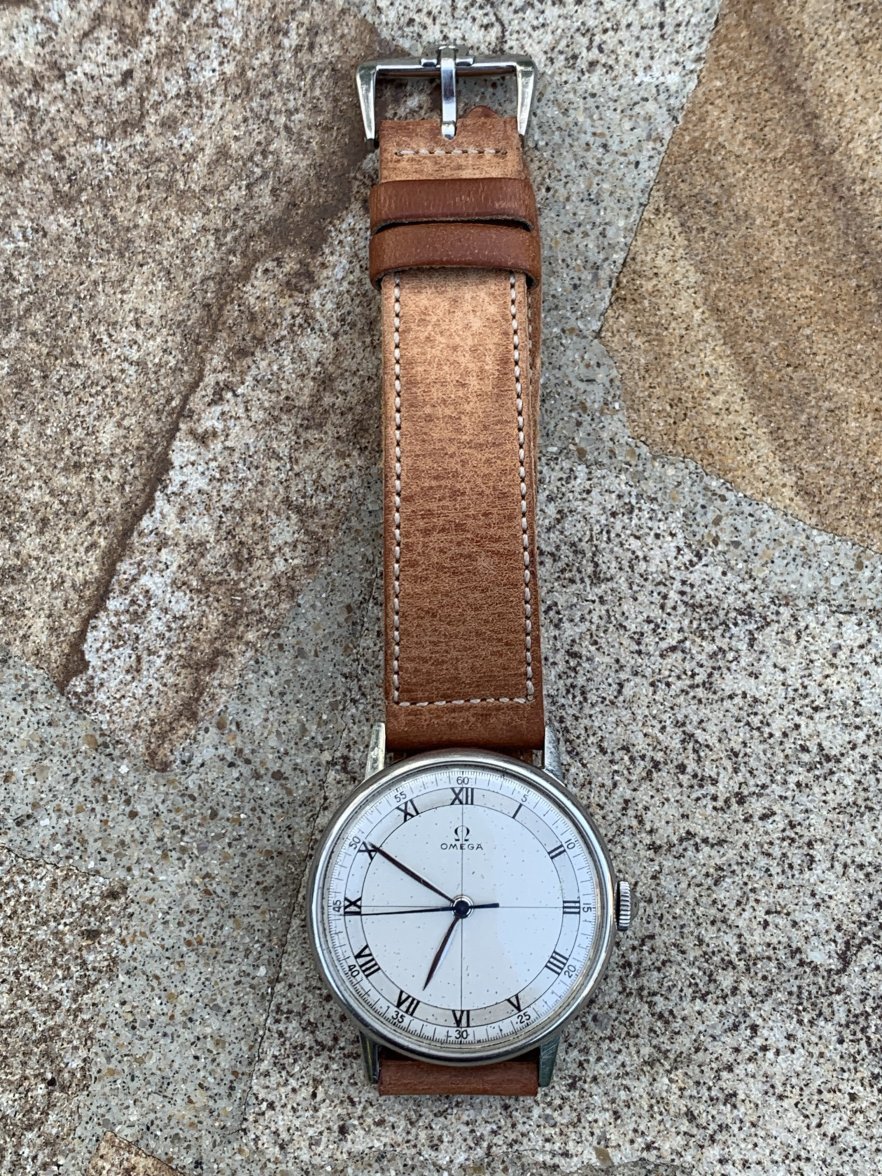
Source: https://revolutionwatch.com/the-watch-face-sector-dials/

I would argue that Tony C's fine watch has enough defined sectors to qualify as a sector dial. But I am by no means putting myself forward as the arbiter of sector dial qualification! Would be interested in the thoughts of others.
 
Posts
8,096
Likes
28,523
I interpret "sector dial" to mean a dial that has some explicit indication of the radii. For example, extended or extra bold hour markers, sometimes only at the 12, 3, 6, and 9 positions. To me, a sector dial should consist of explicit arcs.

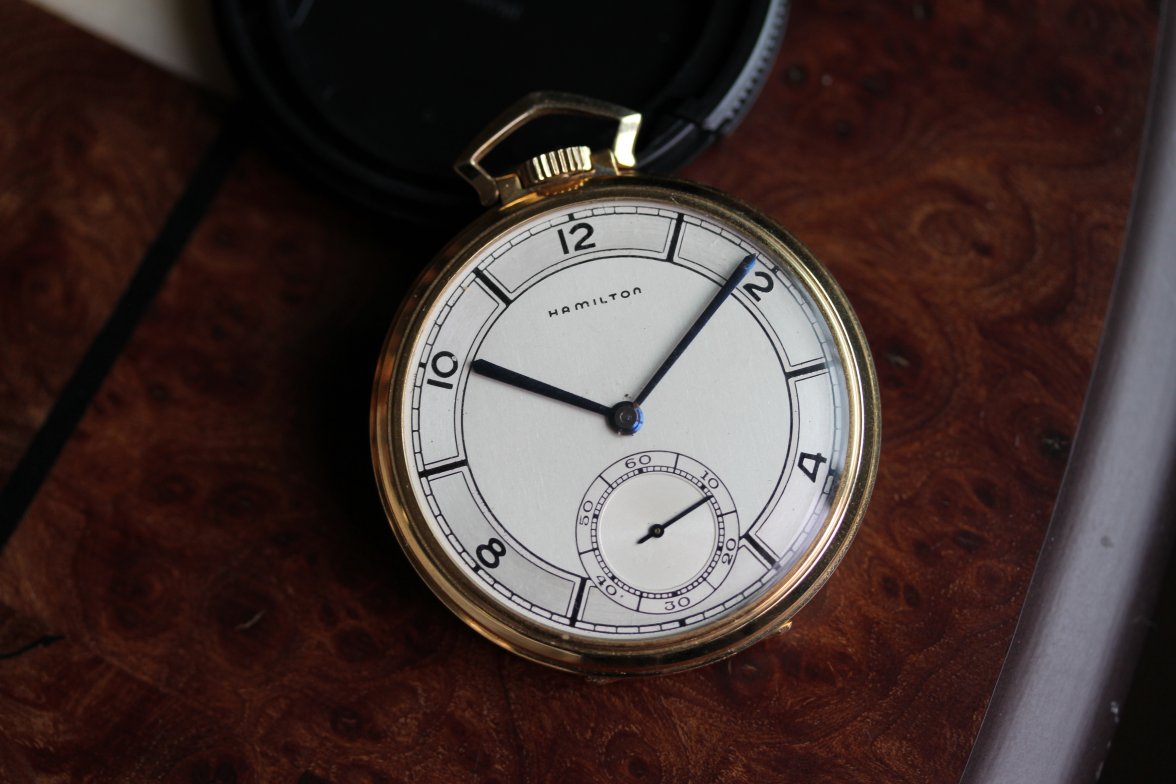
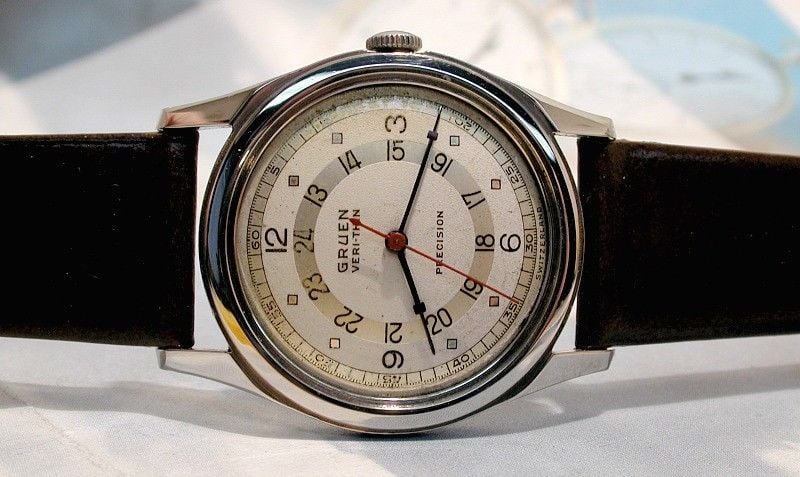
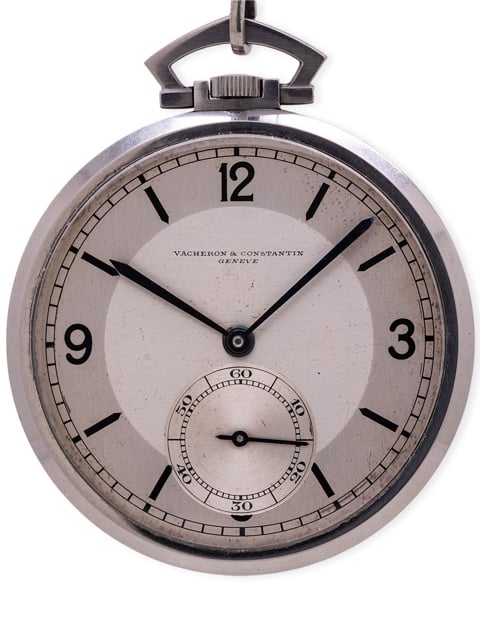
It's a discussion that has been had many times, and on various forums. In my view, the Gruen that I posted fits the bill, as the dial is clearly divided into sectors. But I would also agree that it is not the type that most collectors think of when the phrase is used.

I'm not completely clear on what you mean when you say that a sector dial "should consist of explicit arcs", so perhaps you could elaborate.

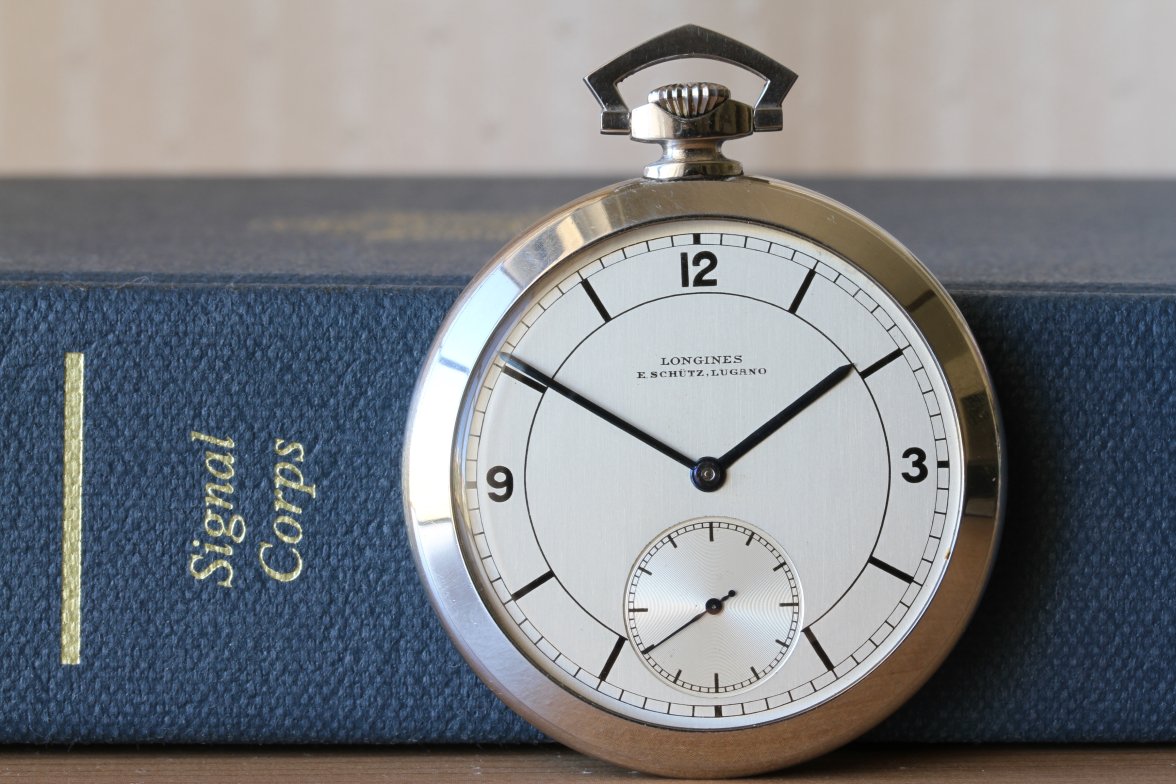
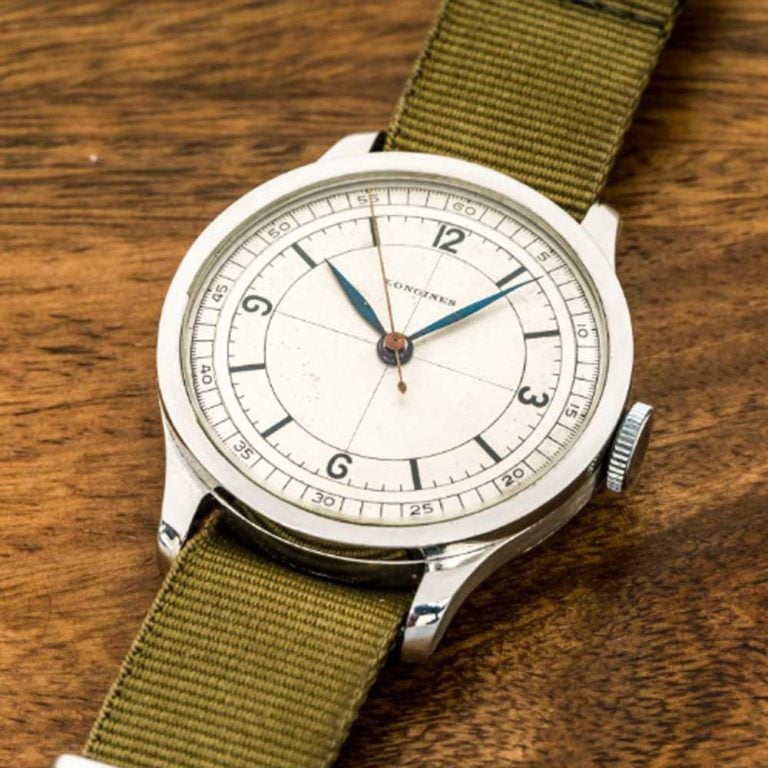
The definition that @DrmexicoII posted above is interesting, so let's compare a watch that the author uses to illustrate his definition, with mine.


There should be two concentric rings, one for the minutes and one for the hours. The difference between the two is that mine has three rings (aka another sector!).

The hour and minute markers should be radial lines that join the inner and outer edges of the rings - creating the “sectors”, possibly using numerals to mark the quarter hours or five-minute positions. Well, the Longines actually doesn't fit that criteria, as the hour and minute tracks never intersect, yet it is unlikely that anyone would argue that it is not a sector dial. Mine doesn't fit that precise description, either. The Longines is a cross-hair dial, but that has never been a required criterion.

While the weight of the dividing lines may vary, the classic layout has a heavy line for the hour markers and the connecting innermost circle. Bold faced, or "heavy" circles and/or indices do seem to be common themes on sector dials, and mine are not emphasized to the same degree as most.

What I deduce from this simple exercise is that while my Gruen may not fully fit the more common definitions, there are plenty of variations on the basic theme, even within the generally accepted parameters.
Edited:
 
Posts
643
Likes
980
New kid on the block


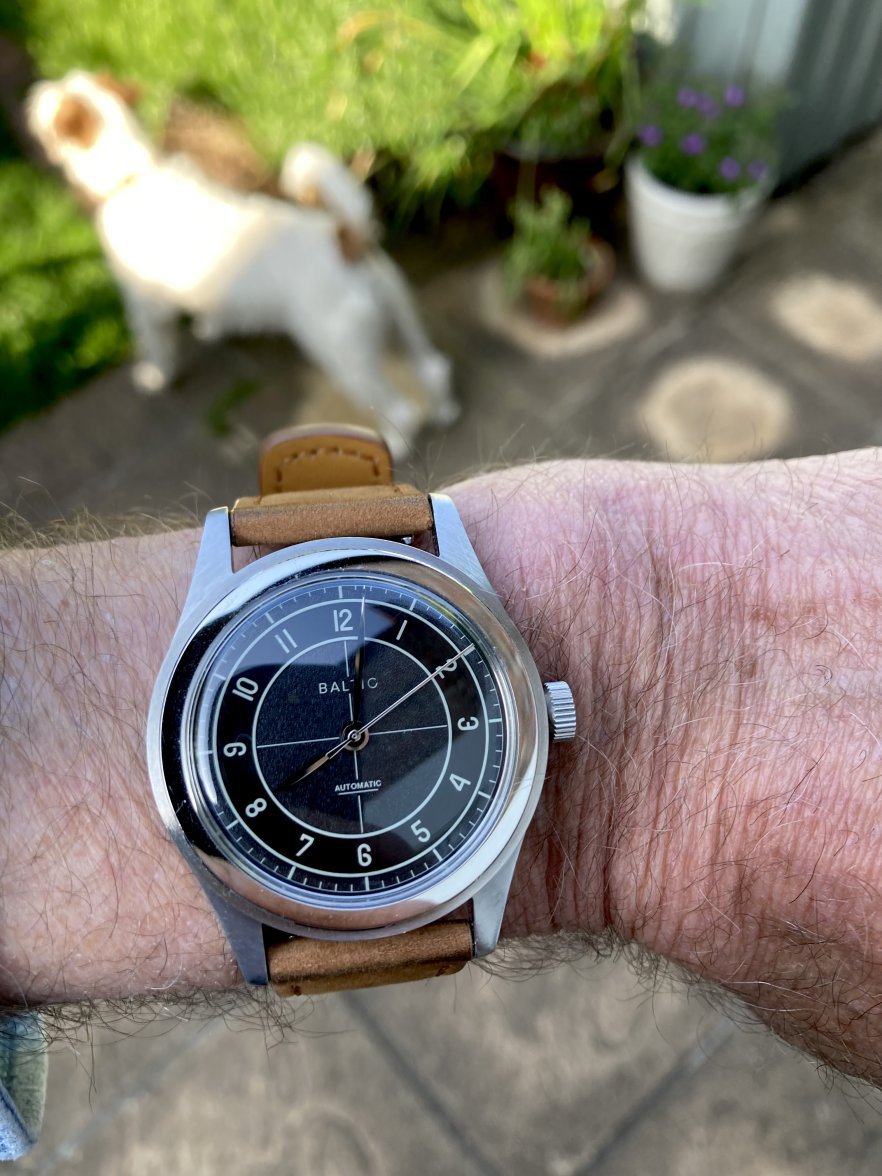
I feel the baltic, furlan marri and longines calling me but interested to see what other members have. I'm sure there are some omega sector dials lurking...!
 
Posts
744
Likes
1,392
There should be two concentric rings, one for the minutes and one for the hours. The difference between the two is that mine has three rings (aka another sector!).

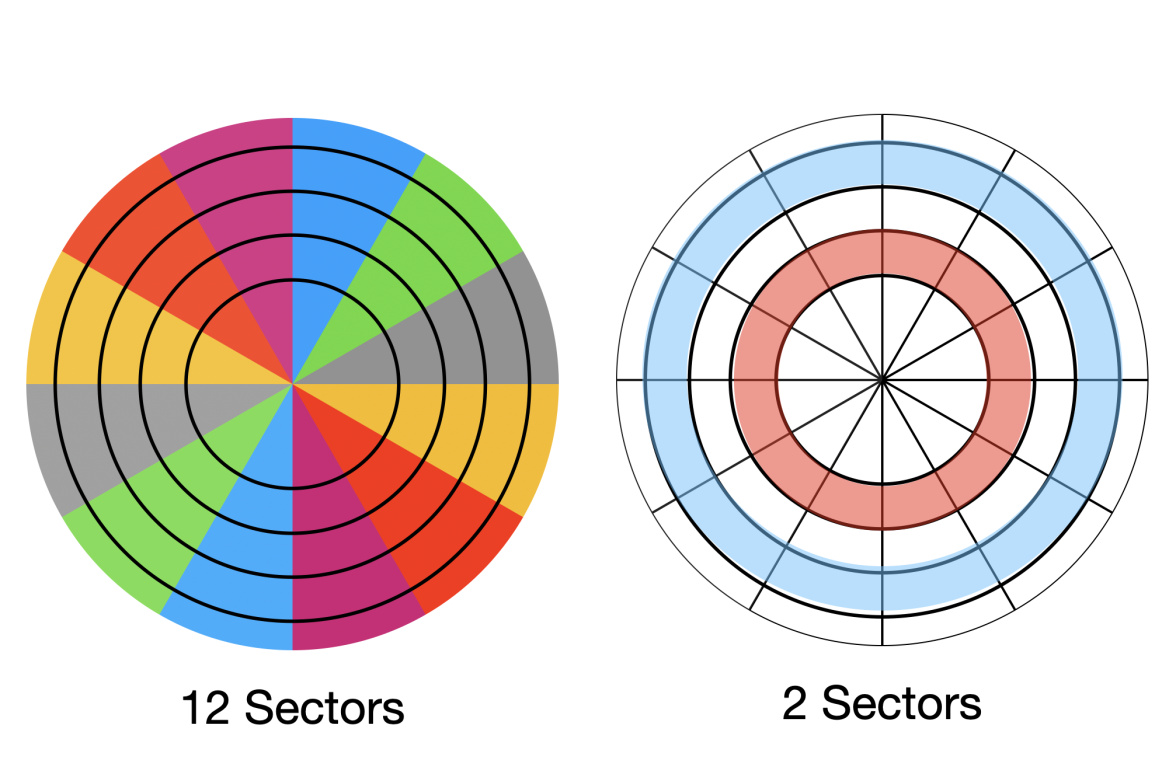
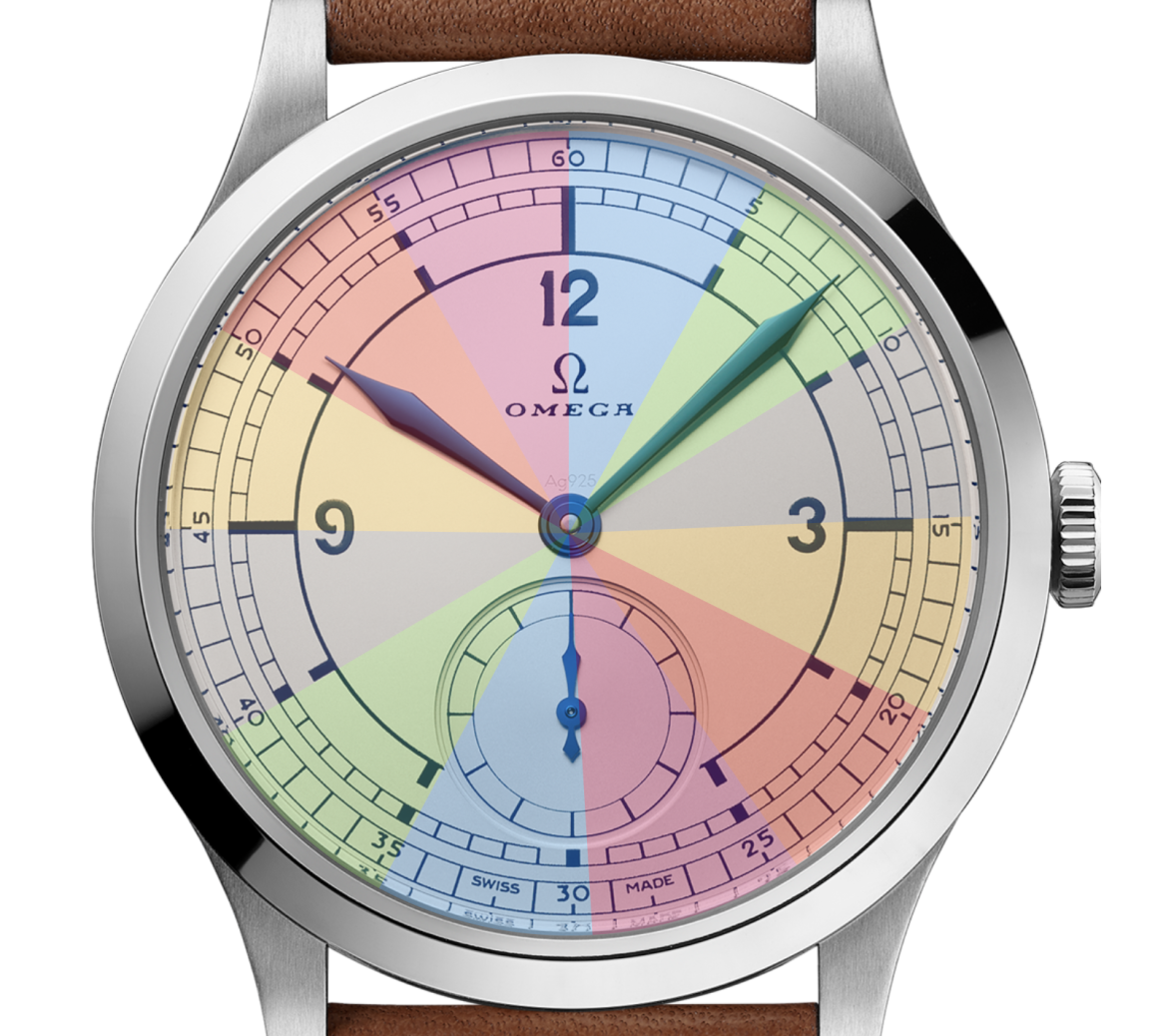
Ah, I think that perfectly captures the difference in meaning. Based on the dictionary definition of "sector" I interpret each sector as a closed arc. The quote above seems to define "sector" as a ring. I.e.

 
Posts
8,096
Likes
28,523
Ah, I think that perfectly captures the difference in meaning. Based on the dictionary definition of "sector" I interpret each sector as a closed arc. The quote above seems to define "sector" as a ring. I.e.

I don't understand the distinction that you are attempting to make. What I am calling rings are the same as the sectors, or "arcs", illustrated in your graphic on the right. One could argue that there are only two of them on my Gruen, the minute/second track and the 24hr track, as they share the mirror backgrounds. Also, there are a number of examples already shown on this thread which lack two concentric rings, so would they not be considered sector dials by some readers?
 
Posts
2,820
Likes
4,924
I don't understand the distinction that you are attempting to make.
I think that the distinction centers around the presence or absence of radii. A "circular sector" is made up of two radii and the arc between them, whereas rings or "annuli" are the space between two concentric circles. Wikipedia links below.
Circular sector: https://en.wikipedia.org/wiki/Circular_sector
Annulus: https://en.wikipedia.org/wiki/Annulus_(mathematics)
 
Posts
744
Likes
1,392
I don't understand the distinction that you are attempting to make. What I am calling rings are the same as the sectors, or "arcs", illustrated in your graphic on the right. One could argue that there are only two of them on my Gruen, the minute/second track and the 24hr track, as they share the mirror backgrounds. Also, there are a number of examples already shown on this thread which lack two concentric rings, so would they not be considered sector dials by some readers?

Sorry, I'm not trying to make a big deal about this. But just to explain: By both the definition from geometry and in common usage, a "sector" is not a ring. It's a closed arc, e.g. a slice of pizza. Think for example, of post-WW2 Germany when Berlin was divided into sectors (American, French, British, and Russian). Those sectors weren't rings; they were roughly 90° slices. (Yes, I read far too many John Le Carre novels 😀 So by the standard definition, rings have nothing to do with sectors (though they are very common on watches which are said to have sector dials).

The CK 859, for example, delineates the sectors with prominent hour markers. By the (possibly non-watch-nerd) standard definition, the watch has 12 sectors, and they don't have anything to do with rings.


But maybe the watch community has it's own definition of "sector" that's different from common usage. Common words get appropriated for other meanings all the time. No big deal either way. I was just curious to know if that was the case.
 
Posts
8,096
Likes
28,523
Thanks, but I remain confused. In your previous graphics you labeled the one of the right as having "two sectors", yet you highlighted two rings, which you argue are not sectors. Where are the two sectors located?

I appreciate your graphic above, and am able to follow the logic. Though by that definition, many that are widely considered to be "sector" dials would not fit the definition. In fact, it would seem to me that only two of the five of the ones posted above by @OllieOnTheRocks would fit the definition (the last two, by virtue of the crosshairs). Would you agree with that?

Also, I'm unclear as to how the one on the right that you posted ("Branch") would technically fit the bill. There is an interior ring which features extended indices, and yes, they divide that ring into sectors, but is it not typical of the dividing lines to also extend to the second/minute track? Does this one fit your criteria, simply by virtue of the extended indices? And if so, would a certain thickness required to qualify?


Please note that I have no qualms about the distinction between rings and sectors, based on the dictionary definition. I am simply interested in parsing out the definition, within the context of vintage watches, further.
Edited: