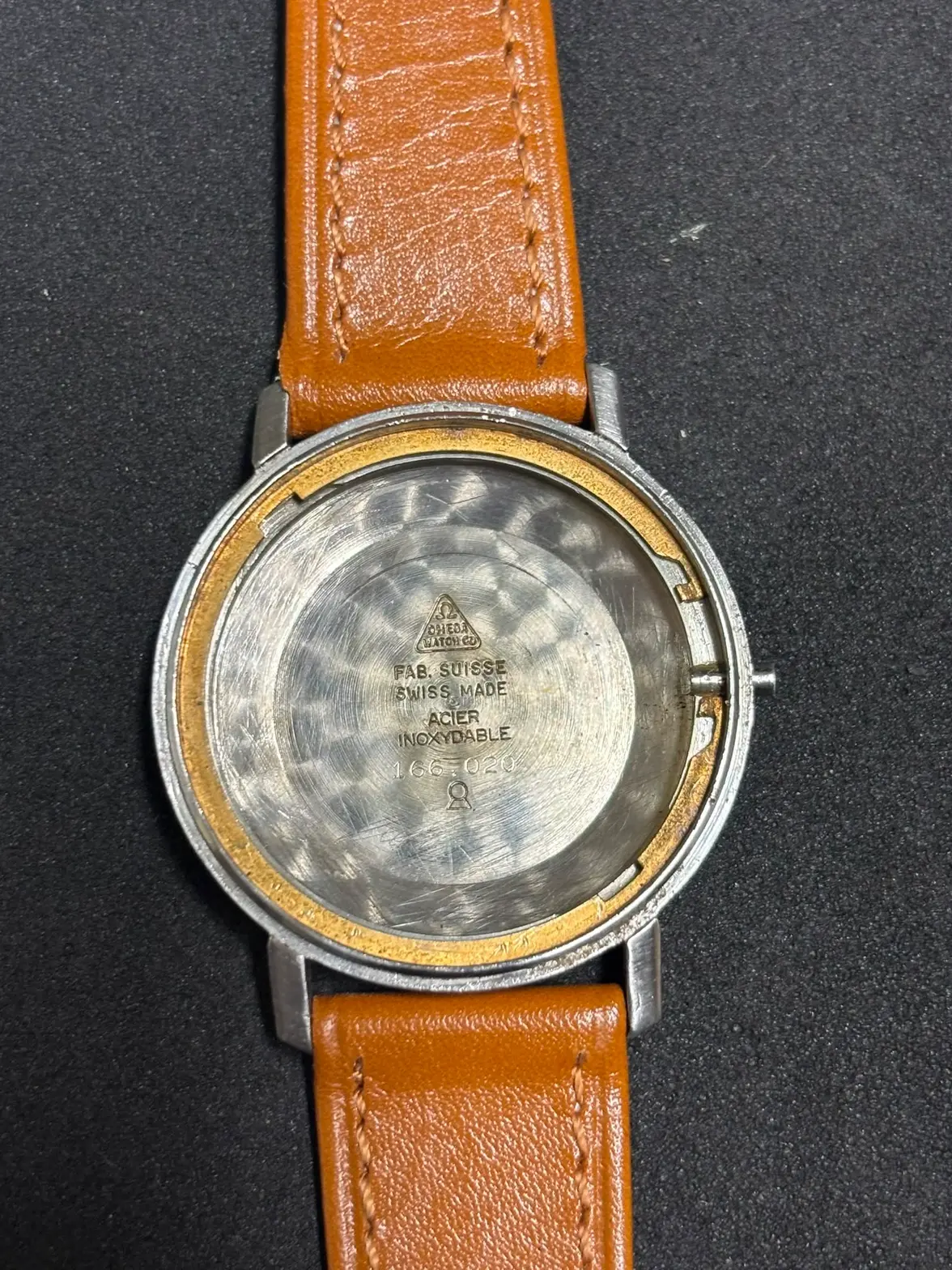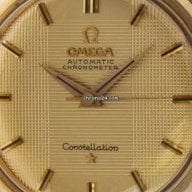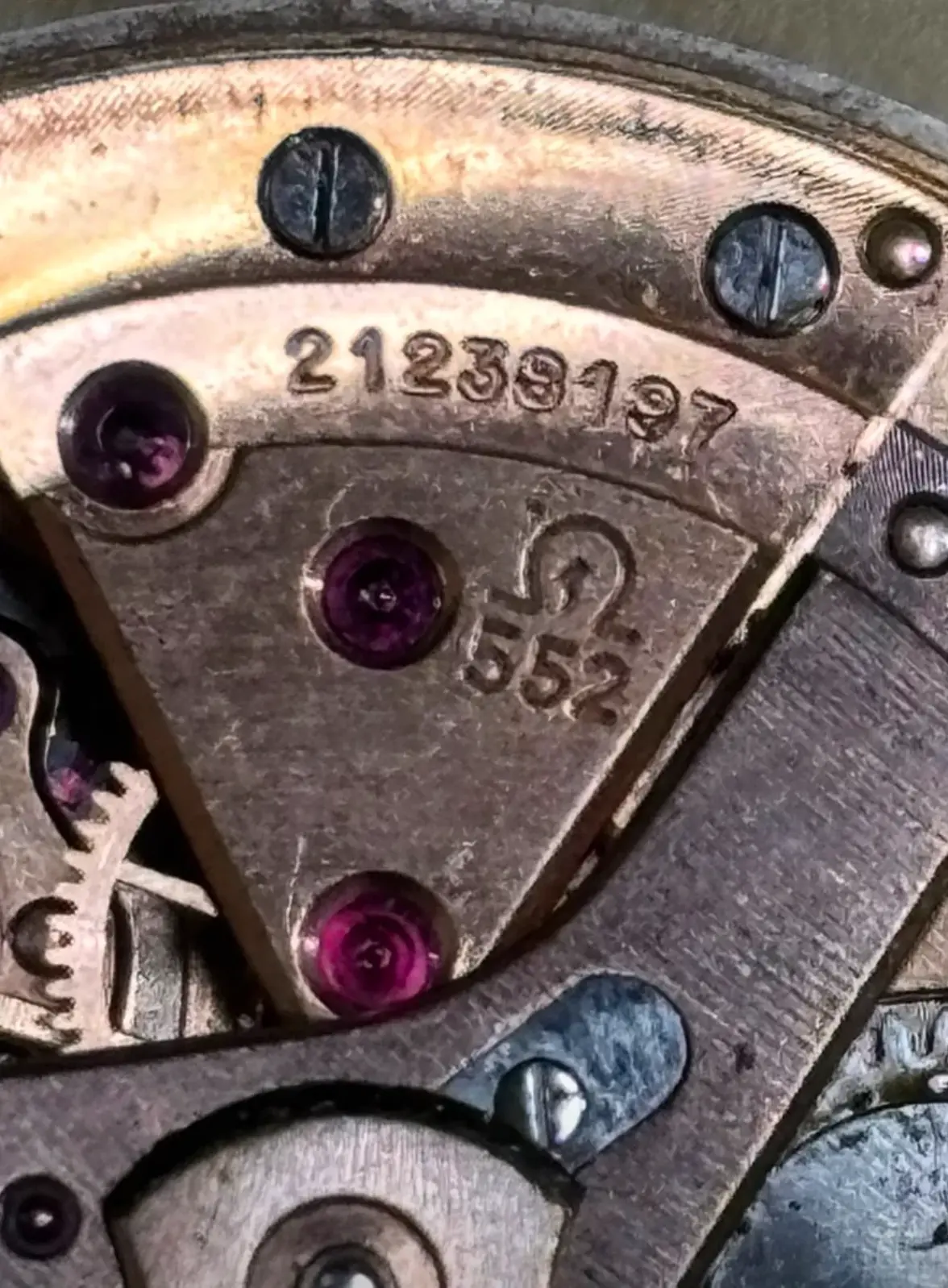
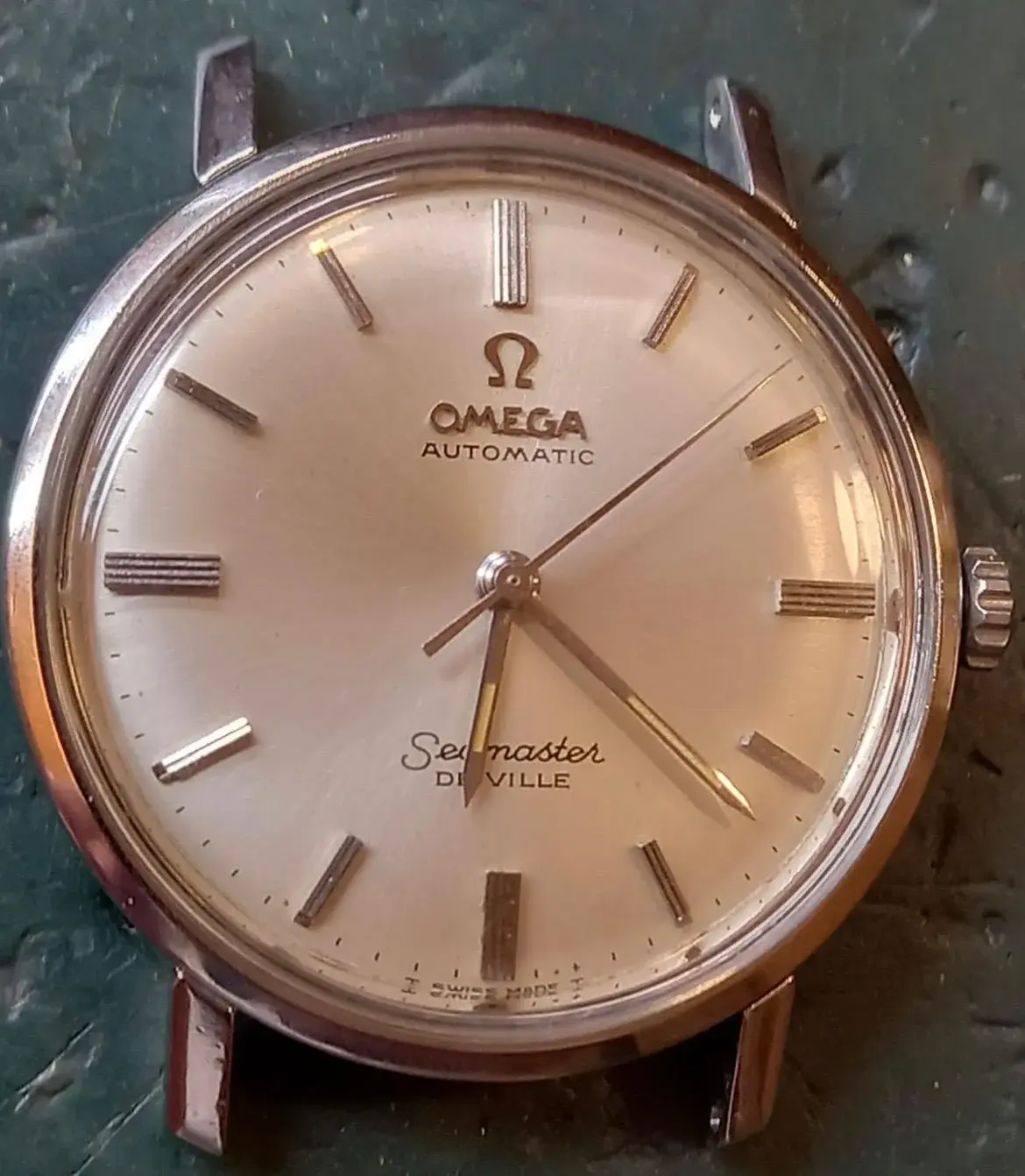
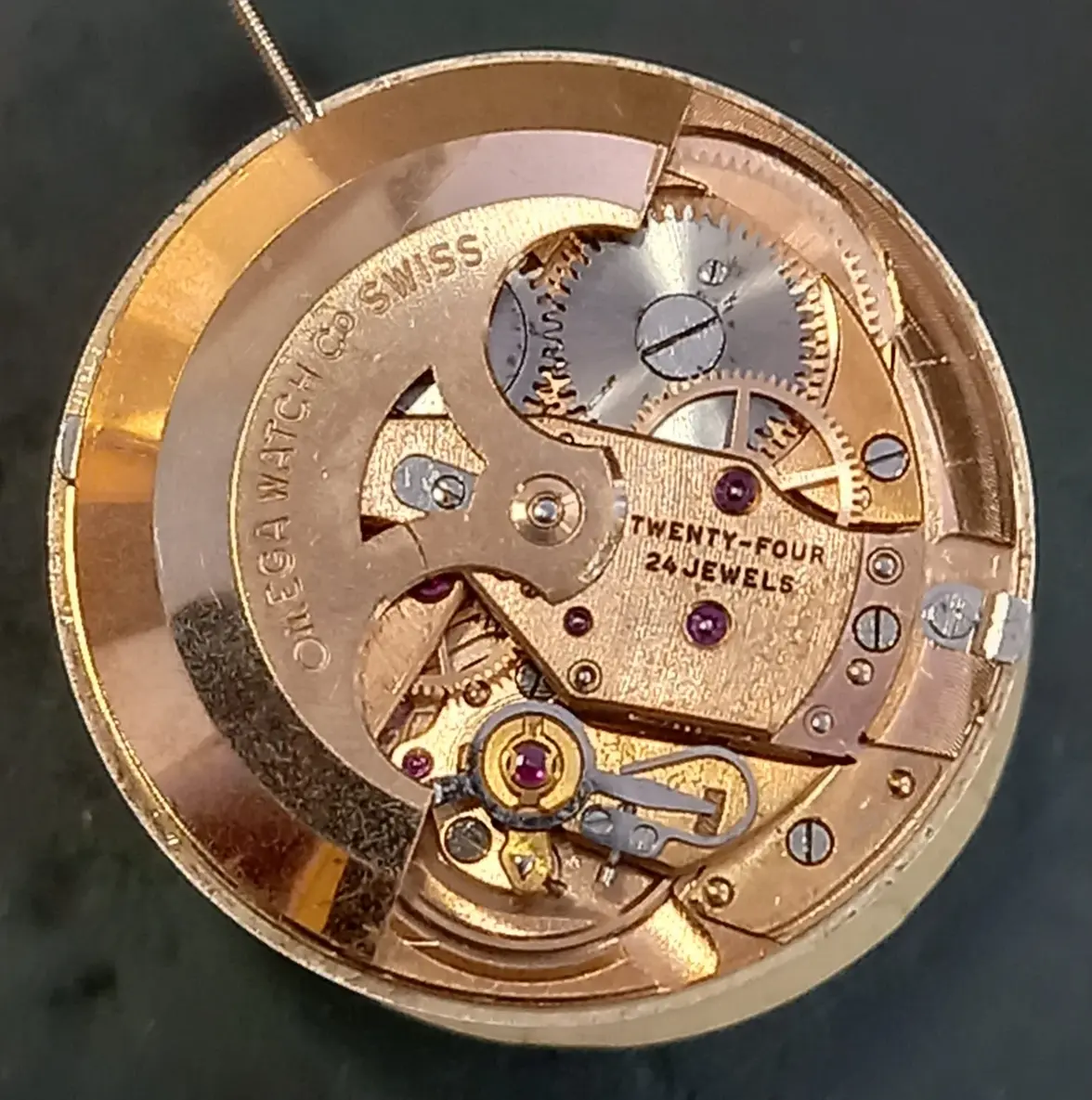
Seamaster De Ville Cal. 552 inside a 166.020 caseback.

Posts
9
Likes
0
I know that typically the 165.020 reference is for time-only models, while the 166.020 is for models with a date complication (like Cal. 562 or 565). However, I have read that during the mid-1960s, Omega frequently shared these specific cases on the assembly line because they are structurally identical.

Can the experts here confirm if this "shared caseback" practice is a known and widely accepted factory configuration for this specific era? Has anyone here received an Extract of the Archives confirming a Cal. 552 born inside a 166.020 case?

I am attaching some pictures of the dial, movement, and the inside of the caseback for your review.
 
Posts
3,496
Likes
7,685
Do you have movement photo showing cal and SN?
 
Posts
3,496
Likes
7,685
This thread lists all the references and calibers so it may help you


Of course the simplest explanation would be a movement swap.
 
Posts
9
Likes
0
However, I’ve heard rumors from some seasoned collectors that between 1963 and 1965, Omega occasionally assembled Cal. 552 movements inside 166.020 cases right at the factory, simply because the monocoque cases were structurally identical and they shared parts on the assembly line
 
Posts
13,443
Likes
23,338
I can’t recall seeing a DeVille with date movement in a no date case or vice versa.

I’d like to see a source where people have seen this.

In my view the overwhelming likelihood is that it’s had a case swap
 
Posts
3,540
Likes
13,424
Yeah. Unless there’s some surprisingly convincing proof I’d call that wishful thinking.
 
Posts
3,496
Likes
7,685
alternatively, where can I find a 165.020 case?
No reason for that it will look same. Just enjoy watch it looks like nice one.
 
Posts
9
Likes
0
What could be the possible value of a watch like this? Conditions are like new and the movement is perfect.
 
Posts
3,540
Likes
13,424
I’m seeing a significantly polished case that’s been beaten up a little afterwards and a movement that is far from perfect. Are we speaking about two different watches?
 
Posts
3,540
Likes
13,424
Well then don’t overpay. Consider this a bunch of parts.
 
Posts
13,443
Likes
23,338
What could be the possible value of a watch like this? Conditions are like new and the movement is perfect.

Condition is absolutely not “like new”.

The case has been badly scratched and worn, then someone’s polished it to make it look better but some of the scratches and dents were so deep they couldn’t be removed by polishing.

It would be valued below average for one of these.
 
Posts
9
Likes
0
Mi scuso per la foto; forse non rende giustizia all'orologio. Appena possibile, scatterò anche una foto del fondello con il cavalluccio marino. Il movimento Cal. 552 è pulito e funziona perfettamente.
 
Posts
13,443
Likes
23,338
Are you buying this watch or trying to sell it.

You seem to be trying to convinced us (or yourself) that the case hasn’t been swapped and is in excellent condition. The former is highly unlikely to be true and the latter certainly isn’t.
 
Posts
9
Likes
0
L’orologio è mio di proprietà, non acquisto, non vendo, non devo convincere nessuno. La cassa è vissuta con segni del tempo ma non è ammaccata né danneggiata. Il movimento è lucido come da foto e revisionato. Tutto qua 😑
 
Posts
9
Likes
0
Stai acquistando questo orologio o stai cercando di venderlo?

Sembra che tu stia cercando di convincere noi (o te stesso) che la custodia non sia stata sostituita e che sia in ottime condizioni. La prima affermazione è altamente improbabile e la seconda certamente non lo è.
Riguardo la cassa sostituita mi sono rivolto al forum per saperne di più in quanto le referenze 166.020 e 165.020 sono gemelle e mi era stato confermato che in fase di revisione o sostituzione in officina d'epoca per guasti o rotture si andava sostituendo con la referenza equipollente e viceversa, cercavo più informazioni magari su questo dettaglio, di fatto senza leggere la referenza del fondello è matematicamente impossibile capire di quale si tratta. La mia è quindi una ricerca metodica, non una competizione e ringrazio tutti coloro che mi hanno dedicato attenzione. Del resto non penso sia un orologio da buttare dato che anche se spezzati in due vedo i prezzi lievitare di diverse centinaia di euro in molte aste e anche siti e/o forum specializzati come questo.
 
Posts
13,443
Likes
23,338
However, I have read that during the mid-1960s, Omega frequently shared these specific cases on the assembly line because they are structurally identical.

Can the experts here confirm if this "shared caseback" practice is a known and widely accepted factory configuration for this specific era?

Now you’re saying you didn’t mean at the factory but during service. These are two very different things. At service, especially by an independent watchmaker, anything could happen. Incorrect hands, dials, movement parts, cases get used to get a watch back running as cheap and quickly as possible. Especially decades ago before these were collectible.

What could be the possible value of a watch like this? Conditions are like new and the movement is perfect.
Then you say “the case shows age and signs of wear”. Clearly not new.

No one is saying the watch is worthless, but as you’ve subsequently suggested, it’s highly unlikely it came from the factory like this. Instead the case was changed at some point in its history due to damage.
The new case is now itself not in great condition as it shows signs of heavy polishing but deep scratches remain as these were likely too deep to be removed.

It doesn’t mean you can’t wear it and enjoy it, but those two issues do significantly impact its collector and monetary value.