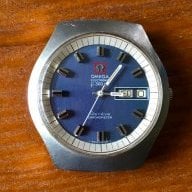
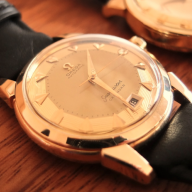
IMHO this is the crux of the situation :
'An items true worth (and what that has to do with/how to to determine by the tax authorities)'. So, if one buys a $50000 watch in an auction abroad (lets say there was one other bidder who drove the price that high, you had to absolutely have it - the value of something is what someone is willing to pay for it, right?) but it generally goes for about half that, the moral argument here is that $50k is the
true worth and thus the buyer should go out of his way to pay 20% tax on it when he brings it into his country? Or rather in this case, the business made a profit and would have thus legally recorded it through the tax system that way...(private sales are not done this way).
What about the case of the well known dealer who bought a submariner as a 'for spare parts' watch for $600 on a well known platform and is now selling it for $45000? If that watch were to cross borders at initial purchase (say he bought it from Australia and shipped it to the US), the moral argument is that he should pay tax on $600, as that is what he 'bought' it for, right? The value he added was replacing the crystal and bezel and giving it a service (hardly $44400 worth of added value). In this case it was a private sale, the tax authorities have no record of a value of 'whats in the box' for that transaction.
How many of you folks with serious expensive watch collections whose 'true worth/value' is climbing every day, flip them for a profit, and declare this in their annual income tax and thus pay tax on the profit made? Because if you have a watch for example that you paid $4k for that is now worth $25k that's a taxable capital gain of $21k when you sell it (is it not? I stand to be corrected here).
This is all very grey...