Question about Omega 564 Calibre Oscillating Weight Rotor Shape

Posts
25
Likes
10
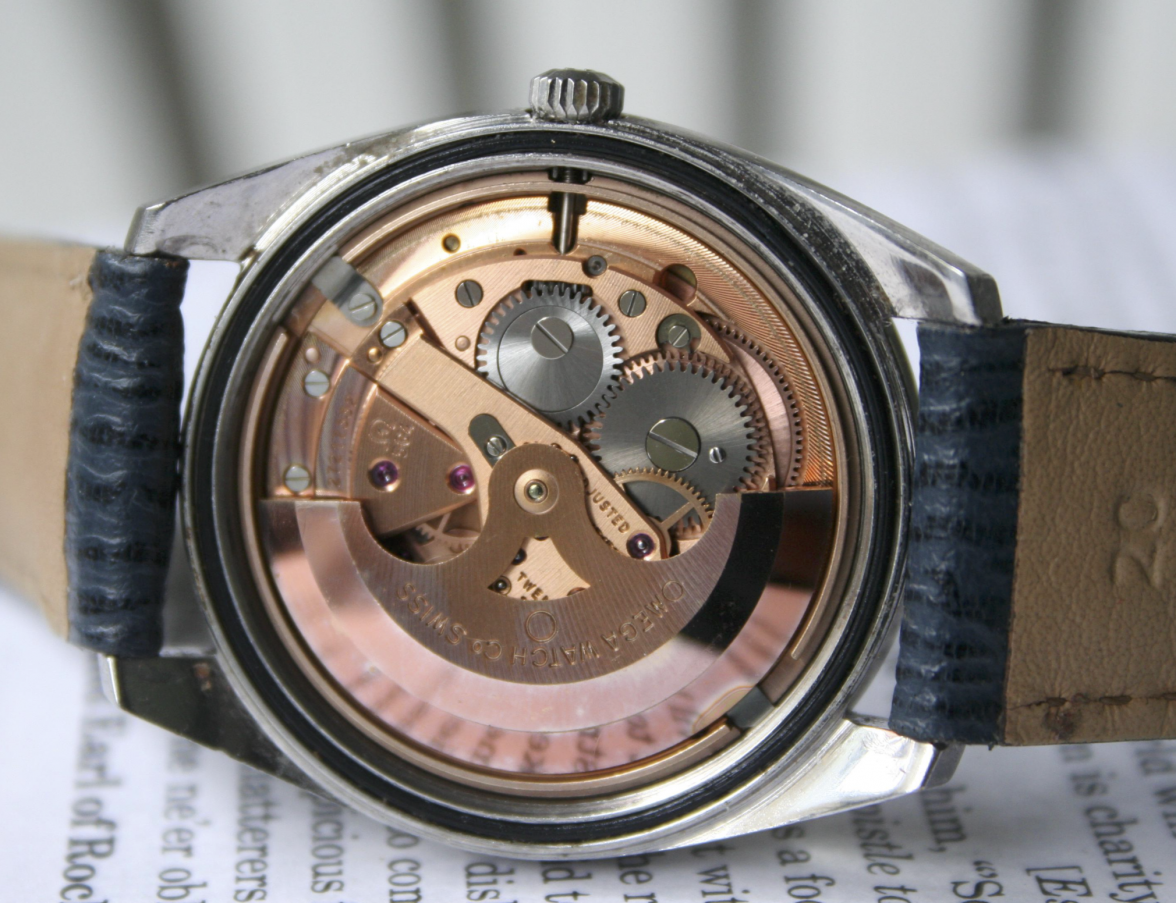
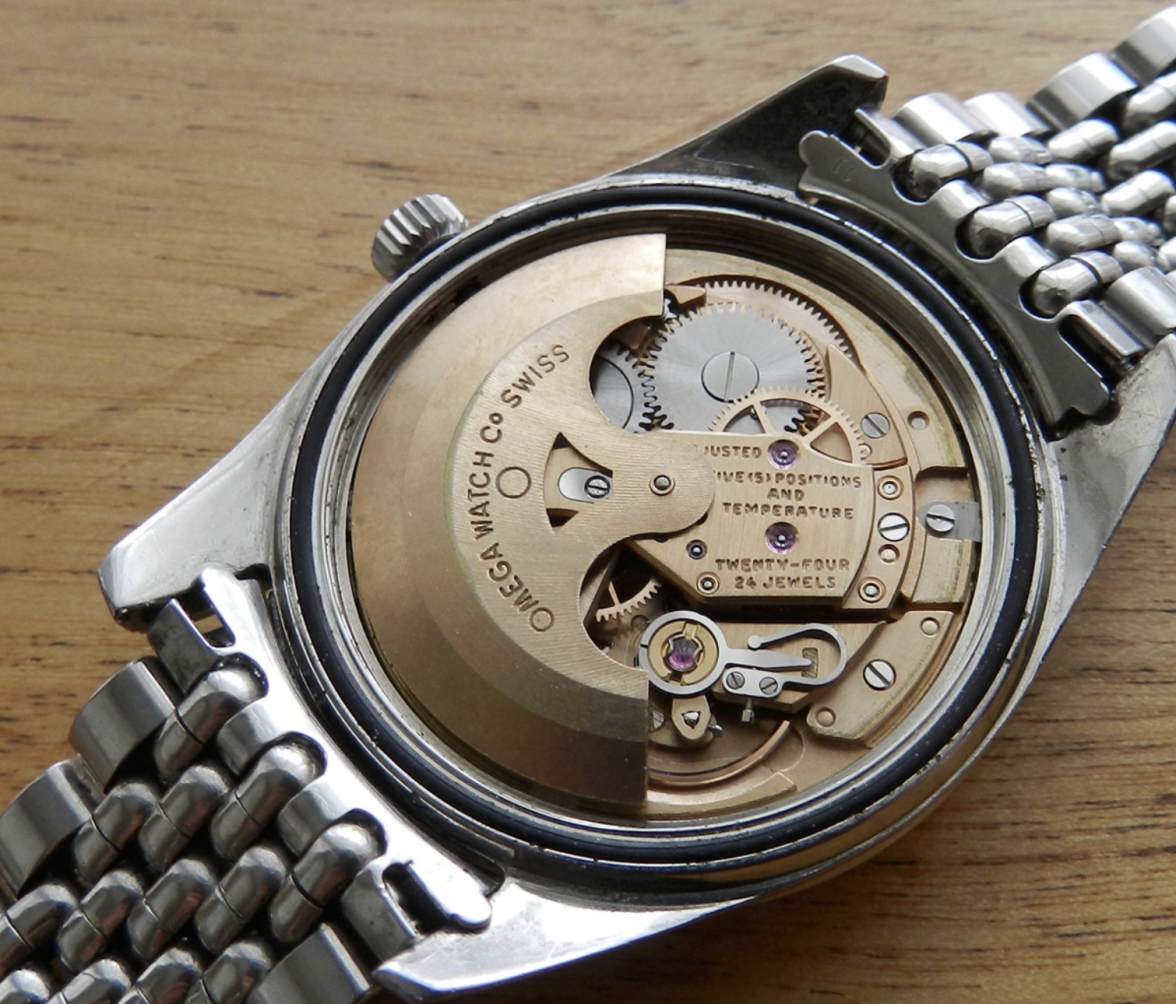
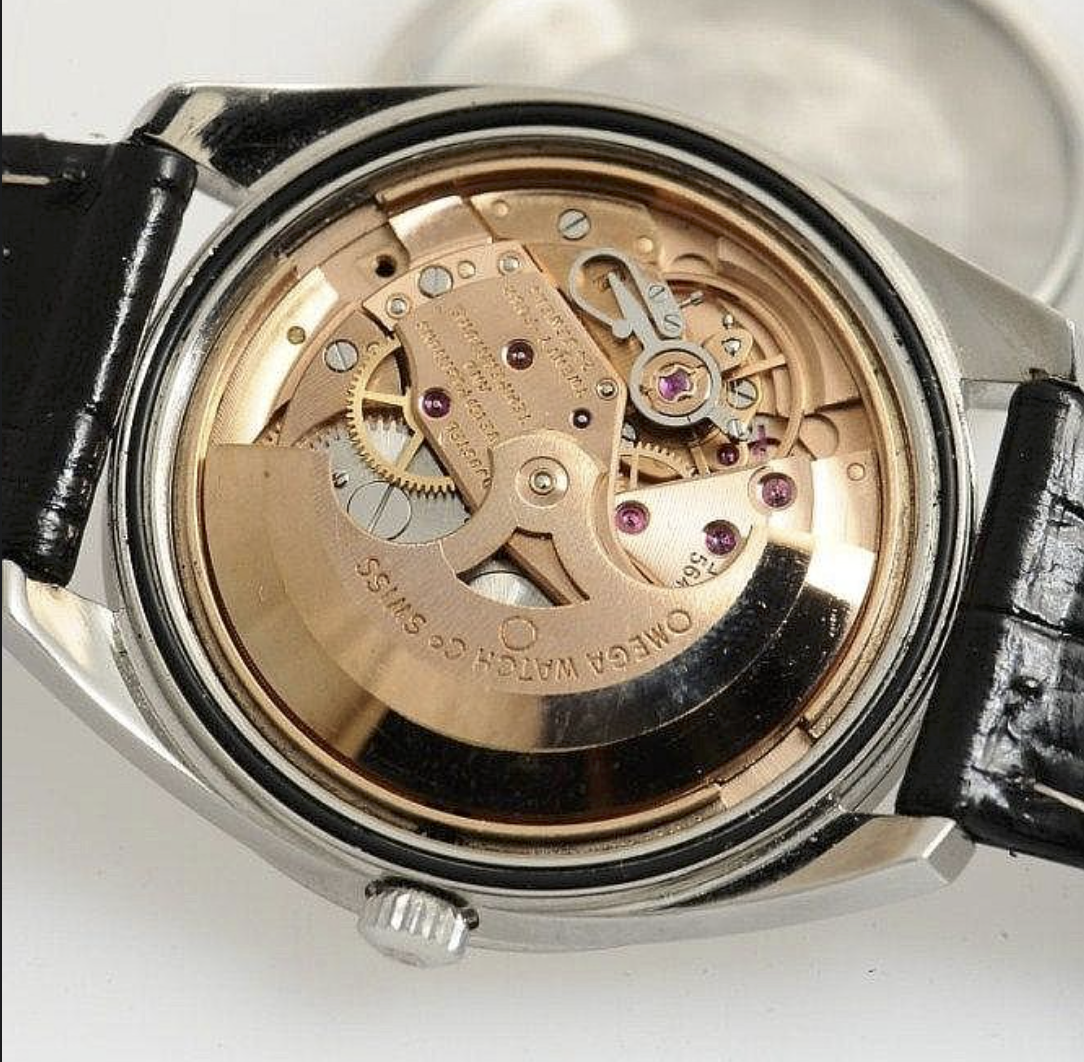
Dear all, I am looking into Omega Constellation or Seamaster with Omega 564 Calibre. I noticed that the oscillating weight rotor of this movement seems to change shape over the time from 1960s to early 1970s. The attached, please find three shapes I came across through the internet. Would you please tell me which years for each type of rotor been used with 564 movement? I think that, with combination of movement serial number, this will help to spot Frankenstein Omega 564 movement. Thanks a lot in advance!
 
Posts
6,317
Likes
9,762
@nicizz
Good that you’re spotting these subtle details.

The change in shape arrives in the late 60s (68,69?)
I don't recall seeing the version with the simple bearing hole seen in your third pic but it’s not something I’ve studied that closely.

Bear in mind that an earlier movt with the later rotor style is not necessarily a ‘franken’ watch - it is no longer ‘all original’ but it may just mean the rotor was changed at a service.

like all things Omega, there is rarely a stop/start date and there will be a range of serial numbers (for argument’s sake let’s say the 28millions) that could correctly have either style of rotor

Someone like @hoipolloi might have a better idea of a start date.

hope that helps.
 
Posts
25
Likes
10
@nicizz
Good that you’re spotting these subtle details.

The change in shape arrives in the late 60s (68,69?)
I don't recall seeing the version with the simple bearing hole seen in your third pic but it’s not something I’ve studied that closely.

Bear in mind that an earlier movt with the later rotor style is not necessarily a ‘franken’ watch - it is no longer ‘all original’ but it may just mean the rotor was changed at a service.

like all things Omega, there is rarely a stop/start date and there will be a range of serial numbers (for argument’s sake let’s say the 28millions) that could correctly have either style of rotor

Someone like @hoipolloi might have a better idea of a start date.

hope that helps.
Sorry for the delayed response. Got unexpected busy before Thanksgiving holiday here in US. Thanks a lot for the information. Vintage Omega watches are fantastic (both mechanical wise and design wise). I am absolutely new in the field and begin to get a taste of the murky water of the vintage omega market. A lot to learn and the forum is an amazing place for this purpose. Thanks again!
 
Posts
25
Likes
10
If the OP is interested about rotor variations, there was also a useful thread on here regarding the circles that appear on the 5XX family movements.
https://omegaforums.net/threads/curious-circle-on-omega-rotors.101307/
Thanks a lot for sharing the previous post. Wow, it is interesting to learning that the O symbol on the rotor might be an indicator of a replacement but authentic Omega rotor. To be honest, for majority of the picture of the omega movement from 60's I saw so far, there is the O symbol. My next question is: how often the Omega rotor need to be replaced during a regular maintenance by watchmakers?
 
Posts
29,723
Likes
76,917
My next question is: how often the Omega rotor need to be replaced during a regular maintenance by watchmakers?

The rotor pinion (the part that wears) can easily be replaced, but back when these watches were "current" production from Omega, many would opt to replace the rotor rather than repair it. In fact, back then Omega would sell the entire automatic winding system as a preassembled module, that could be swapped out in a matter of seconds.

So depending on how any individual watchmaker operated their shop, they may decide to repair the rotor with a new pinion, they might decide to replace just the rotor, or they may decide to replace the entire automatic winding system.

These days, the whole winding system, is not available as an assembly, and buying all the parts would cost as much as many of the watches they are installed in would, so replacing the whole unit is not cost effective. The most cost effective repair now is changing the pinion.

Cheers, Al
 
Posts
25
Likes
10
The rotor pinion (the part that wears) can easily be replaced, but back when these watches were "current" production from Omega, many would opt to replace the rotor rather than repair it. In fact, back then Omega would sell the entire automatic winding system as a preassembled module, that could be swapped out in a matter of seconds.

So depending on how any individual watchmaker operated their shop, they may decide to repair the rotor with a new pinion, they might decide to replace just the rotor, or they may decide to replace the entire automatic winding system.

These days, the whole winding system, is not available as an assembly, and buying all the parts would cost as much as many of the watches they are installed in would, so replacing the whole unit is not cost effective. The most cost effective repair now is changing the pinion.

Cheers, Al
Thanks again, AI, for this insider information!