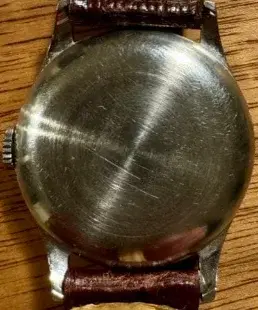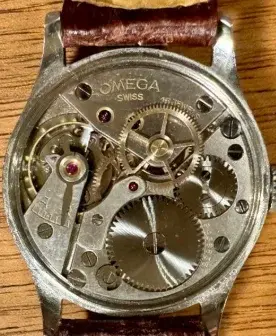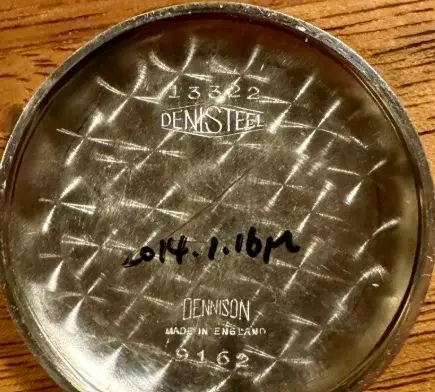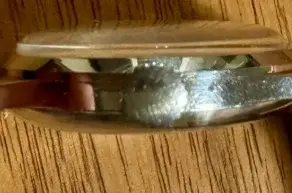
Question about Omega 30T2 versions

Posts
160
Likes
35
Hello I’m trying to learn more about the Omega 30T2. From what I understand, there are earlier versions without shock protection (pre-Incabloc, with an earlier regulator, typically dating from the late 1930s to early 1940s) and later versions with Incabloc shock protection and an updated regulator, generally from the mid-1940s.

As I understand that Omega typically changed a reference number only when there was a case change, so both early and later 30T2 executions could share the same case reference (for example, 13322) as an exception.


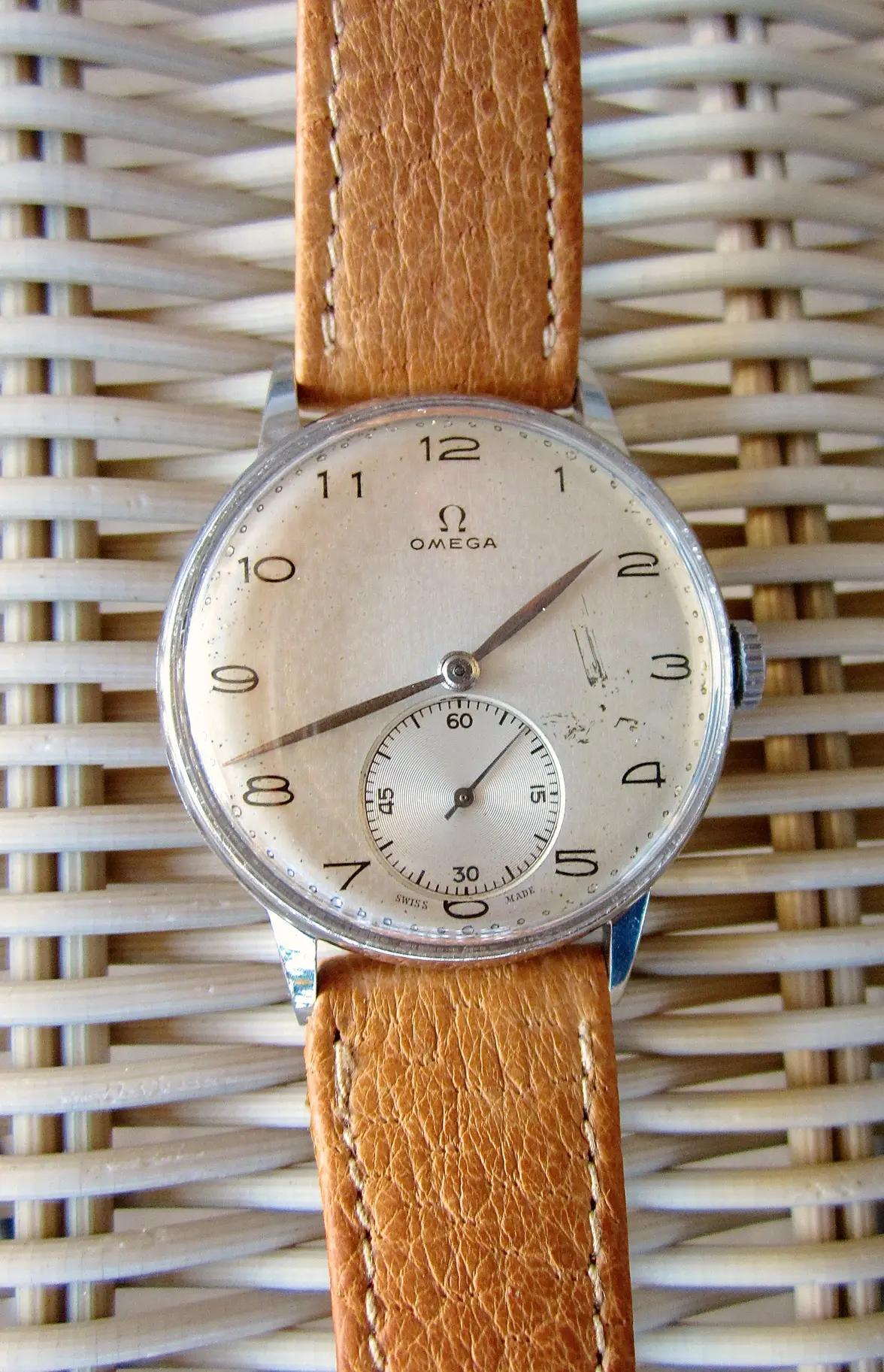
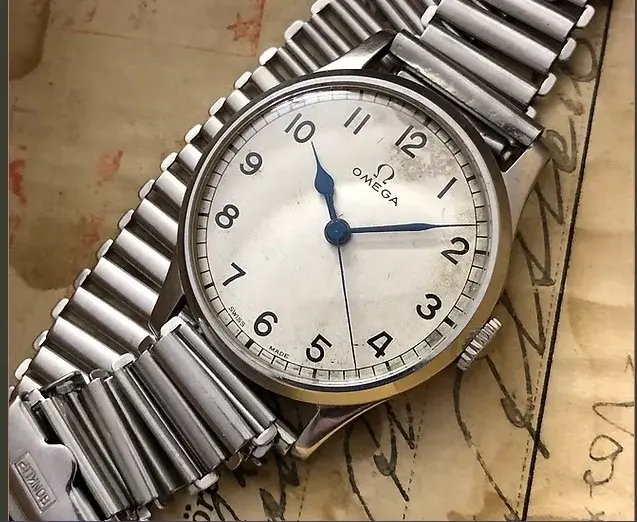
Am I understanding this correctly? Additionally, would a non-shock-protected 30T2 be suitable for everyday wear with normal care? here is an example I found online of later Non military version.
 
Posts
29,353
Likes
75,933
Additionally, would a non-shock-protected 30T2 be suitable for everyday wear with normal care?
Yes, people did this for years before shock protection was common.
 
Posts
160
Likes
35
Yes, people did this for years before shock protection was common.
Thanks for confirming, it seems these movements held up well long before shock protection became standard.
 
Posts
6,536
Likes
50,684
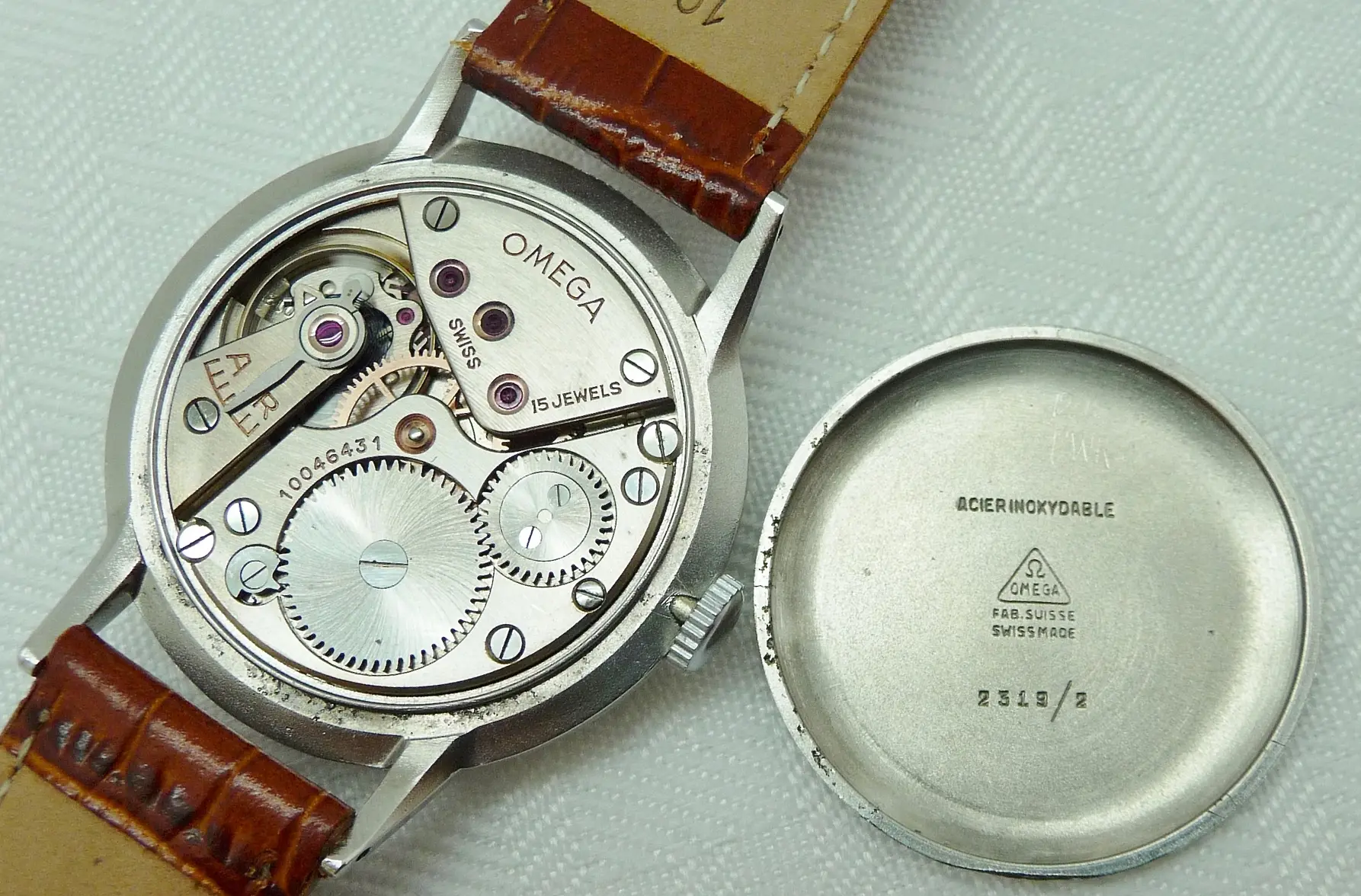
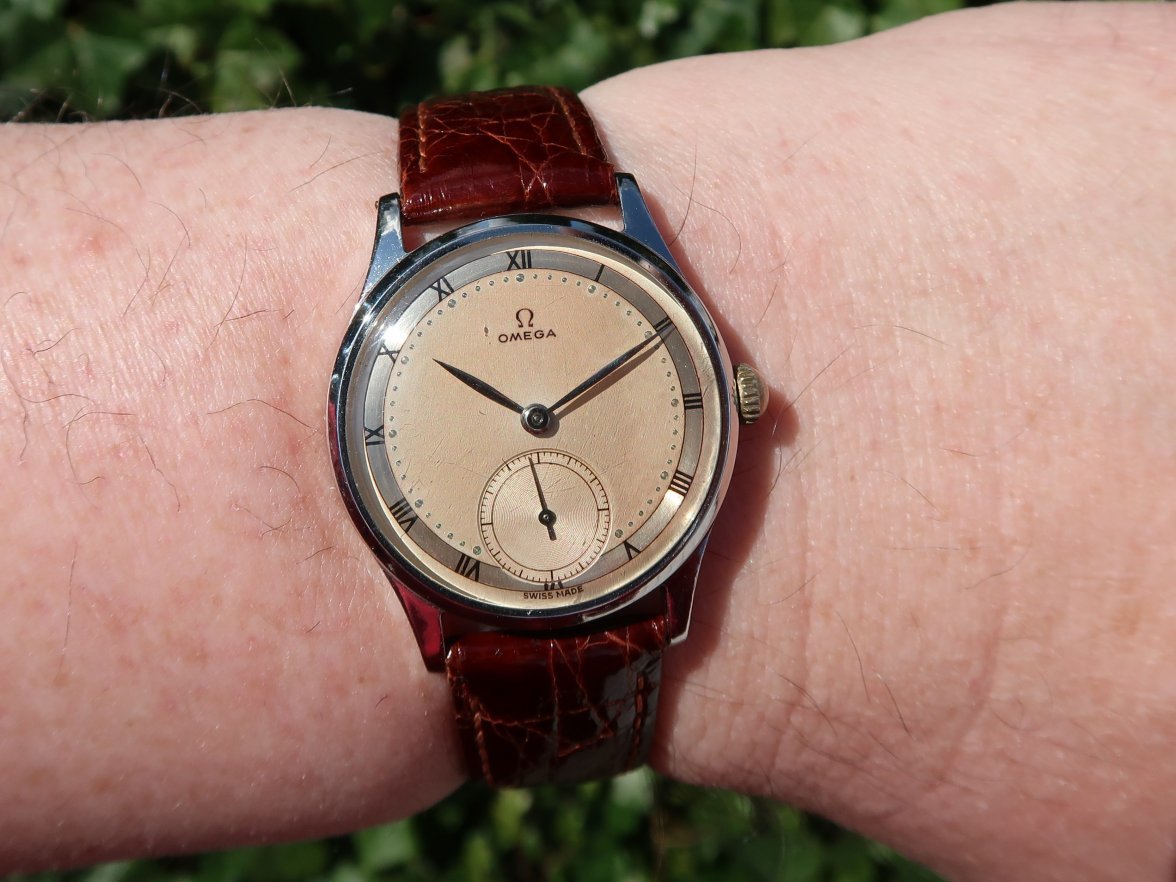
Here's the 2319-2 that has lived here for years. I think it dates to 1944 if I recall correctly. The 30T2 is pretty unfussy and pleasingly accurate.


The inwardness of this watch.


Posts
160
Likes
35
Here's the 2319-2 that has lived here for years. I think it dates to 1944 if I recall correctly. The 30T2 is pretty unfussy and pleasingly accurate.


The inwardness of this watch.


Agreed. The 2319-2 feels very introspective - restrained dial, perfect proportions.

I’m still at the beginning of my learning journey with vintage Omega and am taking things step by step. Hence I was asking about this model as I recently came across another variant of the same model watch with cal 30T and wasn’t fully confident about its authenticity, so I’m currently gathering information and learning as much as I can. At the same time, I’m still developing my taste and understanding of Omega designs, which is a brand I truly enjoy and hope to start collecting gradually.

And I have to say, your example is a wonderful one. I really love the character it shows.
 
Posts
160
Likes
35
Try avoid dropping it or banging into doorframes.
Thanks, Dan. I was asking to understand the difference, as I came across this watch in two variants - one with shock protection and one without. I was gathering information and looking at examples to better understand the details.
 
Posts
23,702
Likes
52,669
Here is a huge thread with many examples of watches with 30T2 movements and its 30mm successors.
 
Posts
23,702
Likes
52,669
Thanks, Dan. I was asking to understand the difference, as I came across this watch in two variants - one with shock protection and one without. I was gathering information and looking at examples to better understand the details.
You specifically asked the following question, which I was answering: "Additionally, would a non-shock-protected 30T2 be suitable for everyday wear with normal care?"
 
Posts
160
Likes
35
You specifically asked the following question, which I was answering: "Additionally, would a non-shock-protected 30T2 be suitable for everyday wear with normal care?"
Thanks for clarifying, Dan - I appreciate you taking the time to answer that specific point.
My intention was mainly to understand the differences between the two variants I came across, and your explanation was helpful. Always good to learn from someone with more experience.
 
Posts
160
Likes
35
Here is a huge thread with many examples of watches with 30T2 movements and its 30mm successors.
Thanks, Dan - much appreciated. That’s a great thread and exactly the kind of reference I was looking for. I’ll go through it and study the examples.

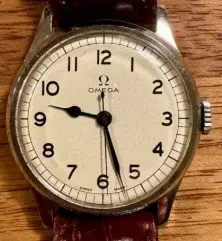
I’ve also attached the other variant and this specific model for identification, as this one appears to have a refinished dial. From what I can tell, these watches don’t seem to have a clearly documented official reference, and I’ve come across differing descriptions online, which is why I’m trying to better understand the differences and how each variant appears in real life.

 
Posts
10,357
Likes
16,210
I’m not entirely sure what your question is here, the 30T2 movement was used in hundreds of variants but note the second watch you show and the 13322 number you quoted in your first post are not Omega product at all. Well not the cases anyhow. They were created by British company Dennison. Dennison often did their own thing, note there was no Swiss made model 13322 but you will find cases with that number with other maker’s dials and movements too. There are steel and gold 13322s, they are what is known as local production. In this case (pun intended) made in Handsworth, Birmingham.
Edited:
 
Posts
160
Likes
35
I’m not entirely sure what your question is here, the 30T2 movement was used in hundreds of variants but note the second watch you show and the 13322 number you quoted in your first post are not Omega product at all. Well not the cases anyhow. They were created by British company Dennison. Dennison often did their own thing, note there was no Swiss made model 13322 but you will find cases with that number with other maker’s dials and movements too. There are steel and gold 13322s, they are what is known as local production. In this case (pun intended) made in Handsworth, Birmingham.
Thanks for the clarification, that makes a lot of sense, and I appreciate you taking the time to explain it.


My question was mainly about understanding the variations I’m seeing in UK-cased 30T2 watches and how Dennison cases like the 13322 fit into that context, rather than treating 13322 as a Swiss Omega reference. The explanation around local UK production and Dennison doing their own thing helps clarify why there are so many differing configurations and descriptions online.

Part of my confusion comes from the fact that I’ve seen essentially the same UK-cased 30T2 configuration listed under a variety of names by sellers and online sources. For example, I’ve come across it described as “Omega 30T2,” “Omega 30T2 Dennison,” “Omega British-cased 30mm,” and sometimes even “Omega 13322,” despite that being a Dennison case number rather than a Swiss Omega reference.

That variation in naming is what prompted me to ask, as I was trying to understand how best to correctly identify and describe these locally produced pieces.
 
Posts
10,357
Likes
16,210
There are threads on here dedicated to the Dennison models. You’ll find plenty of examples and model numbers there. Here is one but there are plenty of others if you search:

 
Posts
160
Likes
35
There are threads on here dedicated to the Dennison models. You’ll find plenty of examples and model numbers there. Here is one but there are plenty of others if you search:

Thanks for this, that’s very helpful. I hadn’t realized there were dedicated Dennison threads with so many examples. I’ll dig into them , the 13322 case reference is especially interesting. BTW do you think second watch is redial.

 
Posts
1,432
Likes
2,999
Most watches during this period did not have names, therefore to make it easier for people to find them, sellers will use whatever bits of information available to them to help describe the watch. Omega 30T2, is the movement; Omega 30T2 Dennison, is the movement and case manufacturer (telling you that it is a UK issued watch); Omega British-cased 30mm, is the same information again, but written in a way that is easier for inexperienced buyers to understand the movement measures 30mm so this is how it is sometimes referred; Omega 13322 is telling you the case reference, which often is the easiest way to seperate these watches. If I see an "omega 13322" and I like the dial, I'll buy it - as I love this particular case reference, it is a very good size for me and has great proportions. When I sell one of mine, I use ALL of the above terms to describe them to help people who are looking for a particular watch that has no "name" to find it.
 
Posts
160
Likes
35
Most watches during this period did not have names, therefore to make it easier for people to find them, sellers will use whatever bits of information available to them to help describe the watch. Omega 30T2, is the movement; Omega 30T2 Dennison, is the movement and case manufacturer (telling you that it is a UK issued watch); Omega British-cased 30mm, is the same information again, but written in a way that is easier for inexperienced buyers to understand the movement measures 30mm so this is how it is sometimes referred; Omega 13322 is telling you the case reference, which often is the easiest way to seperate these watches. If I see an "omega 13322" and I like the dial, I'll buy it - as I love this particular case reference, it is a very good size for me and has great proportions. When I sell one of mine, I use ALL of the above terms to describe them to help people who are looking for a particular watch that has no "name" to find it.
Thanks for the clear explanation - that really helped. As someone still learning vintage Omega, I was initially confused by the different ways the same watch is described, but it makes sense now that these are simply different identifiers used to help people find a watch with no formal model name. I can definitely see why the 13322 case is so well regarded.