KeyWestPaw
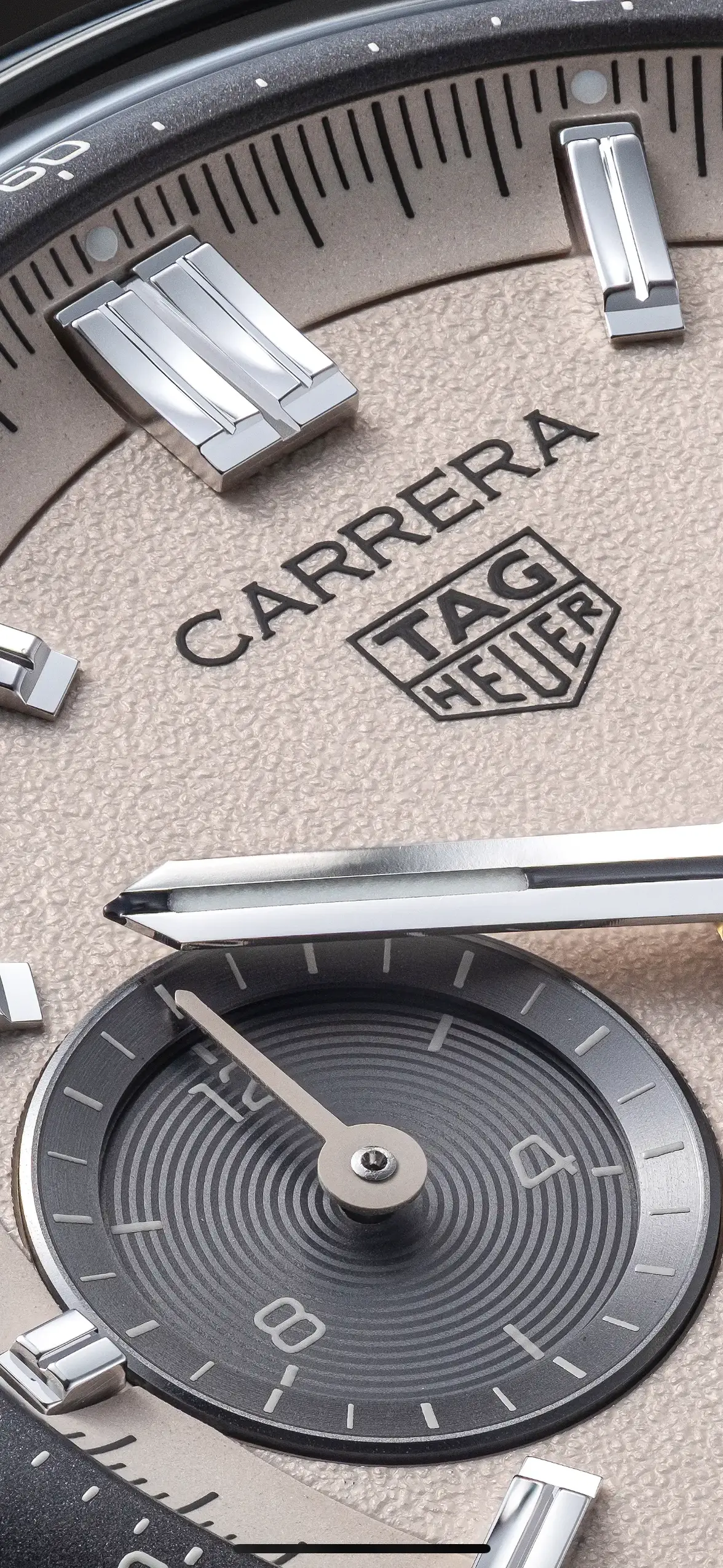
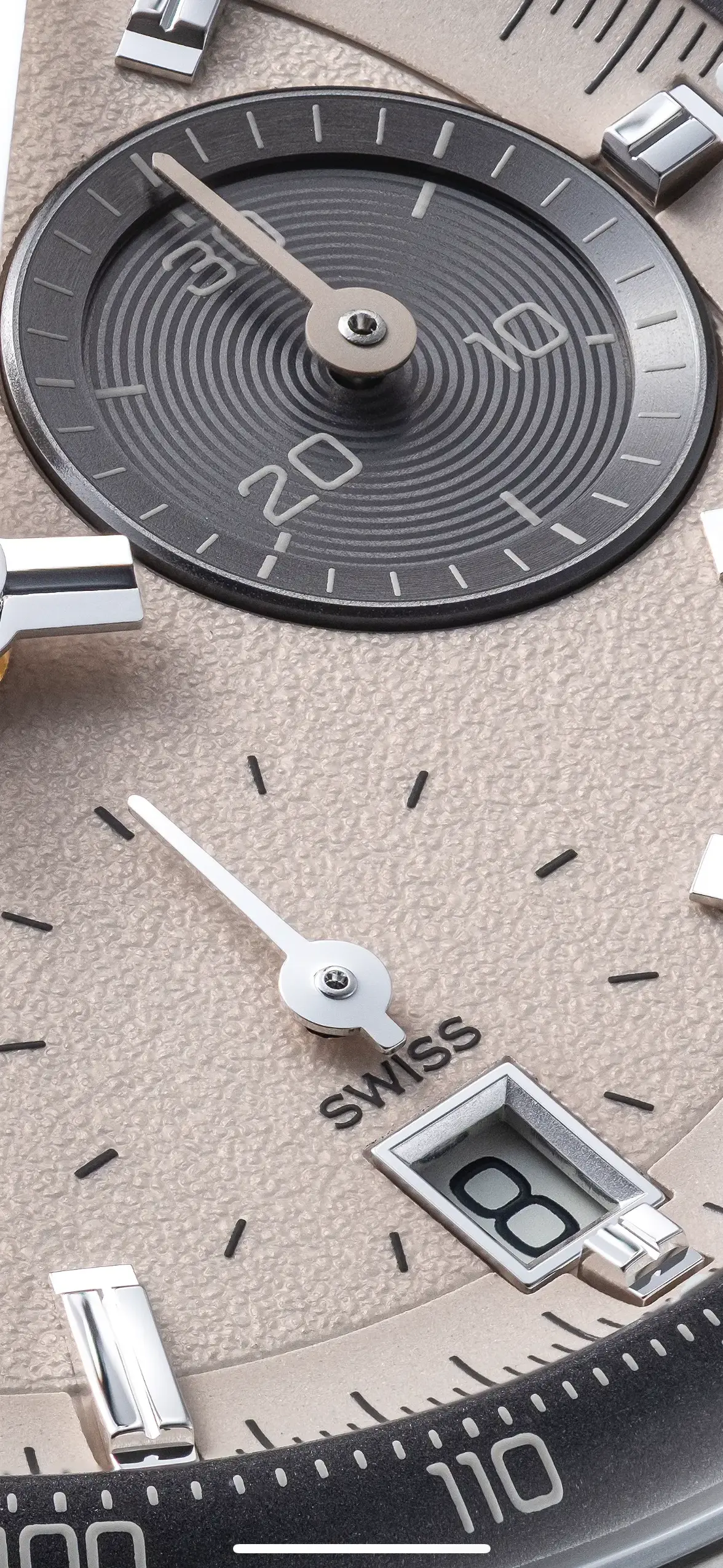
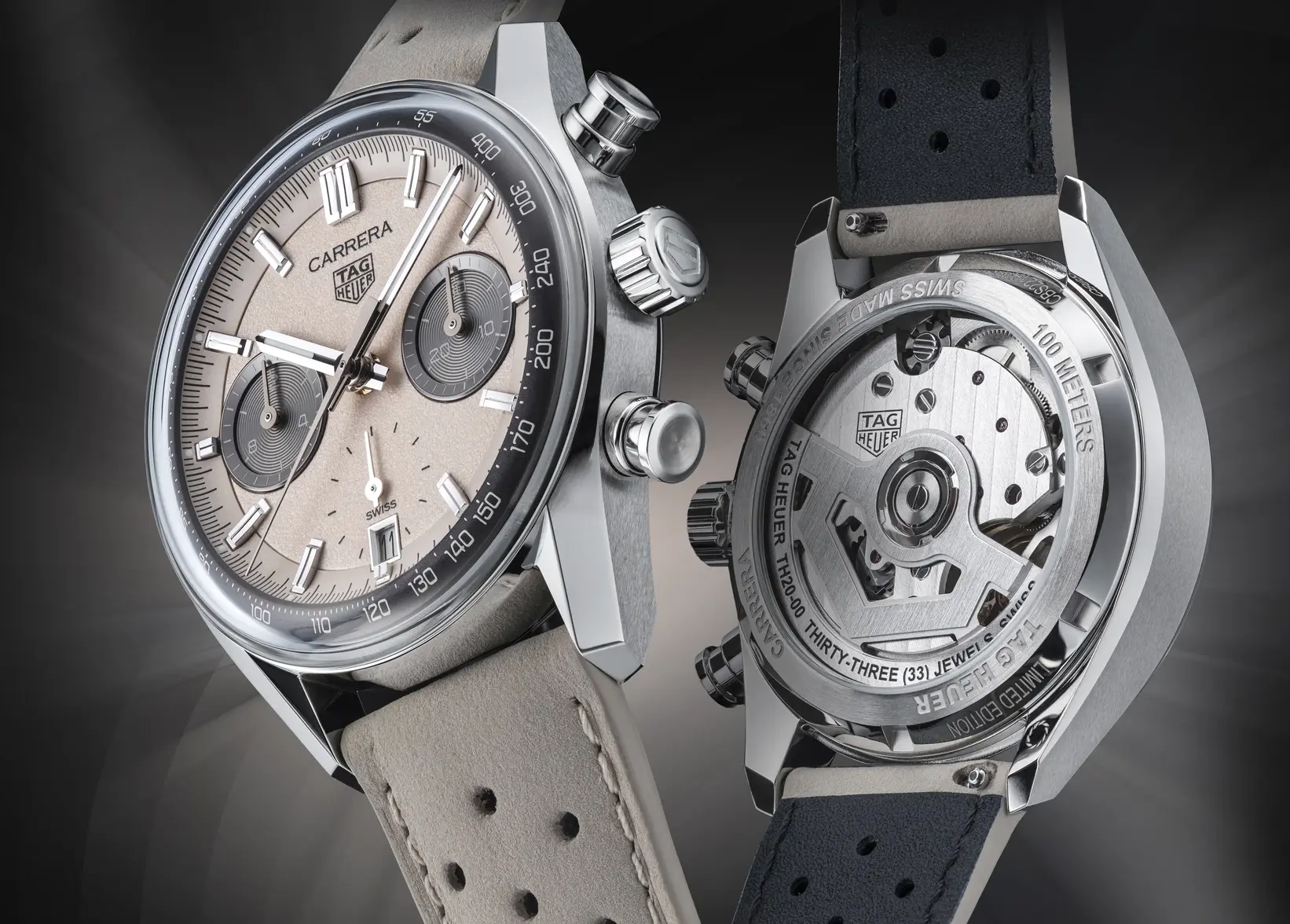
·I do almost all macro with Canon 100mm macro. Single shots. I have only done stacking w astrophotography. May have to try macro stacking. Hmm
Please consider donating to help offset our high running costs.
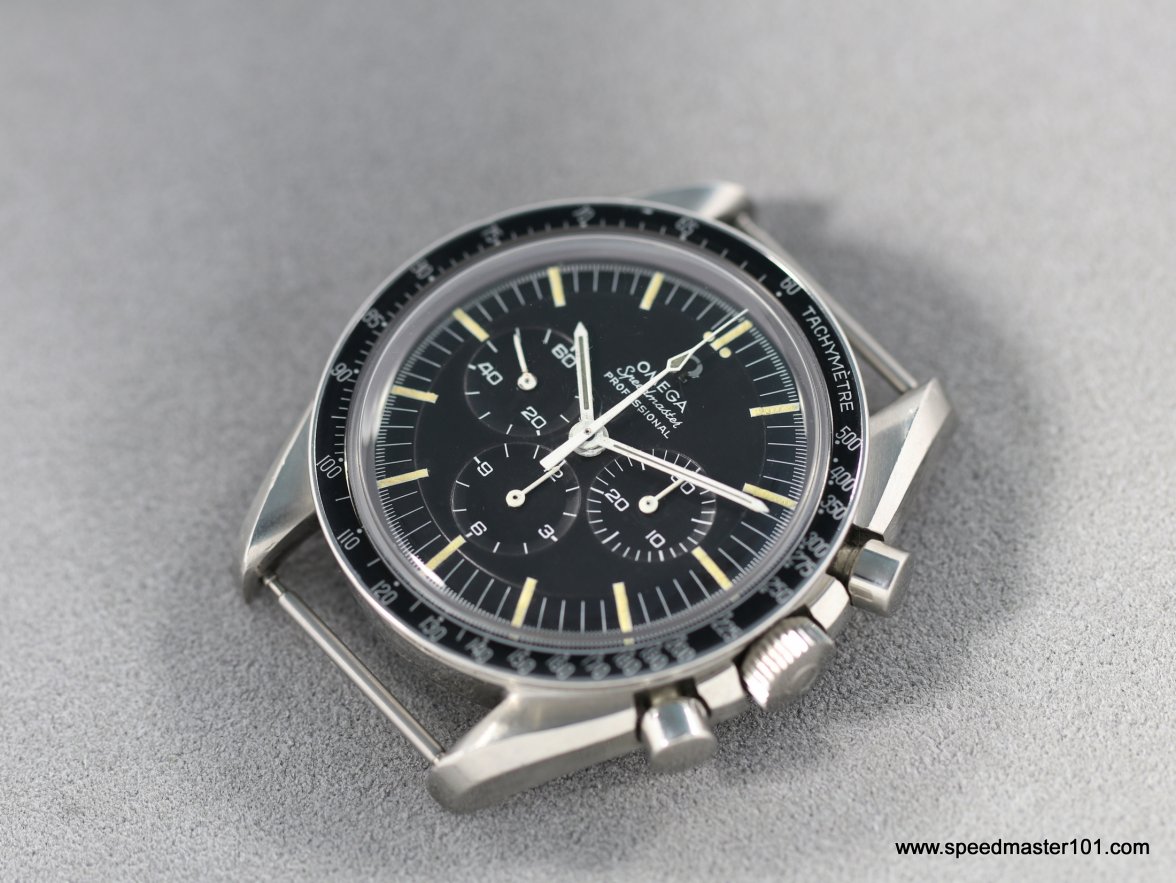
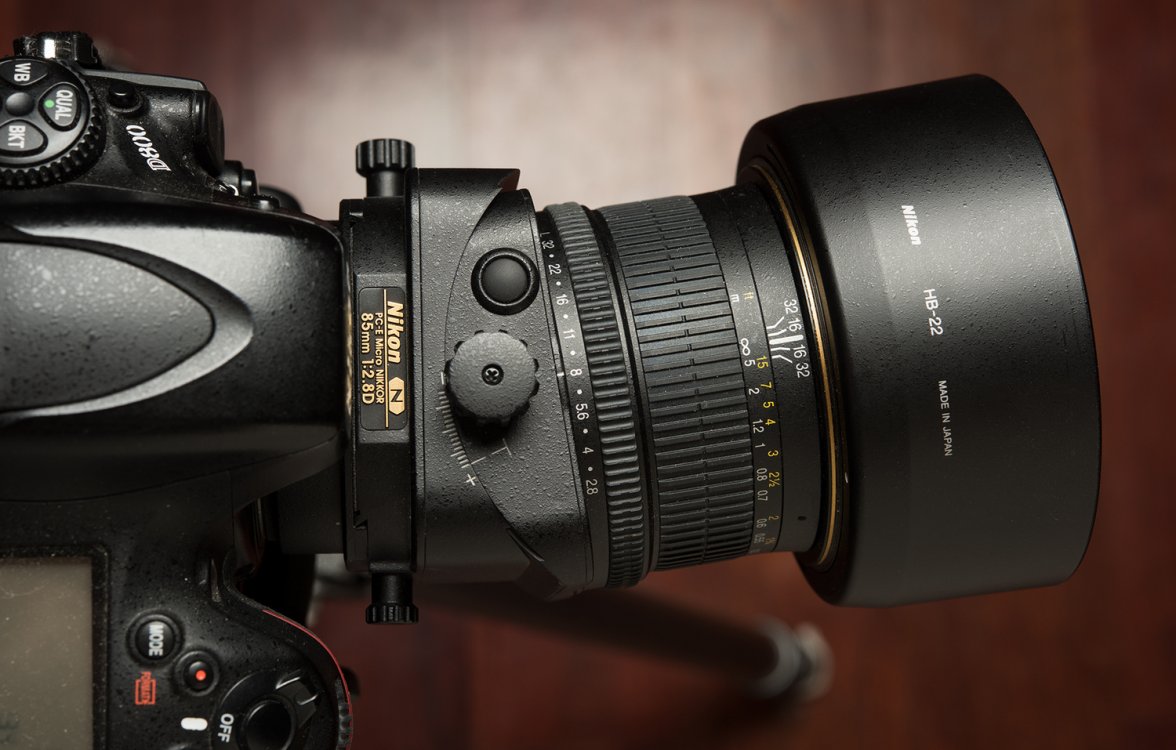
Stacking is a neat trick but is fussy and takes real practice and patience. If you are serious about wanting the best results for product work like this (as in you can justify the expense for the camera gear) use a tilt shift/ PC (perspective control) lens and get it in a single shot.
A PC lens will give you simple controls akin to a view camera (large format camera) to control perspective (shift/rise/fall) and focus control (swings/tilts) which is how product photography has been done for decades. A real view camera (be it film or digital back) is the ideal way to have absolute control as you can use all movements simultaneously, but the DSLR PC lenses are a great tool and get you 80% there.
They aren’t cheap, but they do the job optically without relying on software to figure things out for you.
I use them on my Nikon’s for architectural work (19 & 24mm) and (45 & 85mm) for quick product work in the studio and even environmental portraits (when the architectural context is just as important as the person in the picture). Canon makes a line of them as well and adapters are available for use on Sony mirrorless.
There are two ways to do stacking.
First is when you use focusing ring on the lens (manually or autofocus if camera allows) and focus from closest point to the furthest.
Second is when you use macro-rail and move camera from closest point to the furthest.
At every step you take a photo.
Depending on the depth of the scene, how close the subject is, and aperture you might take 20 or 200 shots.
Helicon Focus then stitches it together.
When you use wide aperture on the lens you need more shots. Also, macro lenses breath a lot, so wider aperture will result in artifacts if the scene is too deep (long).
Could you share your camera / lens you use as well?
I have some articles with behind the scenes info on my website: https://watchphotography.com/articles
Perhaps useful. I am using LED continuous light and paper reflectors mostly.