- Posts
- 5,370
- Likes
- 24,518
Spacefruit
··Prolific Speedmaster HoarderFocused on the Chrono rivet:
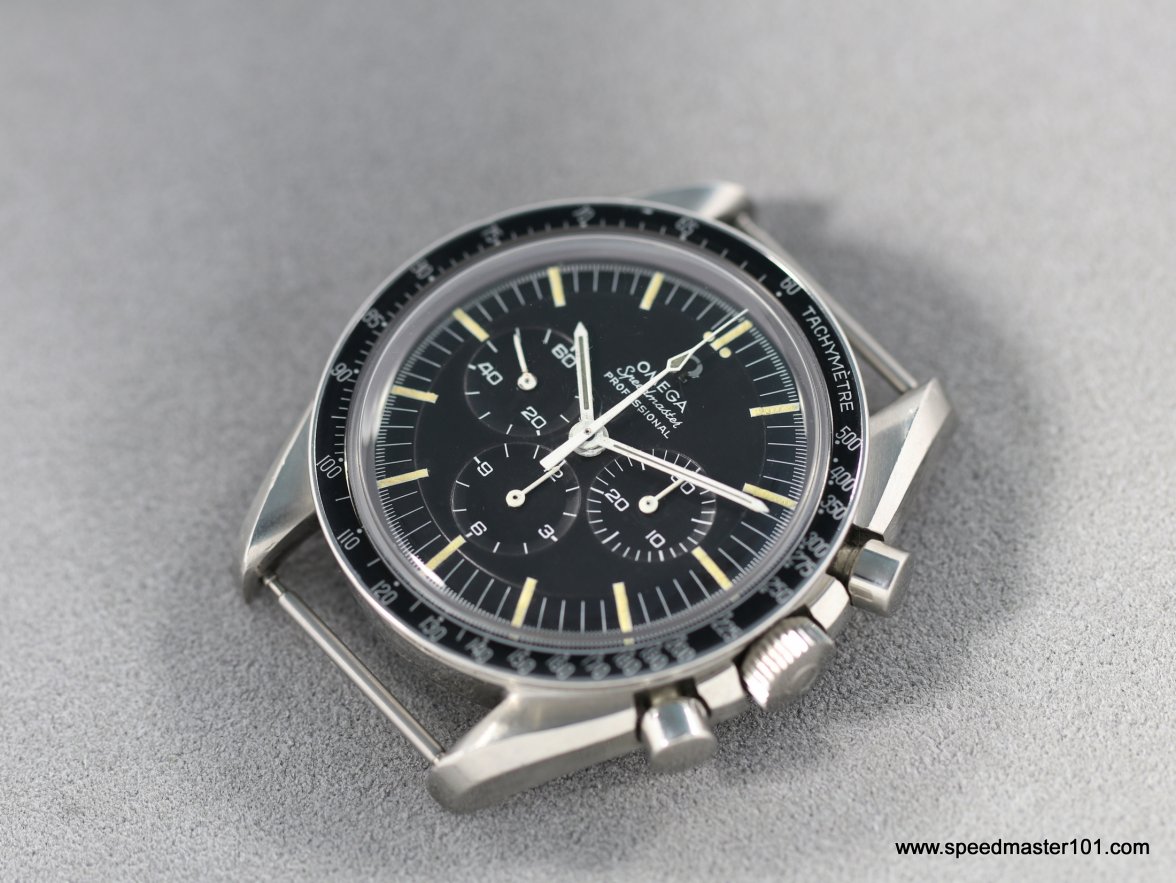
Stacking 12 images with Helicon Focus:

Stacking 12 images with Helicon Focus:
Please consider donating to help offset our high running costs.



Cool - didn’t know about stacking!!! Through it was a typo, someone stalking Speedys 😉
And here I am taking pics with my iPhone hahaha
@Spacefruit could you possibly post a single pic WITHOUT stacking please (Is the different noticeable) ? If the first pic is it, just confirm? Thanky




Just gave it a try on my crappy DSLR; not as easy as it looks. 👎
Only stacked 5 photos as the second hand was running.
Not bad though 😉
If the DSLR have a great amount of focus point in the viewfinder it's easy, otherwise the option is doing manually. In that case the trick is mark on the lens barrel (a piece of tape on the abbrel will do ) from where to where the focus going and go from there. The more the better.

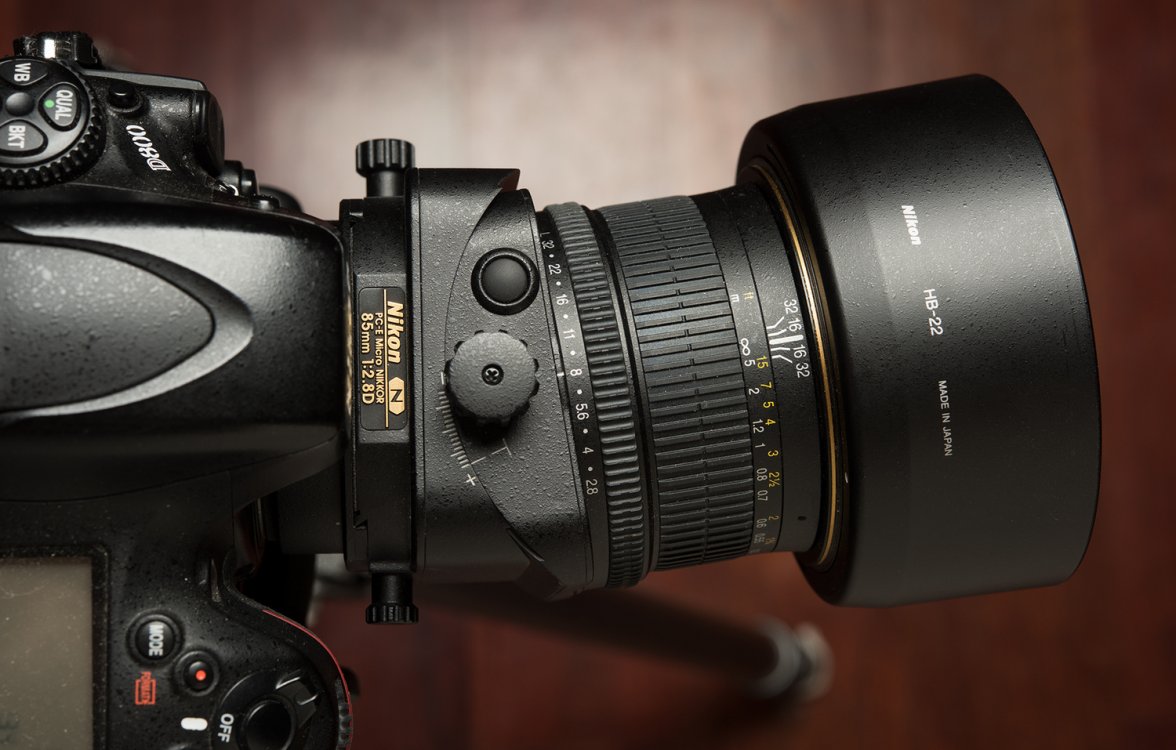

Stacking is a neat trick but is fussy and takes real practice and patience. If you are serious about wanting the best results for product work like this (as in you can justify the expense for the camera gear) use a tilt shift/ PC (perspective control) lens and get it in a single shot.
A PC lens will give you simple controls akin to a view camera (large format camera) to control perspective (shift/rise/fall) and focus control (swings/tilts) which is how product photography has been done for decades. A real view camera (be it film or digital back) is the ideal way to have absolute control as you can use all movements simultaneously, but the DSLR PC lenses are a great tool and get you 80% there.
They aren’t cheap, but they do the job optically without relying on software to figure things out for you.
I use them on my Nikon’s for architectural work (19 & 24mm) and (45 & 85mm) for quick product work in the studio and even environmental portraits (when the architectural context is just as important as the person in the picture). Canon makes a line of them as well and adapters are available for use on Sony mirrorless.
+1
In layman’s terms …you are simply shifting the plane of focus …from ‘front to back’…to ‘up and down’
A shift lens also allows you to correct the perspective parallels, in buildings, if you shooting upwards
Stacking focus also means the images are not quite as sharp, as they would be, if the depth of field was optimal…it’s a trade off



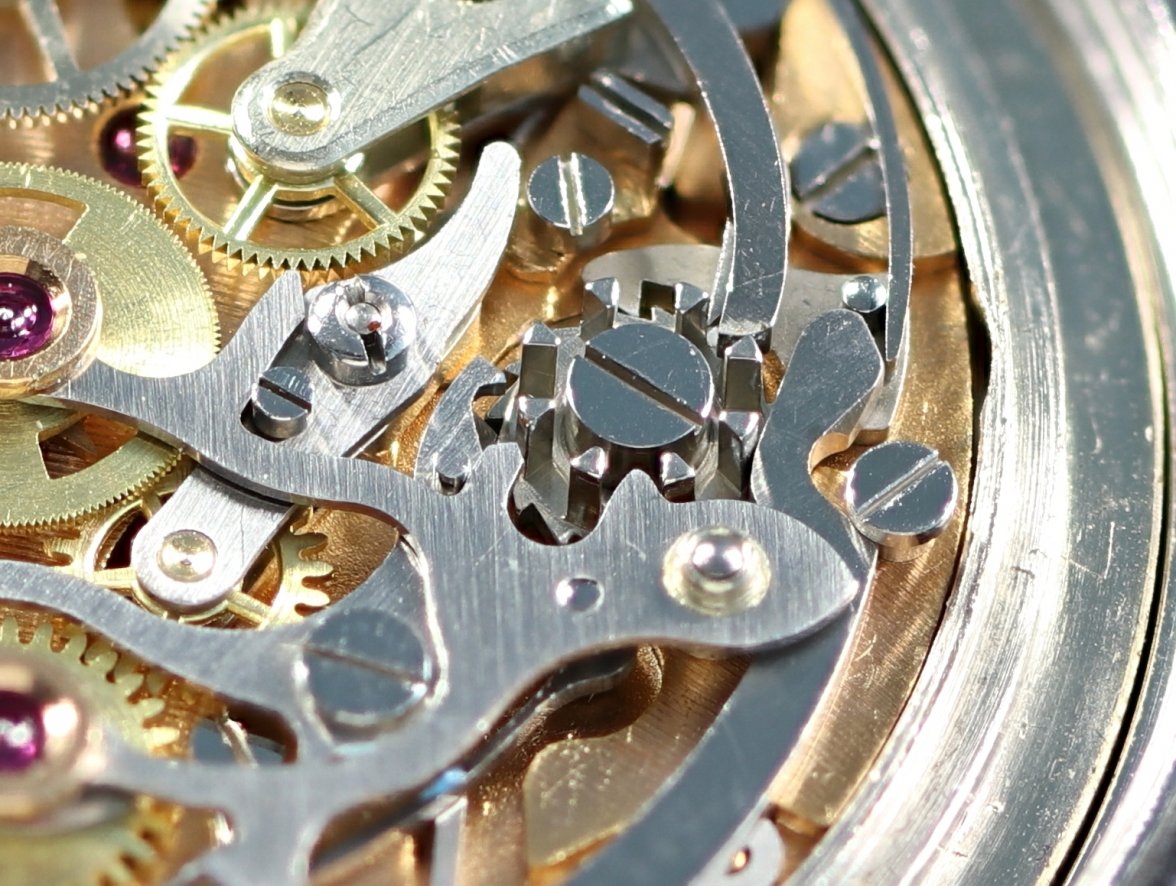
Focused on the Chrono rivet:
Stacking 12 images with Helicon Focus: