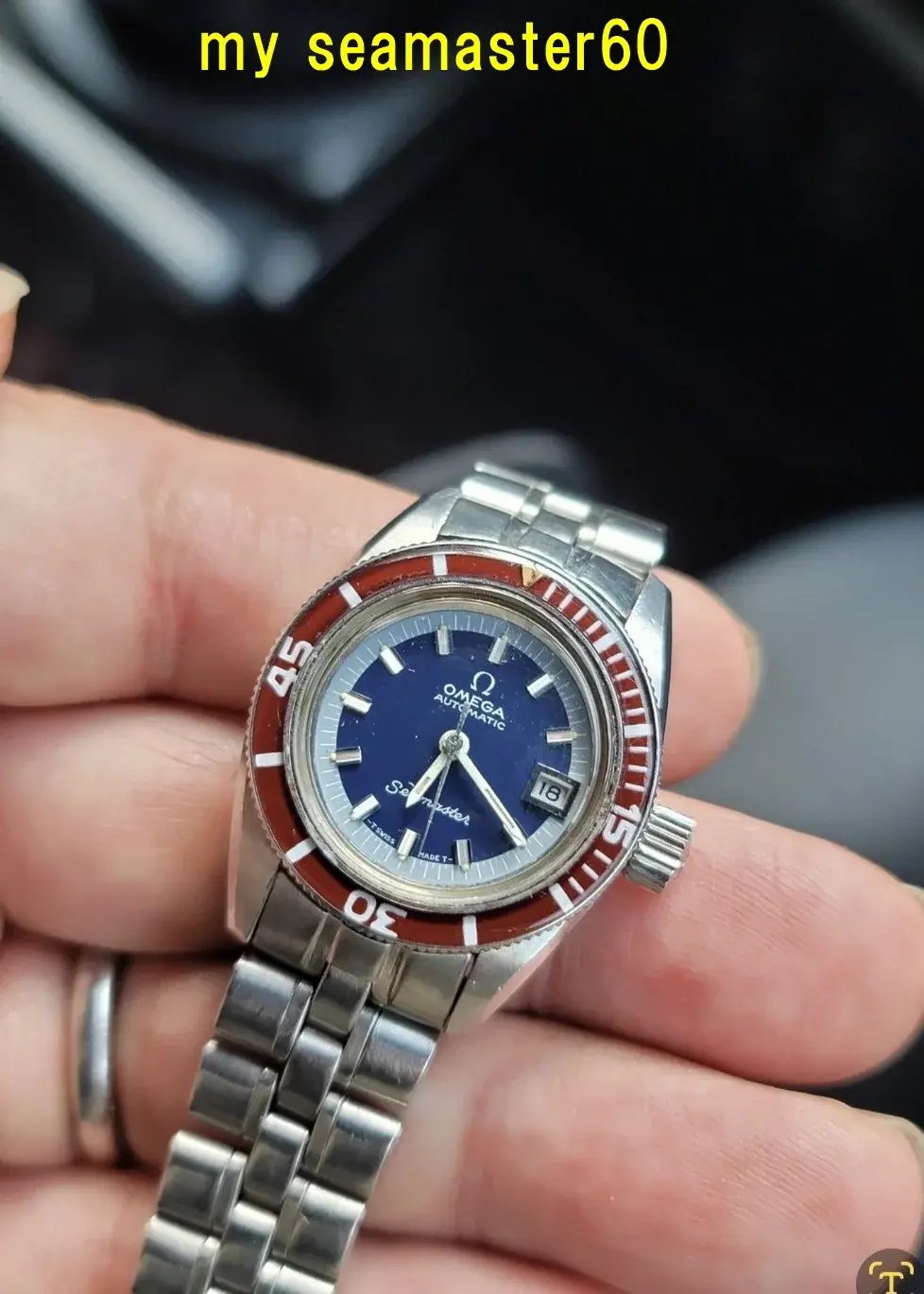
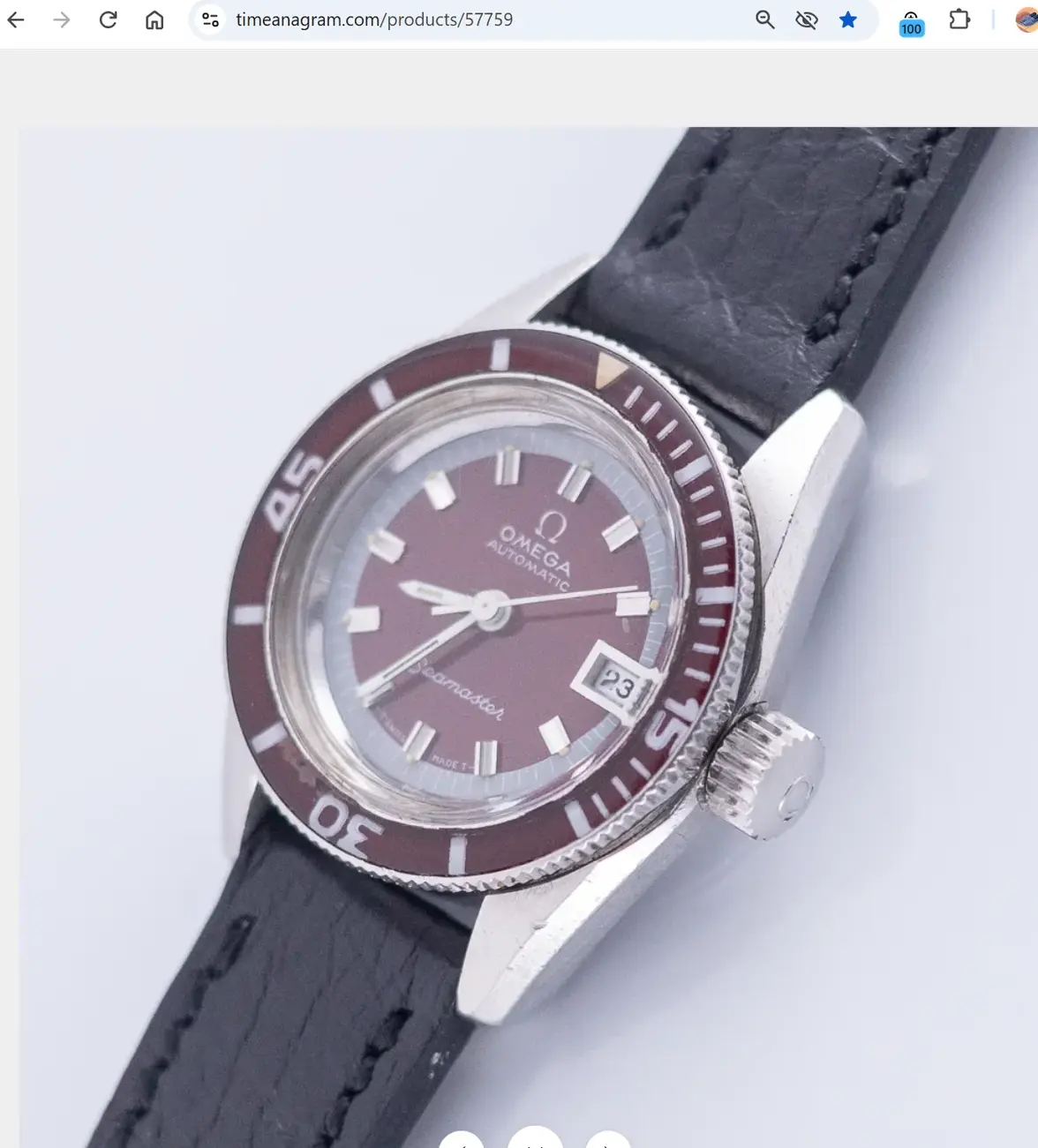
Omega Seamaster 60 Ref. 566.024 Blue/Burgundy Original?

Posts
6
Likes
3
Hello everyone,
I recently acquired a vintage ladies' Omega Seamaster 60 and have just sent it in for an overhaul. I would highly appreciate your expert insights on its originality.
Here are the specific details of the watch:
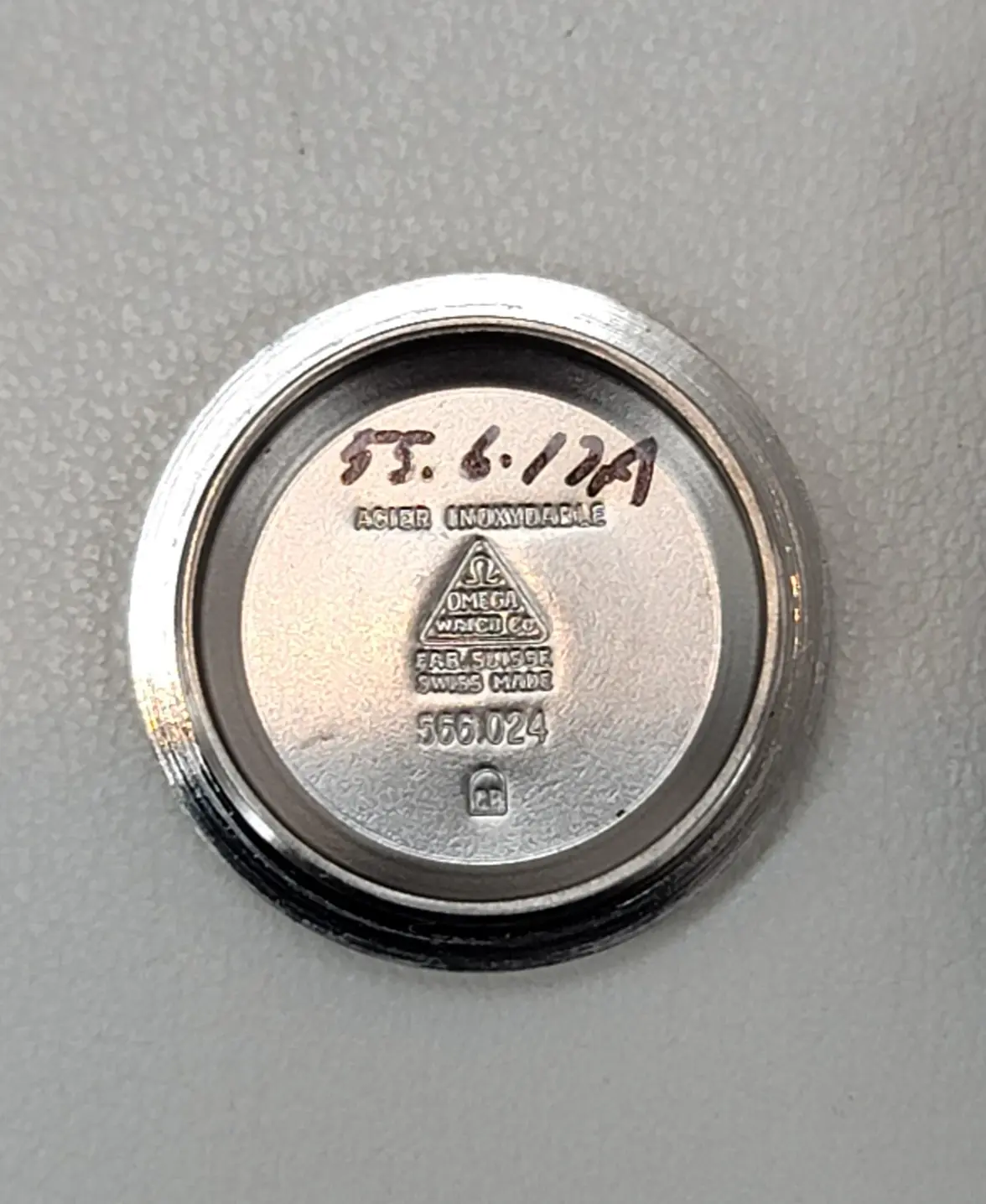
  • Reference: 566.024
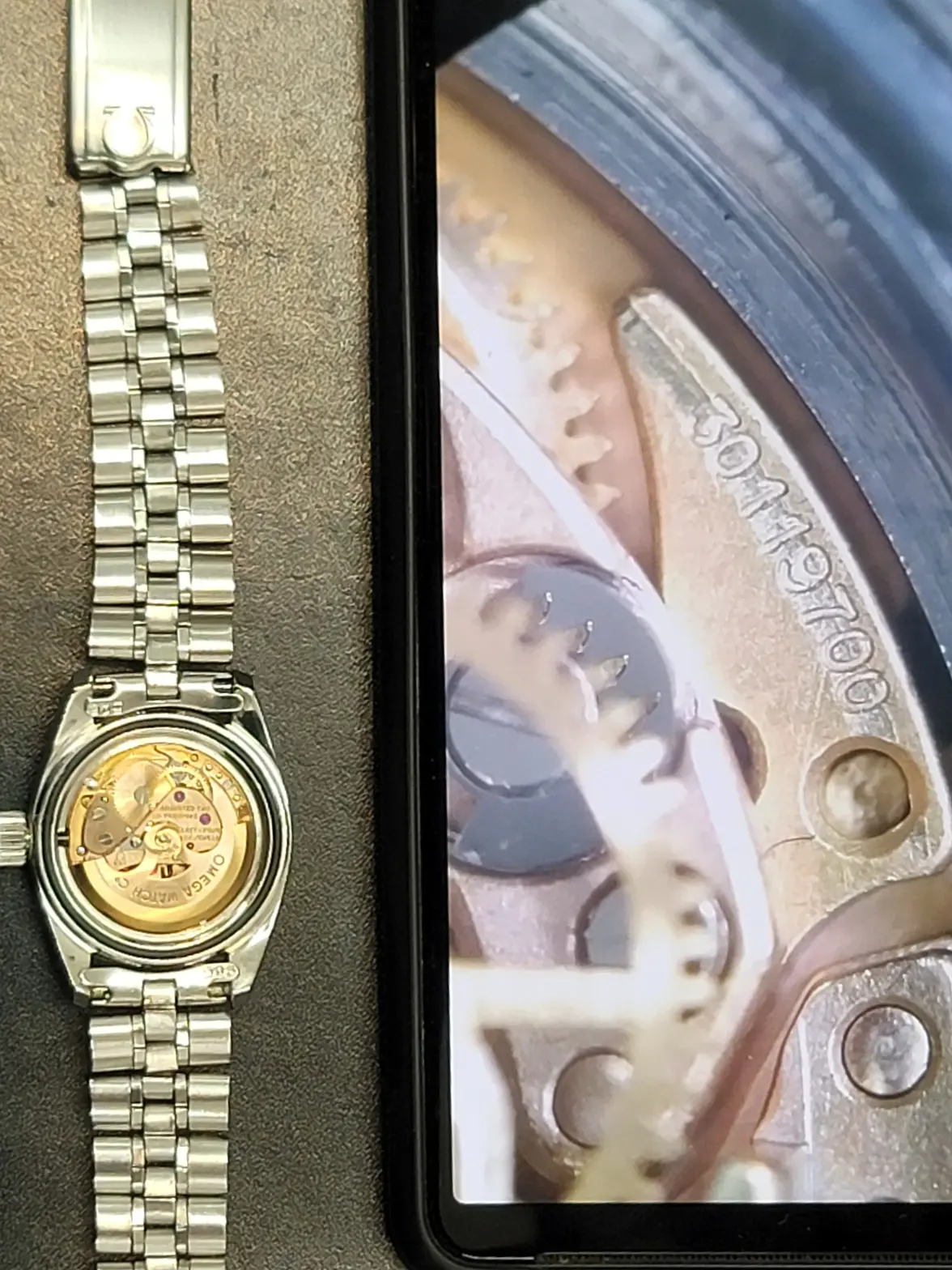
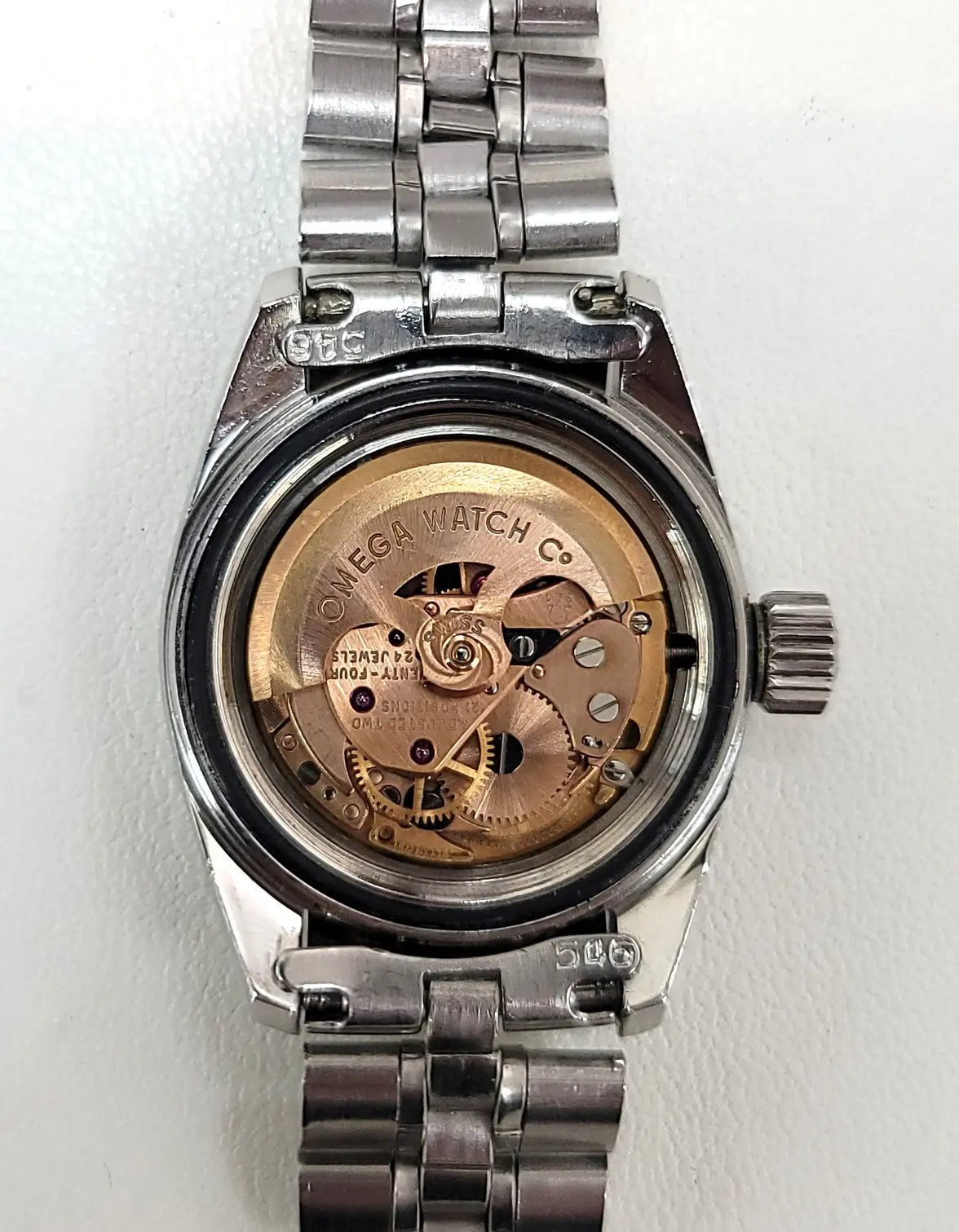
  • Caliber: 681
  • Movement Serial Number: 30,119,700 (dating to around 1969)
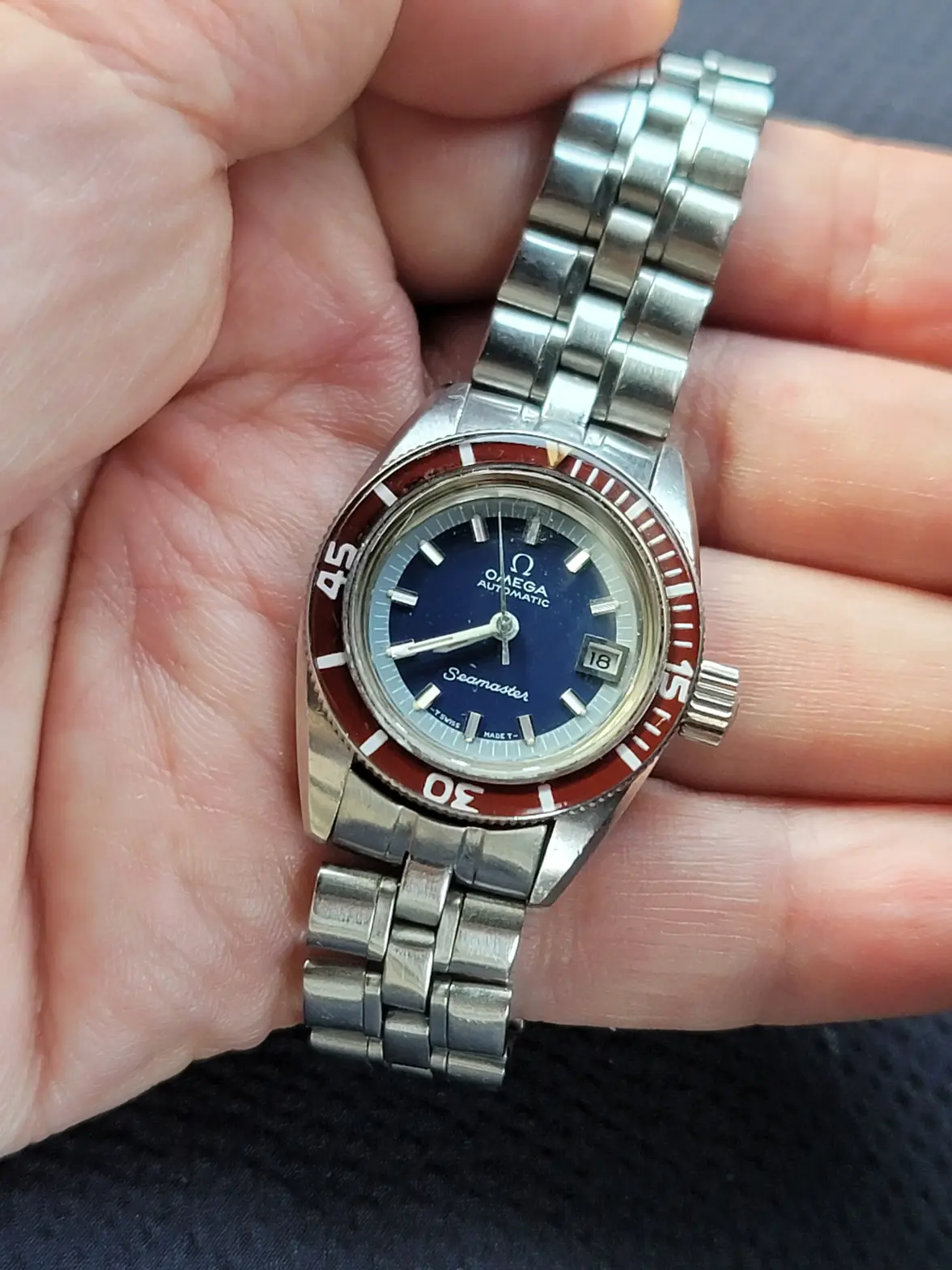
The most intriguing part is the color combination: it features a Blue Dial paired with a Burgundy Bezel. As far as I know, the standard configurations usually have matching dial and bezel colors.
Inside the case back, there is a watchmaker's handwritten service mark that appears to read "55.6.12A". In Japan, this format typically indicates the Shōwa era, translating to June 12, 1980. This suggests that the watch has been in this exact configuration for at least 46 years, ruling out a modern "franken" creation.
Could this be a rare factory-original special order, a specific regional release (e.g., Japan Domestic Market), or was it likely a bezel swap done back in the 1970s? Have any of you encountered a similar blue/burgundy configuration before?
I am attaching a picture of the movement and the serial number. Thank you very much in advance for your time and knowledge!
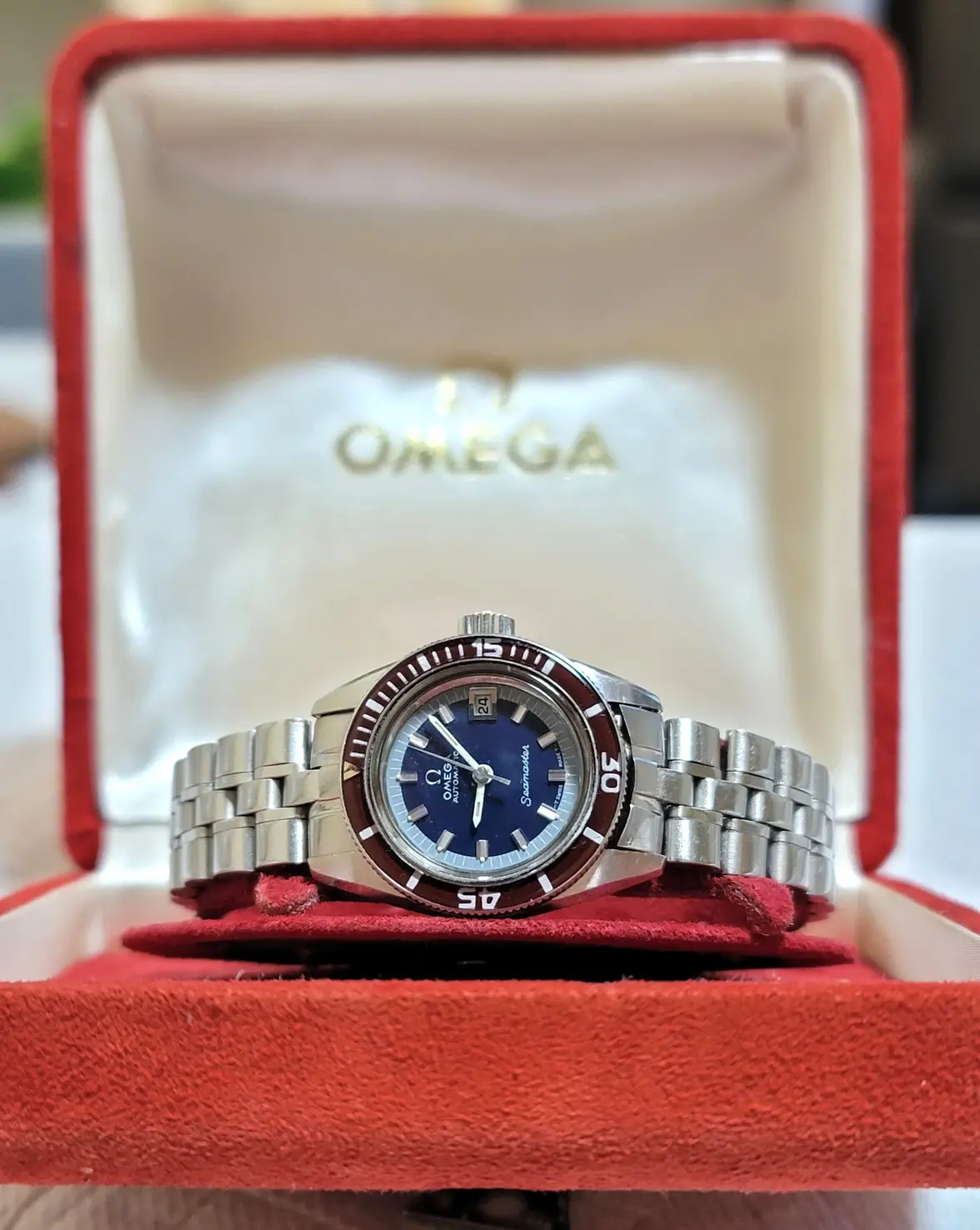
 
Posts
6
Likes
3
Please help me identify the history of this rare watch!


Sorry, my original thread title was cut off due to the character limit. What I really wanted to write was: "Seamaster 60 Rare Blue/Burgundy Ref.566.024: Is it Factory Original?"
This color combination is unrecorded and completely mysterious. I would deeply appreciate any insights, advice, or opinions from the experts here. Thank you so much for your help!


Posts
2,811
Likes
3,739
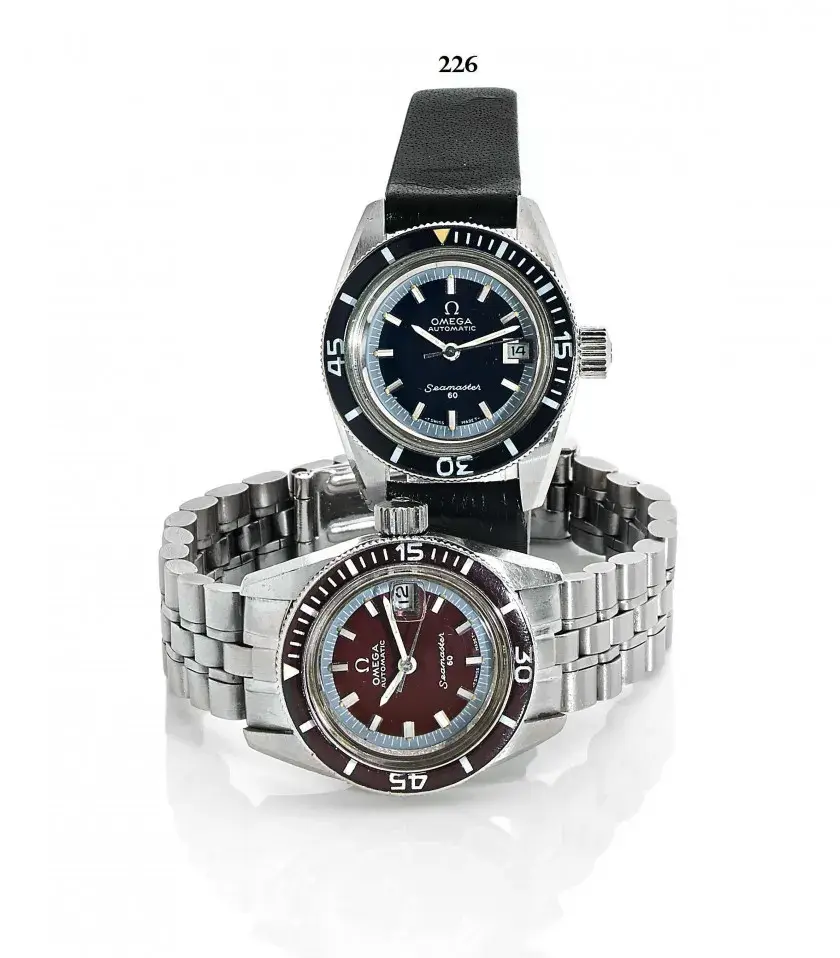
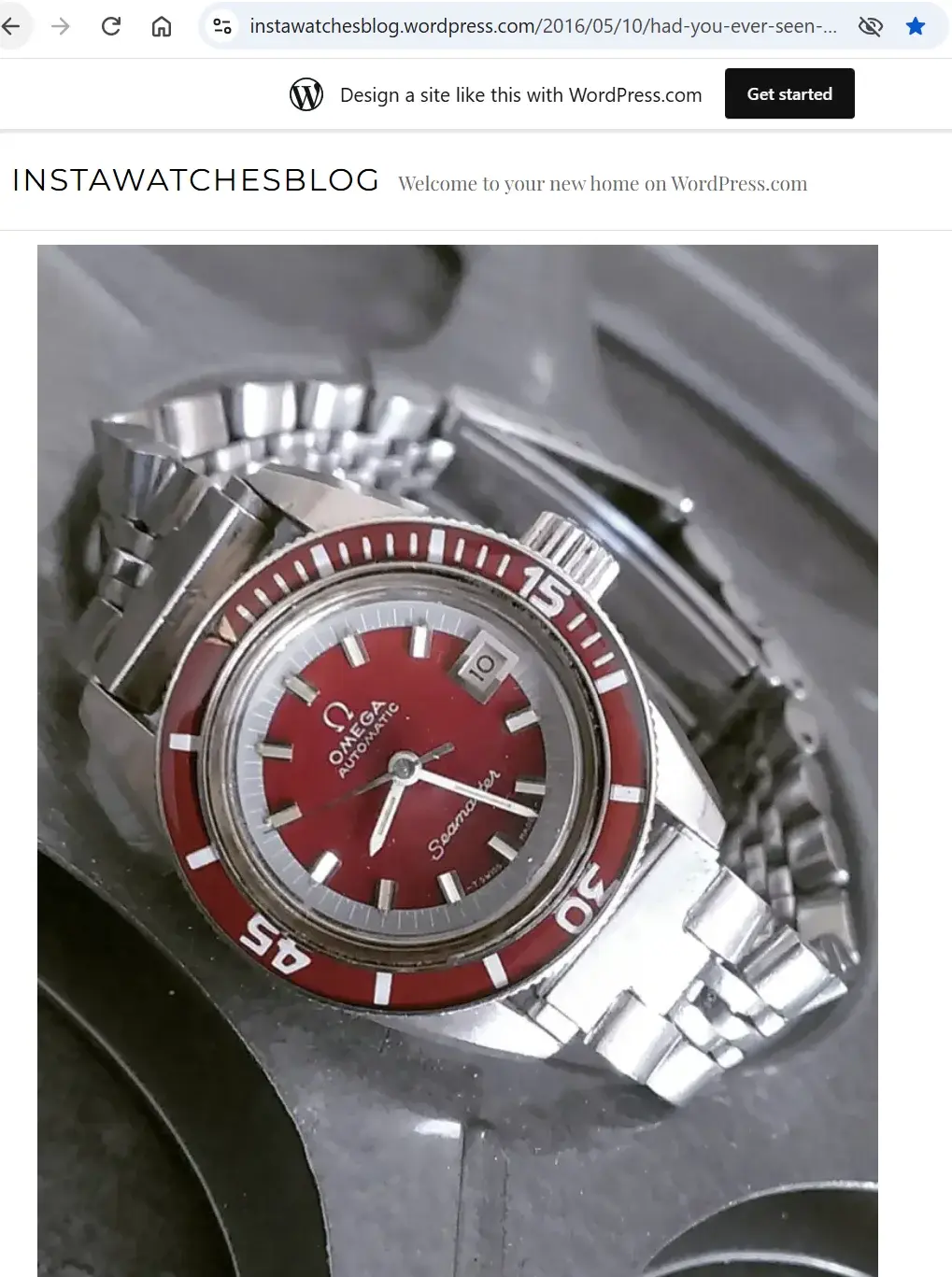
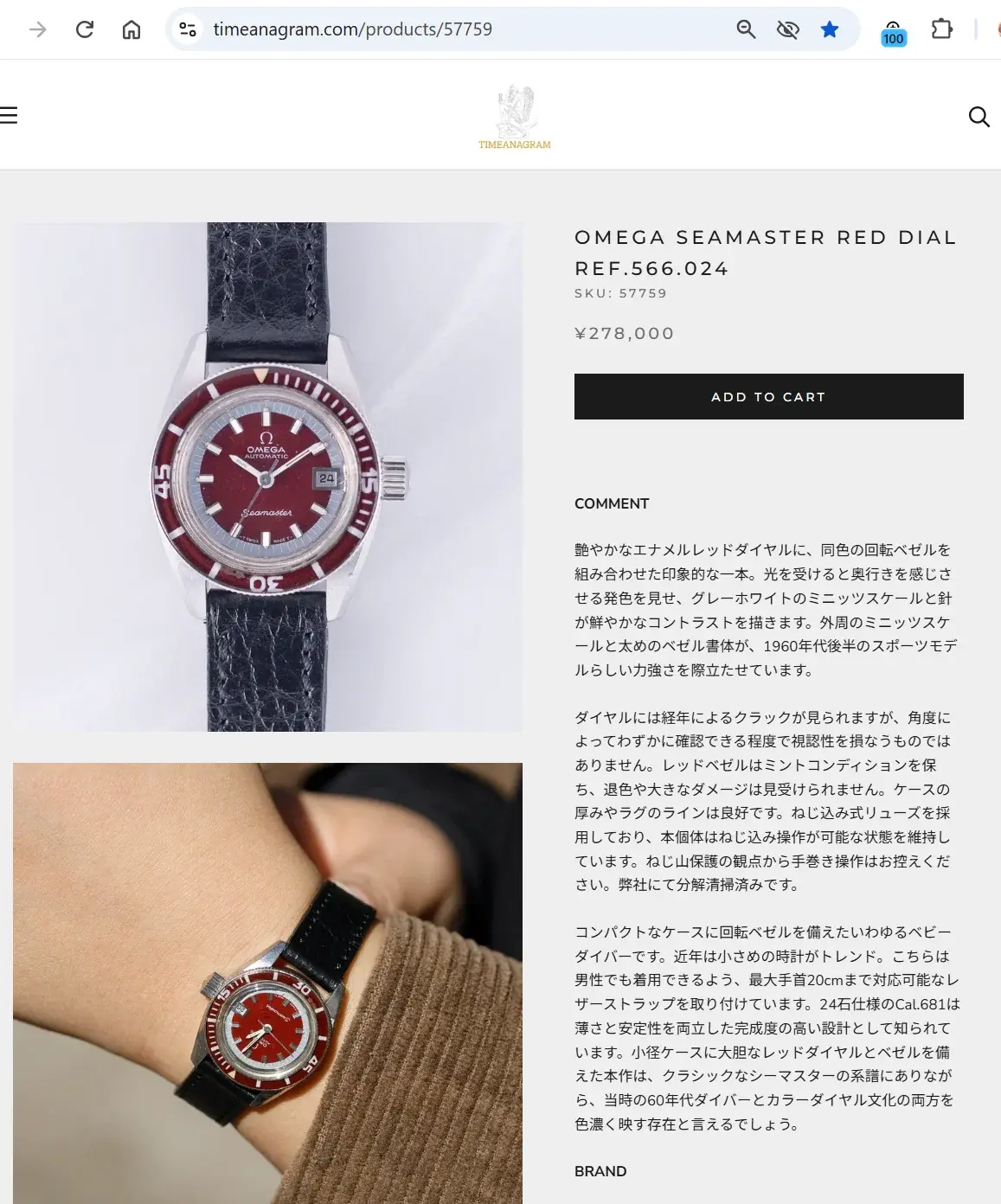
I found a photo from a previous online auction which shows a burgundy dial and bezel one:


Most likely scenario is your started out with the burgundy dial/bezel combo, and some switched the dial, or it was blue/blue and someone switched the bezel. With that said, the quality of the lettering on your bezel is quite poor compared to the examples I see - numbers are thicker and not well defined in your example. It may be an aftermarket or redone bezel.
 
Posts
13,658
Likes
19,024
You should read this thread regarding a similar watch:


I agree with @Donn Chambers that your watch may have been put together with parts from different watches or with some replacement or aftermarket parts.

For a watch like this, I don’t think that’s a major problem so long as it works well. However, if you decide to sell it, it should be disclosed.

Regarding the service marks, every watchmaker has their own system of identification for watches they serviced. I do not believe there is any historical significance to them. I have noticed that Japanese watchmakers tend to make their marks with felt-tipped pens like that to avoid damage to customer’s watches. They can also be easily erased the next time the watch is serviced.

Hope this helps,
gatorcpa

PS - A quick search shows that there is a non-working example on eBay with a decent looking blue bezel:

https://ebay.io/m/s2qsRl

I think the price is absurdly high, as it is unlikely any of the movement parts will be salvageable.
 
Posts
6
Likes
3
Thank you so much for your quick and incredibly insightful replies, @Donn Chambers and @gatorcpa !

As a watch enthusiast from Japan, Omega has always been my absolute favorite brand. I deeply admire Omega because they constantly push the boundaries of horology.

Even today, they are the only manufacturer capable of mass-producing advanced technologies like the Co-Axial escapement and master-level anti-magnetic movements, making cutting-edge watches accessible to so many people around the world. That is why I love this brand so much.

Your observations about the bezel quality and the potential parts-swap scenario make a lot of sense. It is very helpful to get this kind of realistic perspective from experts who know the history of these models. Thank you also for sharing the eBay link and the past restoration thread—it gives me great reference material.

As mentioned, this watch is currently with a vintage restoration specialist here in Japan for a full overhaul. I will definitely share your comments with my watchmaker and ask them to closely inspect whether the bezel is an aftermarket part and if the dial is factory original or redone.

Once the watchmaker disassembles it and shares their findings, I will post an update here with more details. Thanks again for your time, your knowledge, and your kind welcome to the forum!


P.S.
I apologize, as I do not speak English and am using an AI assistant. However, please know that these words come directly from my heart, not just a machine.I am deeply grateful for this technology allowing me to connect with fellow enthusiasts globally. Thank you for this opportunity.
 
Posts
6
Likes
3
One quick thing I should mention about the photos.

The blurriness of the bezel font is likely due to my old phone camera (a 6-generation-old Galaxy Note20 Ultra). The autofocus mechanism is broken, so I actually have to gently tap the phone against the table just to get it to focus at all.

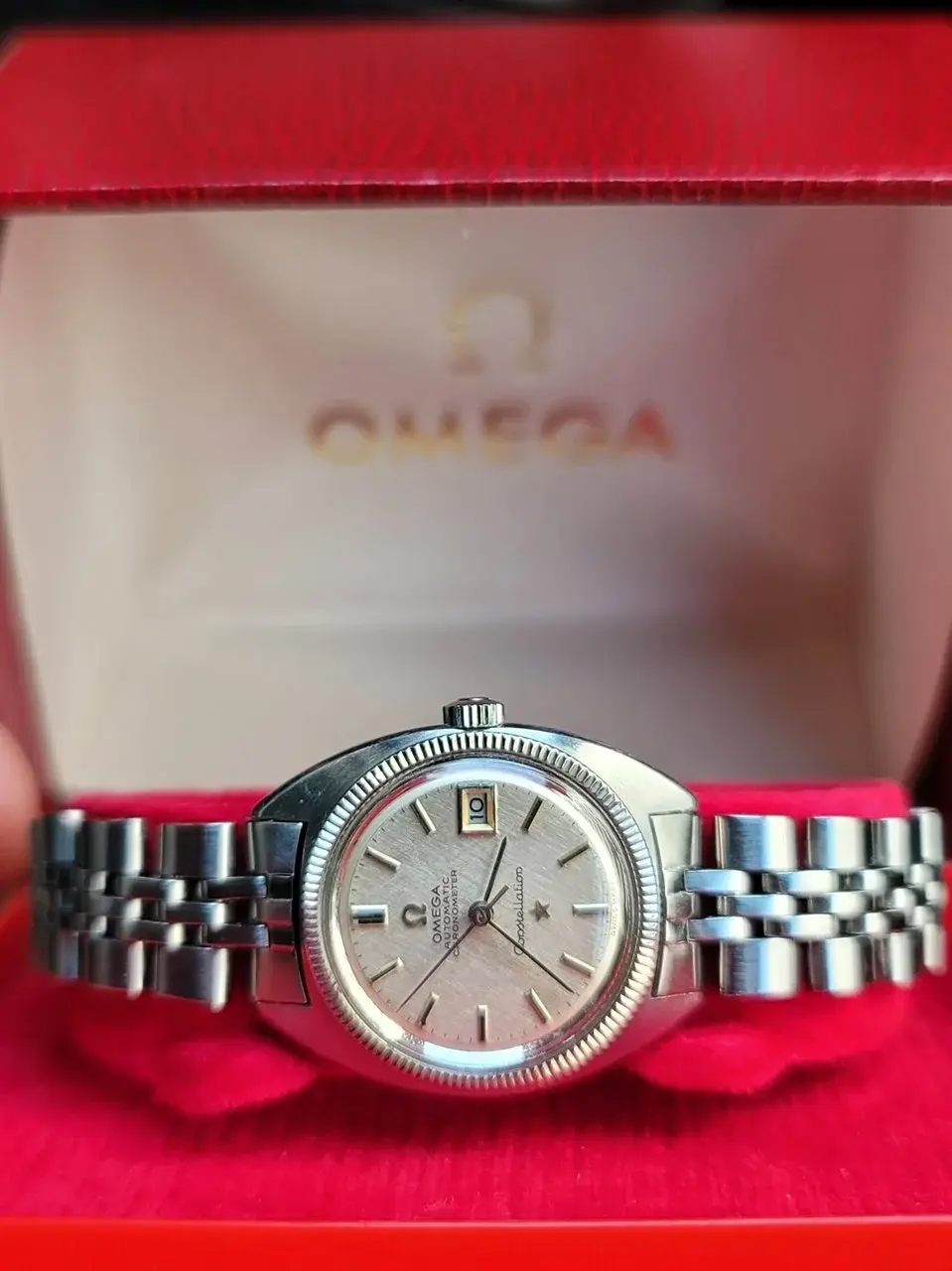
To be honest, I spent all my budget buying this Seamaster 60 for my eldest daughter, and a 1969 Constellation "C-Shape" (designed by Gérald Genta) for my second daughter. Because I prioritized these two beautiful 1969 Omegas for my girls,
I am completely out of funds to upgrade my phone for a while!

So, just like my Seamaster 60, my phone desperately needs an overhaul too—but I am completely out of funds for that as well! 😊

Because of the camera issue, the text in the photos looks a bit smudged and thicker than it actually is. Once the watch is back from the watchmaker, I will find a way to get crisp, clear photos to share with you all.

 
Posts
30
Likes
11
One quick thing I should mention about the photos.

The blurriness of the bezel font is likely due to my old phone camera (a 6-generation-old Galaxy Note20 Ultra). The autofocus mechanism is broken, so I actually have to gently tap the phone against the table just to get it to focus at all.

To be honest, I spent all my budget buying this Seamaster 60 for my eldest daughter, and a 1969 Constellation "C-Shape" (designed by Gérald Genta) for my second daughter. Because I prioritized these two beautiful 1969 Omegas for my girls,
I am completely out of funds to upgrade my phone for a while!

So, just like my Seamaster 60, my phone desperately needs an overhaul too—but I am completely out of funds for that as well! 😊

Because of the camera issue, the text in the photos looks a bit smudged and thicker than it actually is. Once the watch is back from the watchmaker, I will find a way to get crisp, clear photos to share with you all.

I think it's not your camera. I agree with the replies. Further the color is a bit "glossy transparent" while it should be matte and pretty dark. I think that is not an original insert.
I have both versions, deep blue and burgundy and the burgundy bezel is not as yours it's darker. for the configuration itself..keep in mind that at the time it was not the factory who did this kind of modifications, but also the boutique, or the watchmaker. Now if you buy a watch in the code you also have the material of the brachelet so Omega control on the possible configurations of the watch is getting narrower and narrower. Now no boutique will modify a configuration from homebase as now they risk to lose seller status. But at that time you could literally enter the shop, buy the watch and decide to have it with a different color bezel. I've seen it more than a few times especially in UK sellings. But Omega homebase never did this kind of combination. They sold it only deep blue or burgundy with dial matching the bezel. Anyway it's not uncommon for that time to ask this kind of modification.. So you could consider it historically accurate even if not one official configuration. this of course parted from the fact that the bezel has a non original insert.. that's a different story.
 
Posts
6
Likes
3
Thank you very much for all of your valuable comments.
I have continued doing some research because I would really like to learn more about this model.

During my search, I found several examples with burgundy bezels that look very similar to mine in terms of the numeral font, thickness of the numbers, color, and glossy appearance.

The first similar example I found was in Japan, so at first I wondered whether it might have been an aftermarket bezel made in Japan at a later date.
However, I later found other examples shown overseas with very similar bezels as well.

I have heard that these Bakelite bezels involved quite a lot of handwork at the time. If that is the case, I wonder whether there may have been some variation in the font, color, and gloss depending on the individual person who made them or on the production batch.

Of course, I am not trying to claim that my watch originally left the factory with this exact dial and bezel combination. I also fully understand that the bezel may have been replaced at some point during its long life.

However, because I have now found several bezels with very similar characteristics, I became curious whether this type of bezel itself may also have existed at the time.

Since this watch is nearly 60 years old, I suppose there may be some things that only the watch itself knows now.

I would be very interested to hear your thoughts.
please.

 
Posts
30
Likes
11
BUT - looking close at say "15" on the insert you can see the heat pressed indentation in the plastic and that looks crisp and good. The paint has for some reason "bled" over the edges over time and got blurry!?

On this one, there is a good picture from an angle and you see the same effect!
The point is that this watch has no plastic bezel but bakelite that works differently.. you can press plastic with no problem and you can heat that with confidence.. but you cannot press bakelite as it's fragile as glass and you cannot heat it or it will became horrible.
 
Posts
102
Likes
811
If an insert is acrylic or Bakelite, it does not really matter in this case. Bakelite is often used to describe a plastic insert on watches when, in fact, it's very common to be made from acrylic.

But that's another discussion that we do not need to go into here.

If you look closely at the pictures, you see the indentation in the plastic that has been filled with paint, and the back has then been painted in a burgundy color.

The indentations are very clean, and I believe the discussed insert, therefore, is original.

Why the paint bled as it did is another matter. But if it has been redone, it's strange that it shows the same "bled" as other old inserts for this model - thats my 2 cents!
 
Posts
6
Likes
3
Dear mcgyver,

I have also read some of your other posts.
I was deeply impressed to see that there are people in the world who explore vintage bezels in such depth.

Whether my bezel is truly original, and whether this very bezel has been on the watch since the day it was born, may now be something only the watch itself knows.

However, your words made me feel that you respected not only the watch, but also the history it has lived through. I am sincerely grateful for that.

I do not have the same level of knowledge or experience with vintage Omega watches as many of you here.

Even so, if this bezel is original, considering how rare the ladies’ big-crown model itself already is, I feel that very few Seamaster 60s with this navy and burgundy combination may still remain today.

Was it really just a coincidence that I came across this watch?

I never imagined that someone like me, still very inexperienced with vintage Omega watches, would one day post on the world-renowned Omega Forums.

And it was this watch that also gave me the opportunity to meet all of you here.

I am truly grateful to this watch, and to everyone I have met here.