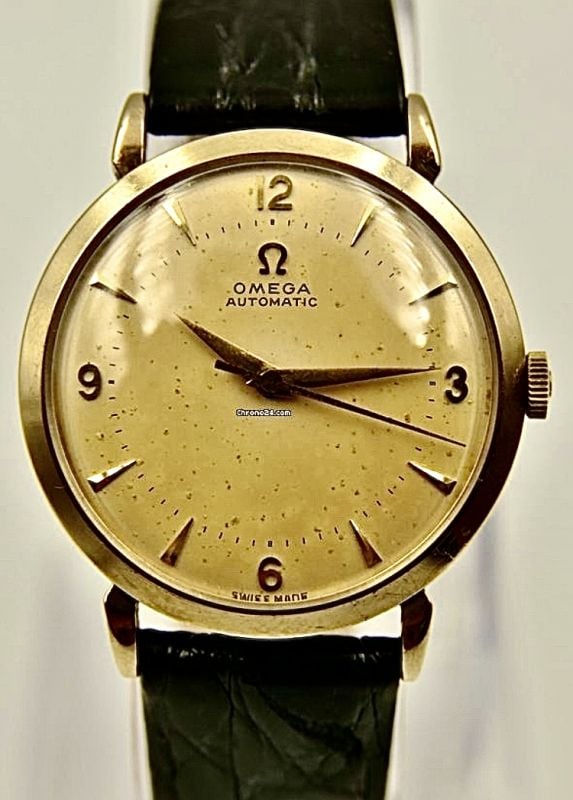
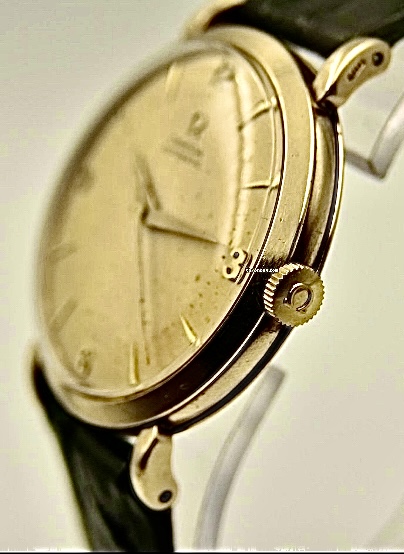
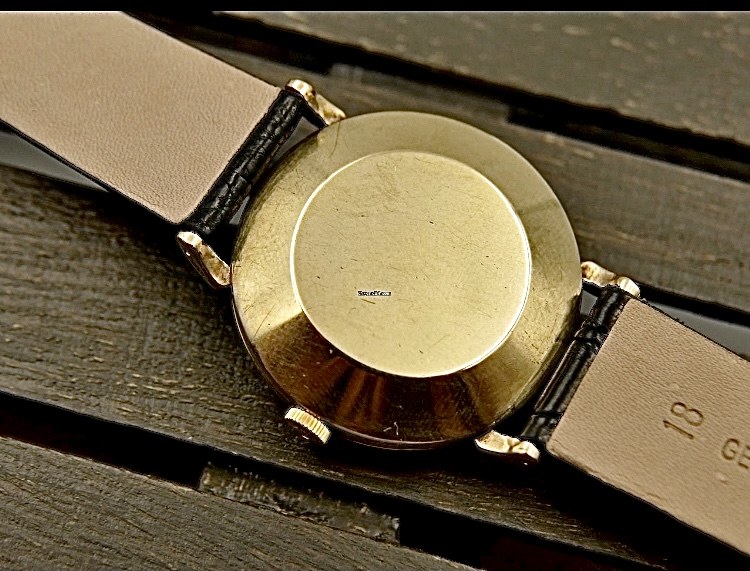
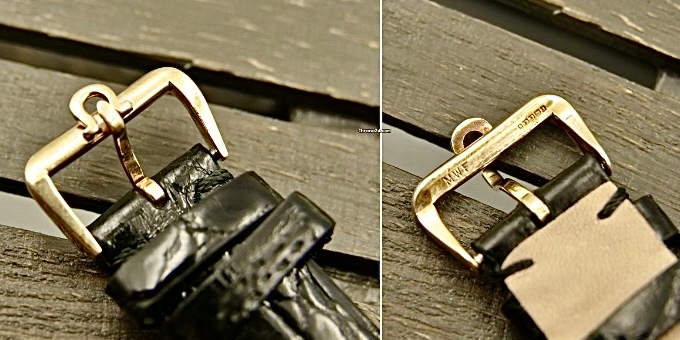
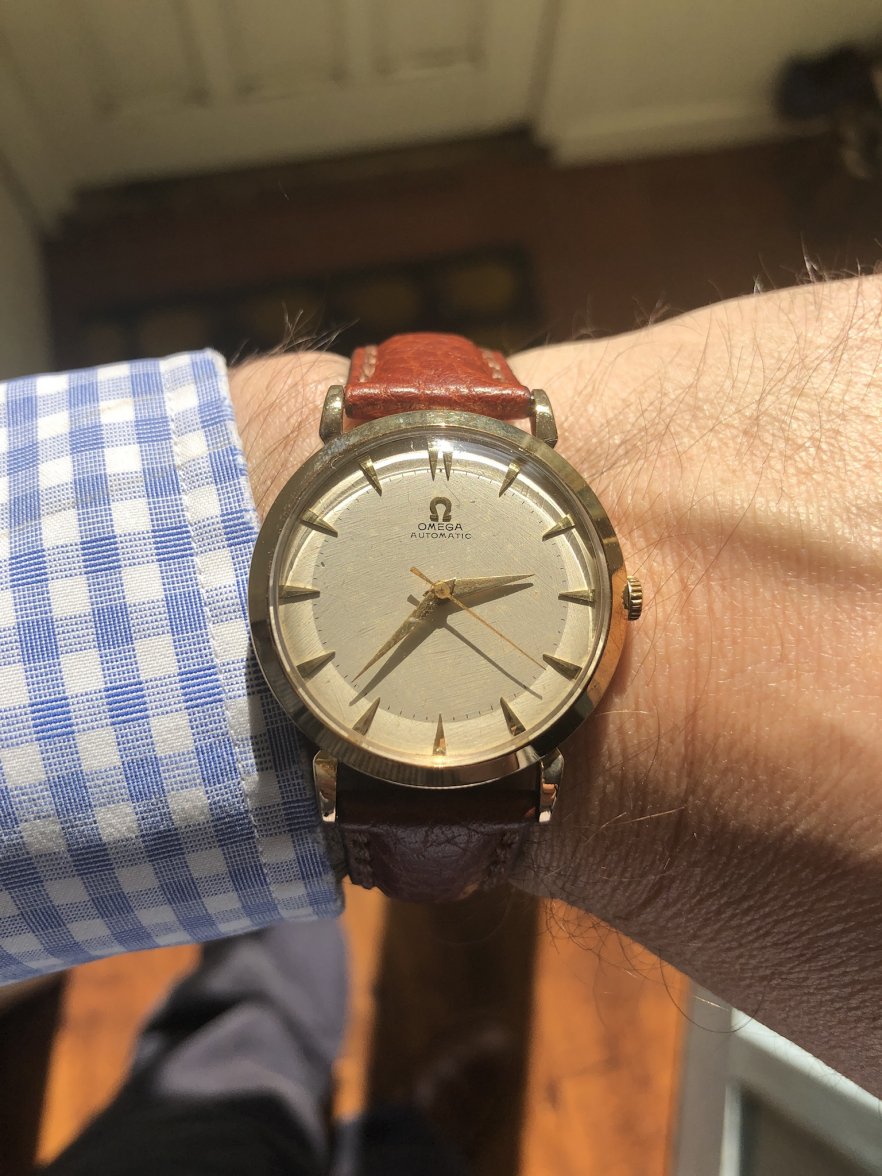
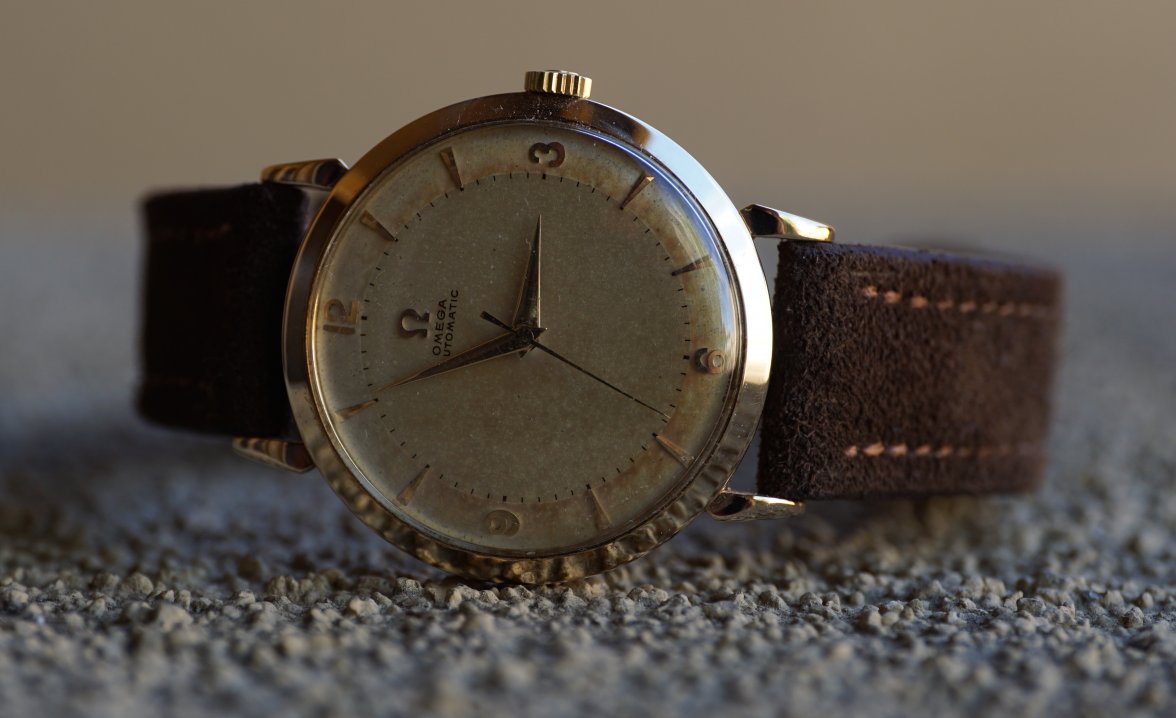
Allow me to dust off this presentation of mine to share with you some thoughts on what I would call a true time capsule.
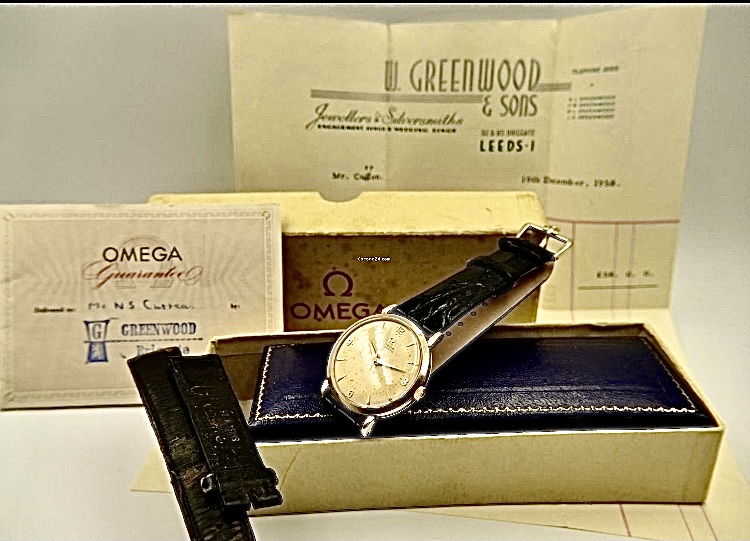
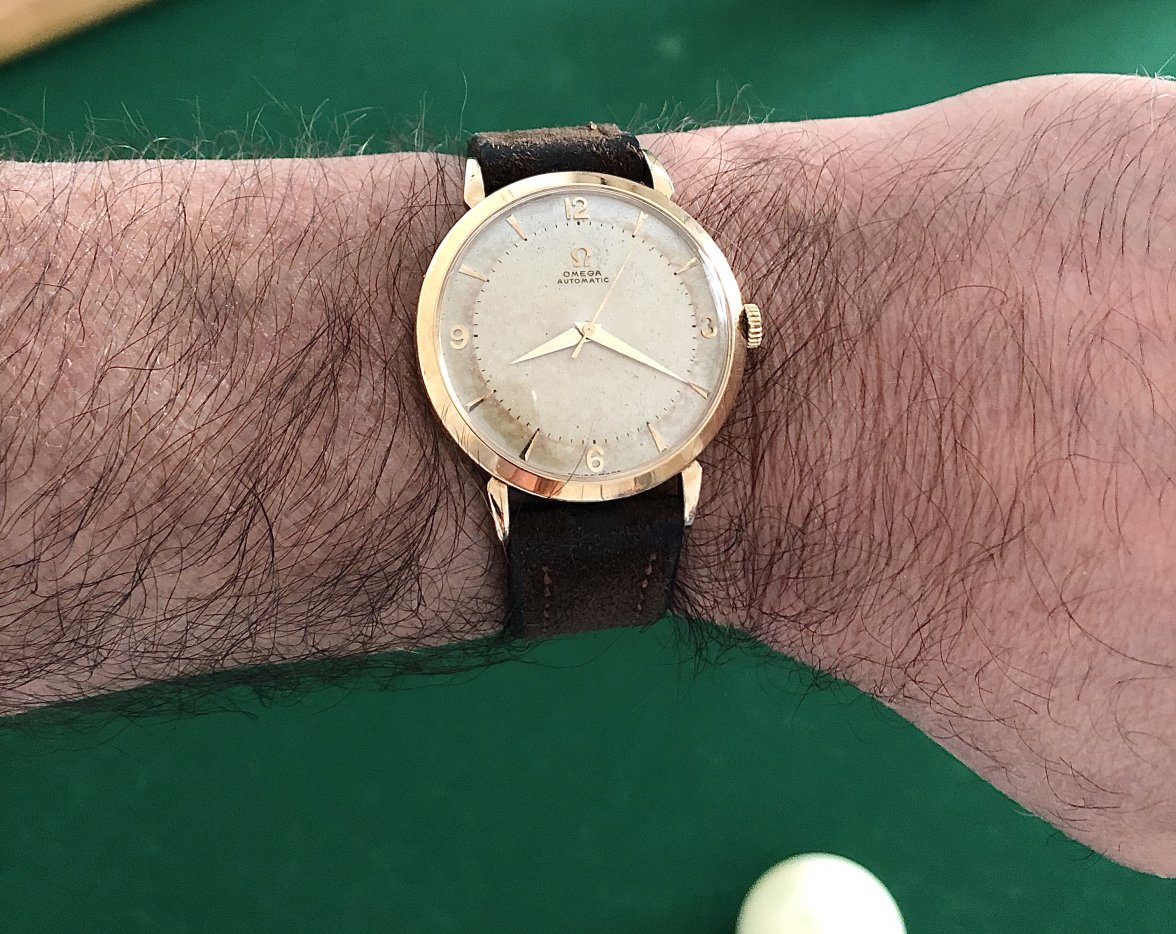
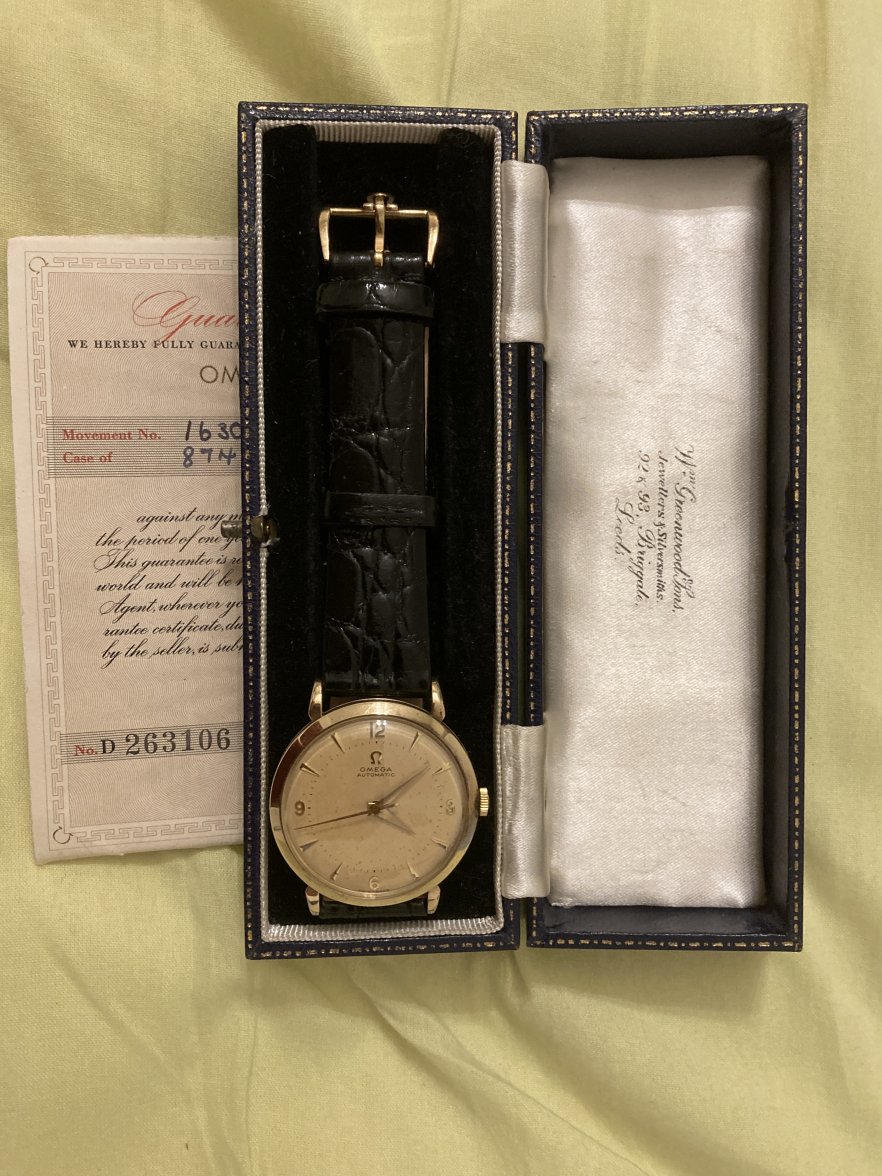
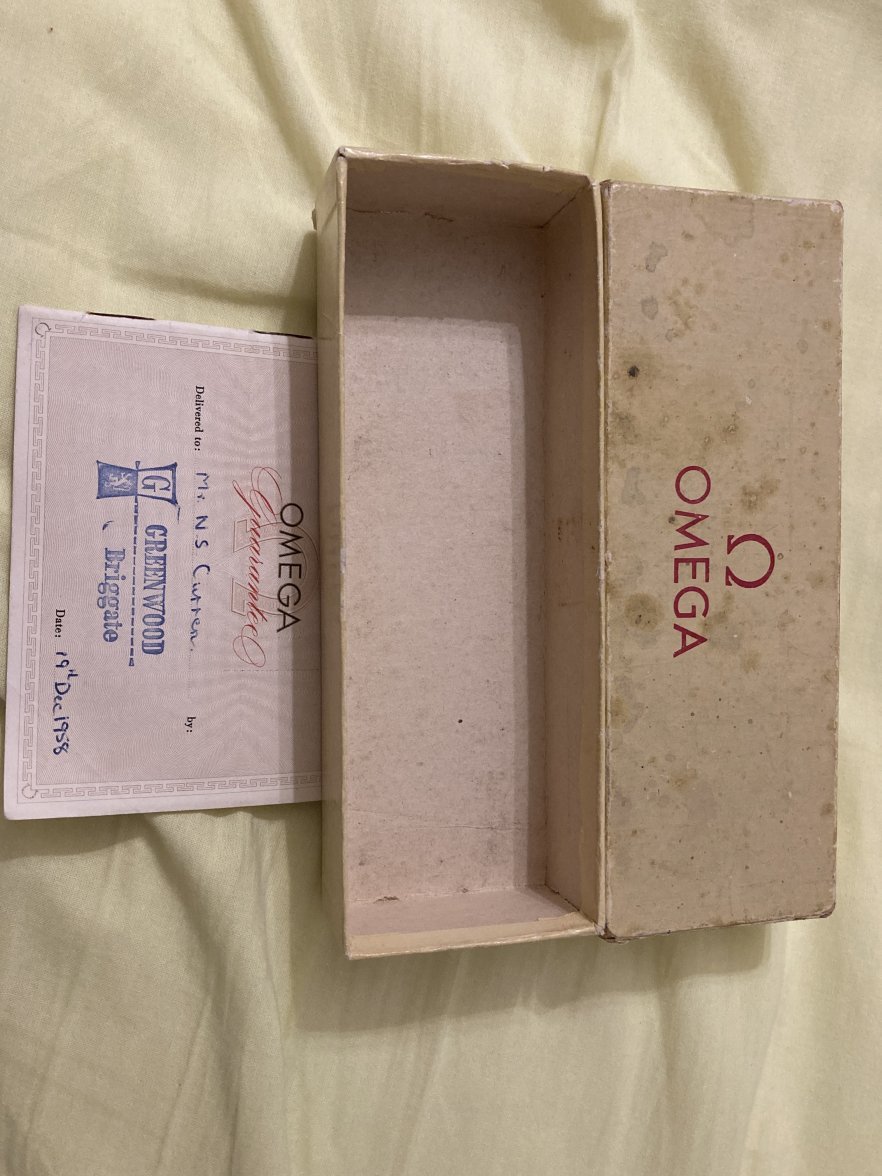
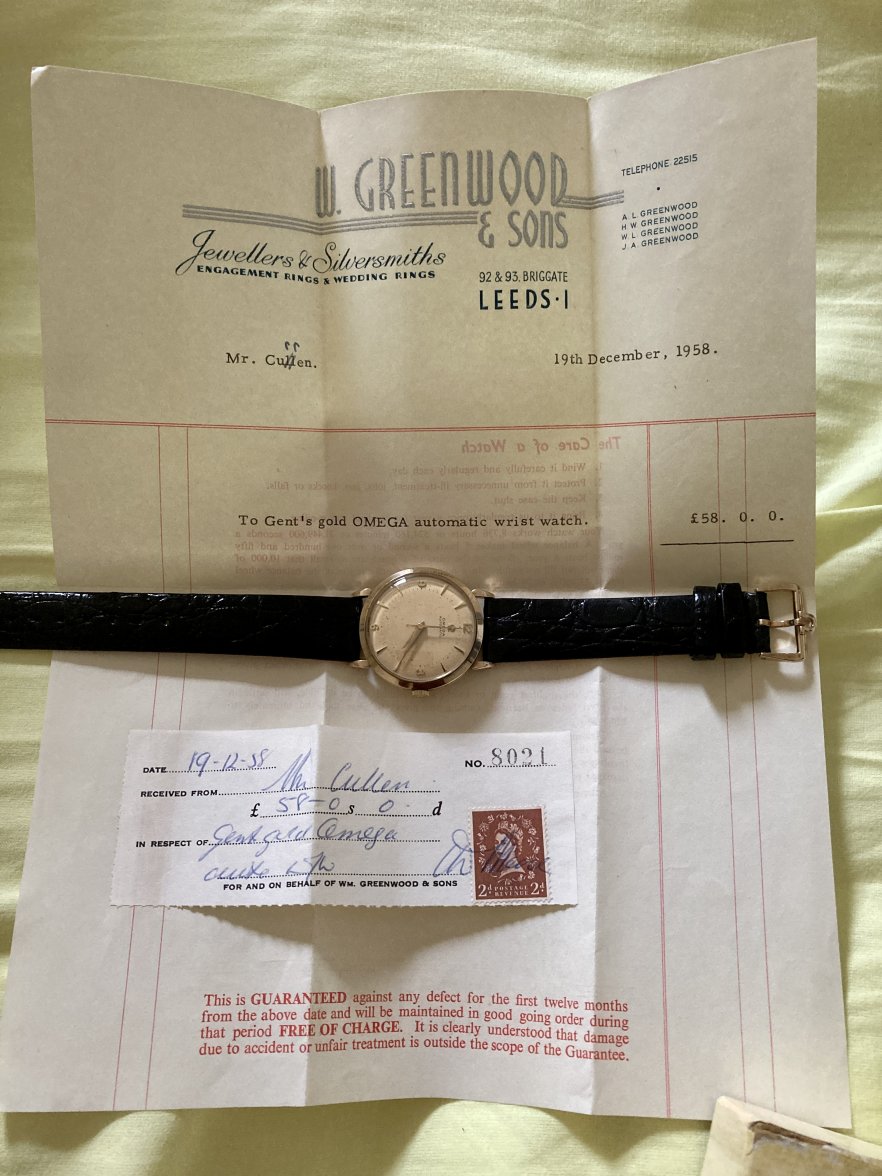
The invoice states that the watch was purchased on December 19, 1958, at W. Greenwood & Sons, Jewelers & Silversmiths, in Briggate, Leeds. The description actually states "Gent's gold OMEGA automatic wristwatch" and the price: £58.
Okay, but £58 in 1958... how much was that really?
Here comes the interesting math. If I look at the value "in today's money" (UK purchasing power, i.e., adjusted for inflation), that £58 roughly corresponds to about £1,760 today (the order of magnitude obviously depends on how you calculate it and the exact year, but we're getting there).
In my opinion, however, the most telling figure is not so much inflation, but rather the comparison with the salaries of the time: in other words, how much that expense weighed on a person in 1958.
In the UK, in 1958:
• compared to the average weekly earnings of a manual worker, £58 was about 5 weeks' pay (so more than a month);
• using a general weekly average, it comes to about 6–7 weeks.
So it wasn't a small purchase, by the way: we're talking about an item worth several weeks' salary. A significant purchase, one to be made with conviction.
What kind of customer base bought a 9kt gold Omega like this in 1958?
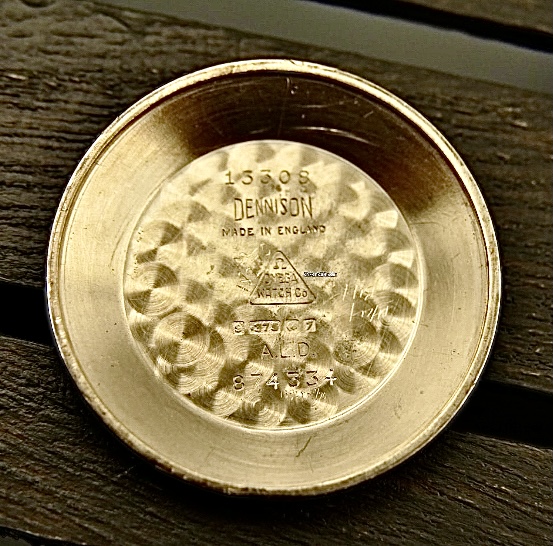
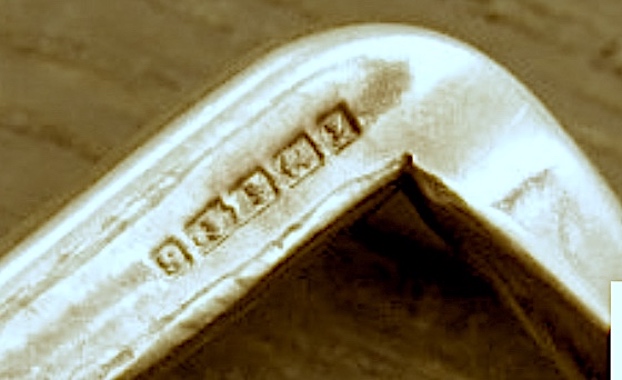
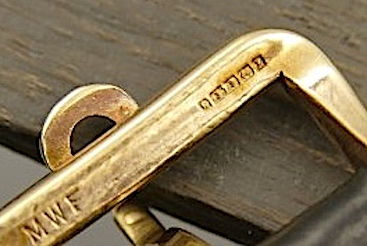
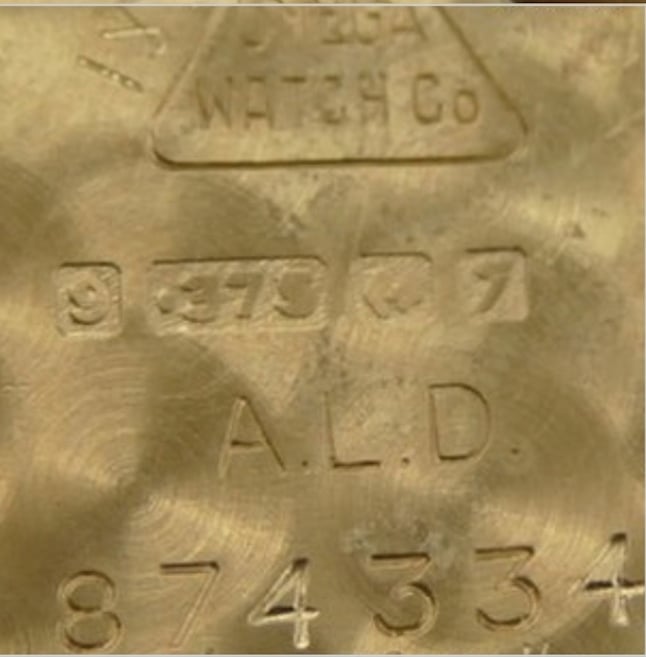
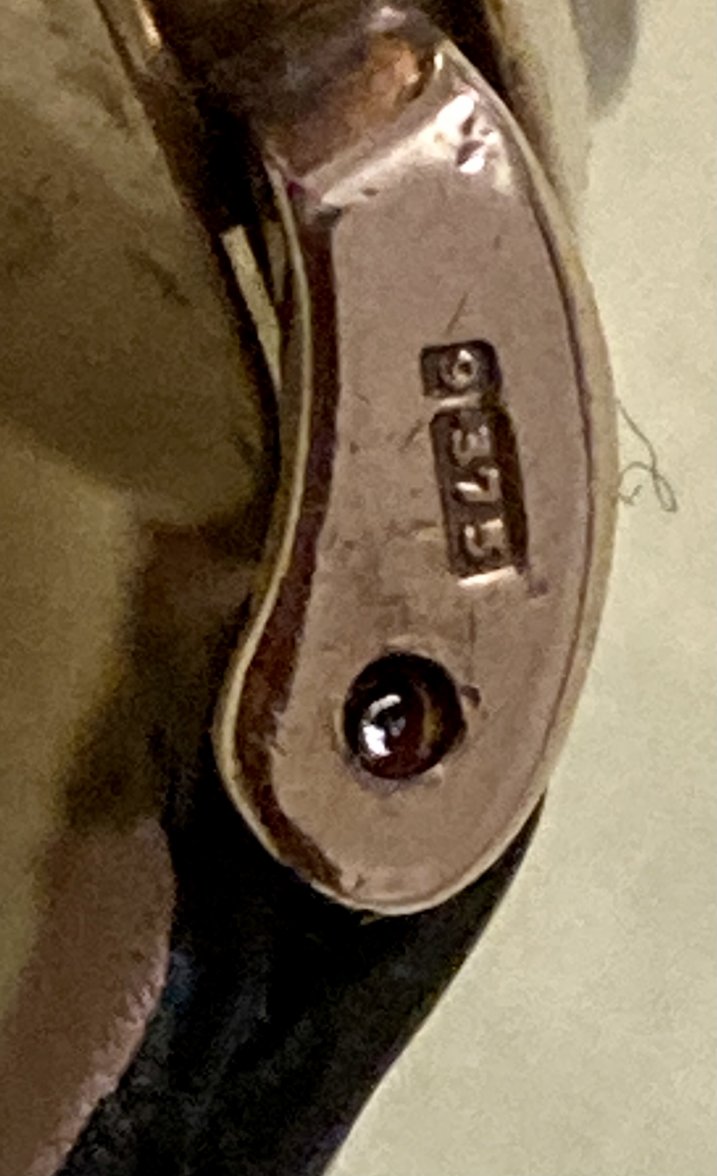
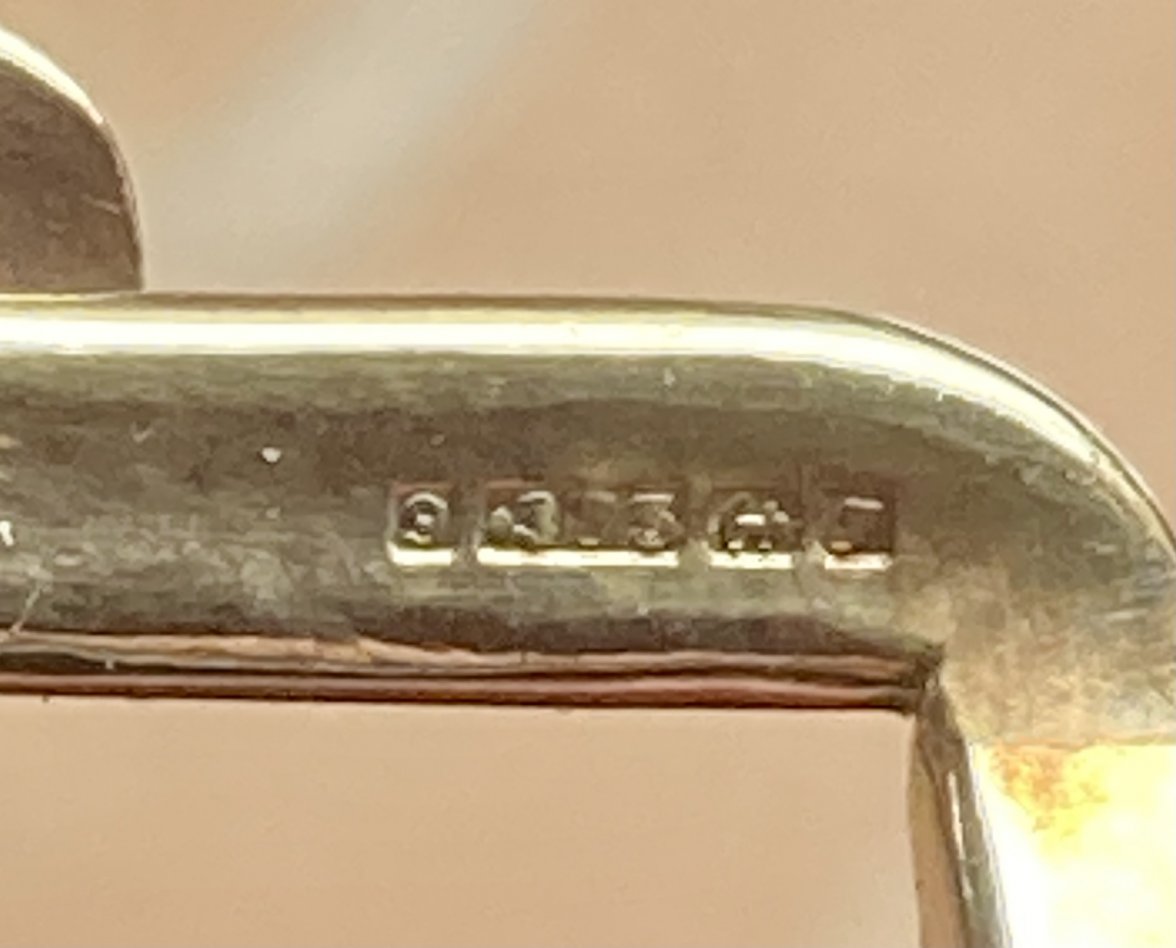
Here, the alloy helps: 9kt is a very typical choice in England, because it's real gold but also the most reasonable version compared to higher-grade gold. In other words: it's not ostentatious ultra-luxury, but it's serious, adult, bourgeois/aspirational luxury.
Given that price (several weeks' salary) and the fact that it was purchased from a jeweler, I imagine it as a watch for:
• a stable middle class: employees, technicians, professionals who aren't necessarily extremely wealthy but well-off;
• or a skilled worker/artisan/merchant, but as a special purchase, certainly not a frequent one, tied to an occasion: Christmas, an engagement/wedding, a promotion, a personal milestone. In that era, a gold automatic watch was often the classic, important gift, or I deserved it.
And the fact that it came to me with all its accessories?
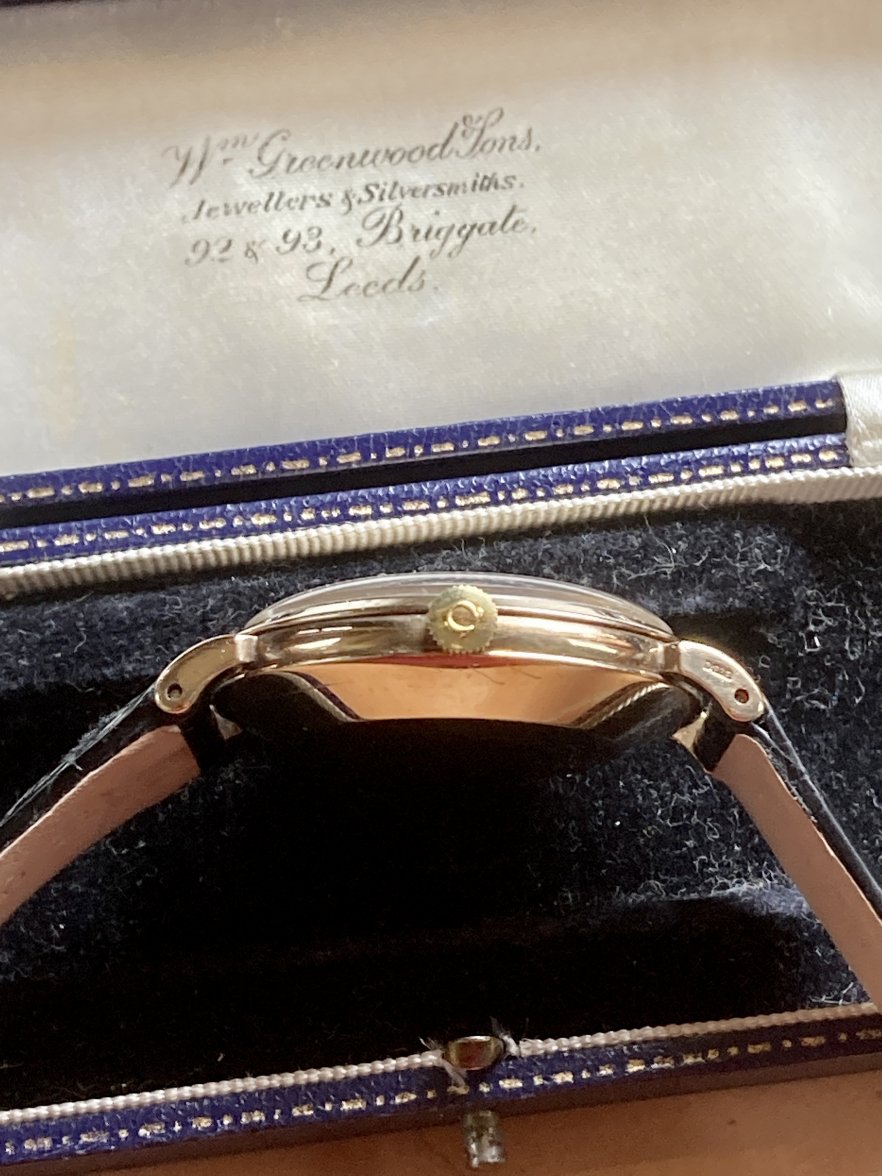
This, for me, is almost the most significant part, because keeping the invoice + warranty + boxes for decades means that whoever owned it:
• considered it a valuable asset, not just a utilitarian object
• took a certain care/order in its preservation
• and the watch probably had few changes, or at least minimal changes, such as family/inheritance, otherwise these complete sets usually get lost.
I can't reconstruct every step in between, but the impression is that it wasn't a piece that was repeatedly abused by the market. The complete set, as I see it, is already a strong indication.
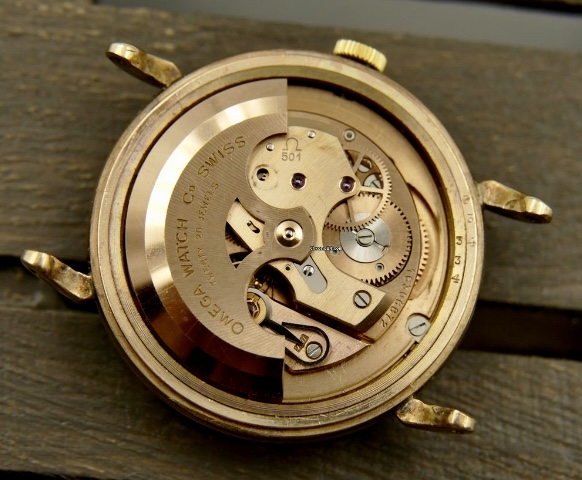
In conclusion: beyond the watch itself, which I know well on a technical level, I like the idea of holding in my hands an object that in 1958 was a truly significant purchase: a gold automatic Omega, bought in a jewelry store in Leeds, paid for more than a month's salary, and preserved well enough to have reached me still with all its world around it.