- Posts
- 2,999
- Likes
- 4,755
sheepdoll
·Years ago when working for Apple, we were in the same silicon valley industrial park as several surplus shops. I would take my lunch breaks (or stop in after work.) Going through shelves and shelves of the stuff dreams were made from.
Much of the items came from the trash dumpsters.
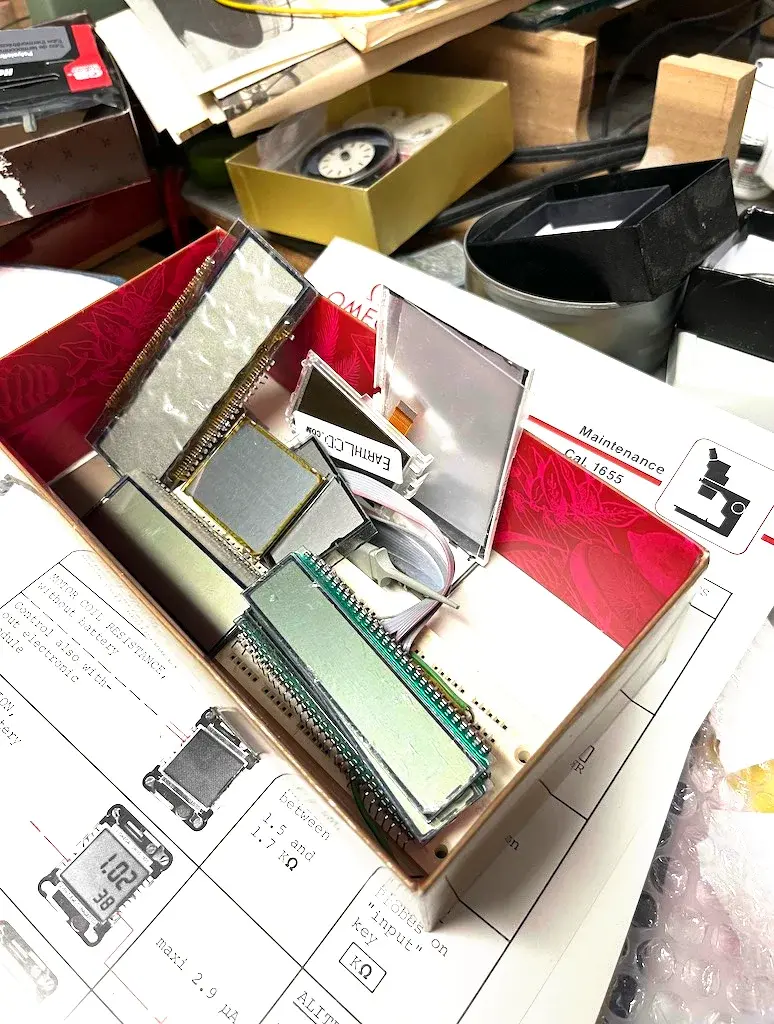
There was one shelf of bare glass LCD displays. Possibly 100s of them. No drivers no documentation. Dome of these were calculator or stop watch displays. Such items cost a few cents each. Such displays were/are common. they are cheap, take no power and are easy to make. The glass sputtered with indium tin oxide and etched then glued together with epoxy and filled with a nematic fluid.
One company I worked for made transparent calculators for placing on overhead projectors.
How they worked was by placing a low frequency wave onto the electrodes, what twisted the polarization of the crystal. By varying the timing of these waves through front and back planes, the segments could be multiplexed reducing the connector count.
By the early 2000s this was summarized in a nice little trade journal article part of which is shown here.
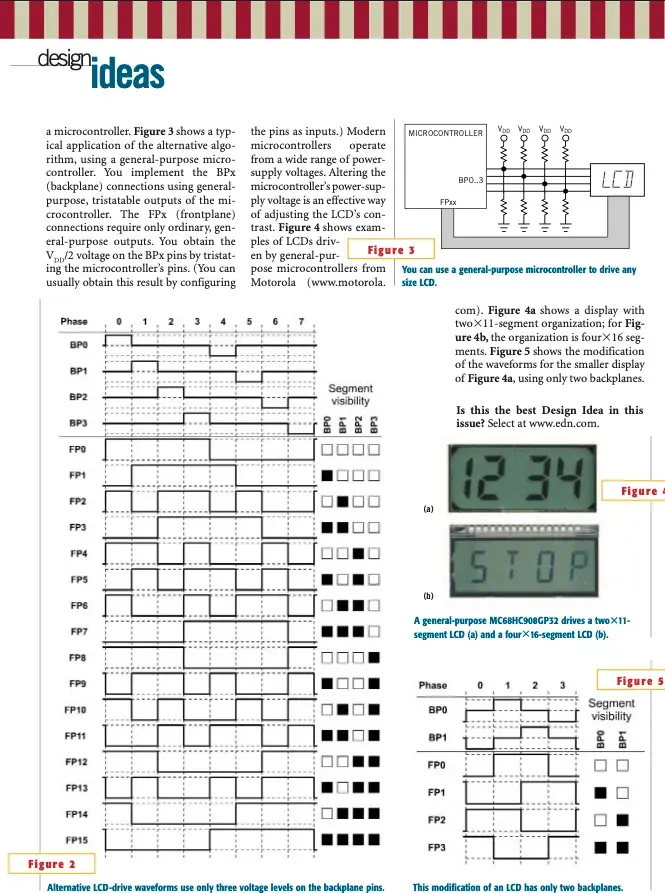
I used this to write a simple microcontroller project which I posted to github. https://github.com/sheepdoll/LCDJupiter I also spent a lot of time etching pcb boards and working out how to get one of the stopwatch displays to work. I did find part of my notes, but not that one. The goal though was to make an updated version of this project to fit into something like and old apple watch case.
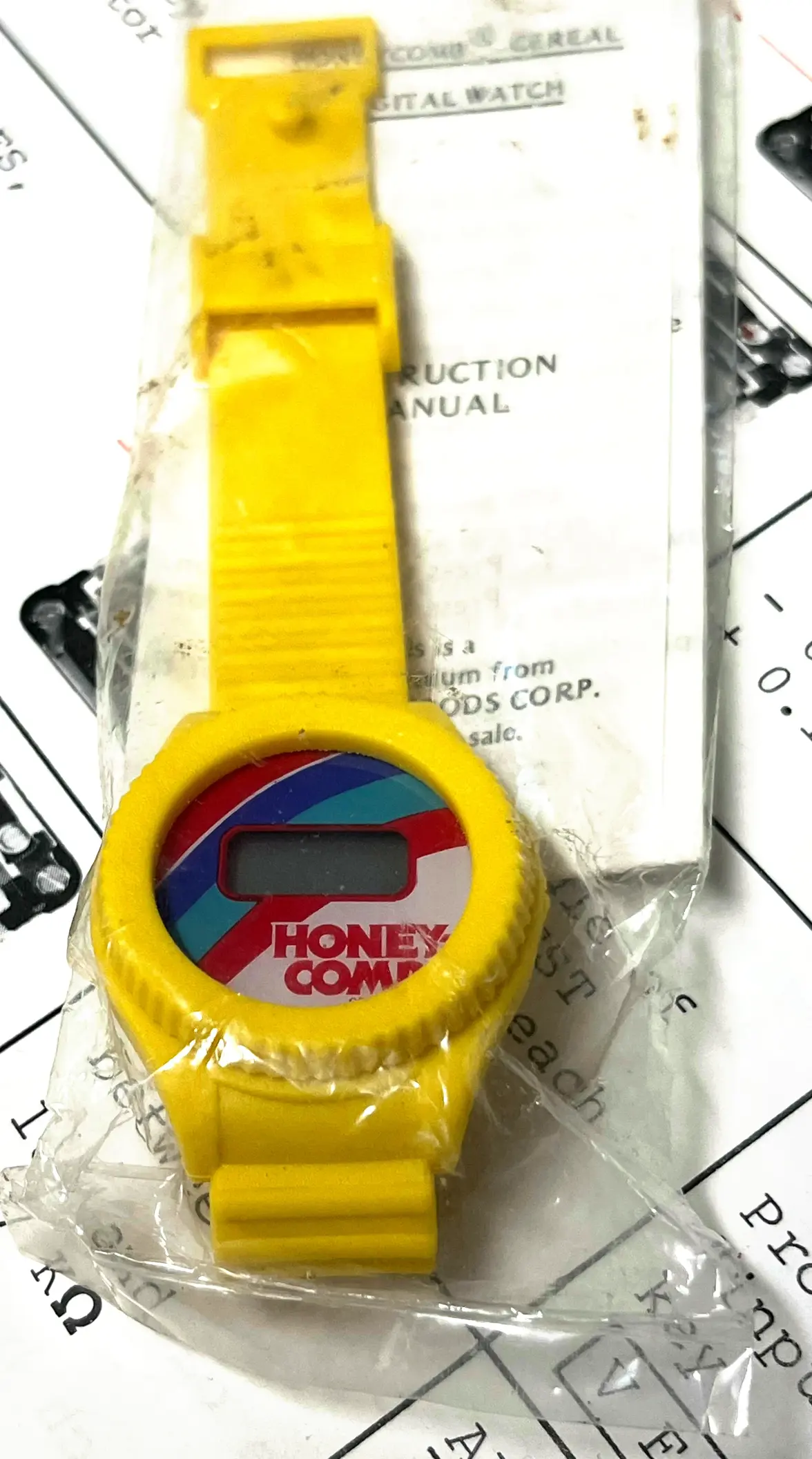
LCD watches became so common they were included in breakfast cereal.
Sometimes watches included both an analog and an LCD display.
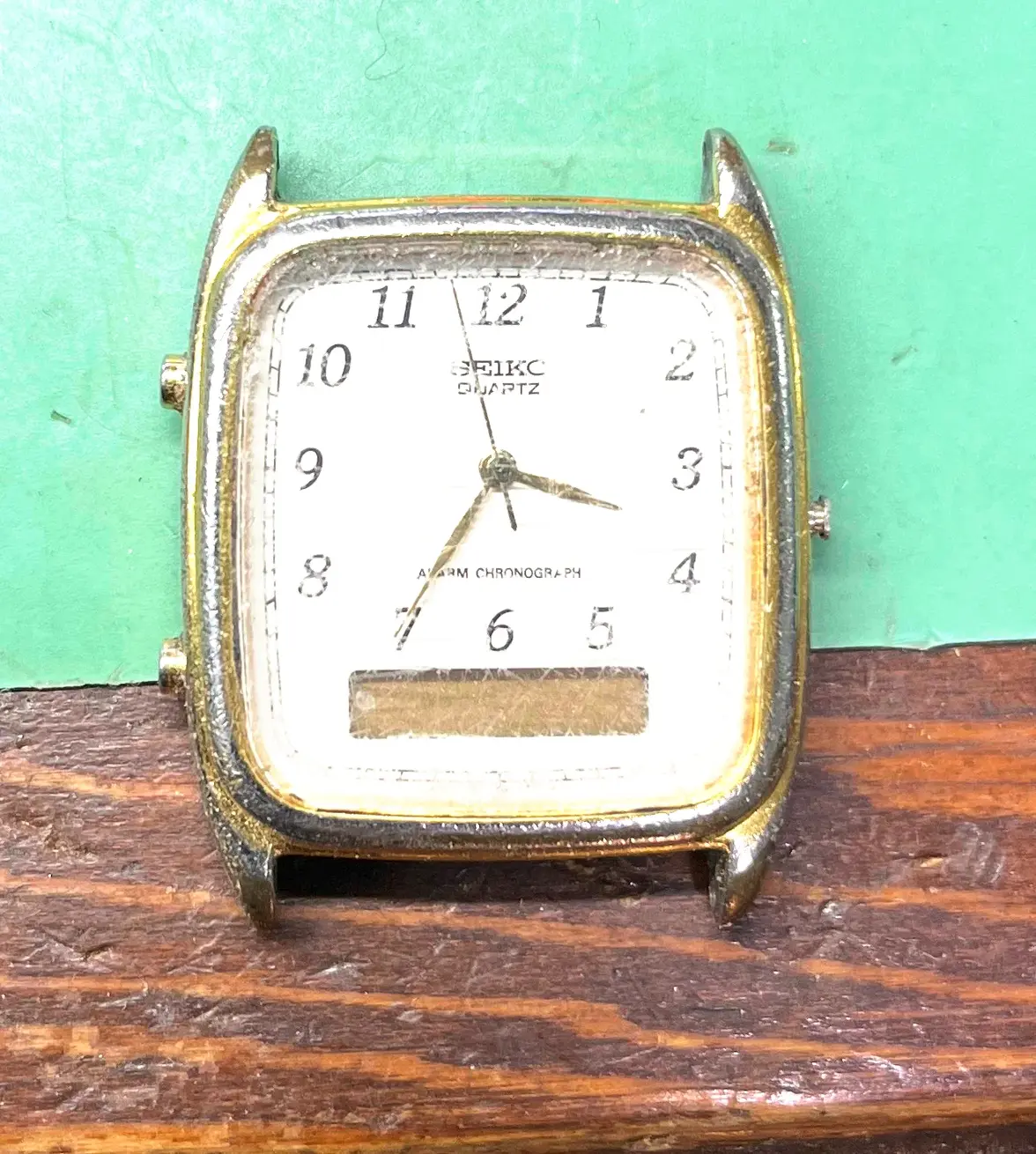
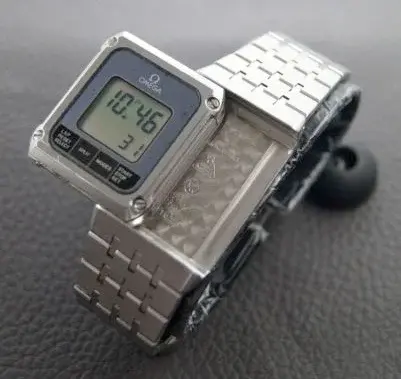 I have been wanting one of these for 50 or so years. I did get the Seiko in a box of junk. I was able to find a completely trashed Omega equinoxe. Which I now call the WOM watch or waste of money.
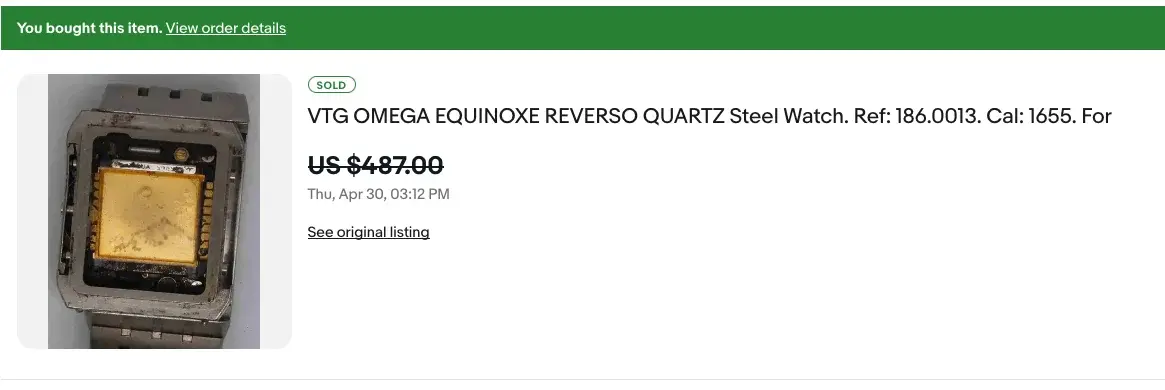
I do not know why but this mess of a watch makes me feel really good. I think it has a lot of potentional and a lot of rabbit holes to explore.
It is really hard to mess up an LCD display. So I figured this would be the one thing I could salvage from the rusted mess.
I got out the old LCD stuff and built a tester out of some learn to solder smd module kits from the maker faire.
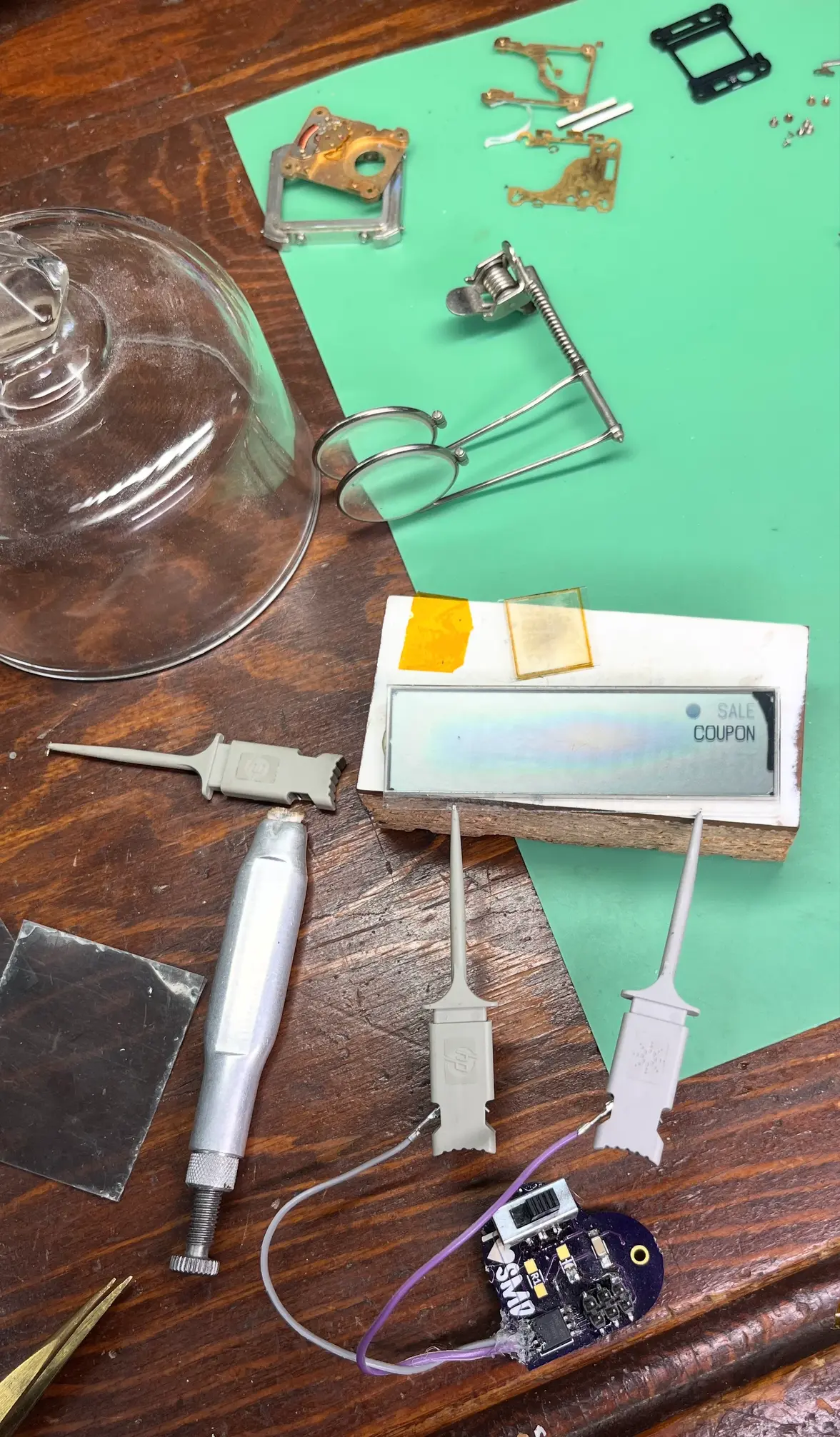
These were simple modules what would blink and LED and could be pinned on like a button. This one was heart shaped. Google AI produced some simple code what could generate a basic signal that would turn on segments and used for locating the data signals. What I did not have 24 years ago was the microprobes what could clip onto these small parts.
I verified the test board with an old cash register display, which fell on the floor and got stepped upon (I was wearing socks). It still however works, but the crystal leaked on one side. Which is a good test for a failure mode.
I also dismembered the Seiko. Managing to loose one of the gears. But I wanted the LCD display as a reference to the 1655 equinoxe display.
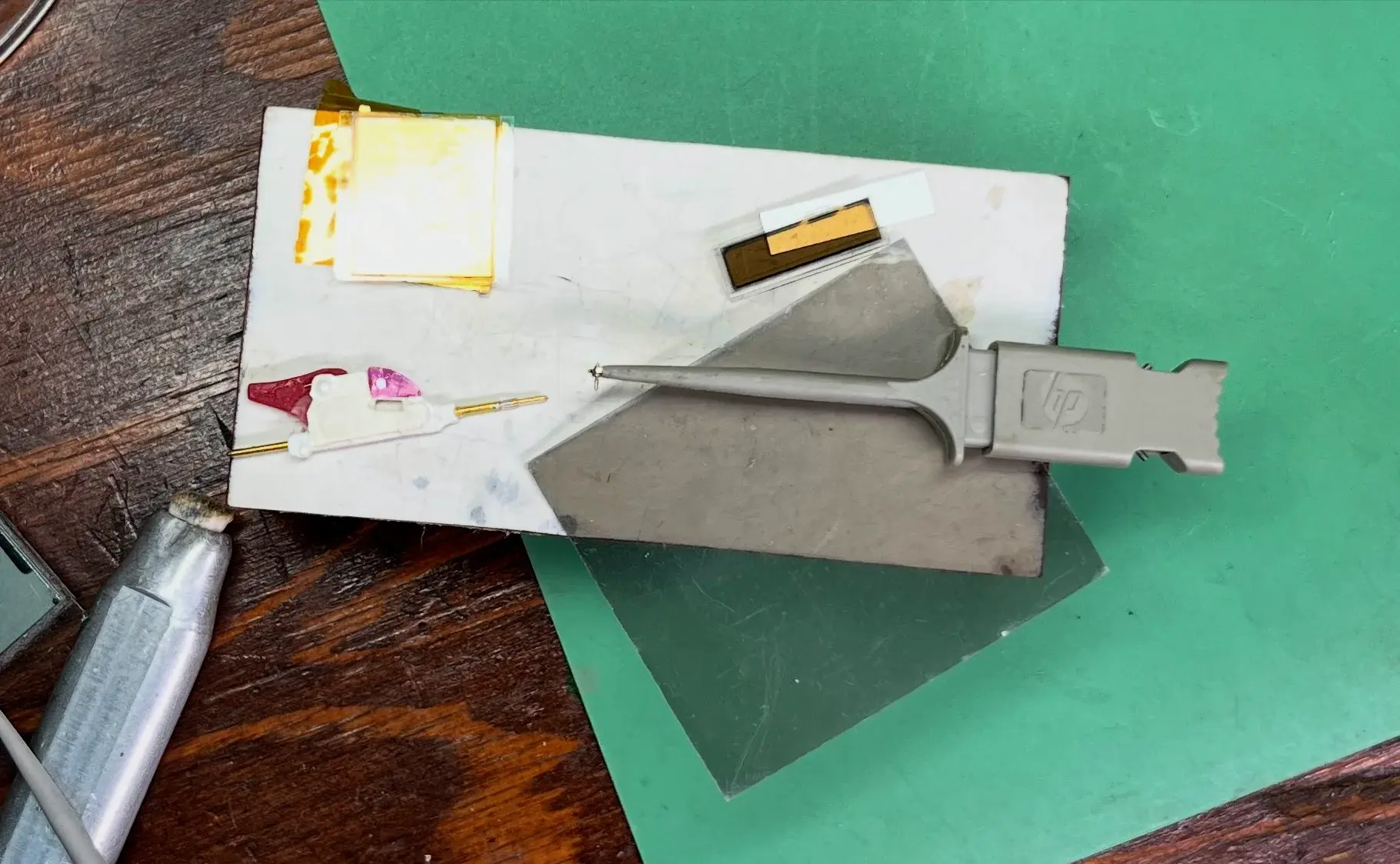
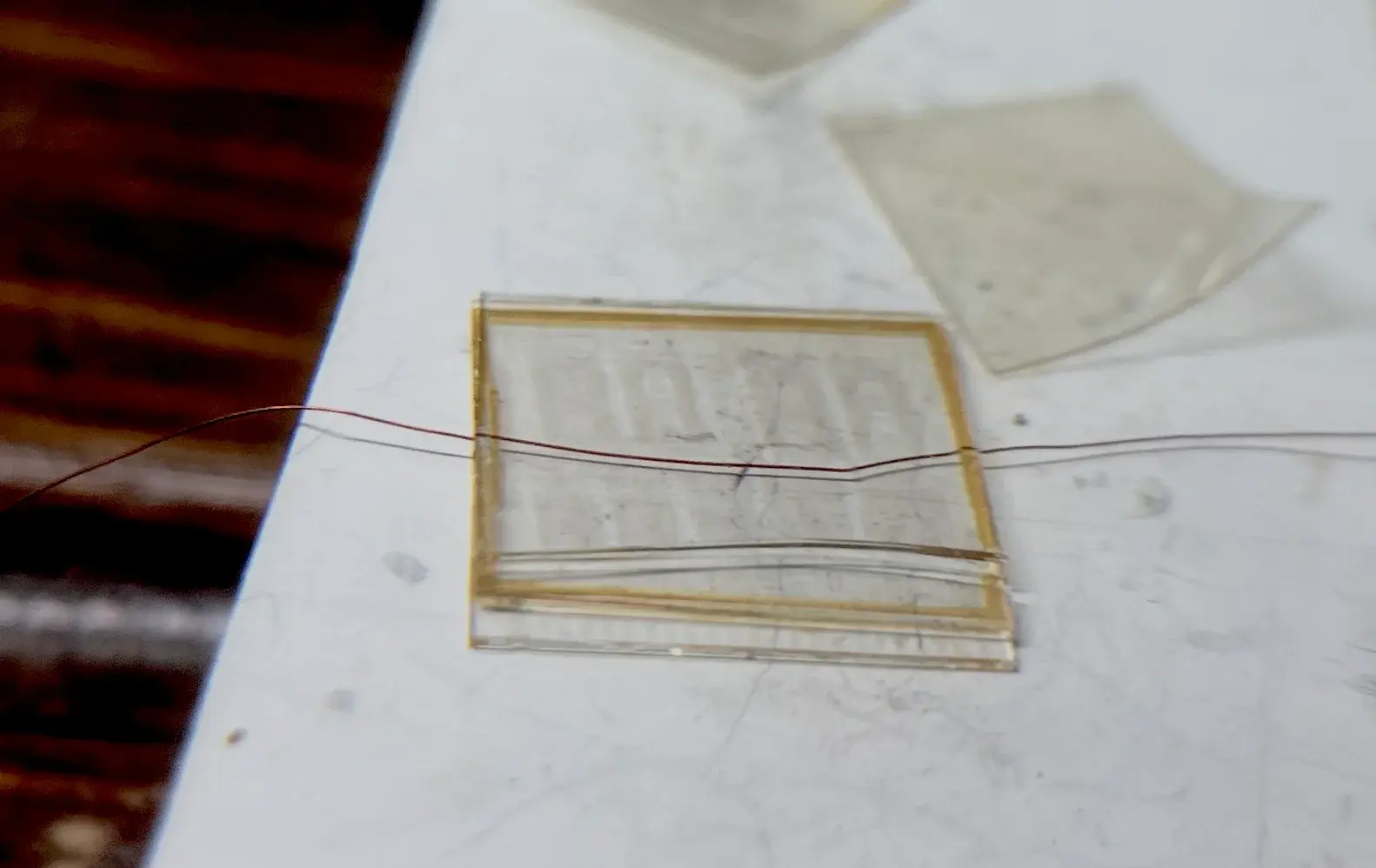
I could get not segments on the 1655 display to light. I only have the one really tiny probe. most of the probes I have are for larger devices .5mm rather than 001mm. So I found that I could clip onto an old balance staff to make a really tiny probe. These displays are really small.
A common failure when segments do not light is faded polarizer film. I had some film left over from the old projects. This however was not the solution to getting the 1655. display to light segments.
The photographs of the 1655 display show what looks like some sort of stuff staining the surface. Attempts to remove this scratched the polarizing screen. Which is held onto the glass with some sort of sticky glue like tape.
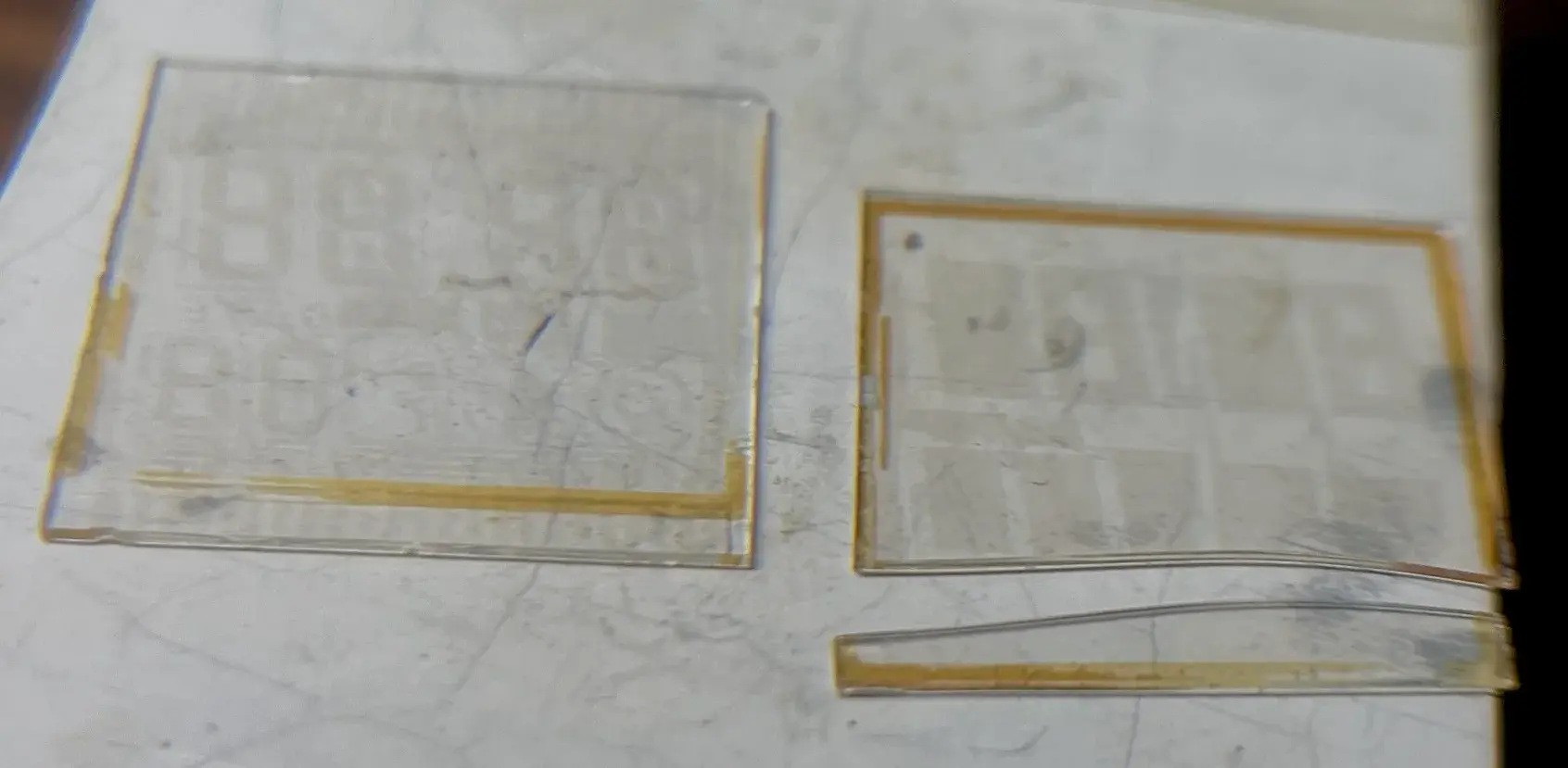
Removing this shows the staining is between the glass plates.
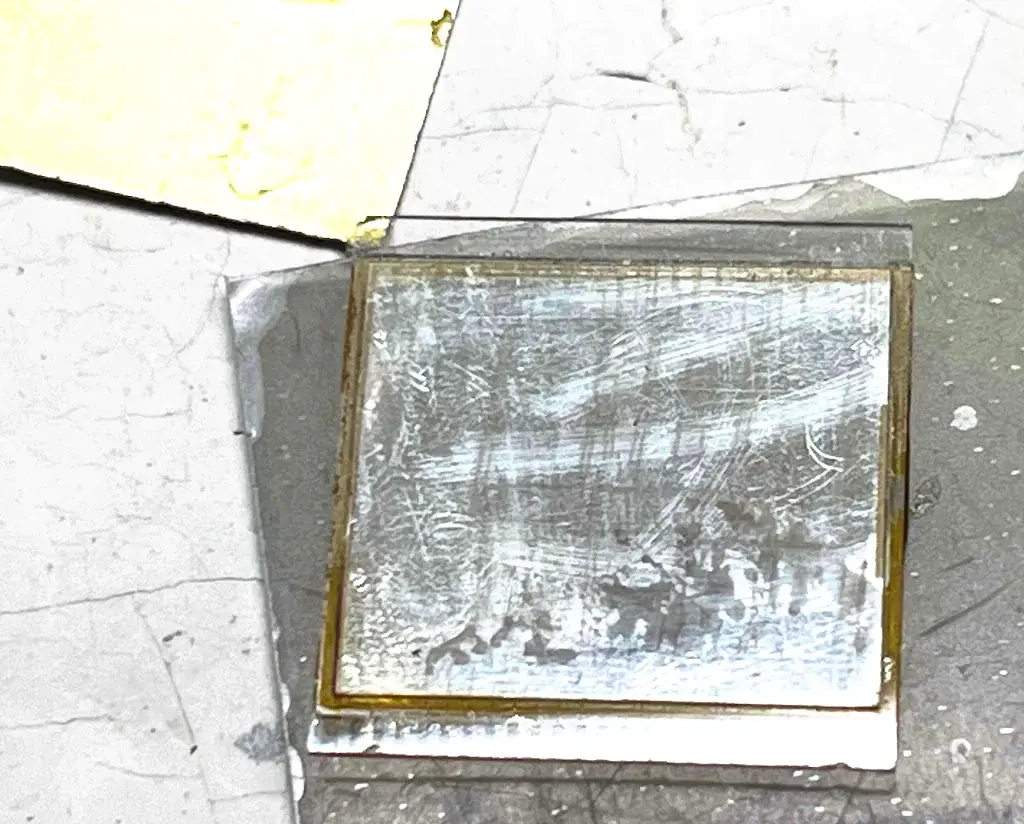
I was able to get a decent macro photo of the display. The old film shows zero polarization. The replacement film shows no effect. In cleaning the residual glue with IPA and contact solvent (Heptain?) I noticed it wicking passed the epoxy seal. There is no nematic in it what so ever.
So this display failed completely ;(
Which actually makes me feel like I wasted the money in a good way. Disappointing as I was looking forward to probing and working out the multiplexing.
In the auction photo the display does look trashed with a sort of satisfying eerie glow from the back reflector. A true case of what you see is what you get.
I set all this aside and decided to take a look at the circuit board. The motor coil measure good on the analog side. Since the 1655 shares parts with the 1365 (what are really different watches.) I got some 1365 movements. I also built a little tester for the 134x movements.
The question was there any functionality of the electronics module?
These tick at a rate of once per second. So waiting for a motor pulse is tiresome. They do have setting modes. I was able to acquire a mainenece sheet from and Australian eBay auction. This allowed me to look at the electronics module with a scope.
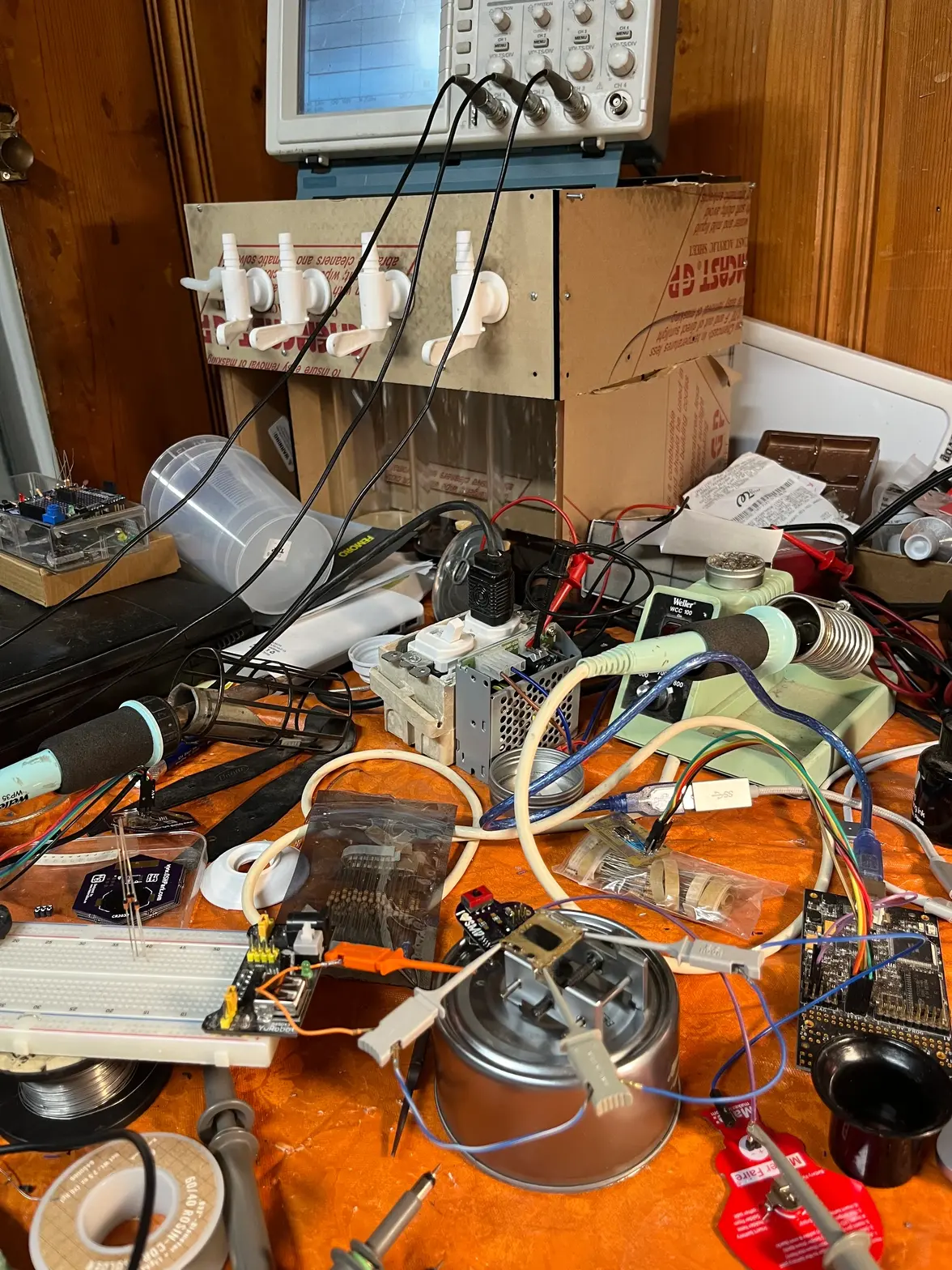 One really does need a dedicated machine like the Alitest and Deltatest mentoned in the Maintenance documents.
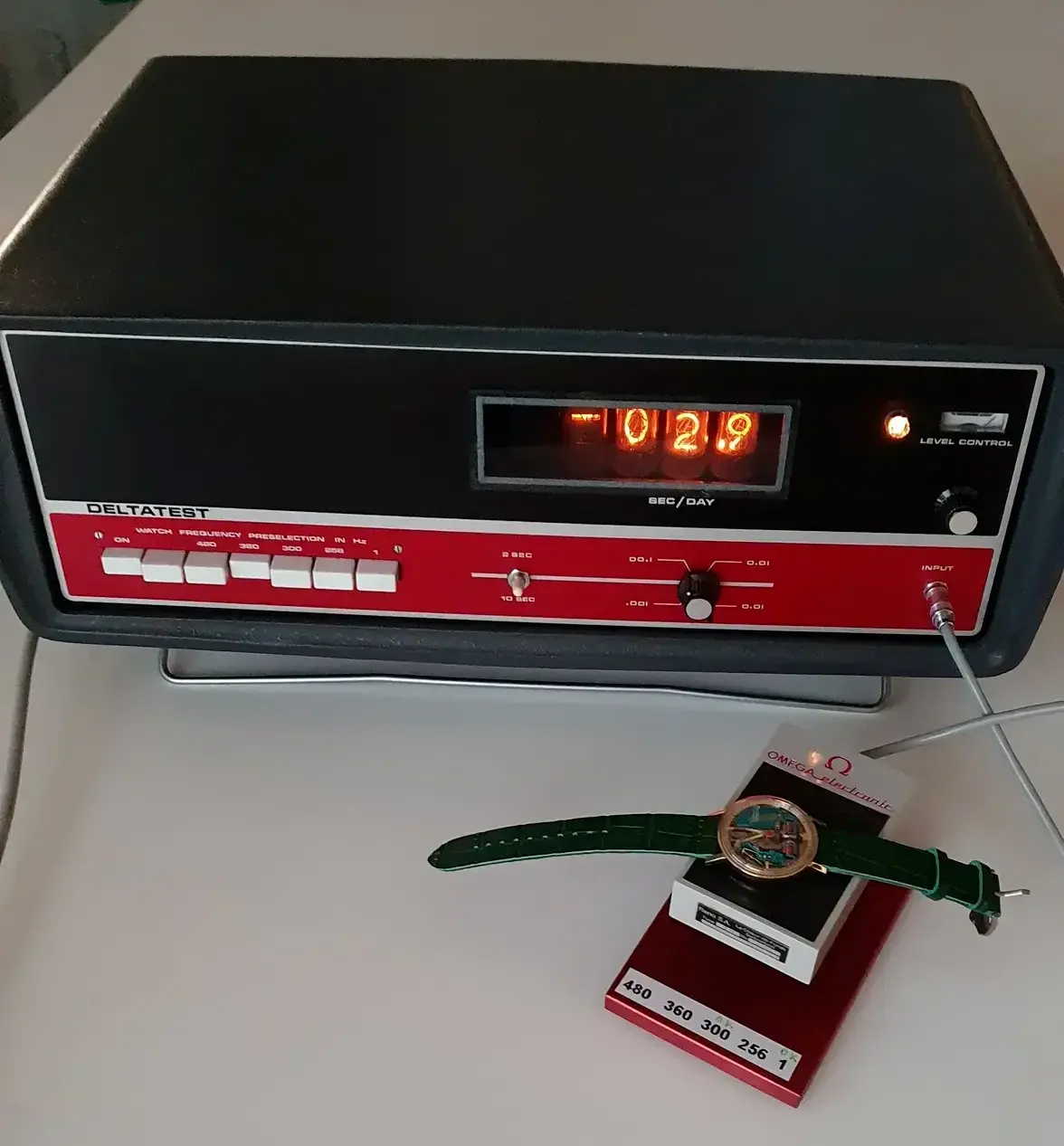
This uses inductive coupling to read the signals from the electronics modules. The microprobes and balance staff do work after a fashion, but it is hard to get photographs of the signal traces.
The important thing is that the signals are there on the electronics board. The quartz is oscillating, the lcd back plain has waveform and the motor pulses are present in setting mode. Most of the damage seems to relate to the alarm function. Enough to continue throwing bad money after this project. (And I got a bonus 1365 watch and another 134x watch working.)
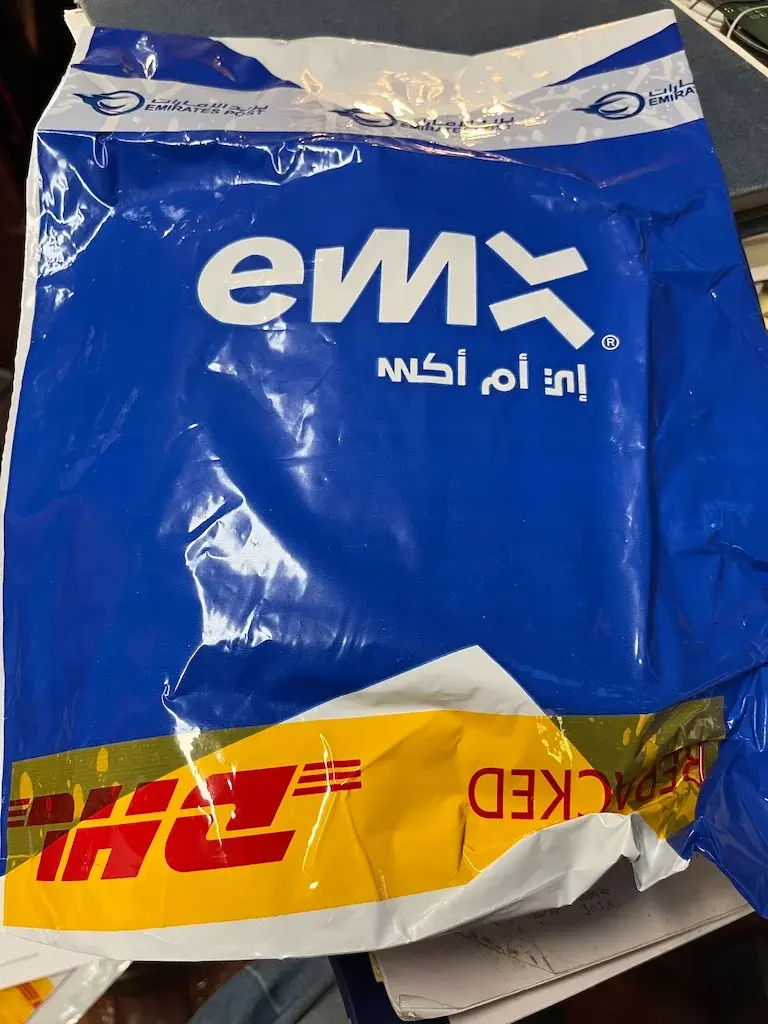
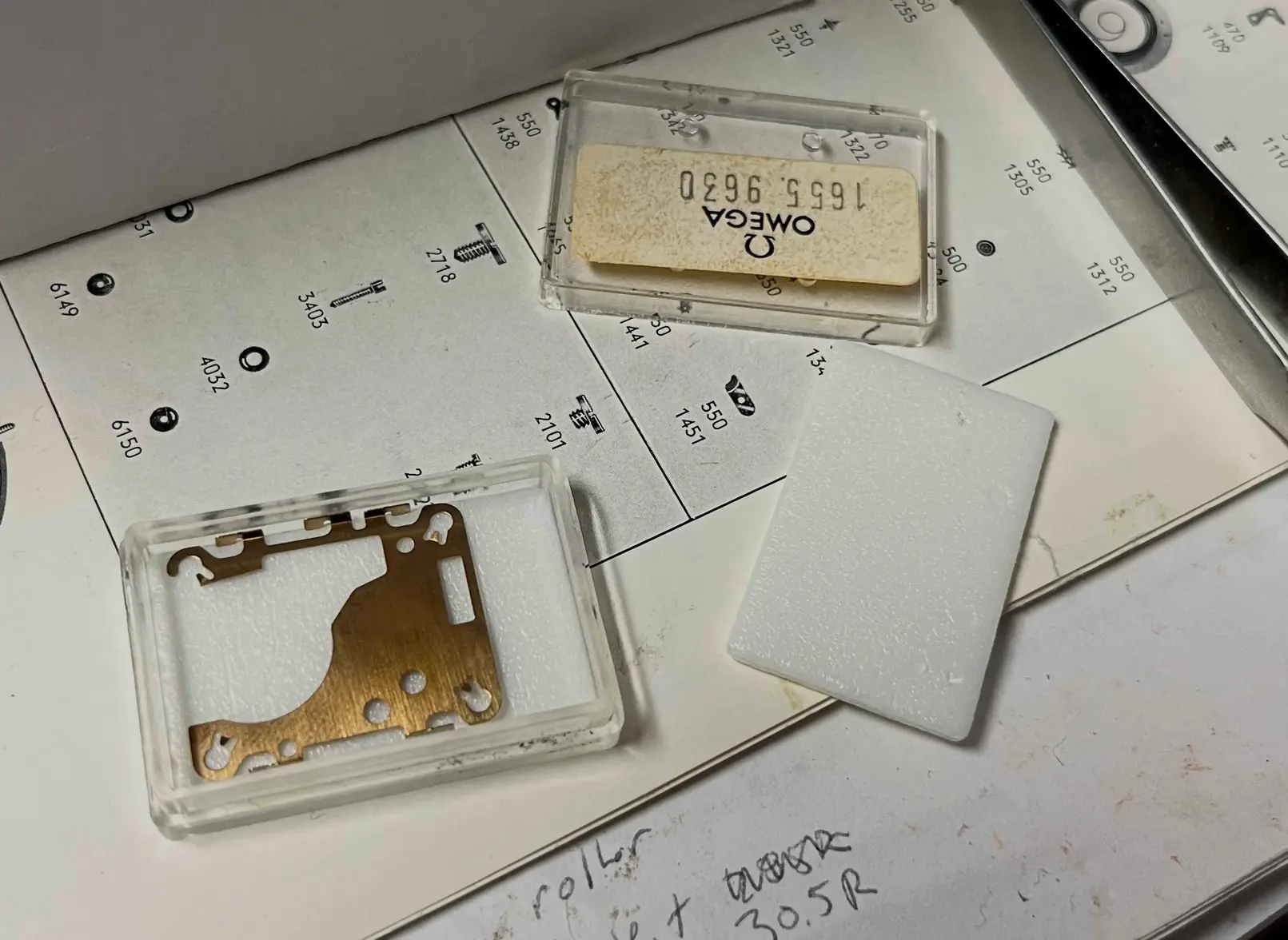
Quite a few of the 1655 parts are available on the secondary. Markets. There is something called ScotchWatch which I never have tried. So I ordered a new module. There are 8 in stock. A French seller had multples of the corroded parts. I ordered a new contactor plate from Dubi in the UAE where there are also multiples listed. The French parts have arrived.
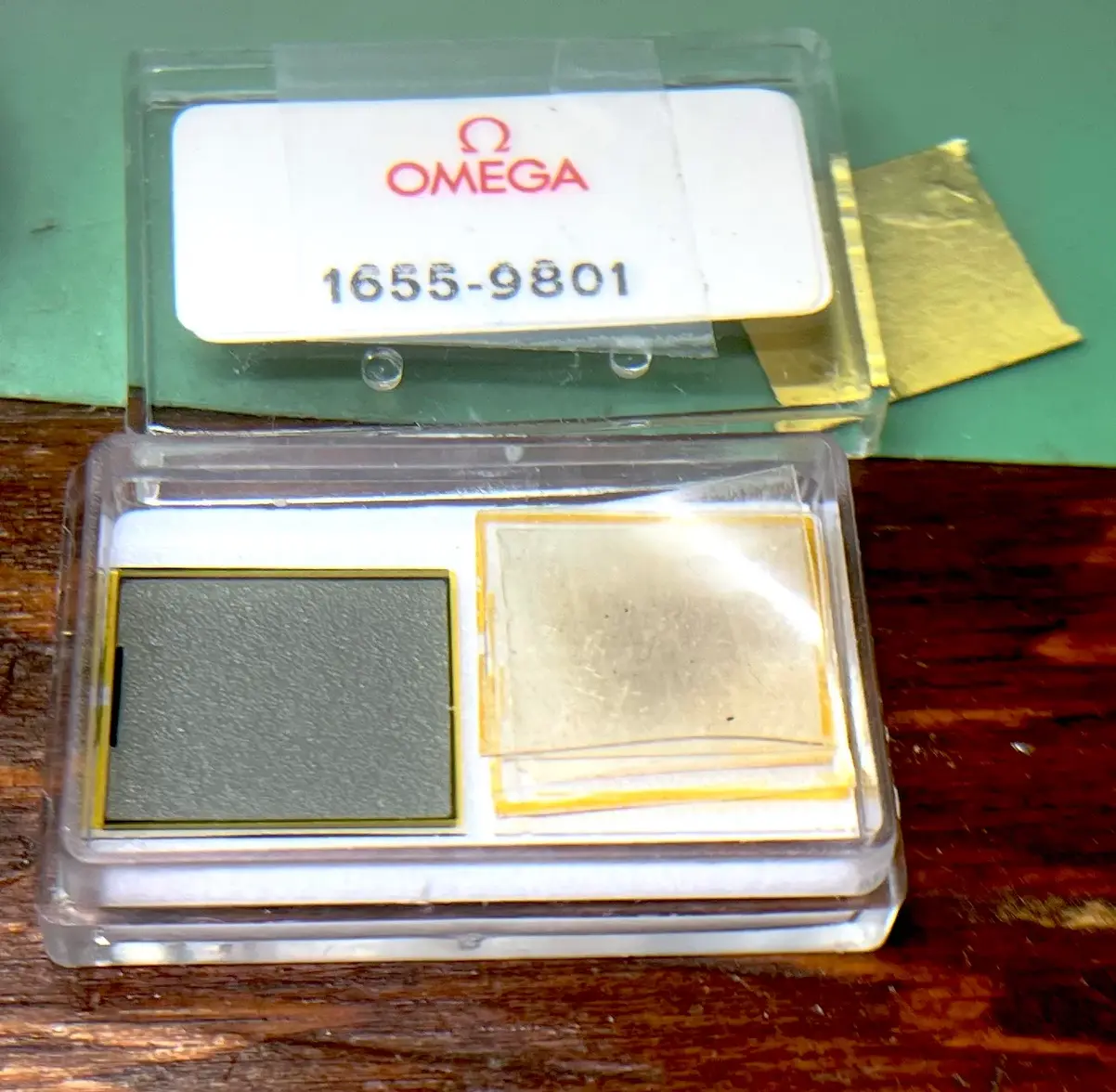
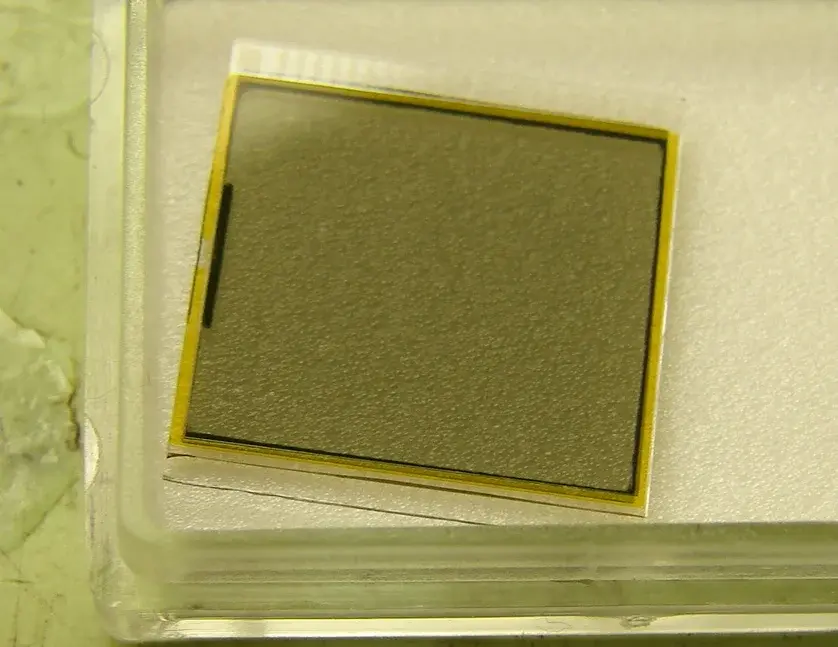
I received photographs of the new display, where it can clearly be seen that the polarizing film is intact and the edges black where the nematic interacts with the epoxy seal.
So there is hope yet for this project.
I noticed that in a lot of these it is the analog side what has failed, so will be interesting to see what happens when I clean and reassemble those parts.
I also note that it is better to purchase complete broken watches than fragments of broken watches. This is probably going to cost me more than market rate in the end. Especially that I am still missing the bezels and cover crystals (one which contains the alarm speaker.)
(This post has been in the work for the last few months, So I am surprised it did not turn into another stream of consciousness wall of text installment.)
Much of the items came from the trash dumpsters.
There was one shelf of bare glass LCD displays. Possibly 100s of them. No drivers no documentation. Dome of these were calculator or stop watch displays. Such items cost a few cents each. Such displays were/are common. they are cheap, take no power and are easy to make. The glass sputtered with indium tin oxide and etched then glued together with epoxy and filled with a nematic fluid.
One company I worked for made transparent calculators for placing on overhead projectors.
How they worked was by placing a low frequency wave onto the electrodes, what twisted the polarization of the crystal. By varying the timing of these waves through front and back planes, the segments could be multiplexed reducing the connector count.
By the early 2000s this was summarized in a nice little trade journal article part of which is shown here.
I used this to write a simple microcontroller project which I posted to github. https://github.com/sheepdoll/LCDJupiter I also spent a lot of time etching pcb boards and working out how to get one of the stopwatch displays to work. I did find part of my notes, but not that one. The goal though was to make an updated version of this project to fit into something like and old apple watch case.
LCD watches became so common they were included in breakfast cereal.
Sometimes watches included both an analog and an LCD display.
I do not know why but this mess of a watch makes me feel really good. I think it has a lot of potentional and a lot of rabbit holes to explore.
It is really hard to mess up an LCD display. So I figured this would be the one thing I could salvage from the rusted mess.
I got out the old LCD stuff and built a tester out of some learn to solder smd module kits from the maker faire.
These were simple modules what would blink and LED and could be pinned on like a button. This one was heart shaped. Google AI produced some simple code what could generate a basic signal that would turn on segments and used for locating the data signals. What I did not have 24 years ago was the microprobes what could clip onto these small parts.
I verified the test board with an old cash register display, which fell on the floor and got stepped upon (I was wearing socks). It still however works, but the crystal leaked on one side. Which is a good test for a failure mode.
I also dismembered the Seiko. Managing to loose one of the gears. But I wanted the LCD display as a reference to the 1655 equinoxe display.
I could get not segments on the 1655 display to light. I only have the one really tiny probe. most of the probes I have are for larger devices .5mm rather than 001mm. So I found that I could clip onto an old balance staff to make a really tiny probe. These displays are really small.
A common failure when segments do not light is faded polarizer film. I had some film left over from the old projects. This however was not the solution to getting the 1655. display to light segments.
The photographs of the 1655 display show what looks like some sort of stuff staining the surface. Attempts to remove this scratched the polarizing screen. Which is held onto the glass with some sort of sticky glue like tape.
Removing this shows the staining is between the glass plates.
I was able to get a decent macro photo of the display. The old film shows zero polarization. The replacement film shows no effect. In cleaning the residual glue with IPA and contact solvent (Heptain?) I noticed it wicking passed the epoxy seal. There is no nematic in it what so ever.
So this display failed completely ;(
Which actually makes me feel like I wasted the money in a good way. Disappointing as I was looking forward to probing and working out the multiplexing.
In the auction photo the display does look trashed with a sort of satisfying eerie glow from the back reflector. A true case of what you see is what you get.
I set all this aside and decided to take a look at the circuit board. The motor coil measure good on the analog side. Since the 1655 shares parts with the 1365 (what are really different watches.) I got some 1365 movements. I also built a little tester for the 134x movements.
The question was there any functionality of the electronics module?
These tick at a rate of once per second. So waiting for a motor pulse is tiresome. They do have setting modes. I was able to acquire a mainenece sheet from and Australian eBay auction. This allowed me to look at the electronics module with a scope.
This uses inductive coupling to read the signals from the electronics modules. The microprobes and balance staff do work after a fashion, but it is hard to get photographs of the signal traces.
The important thing is that the signals are there on the electronics board. The quartz is oscillating, the lcd back plain has waveform and the motor pulses are present in setting mode. Most of the damage seems to relate to the alarm function. Enough to continue throwing bad money after this project. (And I got a bonus 1365 watch and another 134x watch working.)
Quite a few of the 1655 parts are available on the secondary. Markets. There is something called ScotchWatch which I never have tried. So I ordered a new module. There are 8 in stock. A French seller had multples of the corroded parts. I ordered a new contactor plate from Dubi in the UAE where there are also multiples listed. The French parts have arrived.
I received photographs of the new display, where it can clearly be seen that the polarizing film is intact and the edges black where the nematic interacts with the epoxy seal.
So there is hope yet for this project.
I noticed that in a lot of these it is the analog side what has failed, so will be interesting to see what happens when I clean and reassemble those parts.
I also note that it is better to purchase complete broken watches than fragments of broken watches. This is probably going to cost me more than market rate in the end. Especially that I am still missing the bezels and cover crystals (one which contains the alarm speaker.)
(This post has been in the work for the last few months, So I am surprised it did not turn into another stream of consciousness wall of text installment.)