Omega Cal. 565 Movement: Assessing Health from Photos

Posts
227
Likes
801
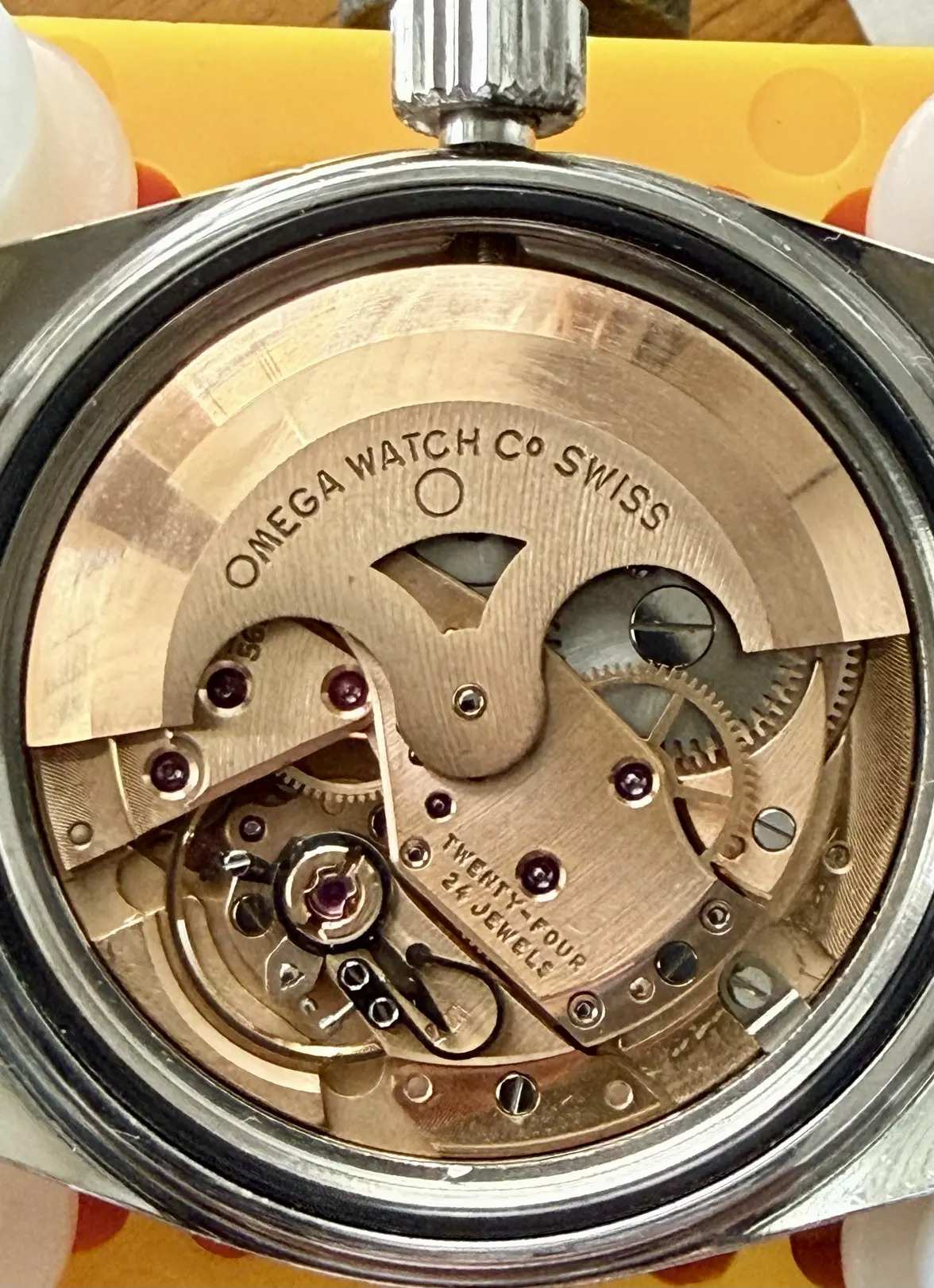
Hi Omega Forum friends, to those of you who know what you’re looking at, would it be possible to get a general idea of a movement’s health from pictures? I think it looks clean but what do I know? Not much. Any thoughts are greatly appreciated! Thank you!

 
Posts
18,399
Likes
38,326
Regarding appearance, I like 565s and this one looks nice.
Regarding health of the movement. Impossible to say.
A valid health assessment will, at the very least, require a physical inspection and a timegrapher test.
 
Posts
227
Likes
801
Thank you. Will have it serviced - just wanted to see if I might be in for bad news from something obvious to someone (other than me). Cheers!
 
Posts
3,398
Likes
7,549
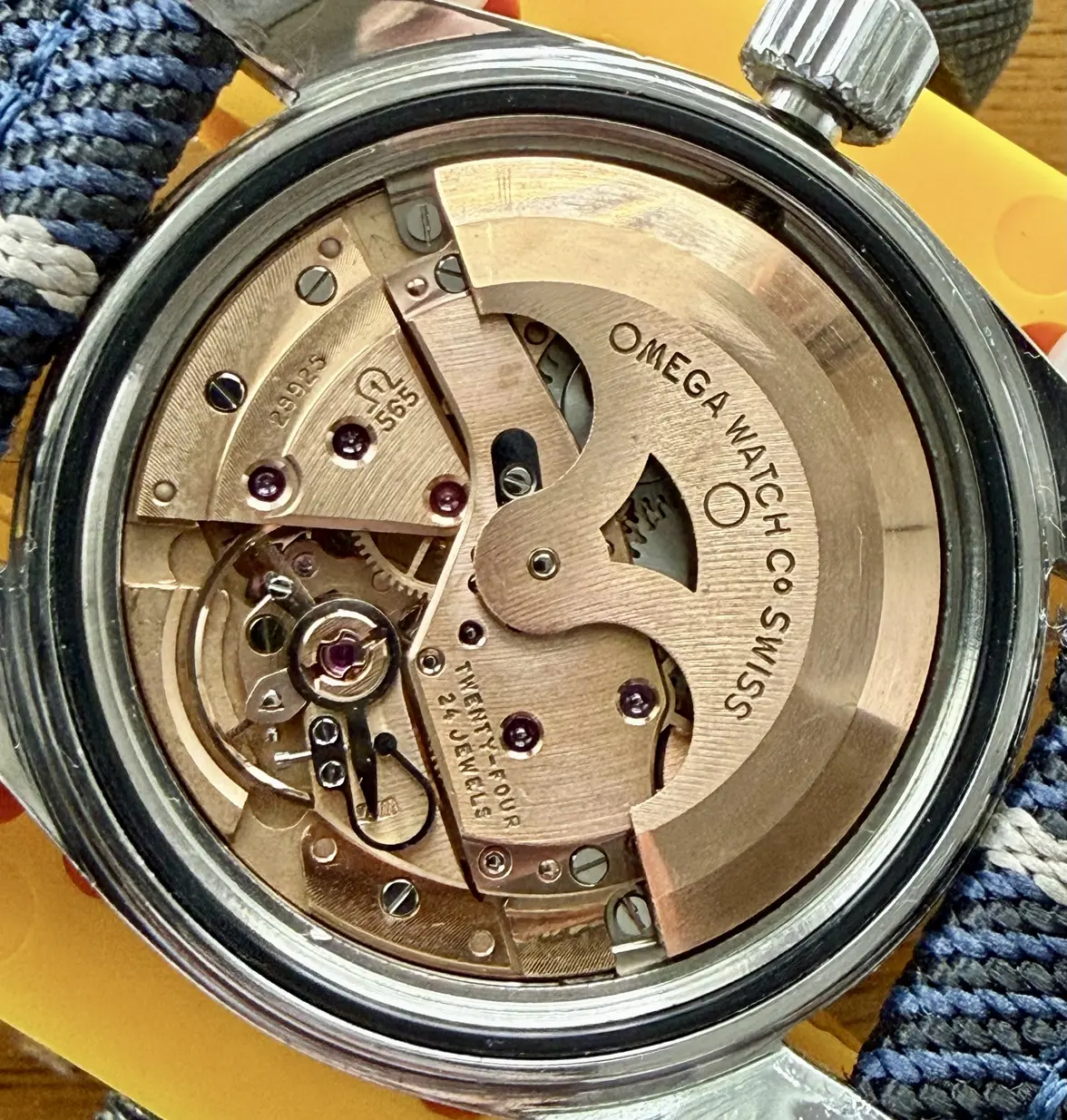
As a collector with limited knowledge of watchmaking, when I have 1 or more movement photos, I look for the following:

Does it look clean, or filthy?
Any signs of case corrosion around the perimeter?
Any signs of rust in movement?
Is there a caseback seal present?
Are there any missing screws, jewel holes without a jewel?
Are case clamps present, with screws?
Are the visible wheels intact- any obvious missing teeth?
Are the screwheads damaged, suggesting amateur work?
Is the regulator way off to one side- fast or slow suggesting dire need of service?
Does the automatic rotor show signs of wear on top edges, suggesting rotor rub?
If its a chronometer does it have the correct markings for jewels and temperature adjustment etc to fit the reference?
Do the various bridges have a consistent color?

The movement above would pass most of not all of these questions BTW
While you cant tell how it runs, the above checks will give insight into how the watch has been kept by prior owners.

Im sure others can add to this list.
 
Posts
227
Likes
801
As a collector with limited knowledge of watchmaking, when I have 1 or more movement photos, I look for the following:

Does it look clean, or filthy?
Any signs of case corrosion around the perimeter?
Any signs of rust in movement?
Is there a caseback seal present?
Are there any missing screws, jewel holes without a jewel?
Are case clamps present, with screws?
Are the visible wheels intact- any obvious missing teeth?
Are the screwheads damaged, suggesting amateur work?
Is the regulator way off to one side- fast or slow suggesting dire need of service?
Does the automatic rotor show signs of wear on top edges, suggesting rotor rub?
If its a chronometer does it have the correct markings for jewels and temperature adjustment etc to fit the reference?
Do the various bridges have a consistent color?

The movement above would pass most of not all of these questions BTW
While you cant tell how it runs, the above checks will give insight into how the watch has been kept by prior owners.

Im sure others can add to this list.
Thank you so much for this comprehensive checklist! This is very helpful for someone like me that doesn't fully understand the inner workings of a watch. Hopefully it will be helpful to someone else too. I really appreciate you taking the time to write all of this out. So appreciative! Thanks and cheers!
 
Posts
3,773
Likes
6,416
You can check the cannon pinion by pulling the crown one notch, turn the hands backward.
If second hand jerks backwards or stops, it is good.
If second hand keeps on going like normal, it is bad 😥
 
Posts
8,028
Likes
36,353
As a collector with limited knowledge of watchmaking, when I have 1 or more movement photos, I look for the following:

Does it look clean, or filthy?
Any signs of case corrosion around the perimeter?
Any signs of rust in movement?
Is there a caseback seal present?
Are there any missing screws, jewel holes without a jewel?
Are case clamps present, with screws?
Are the visible wheels intact- any obvious missing teeth?
Are the screwheads damaged, suggesting amateur work?
Is the regulator way off to one side- fast or slow suggesting dire need of service?
Does the automatic rotor show signs of wear on top edges, suggesting rotor rub?
If its a chronometer does it have the correct markings for jewels and temperature adjustment etc to fit the reference?
Do the various bridges have a consistent color?

The movement above would pass most of not all of these questions BTW
While you cant tell how it runs, the above checks will give insight into how the watch has been kept by prior owners.

Im sure others can add to this list.
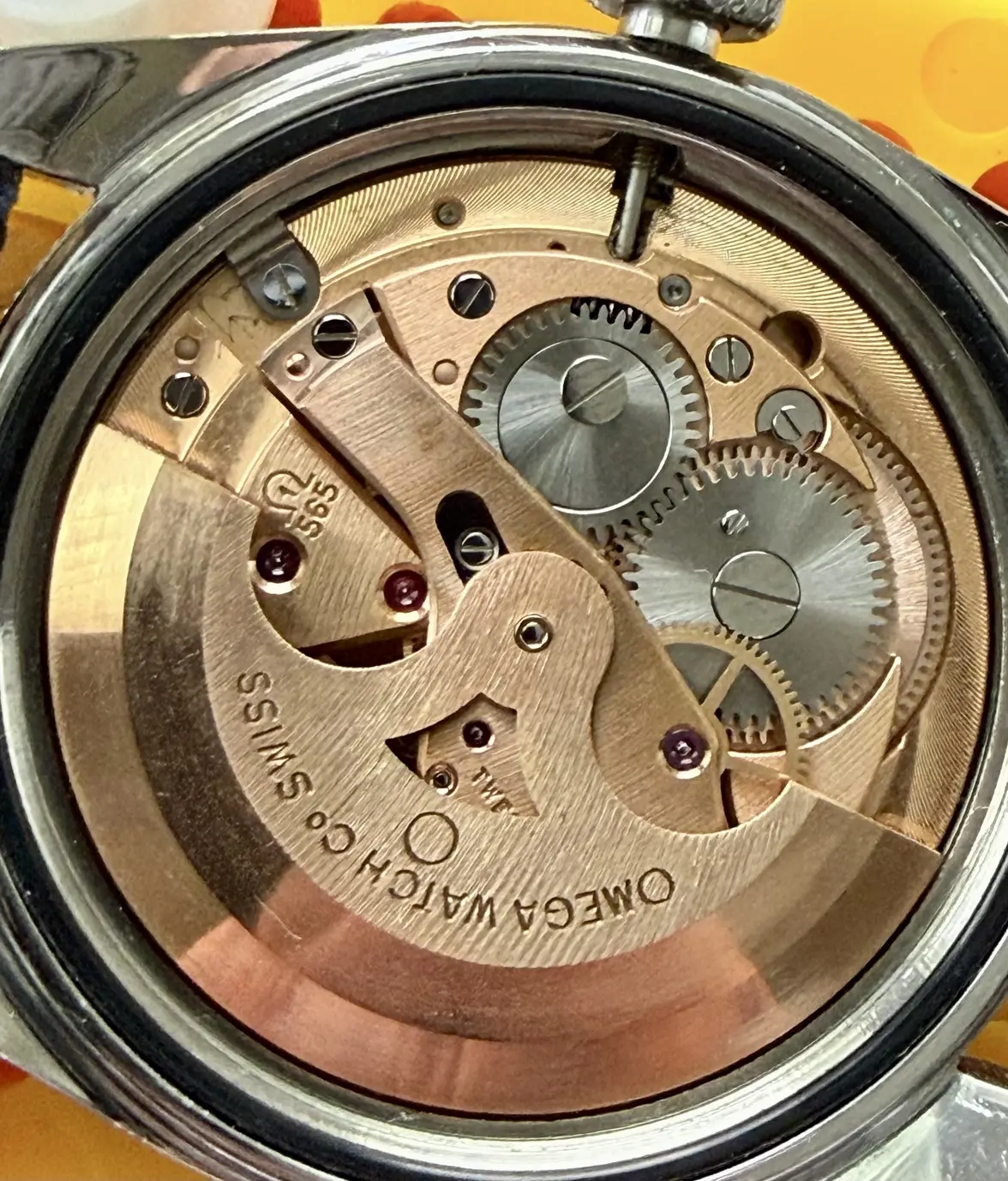
That's a great list and should maybe go into some kind of sticky somewhere @dsio

I'm not technical either but these are all the things I look for too. Just one addition, especially with 1950s and onwards movements, is to check for the nice coppery colour of the movement...a sign that is hasn't been overly aggressively cleaned with god knows what during service.
 
Posts
227
Likes
801
You can check the cannon pinion by pulling the crown one notch, turn the hands backward.
If second hand jerks backwards or stops, it is good.
If second hand keeps on going like normal, it is bad 😥
Thank you! On this watch, thankfully the second hand stops when turning other hands backwards. Good to know!
 
Posts
881
Likes
1,692
Re grading the cannon pinion. When you turn the hands and it feels way too easy the cannon pinion is loose and the hands may not turn with the time. If it is very tight to turn don’t force it. This means the cannon pinion is way too tight and all you will do is strip the teeth off the minute wheel.