Movement size in relation to case diameter

Posts
198
Likes
76
Hi. The 42 mm Seamaster 300 has the apparently small 8500 movement which even fits in the smaller 38 or is it 39 mm Aqua Terra.
On the other hand, the 8900 nicely fills up the 41 mm Aqua Terra.
I wonder: is there any advantage of a well fitted movement? Or disadvantage of a small fitted movement? Or is it just an aesthetic thing?
Edited:
 
Posts
5,636
Likes
5,813
Hi. The 42 mm Seamaster 300 has the apparently small 8500 movement which even fits in the smaller 38 or is it 39 mm Aqua Terra.
On the other hand, the 8900 nicely fills up the 41 mm Aqua Terra.
I wonder: is there any advantage of a well fitted movement? Or disadvantage of a small fitted movement?
Not much of one in the modern day. Many a "large" watch were fit with a smaller movement back in the day.
 
Posts
271
Likes
408
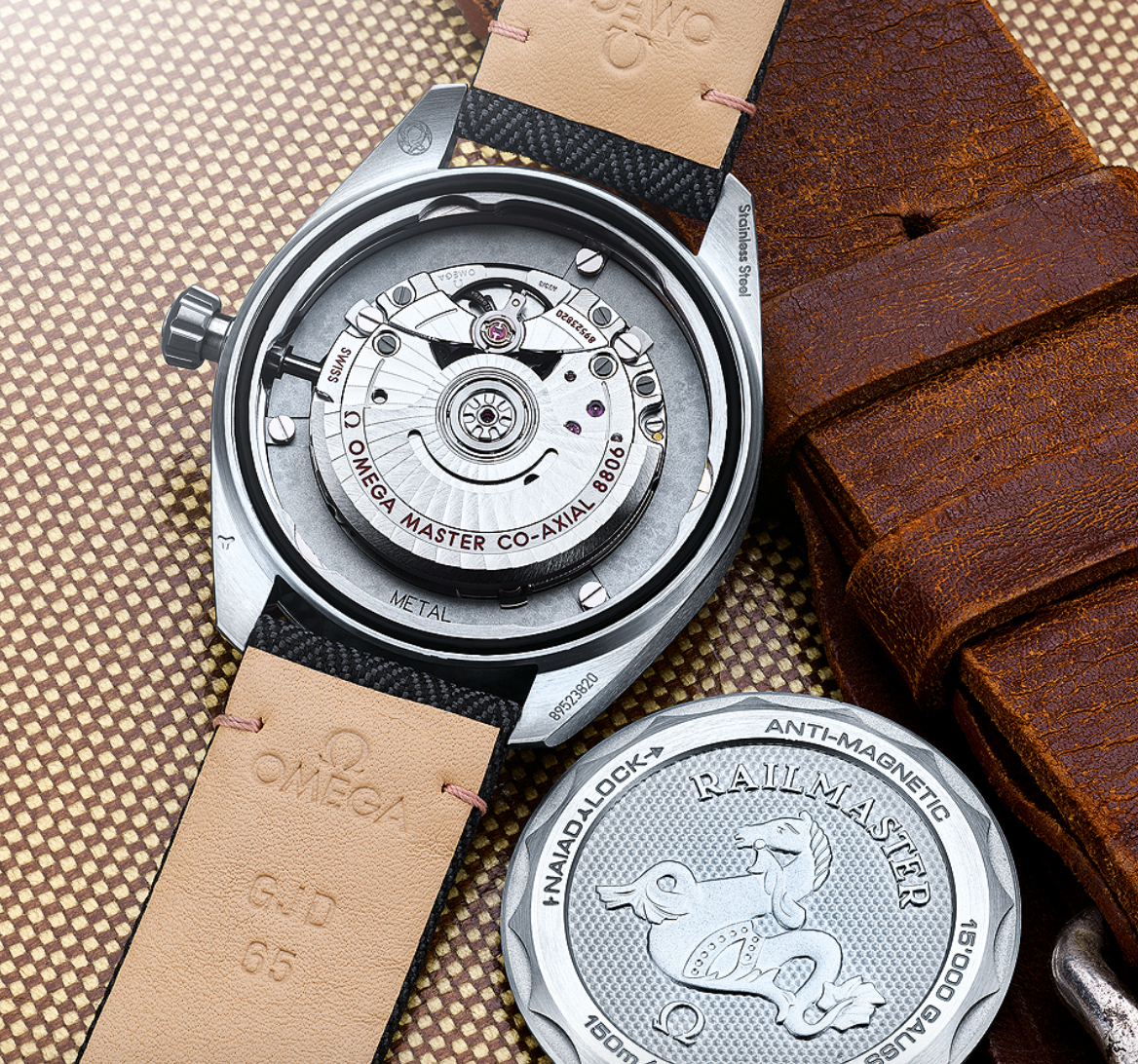
One's mileage may vary, but I've noticed how much I can hear of the rotor spin on 880x movements vary depending on case shape and case size.

For example, the 8806's rotor spin sounded louder on a non-LE Railmaster to me, than the 8806 spin on a 60th anniversary Seamaster. But there are so many variables at play, in terms of thickness of crystal, caseback, case shape, etc.... that I doubt the "empty space" inside the watch case is the sole contributor to how much rotor sound gets muffled.

Leaving this picture from WatchTime as a reference as one example of 'space' we find inside on some modern watches.

 
Posts
101
Likes
356
Technical advantages of larger movements include easier serviceability and potentially higher reliability and timekeeping consistency due to easier regulation.
 
Posts
29,877
Likes
77,289
Hi. The 42 mm Seamaster 300 has the apparently small 8500 movement which even fits in the smaller 38 or is it 39 mm Aqua Terra.
On the other hand, the 8900 nicely fills up the 41 mm Aqua Terra.
I wonder: is there any advantage of a well fitted movement? Or disadvantage of a small fitted movement? Or is it just an aesthetic thing?

I think you mean it has the 8800, as the 8500 and 8900 are the same size.

The 8800 is an 11.5 lingering movement, which is the same as an ETA 2824, 2892, and many other movements. It’s not small at all.

So a movement this large is really no sacrifice in terms of quality or reliability, or even serviceability.
 
Posts
1,772
Likes
3,451
One's mileage may vary, but I've noticed how much I can hear of the rotor spin on 880x movements vary depending on case shape and case size.

For example, the 8806's rotor spin sounded louder on a non-LE Railmaster to me, than the 8806 spin on a 60th anniversary Seamaster. But there are so many variables at play, in terms of thickness of crystal, caseback, case shape, etc.... that I doubt the "empty space" inside the watch case is the sole contributor to how much rotor sound gets muffled.

Leaving this picture from WatchTime as a reference as one example of 'space' we find inside on some modern watches.

OMG, there's so much space around that 8806 it looks like it could be rattling around in there!