Moonwatches and meteorites

Posts
237
Likes
691
I suspect that there is quite a lot of overlap between the speedmaster aficionados here and those who are interested in meteorites.

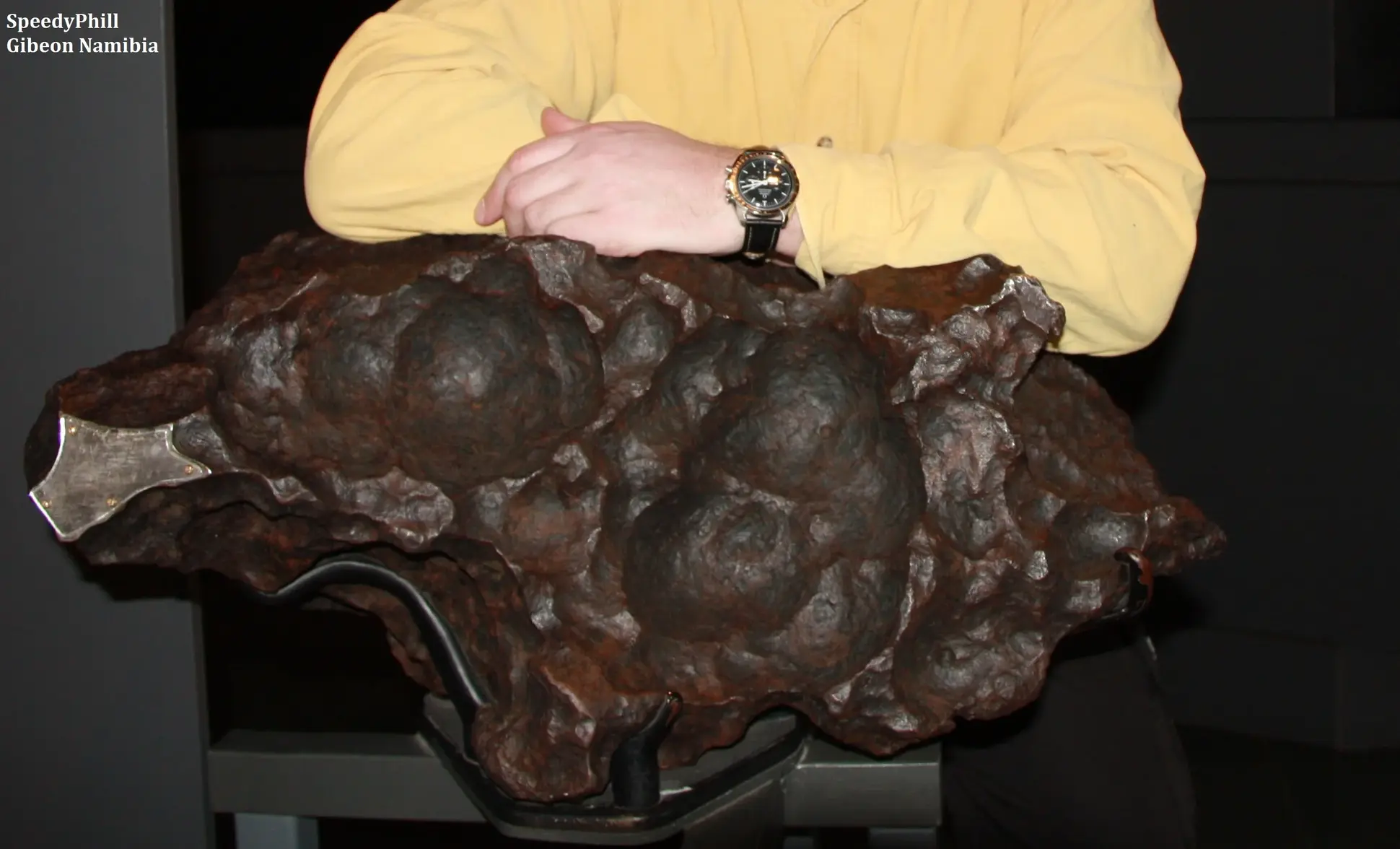
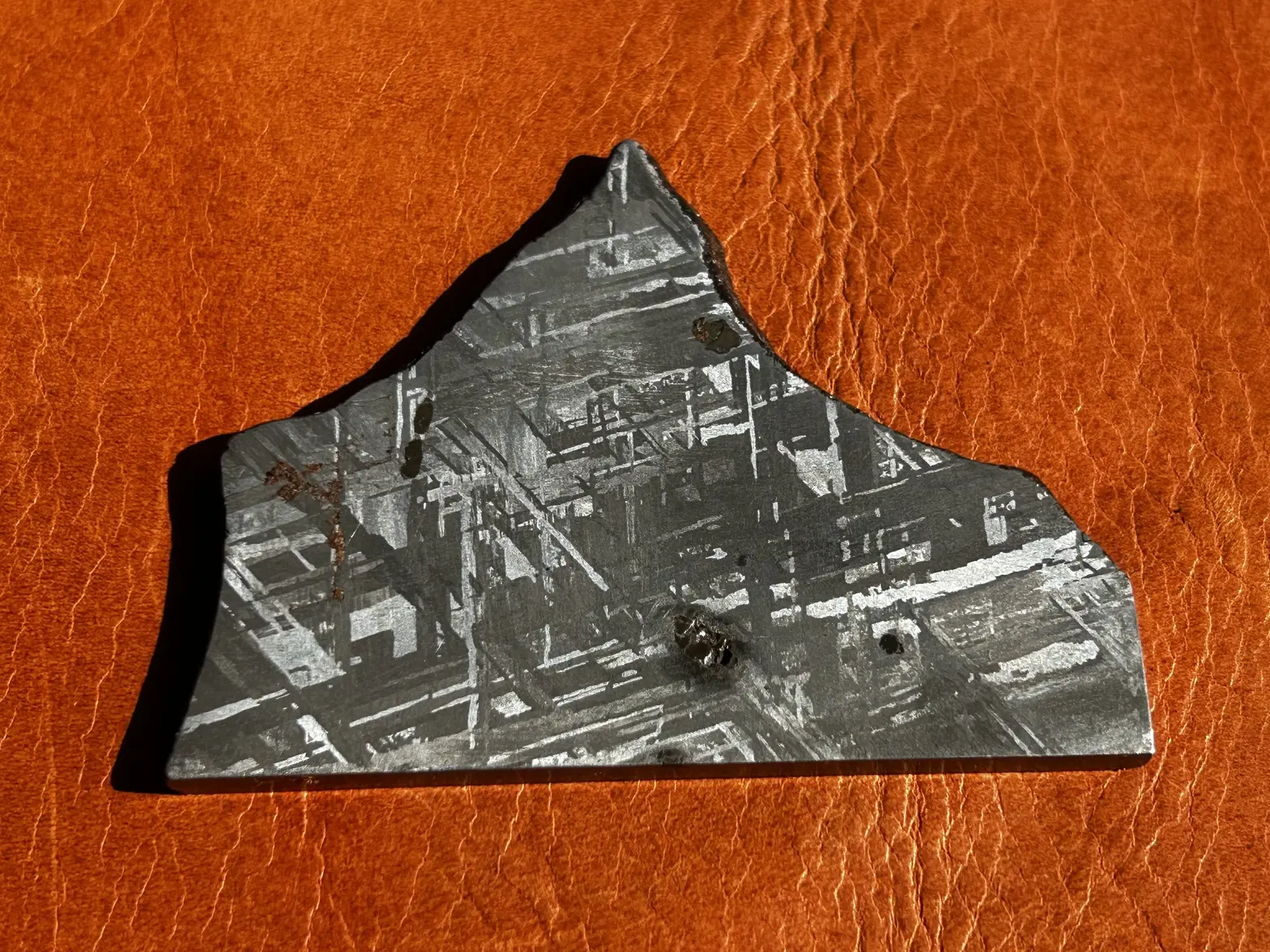
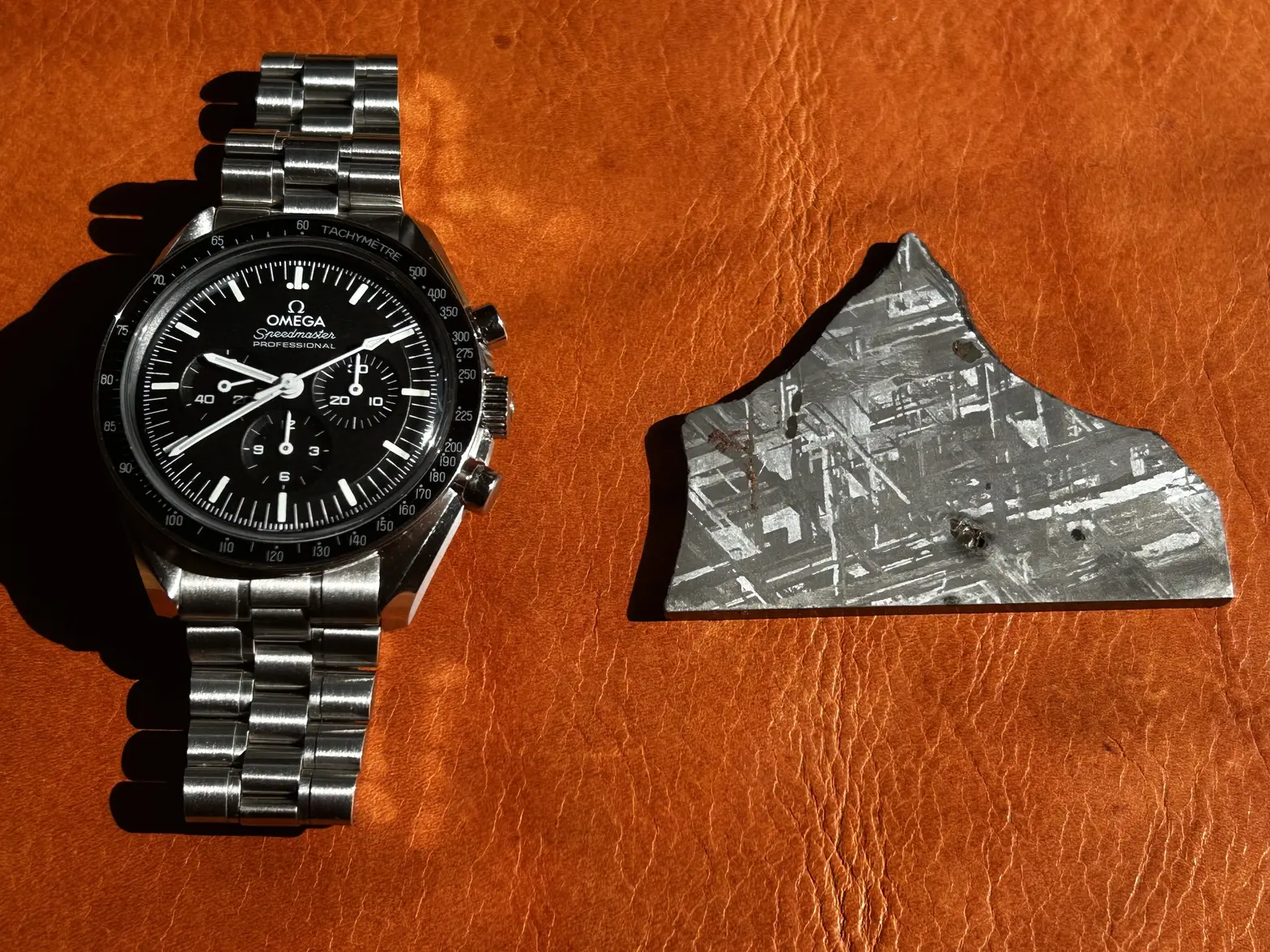
I have a collection stored away but, with me, is a lovely slice of the Gibeon meteorite, which I understand is the same used in the dials of both the Grey Side of the Moon and the Apollo-Soyuz Speedmasters:

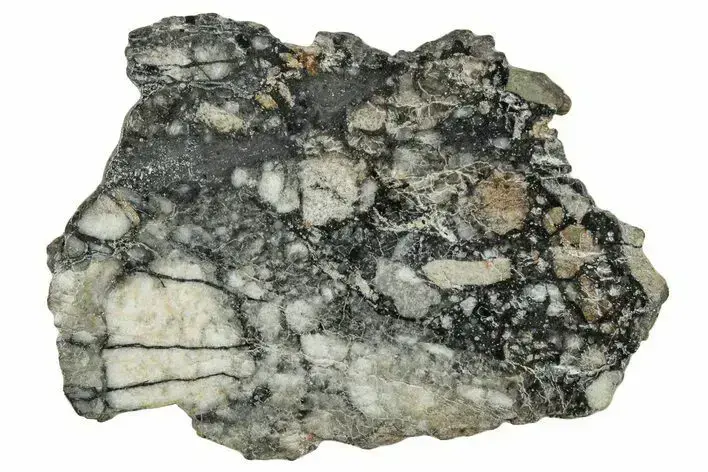
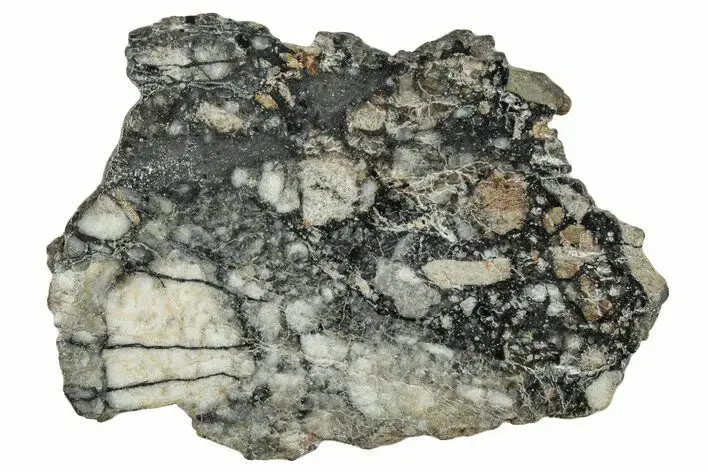
The lunar meteorites, are also especially lovely - particularly since they are the only way to (legally) own a piece of the Moon (since, at least for now, NASA isn't selling the pieces they brought back). They're produced through a remarkable process in which 'normal' meteorites from space hit the surface of the Moon and, upon impact, kick up some lunar material and eject it from the thin lunar atmosphere, after which that material becomes a meteorite in its own right and lands on earth.

Here's a typical instance of a lunar meteorite (not mine, but taken from the internet - from Ajdabiya 001):

I think the speedmasters all look wonderful next to meteorites as well, particularly due to their shared history in space. Here's one of mine together with the Gibeon from earlier:

I'd love to see if anyone else here collects meteorites!
 
Posts
48
Likes
179
I’m not into meteorites, but will now blame you if I ever find myself going down that rabbit hole!
Great info. They are both stunningly beautiful in totally different ways, but the lunar meteorite history is… 🤯 Thanks for sharing.
 
Posts
237
Likes
691
I’m not into meteorites, but will now blame you if I ever find myself going down that rabbit hole! Great info. They are both stunningly beautiful in totally different ways, but the lunar meteorite history is… 🤯 Thanks for sharing.
I'm glad you liked it - it's definitely a rabbit hole worth going down; and the lunar meteorites in particular are really fascinating!

This one here is a 'melt breccia', which means it was produced when the initial meteorite hit the lunar surface and melted the rocks already on the moon together, before being ejected out of the atmosphere - where it could have remained for many millions of years before being pulled into the earth's own atmosphere:

 
Posts
48
Likes
179
I'm glad you liked it - it's definitely a rabbit hole worth going down; and the lunar meteorites in particular are really fascinating!

This one here is a 'melt breccia', which means it was produced when the initial meteorite hit the lunar surface and melted the rocks already on the moon together, before being ejected out of the atmosphere - where it could have remained for many millions of years before being pulled into the earth's own atmosphere:

That’s got to be a pretty cool thing to hold. And very related to the whole pondering of time one might do with watches, but on a galactic scale😀
 
Posts
7,049
Likes
13,012
Yep that's me...
.

☕
Meteorite dials in wrist watches, many watch makes mostly state simply:
"The astonishing dial is formed from a genuine piece of iron meteorite"
Paying a premium for such a special dial, wouldn't one like to know all the intrinsic details of which exact meteorite was used?
There're basically three types of meteorites, Stony, Iron and Stony-Iron.
Iron meteorites slices show the Widmanstätten patterns (Thomson structure created by millions years of cooling) and can rust so the slices need a treatment!
Campo del Cielo (Argentina) and Zagora (Morocco) are well-known but for watch dials the Gibeon (Kalahari desert Namibia) is a favorite.
NWA = umbrella abbreviation North West Africa finds
Mars (e.g. Allan Hills 84001 - Antarctica) & Lunar (e.g. Dar Al Gani 400 - Libya or Dhofar 461 - Oman) meteorites are Stony Achondrites, no olivine/pyroxene chondrules.
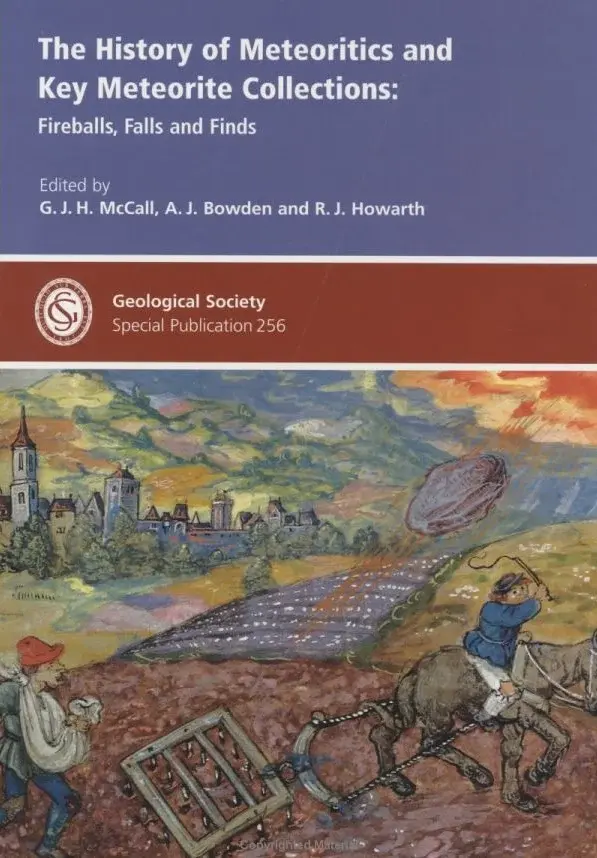
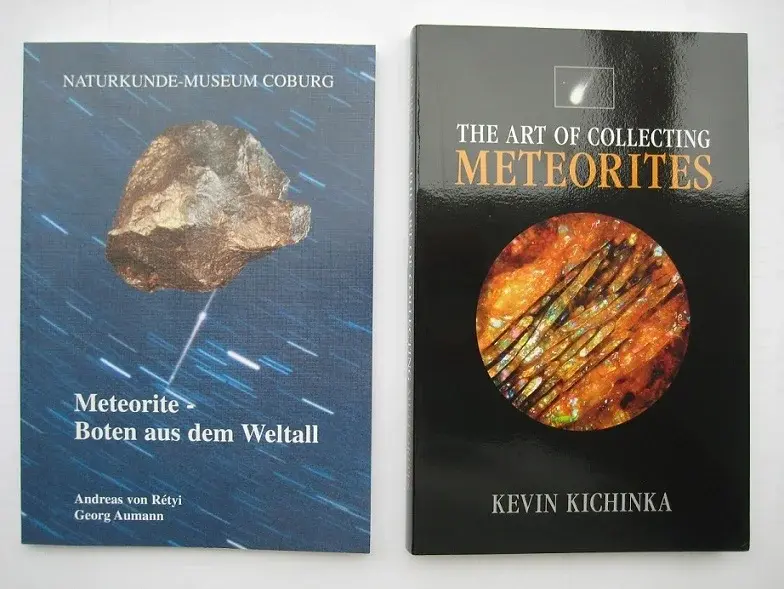
A must-have book:
 
Posts
82
Likes
51
Absolutely! There’s something pretty special about wearing a piece of outer space on your wrist. That Gibeon slice is beautiful!
 
Posts
237
Likes
691
A must-have book:
And thanks for the book resource! I've found the two books that I've made the most use of to be:

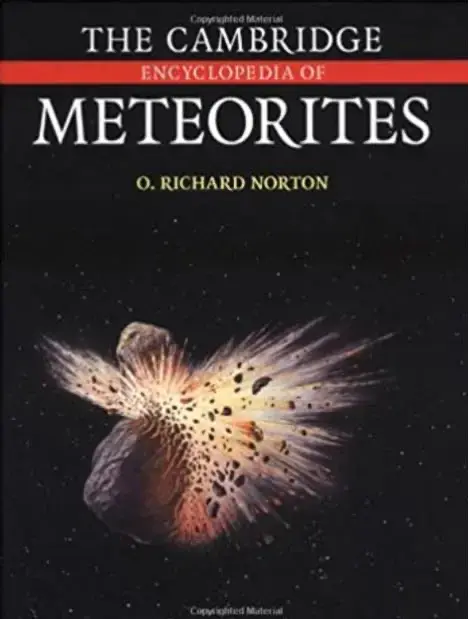
First, The Cambridge Encyclopaedia of Meteorites, which is perhaps the standard textbook:


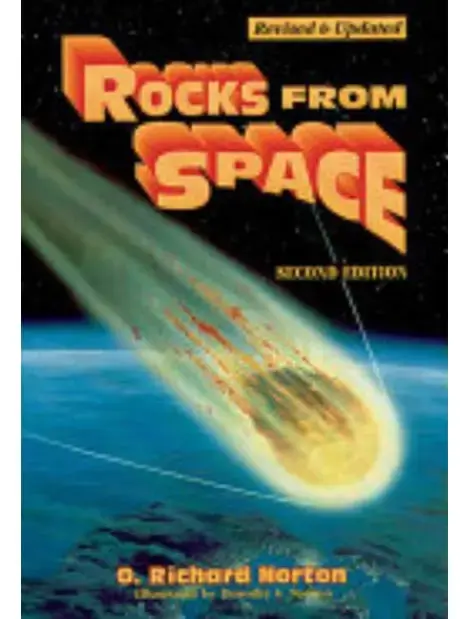
And, for introducing me to the field, the now-classic (and much less technical!), Rocks from Space:


Campo del Cielo (Argentina) and Zagora (Morocco) are well-known but for watch dials the Gibeon (Kalahari desert Namibia) is a favorite.
NWA = umbrella abbreviation North West Africa finds
Mars (e.g. Allan Hills 84001 - Antarctica) & Lunar (e.g. Dar Al Gani 400 - Libya or Dhofar 461 - Oman) meteorites are Stony Achondrites, no olivine/pyroxene chondrules.

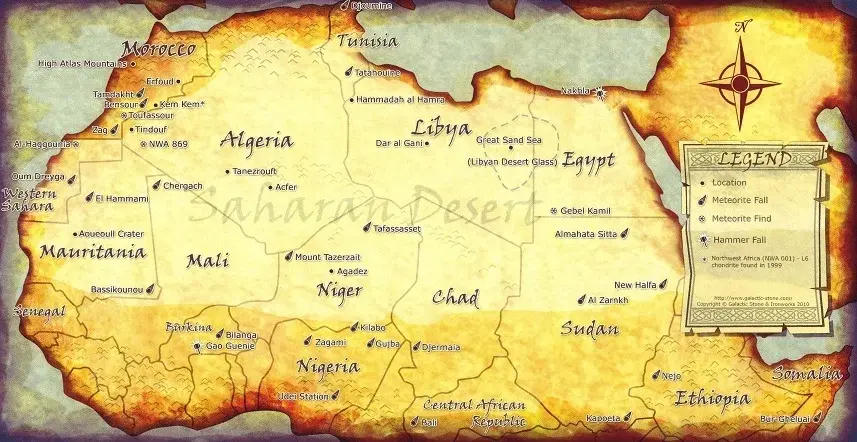
Yes, one thing that's interesting is that the vast majority of lunar meteorites have been found in Northwest Africa while, as of now, none have been discovered in North or South America (not even Campo del Cielo). This may be because of how particularly difficult they are to distinguish from regular earth-rocks, but it may have a more interesting explanation yet to be discovered
 
Posts
7,049
Likes
13,012
Libyan Muammar al-Gaddafi his hobby was collecting meteorites in the northeastern Sahara desert.
He had a six-wheeled jeep with onboard laboratory and a small museum!
.
 
Posts
237
Likes
691
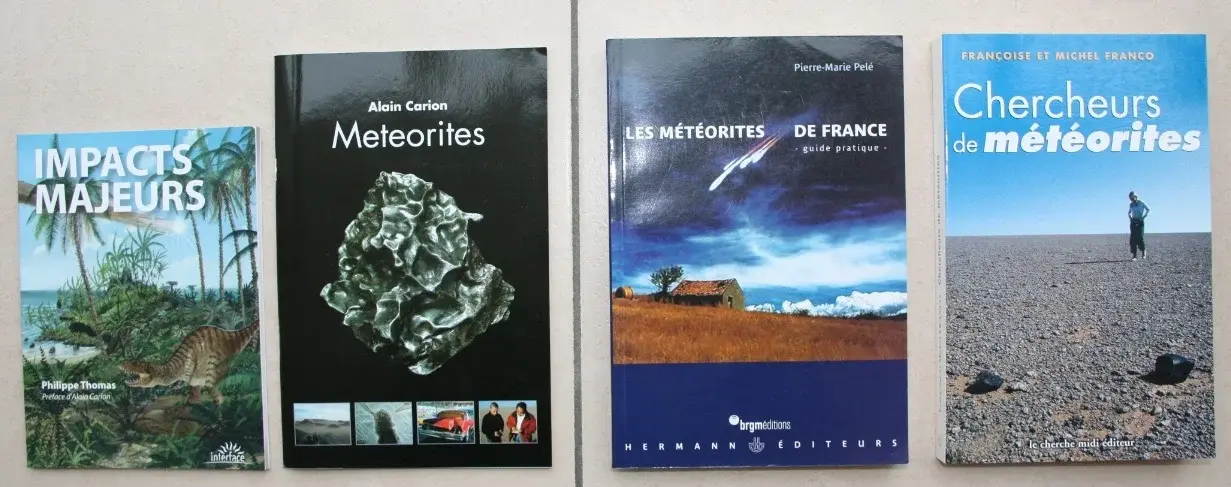
A must-have book:


Don't start me on books...
.

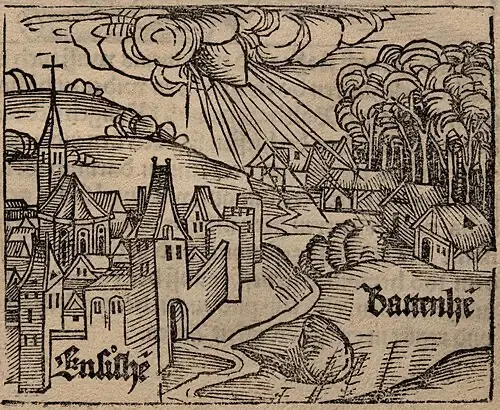
Very cool! I'm sure the French resources are packed with discussion of the Ensisheim meteorite - the fall depicted on the cover of the The History of Meteoritics ... book you added - which was the first formally documented meteorite fall in Europe, from 1492, in Alsace.

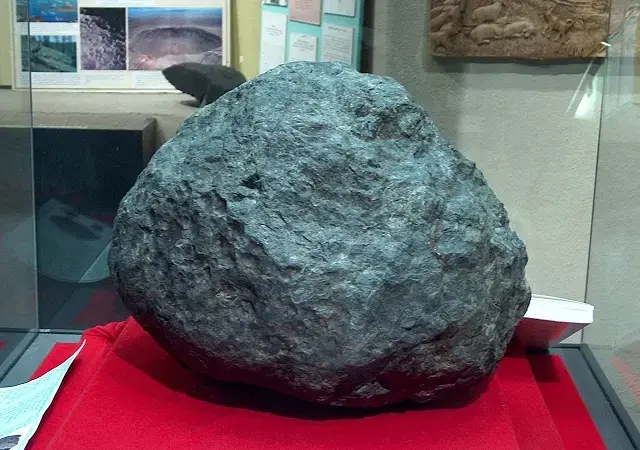
I'd love to make a visit to the Musée de la Régence to see it, but haven't managed to yet. Here's a photo of it, though, from the internet:


And, the famous depiction from the next year: