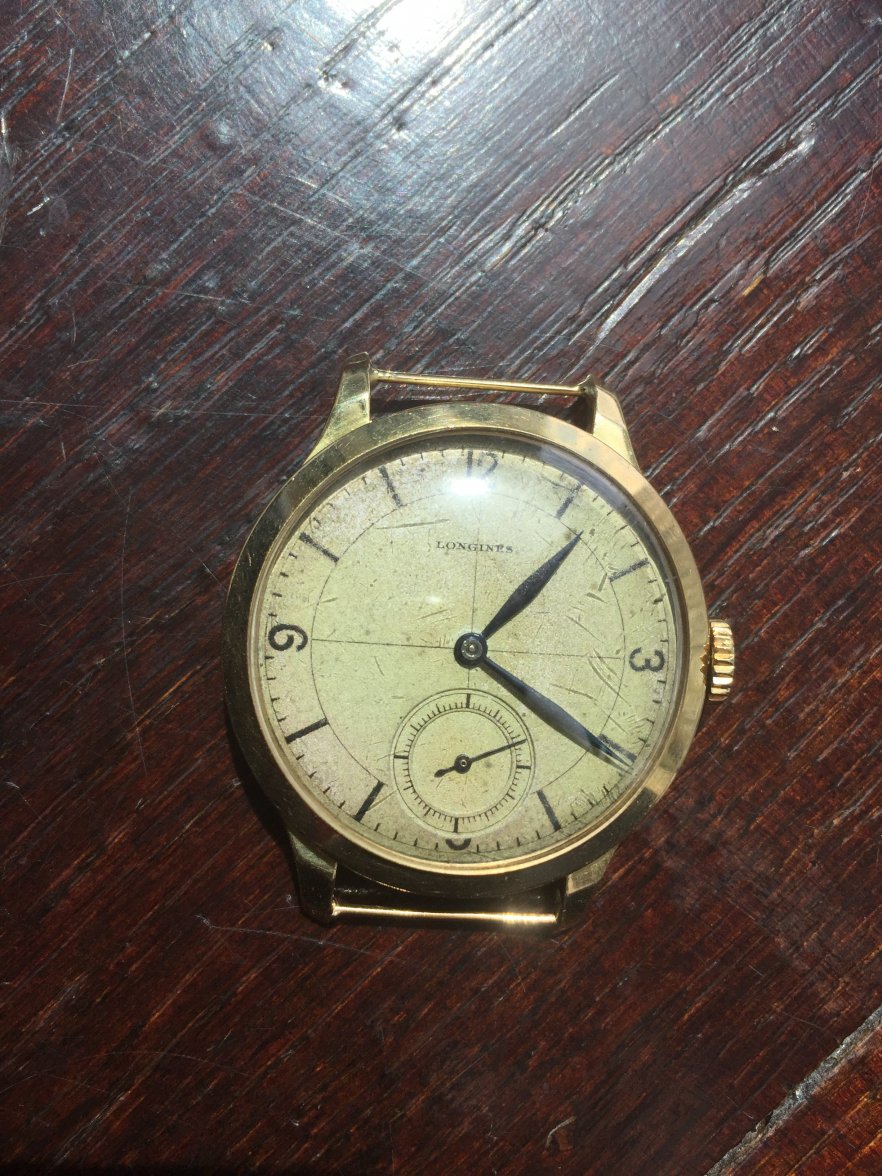
Removing this shrapnel guard is not exactly practical either in combat. I don’t know either way but in general I’d be cautious about assuming combat use or military use, even it’s totally true shrapnel guards appear during WWI.
Also, the idea that fixed lugs past 1920 mean that a watch is military is inaccurate.
Unfortunately to equate fixed bars with military use is only helping dishonest sellers make bogus claims.
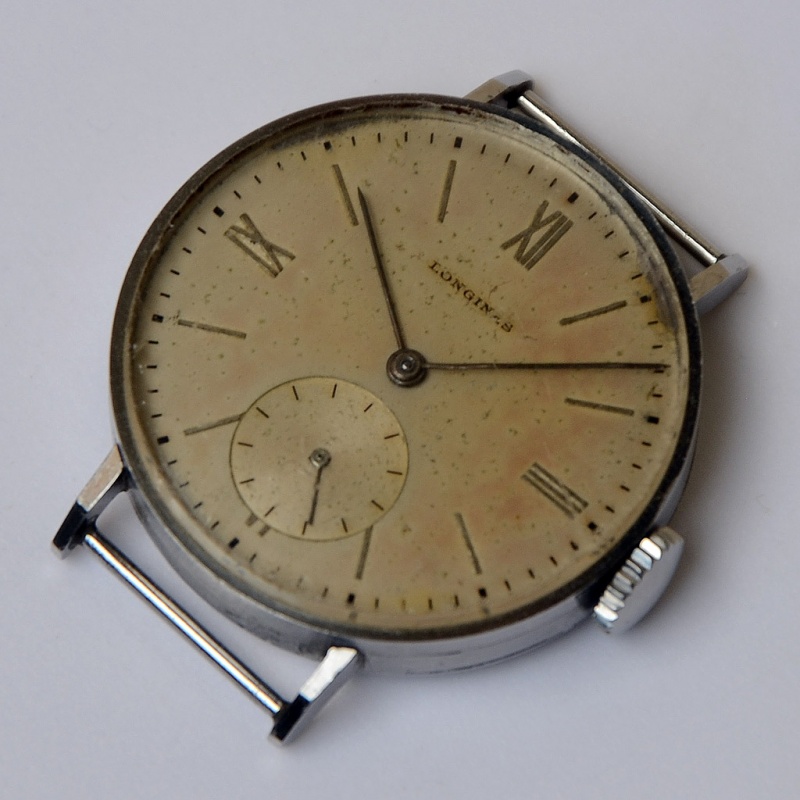
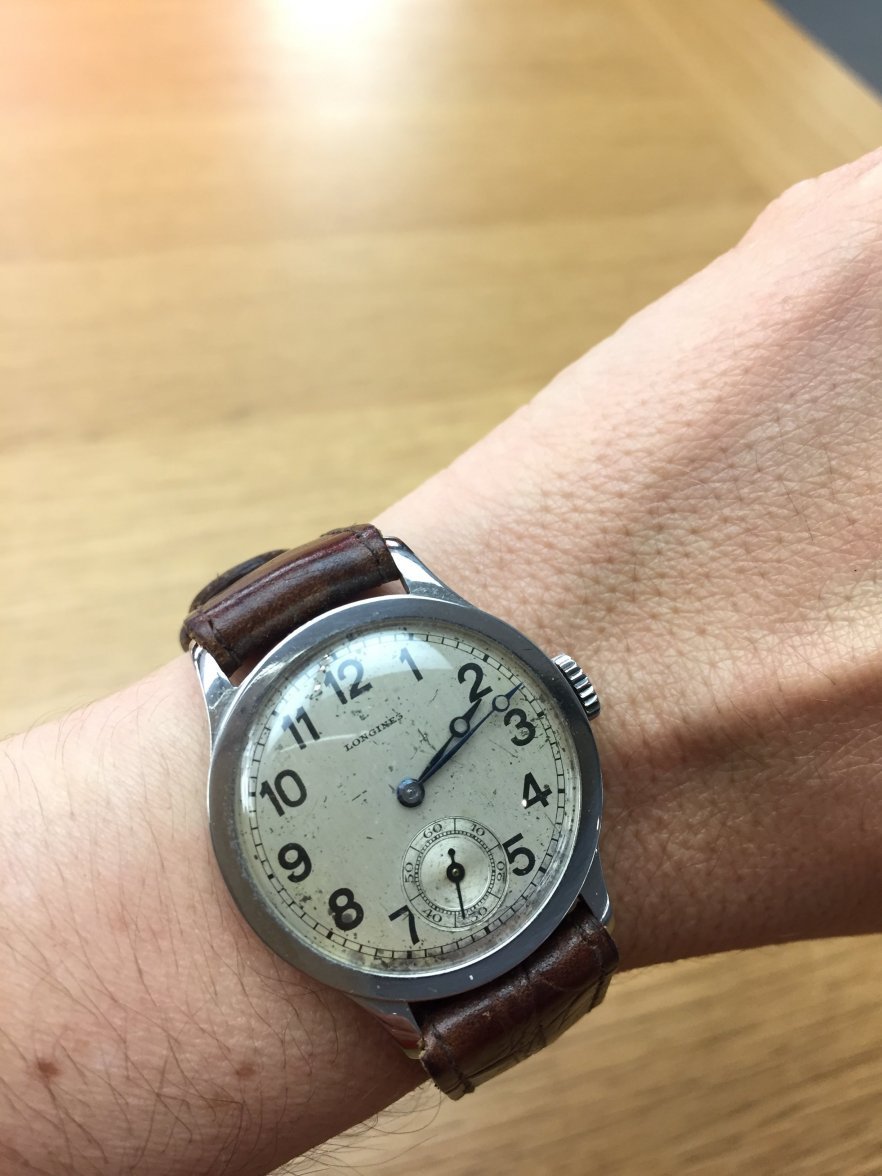
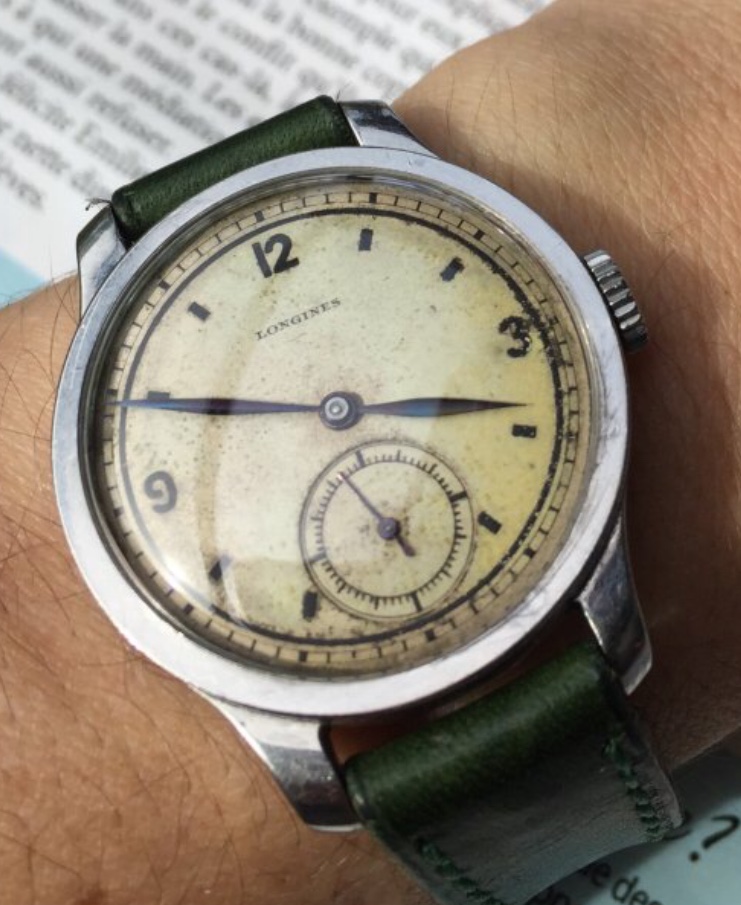
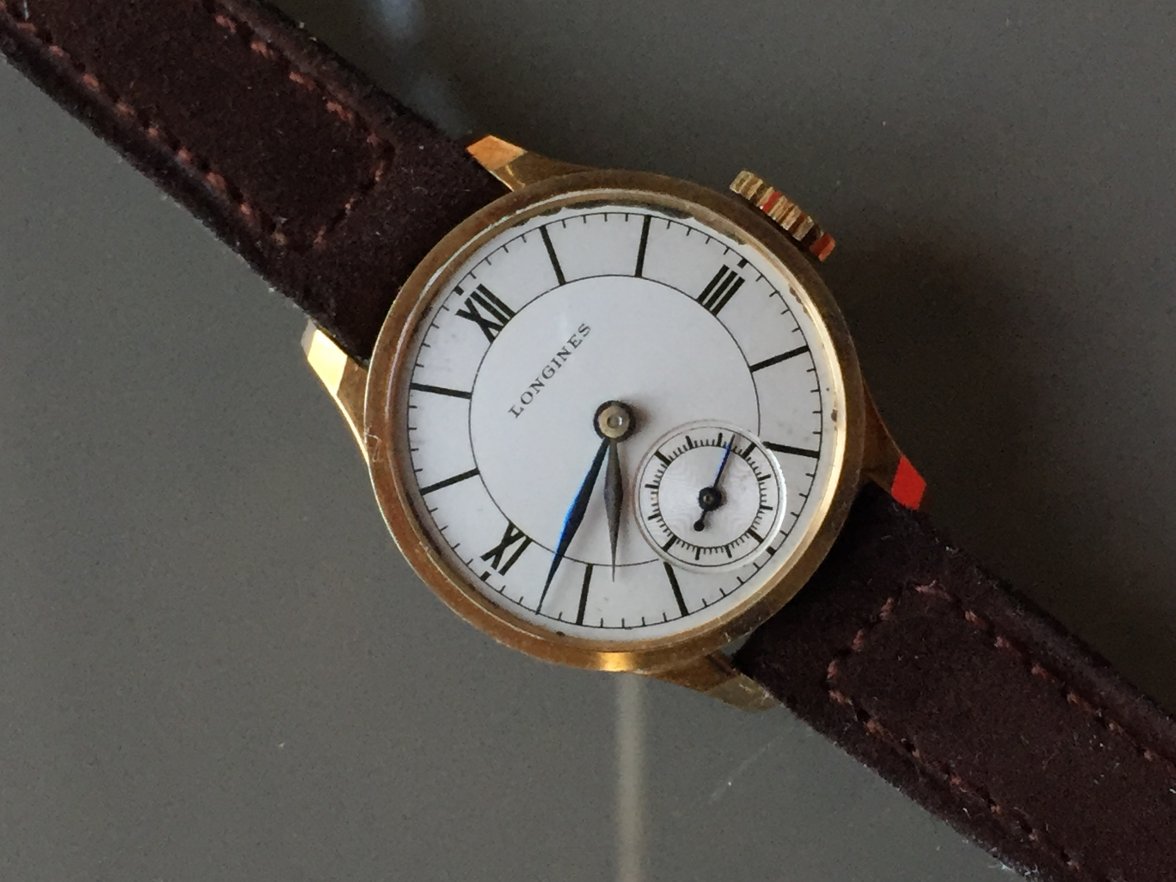
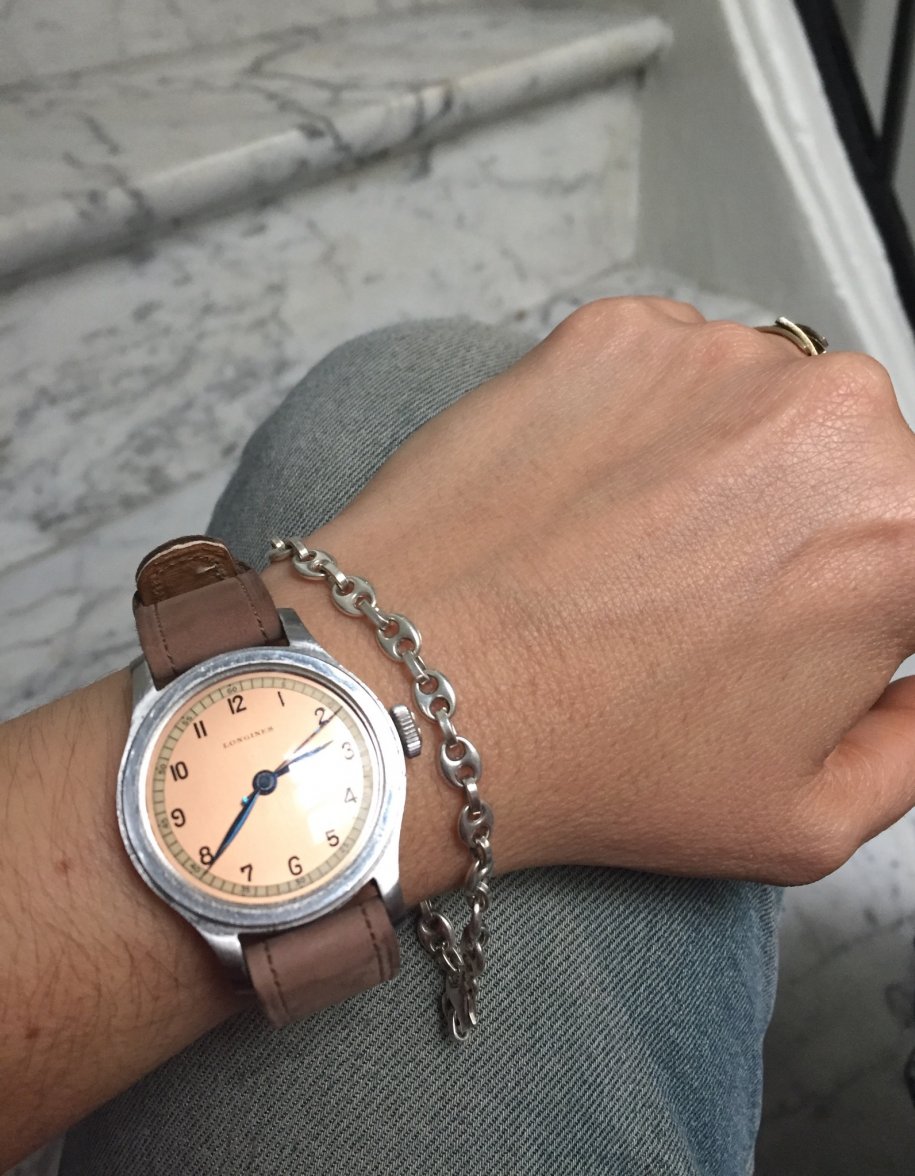
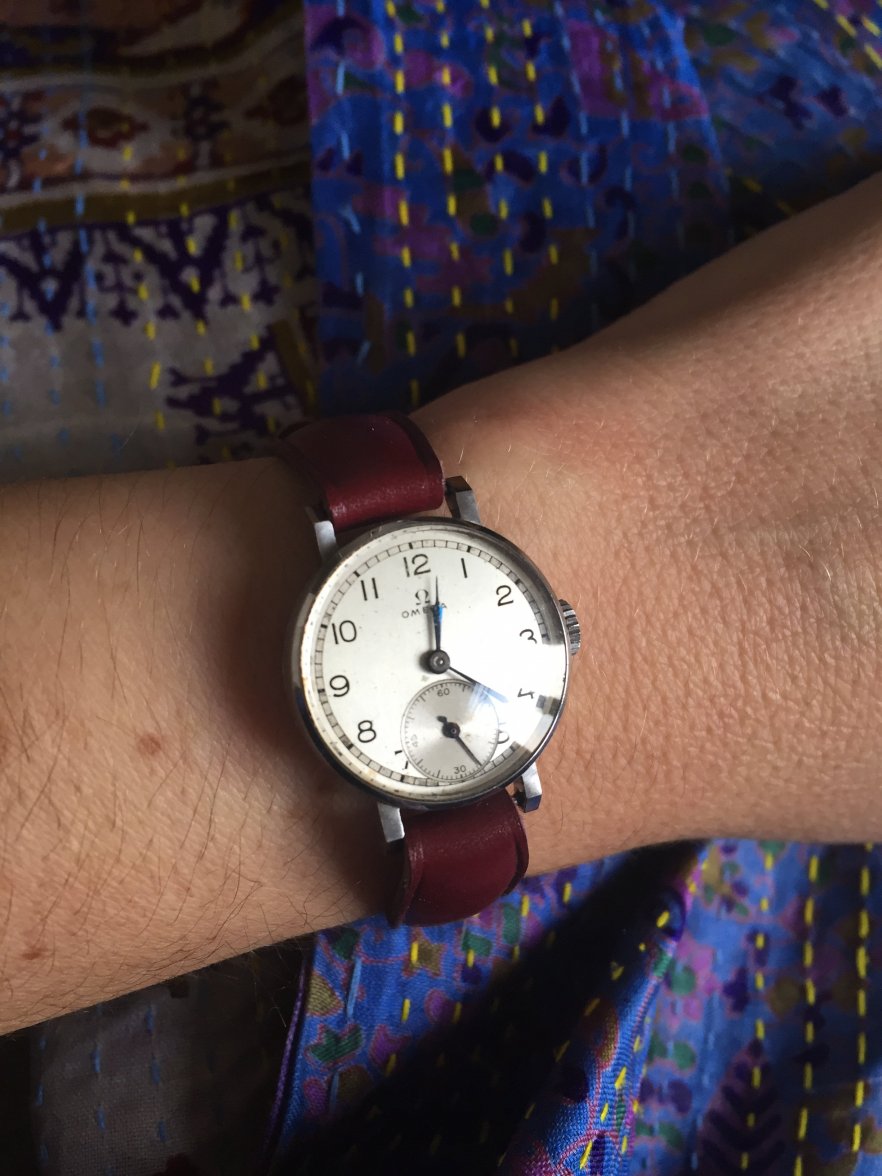
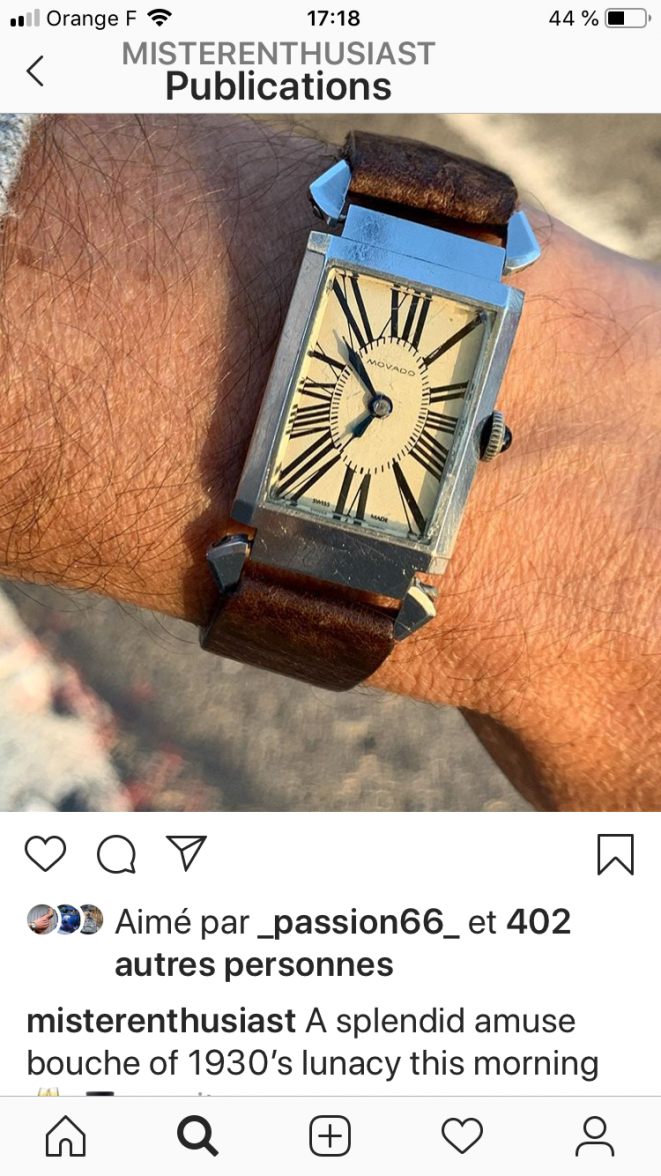
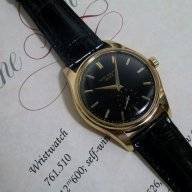
All of my watches below (or previously owned watches)have fixed lugs, from about 1936 to 1941 and they are not military.
And from low end manufacturers? I will let you be the judge. The pink one is from 1941.
I was in transit to sunnier warmer climes when you posted. Just now catching up on OF. First and foremost, Merry Christmas, Happy Holidays! Second, as usual, you have shared some wonderful watches!!
My post which you responded to was primarily intended to put a manufacture date to the watch in question given the visual clues it presents. Assuming the watch is original, and not some sort of modern recreation, the shrapnel guard would indicate that the watch was intended for rugged outdoor use - e.g., military use, hunting, camping, etc.. Given the number of men in the military during the period in question relative to the number of “outdoorsmen” likely to be wearing a Longines during the same period, the original owner of the watch was more likely a military man. If I had to venture a guess, I would think the case is original to Longines and the guard was custom made by a jeweler for its owner.
My comment regarding wire lugs was not intended in and of itself to imply that the watch was “military” but, rather, that they more likely dated the watch to the earlier time period being discussed in the thread - i.e., 1910s-1920s, rather than 1930s or later. As a “technological innovation”, spring bars were initially likely more common from higher end manufacturers interested in offering their customers the “latest and greatest” rather than from lower end manufacturers having greater production cost concerns. I too have watches, including higher end watches, with wire lugs which date from the late 1930s and 1940s. Again, the intent of my post was primarily to make an educated guess about the manufacture date of the watch. As a trend, wire lugs became less common from the mid-1920s onward.
Based upon the visual clues presented by the watch and “probabilities”, if I had to make a guess about the watch I would venture the case is original to Longines, the shrapnel guard was custom made by a jeweler, and the watch’s owner was in the Russian military, and was most likely an officer....and the watch dates somewhere 1916-1919.
Wishing everyone at OF a very Merry Christmas, Happy Holidays and the very best of health, happiness and fortune in the New Year!