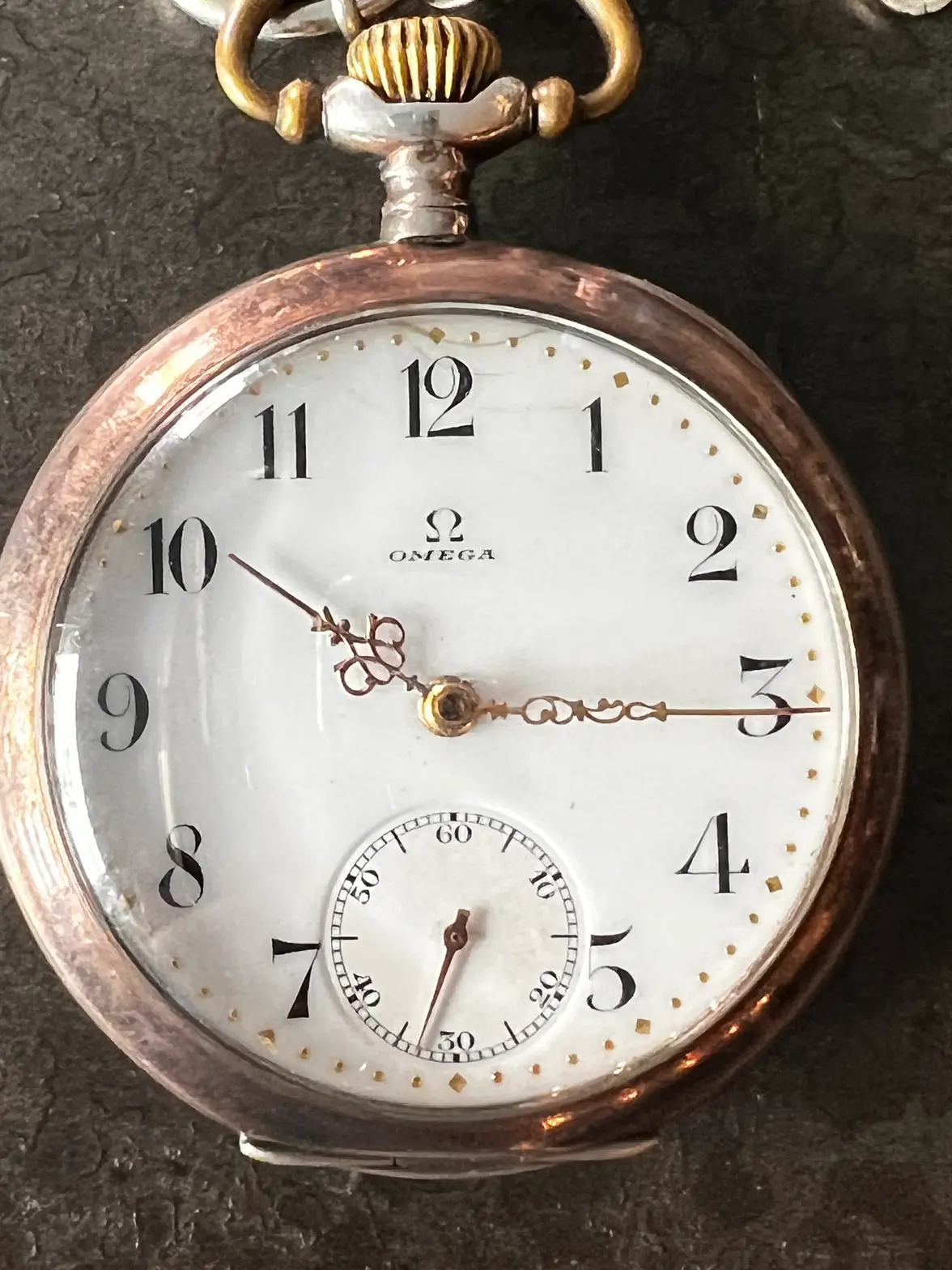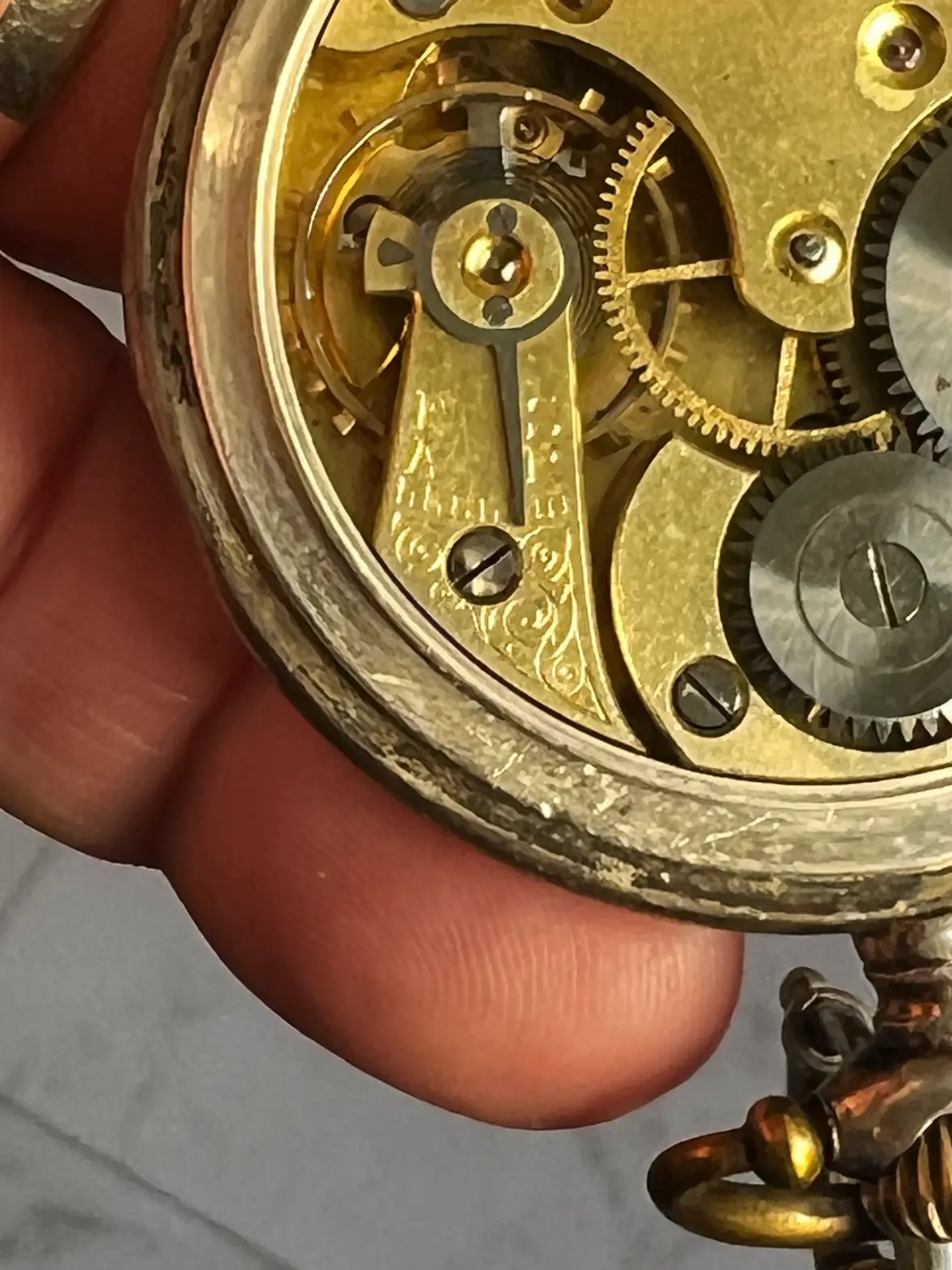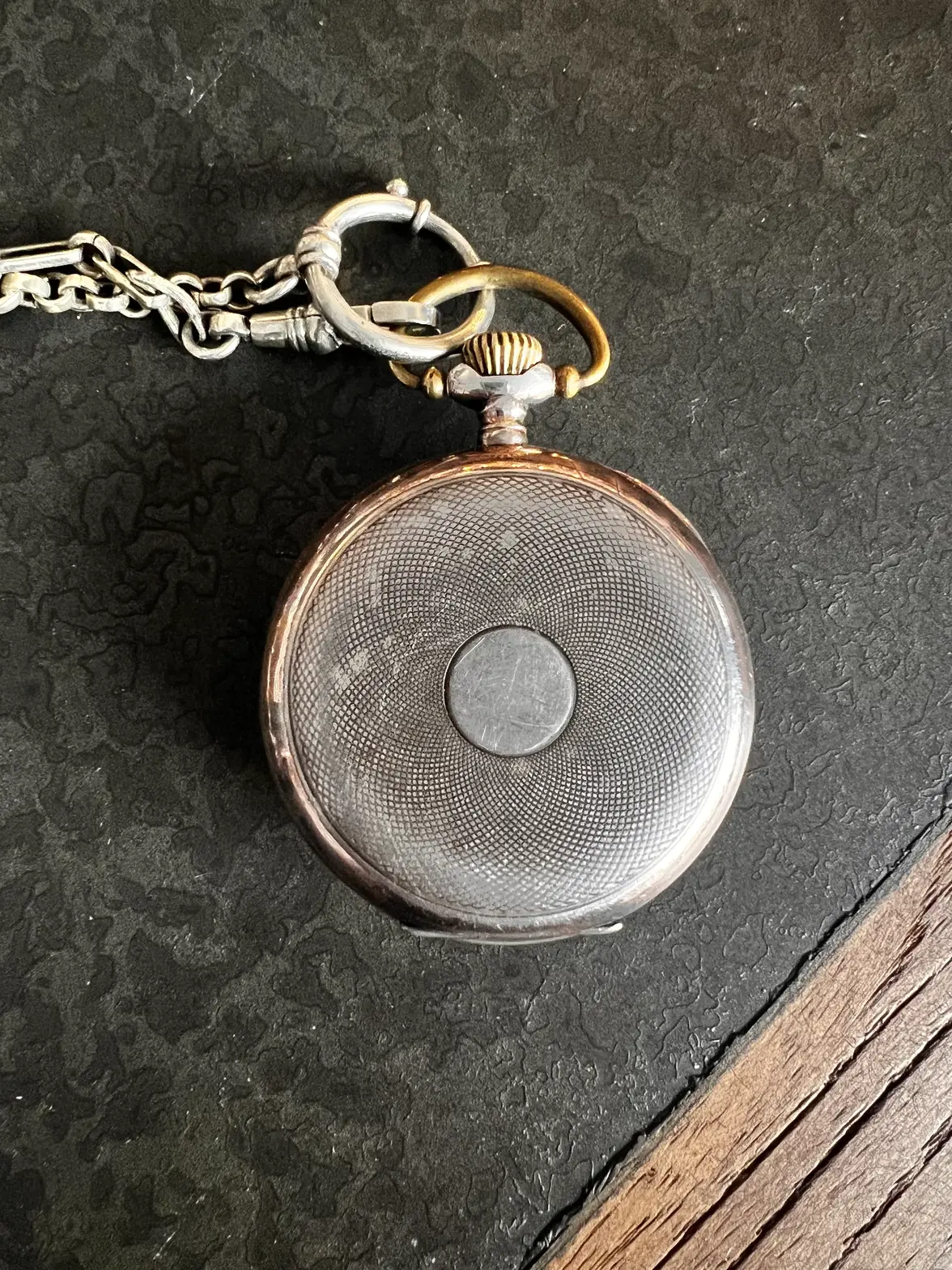
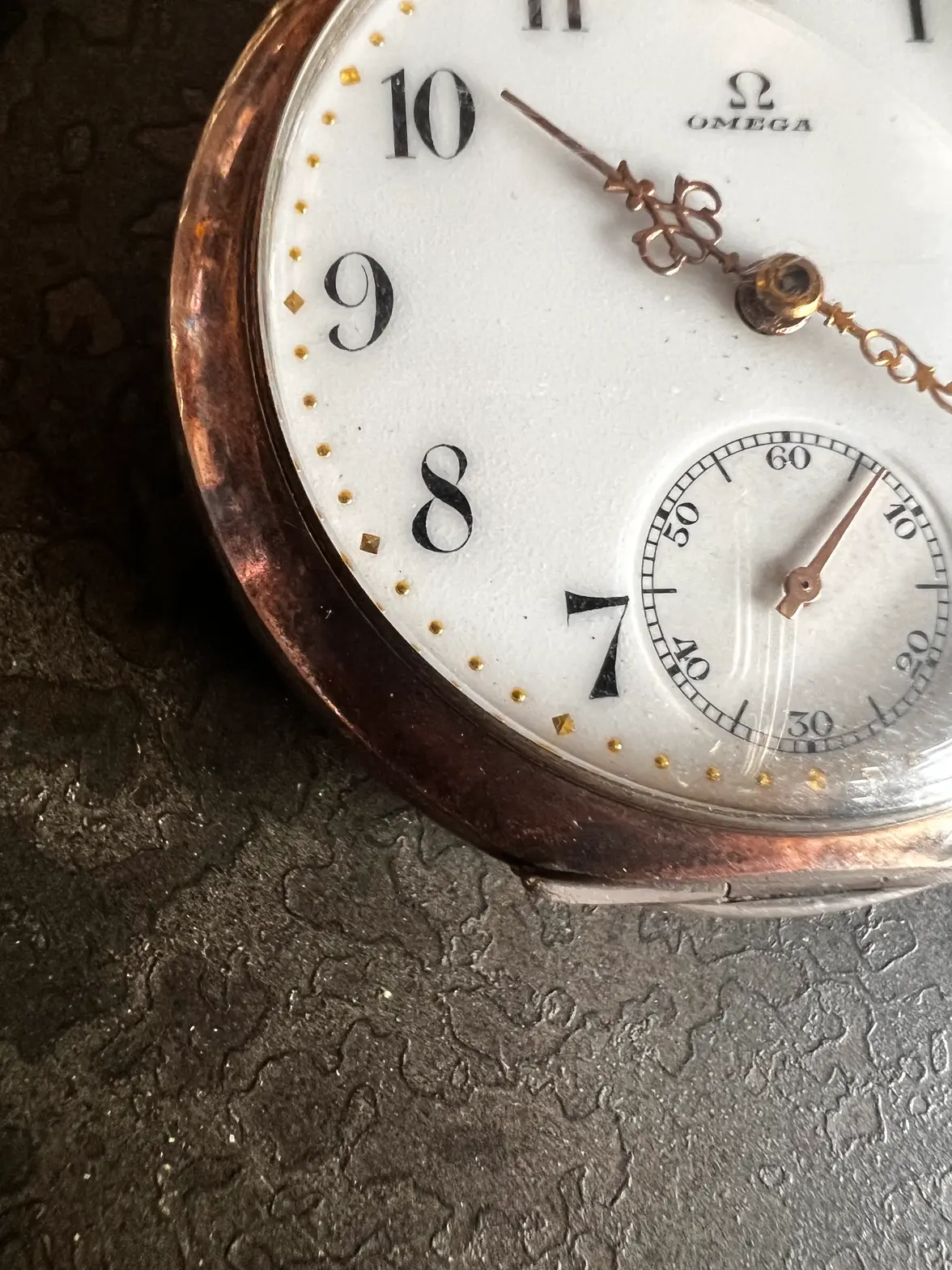
Is this rare? Gold dot minute marker.

Posts
3
Likes
1
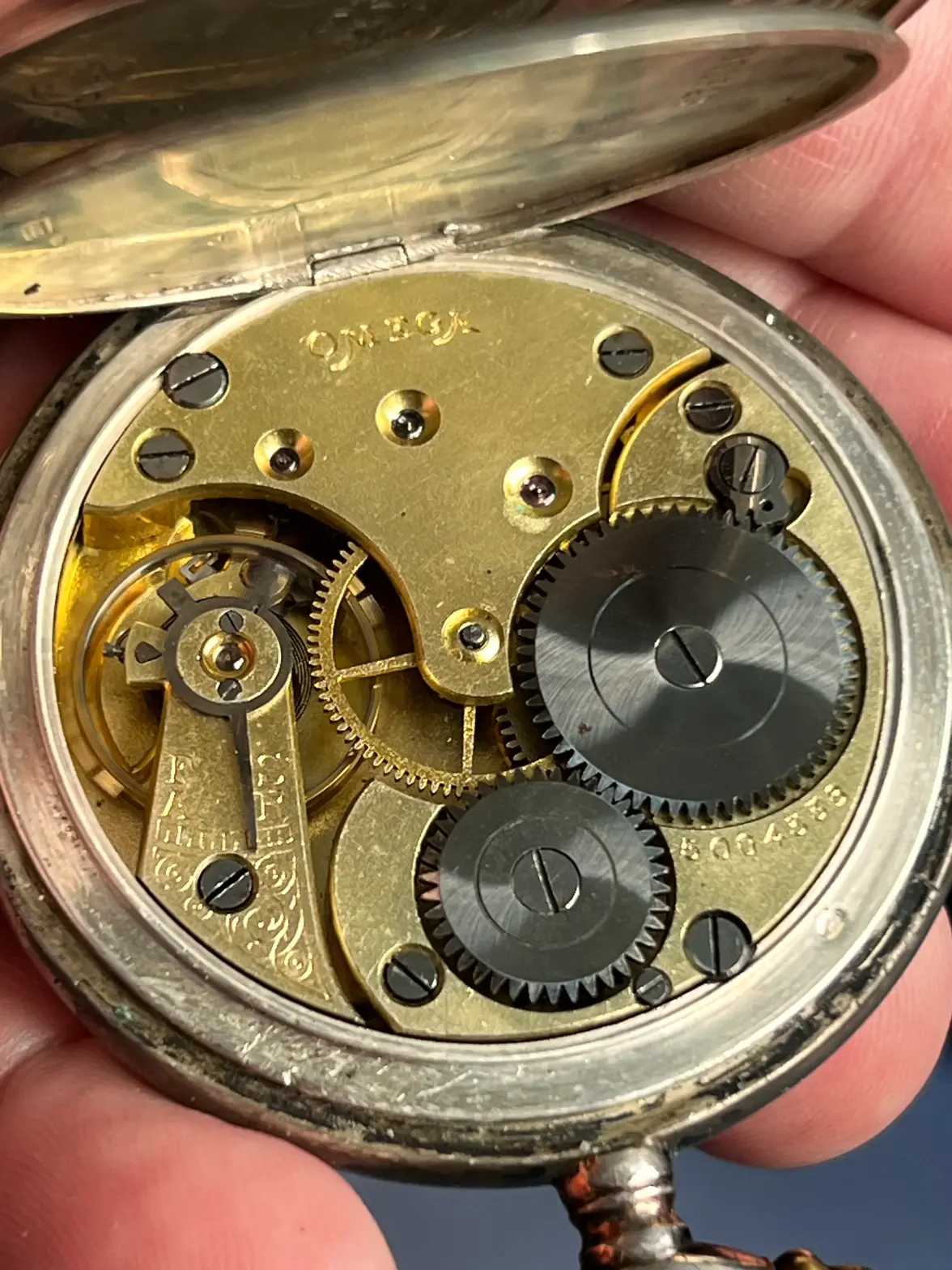
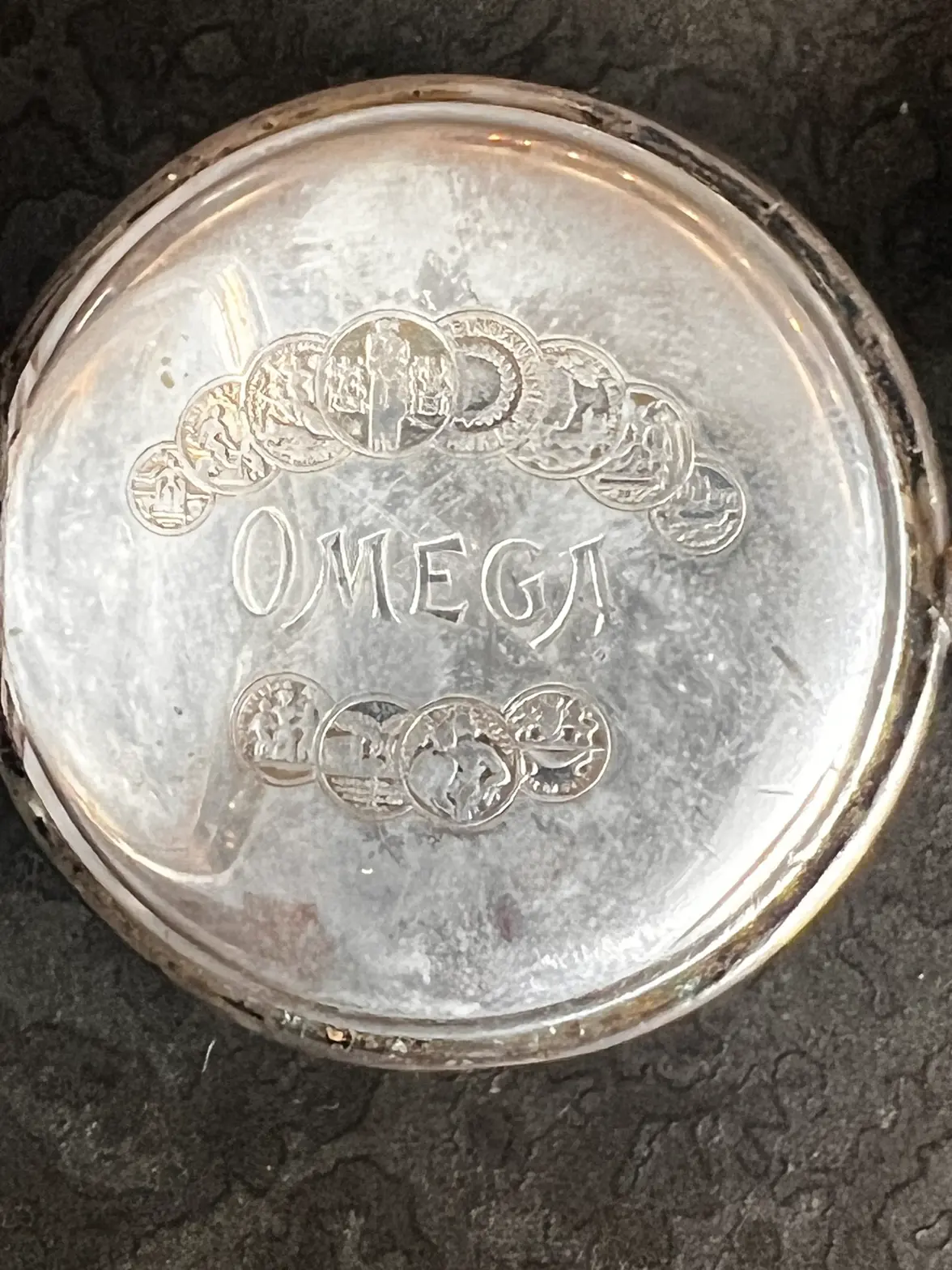
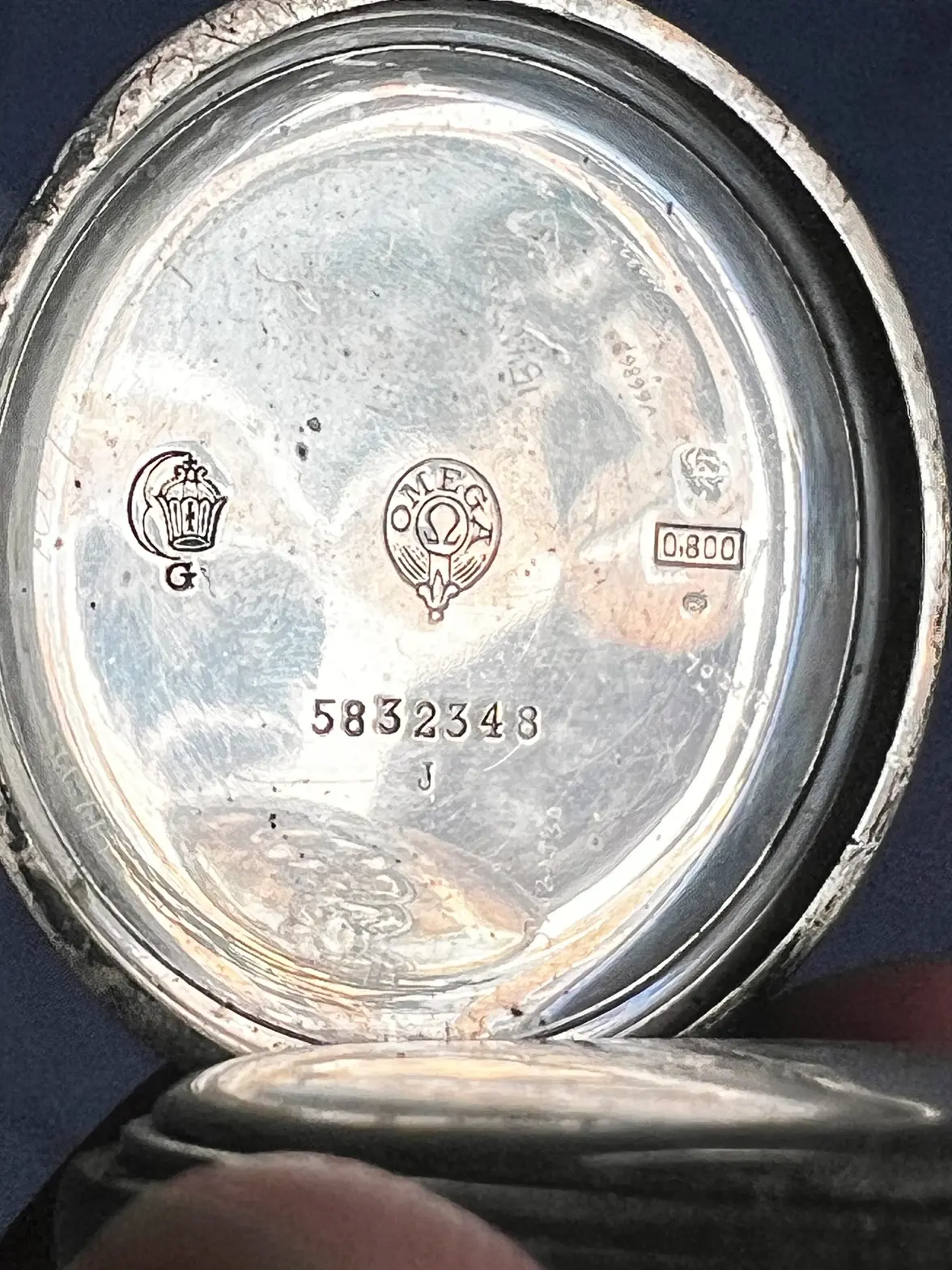
I own an Omega pocket watch with the following numbers engraved:

  • Case number: 5832348
  • Movement number: 5004338

Based on publicly available serial number charts, the case number suggests a production date around 1915–1919, while the movement number suggests around 1914–1915. I would like to understand whether these two components originally belonged together, and to confirm the production date with your archives if possible.

The dial has raised/applied gold dot minute markers, which may help identify the exact dial variant.

Thank you very much for your time.

Kind regards,
Dan Olsson, Sweden
 
Posts
18,695
Likes
38,794
Not really rare at all Dan, it's a standard Omega pocket watch from the first quarter of the 20th century.
It is however, in nice condition, even though parts of the case are well worn.
 
Posts
3
Likes
1
Not really rare at all Dan, it's a standard Omega pocket watch from the first quarter of the 20th century.
It is however, in nice condition, even though parts of the case are well worn.
Ok, I’m still using it!!
What are this called when they have dots every minute?
 
Posts
15,907
Likes
47,700
Your case appears to be two-tone. The gold tone colour of the mid case, bezel perimeter and case back perimeter is called “gallone”. This is typically done on European coin silver (.800 fine) watch cases of the early 20th century. The dial is likely given a final glazing of clear flux which means the minute markers (gold colour) are usually completely protected from damage or tarnish, and these markers are engulfed by the clear glaze which means you are unable to feel them with a finger. The term gallone often refers to the gold braid trim found on a dress military uniform.
 
Posts
3
Likes
1
Your case appears to be two-tone. The gold tone colour of the mid case, bezel perimeter and case back perimeter is called “gallone”. This is typically done on European coin silver (.800 fine) watch cases of the early 20th century. The dial is likely given a final glazing of clear flux which means the minute markers (gold colour) are usually completely protected from damage or tarnish, and these markers are engulfed by the clear glaze which means you are unable to feel them with a finger. The term gallone often refers to the gold braid trim found on a dress military uniform.
Thanks a lot!!!!
When I'v Googel it and look at picture I haven't seen any with this gold "dots" at al.
Thats why I asked if its rare.

Thanks
/Dan
 
Posts
15,907
Likes
47,700
Thanks a lot!!!!
When I'v Googel it and look at picture I haven't seen any with this gold "dots" at al.
Thats why I asked if its rare.

Thanks
/Dan
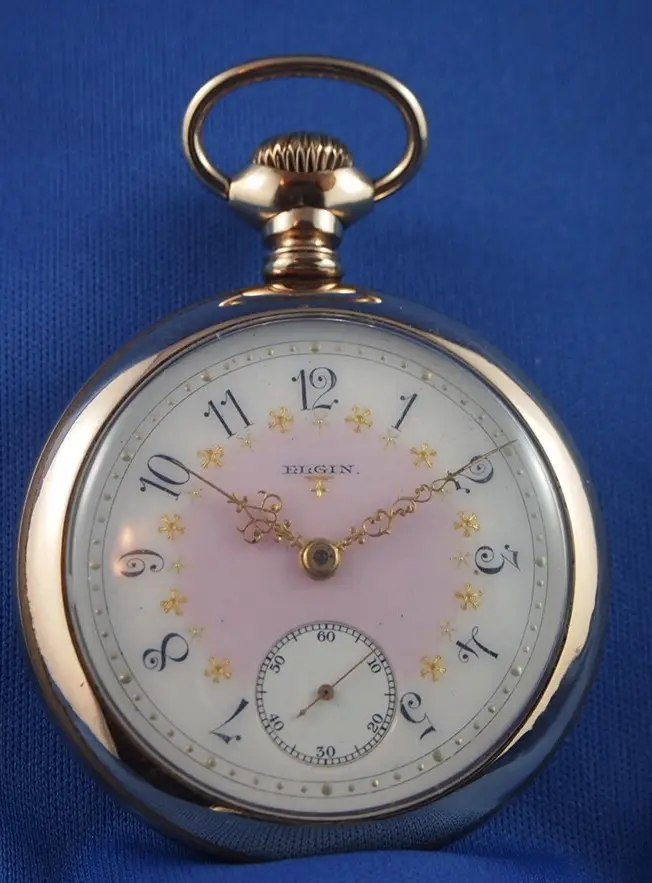
Fancy dials like that on your Omega were the fashion in that era. Certainly, a dial like yours would have been an expensive option, so the majority of watches were plainer, without the gold decorations. I’ve shown a picture of an Elgin, made in the USA. This is a family watch, the first owner buying it for himself in about 1901. He was a farmer and prominent business man, and this would have been an expensive watch at that time. The dial has the same sort of decoration, even on the minute track like yours.

 
Posts
3,270
Likes
14,209
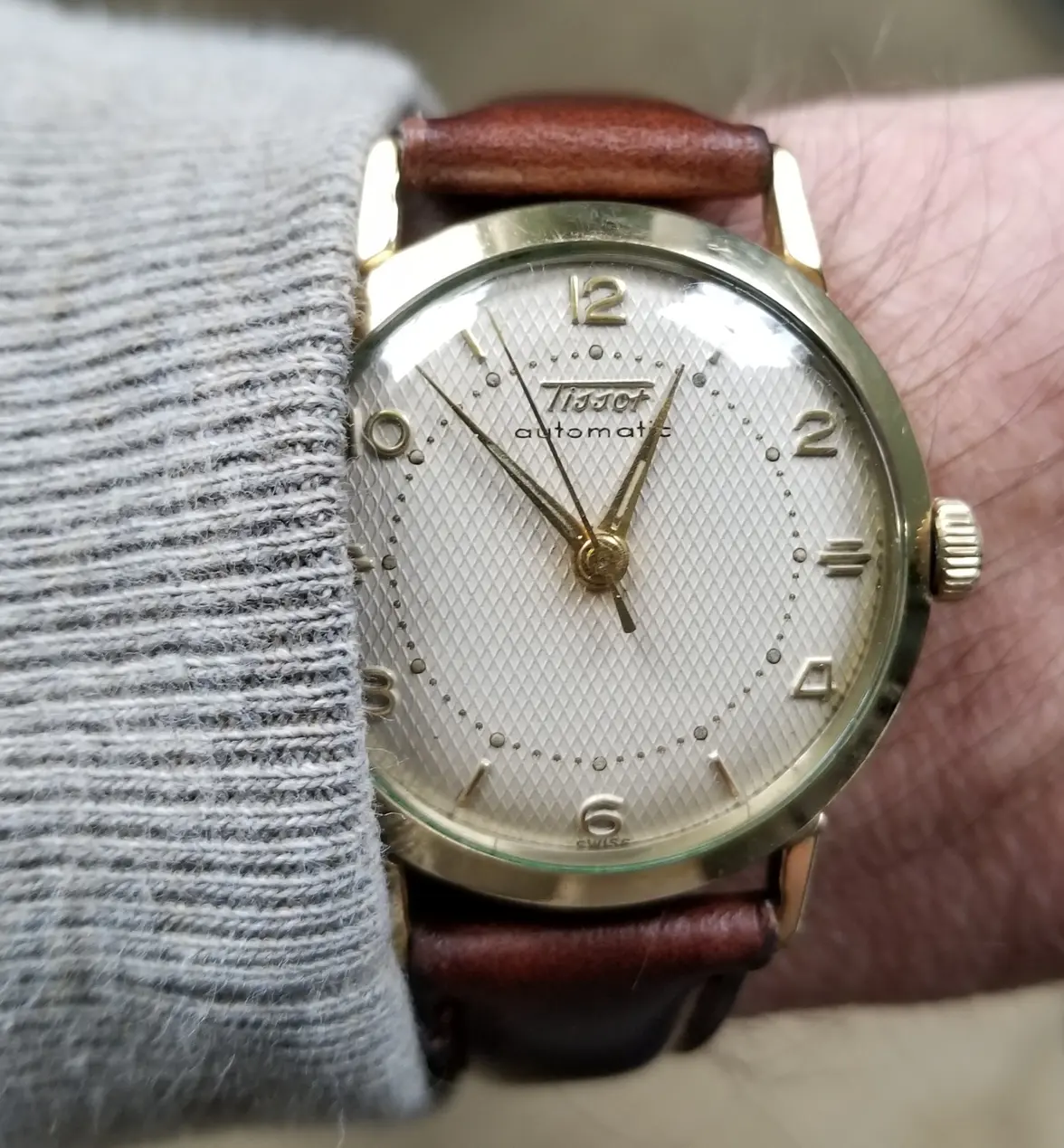
What are this called when they have dots every minute?
That feature is sometimes called a "pearl track" and can be found on wristwatches as well, like this one from the late 1950s: