Please consider donating to help offset our high running costs.
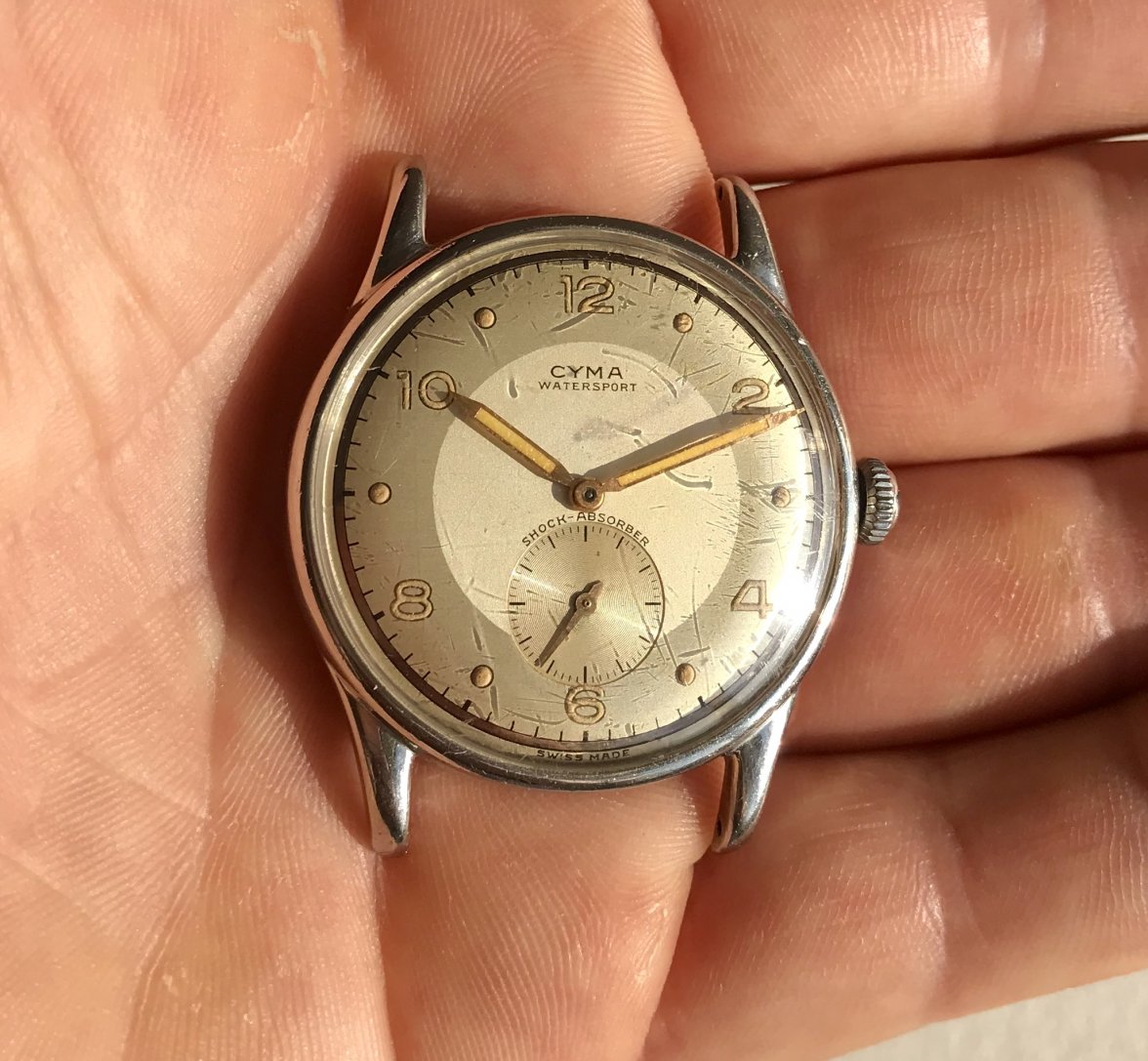
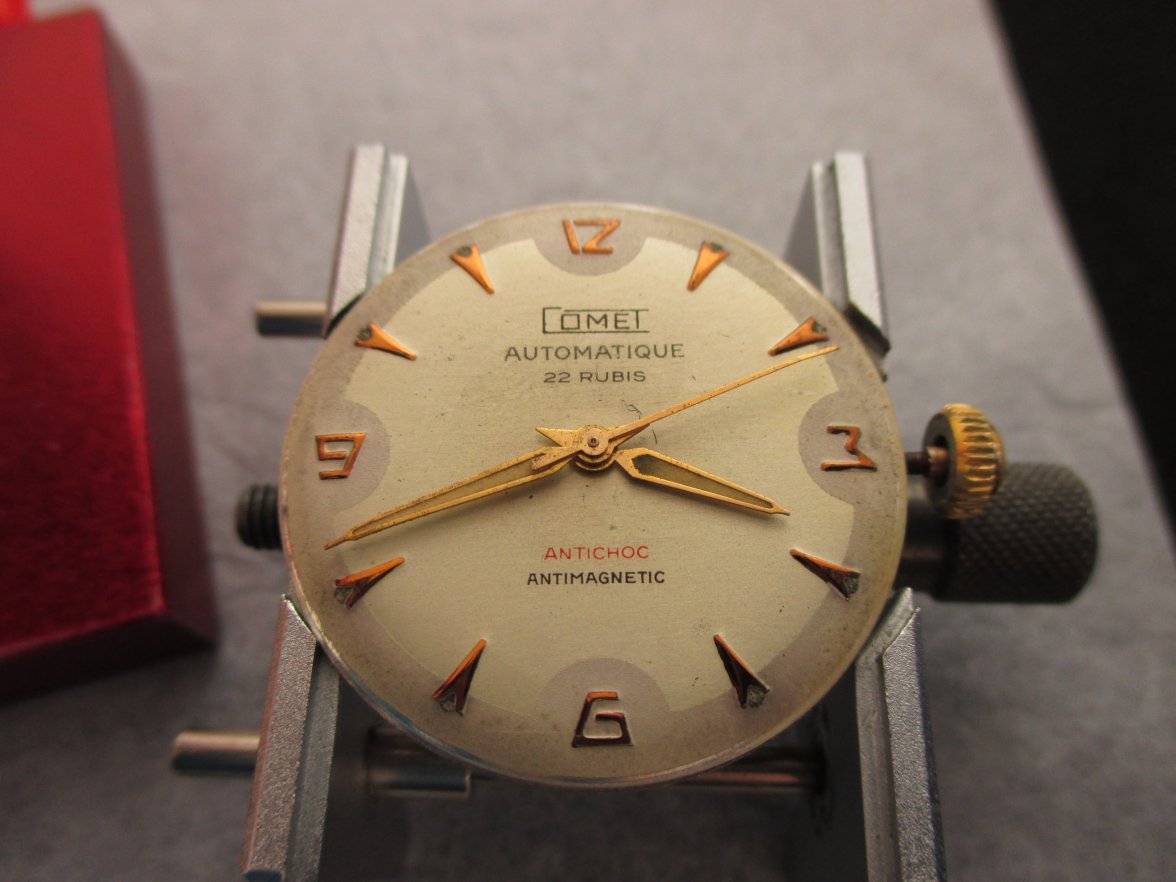
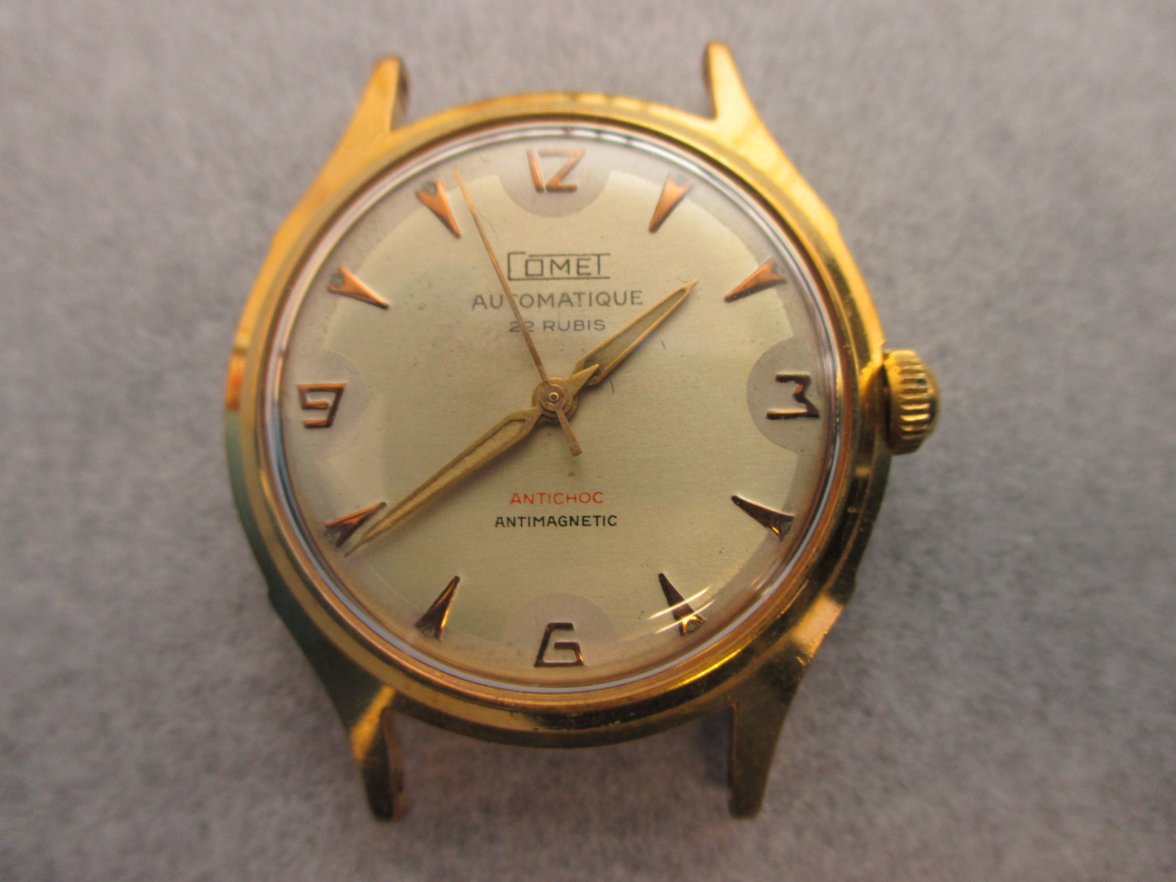
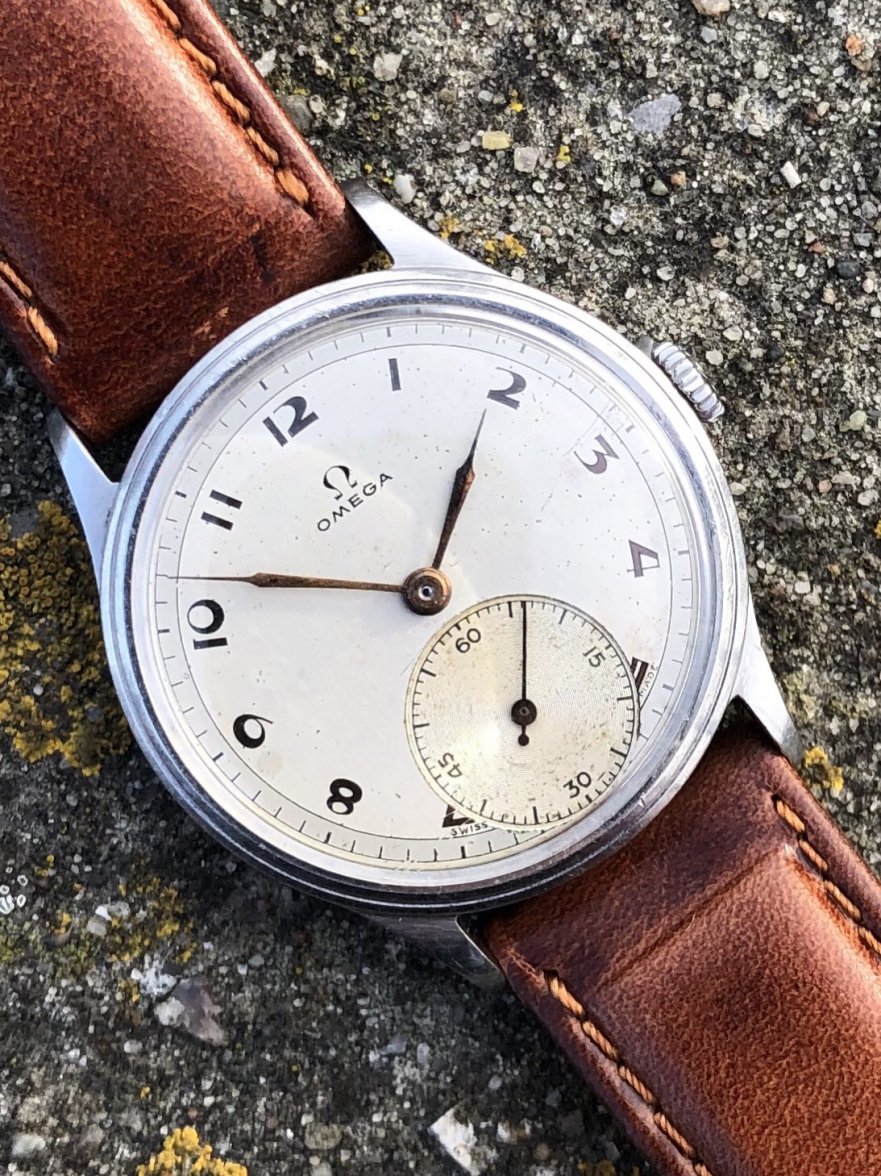
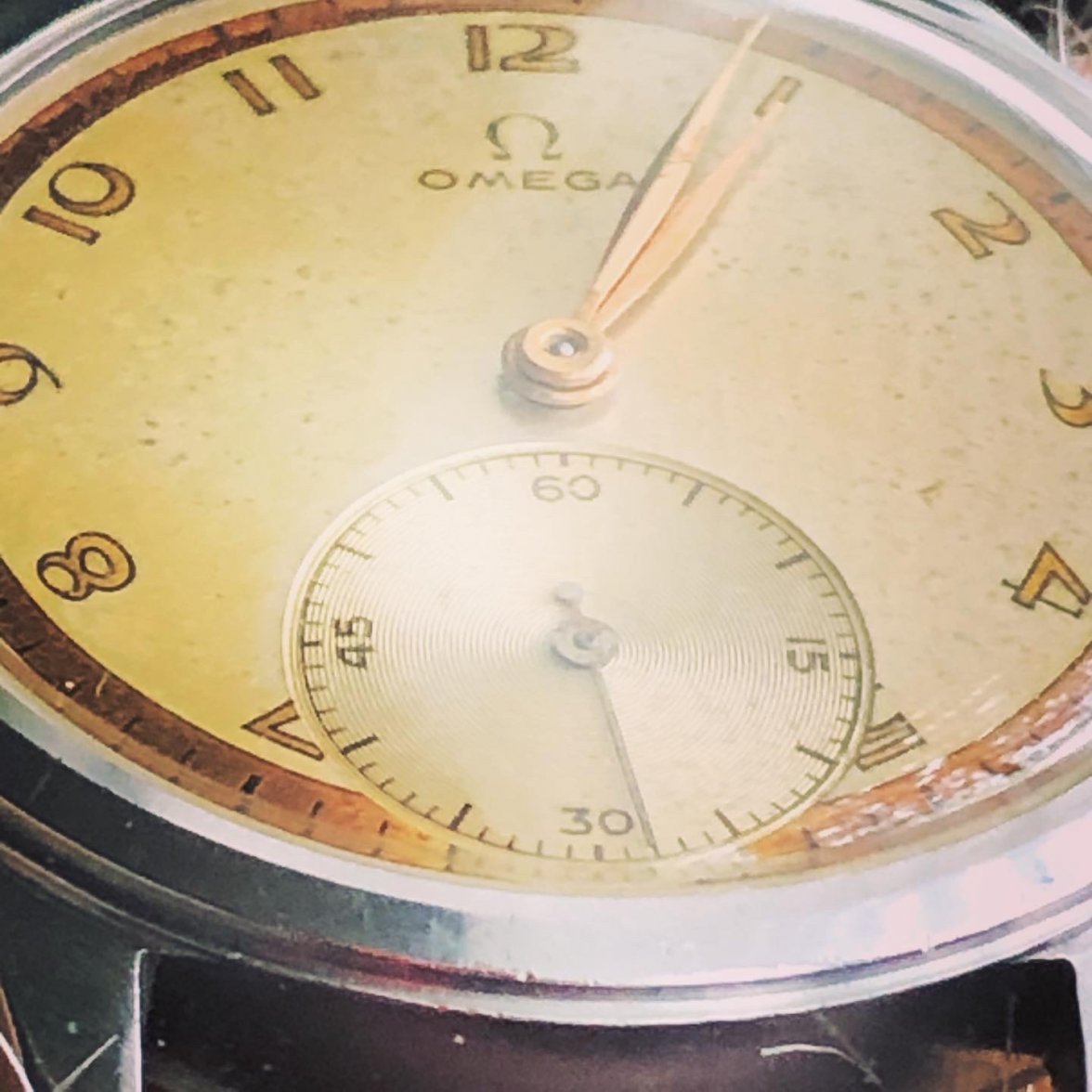
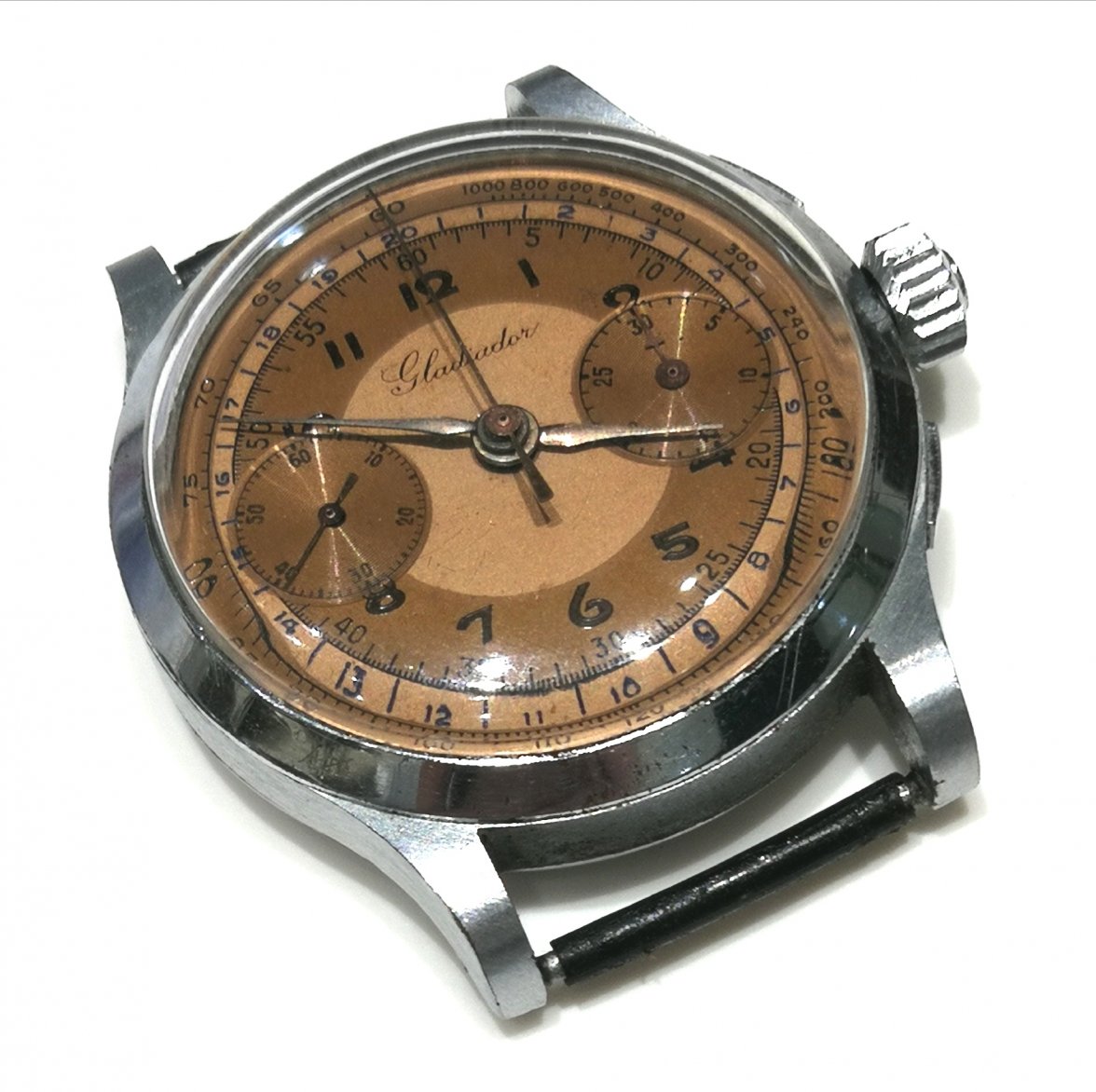
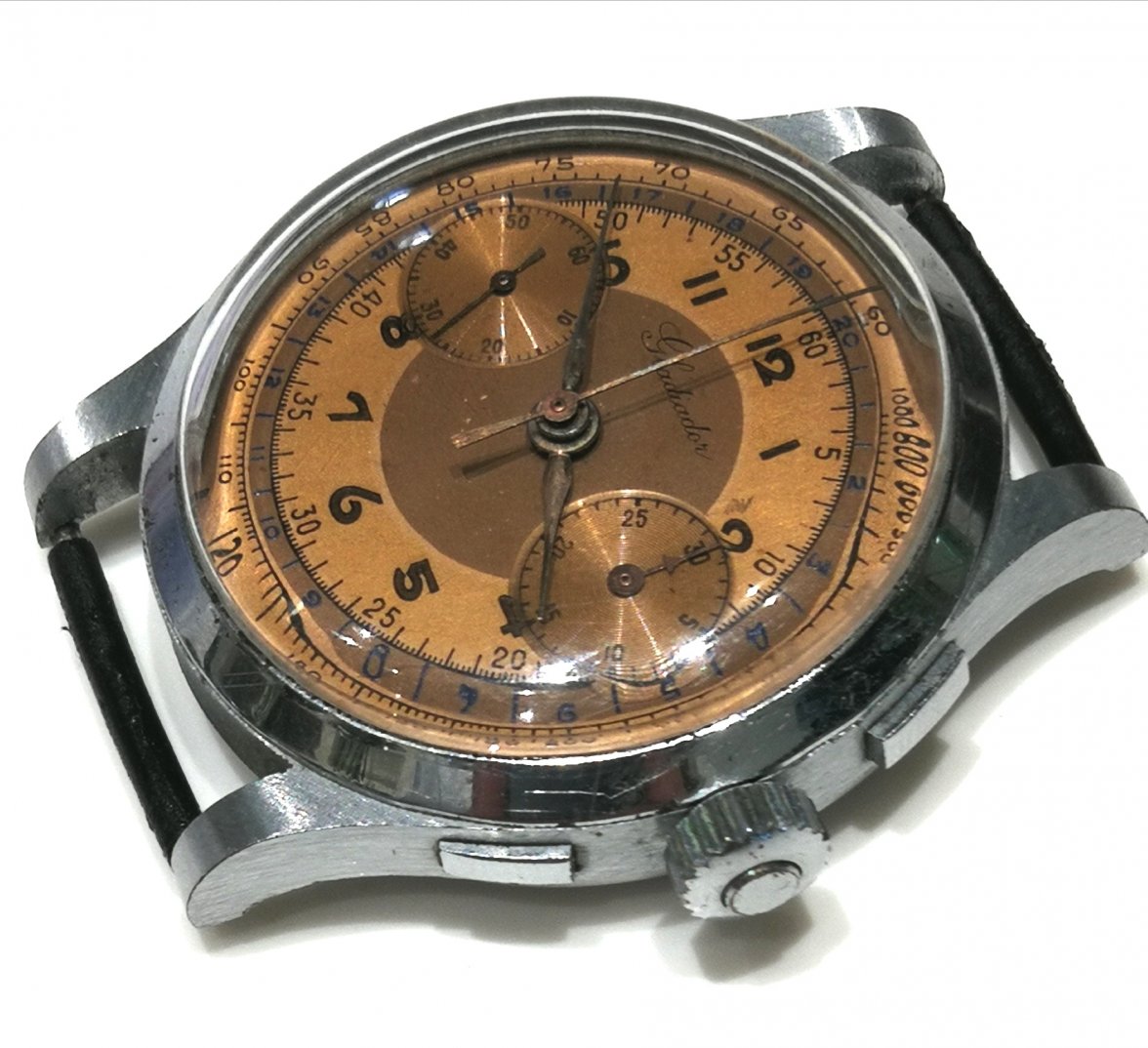
Not an expensive watch by any means and no No4 but this was this was the first vintage watch I bought (while looking for something else) because I just fell in love with the burnished copper 'secessionist' numbers.
(which, from previous research, appear to have been copied by later Russian watches)
A French watch, probably mid 50s, as it has an early Lorsa (L'Horlogerie De Savoie) automatic movement. (and I'm fairly sure that is radium on the indices)
Although the Comet brand has been used by several marques, I've never been able to find out who made this watch. (@Syrte ?)
Pics courtesy of Watchguy
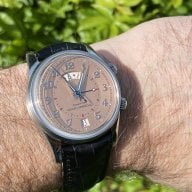
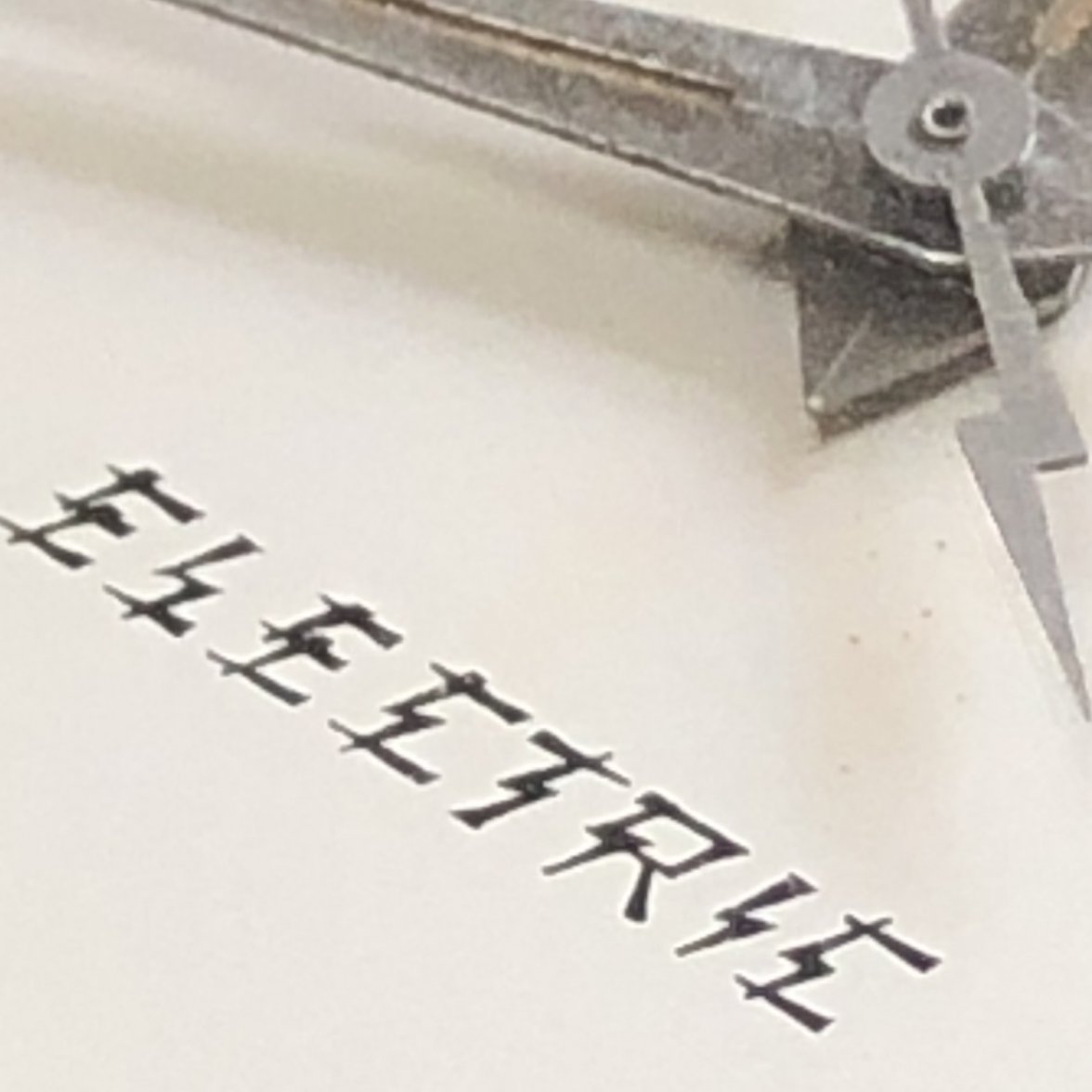
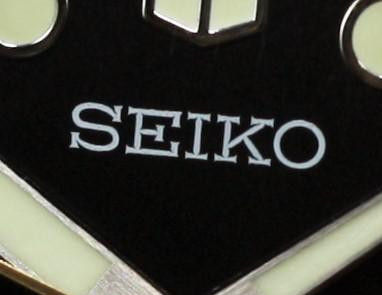
Not vintage, but interesting logo on my SLA021:
Cool typography imho, and not easily seen with the naked eye.
@Peemacgee : PM replied to 😉
Those are known as "inktraps." The role of the little cut-ins on the letters was traditionally to give a place for ink to spread out without distorting the letter forms and making the text hard to read. It's most obvious on typefaces that were designed for situations when cheap paper was used (think newspapers or phone books). A typeface such as Bell Centennial, which was designed for phone books, has massive ink traps that, at larger sizes, distort the letters but disappear when printed at 4.5 point.
In this case, it's meant to give the illusion of uniformity of weight to the letter forms so when it's viewed with the naked eye at regular distance, no parts of the letter appear bolder than any other.
Kind of interesting, a NYT article about brands knowing that well-chosen fonts can do much to convey the style of a timepiece. https://nyti.ms/2qyjwGq
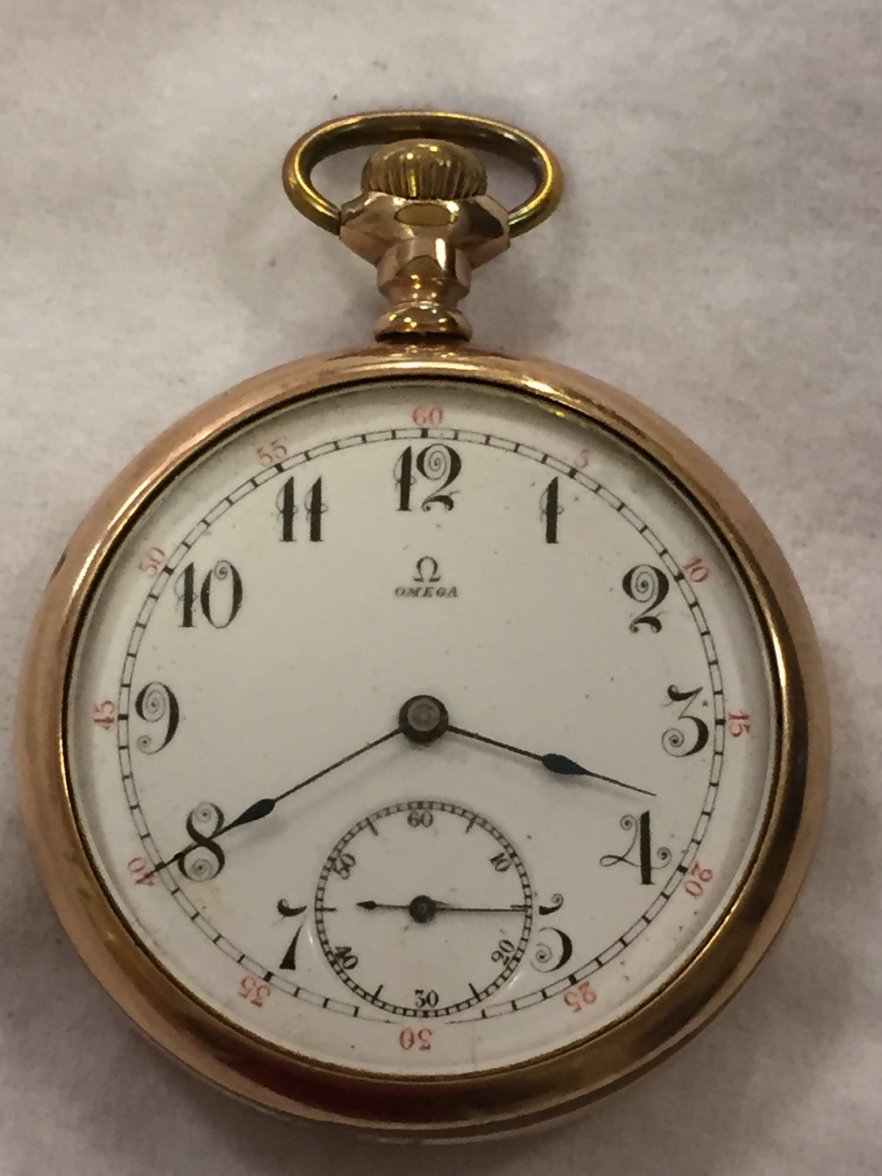
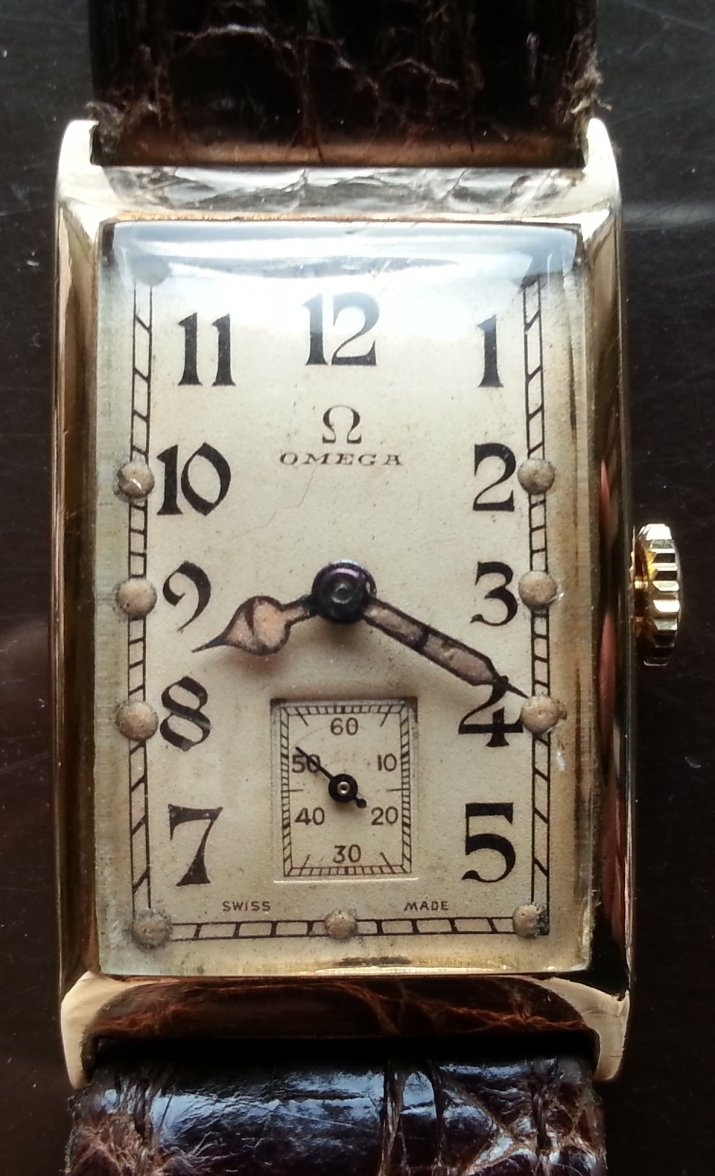
This thread has really gotten me interested in learning more about the curlicue typeface one the Omega pocket watch posted above. What was it called, where and why was it used, was it designed by Omega? So many questions
📖