- Posts
- 150
- Likes
- 494
Kiltie
·I don't mean for the thread title to be entirely "click-bait"y, but I don't know how to briefly phrase what I want to ask, either.
Once upon a time, all watches were mechanical, obviously. As such, if you did a job that required using a watch, it was mechanical.
But mechanical watches were relatively priced. Certainly you wouldn't set out to break your watch, but it probably wouldn't be earth shattering to have to replace it.
The other day, I saw a receipt for a Rolex Submariner from the mid-to-late seventies, and the cost was somewhere in the high 200s, if I remember. The inflation calculator I use put that in the neighborhood of 1300 to 1400 USD.
That's about the cost of a new, grey market Oris Diver 65.
Most would say, "Why risk diving with a $1300 watch, when you can use a G Shock?" or whatever. But forty years ago, the gold standard, the Submariner, was the one to have - and to use. $300 was certainly nothing to sneeze at.
SO -
The question is:
None of us can be faulted for protecting our investments in watches, in terms of getting dings and scratches and such, but what about the guts?
A lot is made of the rugged specs of Subs, Seamasters, Speedmasters... But as the expectations of the end user have changed, have the movements changed appreciably, as well?
Are watch movements, in general, more or less fragile than they were 40, 50, or 60 years ago, due to the expectation of their having tighter tolerances for time keeping, bpm, etc...?
Irrespective of "protecting the investment" should I expect my watch to perform similarly, under similar circumstances, to Jacques Cousteau's or GI Joe in Vietnam?
I've been advised ( and I have ignored ) on forums and even by sellers, don't shoot while wearing mechanical watches. Don't play drums. Don't golf ( as if I ever would...). And by inference, don't do anything that would impart some dissipating kinetic energy to your wrist. Really?
I understand that repeatedly and unnecessarily doing such things can cause undue wear, and I'm likely to knock the thing out of its' +/-2 seconds per day eventually. As to the latter, my attitude is pretty relaxed. I don't think my ( MY ) watch is really out of whack as long as it's within 30 or so seconds a day. Maybe more for my real work* watch, a Deep Blue diver.
tl;dr -
Given a similar attitude to a wearer 40 to 60 years ago, are todays' sports/tool watches better, same, different, to a new sports/tool watch made 40 to 60 years ago? In terms of their overall ruggedness/ usability.
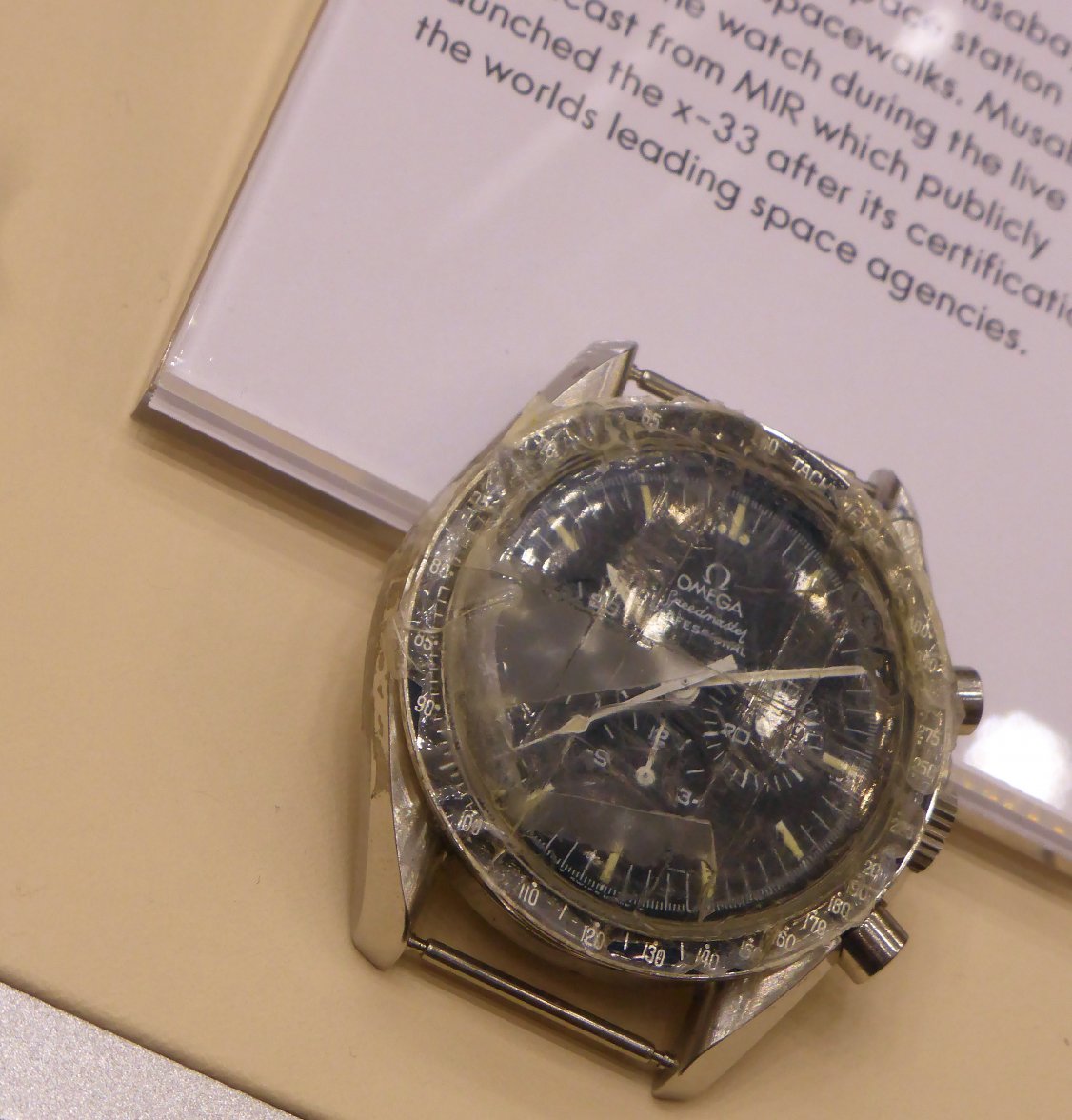
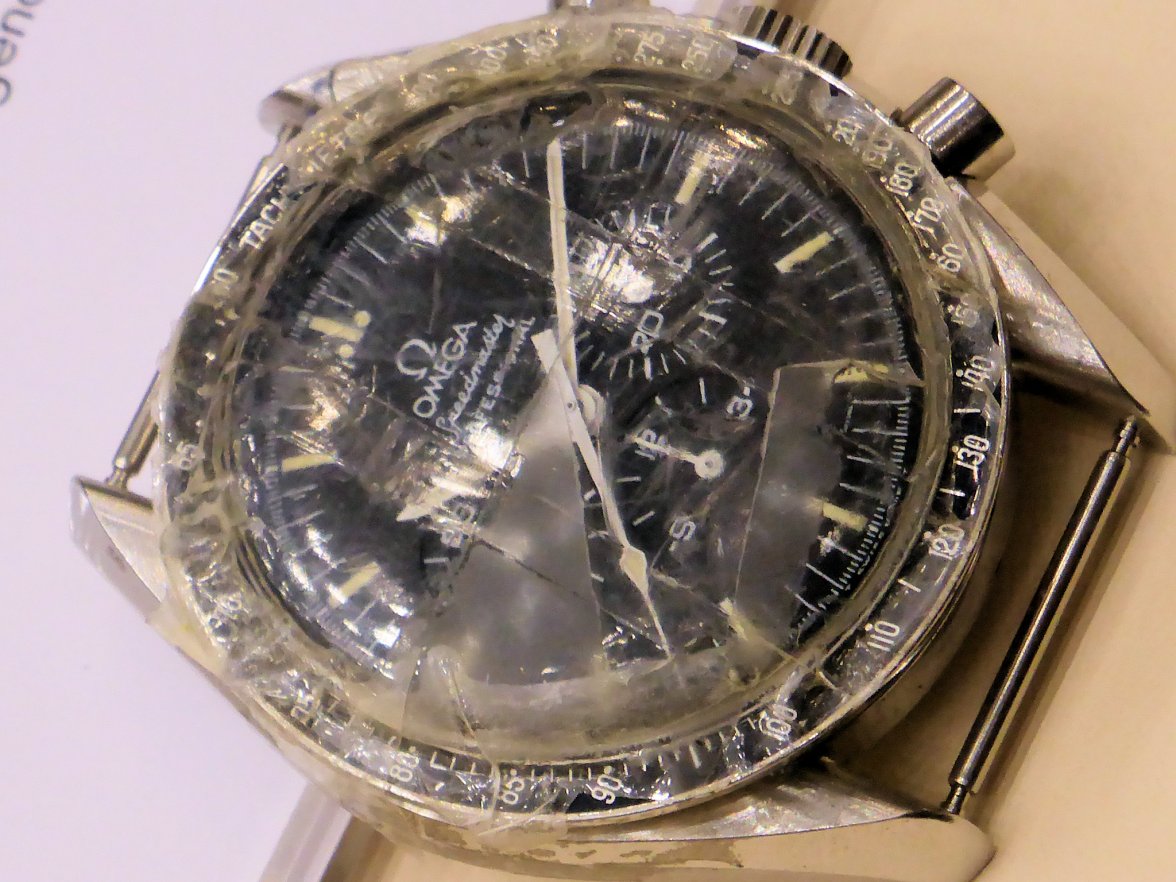
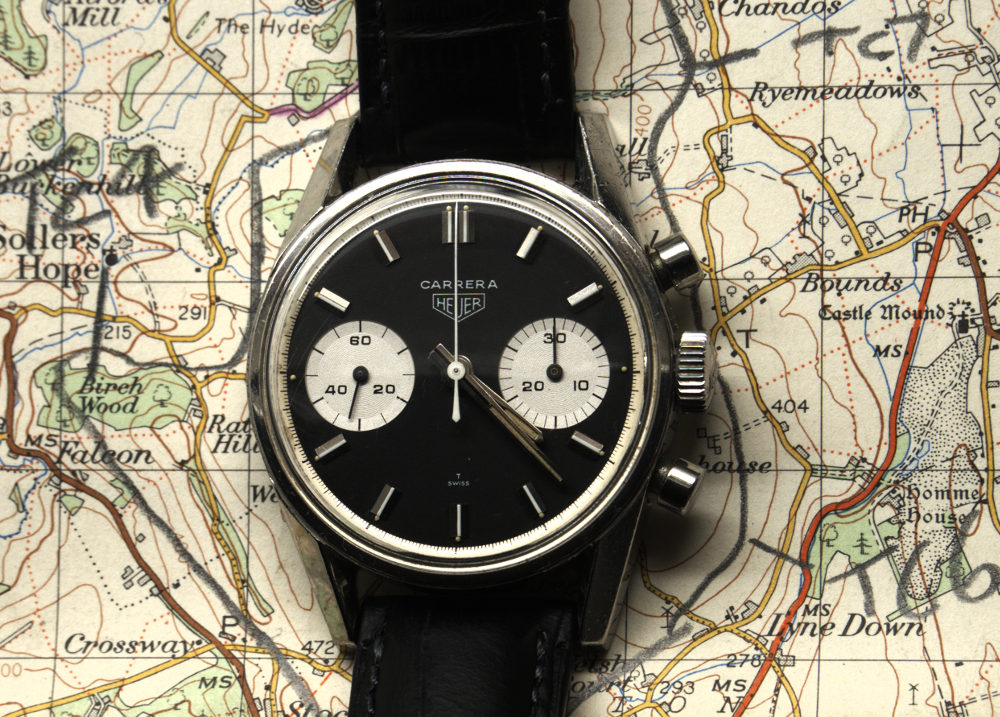
( old porn, just to give the post some color )
*Wearing anything north of a three or four hundred dollar watch in my work environment would be, as Brewer and Shipley would say, "One Toke Over The Line", for a number of reasons.
Once upon a time, all watches were mechanical, obviously. As such, if you did a job that required using a watch, it was mechanical.
But mechanical watches were relatively priced. Certainly you wouldn't set out to break your watch, but it probably wouldn't be earth shattering to have to replace it.
The other day, I saw a receipt for a Rolex Submariner from the mid-to-late seventies, and the cost was somewhere in the high 200s, if I remember. The inflation calculator I use put that in the neighborhood of 1300 to 1400 USD.
That's about the cost of a new, grey market Oris Diver 65.
Most would say, "Why risk diving with a $1300 watch, when you can use a G Shock?" or whatever. But forty years ago, the gold standard, the Submariner, was the one to have - and to use. $300 was certainly nothing to sneeze at.
SO -
The question is:
None of us can be faulted for protecting our investments in watches, in terms of getting dings and scratches and such, but what about the guts?
A lot is made of the rugged specs of Subs, Seamasters, Speedmasters... But as the expectations of the end user have changed, have the movements changed appreciably, as well?
Are watch movements, in general, more or less fragile than they were 40, 50, or 60 years ago, due to the expectation of their having tighter tolerances for time keeping, bpm, etc...?
Irrespective of "protecting the investment" should I expect my watch to perform similarly, under similar circumstances, to Jacques Cousteau's or GI Joe in Vietnam?
I've been advised ( and I have ignored ) on forums and even by sellers, don't shoot while wearing mechanical watches. Don't play drums. Don't golf ( as if I ever would...). And by inference, don't do anything that would impart some dissipating kinetic energy to your wrist. Really?
I understand that repeatedly and unnecessarily doing such things can cause undue wear, and I'm likely to knock the thing out of its' +/-2 seconds per day eventually. As to the latter, my attitude is pretty relaxed. I don't think my ( MY ) watch is really out of whack as long as it's within 30 or so seconds a day. Maybe more for my real work* watch, a Deep Blue diver.
tl;dr -
Given a similar attitude to a wearer 40 to 60 years ago, are todays' sports/tool watches better, same, different, to a new sports/tool watch made 40 to 60 years ago? In terms of their overall ruggedness/ usability.
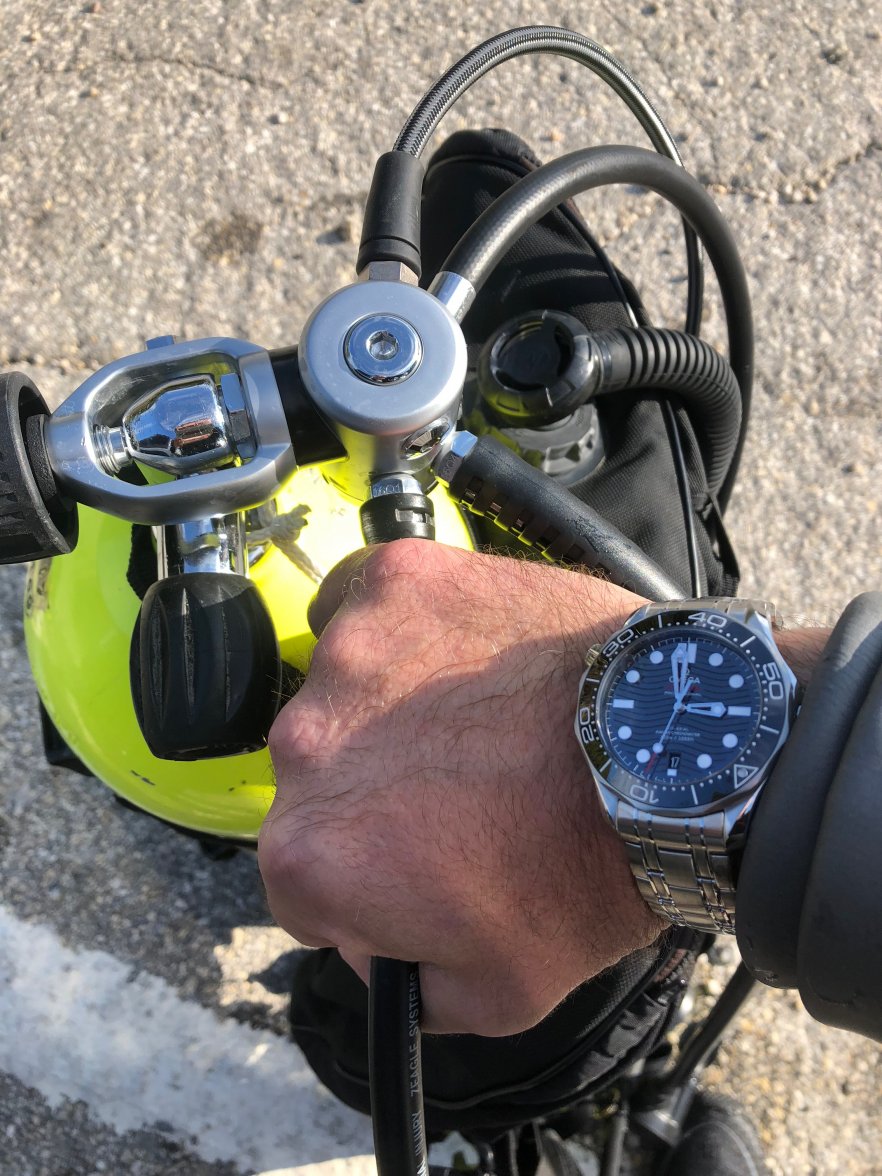
( old porn, just to give the post some color )
*Wearing anything north of a three or four hundred dollar watch in my work environment would be, as Brewer and Shipley would say, "One Toke Over The Line", for a number of reasons.