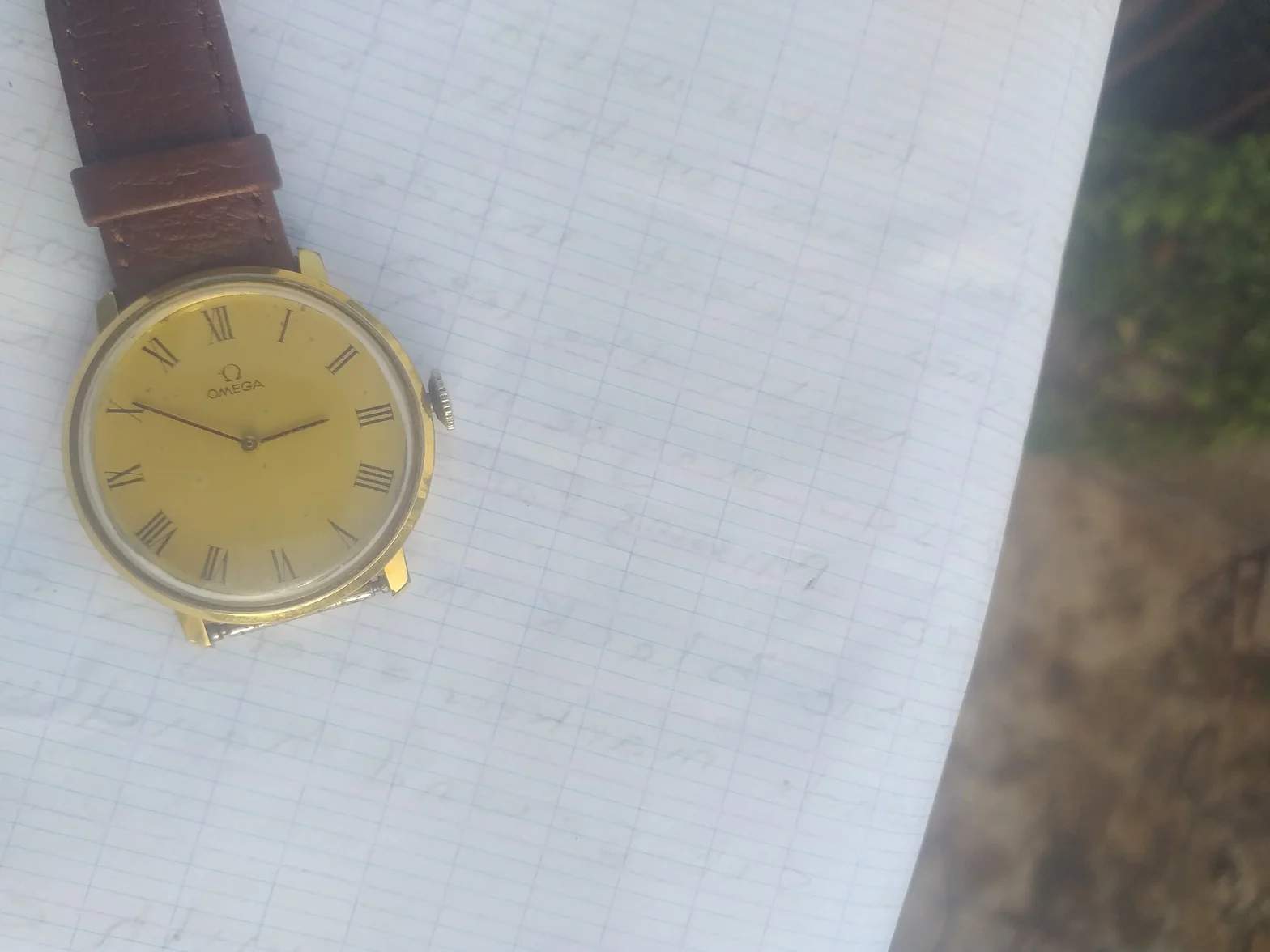
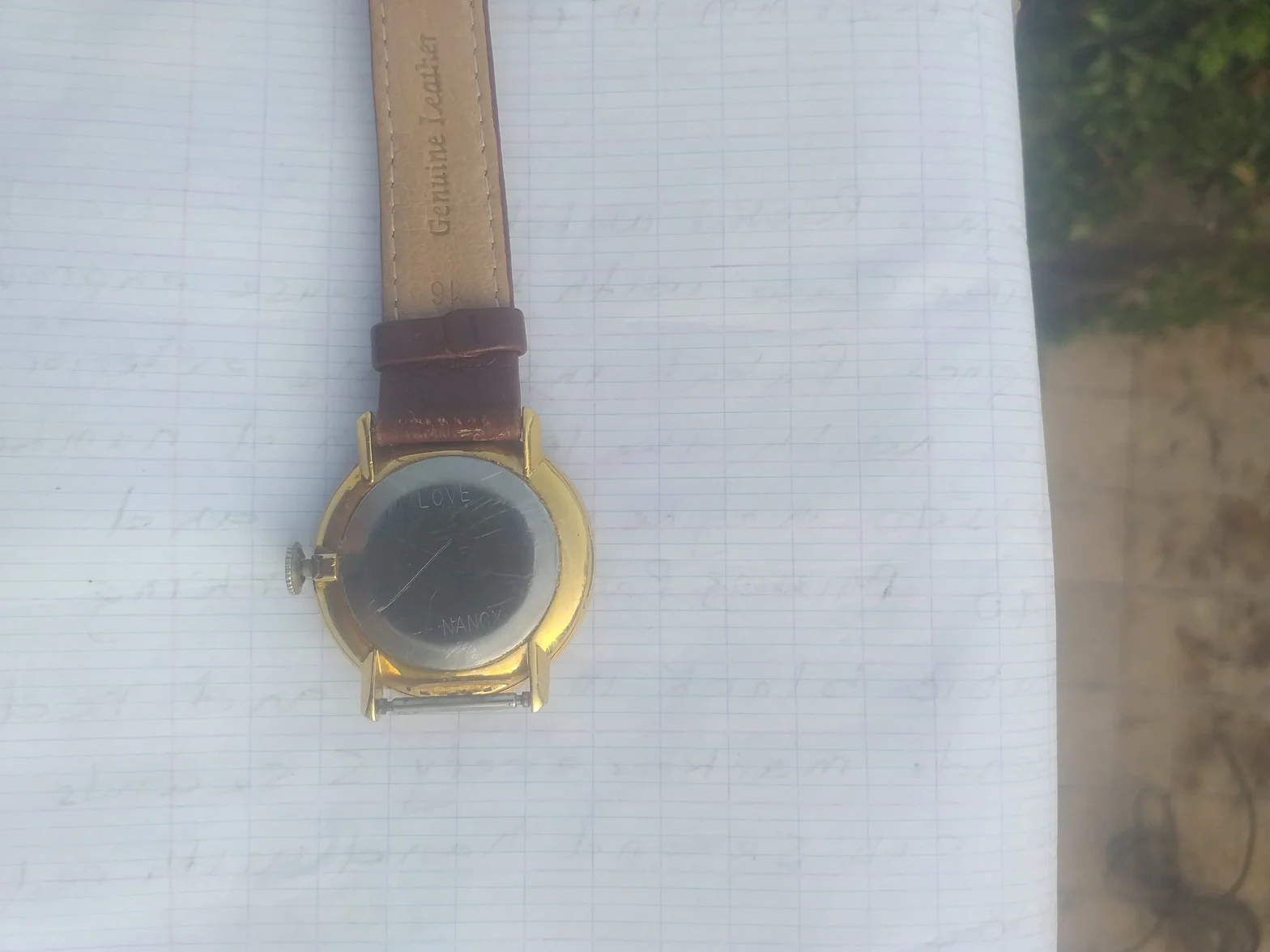
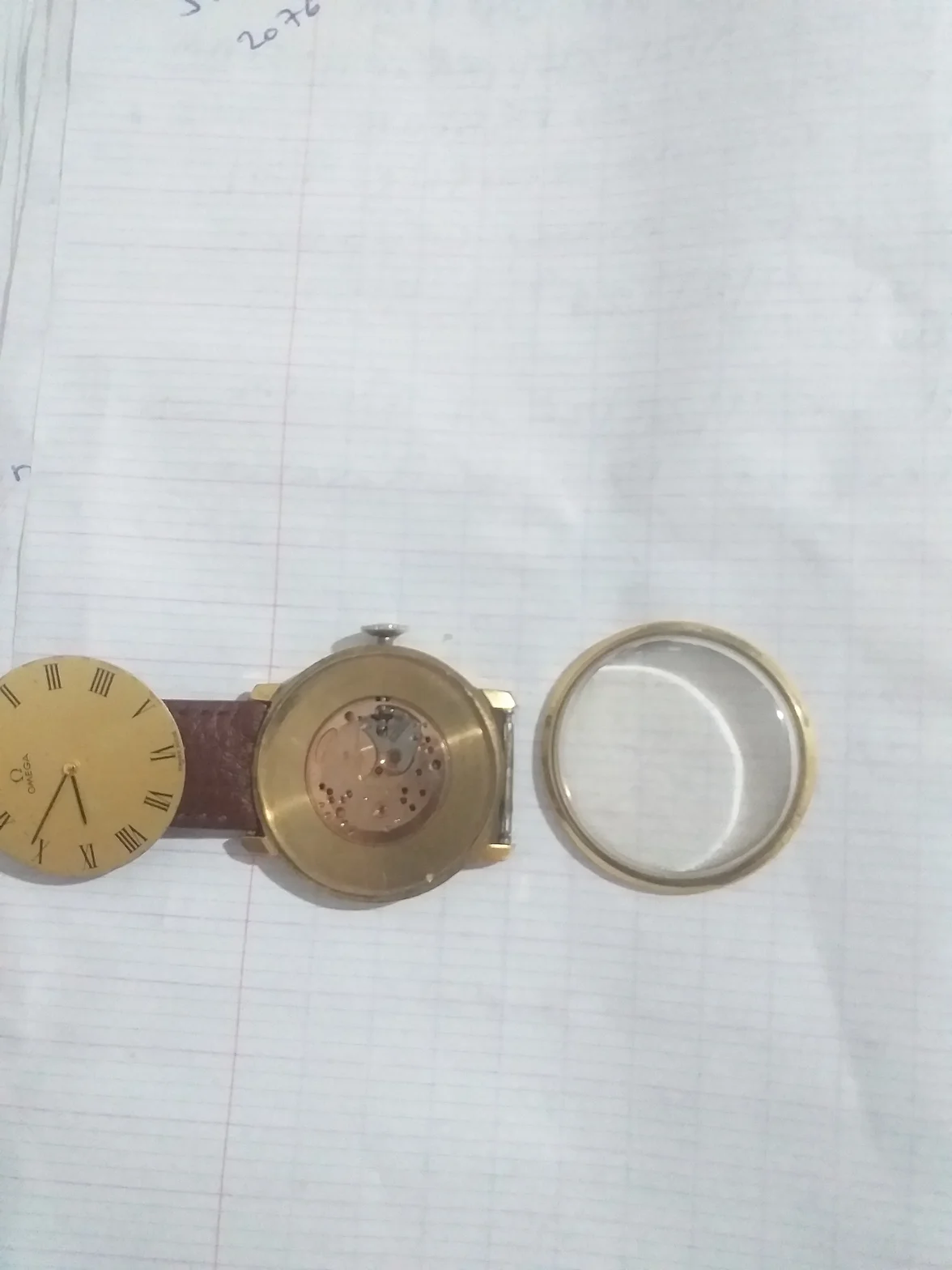
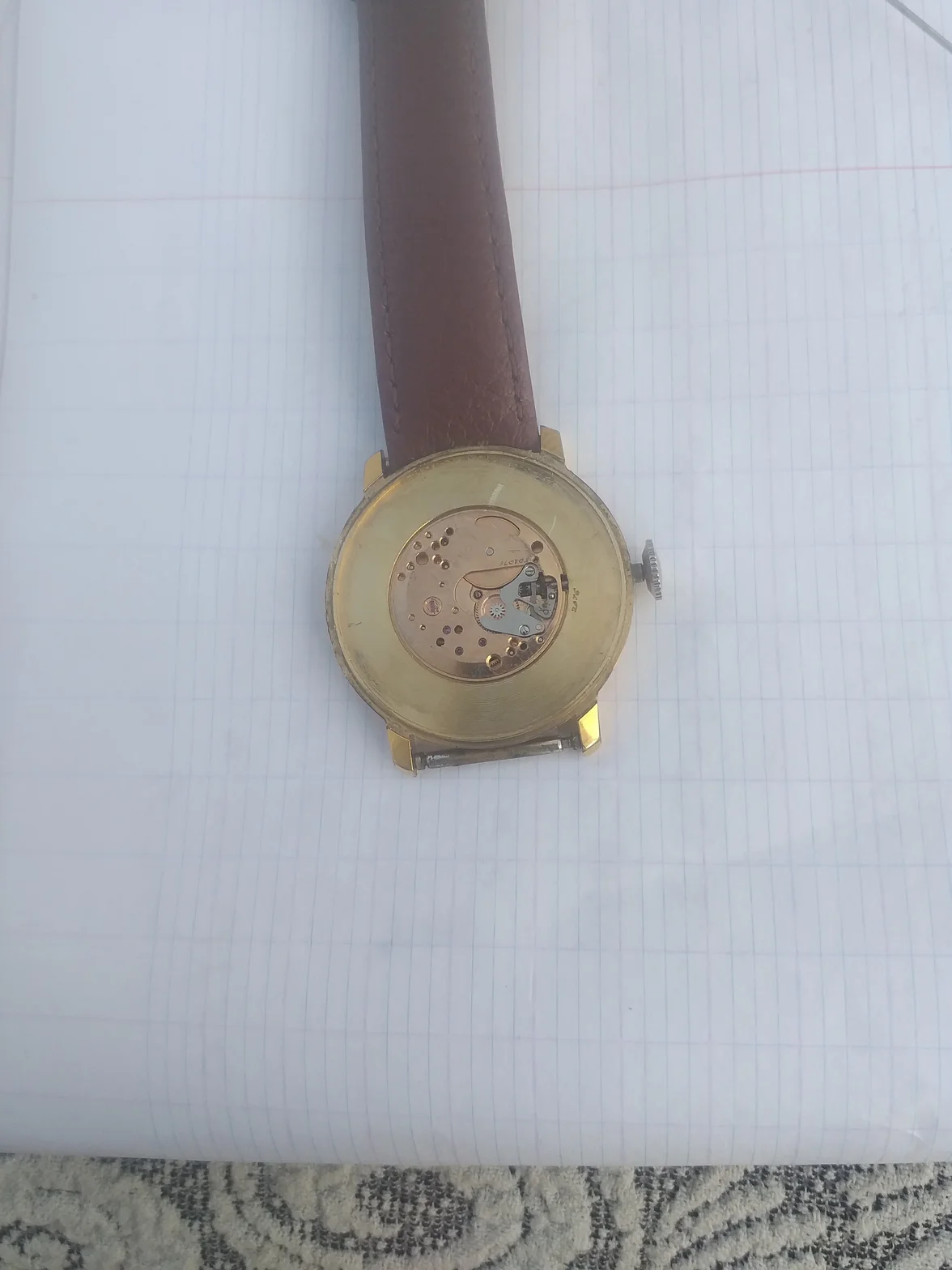
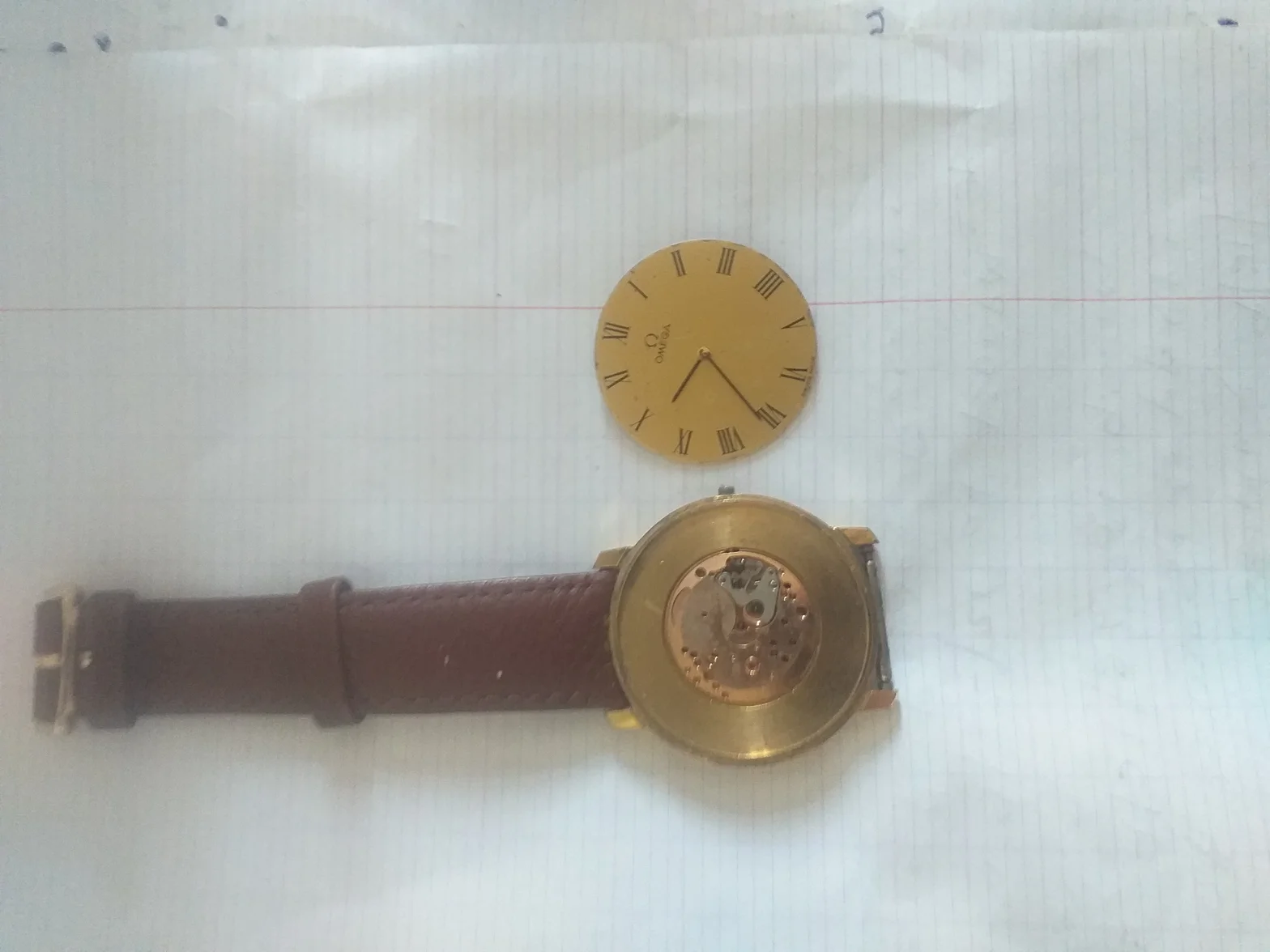
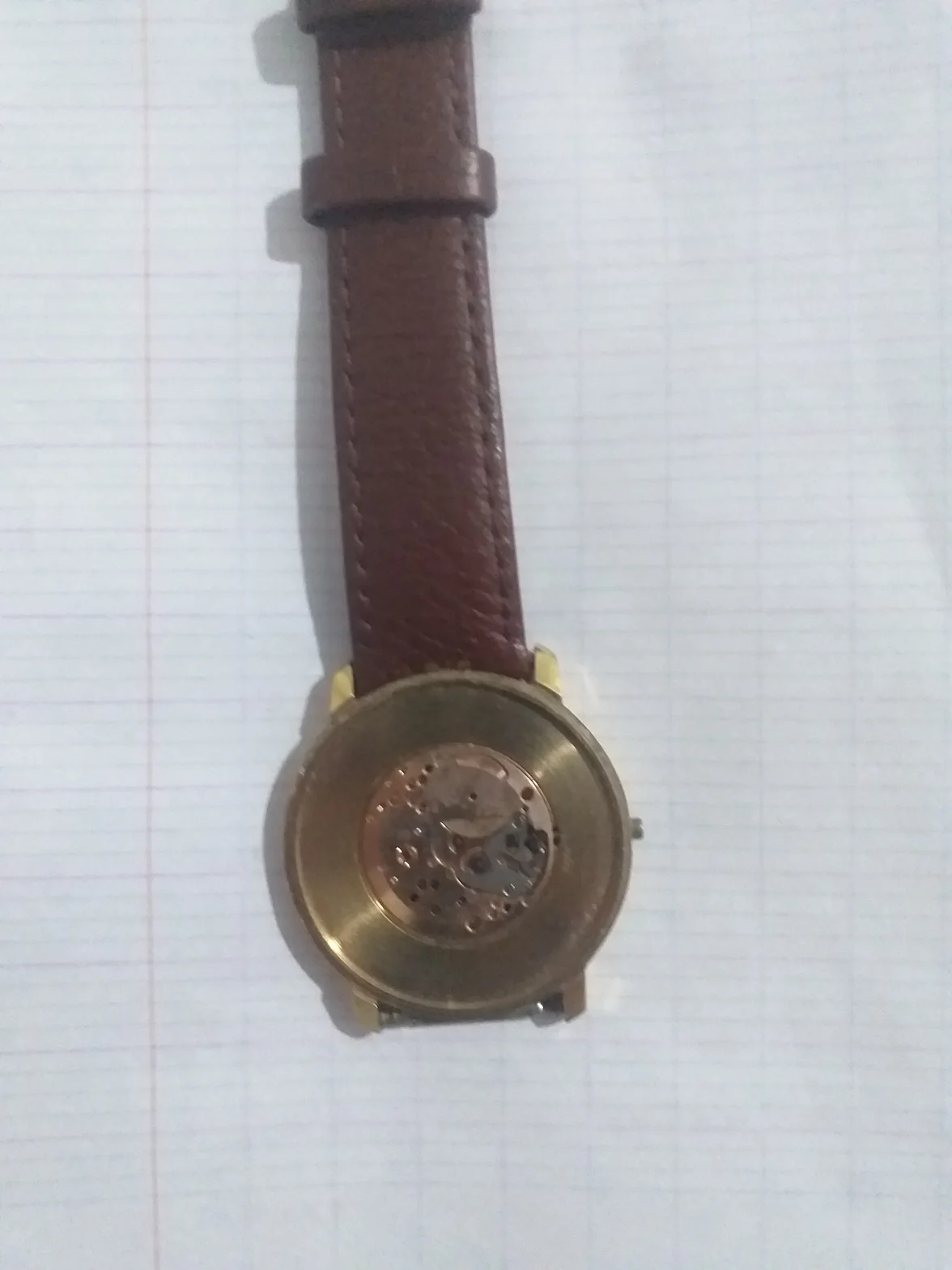
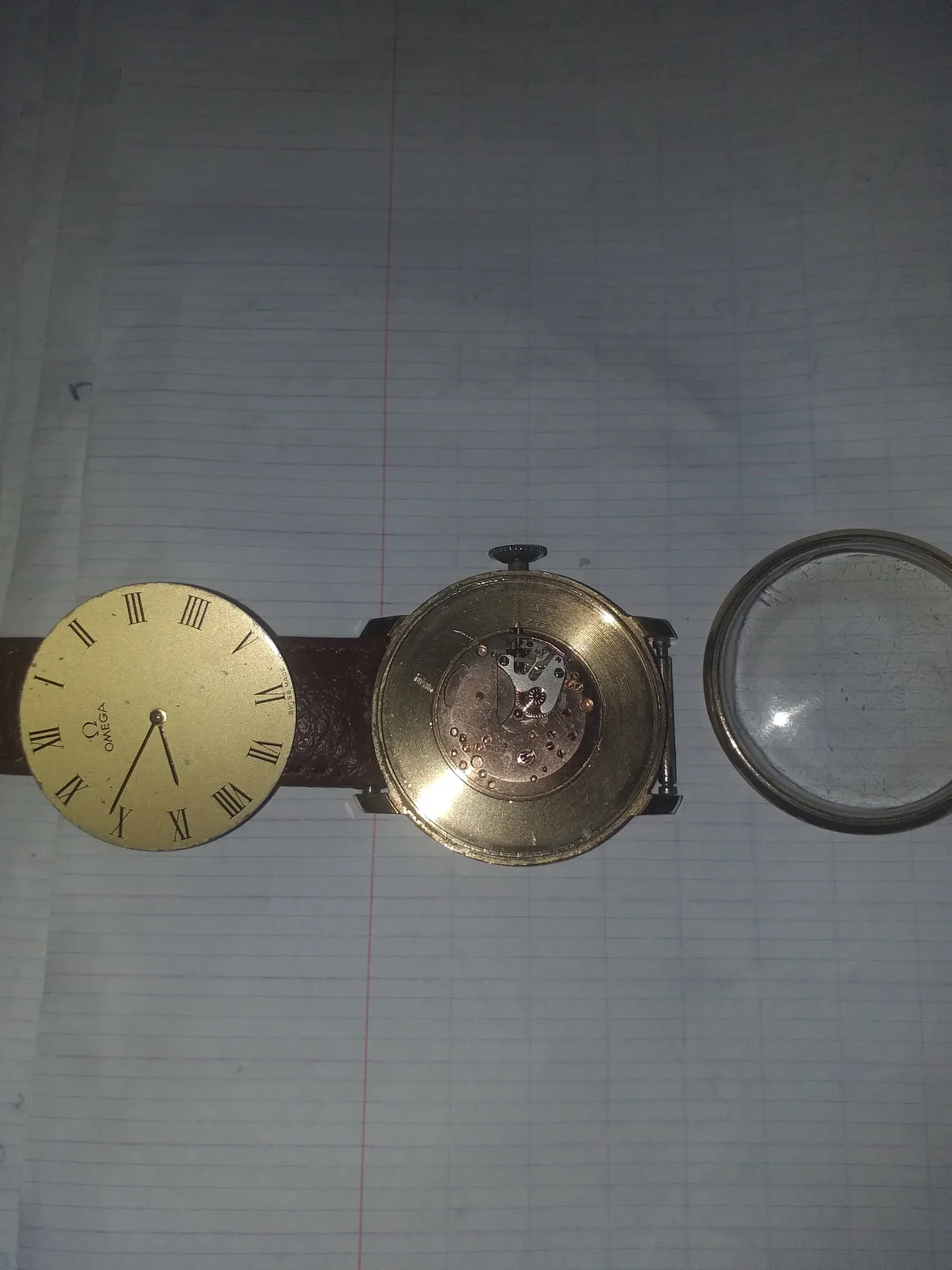
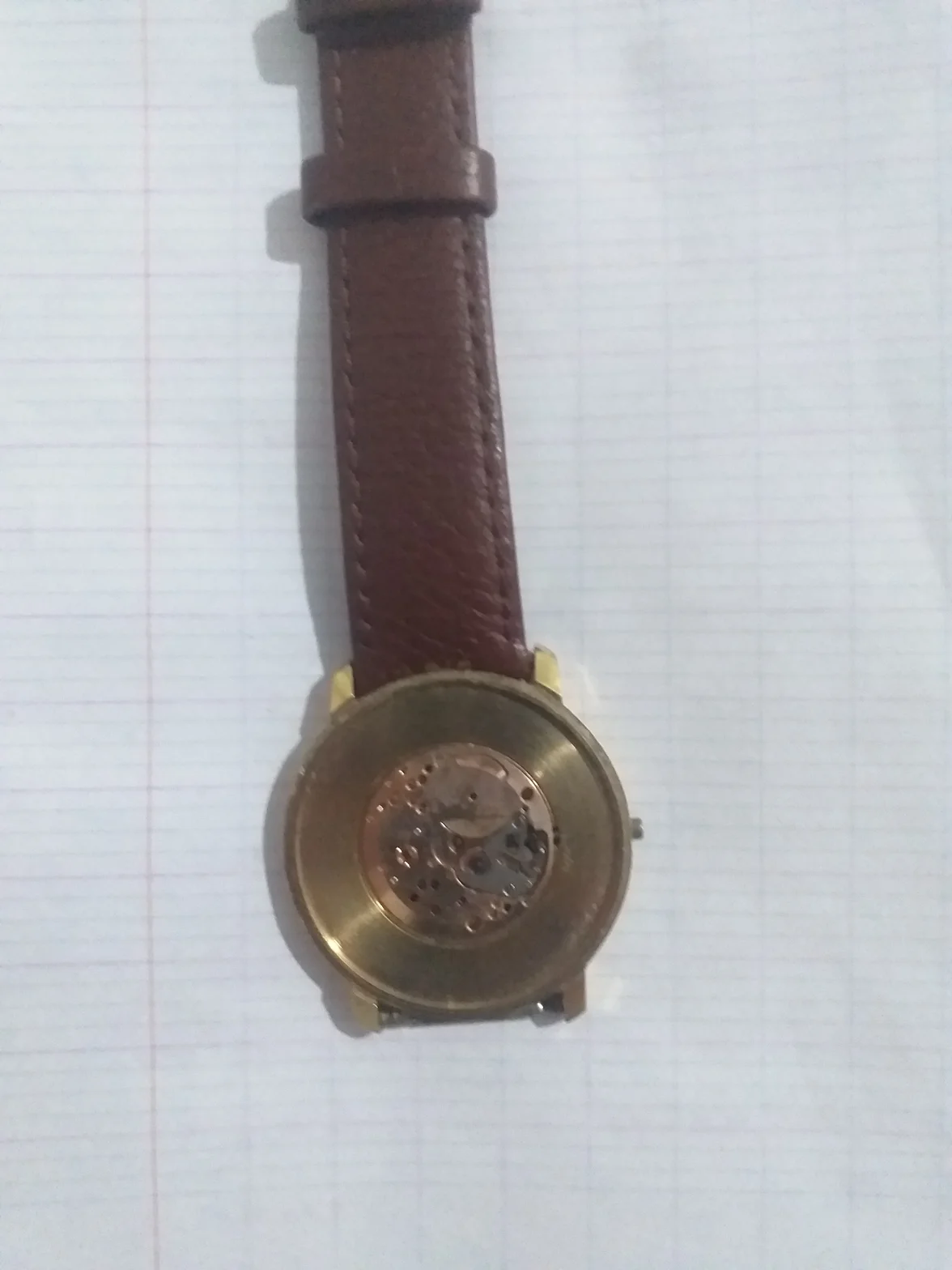
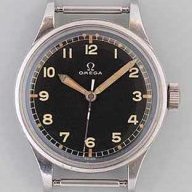
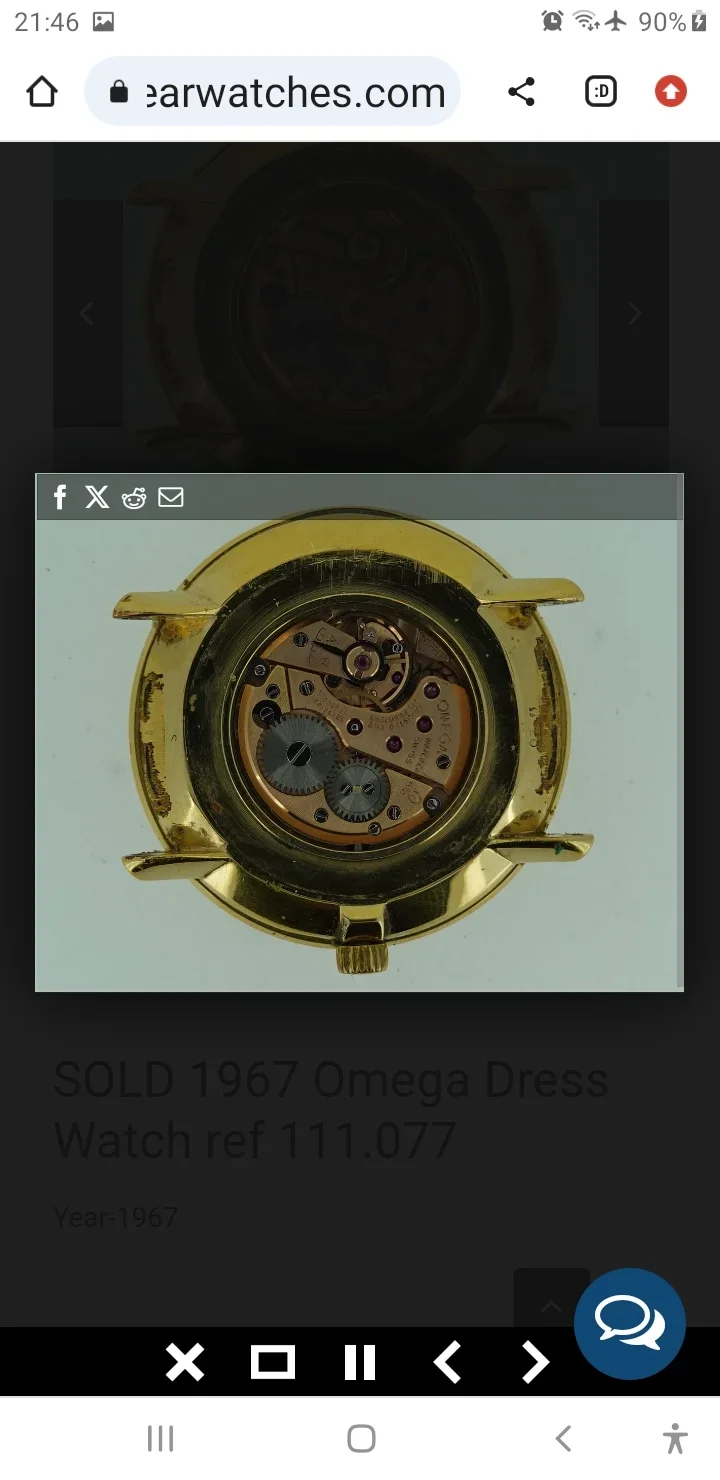
Hi there, I tried but apparently this watch is a front loader unishell case even though the steel round part on the back case looks like snap on but it's not, I have found online photos of the same model with the lid removed to show the bottom side of the movement like illustrated in this online picture:
I am a bit confused to tell you the truth.
Thanks.
If the watch you have is the same as the one you posted from the website, it is not a unishell.
The steel back should be removed using a thin blade into the side of the caseback where you see an opening.
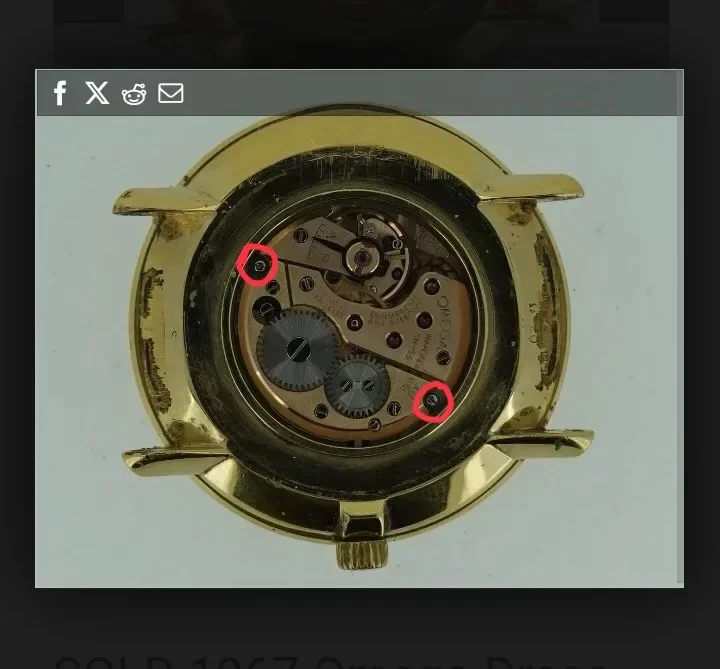
After that, unscrew the 2 screws shown below with the case clamps
Don’t forget to remove the crown and its stem. After that the movement will be freed.
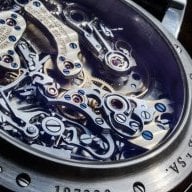
Hi there, before I went removing the bezel, the crystal and the dial , I tried to pry open the steel back but I couldn't despite using all kinds of tools , I invite you again to look at the back case of the my watch and see if it has any resemblance to the online photo showing the bottom side of the movement, I appreciate your feedback.
As @la_lusigne noted, there should be a slight gap at the edge of the caseback at one location. Start with a thin blade and use it as a wedge to increase the gap until you can use a thicker blade to wedge the caseback off by moving around the edge of the caseback. Let the blades do the work and don't try to lever it off.